Knotweed and Planning Permission – What Homeowners Must Know

Most British homeowners are shocked to learn that Japanese Knotweed causes over £170 million in property damage each year. This invasive plant triggers complex planning permission hurdles and can derail mortgage approvals across England and Wales. Understanding the strict local legal frameworks, survey requirements, and safe, chemical-free removal methods could save you thousands while protecting your investment. Discover how the latest ecological approaches and expert surveys offer practical solutions for long-term peace of mind.

Table of Contents

Key Takeaways

Point Details
Understanding Legal Obligations Familiarise yourself with key legislation affecting Japanese Knotweed management to avoid potential legal consequences and financial penalties.
Importance of Professional Surveys Commission a specialised Japanese Knotweed survey before any property transaction to assess risks and develop a management plan.
Planning Permission Impact Japanese Knotweed presence can significantly influence planning permission outcomes; thorough management plans are often required by local authorities.
Exploring Alternative Solutions Investigate environmentally-friendly methods for Japanese Knotweed management that minimise ecological impact while effectively controlling the plant.

Japanese Knotweed and Planning Permission Defined

Navigating the complex landscape of Japanese Knotweed and planning permission requires understanding the critical legal framework that governs this invasive plant species. In the United Kingdom, Japanese Knotweed represents a significant environmental and property development challenge, with specific regulations that can impact homeowners and potential property transactions. The UK government recognises Japanese knotweed as a major invasive non-native plant that demands careful management and strategic intervention.

Under current legislation, local planning authorities have substantial discretion when assessing development proposals where Japanese Knotweed is present. The presence of this plant can fundamentally alter planning permission decisions, with authorities often requiring comprehensive management plans to mitigate potential environmental and structural risks. The Environment Agency’s code of practice specifically outlines that managing Japanese Knotweed is a crucial consideration for development projects, potentially making specialised treatment protocols a mandatory condition for gaining planning approval.

Homeowners and developers must understand that while there is no legal requirement to remove Japanese Knotweed from private land, authorities can mandate action if its presence poses a risk to neighbouring properties or represents a potential nuisance. This means that during planning permission applications, evidence of a professional, structured approach to Japanese Knotweed management can significantly influence the outcome of your proposal. Detailed surveys, comprehensive treatment plans, and documentation demonstrating responsible management are often critical elements in securing planning permission when this invasive species is identified on a site.

Pro tip: Always commission a professional Japanese Knotweed survey before submitting any planning permission application to understand the full extent of potential challenges and develop a proactive management strategy.

The legal landscape surrounding invasive plant species in the United Kingdom is complex and multifaceted, with several key legislative frameworks designed to address environmental and property management challenges. Management of Japanese Knotweed is governed by multiple critical pieces of legislation, including the Wildlife and Countryside Act 1981, the Environmental Protection Act 1990, and the Anti-social Behaviour, Crime and Policing Act 2014.

These legislative instruments create a comprehensive legal framework that places significant responsibilities on landowners and property managers. The Wildlife and Countryside Act 1981 specifically makes it an offence to intentionally plant or cause Japanese Knotweed to grow in the wild, while the Environmental Protection Act 1990 provides guidelines for the controlled disposal of contaminated soil. Notably, the Anti-social Behaviour, Crime and Policing Act 2014 enables local authorities to take more direct action against property owners who fail to manage invasive plant infestations effectively.

Understanding these legal frameworks is crucial for homeowners, developers, and property managers. The legislation not only addresses the environmental risks posed by invasive plants but also provides mechanisms for local authorities to intervene when plant species threaten neighbouring properties or public spaces. This means that property owners can be compelled to take action, with potential legal consequences for non-compliance, including financial penalties and enforcement notices that could impact property development plans.

Here’s a summary of the key UK laws governing Japanese Knotweed:

Legislation Main Focus Enforcement Authority Typical Penalties
Wildlife and Countryside Act 1981 Prevents spread into the wild Police, Local Authorities Fines, prosecution
Environmental Protection Act 1990 Controls disposal of contaminated soil Environment Agency Waste notices, fines
Anti-social Behaviour, Crime and Policing Act 2014 Addresses nuisance and neglect Local Authorities Legal orders, financial penalties

Pro tip: Consult a legal professional specialising in environmental law to fully understand your specific obligations regarding invasive plant management on your property.

Survey Requirements Before Building or Buying

Property surveys play a critical role in identifying and managing Japanese Knotweed risks before purchasing or developing land. The Royal Institution of Chartered Surveyors (RICS) has established comprehensive standards for surveying properties with potential invasive plant infestations, ensuring that potential buyers and developers receive detailed information about environmental risks.

Professional surveyors must conduct thorough investigations that go beyond standard property assessments. Professional guidance for valuers and surveyors emphasises the importance of comprehensive site inspections specifically targeting Japanese Knotweed identification. These investigations typically involve detailed site mapping, visual assessments, and potential ground-penetrating radar or soil testing to determine the precise extent and location of any knotweed infestation.

The survey process is particularly crucial for mortgage applications and property transactions. Lenders and financial institutions now require comprehensive documentation demonstrating that any Japanese Knotweed presence has been professionally assessed and can be effectively managed. This means surveyors must not only identify the plant but also provide a detailed management plan that outlines potential treatment strategies, estimated costs, and long-term mitigation approaches. Failure to conduct a rigorous survey could result in delayed property transactions, reduced property values, or even complete mortgage rejections.

Pro tip: Always request a specialised Japanese Knotweed survey from a qualified professional before finalising any property purchase or development project.

Planning Permission Conditions and Management Plans

Developers and property owners must navigate complex requirements when Japanese Knotweed is present on a development site. The Environment Agency provides comprehensive guidance on management plan submissions for planning permission, establishing critical standards for invasive plant control and documentation.

Property developer viewing a knotweed management plan

A robust Japanese Knotweed management plan typically encompasses several key components that local planning authorities carefully scrutinise. These include detailed site surveys documenting the precise extent of knotweed infestation, comprehensive control strategies outlining treatment methodologies, clear responsibility allocations for implementation, and specific protocols for safe disposal of contaminated plant materials. Planning conditions frequently mandate ongoing monitoring and reporting, ensuring that potential environmental risks are systematically addressed throughout the development process.

The implications of inadequate management plans can be significant for property developers and landowners. Local authorities may withhold planning permission, impose additional conditions, or require expensive remediation work if knotweed management strategies are deemed insufficient. This means that developers must approach knotweed management proactively, working closely with ecological specialists to develop thorough, scientifically robust plans that demonstrate a comprehensive understanding of the plant’s potential environmental and structural impacts.

Pro tip: Engage a specialist knotweed management consultant early in your planning process to develop a comprehensive, authoritative management plan that will satisfy planning authority requirements.

Risks, Liabilities and Mortgage Implications

Japanese Knotweed represents a significant financial and legal risk for property owners and potential buyers. Parliamentary evidence highlights the substantial challenges Japanese Knotweed poses for mortgage lenders and property transactions, creating complex implications for property ownership and valuation.

Infographic outlines knotweed risks and liabilities

Mortgage lenders have become increasingly stringent in their assessment of properties with Japanese Knotweed presence. Financial institutions typically require comprehensive professional management plans before considering mortgage applications, and the mere presence of this invasive plant can dramatically reduce property values. Potential buyers may find themselves facing significant obstacles, including reduced lending options, increased survey and treatment costs, and potential legal complications that can arise from improper management of the plant.

The legal liabilities associated with Japanese Knotweed extend beyond immediate property transactions. Property owners can be held responsible for allowing the plant to spread to neighbouring properties, potentially facing costly legal disputes and enforcement actions. Insurance providers may impose additional restrictions or refuse coverage for properties with known knotweed infestations, creating long-term financial and legal challenges that can persist well beyond the initial property purchase or development project.

Pro tip: Obtain a comprehensive Japanese Knotweed survey and management plan before purchasing a property to mitigate potential financial and legal risks.

Chemical-Free Knotweed Solutions for Homeowners

Homeowners confronting Japanese Knotweed increasingly seek environmentally responsible alternatives to traditional chemical treatments. Innovative research by the North Wales Wildlife Trust is pioneering chemical-free methods such as deep-soil steaming, offering promising solutions that minimise environmental impact while effectively eradicating this invasive plant species.

Biological control represents another cutting-edge approach to managing Japanese Knotweed without harsh chemicals. The Japanese Knotweed Alliance, in collaboration with research partners like CABI and Defra, is exploring biological control strategies, including trials with the psyllid insect Aphalara itadori. These methods offer a sustainable alternative to traditional herbicide treatments, focusing on long-term ecological management that addresses the root causes of knotweed spread.

Emergent technologies are transforming how homeowners approach knotweed management. Techniques such as targeted thermal treatment, which uses precise heat application to destroy root systems, and advanced physical removal methods provide effective alternatives to chemical interventions. These approaches not only eliminate the immediate knotweed threat but also preserve soil health and surrounding ecosystem integrity, offering a more holistic approach to invasive plant management.

Pro tip: Consult ecological specialists who can provide tailored, chemical-free solutions specific to your property’s unique knotweed challenges.

Comparing chemical-free knotweed solutions for homeowners:

Method Typical Application Environmental Impact Effectiveness
Deep-soil steaming Direct soil treatment Low; no residues High for small areas
Psyllid insects Biological control Minimal; natural method Moderate, longer term
Targeted thermal Heat root systems Low; preserves soil Good for local patches
Physical removal Manual excavation Low; soil disruption Effective but labour intensive

Take Control of Japanese Knotweed for Planning Permission Success

Dealing with Japanese Knotweed during your planning permission process can feel overwhelming and stressful. The article highlights the importance of professional surveys, detailed management plans, and clear evidence of responsible knotweed control to meet legal obligations and satisfy local planning authorities. If you want to safeguard your property value, avoid costly delays, and comply confidently with regulations like the Environmental Protection Act 1990 and Wildlife and Countryside Act 1981, expert help is essential.

https://japaneseknotweedagency.co.uk

At Japanese Knotweed Agency, we specialise in cutting-edge chemical-free treatment that targets the invasive root network directly. Our services include precise property surveys across England, Wales and Ireland, effective root barrier installations and expert excavation works. Acting now means you can secure a thorough management plan that accelerates your planning permission approval and removes the knotweed risk for good. Don’t let Japanese Knotweed jeopardise your property investment. Visit Japanese Knotweed Agency to book your survey and explore sustainable treatment solutions today.

Frequently Asked Questions

What should homeowners know about Japanese Knotweed and planning permission?

Homeowners should understand that the presence of Japanese Knotweed can significantly affect planning permission applications. Local authorities may require comprehensive management plans to mitigate risks associated with this invasive plant.

Do I need to remove Japanese Knotweed before applying for planning permission?

While not legally required, homeowners should consider taking action if Japanese Knotweed poses a risk to neighbouring properties. Demonstrating a professional management strategy can help facilitate a smoother planning permission process.

What components should be included in a Japanese Knotweed management plan for planning submissions?

A robust management plan should include detailed site surveys, control strategies for treatment methodologies, responsibilities for implementation, and protocols for safe disposal of contaminated materials. Ongoing monitoring and reporting are also crucial elements.

How does Japanese Knotweed affect property values and mortgage applications?

The presence of Japanese Knotweed can reduce property values and complicate mortgage applications, as lenders often require comprehensive management plans. Failure to address knotweed issues can lead to financial and legal risks for property owners.

Knotweed Legislation UK – Impact on Homeowners’ Decisions

Japanese Knotweed lurks as a costly risk for British homeowners, with studies showing it can cut property values by up to 10 percent. If you are buying or remortgaging in England or Wales, tackling this invasive plant legally and safely is much more than a garden worry. This guide helps you understand your responsibilities, the current laws, and how eco-friendly solutions can protect your property and peace of mind.

Table of Contents

Key Takeaways

Point Details
Invasive Species Legal Status Japanese Knotweed is classified as a controlled plant under the Wildlife and Countryside Act 1981, imposing legal obligations on property owners to manage its spread.
Financial Implications The presence of Japanese Knotweed can significantly reduce property values and complicate mortgage approvals and insurance coverage.
Responsibilities of Property Owners Landowners are legally required to prevent Japanese Knotweed from spreading and must manage its disposal as controlled waste.
Due Diligence in Property Transactions Homebuyers must conduct professional surveys to identify Japanese Knotweed infestations, as non-disclosure can result in serious legal consequences.

Japanese Knotweed represents one of the most aggressive and problematic invasive plant species in the United Kingdom, with significant legal implications for property owners and land managers. The UK government classifies Japanese Knotweed as a controlled plant under the Wildlife and Countryside Act 1981, making its management and spread a serious legal concern.

The plant’s extraordinary ability to propagate rapidly through tiny root fragments creates substantial challenges for homeowners and property developers. Even minuscule sections of root can regenerate into full plant systems, enabling it to penetrate building foundations, disrupt infrastructure, and cause extensive structural damage. Property valuations, mortgage approvals, and legal responsibilities are directly impacted by the presence of this invasive species.

Legal frameworks in the United Kingdom mandate specific responsibilities for landowners encountering Japanese Knotweed. Failure to manage or control the plant can result in significant penalties, including potential legal action from neighbouring properties or local authorities. The potential for environmental and structural damage means that comprehensive understanding of invasive plant risks is crucial for responsible property management.

Pro tip: Always conduct a professional survey before purchasing property to identify potential Japanese Knotweed infestations and understand the associated legal and financial implications.

Current Laws on Knotweed in England and Wales

The legal landscape surrounding Japanese Knotweed in England and Wales is complex and multifaceted, with several key legislative frameworks governing its management and control. Multiple statutes create comprehensive obligations for property owners and land managers, establishing clear guidelines for handling this invasive plant species.

Critical legislation includes the Wildlife and Countryside Act 1981, which explicitly prohibits planting or allowing Japanese Knotweed to grow in the wild. The Environmental Protection Act 1990 further complicates management by classifying knotweed-infested soil and removed plant material as controlled waste, requiring specialised disposal procedures. Additionally, the Anti-social Behaviour, Crime and Policing Act 2014 empowers local authorities to issue Community Protection Notices against individuals who fail to manage knotweed effectively.

Welsh government guidance reinforces these national regulations, emphasising strict legal requirements for knotweed control. Property owners face significant potential consequences for non-compliance, including financial penalties and legal actions. The laws are designed to prevent environmental spread and protect neighbouring properties from potential damage caused by this aggressive invasive species.

Pro tip: Consult a legal professional specialising in property law and environmental regulations to understand the full extent of your responsibilities when dealing with Japanese Knotweed.

Here is a summary of the primary UK laws governing Japanese Knotweed:

Legislation Main Requirement Penalty for Breach
Wildlife and Countryside Act 1981 Prohibits intentional planting or spread in the wild Fines, prosecution
Environmental Protection Act 1990 Classifies knotweed waste as controlled; special disposal Heavy fines, legal action
Anti-social Behaviour, Crime & Policing Community Protection Notices for poor management Mandatory action, potential fines
Welsh Government Guidance Reinforces national regulations and control standards Local authority enforcement

Property owners in the United Kingdom bear significant legal obligations when it comes to managing Japanese Knotweed on their land. Comprehensive legal frameworks impose strict requirements for preventing the spread of this invasive species, with potential serious consequences for non-compliance.

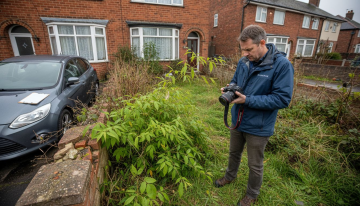
Woman photographing knotweed by boundary

The primary legal responsibility centres on preventing Japanese Knotweed from spreading to neighbouring properties or into wild environments. Owners must take proactive measures to control and manage the plant, which includes regular monitoring, appropriate treatment, and responsible disposal. Failure to do so can result in substantial legal challenges, including potential nuisance claims from neighbours, government-issued fines, and Community Protection Notices that mandate specific actions.

Disposal of Japanese Knotweed presents another critical legal consideration. The Environmental Protection Act 1990 mandates that all knotweed-contaminated materials must be treated as controlled waste, requiring disposal only at licensed waste management facilities. Improper disposal methods, such as placing infested soil or plant material in standard refuse or composting systems, can lead to significant legal penalties and environmental contamination risks.

Pro tip: Document all Japanese Knotweed management efforts, including professional surveys, treatment records, and disposal certificates, to protect yourself from potential legal disputes.

Knotweed Disclosure in Homebuying and Remortgaging

Professional property surveyors must now categorise and disclose Japanese Knotweed infestations as a critical component of property transactions, fundamentally transforming how homebuying and remortgaging processes operate in the United Kingdom. These disclosure requirements have significant implications for both property sellers and potential buyers, creating a complex legal landscape surrounding invasive plant management.

The Law Society’s TA6 property form now explicitly requires sellers to declare Japanese Knotweed presence on, adjacent to, or abutting their property boundaries. This mandatory disclosure means that withholding information about knotweed can result in serious legal consequences, including potential contract rescission, financial penalties, and legal disputes. Mortgage lenders have become increasingly stringent, often requiring comprehensive management plans and professional surveys before approving financing for properties with knotweed history.

Mortgage providers and financial institutions now treat Japanese Knotweed as a significant risk factor, which can substantially impact property valuations and lending decisions. Potential buyers must conduct thorough due diligence, including professional surveys and comprehensive environmental assessments, to understand the full extent of any knotweed-related risks. The presence of Japanese Knotweed can potentially reduce property values, complicate insurance coverage, and create long-term financial challenges for unsuspecting homeowners.

Pro tip: Always commission a professional environmental survey that specifically checks for Japanese Knotweed before completing any property purchase or remortgaging application.

The table below highlights how Japanese Knotweed can affect property values and transactions:

Scenario Impact on Property Value Mortgage Approval Risk Insurance Coverage Issues
Knotweed present, not managed Significant reduction High risk Likely exclusions
Knotweed present, management plan Moderate reduction Possible, with conditions Limited or higher premiums
No knotweed on property No negative impact Standard process Standard coverage

Government regulations establish severe penalties for property owners who fail to manage Japanese Knotweed appropriately, creating a complex legal framework that extends far beyond simple environmental concerns. Property owners can face significant financial and legal repercussions when they do not comply with established guidelines for controlling this invasive plant species.

Infographic highlighting knotweed penalties and legal risks

The Environmental Protection Act 1990 provides a robust legal mechanism for prosecution, allowing authorities to issue substantial fines and compel property owners to undertake mandatory remediation efforts. Criminal charges can be brought against individuals who intentionally or negligently allow Japanese Knotweed to spread, with potential penalties including hefty financial sanctions, court-mandated treatment programmes, and even criminal records that can impact future property transactions and personal reputation.

Beyond direct legal penalties, non-compliance can trigger extensive financial consequences that extend to property valuation, mortgage approvals, and insurance coverage. Potential impacts include reduced property market value, difficulty obtaining mortgage financing, increased insurance premiums, and potential civil litigation from neighbouring property owners who suffer damage from uncontrolled knotweed spread. These financial risks can significantly outweigh the initial costs of professional knotweed management and treatment.

Pro tip: Maintain comprehensive documentation of all Japanese Knotweed management efforts, including professional surveys, treatment records, and disposal certificates, to protect yourself from potential legal and financial complications.

Navigating the complex UK legislation surrounding Japanese Knotweed can be overwhelming for homeowners facing legal responsibilities to prevent its spread and costly penalties. The risks of property devaluation, mortgage complications and enforcement actions from local authorities make professional intervention essential. Our advanced, chemical free treatment targets the invasive rhizome network directly, providing a legal and effective solution to eradicate Japanese Knotweed while protecting your property and peace of mind.

https://japaneseknotweedagency.co.uk

Choose the pioneers in safe Japanese Knotweed treatment. Visit Japanese Knotweed Agency today to arrange a thorough property survey that identifies infestation risks early. Act now to meet your legal duties, avoid financial penalties and secure your home’s future with our expert treatment and root barrier services. Every delay risks further spread and mounting costs.

Frequently Asked Questions

What is Japanese Knotweed and why is it a concern for homeowners?

Japanese Knotweed is an aggressive invasive plant species that can cause significant structural damage to properties. Its ability to propagate rapidly through small root fragments presents challenges for homeowners, impacting property valuations and mortgage approvals.

Property owners must prevent Japanese Knotweed from spreading onto neighbouring properties and manage its presence on their land. This includes monitoring, treatment, and responsible disposal according to established legal frameworks to avoid fines and legal action.

How does Japanese Knotweed affect property transactions and mortgage approvals?

The presence of Japanese Knotweed can lead to reduced property valuations and complicate mortgage approvals, as lenders often require comprehensive management plans and professional surveys before financing properties with knotweed history.

What are the penalties for failing to manage Japanese Knotweed?

Failure to manage Japanese Knotweed appropriately can lead to severe penalties, including substantial fines, mandatory remediation efforts, and potential criminal charges for negligence, which may impact future property transactions and personal reputation.

Knotweed Rhizomes: How They Impact UK Mortgages

Many British homeowners in England, Wales, and Ireland are discovering that Japanese Knotweed’s underground rhizome system can silently compromise property value and mortgage approval. The plant’s roots can stretch up to 7 metres, often with barely any sign above ground, leading to unexpected financial headaches and legal complications. Eco-friendly treatment and professional property surveys offer practical solutions for tackling these issues while protecting both the environment and your investment.

Table of Contents

Key Takeaways

Point Details
Invasive Nature of Japanese Knotweed Japanese Knotweed’s rhizome system can extend up to 7 metres laterally and 2 metres deep, making eradication extremely difficult.
Misconceptions About Treatment Traditional gardening techniques are ineffective; specialised interventions are necessary to manage this invasive plant.
Impact on Property Values Presence of Knotweed can significantly lower property value and create complications for mortgage approval.
Legal Responsibilities for Landowners Landowners must adhere to legal regulations regarding Knotweed management, including controlled waste disposal and prevention of its spread.

Defining Knotweed Rhizomes And Common Misconceptions

Japanese Knotweed is a highly aggressive invasive plant characterised by complex underground rhizome networks that pose significant challenges for property owners across the United Kingdom. These underground stem systems are remarkably resilient, capable of spreading extensively beneath the surface with minimal visible evidence above ground. Understanding Japanese knotweed’s unique biological characteristics reveals why this plant creates such substantial problems for homeowners and mortgage providers.

The rhizome system of Japanese Knotweed is extraordinarily robust, with underground stems that can extend up to 7 metres laterally and penetrate depths of 2 metres. Critically, these rhizomes can regenerate new plant growth from fragments as small as 0.6 grams, making complete eradication extremely challenging. Contrary to common misconceptions, surface treatments or cutting the visible plant will not eliminate the underlying rhizome network. Only specialised intervention can effectively interrupt the plant’s extensive underground propagation mechanisms.

Many property owners mistakenly believe that Japanese Knotweed is simply another aggressive weed that can be managed through traditional gardening techniques. However, the plant’s unique reproductive strategy relies almost exclusively on rhizome fragment movement, with no viable seed production in the United Kingdom. This means that even tiny pieces of root transported through soil, construction materials, or landscaping activities can potentially generate entirely new infestations. Comprehensive identification guides are crucial for recognising the subtle signs of potential knotweed presence before significant spread occurs.

Pro Tip for Homeowners: Conduct a professional invasive plant survey before purchasing any property, especially in areas with known Japanese Knotweed prevalence, to identify potential rhizome networks and avoid significant financial complications.

Here is a summary comparing Japanese Knotweed rhizome characteristics to typical garden weeds:

Attribute Japanese Knotweed Rhizome Common Garden Weed Root
Growth Depth Up to 2 metres below ground Usually less than 0.5 metres
Lateral Spread Up to 7 metres Typically under 1 metre
Regeneration Potential From fragments as small as 0.6g Rarely regrow from fragments
Above-Ground Indicators Often minimal or delayed Clear growth correlates
Eradication Difficulty Extremely challenging Easily managed

How Rhizomes Enable Japanese Knotweed Spread

Japanese Knotweed’s extraordinary ability to proliferate stems directly from its incredibly adaptive rhizome network, a subterranean system that allows unprecedented levels of vegetative reproduction. Understanding the mechanisms of knotweed spread reveals how even minuscule root fragments can generate entirely new plant colonies across different landscapes.

Homeowner exposes knotweed rhizome damage

The rhizome system functions as an underground survival mechanism, capable of remaining dormant in soil for extended periods while retaining remarkable regenerative potential. Scientific research demonstrates that fragments as small as 1 centimetre can generate new plant growth, making complete eradication exceptionally challenging. These underground stems can traverse significant distances, emerging through concrete, tarmac, and building foundations with persistent destructive capability.

Movement of contaminated soil represents a critical vector for Japanese Knotweed propagation. Construction activities, landscaping work, and inappropriate waste disposal can inadvertently transport rhizome fragments across different sites, enabling rapid and uncontrolled spread. The consequences of unmanaged knotweed expansion can be devastating, potentially compromising property structural integrity and significantly reducing land value.

Pro Tip for Property Managers: Implement strict soil management protocols during any ground disturbance, ensuring comprehensive screening and careful handling of excavated materials to prevent unintentional knotweed dispersal.

Identifying Knotweed Infestation In Your Property

Detecting Japanese Knotweed early requires a keen understanding of its distinctive botanical characteristics. 7 key warning signs can help homeowners quickly identify potential infestations, preventing long-term property damage and costly remediation efforts. The plant’s unique appearance includes hollow bamboo-like stems with prominent nodes, distinctive heart-shaped leaves arranged in a zigzag pattern, and creamy white flower clusters that emerge during late summer.

Seasonal identification becomes crucial, as Japanese Knotweed transforms dramatically throughout the year. During spring, reddish-purple shoots emerge rapidly, quickly developing into dense bamboo-like canes that can grow up to 3 metres in height. By late summer, the plant produces small creamy-white flower tassels, while autumn sees the stems turn brown and woody, persisting through winter as distinctive dead canes that signal potential underground rhizome activity.

Professional property surveys remain the most reliable method for comprehensive knotweed detection, especially in urban and infrastructure-adjacent settings where the plant frequently establishes dense monocultural stands. Homeowners can follow a systematic checklist to systematically inspect their property, paying special attention to boundaries, disturbed ground areas, and locations with previous landscaping or construction work. The underground rhizome system can extend several metres laterally, meaning visible surface growth might represent only a fraction of the actual infestation.

Pro Tip for Property Inspection: Photograph any suspicious vegetation and consult a professional invasive plant specialist for definitive identification, as many native plants can be mistaken for Japanese Knotweed.

Mortgage Risks Linked To Invasive Rhizomes

Japanese Knotweed represents a significant financial threat to property owners, with its invasive rhizome system capable of causing substantial structural damage that directly impacts mortgage prospects. Mortgage lenders have developed stringent policies to mitigate risks associated with these pervasive underground networks, often requiring comprehensive treatment plans before approving property financing.

The presence of Japanese Knotweed can dramatically reduce a property’s market value and create substantial barriers to mortgage approval. Lenders typically demand extensive evidence of professional treatment, ongoing monitoring, and complete remediation plans before considering a mortgage application. Some financial institutions may refuse lending entirely or impose significantly higher interest rates and stricter lending conditions when knotweed is detected on or near a property.

Property sellers face legal obligations to disclose any known knotweed infestations, with failure to do so potentially resulting in future legal challenges and financial penalties. The risks of untreated knotweed extend far beyond immediate property damage, potentially creating long-term financial complications that can affect property transferability, insurance coverage, and overall investment value. Mortgage providers increasingly require comprehensive surveys and professional treatment certifications to mitigate their potential financial exposure.

Pro Tip for Homeowners: Obtain a professional Japanese Knotweed survey before listing your property or applying for a mortgage, ensuring you have comprehensive documentation of the plant’s status and any remediation efforts.

Addressing Japanese Knotweed requires a sophisticated approach that balances environmental responsibility with legal compliance. Chemical-free treatment methods have emerged as a progressive solution, offering landowners sustainable alternatives to traditional chemical interventions. The legal framework surrounding knotweed management is complex, with strict regulations governing its control and potential spread.

UK environmental legislation imposes significant responsibilities on landowners, making professional intervention crucial. The Wildlife and Countryside Act 1981 and Environmental Protection Act 1990 establish clear legal boundaries for invasive species management. These regulations classify knotweed-contaminated material as controlled waste, requiring specialist disposal at licensed facilities. Innovative approaches now include biological controls such as specialised insects and pathogenic fungi that can naturally suppress knotweed populations with minimal environmental disruption.

Infographic showing knotweed risks and solutions

Landowners must navigate a delicate balance between effective treatment and legal compliance. It is a criminal offence to allow knotweed to spread into wild areas, creating substantial potential for legal and financial consequences. Professional treatment services now offer comprehensive solutions that include detailed documentation, systematic removal, and ongoing monitoring. These approaches not only address the immediate knotweed challenge but also provide essential protection against potential legal challenges and property devaluation.

Pro Tip for Landowners: Maintain comprehensive documentation of all knotweed treatment efforts, including professional survey reports, treatment plans, and disposal certificates, to protect yourself from potential legal disputes and demonstrate responsible land management.

The following table outlines legal responsibilities and eco-friendly solutions for controlling Japanese Knotweed:

Legal Requirement Eco-Friendly Solution Benefit
Controlled waste disposal Biological control methods Reduces chemical use
No spread to wild land allowed Mechanical removal and monitoring Prevents legal penalties
Professional documentation recommended Use of natural pathogens and insects Supports long-term site health
Compliance with UK legislation mandatory Specialist surveys and tailored plans Minimises property value loss

Protect Your Property From Japanese Knotweed Rhizomes Impacting Your Mortgage

The underground rhizome network of Japanese Knotweed can deeply threaten your property value and mortgage approval, as highlighted in our article. If you want to avoid costly surprises and ensure your investment remains secure you need a proven chemical-free solution that targets these resilient root systems at their core. Japanese Knotweed Agency specialises in delivering high-voltage treatment onsite, damaging rhizome cell structure to stop regrowth combined with expert root barrier installations and excavation services for thorough eradication.

https://japaneseknotweedagency.co.uk

Do not risk blocked mortgages or legal disputes. Take control with a professional invasive weed survey and treatment plan created specifically for your property. Discover how our innovative and eco-friendly methods protect your home while meeting legal requirements. Visit Japanese Knotweed Agency to book your survey now and learn more about our chemical free treatment and property surveys for invasive weeds services. Act today to secure your property’s future before knotweed rhizomes jeopardise your mortgage prospects.

Frequently Asked Questions

What are Japanese Knotweed rhizomes?

Japanese Knotweed rhizomes are complex underground stem systems that enable the plant to spread extensively. They can extend up to 7 metres laterally and penetrate depths of 2 metres, making complete eradication challenging.

How do knotweed rhizomes affect property mortgages?

The presence of Japanese Knotweed can significantly impact property mortgages. Lenders often require evidence of professional treatment and remediation plans before approving loans, which can reduce property value and complicate mortgage applications.

Can I remove Japanese Knotweed myself?

Removing Japanese Knotweed is not advisable as traditional gardening techniques are ineffective. Professional intervention is essential to ensure the comprehensive removal of the resilient rhizome network and prevent regrowth.

What should I do if I suspect Japanese Knotweed on my property?

If you suspect Japanese Knotweed, conduct a professional survey immediately. Early identification and intervention are crucial to mitigate potential damage and comply with legal responsibilities regarding invasive species management.

Knotweed Assessment Workflow for Homeowners: Complete Guide

Most British homeowners are surprised to learn that Japanese Knotweed can knock up to 10 percent off a property’s value, raising real concerns during the home-buying process. For families in England, Wales, and Ireland, choosing chemical-free treatment while ensuring a comprehensive property survey matters now more than ever. This guide gives you clear steps to assess your land, spot hidden risks, and achieve peace of mind without resorting to harsh chemicals.

Table of Contents

Quick Summary

Key Insight Explanation
1. Gather Comprehensive Site Details Document all aspects of the property and environmental context for informed assessments and treatments.
2. Systematic Knotweed Identification Recognise key features of Japanese Knotweed throughout the seasons to ensure accurate identification.
3. Precise Mapping of Infestations Create detailed maps marking all knotweed locations to assist in future treatment planning.
4. Assess Structural Risks Evaluate the proximity of knotweed to structures to understand potential damage and necessary precautions.
5. Implement Chemical-Free Treatments Explore effective non-chemical strategies to eradicate knotweed while minimising environmental impact.

Step 1: Prepare property and gather site details

Before diving into a Japanese Knotweed assessment, you need a comprehensive overview of your property’s landscape and potential invasive plant history. This critical first step involves collecting precise details that will guide your entire survey and treatment strategy.

Start by creating a detailed site record that goes beyond basic measurements. Thorough site assessments should include precise location information, surrounding area descriptions, and comprehensive documentation of any invasive plant presence. Leverage online resources like Google Street View to verify historical site conditions and track potential previous infestations. Take high-resolution photographs from multiple angles, capturing not just the suspected knotweed areas but also surrounding vegetation, structures, and landscape features.

Document everything meticulously. Note property boundaries, proximity to buildings, drainage systems, and neighbouring land. Your goal is creating a comprehensive snapshot that will help professionals understand the full context of potential knotweed spread. Measuring and mapping affected areas precisely will be crucial for subsequent treatment planning.

Pro tip: Create a digital folder with all site documentation, including photographs, maps, and notes. This organised approach will streamline future communications with knotweed specialists and provide a clear historical record of your property’s condition.

Step 2: Inspect and identify knotweed symptoms

Successfully identifying Japanese Knotweed requires a meticulous and systematic approach that goes beyond casual observation. Your goal in this step is to develop a keen eye for recognising the distinctive characteristics of this invasive plant across different seasons and growth stages.

Prior to physical inspection, conduct thorough desktop research including reviewing local authority maps and aerial imagery to understand potential infestation areas. When physically examining your property, look for several key symptoms. Japanese Knotweed has distinctive features: bright green bamboo-like stems with distinctive purple speckles, large heart-shaped leaves arranged in a zigzag pattern, and a robust root system that can grow aggressively through concrete and building foundations. During spring, new shoots emerge with reddish purple buds, quickly developing into cane-like stems that can grow up to 3 metres tall.

Cross-reference your observations with established identification guides, paying special attention to seasonal variations. Summer brings clusters of small white flowers, while autumn sees the stems turn brown and woody. Take detailed photographs from multiple angles to document your findings, which will be crucial for professional assessments. Surveyors recommend checking not just visible areas but also investigating potential hidden growth zones near boundaries, drainage systems, and structural foundations.

Pro tip: Develop a systematic inspection approach by creating a standardised checklist that covers different property zones and seasonal characteristics, ensuring you don’t miss potential knotweed indicators.

Here is a summary of Japanese Knotweed characteristics by season to assist with accurate identification:

Season Visible Features Typical Growth Pattern
Spring Reddish purple shoots New growth rapidly emerging
Summer Clusters of white flowers Tall, dense cane-like stems
Autumn Brown, woody stems Vigorous root activity, leaves begin to drop
Winter Dead-looking canes Rhizomes dormant underground, minimal foliage

Step 3: Map infestation zones and take site photos

Carefully mapping knotweed infestation zones requires precision and a strategic approach to documenting the spread of this invasive plant across your property. Your objective is to create a comprehensive visual and spatial record that professionals can use for further assessment and treatment planning.

Accurate mapping of Japanese Knotweed infestations involves creating scaled maps with precise dimensions, marking the locations of all plant stands and indicating the potential extent of the rhizome network. Begin by obtaining a base map or property blueprint, then systematically mark all visible knotweed locations. Use a measuring tape to record exact distances between the plant clusters and key property features like buildings, fences, and drainage systems. Take high resolution photographs from multiple angles for each identified zone, ensuring you capture close-up details of stem characteristics, leaf patterns, and the surrounding landscape context.

Person mapping knotweed areas on property map

When photographing, include reference points like a measuring stick or common object to provide scale. Capture images during different times of day to highlight varying light conditions and ensure clear documentation. Include wide landscape shots that show the knotweed’s relationship to surrounding terrain, as well as detailed close-ups that reveal specific plant characteristics. Number and label each photograph corresponding to your mapped locations to create a clear, professional documentation system that will be invaluable for future treatment strategies.

Pro tip: Create a digital backup of all site photographs and mapping documents, storing them in a cloud service with multiple redundancies to prevent potential loss of critical evidence.

Step 4: Evaluate risk to property and structures

Assessing the potential damage Japanese Knotweed can inflict on your property requires a comprehensive and strategic evaluation. Understanding the extent and implications of an infestation is crucial for protecting your property’s structural integrity and market value.

Risk assessments must thoroughly evaluate the impact of invasive non-native plants on the property, considering factors like the extent of infestation, proximity to structures, and potential for structural damage. Start by examining the distance between knotweed stands and critical infrastructure such as foundations, drainage systems, retaining walls, and underground utilities. Pay particular attention to areas where knotweed growth appears aggressive or close to building foundations. Japanese Knotweed’s robust rhizome network can exert tremendous pressure, potentially causing cracks, destabilising structures, and compromising underground pipework.

Infographic showing knotweed property risk evaluation

Evaluate both immediate and long-term risks by considering the plant’s growth patterns and potential spread. Look for signs of root penetration near concrete surfaces, pavements, and building foundations. Consider the potential repair costs and structural implications if left untreated. Document any visible damage, measure distances between knotweed clusters and structures, and note the density and maturity of the infestation. This detailed assessment will be critical for insurance purposes, property valuations, and developing an effective remediation strategy.

Pro tip: Consult a professional surveyor specialising in Japanese Knotweed to obtain a comprehensive risk assessment report, which can provide definitive insights into potential structural threats and recommended mitigation strategies.

Step 5: Recommend chemical-free treatment and verify outcomes

Selecting an effective chemical-free treatment strategy for Japanese Knotweed requires a nuanced approach that targets the plant’s extensive underground root system while minimising environmental impact. Your goal is to implement a solution that completely eradicates the invasive plant without introducing harmful chemicals into the ecosystem.

Effective control methods include installing physical barriers made of impenetrable materials like concrete or specialized membranes to prevent rhizome spread. This approach involves creating a comprehensive containment strategy that prevents the knotweed’s underground network from expanding. Consider using thermo-electric treatment methods that deliver targeted energy directly to the plant’s root system, causing internal cell damage and depleting its energy resources. Document the treatment process meticulously, tracking the plant’s response through regular photographic evidence and precise measurements of affected areas.

Verification is critical in confirming the treatment’s success. Schedule multiple follow-up inspections at different intervals to monitor the site for any potential regrowth. Look for signs of plant decline, such as reduced stem density, discoloration, and absence of new shoots. Compare your initial site documentation with subsequent assessments to demonstrate the treatment’s effectiveness. Keep detailed records including dates, treatment methods, and observable changes, which will be valuable for future reference and potential property valuations.

Pro tip: Maintain a comprehensive treatment log with dated photographs and measurement records to create a robust documentation trail that proves the complete eradication of Japanese Knotweed from your property.

Below is a comparison of common chemical-free Japanese Knotweed control strategies:

Method Description Environmental Impact
Physical Barriers Instalment of membranes or concrete to block rhizomes No chemical contamination
Thermo-electric Shock Use of targeted heat or electricity to kill root cells Very low, non-toxic process
Mechanical Removal Complete excavation and disposal of roots and shoots High disturbance, soil loss

Take Control of Japanese Knotweed with Expert Chemical-Free Solutions

If you have followed the detailed steps of the “Knotweed Assessment Workflow for Homeowners” you will understand just how challenging it can be to accurately assess and map the extent of Japanese Knotweed on your property. The frustration of identifying seasonal symptoms, creating precise site maps and evaluating risks is real. More importantly you need effective treatment options that do not harm your garden or surroundings. At Japanese Knotweed Agency we specialise in chemical free eradication techniques that neutralise invasive plants safely and sustainably.

https://japaneseknotweedagency.co.uk

Act now to protect your home and investment. Our pioneering thermo-electric treatments deliver up to 5000 volts directly to the knotweed rhizomes causing internal cell damage and reducing regrowth risk. We also provide professional root barrier installations and comprehensive excavation works tailored to your site survey findings. Discover how our property surveys across England, Wales and Ireland give you peace of mind through expert identification and risk analysis. Take the next step and secure your property against knotweed damage by visiting Japanese Knotweed Agency today.

Frequently Asked Questions

How do I begin a Knotweed assessment on my property?

To begin a Knotweed assessment, gather detailed site information, including measurements and documentation of any invasive plant presence. Create a digital folder to organise your findings and streamline communication with specialists.

What should I look for when inspecting for Japanese Knotweed?

When inspecting for Japanese Knotweed, focus on key symptoms such as bamboo-like stems with purple speckles, heart-shaped leaves, and distinctive growth patterns in different seasons. Develop a checklist to ensure thorough inspection and take photographs to document your findings.

How can I map the areas affected by Knotweed?

To map Knotweed infestation zones, start by creating a scaled map or blueprint of your property. Record the precise locations of each plant cluster and take high-resolution photographs from multiple angles to enhance documentation and future assessments.

What risks does Japanese Knotweed pose to my property?

Japanese Knotweed can damage structures, cause cracks in foundations, and compromise drainage systems through its aggressive root system. Evaluate the distance between Knotweed stands and critical infrastructure to understand the potential risks and plan for remediation.

What chemical-free treatment options are available for Knotweed?

Chemical-free treatment options include installing physical barriers to prevent rhizome spread or using thermo-electric treatments to damage the root system. Document your treatment efforts and schedule follow-up inspections to monitor progress and ensure the Knotweed is eradicated.

How do I verify the success of my Knotweed treatment?

To verify treatment success, conduct multiple follow-up inspections and compare the results against your original site documentation. Look for signs of decline in the Knotweed’s growth, such as reduced stem density and monitor changes over several months to confirm effectiveness.