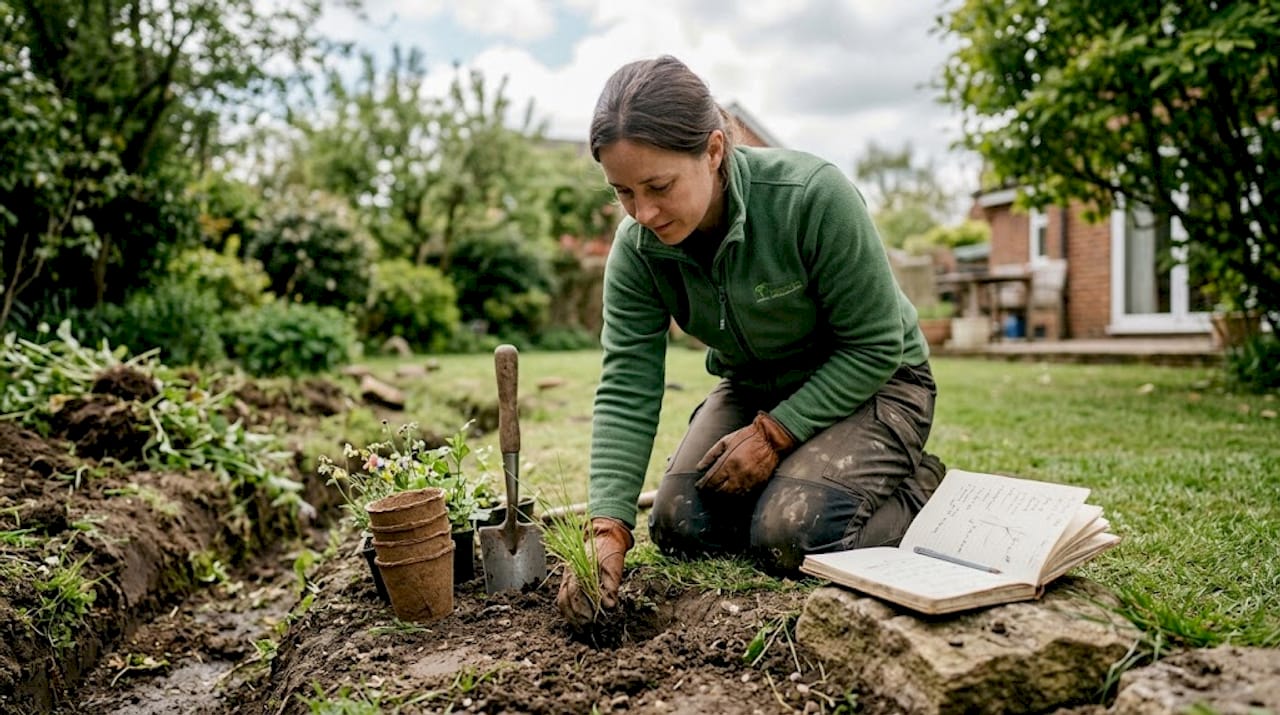
无害生态杂草清除教学:英国生态除葛藤全流程

在England、Wales和Ireland,越来越多业主意识到传统化学除草带来的环境风险,尤其是在面对像Japanese Knotweed这类极具扩散力的入侵杂草时。如何无害又高效地根除这些顽固植物,直接关系到物业价值和家庭安全。本文将带你了解生态除草的系统解决方案,帮助你科学识别杂草类型,合理选择设备,将绿色科技和物理防护融入到每一步操作中。

目录

快速总结

关键要点 说明
1. 准确识别杂草种类 了解杂草的类型、位置及生长阶段是清除工作的第一步和关键。
2. 准备合适的清除设备 使用符合环保标准的设备,并确保操作人员及环境的安全。
3. 实施高压生态清除 直接向杂草输送高压电能,破坏其细胞结构,环保且有效。
4. 安装根系隔离屏障 在处理后安装屏障,有效防止杂草根茎重新萌发,提供持久保护。
5. 定期监测生长情况 制定监测计划,记录植物的状态,及时处理新生杂草以保持效果。

步骤 1: 评估并识别杂草类型与分布

准确识别你的杂草问题是整个清除过程中最关键的第一步。你需要了解你正在对付什么、它长在哪里,以及它的生长阶段。这不仅影响你选择的清除方法,还会直接影响后续的处理成效。

开始你的杂草评估:

走遍你的整个物业,仔细观察所有区域。记录下你发现的杂草位置、数量和蔓延范围。注意那些隐蔽的地方,比如围栏附近、建筑物基础旁和水道边缘。这些区域往往是杂草最容易躲藏的地方。

通过查阅英国农业与园艺数据库的杂草百科,你可以看到彩色图片和详细的形态特征描述,帮助你准确识别每种杂草。特别注意以下关键识别特征:

  • 叶片形状和排列方式:单叶还是复叶?叶片边缘是光滑还是锯齿状?
  • 茎的颜色和纹理:红色、绿色、还是有绒毛?
  • 根系结构:是否有深根或广泛的根茎网络?
  • 花朵和种子的特征:颜色、大小和季节性开花时间

对于英格兰、威尔士和爱尔兰的业主来说,日本葛藤是最需要警惕的物种。它具有大型心形叶片、细长的叶柄和白色花簇。这种植物能够每年从根茎重新生长,如果未经处理可以无限期地蔓延。

记录杂草的分布模式:

制作一份简单的物业草图或使用手机拍摄照片标记受影响区域。记录清楚边界——杂草从哪里开始,到哪里结束。这对于规划后续的处理非常重要。

在识别阶段花费的每一分钟都能在处理阶段节省数小时的工作。准确的识别确保你采用正确的方法对付正确的杂草。

观察季节性生长。大多数入侵性杂草在春季和夏季生长最旺盛。在这个时期进行评估能让你看到完整的蔓延范围和生长潜力。

专业贴士: 拍摄杂草的特写照片,特别是叶片、茎和根部的细节,这样在制定处理计划时就能参考这些信息,而不需要重复现场检查。

下面总结了常见的入侵性杂草及其关键识别特征,便于快速查找和对比:

杂草名称 叶片特征 根系类型 特殊性
日本葛藤 大型心形叶,叶柄长 强壮根茎网络 可无限蔓延
猪殃殃 切割型羽状复叶 主根发达 稳定性高
苦荬菜 狭长叶缘口状 细长须根 春夏速生
针刺叶缘带绒毛 深根茎 根部复萌强

步骤 2: 配置无害设备与安全措施

在开始任何清除工作之前,你需要准备合适的设备并建立安全保护措施。这一步确保操作人员、邻近居民和周边生态环境都得到充分保护。英国的环保法规要求所有除草设备都必须符合安全标准,特别是当处理日本葛藤这类具有强大生命力的入侵物种时。

了解你的设备选项:

现代无化学杂草清除依赖于生态物理除草设备。这些设备使用直接能量传输技术,不依赖有害化学物质。了解英国环保法规对绿色技术的要求可以帮助你选择完全合规的解决方案。

你可能需要的设备包括:

  • 热能或电能清除设备:传递高达5000伏特的电能,对杂草造成细胞内伤害
  • 根系隔离安装工具:防止杂草根茎重新萌发
  • 发掘和移除设备:用于清除大面积或深根杂草
  • 个人防护装备:手套、护目镜、工作靴和防护衣物

建立安全工作区域:

在开始工作前,标记出清除区域的边界。告知邻居和家人你将进行除草处理,避免他们意外进入工作区域。确保儿童和宠物远离现场。

检查你的工作区域是否有埋地管道、电缆或其他地下设施。英国大多数地区都有公共记录,你可以咨询当地议会或相关公用事业公司来了解这些信息。

检查和准备设备:

在使用任何设备前,进行全面检查。确保所有安全装置都正常工作,电源线完好无损,操作控制装置响应灵敏。按照制造商的说明进行任何必要的校准或维护。

适当的设备配置和安全措施是确保除草工作既有效又安全的基础。跳过这些步骤会增加失败和伤害的风险。

穿着合适的防护装备。长袖衣物、长裤和防滑工作靴是基本要求。如果使用电热设备,确保你穿着干燥的衣物。

工人在除草作业前,仔细准备安全防护装备。

专业贴士: 在正式开始大规模处理前,在一个小的杂草区域先进行试验,这样你可以熟悉设备操作并验证它在你的特定环境中的有效性。

步骤 3: 执行高压生态清除处理

这是整个清除过程中最关键的阶段。你将运用高压能量技术直接作用于杂草,破坏其细胞结构并耗尽根茎网络中的能量储备。英国政府正在推动这类环保生态复原技术,用来替代传统化学除草剂,特别是对付日本葛藤这样的抗药性物种。

开始前的最后检查:

确认天气条件适合处理。避免在雨中操作高压电能设备,因为这会增加安全风险。选择干燥、温暖的日子,最好是在早晨或傍晚进行,此时地面湿度较为适中。

再次检查你的个人防护装备是否齐全和正确穿戴。确认电源连接安全可靠,所有电缆都远离水源和人员活动区域。

执行高压处理:

高压处理的原理是向杂草输送多达5000伏特的电能。这会在植物细胞内造成损伤,破坏杂草的生物过程。与化学除草剂不同,这种方法不会对土壤或周边生态造成污染。

按照以下步骤进行处理:

  1. 将设备的接触点放在杂草靠近土壤表面的位置
  2. 启动设备并保持接触,通常需要3到10秒,具体取决于杂草大小
  3. 对同一株杂草的不同部位重复处理,确保覆盖整个植株
  4. 对根茎区域进行集中处理,因为这是杂草的生命中心
  5. 记录已处理区域,为后续跟进做准备

处理后的观察:

立即不会看到戏剧性的变化。杂草可能在几天内开始褪色,然后逐渐枯萎。地下根茎需要更长时间才能完全死亡,通常需要2到4周。

高压生态清除的力量在于其精准性与环保性。它逐步耗尽植物的能量,确保不仅地上部分死亡,根部也不会重新萌发。

对于日本葛藤这样具有强大生命力的物种,你可能需要多次处理。间隔2到3周进行第二次处理,目标是任何残存的根茎。

专业贴士: 记录每次处理的日期、时间和处理部位,这样你能追踪进度并判断是否需要额外处理。照片对比能够清晰展示植株的衰亡过程。

下表梳理了高压生态除草技术各阶段重点,帮助系统规划除草流程:

阶段 关键任务 注意事项 跟进建议
准备与检查 设备安全校验 防护装备齐全 记录天气条件
实施高压处理 能量输出3-10秒/点 多点交替覆盖 标注处理区
处理后观察 追踪枯萎进展 根部反应迟缓 拍照对比变化
二次处理 2-3周后再次检查 针对顽固残留根茎 完善处理日志

步骤 4: 安装根系隔离屏障强化效果

高压处理后,安装物理根系屏障是防止杂草重新萌发的关键步骤。这种屏障在地下形成一道坚实的防线,阻止残存根茎向外扩展。对于日本葛藤这样具有极强生命力的入侵物种,根系屏障提供了持久的保护。

了解屏障材料:

现代根系隔离屏障采用高密度聚乙烯材料制成。这种材料具有防腐耐用的特性,能够在地下环境中保持完整性长达数十年。与其他材料相比,高密度聚乙烯既足够坚固,又便于安装和维护。

屏障的优点包括:

  • 长期有效性:可持续工作10到20年以上
  • 完全无化学:不污染土壤或地下水
  • 阻挡生长:限制任何根茎的横向扩展
  • 生态友好:与自然环境兼容

安装前的准备工作:

首先,用铲子挖掘一条沟槽。沟槽应该围绕整个处理区域,深度至少60厘米,最好达到90厘米。这个深度足以防止大多数杂草根茎的扩展。

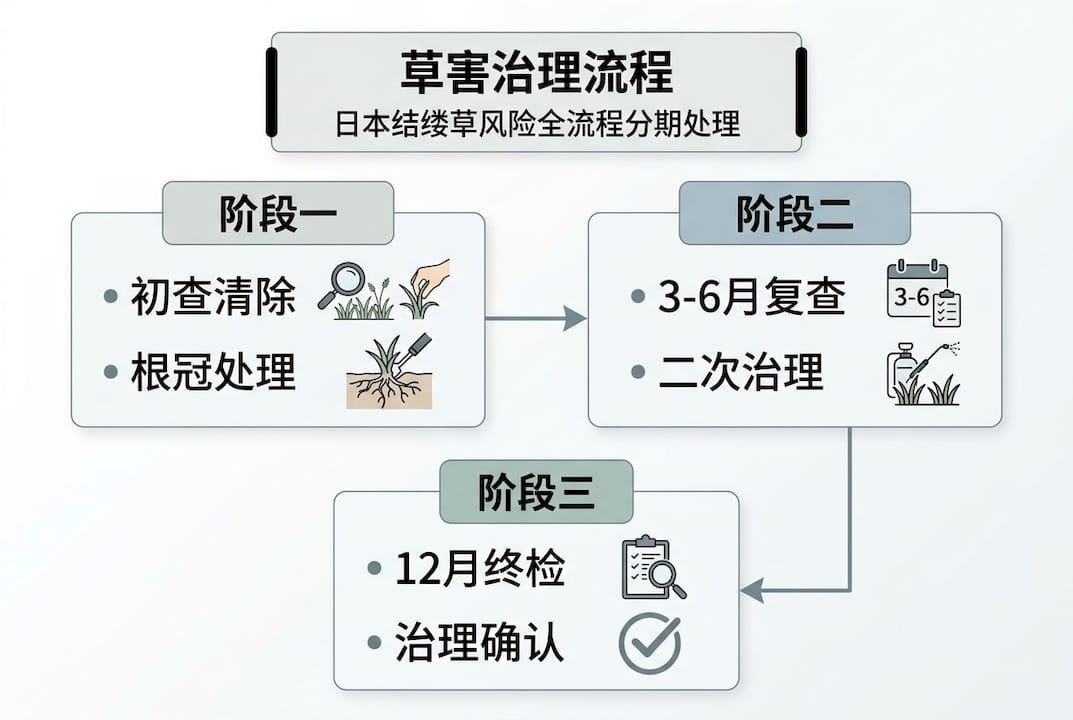
葛藤生态治理流程一目了然

清除沟槽底部的任何石块或尖锐物体,防止它们刺穿屏障材料。沟槽底部应该相对平整和坚实。

安装屏障:

按照以下步骤进行安装:

  1. 在沟槽底部铺设高密度聚乙烯屏障,留出足够的长度覆盖沟槽两侧
  2. 屏障应该从沟槽底部延伸到地表以上至少15厘米
  3. 确保屏障材料紧贴沟槽侧壁,没有空隙或褶皱
  4. 沿着屏障顶部用土壤或铺装材料固定,防止被风吹起
  5. 在屏障顶部放置一层土壤或草皮,恢复景观外观

检查和维护:

安装完成后,定期检查屏障是否完整。特别是在雨季之后或植物生长季节期间,查看是否有任何破损或位移。

根系屏障与高压处理的结合创造了一个双重防线。屏障不仅防止现有根茎扩展,还保护你的邻近土地免受重新侵入。

如果你发现任何破损,立即修补。小的破口可以用屏障修复胶带或额外的屏障材料进行修复。

专业贴士: 在安装屏障前拍摄处理区域的照片和视频记录,这样你能证明屏障安装的深度和覆盖范围,对于日后的物业记录和保险索赔都很有用。

步骤 5: 验证除草成果并监测后续生长

处理完成后,系统性的监测是确保长期成功的关键。你需要追踪植物的衰亡进度,识别任何残存的根茎,并防止新的入侵。英国农业研究现在采用深度学习与图像识别技术来实时监测杂草种类和密度,你也可以用更简单的方法进行有效监测。

建立监测计划:

制定一份详细的监测时间表。在处理后的第2周、第4周、第8周和第12周各进行一次检查。对于日本葛藤这样的顽固物种,继续监测至少一年是必要的。

在每次检查时,记录以下信息:

  • 植株状态:枯死程度百分比、叶片颜色变化
  • 新芽出现:是否有新的生长点,位置在哪里
  • 地下活动:是否有新的根茎破土
  • 环境变化:周围是否有其他杂草入侵

进行实地检查:

每次访问时,用标尺测量植株高度。拍摄相同角度的照片,这样你能清晰比较进度。对于日本葛藤,一旦叶片完全褪色并干枯,说明处理有效。

轻轻拨动土壤表层,检查根茎是否仍然有弹性或已经变脆。活着的根茎会感觉柔软且有弹性,死亡的根茎会变得易碎。

使用遥感及地理信息系统技术的原理,尽管你可能不需要无人机,但保持一份详细的位置地图非常有用。在你的物业草图上标记处理区域和任何新的杂草出现地点。

处理残存生长:

如果在监测中发现新的生长点,立即进行局部处理。对新出现的任何叶片和茎部进行高压处理,防止它们积累能量。

早期发现和快速干预是防止杂草卷土重来的关键。一株小杂草远比一片蔓延更容易处理。

如果根系屏障附近出现杂草,这表明屏障可能有破损。检查并立即修复任何发现的问题。

长期监测策略:

即使一年后植草完全消失,也应该在未来的生长季节继续进行季度检查。许多入侵物种可以从非常小的根茎片段重新生长。

专业贴士: 创建一份电子监测日志,包括日期、照片、处理详情和观察记录。这份文件对于房产销售或再抵押时的尽职调查非常有价值,能证明你已采取了适当措施处理杂草问题。

无害生态杂草清除的专家助力,让您彻底告别入侵杂草困扰

《无害生态杂草清除教学:英国生态除葛藤全流程》详细介绍了从识别杂草、选择安全设备、高压生态清除到根系隔离屏障安装与后续监测的全方位流程。面对像日本葛藤这样顽固且具高生命力的入侵物种,正确的方法和持久的维护是关键。如果您正苦于杂草反复生长、传统除草剂对环境和家人安全的担忧,您需要专业的无害技术支持。

我们是Japanese Knotweed Agency,在无化学药剂处理和生态根除入侵杂草方面处于行业领先地位。我们采用高达5000伏特的直接能量现场处理技术,精准破坏杂草内部细胞,彻底耗尽其根茎能量。同时提供专业的根系隔离屏障安装和挖掘服务,防止根茎卷土重来。无论您是在英格兰、威尔士还是爱尔兰,我们的物业调查服务都能帮您精准掌握入侵杂草分布,专业规划治理方案。

https://japaneseknotweedagency.co.uk

现在就访问我们的主页Japanese Knotweed Agency官网,了解更详细的无害生态除草方案,预约专家评估。开始您的环保高效除草之旅,保护您的家园远离顽固日本葛藤等入侵威胁,千万不要错过这场彻底解决问题的机会。请点击Japanese Knotweed Agency专业服务立即咨询,让专业团队为您打通清除杂草的每一步。

常见问题解答

如何评估我的物业中的杂草类型?

准确评估杂草的种类和分布是清除过程的第一步。走遍物业,详细记录发现的杂草位置、数量和蔓延范围,以便为后续清除步骤做准备。

除草时需要哪些设备和安全措施?

进行无害清除时,需要准备热能或电能清除设备、根系隔离安装工具及个人防护装备。在开始清除工作前,检查设备状态并确保安全措施到位,以保护自己及周围环境。

高压生态清除处理的具体步骤是什么?

在施用高压生态处理时,选择适合的天气,保持设备接触杂草3至10秒,然后记录处理区域。此处理方法直接作用于杂草,确保快速有效地摧毁其细胞结构。

如何安装根系隔离屏障加强除草效果?

安装根系隔离屏障时,首先挖掘深度至少60厘米的沟槽,然后将高密度聚乙烯屏障材料放入,确保其高度超过地面。完成后定期检查屏障的完整性,以防止杂草重新萌发。

除草后如何监测杂草的生长情况?

每2至4周监测一次,记录植物生长状况和是否出现新芽。持续的观察能让你及时采取行动,避免杂草卷土重来,确保除草工作有效保持。

推荐

How to Manage Invasive Plants Near Water Naturally

Finding stubborn plants overrunning your pond or riverside can feel daunting, especially when you want to protect your property and the surrounding environment. Invasive species like Himalayan Balsam, Japanese Knotweed, Floating Pennywort, and Giant Hogweed threaten water quality, native habitats, and sometimes even property sales. This guide explains how to safely assess, document, and remove invasive plants using chemical-free methods, helping you safeguard your waterside spaces in England and Wales and meet survey requirements for future buyers.

Table of Contents

Quick Summary

Key Point Explanation
1. Assess Invasive Species Early Conduct a thorough survey of waterside areas to identify invasive plants and their extent, documenting locations and water quality.
2. Use Chemical-Free Removal Methods Opt for manual removal techniques such as hand-pulling and cutting to eliminate invasive species without harming the ecosystem.
3. Regular Monitoring is Essential Inspect treated areas frequently to ensure no regrowth occurs; prompt action on any new shoots is crucial for success.
4. Document All Actions and Findings Keep detailed records of your removal efforts and inspections to provide necessary evidence if selling your property.
5. Engage Local Community for Support Involve local conservation groups in removal efforts; community participation can enhance effectiveness and foster investment in local waterways.

Step 1: Assess the Affected Waterside Areas

Before you can tackle invasive plants near water, you need to understand exactly what you’re dealing with and where the problem lies. This step involves surveying your waterside property to identify the invasive species present, assess how much area they cover, and evaluate the damage they’ve caused to the surrounding ecosystem.

Start by walking the perimeter of your water feature—whether that’s a pond, stream, canal, or riverside section. Look for plants that don’t belong. The most common invasive species along UK waterways include Himalayan Balsam, Japanese Knotweed, Floating Pennywort, and Giant Hogweed. Each has distinctive traits you’ll want to recognise.

Japanese Knotweed appears as bamboo-like stems with heart-shaped leaves and cream-coloured flower clusters. Himalayan Balsam has soft green stems, oval leaves, and pink or purple flowers. Floating Pennywort forms thick carpets of circular leaves on the water surface. Giant Hogweed towers above other plants with massive leaves and white flower clusters on thick stems.

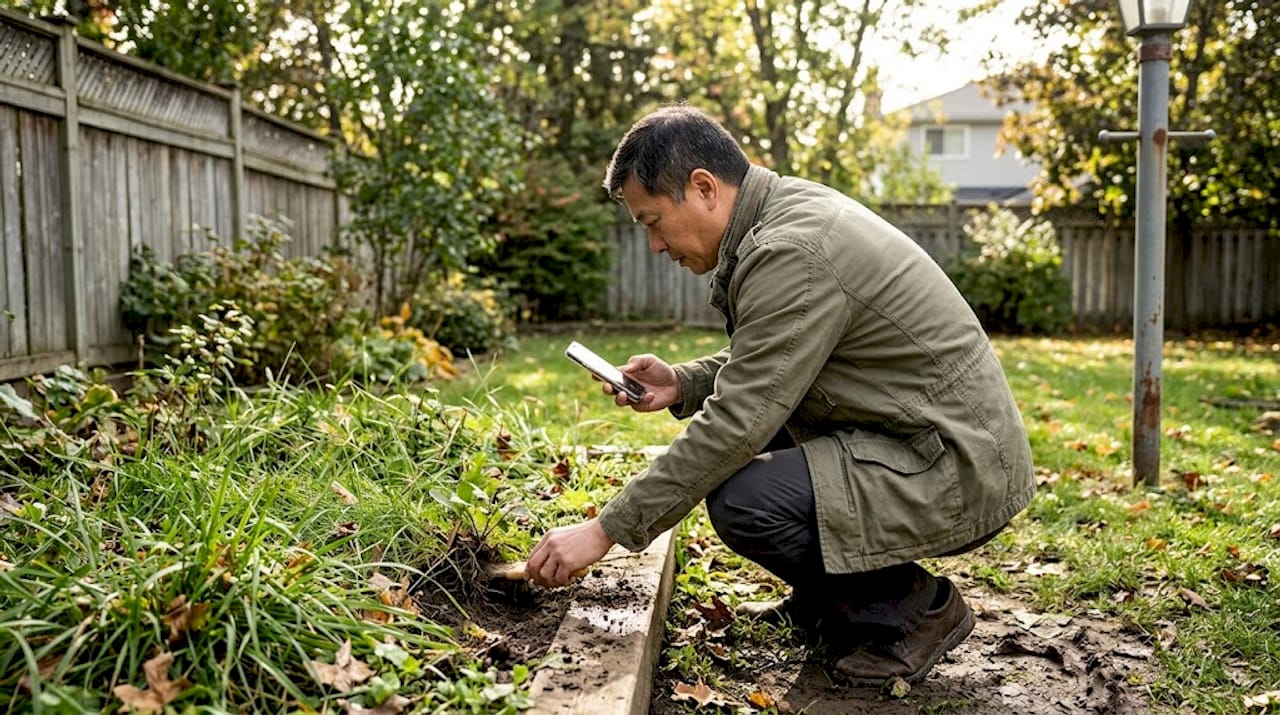
Take photographs of suspicious plants and note their locations. Record how much of your waterside they occupy—are they confined to one corner or spreading across the entire bank? Check the water quality too; invasive plants often disrupt water clarity and oxygen levels.

Here’s how the main invasive plant species differ along UK waterways:

Species Key Traits Health Risk Typical Habitat
Japanese Knotweed Bamboo-like stems, heart-shaped leaves Low for people Riverbanks, damp ground
Himalayan Balsam Soft green stems, pink flowers None Stream banks, wetlands
Floating Pennywort Circular floating leaves None Water surfaces
Giant Hogweed Large, white flowers, thick stems Causes skin burns Damp riversides

Early identification of invasive species is crucial for determining the most effective treatment approach and preventing further spread.

You can cross-reference what you find with the GB Non-native Species Information Portal, which provides distribution maps and detailed information about invasive plants across Britain. This helps you understand whether you’re dealing with an isolated problem or part of a wider infestation pattern in your area.

Document the extent of the problem:

  • Length of waterside affected (in metres)
  • Depth of plant coverage (how far from the bank into the water)
  • Species present and their density
  • Any visible damage to riverbanks, native plants, or water clarity
  • Whether the infestation blocks access or obstructs navigation

This assessment becomes vital when you’re considering selling your property. Mortgage lenders require documented surveys when Japanese Knotweed or other invasive species are present, along with a treatment plan. Having clear records now saves time and money later.

Pro tip: Use a smartphone to document GPS coordinates of invasive patches and timestamp your photos—this creates a reliable baseline for tracking treatment progress over time.

Step 2: Identify and Select Suitable Chemical-Free Methods

Now that you’ve assessed your waterside problem, it’s time to choose a treatment approach that won’t harm the environment or the water ecosystem. Chemical-free methods protect biodiversity whilst effectively removing invasive plants.

The most straightforward approach is manual removal. For smaller infestations, hand-pulling works well, especially before plants set seed. Grab the base of the plant and pull firmly, ensuring you extract the entire root system. For species like Himalayan Balsam, timing matters—remove plants before they flower and spread thousands of seeds into your waterway.

Cutting and digging are equally effective for larger plants. Use sharp tools to cut invasive species below the soil line, then dig out the root system. This prevents regrowth. Always wear gloves and protective clothing, particularly when handling Giant Hogweed, which can cause skin reactions in sunlight.

Proper disposal of plant material is essential; never compost invasive plants or leave them where they can take root elsewhere.

The Royal Horticultural Society recommends destroying all removed plant material by burning it (where permitted) or placing it in sealed bags for council disposal. Never dump it near water or other green spaces.

For water-based infestations like Floating Pennywort, consider volunteer hand-pulling campaigns organised through local conservation groups. The Canal & River Trust promotes community participation in removing invasive species, particularly before seed set.

Your chemical-free options include:

  • Hand-pulling for young plants and seedlings
  • Cutting and digging for established growth
  • Repeated cutting to exhaust root reserves
  • Specialist thermo-electric treatment (delivered by professionals like Japanese Knotweed Agency)
  • Root barrier installation to prevent spread

For persistent infestations covering large areas, professional thermo-electric treatment offers a proven alternative. This method uses controlled energy delivery to damage plant cells without chemicals, protecting your water quality and native species.

The following table summarises the effectiveness and considerations of common chemical-free removal methods:

Method Best For Cautions Key Advantage
Hand-pulling Small or new infestations Must remove roots fully Precise, eco-friendly
Cutting/Digging Mature, deep-rooted plants Protective gear for some species Eliminates regrowth risk
Thermo-electric Large, stubborn infestations Needs professional service No chemical residues
Root Barriers Preventing spread May disturb nearby plants Long-term protection

Pro tip: Start treatment in late spring or early summer when plants are actively growing; they’ll be easier to remove and less likely to regenerate.

Step 3: Apply Non-Chemical Eradication Techniques

With your strategy in place, it’s time to put your chemical-free approach into action. This step involves physically removing invasive plants using techniques that won’t damage your waterway or harm native species.

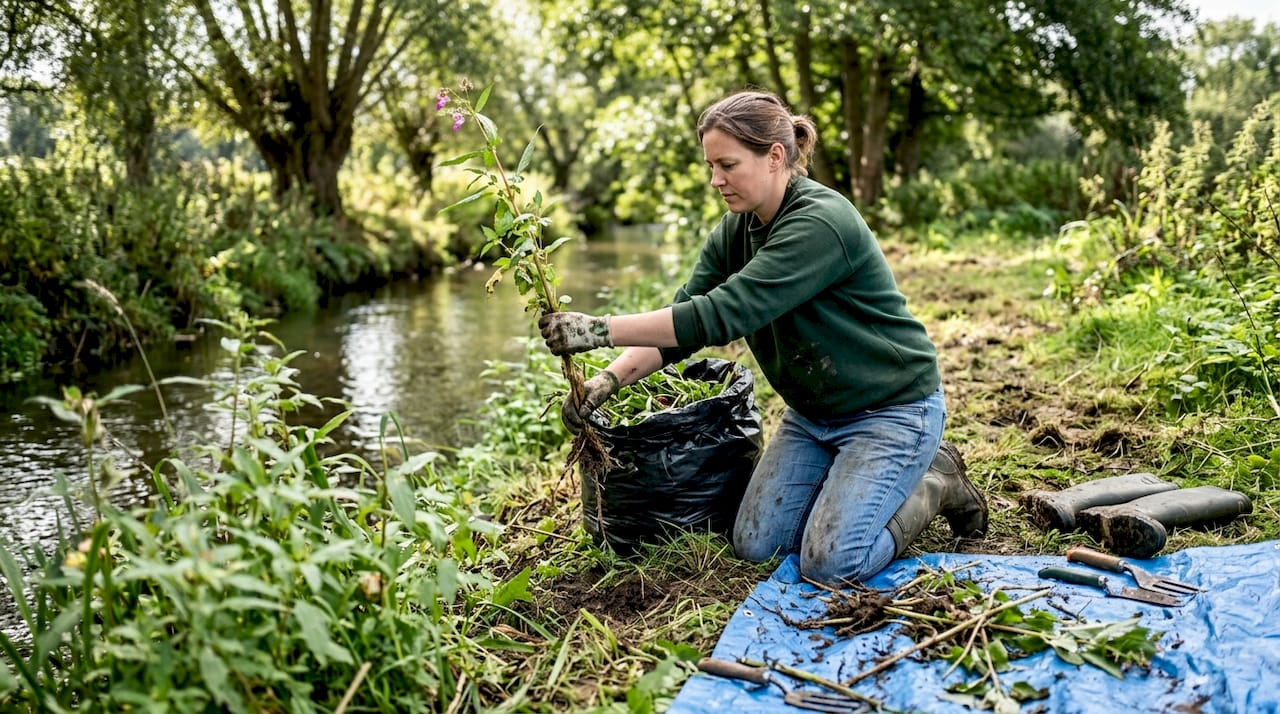
Volunteer digging invasive plants near stream

Start with hand-pulling for accessible areas. Wear protective gloves and grip each plant at the base, pulling firmly and steadily to extract the entire root system. This works best on soft-stemmed species like Himalayan Balsam before they flower. The timing is critical—remove plants before seed pods develop, preventing thousands of seeds from entering your water.

For tougher, established growth, use cutting and digging techniques. Cut plants below soil level with sharp secateurs or saws, then carefully dig out the root mass. Take your time here; incomplete removal means regrowth. Work methodically across affected areas, removing all visible plant material.

Regular monitoring and repeated removal sessions are essential; even small fragments can regenerate into full plants.

Water-based infestations require slightly different tactics. Hand-pulling floating pennywort involves carefully lifting dense mats from the water surface, which often requires patience and multiple visits to remove regrowth.

Dispose of removed material responsibly:

  • Burn plant matter where local regulations permit
  • Place material in sealed bags for council collection
  • Never compost invasive plants near water or green spaces
  • Keep fragments away from soil where they might root

You may need to repeat removal sessions throughout the growing season. Annual attention prevents dormant seeds from erupting in subsequent years, ensuring complete eradication over time. For larger or persistent infestations, professional thermo-electric treatment delivers consistent results without chemicals, using targeted energy to damage plant cells whilst protecting your water quality.

Don’t underestimate the power of volunteer participation. Local conservation groups often organise group removal days, making the work faster and creating community investment in your waterway’s recovery.

Pro tip: Document your removal efforts with photos and dates; this record proves treatment progress and becomes invaluable if you’re selling your property, as lenders require evidence of invasive species management.

Step 4: Inspect and Verify Effective Plant Removal

Removing invasive plants is only half the battle. Verification ensures your efforts actually worked and that regrowth won’t undermine your progress. This step involves thorough inspection and ongoing monitoring to confirm complete eradication.

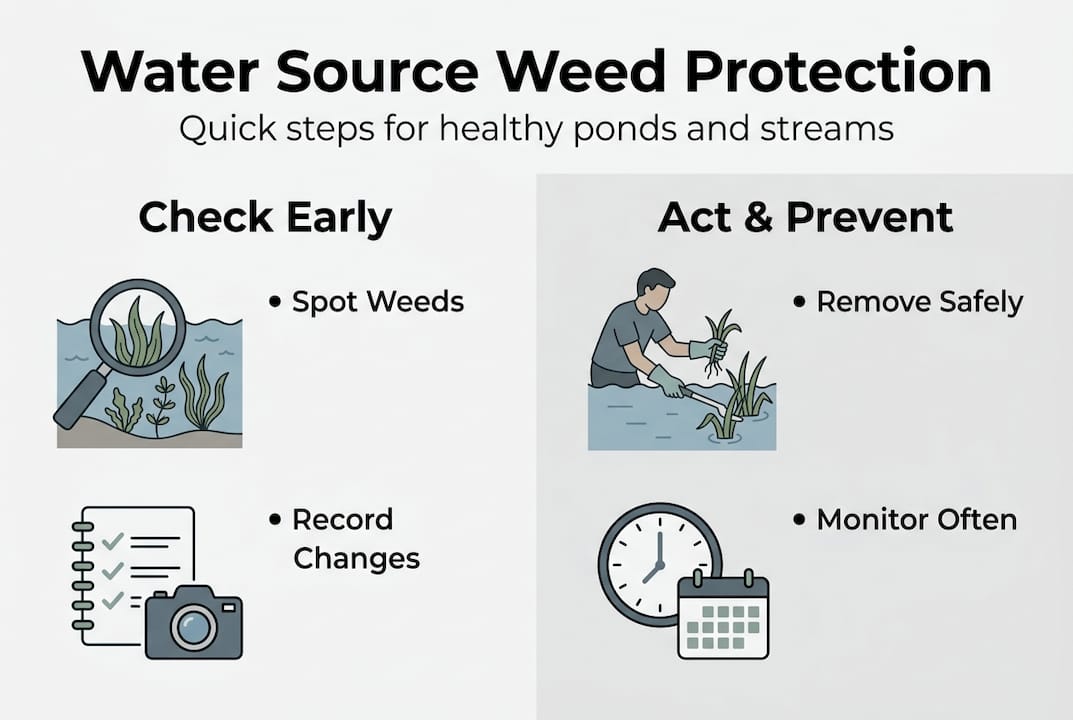
Infographic summarizing natural plant management

Begin your inspection within days of removal. Walk the entire treated area methodically, checking soil and water for any remaining plant fragments or rhizomes. Look for signs of regrowth at cut sites or root break-offs that might have escaped your initial removal. Some species like Japanese Knotweed can regenerate from tiny root pieces, so meticulous inspection matters.

Document your findings with photographs and notes. Record the date, weather conditions, and any plant material you discover. This creates evidence of your treatment efforts—essential if you’re selling your property, as mortgage lenders require proof of invasive species management.

Continuous monitoring is recommended to verify that invasive plants do not re-establish and to manage any soil or plant material that may harbour viable seeds or rhizomes.

Ongoing monitoring confirms successful eradication over multiple growing seasons. Plan revisits throughout the year, particularly in spring and summer when plants actively grow. You should revisit treated sites annually for at least two to three years to catch any dormant seeds that germinate.

Your inspection checklist should cover:

  • Visible plant regrowth at cut or pulled sites
  • New shoots emerging from soil or water
  • Floating fragments that haven’t decomposed
  • Bare patches where plants were removed (native species should be colonising these)
  • Changes in water clarity and quality

If you discover regrowth, address it immediately. Small patches are far easier to manage than established infestations. The longer you wait, the stronger the plant’s root system becomes.

Keep detailed records of all inspections. Professional treatment records, combined with your monitoring documentation, create a comprehensive management history. This becomes invaluable when dealing with property transactions or demonstrating compliance with biosecurity requirements.

Pro tip: Set phone reminders for seasonal inspections (spring, summer, autumn) so you don’t overlook regrowth; catching problems early prevents small issues from becoming major setbacks.

Manage Invasive Waterside Plants Effectively and Safely

Dealing with invasive plants near water naturally can be a demanding challenge. You need a solution that respects the delicate waterside environment while ensuring thorough eradication of species like Japanese Knotweed and Giant Hogweed. The article highlights vital chemical-free methods such as hand-pulling, cutting, and thermo-electric treatments to preserve water quality and biodiversity. Yet persistent infestations often require expert intervention tailored to the complexities of waterways.

At Japanese Knotweed Agency, we specialise in chemical free treatment and eradication using advanced direct energy delivery up to 5000 volts. This innovative technique targets underground rhizomes, depleting their energy and preventing regrowth without harming the ecosystem. We also provide precise root barrier installations and excavation works to protect your property long term. Documented surveys carried out across England, Wales and Ireland ensure full transparency and peace of mind.

https://japaneseknotweedagency.co.uk

Take control of your invasive plant problem today. Visit our Japanese Knotweed Agency homepage to learn more about expert chemical-free methods and property surveys. Protect your waterside environment and secure the future of your land with professional support designed specifically for invasive plants near water.

Frequently Asked Questions

How can I identify invasive plants near my water feature?

To identify invasive plants, survey the perimeter of your water feature and look for species that aren’t native. Capture photographs of any suspicious plants and note their locations, focusing on key invasive species like Japanese Knotweed and Floating Pennywort.

What manual removal methods can I use to tackle invasive plants?

Manual removal methods include hand-pulling, cutting, and digging out the entire root system of invasive plants. Ensure you remove plants before they flower to prevent further seed spread; for instance, aim to clear Himalayan Balsam by early summer.

How should I dispose of removed invasive plant material?

Dispose of removed invasive plant material by either burning it, where permitted, or placing it in sealed bags for council disposal. Avoid composting the material or leaving it in areas where it could re-root, as even small fragments can regenerate.

How can I verify that I’ve successfully removed invasive plants?

Verify successful removal by inspecting the treated area for any signs of regrowth or remaining plant fragments within a week of your efforts. Continue to monitor the area for at least two to three growing seasons to catch any new shoots emerging from dormant seeds or roots.

What are chemical-free methods for managing invasive plants near water?

Chemical-free methods include hand-pulling, cutting below the soil line, and using thermo-electric treatments for stubborn infestations. Implement these strategies promptly to minimise ecological impact and support the recovery of native species in your waterway.

环境安全除草方法:英国房产去除日本苦竹影响

许多英国房产业主在面对日本苦竹入侵时,常因担心化学药剂影响健康而犹豫不决。环境安全除草方法强调避免化学残留,优先保护家庭成员和宠物的安全,同时维护土壤与水体的生态完整性。英国皇家园艺学会明确指出,非化学除草技术通过手工拔除、物理阻隔和生态管理,同样能有效控制杂草,助力业主提升房产可靠性与金融价值。

目录

关键要点

要点 详细信息
环境安全除草方法有效 非化学技术通过机械和生态方法可以彻底控制杂草,同时保护环境和生态系统。
持续监测和干预 定期采取措施对抗杂草生长是实现长期根除的关键,而非一次性处理。
正确识别植物种类 错误识别杂草会导致使用不当方法,浪费时间和资源。
法律责任意识 土地所有者必须防止日本苦竹扩散,以免面临法律诉讼和罚款。

环境安全除草方法定义与误区

当英国房产业主面对日本苦竹这类顽固入侵植物时,许多人的第一反应是拿起化学除草剂。但这个想法存在根本性错误。环境安全除草方法指的是不依赖化学药剂的除草技术,通过机械干预、物理阻隔和生态管理的结合来控制杂草生长,同时保护土壤、水体和周围生态系统的完整性。

根据英国皇家园艺学会的指导,非化学除草技术不仅能有效控制植物,还能消除化学残留对儿童和宠物的危害。许多房主错误地认为除草必须依赖化学药物才能彻底见效,殊不知机械和生态方法通过持续、系统的干预同样能达到永久根除的目标。这个认知偏差导致不少业主在处理日本苦竹时选择了不必要的有害化学物质。

常见的三大误区

误区一:化学药剂是唯一有效的解决方案

这是最普遍的错误认识。许多人认为只有强力除草剂才能杀死日本苦竹那样的深层根茎网络。实际上,英国政府发布的除草指导明确指出应结合多种方法以低环境风险管理有害杂草,其中传统的机械除草、持续拉除和定期割除等方法在正确实施时同样有效。

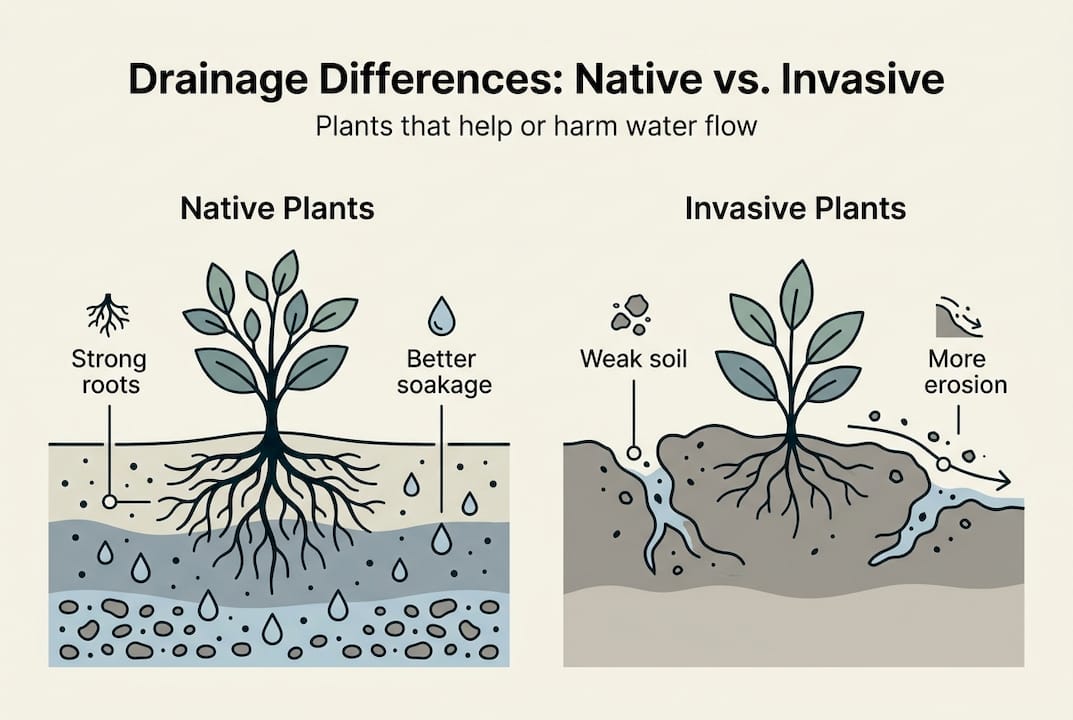
环保除草方式对比一览图

误区二:忽视持续防治的重要性

一次性处理不等于永久解决。日本苦竹的根茎可以在土壤中存活多年,单一的化学喷洒或机械挖掘往往只能暂时控制症状。环境安全的方法强调持续监测和定期干预,通过多次的有针对性处理逐步耗尽植物的能量储备。

误区三:混淆杂草种类导致用错方法

不同的入侵植物需要不同的控制策略。日本苦竹的处理方法与普通杂草完全不同。有些业主因为识别错误而采用不适当的技术,浪费时间和金钱,甚至使问题恶化。

环境安全方法的核心特征

  • 无化学残留:不向土壤和地下水引入有害物质
  • 对周围生态友好:保护非靶植物和土壤微生物生态
  • 长期有效:通过系统性干预实现永久根除
  • 安全可靠:对居住者、宠物和野生动物无危害
  • 可持续性强:符合英国和欧盟的环保监管要求

真正有效的除草不是一次性的快速解决方案,而是基于科学原理的长期管理策略。

对于英国房产业主来说,理解这些基本概念至关重要。当你向贷款机构或保险公司证明房产状况时,能够说明你采用的是经验证的环境安全方法,而非仓促的化学喷洒,这将显著提高你的信誉度。许多再融资或出售房产的流程都要求业主证明入侵植物已被妥善处理,采用被认可的非化学方法往往能获得更好的评估结果。

关键是要认识到,环境安全除草并不意味着效果较差或耗时过长。恰恰相反,正确的方法结合专业的技术支持(如持续监测和定期的物理干预),往往能以更低的总体成本达到更持久的效果。你不需要在环保责任和房产保护之间做出选择,两者是完全兼容的。

专业建议 在制定任何除草计划之前,先进行专业的房产勘查来准确识别植物种类和感染程度,这将帮助你选择最合适的环境安全方法,避免错误投入。

非化学除草主要类型及适用范围

英国房产业主在处理日本苦竹等入侵植物时,面临多种非化学除草方法的选择。每种方法都有其独特的优势和局限性,选择正确的技术取决于你的具体情况——感染面积的大小、地形特征、周围环境,甚至季节时机。理解这些方法的区别和应用范围,能帮助你制定更有效的长期除草策略。

主要非化学除草方法对比

手工拔除和割草

这是最基础也是最直接的方法。对于浅根杂草和小面积感染,手工拔除非常有效。你需要在土壤湿润时进行,确保连根拔起,防止碎片再生。割草则适用于防止植物开花结籽,定期割除能逐步削弱植物的生长势。但对于日本苦竹这类深层根茎植物,单纯的手工拔除效果有限。

覆盖和物理屏障

使用厚重地膜、木屑或其他有机覆盖物能阻断光照,抑制植物生长。这种方法对防止种子萌发特别有效,也能保护土壤微生物群落。根障安装是一种更主动的防护技术,通过在地下埋设坚固的物理屏障来阻止根茎向外扩展。这对已经部分控制但需要长期防护的区域特别有用。

机械处理和热能方法

多种除草技术包括深层耕作、挖掘和火焰除草。深层耕作能彻底翻转土壤,破坏根茎结构,但这对住宅花园可能不太实用。火焰除草使用高温瞬间杀死植物组织,适合混凝土缝隙和硬质表面。

工人正在用火焰喷枪清理小区里的杂草。

电能除草技术

这是相对较新的技术,通过高压电流直接作用于植物,造成内部细胞损伤并耗尽根茎网络的能量储备。这种方法特别适合日本苦竹,因为它能有效穿透深层的根茎系统,每次处理都会逐步削弱植物。与其他物理方法不同,电能技术能从根本上干扰植物的新陈代谢。

以下表格对英国房屋业主常用的非化学除草方法进行效用与风险简要对比:

方法类型 主要优点 局限性 推荐场景
手工拔除与割草 低成本、操作简便 根系深难彻底清除 小面积浅根杂草
覆盖与物理屏障 长期预防、生态友好 效果需持续维护 种子萌发和新根扩散
机械与热能方法 处理速度较快、适应复杂地形 可能影响土壤结构 硬质表面或局部深根
电能除草技术 可穿透深层根茎、无残留 成本高需专业设备 日本苦竹严重区域

按适用场景选择方法

根据英国皇家园艺学会的建议,不同的除草方法应根据环境条件和杂草特性来选择。

小面积花园(少于50平方米)

  • 手工拔除配合定期割草
  • 覆盖地膜防止重新萌发
  • 根障安装用于长期防护

中等面积(50-200平方米)

  • 机械深耕或挖掘
  • 分阶段的割草计划
  • 结合覆盖材料的综合策略

大面积或严重感染

  • 电能除草配合其他方法
  • 专业挖掘和根茎清除
  • 长期监测和防护屏障

最佳处理时机

春夏季节是除草的活跃期。早春时进行预防工作效果最佳,此时植物刚开始生长,能量储备最低。针对日本苦竹,多数方法需要在生长季节重复进行,通常需要进行3-5次处理才能实现显著控制。冬季可以用来规划和安装物理屏障。

选择正确的非化学方法不是关于找到一种完美的解决方案,而是根据你的具体情况设计一个多阶段的综合计划。

对于英国房产业主来说,许多县议会和地方规划部门现在更倾向于认可综合性的非化学管理方案,而不是仓促的化学处理。当你向贷款机构或保险公司报告时,能够说明你采用了经验证的多方法策略,这会显著增加信誉度和房产评估价值。

专业建议 在选择方法前,进行专业的现场勘查来准确评估感染程度、根茎深度和周围环境,这将帮助你制定最高效的除草时间表和方法组合。

直流电能根部处理机制解析

当你听到"电能除草"时,可能会想象某种危险的高科技装置。但实际上,这种技术的原理相对直接,而且效果对付日本苦竹这类顽固植物特别有效。直流电能处理通过向植物根茎系统施加高电压电流,造成细胞内部损伤并耗尽植物的生命能量,最终实现永久根除。与化学药剂不同,这种方法不在土壤中留下任何残留物。

电能处理的生物学机制

当高电压电流通过植物组织时,会发生两种关键的生物学变化。首先,电流导致组织加热,瞬间升高细胞内的温度。这种快速加热会破坏细胞膜和蛋白质结构,导致细胞死亡。其次,直流电处理引发的机械断裂会摧毁植物的维管束系统,这些维管束负责水分和营养的运输。

对于日本苦竹这样的深层根茎植物来说,这种双重作用特别致命。根茎网络通常在地下10至15厘米深处,传统的割草或浅层挖掘根本无法到达。但电流能够有效穿透土壤,直接作用于这些隐蔽的根茎。每次电能处理都会进一步削弱植物的储能系统,通常需要3到5次处理才能完全根除。

对比直流电能处理与传统除草方式对日本苦竹根茎的作用效果:

处理方式 作用深度 环境影响 复发概率
机械挖掘 10厘米以内 土壤扰动较大 极易复发
火焰除草 仅地表 无化学污染 基本无法根除
电能除草 15厘米及更深 无残留污染 逐步根除
化学喷洒 部分渗透根部 有害残留风险 易抗性复发

影响电能效能的关键因素

电能处理的效果取决于多个相互关联的因素。根据Cambridge的研究,主要参数包括:

  • 电压强度:更高的电压能更有效地穿透土壤和根茎,但也需要适当控制以确保安全
  • 电流强度:直接影响组织损伤程度,需要根据植物种类和根茎直径调整
  • 脉冲模式:间歇性脉冲相比持续电流可能更高效,也更安全
  • 土壤条件:土壤含水量直接影响电导率,湿润的土壤能更有效传导电流
  • 植物特性:不同植物种类对电流的敏感度不同,日本苦竹因其深层根茎结构而特别易受影响

为什么直流电比其他方法更优越

直流电处理相比机械挖掘有显著优势。挖掘需要去除大量土壤,可能破坏周围的景观和土壤结构,成本高昂且费时费力。火焰除草只能作用于地表,对深层根茎无效。而电能处理能够:

  • 精确定位到根茎位置,无需大规模挖掘
  • 在不破坏周围环境的情况下进行处理
  • 多次重复应用,逐步耗尽植物能量
  • 在各种土壤和天气条件下工作
  • 完全避免化学残留和环境污染

电能处理的真正威力在于它能击中植物最脆弱的部分——深层根茎网络——这正是日本苦竹最难对付的地方。

对于英国房产业主来说,这种方法特别吸引人,因为它符合越来越严格的环保规定。当你向抵押贷款人或保险公司报告时,能够说明你使用的是经科学验证的非化学物理技术,这会显著增加房产的可信度。许多地方当局现在将电能处理列为日本苦竹管理的推荐方法,因为它既有效又环保。

整个处理过程通常在几分钟内完成,但效果在随后的几周内逐步显现。植物不会立即死亡,而是生长势逐步减弱,这意味着你会看到一个清晰的改善过程,可以向任何需要的第三方证明。

专业建议 在进行电能处理前,确保土壤足够湿润但不是水浸,这样电导率最佳,处理效果最优。同时记录每次处理的日期和位置,以便长期追踪根茎的衰弱进度。

英国相关法律、调查与责任要求

许多英国房产业主对日本苦竹的法律含义知之甚少,直到问题变得严重或涉及邻居纠纷。这是一个关键的认知盲点。在英国,日本苦竹不仅仅是一个园艺问题,它是一个法律责任问题。作为土地所有者,你有法律义务防止这种入侵植物扩散到邻地或野生环境中。忽视这一点可能导致昂贵的法律诉讼、罚款,甚至刑事指控。

适用的主要法律框架

英国有两部关键法律直接规范日本苦竹的管理:

《野生动物与乡村法案1981》

这部法律规定土地所有者必须防止某些植物种类(包括日本苦竹)的扩散。如果你的行为导致这种植物进入野生环境或邻近土地,你可能被起诉。这不仅涵盖故意行为,还包括疏忽或无作为。

《环境保护法案1990》

这部法律补充了上述框架,要求任何处理和处置入侵植物的活动都必须遵循特定的环保标准。这意味着你不能随意堆放、焚烧或不当处理日本苦竹废弃物。

你的具体法律责任

英国政府关于防止日本苦竹扩散的指导明确阐述了土地所有者的责任。这些包括:

  • 防止扩散:你必须采取合理的步骤确保植物不会蔓延到他人的土地或自然环境
  • 及时处理:发现植物后,应在合理时间内采取控制或根除措施
  • 记录保留:保存所有处理活动的文件,包括日期、方法和专业人员的报告
  • 邻近通知:在某些情况下,你可能需要通知邻居你正在进行的处理工作
  • 遵规操作:任何处理必须由具有适当资格和许可证的专业人员进行

不合规的后果

违反这些法律可能导致严重的后果。罚款可达到数千英镑,更严重的情况下可能面临刑事指控。邻居也可以根据民法对你提起诉讼,要求赔偿其土地上的入侵植物造成的损害。这些民事诉讼往往涉及大笔赔偿金。

对于试图出售或再融资房产的业主来说,这个问题更加紧迫。如果发现日本苦竹的存在,许多抵押贷款人会拒绝融资,或要求你提供证据证明已采取适当的法律合规措施进行处理。保险公司也可能拒绝承保。

专业调查的重要性

在某些情况下,地方当局可能对你的日本苦竹问题进行调查。这可能发生在邻居投诉或发现非法处理的情况下。一份由认证专业人员出具的植物调查报告可以成为你最好的防护。这份报告记录了:

  • 植物的确切位置和范围
  • 感染程度
  • 你已采取的控制措施
  • 所用方法的合规性
  • 预计的完全根除时间表

这类文件在法律诉讼或当局询问时至关重要,它们证明你正在采取负责任的、合法的行动。

法律合规不是可选的,它是保护你的房产价值和个人财务安全的必要步骤。

选择使用环境安全的非化学方法实际上提升了你的法律地位。政府和地方当局现在倾向于认可电能处理和其他物理方法作为日本苦竹管理的最佳实践。这些方法完全符合环保法规,不会产生化学残留问题,也不会对邻近生态系统造成伤害。当你能向当局或法院证明你选择了最环保、最负责任的方法时,这大大有利于你的法律地位。

对于英国房产业主来说,最智慧的做法是立即采取行动。一旦发现日本苦竹,不要延迟。记录一切,咨询法律专业人士,并选择被认可的处理方法。这样做不仅解决了问题,还为你的房产保护了宝贵的法律防线。

专业建议 聘请具有法律背景的房产调查师进行初步评估,他们能识别潜在的法律风险并建议如何最有效地记录你的合规工作,为任何未来的法律询问做准备。

避免常见除草误区与房产影响

如果你在网上搜索"日本苦竹除草",会看到数百个DIY建议和快速修复方案。但大多数业主犯的错误是,他们采取这些建议而没有真正理解其长期后果。一个看似简单的除草误区不仅会浪费你的金钱,还可能对你的房产价值造成持久伤害。对于英国房主来说,这些错误的代价远超想象。

最常见的五大除草误区

误区一:错误识别植物种类

这是灾难的开始。许多业主将日本苦竹与普通多年生杂草混淆,导致采用完全不适当的处理方法。常见的除草错误包括未能正确识别杂草的生长模式和根茎特性。对于日本苦竹,这意味着你可能只是割掉地表部分,完全忽视了深层的根茎网络,实际上反而刺激了植物的重新生长。

误区二:过度或错误使用化学除草剂

许多业主的反应是大量喷洒除草剂,认为更多的化学物质会更有效。实际上这会污染土壤和地下水,对你的房产和邻近环境造成长期伤害。而且,日本苦竹对某些除草剂已经产生了抗性,盲目使用可能完全无效。

误区三:扰动土壤而不进行后续处理

挖掘或翻动土壤会将根茎碎片分散到新的区域,实际上扩大了感染范围。一旦你破坏土壤结构,数百个休眠的根茎片段可能被激活,导致植物在多个新位置生长。这是为什么盲目挖掘会使问题恶化的原因。

误区四:一次性处理后就放任不管

日本苦竹不会因为一次割草或喷洒就消失。它需要持续的多阶段管理。许多业主进行了初步处理后就假设问题解决了,实际上植物在几周内就会重新生长。这种误区导致业主每年都在重复同样的工作,成本不断上升。

误区五:忽视废弃物的正确处置

切割下来的日本苦竹部分含有活的根茎组织,如果不当处理,仍然可能再生。许多业主将其堆放在院子里、焚烧或随意丢弃,违反了环保法规。这不仅非法,还会进一步扩散植物。

这些误区如何影响房产价值

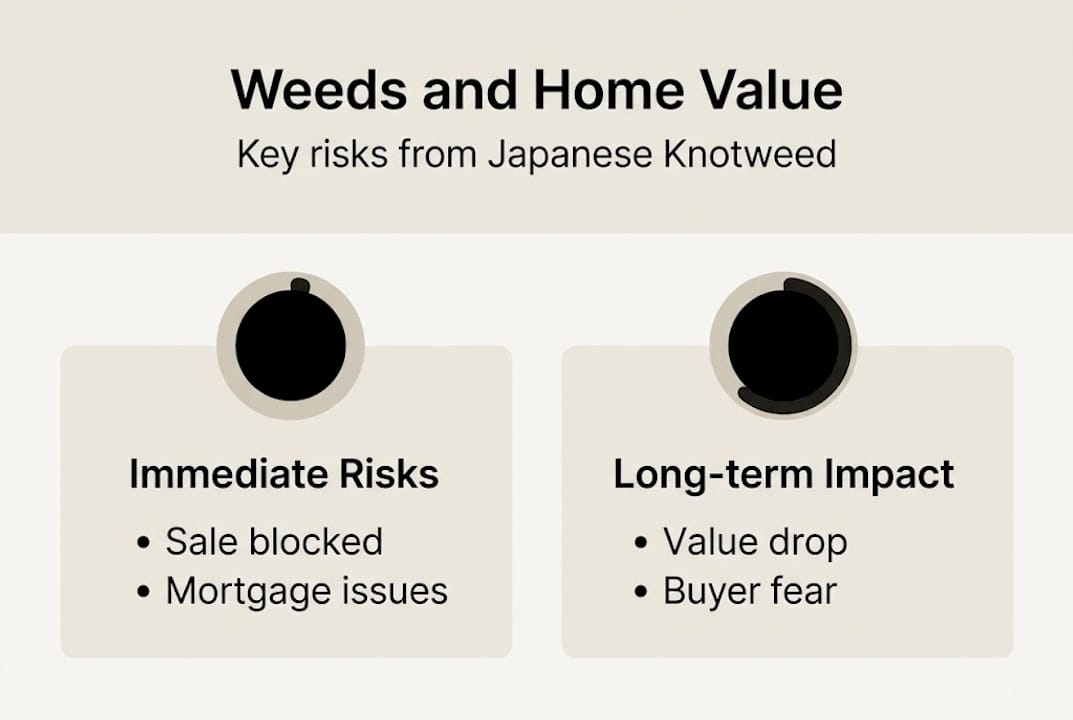
许多英国房主没有意识到,杂草问题(尤其是日本苦竹)直接影响房产的可销售性和价值。当潜在买家进行房产勘查时,调查师会标记任何侵入性植物的存在。这会导致:

  • 抵押贷款人拒绝提供融资
  • 保险公司提高保费或拒绝承保
  • 房产价值下降10-15%或更多
  • 与邻居的法律纠纷
  • 昂贵的补救成本由你承担

英国乡村与土地协会强调,缺乏系统的监测和长期管理会导致法律责任及财产损失。一旦你在出售或融资文件中披露了日本苦竹的存在,但又没有证明你采取了适当的控制措施,交易可能会完全破裂。

正确的方法是什么

避免这些误区的关键是:

  1. 获得专业鉴定:在采取任何行动前,让专业人士确认植物的确切身份和感染范围
  2. 选择经验证的方法:使用被认可的非化学或专业处理技术
  3. 坚持长期计划:规划多年的监测和维护时间表
  4. 保存所有记录:记录每次处理、日期、使用的方法和结果
  5. 遵循法律要求:确保所有处理都符合英国的环保和法律标准

房产所有者最昂贵的错误不是行动本身,而是错误的行动或缺乏行动。

对于那些已经犯了这些错误的业主,补救还不算太晚。采用科学的、多阶段的方法,结合记录良好的处理计划,能够显著改善情况。当你最终需要出售或融资时,能够展示一份详细的、由专业人士批准的补救计划,会使潜在买家和贷款人更加放心。

专业建议 立即进行房产的专业入侵植物调查,获取书面报告,然后制定具体的多年管理计划。这份文件将成为你最好的法律和财务保护。

英国房产业主的环保除草新选择

面对日本苦竹顽固的根茎网络和复杂的法律责任,采用环境安全除草方法无疑是保护房产价值和生态环境的明智之选。文章中多次强调的“持续监测”和“物理干预”正是解决这一难题的关键。而我们在japaneseknotweedagency.co.uk拥有领先的直流电能除草技术,提供高达5000伏特的现场电流处理,能精准击穿深层根茎,彻底消灭日本苦竹,且无化学残留,安全环保。

https://japaneseknotweedagency.co.uk

选择Japanese Knotweed Agency,您将获得与文章中提及的环境安全原则完美契合的服务,包括专业的根障安装、机械挖掘及全面的房产入侵植物调查服务。立即访问我们的官方网站,预约专业评估,为您的房产制定科学的除草管理计划。保护您的家园,避免法律风险,实现长期根除,日本苦竹问题从此不再困扰。

常见问题

如何有效去除日本苦竹?

使用环境安全的非化学方法可以有效去除日本苦竹,主要包括手工拔除、定期割草、覆盖物阻挡光照、机械处理和电能除草技术等。根据侵染程度和面积选择合适的方法。

日本苦竹的根茎有多深,为什么普通的除草方法不能有效处理?

日本苦竹的根茎通常可以深入土壤10至15厘米,传统的表层机械挖掘或割草方法往往无法触及这些深层根茎,导致植物持续生长。

为什么需要持续监测和定期处理日本苦竹?

日本苦竹的根茎能在土壤中存活多年,只有通过持续的监测和定期干预才能有效耗尽植物的能量储备,实现根除。

为什么选择非化学除草方法更环保?

非化学除草方法不向土壤和地下水引入有害物质,保护周围生态系统,有助于避免化学残留对儿童、宠物和环境的危害。

推荐

Legislation for Invasive Control – Impact on Homeowners

Living with Japanese Knotweed on your property in England or Wales can quickly turn from a gardening headache into a complex legal and financial concern. Invasive species such as this not only endanger our native biodiversity but also carry strict responsibilities for every homeowner. Understanding the rules surrounding control and chemical-free eradication helps you protect both your land and your peace of mind, while staying compliant with tough regulations designed to safeguard local ecosystems.

Table of Contents

Key Takeaways

Point Details
Understanding Invasive Species Invasive species, such as Japanese Knotweed, threaten native biodiversity and can have significant legal and financial implications for homeowners.
Legal Responsibilities Property owners must actively manage invasive species on their land and are liable for any spread to neighbouring properties.
Control and Management Strategies Early detection and proactive control are essential; homeowners should engage professionals for treatment and document all management efforts.
Economic Consequences Failing to disclose invasive species during property transactions can lead to substantial financial losses and legal claims from buyers.

Definition of Invasive Species and Control

An invasive species is a non-native plant, animal, or organism that has been introduced outside its normal geographical range, typically through human activity, and causes significant harm to native ecosystems, biodiversity, or the economy. Not every non-native species becomes invasive—only those that establish rapidly, spread aggressively, and damage their new environment earn that classification. In Great Britain, invasive non-native species are recognised as major drivers of biodiversity loss and pose serious threats to both natural habitats and economic interests.

What makes a species invasive rather than simply “foreign” comes down to impact. A non-native plant or creature might arrive in a new country without causing problems. Japanese Knotweed, however, exemplifies true invasiveness. It outcompetes native vegetation, destabilises soil structures, spreads through rhizomes that can extend metres underground, and can penetrate concrete and tarmac. The species thrives in conditions where native plants cannot, fundamentally altering habitats and making control exceptionally difficult without intervention.

Invasive species harm ecosystems in several measurable ways:

  • Outcompeting native species for light, water, nutrients, and space, reducing biodiversity
  • Spreading disease to native plants and animals
  • Altering physical habitats through changes to soil chemistry, water availability, or structural composition
  • Disrupting ecological balances by introducing predators or parasites with no natural controls in place
  • Causing economic damage through crop loss, property damage, and costly management efforts

For homeowners in England and Wales, the legal and practical implications are substantial. Selling a property where Japanese Knotweed is present triggers mandatory disclosure obligations, and most mortgage lenders will refuse to lend without evidence of treatment and management plans. This transforms what might seem like a garden problem into a serious property matter with real financial consequences.

Invasive species are among the most significant threats to biodiversity globally, and controlling them is essential to protecting native ecosystems and achieving environmental targets.

Why Control Matters Now

Control of invasive species has shifted from optional to mandatory in many circumstances. Early detection and rapid response prevent infestation from becoming entrenched, which makes treatment exponentially more expensive and time-consuming. Once invasive species establish themselves across multiple properties or large areas, eradication becomes nearly impossible. Chemical-free control methods, such as thermo-electric treatment that delivers direct energy to destroy plant cells and deplete rhizome energy reserves, offer homeowners effective alternatives that avoid soil contamination and protect groundwater.

The strategy for managing invasive species involves six key stages:

  1. Prevention – stopping introduction of new invasive species through biosecurity measures
  2. Early detection – identifying invasive species as soon as they appear
  3. Monitoring – tracking established populations to assess spread and treatment effectiveness
  4. Rapid response – acting quickly when new invasions are detected
  5. Long-term management – controlling established invasive populations over years or decades
  6. Eradication – complete removal where feasible, particularly on smaller infestations

For a homeowner discovering Japanese Knotweed or other invasive species on their property, understanding these stages helps set realistic expectations. A small, newly discovered infestation may be eradicated within a few seasons through consistent treatment. A mature, extensive infestation requires long-term management and may never be fully eradicated without excavation.

To help clarify the stages of invasive species management, the following table summarises each phase and its main purpose:

Stage Description Typical Outcome
Prevention Biosecurity and avoidance Stops new introductions
Early Detection Identifying invaders quickly Enables prompt response
Monitoring Tracking populations and progress Assesses spread and treatment success
Rapid Response Immediate action upon detection Prevents establishment and escalation
Long-term Management Ongoing control over time Reduces densities and minimises impact
Eradication Complete removal where feasible Restores natural habitats

Pro tip: If you suspect invasive species on your property, arrange a professional survey immediately rather than waiting—early intervention is significantly cheaper and more effective than managing a mature infestation, and surveys are often required by mortgage lenders before you can sell.

The legal framework governing invasive species control in England and Wales is a structured system designed to prevent, manage, and eradicate invasive species before they cause irreversible ecological damage. At its foundation lies The Invasive Alien Species (Enforcement and Permitting) Order 2019, which enforces the Retained EU Regulation (1143/2014) domestically. This legislation represents the UK’s commitment to international obligations and creates enforceable rules that homeowners, businesses, and local authorities must follow. Understanding this framework is essential because non-compliance can result in significant penalties and liability issues.

Council officer delivering legal notice to resident

The legislation prohibits specific actions regarding species designated as particularly concerning. You cannot lawfully import, keep, breed, transport, sell, or release any species listed on the UK government’s official invasive species register without explicit permission. Japanese Knotweed sits at the forefront of these regulated species, which means that if you discover it on your property, you have a legal obligation to manage and control it. Failure to do so can result in enforcement action by the Environment Agency or local authorities, who possess powers to serve control orders requiring you to eradicate the species at your own cost.

The framework includes several critical mechanisms that directly affect homeowners:

  • Species control agreements – negotiated arrangements between property owners and authorities to manage invasive species through specified methods and timescales
  • Species control orders – mandatory enforcement tools issued when voluntary control fails, requiring property owners to implement removal or containment measures
  • Prohibition on sale or trade – preventing the commercial movement of regulated species, which stops their spread across regions
  • Import restrictions – preventing new invasive species from entering the UK through biosecurity measures
  • Legal liability – making property owners responsible for invasive species on their land, even if they didn’t introduce it

For property sales, the legal implications become especially significant. When selling a property where Japanese Knotweed or other invasive species are present, you must legally disclose this information to potential buyers. Mortgage lenders typically require evidence of treatment, a management plan, or a Japanese Knotweed warranty guarantee before approving lending. This creates a practical chain of legal consequences: failing to disclose can result in breach of contract claims from buyers after completion, whilst mortgage refusal means your property simply will not sell.

The legal framework makes property owners legally responsible for invasive species on their land and grants authorities enforcement powers to require eradication at the owner’s expense.

Local Authority Powers and Enforcement

Local authorities in England and Wales possess significant powers under this framework to compel invasive species control. If an invasive species is spreading from your property onto neighbouring land or public areas, the local council can serve you with a formal notice requiring removal within a specified timeframe. If you fail to comply, the authority can carry out the work and charge all costs to you, including administrative expenses and contractor fees. These costs can reach thousands of pounds, making early voluntary control far more economical.

The Environment Agency and local authorities conduct routine monitoring and receive reports from concerned citizens. If your property is identified as harbouring invasive species, you will typically receive formal notification before enforcement action, giving you the opportunity to arrange private control measures. Professional treatment through chemical-free methods such as thermo-electric treatment can demonstrate your commitment to proper management and often satisfies enforcement requirements more efficiently than traditional approaches.

Pro tip: Document all invasive species control efforts with photographs, treatment dates, and contractor reports—this evidence protects you legally if authorities inspect your property and demonstrates good faith compliance with regulations.

Prohibited Actions and Restricted Species

Legislation in England and Wales creates a strict prohibition list governing what you can and cannot do with invasive species. The scope is remarkably broad—it covers not just the living organisms themselves, but their reproductive parts and any action that might allow them to spread. There are currently 36 invasive alien plant species listed as species of special concern, alongside 30 invasive non-native animal species that fall under legal restriction. Understanding what is prohibited is critical because the consequences for breaching these rules are severe and extend far beyond simple fines.

The prohibited actions under invasive plant species rules are unambiguous. You cannot import these species into England or Wales, nor can you keep them on your property, breed them, transport them, sell them, or grow them intentionally. The legislation goes further still—you cannot allow them to proliferate or spread, which means if you discover an invasive plant on your land and do nothing about it, you are technically in breach. This has profound implications for homeowners who inherit invasive species infestations with their properties. Passive acceptance is not a legal option.

The restrictions apply to every part of regulated species, not just the main plant body. Seeds, fragments of rhizomes, tubers, and any reproductive material are equally prohibited. This is why Japanese Knotweed control requires such meticulous attention to detail. A single rhizome fragment discarded carelessly can regenerate into a new infestation. If you excavate Japanese Knotweed and dispose of soil containing rhizome pieces at an unregistered waste site, you are committing a breach. Professional disposal to licensed facilities is not merely advisable—it is legally required.

Animals present an equally strict framework. Invasive non-native animal species cannot legally be kept, bred, transported, sold, released, or allowed to escape. These prohibitions exist because invasive animals like American mink, raccoons, and muntjac deer cause significant ecological damage once established. Unlike plants that spread through localised mechanisms, invasive animals can disperse rapidly across regions, making prevention far more cost-effective than control after establishment.

Prohibited actions on invasive species include:

  • Importing regulated species into the UK
  • Keeping them in captivity or on your property
  • Breeding them intentionally or allowing natural reproduction
  • Transporting them across regions or to different properties
  • Selling them commercially or privately
  • Growing them as ornamental plants or for any purpose
  • Allowing them to spread without implementing control measures
  • Disposing of them improperly at unauthorised waste sites
  • Releasing them into the environment, either intentionally or through negligence

The legislation makes you liable for invasive species on your property regardless of how they arrived there, and passive inaction constitutes a breach of the law.

Exemptions and Permitted Circumstances

Whilst the prohibitions are broad, specific exemptions exist for legitimate purposes. Scientific research conducted under proper licensing may involve restricted species if the research serves conservation objectives or public health. Similarly, authorised destruction programmes—where professional contractors are explicitly permitted to handle and eliminate invasive species—fall outside the prohibition. The critical word is “authorised.” If you hire an unqualified contractor who lacks proper licensing to handle restricted species, both you and the contractor may face liability.

For homeowners, the practical exemption involves engaging licensed professionals to control invasive species on their property. When you arrange professional treatment through chemical-free methods such as thermo-electric treatment, the contractor operates under specific licensing arrangements that allow them to handle the species legally. The responsibility shifts to the contractor to comply with transport, handling, and disposal regulations. This is why using established, accredited specialists is essential—they carry the expertise and regulatory compliance needed to manage the process legally.

One crucial misunderstanding concerns storage and temporary holding. You cannot simply remove Japanese Knotweed and store it in a corner of your property whilst deciding what to do with it. Once excavated, it must be transported to a licensed waste facility within strict timeframes. Some homeowners have faced enforcement action for storing excavated Japanese Knotweed material on-site, believing temporary storage was acceptable. It is not.

Pro tip: Before engaging any contractor to handle invasive species, verify their licensing and ask specifically about their waste disposal methods—request confirmation that all excavated material will be transported to a licensed facility, and keep documentation of this arrangement for your legal protection.

For homeowners, understanding both prohibited actions and exemptions improves compliance. Here is a quick reference for legal responsibilities and permitted exceptions:

Legal Requirement Description Permitted Exception
Prohibit possession No invasive species allowed on property Licensed research or professional control
Ban transport/disposal Cannot move or dispose of material informally Accredited contractor handles legal disposal
Mandate disclosure Must inform buyers of infestations None; disclosure always required
Compulsory eradication Must actively control and prevent spread Only waived if managed by authorities

Permitted Eradication Methods Without Chemicals

Chemical herbicides are not the only—or even the best—option for controlling invasive species in England and Wales. In fact, legislation actively encourages non-chemical approaches where feasible, and regulators increasingly favour methods that avoid soil contamination and groundwater risk. The government’s guidance on invasive plant control emphasises physical removal techniques including hand-pulling, cutting, digging out root systems, and systematic mowing to prevent seed dispersal. For homeowners dealing with Japanese Knotweed or other invasive species, understanding these permitted methods is essential because they offer effective alternatives that comply fully with environmental regulations.

Physical removal remains the foundation of non-chemical control, though its effectiveness depends heavily on timing, technique, and follow-up management. Hand-pulling works only for small, young plants with shallow root systems—attempting to hand-pull an established Japanese Knotweed infestation is futile and potentially counterproductive, as broken rhizome fragments will simply regenerate. Cutting and mowing prevent seed production and reduce above-ground biomass, but they do not eliminate root systems. Digging out root systems is more effective but requires excavation to depths often exceeding one metre, and any rhizome fragments left in the soil will regrow. This is why physical removal alone rarely achieves complete eradication without being combined with other methods.

Modern non-chemical eradication has evolved significantly beyond basic physical removal. Thermo-electric treatment represents a breakthrough approach that delivers direct electrical energy to plant tissue, causing internal cellular damage and depleting energy resources throughout extensive rhizome networks. This method works by penetrating deep into soil without requiring excavation, destroying the plant’s ability to regenerate. Unlike physical removal, which only affects visible parts, thermo-electric treatment targets the hidden rhizome system where invasive plants store their reserves. Treatment must be repeated at intervals to ensure all rhizome reserves are depleted, typically over one to two growing seasons, but this approach avoids the soil disturbance and contamination risks associated with chemical herbicides.

Effective non-chemical control methods include:

  • Hand-pulling – suitable only for small, young plants with shallow roots
  • Cutting and mowing – reduces above-ground growth and prevents seed dispersal
  • Digging and excavation – removes root systems but requires careful disposal and follow-up monitoring
  • Thermo-electric treatment – destroys plant cells and depletes rhizome reserves without chemicals
  • Root barriers – prevents rhizome spread to adjacent areas by installing physical containment
  • Habitat restoration – planting native vegetation to outcompete invasive species and prevent reinvasion
  • Biosecurity practices – cleaning equipment and clothing to prevent spread during removal activities

Disposal of invasive plant material is as important as removal itself. Effective disposal methods include burning or burying material off-site at licensed waste facilities, never in your garden or local green waste collection. Japanese Knotweed material especially must never be composted or left where it could regenerate. Professional contractors use licensed facilities specifically equipped to handle invasive species waste, destroying material through high-temperature processing that kills all viable rhizome fragments. Improper disposal can spread infestations to new locations and violates environmental legislation.

Successful non-chemical eradication combines immediate control methods with habitat restoration, preventing reinvasion by establishing native vegetation that naturally suppresses invasive species.

Post-Removal Habitat Restoration

The final critical step in non-chemical eradication is habitat restoration. After removing invasive species, bare ground becomes vulnerable to reinvasion because invasive plants specialise in colonising disturbed areas. Native vegetation, by contrast, competes strongly with invasive species and gradually restores ecological function. Planting native shrubs, perennials, and ground covers appropriate to your local environment creates conditions where invasive species struggle to re-establish. This step often determines long-term success—properties that remove invasive species but leave bare ground frequently experience reinfestation within two to three years.

Consistent monitoring after removal is essential. Invasive species can regrow from rhizome fragments missed during initial removal, so regular inspection during the growing season allows you to spot and treat any regrowth before it becomes established again. This monitoring phase typically lasts two to three years after major removal efforts. Many homeowners underestimate this phase, assuming eradication is complete once the main infestation is gone. Early vigilance prevents regrowth from becoming a full reinfestation requiring expensive repeat treatment.

Pro tip: After professional removal or treatment, maintain detailed records of all work completed with dates and photographs—this documentation demonstrates to future buyers and mortgage lenders that the invasive species has been actively managed and controlled, significantly improving your property’s marketability.

Homeowner Obligations and Potential Penalties

Homeownership brings legal responsibilities that many people don’t fully appreciate until they discover invasive species on their property. Unlike some areas of property law where ignorance provides a defence, invasive species management operates on strict liability principles. This means you can be held legally responsible for invasive species on your land regardless of whether you introduced them, planted them, or inherited them from a previous owner. Understanding your obligations now protects you from enforcement action, financial penalties, and property complications later.

Your primary legal obligation is straightforward: you must not plant, allow to grow, or cause invasive species to spread on your property. Homeowner responsibilities for invasive plants extend beyond simply not planting them—passive inaction when invasive species are present constitutes a breach. If Japanese Knotweed exists on your land and spreads to neighbouring properties or public areas, you can be held liable for the costs of removal and any ecological damage caused. Local authorities can serve enforcement notices requiring you to eradicate invasive species within specified timeframes, and failure to comply results in the council carrying out the work and charging all costs to you, often with substantial administrative fees added.

Infographic of legal duties and penalties

The financial consequences of non-compliance are severe. Fines under invasive species legislation can reach thousands of pounds, and in serious cases involving deliberate or reckless spread, criminal penalties including imprisonment are possible. More commonly, homeowners face financial exposure through property devaluation, mortgage complications, and enforcement costs. A property with unmanaged Japanese Knotweed typically loses 5–15% of market value, and many buyers walk away entirely once infestation is disclosed. Mortgage lenders refuse to lend on properties with known invasive species unless treatment plans and warranties are in place, making such properties effectively unsellable.

Key homeowner obligations include:

  • Prevention – ensuring invasive species are not introduced or spread through your actions
  • Detection – monitoring your property for invasive species and reporting them if discovered
  • Management – taking active steps to control and eradicate invasive species present on your land
  • Disclosure – revealing invasive species to potential buyers during property transactions
  • Compliance – responding promptly to enforcement notices from local authorities
  • Proper disposal – ensuring all invasive plant material is disposed of at licensed facilities
  • Documentation – maintaining records of management efforts and professional treatments

Property transactions deserve special attention. When selling your home, you are legally required to disclose invasive species to potential buyers. Estate agents and conveyancers typically ask specific questions about Japanese Knotweed and other invasive species. Failing to disclose known infestations can result in breach of contract claims after completion, allowing buyers to pursue damages. These claims can be substantial—covering the cost of treatment, property devaluation, and legal fees. Some buyers have successfully recovered £20,000–£50,000 from sellers who failed to disclose invasive species.

Homeowners can be held legally liable for invasive species spreading from their property even if they didn’t introduce it, and liability extends to enforcement costs, property devaluation, and buyer claims.

Liability for Spread Beyond Your Property

A critical aspect of homeowner obligations concerns liability when invasive species spread beyond your land. Whilst you are not legally required to control invasive species on your property in isolation, you become legally liable the moment they spread to neighbouring land or public areas. Landowners can be held liable under the Wildlife and Countryside Act and related environmental legislation if invasive species from their property cause damage. This means a neighbour could sue you for the cost of removing Japanese Knotweed that spreads from your garden to theirs. Local authorities can also pursue cost recovery if they have to remove invasive species that originated from your property.

This liability creates a powerful incentive to manage invasive species proactively rather than waiting for enforcement action. Demonstrating good faith efforts to control invasive species—through professional surveys, documented treatment, and habitat restoration—significantly reduces your legal exposure. If you can show that you took reasonable steps to manage invasive species, courts and authorities view your position far more favourably than if you ignored the problem entirely. Conversely, if you were aware of invasive species and took no action, you face maximum liability for enforcement costs, damages, and potentially criminal penalties.

The practical pathway to protecting yourself involves several essential steps. First, arrange a professional survey if you suspect invasive species on your property—early detection is infinitely cheaper than managing a mature infestation. Second, engage qualified professionals to implement control measures, preferably non-chemical methods that avoid environmental damage. Third, maintain meticulous documentation of all work completed. Fourth, respond promptly to any enforcement notices from local authorities. Fifth, disclose everything honestly during property transactions.

Pro tip: Obtain a professional Japanese Knotweed survey before buying a property and request a management plan or ten-year warranty guarantee as a condition of purchase—this shifts liability to the seller and protects your investment from hidden invasive species costs.

The legislation surrounding invasive species places heavy responsibilities on homeowners to detect, control, and disclose infestations like Japanese Knotweed. Ignoring these duties can result in costly enforcement actions and reduced property value. At Japanese Knotweed Agency, we understand the urgent need to manage invasive species legally and effectively. Our pioneering chemical-free treatments deliver up to 5000 volts of direct energy on site, destroying rhizomes deeply without soil contamination. We also offer professional root barrier installation and excavation to ensure thorough control.

https://japaneseknotweedagency.co.uk

Act now to safeguard your home and investment. Arrange a professional invasive species survey across England, Wales, or Ireland to identify risks early. Discover how our advanced thermo-electric treatment methods comply fully with UK regulations, protect your neighbours, and provide documented proof of control for conveyancing and mortgage requirements. Visit Japanese Knotweed Agency today to take the first step towards peace of mind and compliance.

Frequently Asked Questions

Homeowners are legally obligated to manage, control, and prevent the spread of invasive species on their property, even if they did not introduce them. Failing to act can result in significant financial penalties and liability issues.

What actions are prohibited under invasive species legislation?

The legislation prohibits homeowners from importing, keeping, breeding, transporting, selling, or allowing invasive species to spread on their property. Passive inaction when invasive species are present is also considered a breach of the law.

What should I do if I discover invasive species on my property?

If you discover invasive species, it is essential to arrange a professional survey immediately. Early detection and intervention are crucial to prevent further infestation and legal complications.

What are the potential penalties for non-compliance with invasive species laws?

Penalties for non-compliance can include fines reaching thousands of pounds, liability for eradication costs, and even criminal penalties in serious cases. Homeowners may also face property devaluation and complications in property sales due to untreated infestations.