6大非化学除草技巧助力英国房产保值

看到花园或房屋周围杂草肆意生长,总让人觉得无从下手。你可能发现,不管怎么努力清理,这些入侵植物依然很快卷土重来,甚至可能影响房产的外观和价值。用化学方法虽然方便,但你更希望有环保又安全的解决途径。

值得庆幸的是,英国已经有多种非化学方法可以有效对付这些顽固杂草。本文将带你了解从物理拔除到先进的电能技术、覆盖抑制再到生态修复,每一种方法都经过实地验证,兼顾高效与可持续。你将获得清晰的执行步骤和实用建议,让杂草问题不再困扰你的生活。

接下来,你将发掘适合自己情况的专业应对策略,轻松打造整洁美丽又健康的花园环境。

目录

快速总结

关键建议 说明
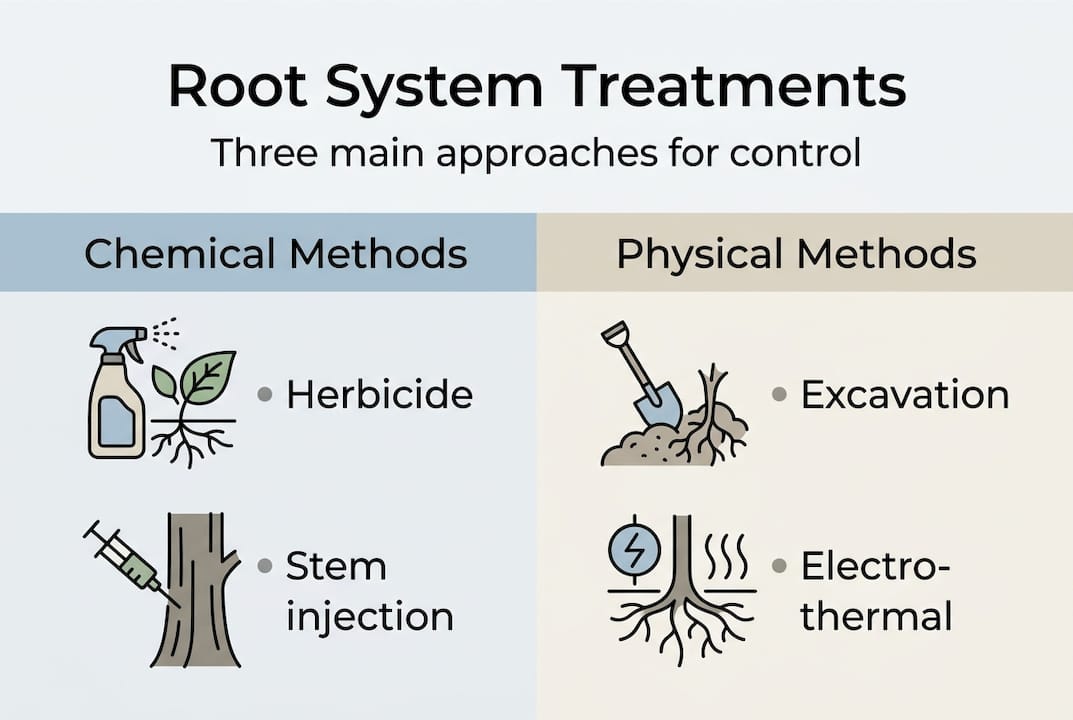
1. 选用物理拔除法 手工或机械拔除杂草可以有效去除根系,防止其再生。
2. 高压电能技术有效 利用高压电流攻击杂草细胞,根系受到不可逆转损伤,避免化学物质残留。
3. 使用覆盖抑制法 在土壤表面铺设覆盖物,形成屏障,抑制杂草生长,节省浇水。
4. 安装根障隔离 物理屏障有效限制入侵植物根系扩散,保护基础设施和邻近花园。
5. 定期检查与维护 通过定期监测及时处理杂草,保持花园整洁和房产价值,提高市场吸引力。

1. 物理拔除法快速去除杂草根源

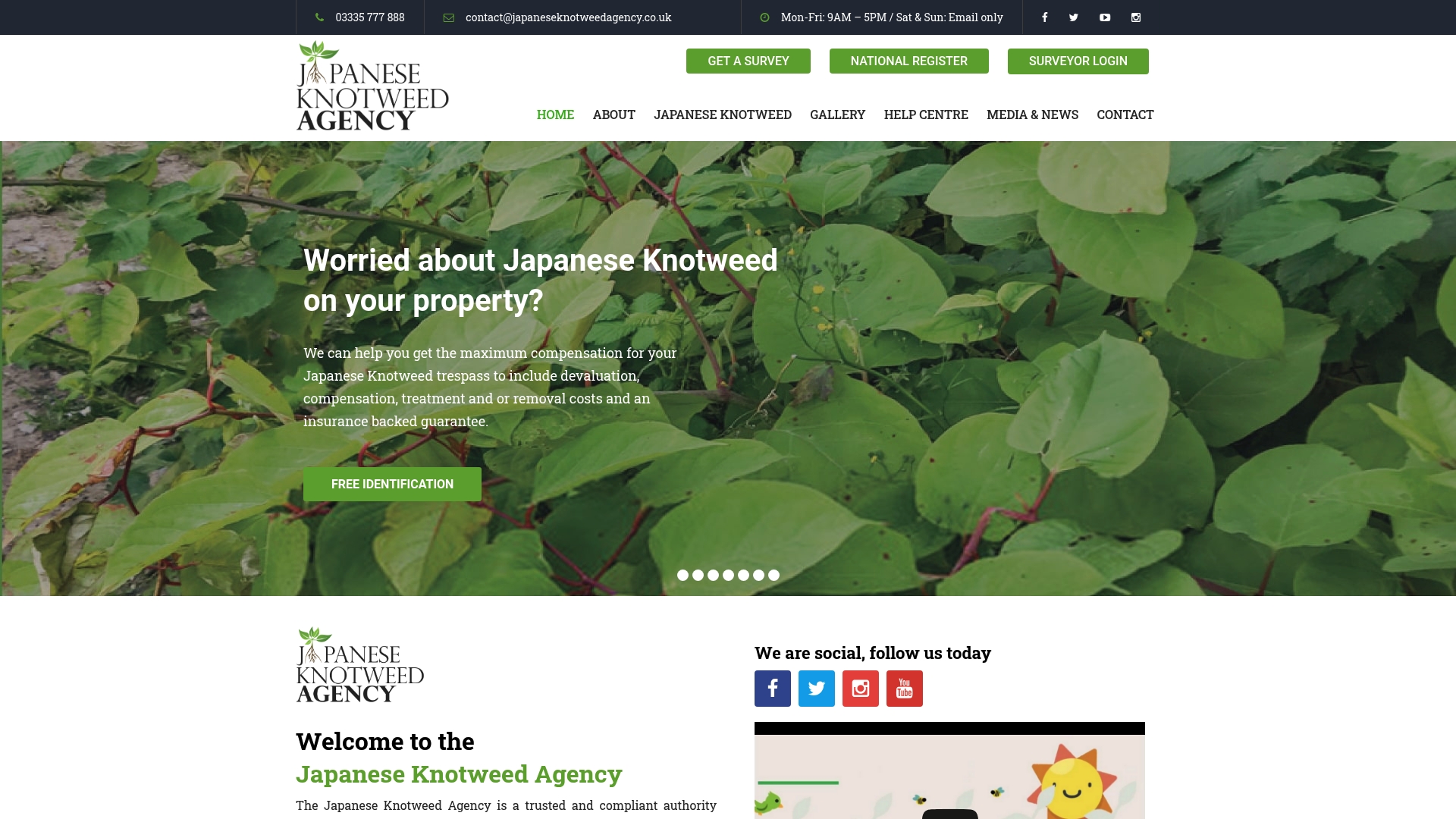
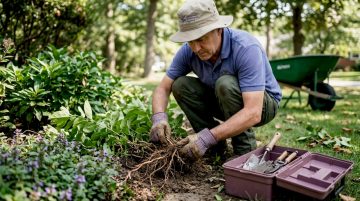
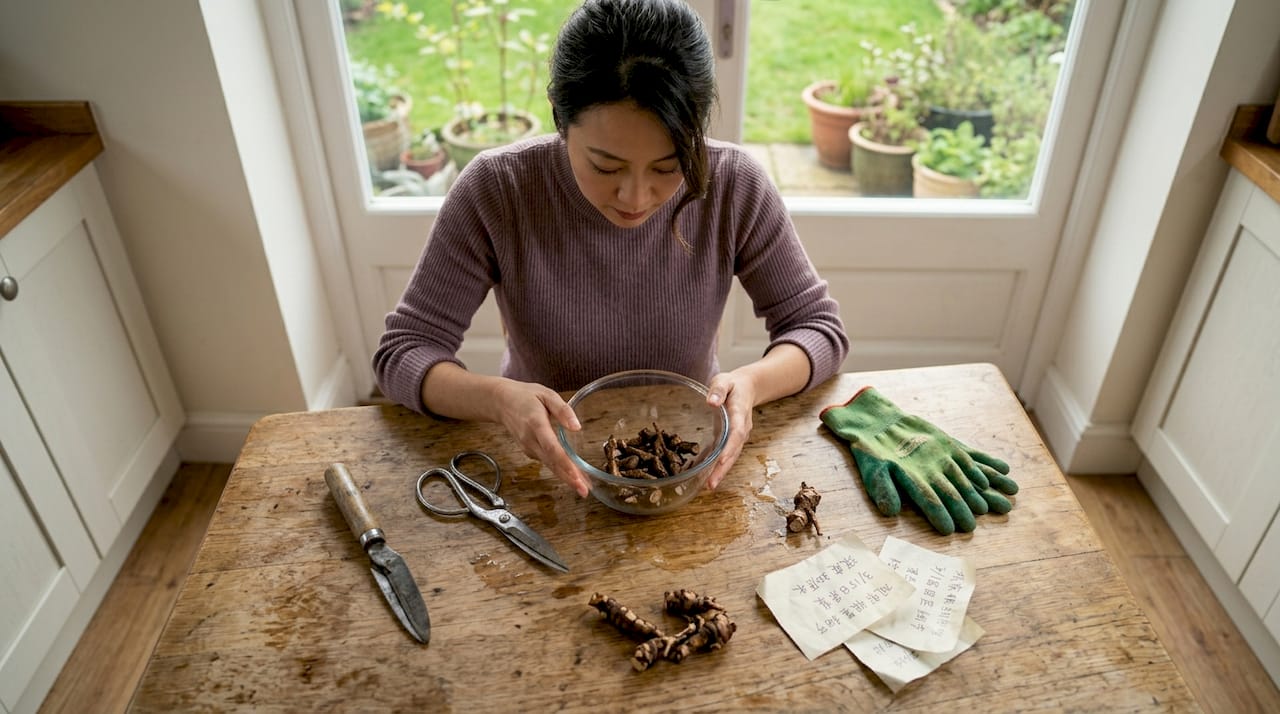
物理拔除法是英国房主对抗顽固杂草的最直接方法。与依赖化学物质不同,这种方法通过手工拔除和机械工具彻底消除杂草及其根系。对于想要保护房产价值的业主来说,这是一个既环保又高效的解决方案。

杂草的生命力取决于其根系网络。仅仅割掉地面上的部分远远不够,杂草会迅速再生。手工除草和机械设备通过从土壤中完全移除整个根系来解决这个问题,防止任何可能的重新生长。

为什么这对你的房产保值很重要?未经治理的杂草会严重影响房产的视觉吸引力和评估价值。潜在买家会立即注意到失控的花园,并在议价时利用这一点。

物理拔除法的工作原理包括以下几个关键步骤:

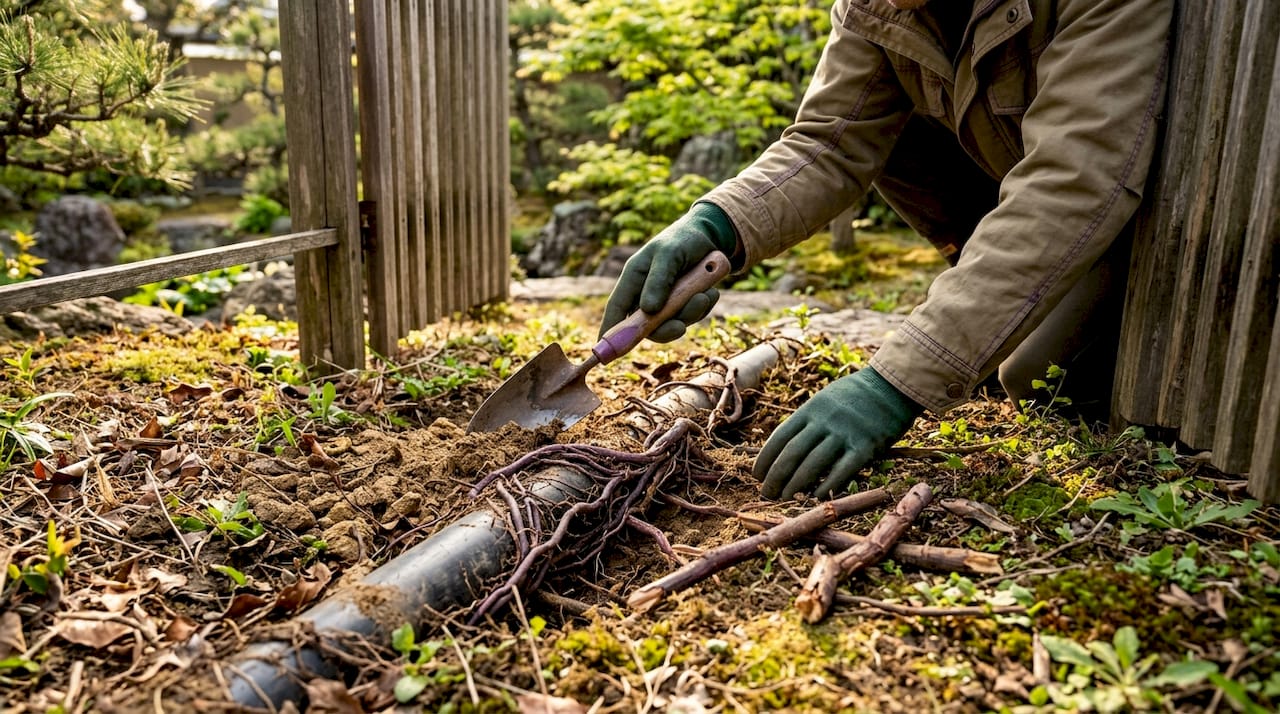
  • 手工拔除:最适合小区域和年轻杂草,使用简单工具如锄头或除草钩
  • 机械移除:对于较大的受影响区域,使用动力设备提高效率和精准度
  • 根系提取:确保整个根系从土壤中移出,不留下任何碎片
  • 土壤清理:移除所有杂草残留物,防止任何重新植入

现代技术已经使这个过程变得更加精准。先进的传感器技术和自动化系统可以精确定位杂草位置,同时最小化对周围健康植被的损害。这意味着你可以在保护花园景观的同时彻底清除杂草。

物理拔除法提供了快速、永久的结果,无需等待化学物质起效,也不会在土壤中留下残留物。

对于日本虎杖等特别顽固的入侵物种,物理拔除往往需要配合其他非化学方法。这就是为什么许多英国房主选择咨询专业团队来处理复杂的杂草问题。

实际应用中,时机至关重要。在土壤潮湿时进行拔除工作会更容易,因为根系更容易从地面移出。春季和秋季是最佳时期,当天气条件有利于彻底清除时。

专业建议 在拔除杂草后的两周内,定期检查该区域并立即拔除任何重新出现的嫩芽,以防止根系重新建立。

2. 高压电能技术精准消灭入侵植物

高压电能技术代表了英国房主对抗入侵植物的一个革命性方法。与传统除草方式不同,这种技术利用高压电流直接攻击植物细胞,从内部摧毁其生存机制。对于想要彻底清除日本虎杖等顽固物种的业主来说,这是一个高效且完全无化学的解决方案。

这项技术的工作原理相对简单但非常有效。高压电流在植物细胞中造成内部细胞损伤,耗尽植物根系网络中的能量储备。这意味着杂草不仅会在地面上枯死,其整个根系系统也会被摧毁,防止任何重新生长。

为什么这对你的房产价值至关重要?电能除草技术提供了精准而有效的化学物质替代品,确保你的花园在没有残留污染的情况下保持清洁。潜在买家会对无化学治理的房产更有信心。

这项技术的主要优势包括:

  • 精准定位:高压装置可以精确针对特定植物,不伤害周围健康植被
  • 永久根杀:每次处理都会对根系造成不可逆转的损伤
  • 无化学残留:不在土壤中留下任何有害物质或污染
  • 快速效果:植物在治疗后几周内就会完全枯死
  • 环保友好:对生物多样性和周边生态系统的影响最小

从房产保值的角度看,这种方法表现出了令人印象深刻的结果。清晰、健康的花园立即提升房产的视觉吸引力,在市场评估中获得更高价值。

实际操作需要专业知识和安全设备。高压电能需要正确的参数调整和操作人员培训。这就是为什么许多房主选择咨询专业团队来实施这种治疗方法。

高压电能技术在短短几周内就能实现彻底根杀效果,同时完全避免了化学物质对土壤和水源的污染。

该技术特别适合处理面积较大的入侵植物区域或特别顽固的物种。与手工拔除或机械移除方法不同,它不需要进行广泛的土壤挖掘工作,因此更适合已建立的花园和景观。

专业建议 在进行高压电能处理前,确保咨询具有相关经验的专业团队,他们能够正确评估你的杂草问题并制定最合适的处理计划。

3. 覆盖抑制法阻断杂草生长环境

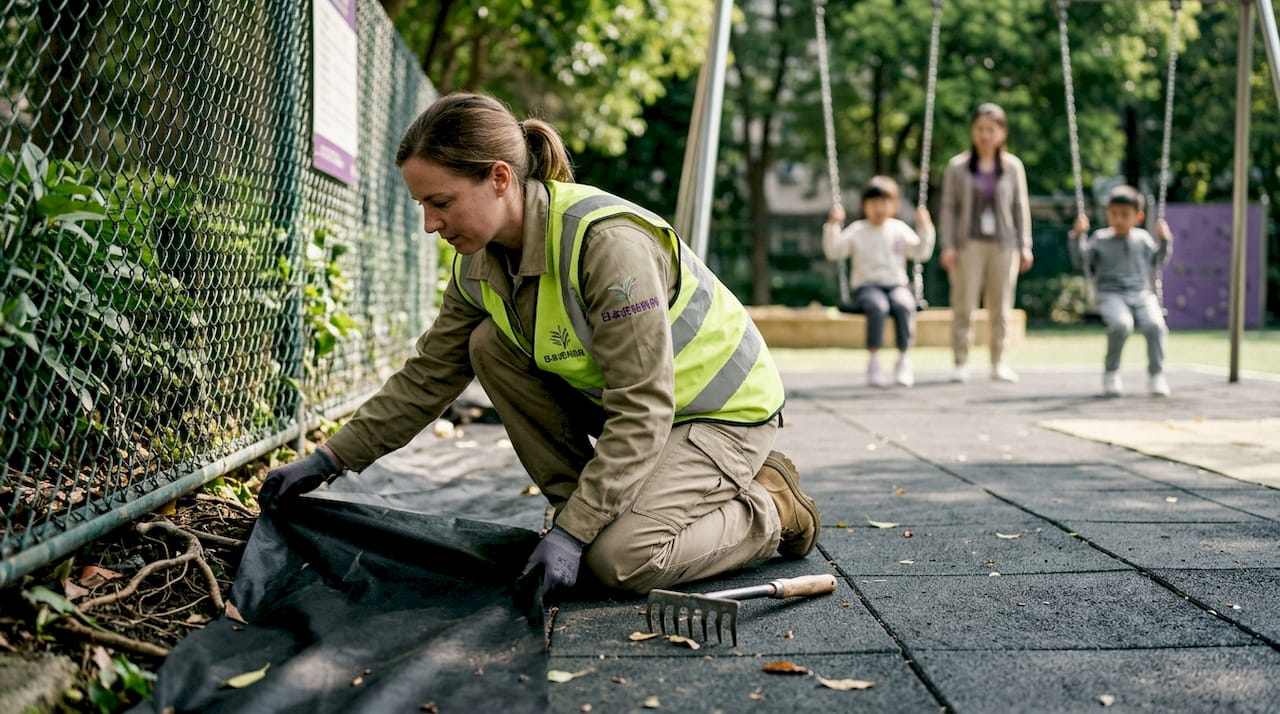
覆盖抑制法是英国房主可以立即实施的最简单且最经济的除草方案。通过在土壤表面铺设有机或无机覆盖物,你创造了一个物理屏障,阻止杂草生长和种子发芽。这种方法不仅消除了现有杂草,还能预防新杂草出现,同时保护你的房产价值。

这个方法的工作原理很直观。覆盖物通过阻挡光线保持土壤湿度来抑制杂草生长。没有足够的光线,杂草种子无法萌发。同时,覆盖物保留的水分减少了竞争性植物的生长机会。

英国皇家园艺学会的指南详细说明了覆盖物如何有效抑制杂草,同时改善土壤健康。这对长期房产价值保护至关重要。一个覆盖良好、没有杂草的花园看起来整洁专业,立即增加房产的视觉吸引力和市场价值。

覆盖抑制法的主要优势包括:

  • 立即见效:铺设覆盖物后,你会立刻看到花园的改善
  • 长期预防:持续阻止新杂草种子的生长
  • 土壤改善:有机覆盖物逐渐分解,增加土壤养分和结构
  • 节水:覆盖物保留土壤水分,减少浇水需求
  • 美观性:创造整洁、专业的花园外观
  • 成本效益:与化学除草剂相比,成本低廉

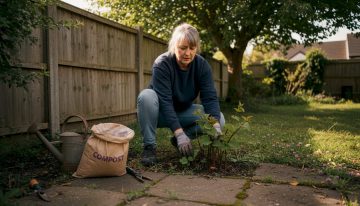
英国有多种合适的覆盖材料可供选择。木片、树皮碎片和堆肥是常见的有机选择。石头、卵石和景观织物则提供更持久的无机替代品。选择取决于你的花园风格和个人偏好。

实际应用很简单。清除现有杂草后,铺设适当厚度的覆盖物。适当的覆盖厚度和维护确保长期有效性。通常建议铺设5到10厘米厚的覆盖层以获得最佳效果。

覆盖抑制法结合了预防和美观,给予房主一个简单但有效的解决方案,同时改善花园整体外观。

这种方法特别适合已建立的花园、花坛和树木周围。与挖掘或化学处理不同,覆盖不会扰乱土壤或伤害周围植被。对于想要维护生态平衡的房主来说,这是一个完美的选择。

专业建议 定期检查覆盖层,确保其保持适当厚度。有机覆盖物会随时间分解,所以每年添加新层有助于维持其抑制效果。

4. 有效安装根障隔离侵害扩散

根障隔离是英国房主防止入侵植物根系扩散的最有效的长期解决方案。通过在地下安装物理屏障,你创建了一个坚实的防线,阻止根系向房屋、基础设施或邻近花园蔓延。这种方法对保护房产价值至关重要,特别是对于已有日本虎杖等入侵物种的区域。

根障的工作原理是创建一个地下防护层。这个屏障阻止根系穿过,将入侵植物限制在特定区域内。它不会杀死植物,但防止了最具破坏性的问题,即根系侵入和结构损伤。

为什么这对房产保值如此重要?未受控制的根系可能造成结构性损害,严重影响房产评估和保险。潜在买家会对有根障防护的房产更有信心,知道风险已被专业管理。

根障安装的关键要素包括:

  • 专业评估:正确的现场评估确定最佳屏障位置和深度
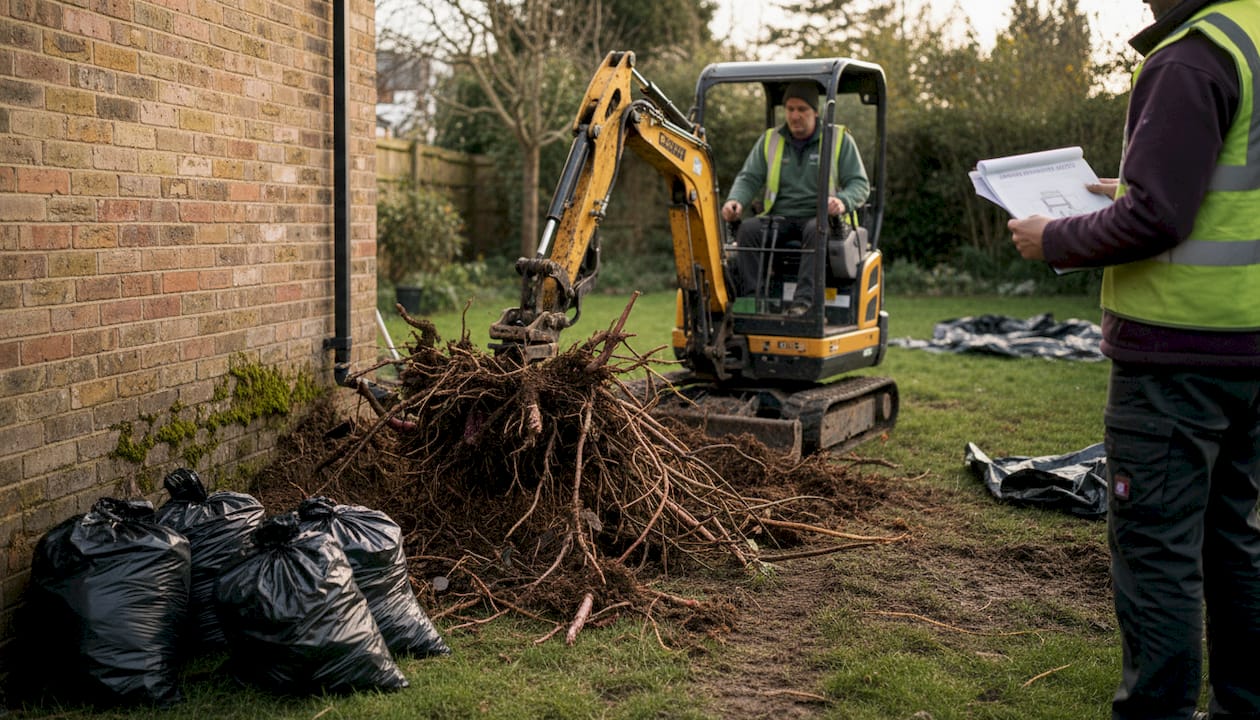
  • 适当的挖掘专业安装使用微型挖掘机和专业工具确保准确性
  • 正确的连接:所有接缝必须适当密封,防止根系穿过裂缝
  • 深度安装:根障必须安装在足够的深度,以拦截所有根系
  • 物理材料:使用高强度、耐久的屏障材料

安装过程需要多个步骤和专业设备。首先进行详细的现场评估,以确定入侵植物的位置和根系深度。然后专业团队使用微型挖掘机挖掘壕沟,安装屏障,并确保所有连接牢固。

根障特别适合保护房屋基础、水管线和地下电缆。对于已经有入侵植物且难以完全移除的情况,根障提供了一个持久的遏制解决方案

根障安装提供了长期保护和安心,防止根系扩散造成的结构和财务损害。

与其他非化学方法结合使用时,根障效果最佳。例如,在根障内部进行高压电能处理可以消灭被困的植物,同时屏障防止任何剩余根系逃逸。

专业建议 在安装根障前,确保咨询经验丰富的专业公司进行完整的现场评估,这将确定最有效的防护策略和材料选择。

5. 生态修复种植抑制杂草回生

生态修复种植是英国房主创造长期杂草防护的最可持续的方法。通过种植本地物种和恢复自然生态系统,你建立了一个健康的花园环境,自然抑制杂草的回生。这种方法不仅消除了杂草,还提升了房产的生态价值和美观度。

这个方法的工作原理基于生态竞争。当本地植物充满土壤空间并占据资源时,入侵物种和竞争性杂草就没有机会重新生长。健康的植被覆盖创造了一个自我维持的生态系统,需要的人工干预更少。

为什么这对房产保值至关重要?生态恢复通过恢复生物多样性和生态过程来支持本地物种和栖息地健康。一个充满本地花卉和野生动物的花园吸引买家,提高房产的整体吸引力和价值。

生态修复种植的关键优势包括:

  • 自我维持:建立的生态系统需要更少的长期维护
  • 生物多样性增加:本地植物支持蜜蜂、蝴蝶和其他有益昆虫
  • 杂草自然抑制:竞争性植被防止杂草重新定居
  • 美观性提升:本地花卉创造美丽的四季景观
  • 生态责任:支持英国本地生态系统和环保价值观
  • 长期成本低:与不断除草相比,初期投资后维护成本更低

实际应用涉及选择和种植适合你地区的本地物种。英国北部的花园可能需要不同的物种组合,而南部则有其他选择。咨询当地的生态专家可以帮助确定最佳选择。

定期监测和适应性管理是维持生态修复成功的关键。初始种植后,观察哪些植物茁壮成长,并根据需要调整。

生态修复种植创造了自我调节的生态系统,自然抑制杂草,同时支持野生动物和生物多样性。

这种方法特别适合与其他非化学方法结合使用。首先清除现有杂草,然后安装覆盖物以防止新杂草,最后种植本地物种以实现长期抑制。

专业建议 在进行生态修复前,进行现场评估以了解你的土壤类型、光照条件和现有的本地物种,这将指导你选择最适合的本地植物组合。

6. 定期检查与维护防止杂草复发

定期检查与维护是确保所有非化学除草方法长期有效的最后一道防线。即使你已经成功清除了杂草,定期监测和及时干预可以防止它们重新出现。这种持续的关注对保护房产价值和避免昂贵的后期修复至关重要。

为什么这么重要?杂草种子可以在土壤中休眠数年,只要条件适合就会发芽。定期检查允许你在问题变得严重之前就发现并处理新的生长。

维护的工作原理很简单。通过定期视察你的花园并记录任何新杂草的出现,你可以快速采取行动。这防止了入侵物种重新建立根系或扩散到新区域。

定期检查、监测和适应性控制措施是防止杂草复发的关键。专业的综合杂草管理方案结合了物理、生物和其他方法,以保持长期控制。

有效的维护程序包括:

  • 每月目视检查:在花园中漫步,寻找任何新的杂草迹象
  • 早期干预:当杂草刚出现时立即处理,防止种子成熟
  • 记录问题区域:标记容易出现杂草的位置,以便集中注意力
  • 覆盖物更新:定期补充覆盖层,保持其有效性
  • 根障检查:验证任何已安装的根障仍然完整
  • 季节性深度检查:春季和秋季进行更详细的评估

对于房产买卖,定期维护记录变得特别有价值。当你能证明花园已经专业管理并持续维护时,潜在买家和评估师会更有信心。这可以直接转化为更高的房产价值。

定期维护和早期干预防止小问题变成大麻烦,保持房产长期美观和价值。

不同季节需要不同的关注。春季检查寻找新的生长,夏季监测覆盖物状况,秋季处理任何成熟的种子来源,冬季评估根系系统。

专业建议 制作一个简单的花园维护日志,记录你的检查日期、发现的问题和采取的行动,这将帮助你识别模式并优化你的维护计划。

除草方法 操作步骤 主要优势
物理拔除法 手工拔除杂草根系或使用机械设备清理根系和土壤 环保无化学污染,效果持久
高压电能技术 使用高压电流破坏植物细胞和根系能量储备 快速有效,避免化学残留和土壤污染
覆盖抑制法 铺设覆盖物阻止光线和保持土壤湿度以限制杂草 成本较低,美化花园,提高土壤质量
根障隔离 在地下安装物理屏障限制根系扩散 防止根系侵害至周边区域,长期保护基建
生态修复种植 种植本地植物形成竞争,取代杂草 提高生物多样性,花园维护成本低
定期检查与维护 定期观察、移除新生杂草并补充覆盖物 防止杂草复发,保持花园美观与整洁

专业非化学除草解决方案助力您的英国房产保值

面对《6大非化学除草技巧助力英国房产保值》文章中提到的杂草根系顽固、入侵植物扩散以及生态环境保护的难题,许多英国房主都在寻找既环保又高效的除草方法。您是否也担心传统化学除草剂的环境污染问题,同时希望通过精准根杀和根障隔离保护房产价值?

Japanese Knotweed Agency专注于化学自由的除草技术,利用高达5000伏的直接能量处理彻底破坏入侵植物的根系,真正实现从根源消灭。我们提供专业的根障安装与挖掘作业确保入侵植物无法继续侵害您的房产结构。通过专业的房产入侵植物调查服务,帮助您提前识别潜在威胁,保护房屋的长远价值。

https://japaneseknotweedagency.co.uk

现在就访问Japanese Knotweed Agency官网了解更多非化学环保除草解决方案。联系我们,开启您的绿色除草之路,确保您的花园与房产焕然一新,价值稳步提升。别等待杂草蔓延带来的损失,立即行动,让专业团队为您守护英国家园!

常见问题解答

物理拔除法如何有效清除杂草根系?

物理拔除法通过手工或机械工具完全移除杂草的根系,从而有效防止其再生。建议在土壤潮湿时进行拔除,因为这样根系更容易被拔出。

高压电能技术对抗入侵植物的优点是什么?

高压电能技术能够精准攻击植物细胞,直接摧毁其根系网络,确保植物不会再次生长。每次处理都能实现不可逆转的效果,通常在几周内见效。

覆盖抑制法适合使用哪些材料?

覆盖抑制法可以使用木片、树皮碎片或无机材料如石头和景观织物。确保覆盖层厚度在5到10厘米之间,以达到最佳的抑制效果。

哪些方法可以与根障隔离结合使用,以提高效果?

根障隔离可以与高压电能技术结合,先杀死根系内的植物,再用根障防止新的根系扩散。这样可以形成一个持久的防护解决方案,确保防止任何进一步的侵害。

如何进行定期检查来防止杂草复发?

定期检查可以在你的花园中发现任何新生的杂草,建议每月进行一次目视检查。及时处理新出现的杂草可以防止它们成熟并扩散在整个区域。

生态修复种植对房产的长期价值有什么帮助?

通过种植本地植被,生态修复可以创建自我维持的生态系统,自然抑制杂草的生长并提升环境美观。这种方法在提升房产视觉吸引力的同时,也能够支持地区的生物多样性。

推荐

Root Systems in Removal – Impact on Property Value

Selling or buying a home in England or Wales can become unexpectedly stressful when Japanese Knotweed appears on the survey. The real challenge lies beneath the surface, where the plant’s extensive rhizomes quietly threaten both property transactions and long-term value. This guide reveals why root systems and their management are crucial, and it explains how chemical-free eradication methods can protect your investment without compromising the surrounding environment.

Table of Contents

Key Takeaways

Point Details
Understanding Root Systems Root systems, especially from invasive plants like Japanese Knotweed, extend far beyond visible areas, and incomplete removal poses significant property risks.
Importance of Complete Plant Removal True plant removal involves eliminating the entire root structure to prevent regrowth, requiring systematic treatment and monitoring.
Legal Obligations Landowners must disclose Japanese Knotweed presence and manage it according to UK law to avoid liability and potential legal action.
Choosing Chemical-Free Solutions Chemical-free eradication methods are preferred by mortgage lenders and offer more sustainable outcomes for property health and value.

Root Systems and Plant Removal Defined

Understanding what root systems are and how plant removal works is fundamental to protecting your property’s value. When a property contains invasive plants like Japanese Knotweed, the extensive underground network of roots becomes the core issue that affects structural integrity and financial worth.

What Are Root Systems?

Root systems are the underground network of roots that anchor plants and absorb water and nutrients from soil. Unlike what many homeowners assume, these systems are far more extensive than the visible plant above ground.

Japanese Knotweed roots, called rhizomes, spread horizontally through soil and can extend up to 7 metres away from the visible plant. They’re remarkably resilient and regenerate from even tiny fragments left behind during incomplete removal.

The research on tree root protection areas demonstrates that roots occupy designated zones calculated using British Standard 5837:2012. These protective circles around plants help explain why root systems demand careful, strategic management.

Key characteristics of invasive plant root systems:

  • Extend far deeper and wider than the visible plant suggests
  • Regenerate from small fragments if not completely removed
  • Penetrate through concrete, tarmac, and building foundations
  • Disrupt soil structure and cause subsidence or heave
  • Require systematic treatment, not just cutting back vegetation

Rhizomes are the hidden threat. A single fragment can establish an entirely new colony, making thorough root management critical for property protection.

What Does Plant Removal Actually Mean?

Plant removal encompasses far more than cutting down visible vegetation. True removal means eliminating the entire root system to prevent regrowth and future damage.

When dealing with Japanese Knotweed, simply removing the stems leaves the dangerous rhizome network intact underground. This is why the condition of properties with unmanaged Japanese Knotweed continues deteriorating even after surface clearance.

Effective plant removal involves three stages:

  1. Assessment of the full extent of root systems
  2. Treatment of rhizomes to prevent regeneration
  3. Monitoring to confirm complete eradication

For invasive species, chemical-free invasive plant solutions use advanced techniques like thermo-electric treatment, which delivers targeted energy directly to rhizomes. This approach damages internal cells without harming surrounding soil or affecting property foundations.

The difference between cutting and removal is substantial for property value. Incomplete removal suggests future problems, which concerns mortgage lenders and future buyers significantly.

Why Root Systems Matter for Your Property Value

Tree roots and subsidence risk show that root activity directly impacts building stability. Roots can remove moisture from soil or cause expansion, triggering foundation movement that structural surveys flag as serious defects.

Surveyor points at cracked house by roots

When Japanese Knotweed is present, lenders typically won’t approve mortgages without evidence of complete root eradication and a treatment plan. This directly suppresses your property’s marketability and value.

Properties with known invasive plant issues see valuations drop by 5-10% or higher, depending on infestation severity and location. Buyers also face insurance complications and future treatment costs.

Pro tip: Get a professional survey completed before listing your property; it identifies root issues early and demonstrates due diligence to potential buyers and their lenders.

Japanese Knotweed Rhizomes: Threats and Complexity

Japanese Knotweed’s real danger lies underground. The rhizome network is what makes this plant so persistent and difficult to eradicate, and understanding this complexity is essential when assessing property risk and treatment costs.

What Makes Rhizomes So Problematic?

Rhizomes are horizontal underground stems that act as the plant’s primary storage and regeneration system. Unlike roots that simply absorb water, rhizomes actively spread and generate new shoots across large areas of soil.

Extensive rhizome networks can extend several metres in diameter and depth beneath your property. A single fragment left behind during removal can restart the entire infestation, which is why incomplete treatments fail repeatedly.

Key threats from Japanese Knotweed rhizomes:

  • Regenerate from fragments smaller than a fingernail
  • Extend 3-7 metres horizontally from visible plants
  • Penetrate concrete, tarmac, and building cavities
  • Survive freezing, cutting, herbicides, and burning
  • Create structural damage through persistence rather than force

A piece of rhizome the size of a grain of rice can establish an entirely new colony within weeks, which is why “killing the plant above ground” never solves the problem.

The Complexity of Treatment and Eradication

Treating Japanese Knotweed rhizomes requires more than standard horticultural practices. The plant’s biological resilience means conventional cutting or even chemical spraying often fails because these methods don’t reach the deep, extensive underground network.

Why rhizomes resist typical removal attempts:

  1. Physical removal leaves buried fragments behind that regrow
  2. Herbicides penetrate only shallow soil layers where rhizomes exist deeply
  3. The plant’s energy reserves in rhizomes allow rapid recovery after damage
  4. Fragmentation during digging spreads infestation to new areas
  5. Weather, soil conditions, and seasonal growth complicate treatment timing

This is where chemical-free treatment solutions become valuable. Thermo-electric treatment delivers energy directly into the rhizome network, damaging internal cell structures without leaving dangerous fragments scattered through soil.

Perception Versus Actual Structural Risk

Whilst Japanese Knotweed rhizomes are genuinely problematic to eradicate, research reveals an important distinction: the actual structural damage risk from knotweed is often less severe than public perception suggests.

The plant rarely causes significant damage to robust, well-built structures. It poses greater threat to weak foundations, poorly maintained properties, or buildings already experiencing settlement issues.

However, the perception problem is real and costly. Mortgage lenders typically require surveys and treatment plans before lending on properties with known knotweed infestations. This requirement reflects regulatory caution rather than proven structural danger in most cases.

The true impact on property value comes from three factors:

  • Difficulty in obtaining mortgage finance
  • Insurance complications and exclusions
  • Time required for treatment and monitoring
  • Buyer anxiety regardless of actual risk level

Pro tip: Document your rhizome extent through professional survey and treatment planning early—this reduces buyer concerns and mortgage lender hesitation more effectively than attempting self-treatment, which typically fails and worsens the property’s marketability.

Chemical-Free Eradication Methods Explained

Chemical herbicides like glyphosate have dominated knotweed treatment for decades, but they’re increasingly restricted and face environmental concerns. Chemical-free methods now offer effective alternatives that protect soil health, wildlife, and property value simultaneously.

Why Move Away from Chemical Treatments?

Traditional herbicide approaches carry significant drawbacks that affect both properties and the environment. Glyphosate and similar chemicals require repeated applications over years, contaminate groundwater, and harm beneficial soil microorganisms essential for plant recovery.

Chemical-free methods address these concerns directly:

  • No soil contamination or residual toxins
  • Faster eradication timelines (months versus years)
  • Safe for neighbouring plants and wildlife
  • No regulatory restrictions or licensing requirements
  • Better long-term property value outcomes

Mortgage lenders increasingly prefer chemical-free solutions because they demonstrate responsible property management and sustainability commitment.

Infographic showing root removal impact factors

Thermo-Electric Treatment Technology

Thermo-electric eradication is a breakthrough technology that destroys Japanese Knotweed using high-voltage electricity instead of chemicals. The method delivers up to 5,000 volts directly into the rhizome network, causing internal cellular damage without any chemical residue.

How it works:

  1. Electrodes are positioned around infected areas
  2. Electrical current penetrates deep into rhizomes
  3. Plant cells experience internal structural failure
  4. Energy reserves within rhizomes become depleted
  5. Multiple treatments over months ensure complete eradication

Thermo-electric treatment damages plant cells from inside out, preventing regeneration from fragments whilst leaving soil structure completely intact and safe for future planting.

This approach requires professional deployment because improper electrode placement reduces effectiveness. Treatments are typically spaced weeks apart to ensure thorough rhizome destruction throughout all growth stages.

Physical Soil Manipulation Methods

Physical soil manipulation techniques like Roots Reset offer another chemical-free pathway. This method mechanically removes and disrupts rhizome networks through controlled soil handling, promoting rapid natural recovery without pesticides.

Key advantages of physical methods:

  • Eradication within 12 months (versus 5+ years with chemicals)
  • Native plants can be replanted within days
  • Zero chemical contamination
  • Immediate biodiversity recovery
  • Lower long-term environmental impact

However, physical methods work best for smaller infestations or standalone properties. Larger underground networks require multiple approaches combined with ongoing monitoring.

The following table compares common Japanese Knotweed eradication methods and highlights their respective pros and cons:

Method Typical Duration Environmental Impact Suitability for Property Sales
Chemical herbicides 3-5 years Groundwater contamination risk Increasingly discouraged by lenders
Thermo-electric treatment 3-12 months No soil contamination Favoured due to eco-friendliness
Physical soil manipulation Up to 12 months No chemical residue Suitable for small to medium infestations
Combined approaches 6-24 months Minimises drawbacks Most effective for property transactions

Combining Methods for Maximum Effectiveness

The most successful eradication strategies combine multiple chemical-free techniques. Best practices for weed eradication recommend integrating thermo-electric treatment with soil barriers and regular monitoring to eliminate all regeneration pathways.

A comprehensive approach typically involves:

  • Initial assessment and rhizome mapping
  • Thermo-electric or physical treatment phases
  • Root barrier installation to prevent spread
  • Monthly monitoring for 12-24 months
  • Site restoration with native plants

Pro tip: Request a detailed eradication plan before treatment begins—it should specify treatment timelines, monitoring schedules, and post-eradication planting recovery, which you’ll need for mortgage applications and property sales.

Japanese Knotweed isn’t just a gardening problem—it’s a legal responsibility. UK law imposes strict duties on property owners to prevent spread, disclose presence, and maintain treatment documentation. Understanding these requirements protects you legally and financially when buying, selling, or managing a property.

UK law holds landowners accountable for Japanese Knotweed on their property. Landowner responsibilities under the Wildlife and Countryside Act 1981 and Environmental Protection Act 1990 require you to prevent spread to neighbouring properties and manage disposal responsibly.

You cannot simply ignore knotweed or allow it to spread. Recent court cases have held property owners liable for damages caused to adjacent land and structures. The Anti-social Behaviour, Crime and Policing Act 2014 adds further enforcement powers, allowing local authorities to issue compliance notices.

Key legal duties:

  • Prevent spread to neighbouring properties
  • Disclose presence when selling property
  • Maintain treatment plans and monitoring records
  • Dispose of contaminated soil responsibly
  • Cooperate with professional surveyors and lenders

Ignoring Japanese Knotweed isn’t just negligent—it’s illegal. Courts have awarded damages to neighbours, and local authorities can enforce compliance through formal notices.

Property Survey Requirements

When selling a property, disclosing Japanese Knotweed is mandatory. Conveyancers require evidence that knotweed has been identified, assessed, and managed properly. This typically means commissioning a professional invasive species survey before listing.

A thorough survey should identify:

  1. Exact location and extent of infestation
  2. Proximity to boundaries and neighbouring properties
  3. Risk assessment for structural damage
  4. Current treatment status or eradication history
  5. Recommendations for ongoing management

Surveys typically cost £300-£800 depending on property size and infestation severity. However, this investment protects you legally and prevents sale delays caused by buyer concerns or lender hesitation.

Mortgage Lender Requirements

Mortgage lenders take Japanese Knotweed seriously. Most major lenders require documented evidence of treatment plans or containment before approving loans on affected properties.

Lenders typically demand:

  • Professional survey confirming presence or absence
  • Detailed eradication or management plan
  • Evidence of treatment commencement or completion
  • Monitoring schedule for ongoing assessment
  • Confirmation that treatment is chemical-free (increasingly preferred)

Without lender approval, your buyer cannot secure financing, which effectively blocks the sale. This is why addressing knotweed before listing is strategically essential.

Documentation and Conveyancing

Keep meticulous records of all knotweed-related work. Your conveyancer will request copies of surveys, treatment plans, invoices, and monitoring reports throughout the property transaction process.

Essential documentation includes:

  • Initial survey reports with photographic evidence
  • Treatment proposals and contracts
  • Monthly or quarterly monitoring records
  • Eradication completion certificates (if applicable)
  • Post-treatment planting restoration plans

Good documentation demonstrates due diligence and reduces buyer hesitation significantly.

Here is a summary of key legal documents required when selling a property affected by Japanese Knotweed:

Document Type Purpose Required By
Professional knotweed survey Confirms presence and assesses extent Mortgage lenders, buyers
Treatment plan and contract Outlines eradication process and schedule Conveyancers, lenders
Monitoring and progress records Demonstrates ongoing management efforts Conveyancers, insurers
Completion/eradication certificate Proves success of treatment Buyers, lenders
Disposal certification Proves legal waste handling Environmental authorities

Pro tip: Obtain your professional survey and start treatment at least 6-12 months before listing—this demonstrates commitment to eradication and reduces buyer concerns and lender objections substantially.

Property Risk, Barriers, and Common Errors

Many property owners make costly mistakes managing Japanese Knotweed, from DIY removal attempts to poor documentation. Understanding common errors and how to avoid them protects both your property value and legal standing during transactions.

Understanding Actual Property Risk Versus Perceived Risk

The market has historically overestimated Japanese Knotweed’s structural threat. Previous lending policies based on the seven-metre rule led to automatic mortgage refusals regardless of actual building condition or infestation severity.

Recent guidance encourages valuers to assess real structural impact rather than applying blanket restrictions. This shift reduces unnecessary barriers for property transactions and helps buyers and sellers avoid inflated treatment costs based on proximity alone.

However, perception still matters. Even small infestations trigger buyer anxiety and lender scrutiny, which is why professional documentation becomes essential.

Actual risk factors include:

  • Building age and foundation condition
  • Proximity to rhizome networks
  • Presence of cracks or settlement issues
  • Soil type and drainage characteristics
  • History of previous knotweed treatment

Modern risk assessment focuses on structural reality, not arbitrary distance rules. This protects property value whilst acknowledging genuine concerns about persistent infestations.

Critical Errors That Worsen the Problem

Well-intentioned DIY attempts often backfire spectacularly. Common mistakes include cutting, trimming, or digging which fragments rhizomes and spreads infestation to new areas of your property or neighbouring land.

Incorrect soil disposal creates additional problems. Disposing of contaminated soil as general waste violates the Environmental Protection Act 1990 and can result in enforcement action or fines from local authorities.

Major errors to avoid:

  1. Cutting back visible growth (spreads underground fragments)
  2. Digging without professional guidance (creates new infestations)
  3. Burning contaminated vegetation on-site (illegal disposal)
  4. Failing to notify insurers or mortgage lenders (voids coverage)
  5. Attempting chemical treatment without professional expertise

Each error compounds the problem and delays sale completion, reducing property value further.

Root Barriers: Prevention and Containment

Root barrier installation prevents spread to neighbouring properties and limits underground expansion. Professional barriers use specialist materials to create physical obstacles that stop rhizome penetration.

Barriers work best alongside active treatment rather than as standalone solutions. They demonstrate responsible management to neighbours and lenders, which improves your legal position significantly.

Barrier benefits:

  • Prevent spread to adjacent properties
  • Contain infestation to specific areas
  • Reduce neighbour disputes and liability claims
  • Support mortgage lender approval
  • Lower long-term management costs

Notification and Documentation

Failure to notify insurers and mortgage lenders creates serious financial consequences. If damage occurs and knotweed was undisclosed, claims may be rejected entirely, leaving you liable for repairs.

Require professional documentation:

  • Survey reports with photographs and maps
  • Treatment plans with timelines
  • Monthly monitoring records
  • Legal compliance certificates
  • Barrier installation proof

Pro tip: Contact your insurer and mortgage lender immediately upon discovering knotweed—proactive notification demonstrates good faith and protects your coverage, whilst delaying disclosure risks claim rejection and transaction failure.

Protect Your Property Value with Expert Root System Removal

The article reveals how invasive root systems like Japanese Knotweed rhizomes can silently damage your property and dramatically reduce its market value. The hidden underground network demands thorough treatment rather than simple cutting or surface clearance because even tiny fragments cause regrowth. Understanding this challenge is the first step to avoid costly delays in property sales and mortgage approval issues caused by incomplete removal.

Japanese Knotweed Agency specialises in chemical-free treatment that targets those resilient rhizome networks directly using advanced thermo-electric technology delivering up to 5000 volts to destroy roots safely and effectively. We also provide expert root barrier installations and excavation works to contain and eradicate infestations fully. Alongside, our comprehensive invasive plant surveys across England, Wales and Ireland help you meet legal and lender requirements with confidence.

https://japaneseknotweedagency.co.uk

Take control of your property’s future today. Discover how our pioneering solutions can protect your investment from hidden root damage. Visit Japanese Knotweed Agency to request your survey or to learn more about our chemical-free treatment options. Get the professional help you need to restore and safeguard your property value without compromise.

Frequently Asked Questions

What are root systems, and why are they important for plant removal?

Root systems are the underground networks that anchor plants and absorb nutrients. They are crucial in plant removal, especially for invasive species like Japanese Knotweed, as incomplete removal can lead to regrowth and structural damage to properties.

How does the presence of Japanese Knotweed affect property value?

The presence of Japanese Knotweed can lead to a 5-10% drop in property value. Mortgage lenders typically require proof of complete root eradication, making it essential to manage the infestation properly to maintain property marketability and value.

What is the difference between cutting plants back and complete plant removal?

Cutting back plants only removes visible growth but leaves the root system intact. Complete plant removal involves eliminating the entire root structure to prevent regrowth, which is essential for properties affected by invasive species like Japanese Knotweed.

What are chemical-free methods for eradicating Japanese Knotweed?

Chemical-free methods include thermo-electric treatment, which uses high-voltage electricity to damage the plant’s rhizomes, and physical soil manipulation techniques that disrupt the rhizome network without using harmful chemicals, thus protecting the environment and nearby plants.

杂草清除工作流程:无害根除日本葛及入侵植物实用指南

发现日本葛在院子里疯狂蔓延时,许多英格兰和威尔士的房主常常感受到房产价值受到严重威胁。侵入性杂草不仅可能影响再融资或出售,稍有疏忽还会带来结构损害和额外成本。选择一套化学无害的入侵植物清除方案,既能保护你的财产安全,又遵循最新环境管理要求,为维护长期居住和生态健康提供理想解决思路。

目录

快速总结

关键点 解释
1. 评估入侵杂草威胁 详细检查你的房产,记录入侵植物的覆盖面积和根系状况,以防问题恶化。
2. 确认风险等级 根据植物与建筑物的距离及根系状态评估风险,高风险植物需立即专业处理。
3. 准备合适设备 使用专业无害能量设备进行清除,确保安全保护及电源供应,以提高处理效率。
4. 安装根障隔离 清除后安装物理根障,防止入侵植物重新生长,保护房产免受未来威胁。
5. 持续监测效果 定期检查入侵植物生长情况,拍照记录,以便及时采取补救措施,确保长期效果。

步骤 1: 评估入侵杂草并确认风险

在决定采取清除措施之前,你需要准确评估入侵杂草对你的房产造成的实际威胁。这不是简单地发现日本葛或其他入侵植物就采取行动,而是要理解它的严重程度、蔓延范围和可能造成的损害。

评估工作应该从仔细观察和记录开始。走遍你的整个房产,包括边界、花园和建筑物周围,寻找任何可见的入侵植物迹象。

识别植物的关键信息

准确识别是评估的第一步。日本葛具有心形叶片和快速蔓延的根茎,但其他入侵物种可能看起来不同。了解英国常见的入侵性杂草有助于你做出准确的初步判断。

在评估时,记录以下信息:

  • 覆盖面积:估算植物占用的平方米数
  • 蔓延阶段:是否仍在活跃生长或已部分死亡
  • 与建筑物的距离:距你的房屋有多远
  • 根系深度:根茎是否已经到达地基或排水管
  • 邻近影响:是否已经侵入邻居的房产

关键认识:早期评估可以防止问题恶化,保护你的房产价值并减少日后的处理成本。

评估风险等级

入侵植物对房产价值和结构安全的影响程度取决于多个因素。根据生态影响和入侵物种的风险标准,你应该评估植物对你的生态环境和房产的双重威胁。

高风险标志包括:

  1. 植物已靠近或接触基础
  2. 根茎已穿透混凝土或铺砌
  3. 在过去一年中明显扩展
  4. 已经影响到相邻房产
  5. 在排水或管道系统附近

如果你发现这些高风险迹象中的任何一个,这表明立即采取专业处理措施非常必要。延迟可能导致结构损害,这会严重影响房产的融资或转售价值。

许多房主在购买或再融资时才发现入侵植物问题,此时已经过晚。你现在进行的评估将为任何必要的专业干预奠定基础。

专业建议 拍摄清晰的照片并记录日期和位置,这些记录在与专业人士咨询或向保险公司报告时至关重要。

步骤 2: 准备无害能量处理设备

在开始实际清除入侵植物之前,你需要确保拥有合适的设备和工具。无害能量处理不是使用化学药剂,而是依赖专业的电能设备来破坏植物的根系组织。准备工作决定了整个清除过程的效率和安全性。

首先,你应该了解无害处理的核心原理。这种方法利用高压电能直接作用于植物的根茎网络,导致内部细胞损伤和能量耗尽。与传统非化学除草方法不同,能量处理可以到达地下深处的根系,这对于日本葛这样的入侵物种特别有效。

在准备设备时,确认以下几点:

  • 电源供应:确保你的房产或临时供电能提供足够的电力
  • 安全防护装备:准备绝缘手套、安全眼镜和合适的工作靴
  • 接地装置:验证所有电气设备的接地系统完好
  • 测试工具:备好电压测试器确保设备正常运作
  • 清洁用具:准备刷子和布料用于设备维护

关键要点:专业级能量处理设备需要现场部署和定期维护,这不是你可以自行操作的简单工具。

实际的无害能量处理设备通常由专业团队运输和操作。这些设备可以直接向植物根系传递高达5000伏的能量,一次处理就能造成永久的根部损伤。这种方法的优势在于它完全避免了化学残留,不会污染土壤或地下水。

工作人员正在安装高压设备,以便更高效地清除杂草。

在设备到达你的房产之前,你需要准备现场。清理植物周围的杂物,确保技术人员有足够的工作空间。如果根系已经靠近建筑物或地下管线,提前通知专业人员这些潜在的风险。

当地的条件也会影响设备的准备工作。如果土壤太干燥,电流可能无法有效传递,所以某些情况下需要轻微的场地预处理。确保现场的进出通道畅通,以便重型设备安全进入。

下面的对比表展示了常用除草方法与高压能量处理的主要差异:

方法类型 根部摧毁能力 环境友好性 对土壤影响
传统化学药剂 仅表层,易反复 污染风险高 可能残留毒性
手工挖除 难以根除彻底 环保 土壤扰动大
高压能量处理 根部永久损伤 无化学残留 土壤生态无害

实用建议 在专业团队开始工作前,与他们详细讨论你的房产布局和任何特殊的安全隐患,这样可以确保设备安装和操作更加顺利高效。

步骤 3: 实施高压能量杂草清除

现在到了实际执行清除的关键时刻。高压能量处理是一个精确的过程,需要专业操作人员在安全指导下进行。这个步骤决定了你的入侵植物问题是否能够彻底解决。

高压能量系统向植物根茎网络传递强大的电流,导致细胞内部结构破坏。与传统的物理清除方法不同,这种方法可以深入地下,摧毁那些肉眼看不见的根系。操作过程通常需要多次处理,间隔数周,以确保根系完全失活。

实施过程包括几个关键阶段:

  1. 现场评估和标记:专业人员首先确定植物的确切位置和根系范围
  2. 电极安装:在植物周围和根系区域安装导电电极
  3. 能量传输:向根系传递高达5000伏的电能,造成永久性细胞损伤
  4. 间隔期观察:在处理之间监测植物反应,评估需要的后续治疗
  5. 最终验证:确认根系已完全失活且不会再生

重要提醒:高压能量处理必须由经过培训的专业人员执行,严格遵守安全协议和操作规程以防止伤害。

在整个过程中,专业团队会密切监测进展。他们将使用土壤湿度计和其他诊断工具来确定每次处理的最优条件。某些情况下,如果根系已经穿透混凝土或影响建筑结构,可能需要结合其他方法。

你的参与主要是配合和观察。保持现场清洁,确保施工人员有安全通道,不要干扰电气设备。如果你发现任何异常情况,立即通知专业团队。

这种清除方法完全符合英国2025年环保改善计划中关于可持续入侵物种控制的目标,既有效清除威胁,又保护生态环境。

专业建议 保存详细的治疗记录和照片,包括处理日期、电压设置和植物反应,这些文档对于房产交易或保险索赔时证明清除工作至关重要。

步骤 4: 安装根障隔离防护

在清除入侵植物之后,防止其再次蔓延同样重要。安装根障隔离防护是一道保护层,可以阻止残留的根系或周围区域的新根再次入侵你的房产。这个步骤确保你的长期投资得到保护。

根障是一种物理屏障,通常由高强度的聚合物或金属材料制成,安装在地下以阻挡根系生长。它不仅防止日本葛再次蔓延,还可以保护你的房产免受其他入侵植物的威胁。物理根障是控制具有侵略性植物的推荐做法,可以显著降低未来的修复成本。

安装根障的过程涉及以下步骤:

  1. 标记隔离区域:确定需要保护的边界,通常沿房产边界或受影响区域周围
  2. 挖掘沟渠:在适当深度挖一条沟,根障必须埋入至少60厘米深
  3. 清理沟底:移除任何根系碎片或土壤不均匀处
  4. 安装屏障材料:将根障层层铺设,确保无缝覆盖整个区域
  5. 回填和压实:用清洁土壤回填沟渠,并适度压实

关键认识保护根系区域不仅保护已有的植物和树木,还能维持生态系统的稳定性,同时防止入侵物种的传播。

根障的材料选择至关重要。高质量的屏障应该耐久、防穿透且不易降解。安装深度取决于入侵植物根系的深度,日本葛的根系可以达到深层土壤,所以深度尤为重要。

如果你的房产边界与邻居相邻,提前与他们沟通安装计划。根障安装可能会涉及他们的土地,事先沟通可以避免日后纠纷。在某些情况下,你们可能需要分担安装成本。

在根障安装完成后的头几个月内,定期检查其完整性。确保没有根系突破屏障,没有土壤下沉或沟渠塌陷。良好的维护确保这项投资能够持续保护你的房产多年。

实用建议 获取根障安装的专业工程证书,这对于房产交易时证明已采取预防措施至关重要,可以增加买家信心并保护你的房产价值。

步骤 5: 检验清除效果并持续监测

清除工作完成后,验证结果和持续监测同样关键。你需要确认入侵植物是否真正被消除,以及是否有任何迹象表明它可能再次蔓延。这个步骤保护你的房产免受未来威胁,并为房产交易提供证据。

一张看懂杂草监测流程的简明图解

检验过程从仔细观察开始。走遍你的房产,寻找任何新的植物生长迹象。日本葛即使看起来已死亡,仍可能在地下有活跃的根系。你应该在原始入侵区域周围向外扩大检查范围,因为根系可能在相邻地区残留。

在头一年内建立一个监测日程。定期检查应该在以下时间进行:

  1. 处理后4周:检查植物是否有枯萎迹象
  2. 2个月后:评估根系是否完全失活
  3. 6个月后:确认没有新的芽菜出现
  4. 12个月后:进行全面评估,确认清除成功

重要认识长期生态监测数据对于评估清除成功和确保持续抑制入侵物种至关重要,需要基于数据的持续管理方法。

记录每次检查的细节。拍摄照片,记录日期、发现的任何植物残留、土壤条件和天气。这些记录在向保险公司、贷款机构或未来的房产买家证明清除工作时至关重要。

如果你发现新的生长迹象,这可能表明需要额外的处理。与专业团队联系进行补充处理。控制效果的监测帮助调整管理策略,确保长期成功。

在第一年之后,继续定期但频率较低的监测。每年至少检查一次原始区域和周围地带。许多房主发现在春季进行年度检查最为有效,此时新的植物生长最明显。

以下表格总结了有效的入侵性杂草监测要点,便于长期管理:

监测频次 关键检查内容 记录建议
每月/季度 新芽、叶片、恢复迹象 拍照对比并注明日期
每年 土壤、根障、边界 保存日志与环境描述
异常发现后 根系突破、蔓延趋势 标记问题并联系专业团队

与邻居保持沟通。如果他们的房产也有类似问题,协调的清除工作可以防止根系在邻近地区重新侵入。这种合作方式对于边界问题尤其重要。

专业建议 创建一个监测日志文件,包含照片、日期和观察结果,保存至少五年,这份完整的文档在房产融资、保险索赔或转售时能大幅提高买家信心和房产价值。

专业无害根除方案 让您彻底摆脱日本葛和入侵植物困扰

面对日本葛深层根系及其对房产造成的隐患 传统方法难以根除且费时费力 您需要的是一种科学 高效且环保的解决方案 文章中提到的高压能量处理正是这一方法的核心 利用高达5000伏的电能释放 直接破坏植物根系细胞 彻底切断其能量供应 彻底清除入侵威胁

https://japaneseknotweedagency.co.uk

Japanese Knotweed Agency作为化学药剂零使用的先锋 提供现场高压能量处理 根障隔离安装及专业挖掘服务 我们覆盖英格兰 威尔士和爱尔兰地区 可为您的房产进行全面入侵植物调查 并制定针对性的无害清除方案 让您无忧保护投资价值和家人安全 现在就访问我们的官方网站了解详情 接受专业评估和定制服务 立刻行动 避免入侵植物带来的更大损失 掌控您的生态环境未来

同时推荐您查看我们关于识别入侵性杂草及根障隔离防护的详细解析 助您全面掌握防范知识

常见问题

如何评估入侵杂草对我房产的风险?

评估入侵杂草的风险包括观察其覆盖面积、蔓延阶段和与建筑物的距离。建议在评估时记录这些信息,以便了解杂草对房产的潜在威胁。

高压能量处理设备如何准备?

准备高压能量处理设备时,需要确保电源供应和安全防护装备的到位。清理植物周围的杂物,提供足够的工作空间,以支持专业团队的操作。

清除日本葛后,我应如何监测效果?

在清除工作后,应定期检查入侵区域,观察是否有新的植物生长迹象。建议在处理后的第一个月进行初步检查,然后在接下来的6个月和一年内定期监测。

安装根障隔离防护的步骤是什么?

安装根障隔离防护需在明确保护区域后,挖掘沟渠并清理沟底。接下来,铺设高强度屏障材料并回填土壤,以确保能够有效阻止根系再生。

专业团队是如何实施高压能量杂草清除的?

专业团队会首先评估入侵杂草的确切位置,然后安装电极并向根系传输高压电能,确保造成永久性损伤。每次处理后,需要间隔几周进行观察,以确认清除效果。

我如何记录清除工作的信息?

建议在清除工作期间拍摄照片并记录处理日期、设置和观察结果。这些记录有助于未来的房产交易和保险索赔,确保提供充分的证据。

推荐

Best Practices for Weed Eradication Without Chemicals

Japanese Knotweed often creates anxiety for homeowners in England, Wales, and Ireland—especially when a property sale or purchase depends on formal treatment plans. Tackling this invasive plant without chemicals shields your garden’s biodiversity and meets lender requirements during transactions. This guide shows how to accurately identify the weed, protect your surroundings, and apply chemical-free eradication methods that keep your home and its value secure.

Table of Contents

Quick Summary

Key Point Explanation
1. Identify Weed Species Accurately Correctly identifying weed species is essential for choosing the right eradication method and documenting infestation severity.
2. Prepare the Site Thoroughly Clear the work area and protect surrounding plants to ensure effective treatment and prevent environmental damage.
3. Apply Targeted Chemical-Free Methods Use manual removal or targeted thermal treatment based on the infestation size and plant species to eliminate weeds without chemicals.
4. Install Root Barriers After Treatment Prevent regrowth by installing physical or biological barriers, especially against invasive species that can regenerate from root fragments.
5. Verify and Schedule Ongoing Checks Regularly inspect treated areas and plan further checks to ensure weeds have not regrown and to maintain effective management.

Step 1: Assess Infestation and Identify Weed Species

Before you tackle any weed problem, you need to understand exactly what you’re dealing with. Identifying the specific weed species and assessing how severely it has spread across your property is the foundation for choosing the right chemical-free eradication approach.

Start by walking your entire property systematically, looking for visible signs of invasive plants. Pay attention to areas where weeds commonly establish themselves: garden beds, fence lines, pathways, and disturbed soil. Note where the plants are most densely clustered and where isolated growth appears.

Documenting your infestation means recording the location, density, and extent of affected areas. Take photos from multiple angles to create a visual record. This information becomes invaluable later when you’re planning your treatment strategy.

To identify weed species accurately, examine key characteristics:

  • Leaf structure: Shape, size, colour, and texture
  • Growth pattern: Whether the plant grows vertically, sprawls horizontally, or forms dense clusters
  • Stem appearance: Colour, thickness, and any distinctive markings
  • Flowers or seed heads: When present, these are highly distinctive
  • Root system: Whether visible roots appear fibrous or form deep taproots

For plants you cannot identify visually, access the invasive species identification resources which cover over 2000 non-native species established in Britain, including distribution maps and biological information. The Natural History Museum’s identification guides also provide expert support for recognising common pest species and understanding their ecology.

Here’s a comparison of common weed identification resources and their unique advantages:

Resource Coverage Best For
Invasive species identification projects 2,000+ non-native species Accurate mapping and biological details
Natural History Museum guides Common pest and native species Ecological insights and visual recognition
Local nursery or gardening expert Regional weed variations Immediate advice and sample confirmation

Pay particular attention to Japanese Knotweed if you’re selling a property or arranging a mortgage. Lenders typically require formal surveys and treatment plans before approving finance. Even if you don’t recognise the plant, unusual growth patterns warrant closer investigation.

Accurate species identification at this stage determines your entire treatment approach, so take your time getting this right.

If you’re uncertain about what you’ve found or suspect Japanese Knotweed or other invasive species, professional surveys provide definitive identification and mapping of the entire infestation. This becomes especially critical for property transactions where legal and financial obligations depend on accurate assessment.

Pro tip: Take your photos and leaf samples to a local nursery or gardening expert for a second opinion before committing to any treatment plan, especially if the infestation is extensive or you’re selling your property.

Step 2: Prepare Site and Protect Surroundings

Before you begin any weed eradication work, you need to prepare your site carefully and protect everything around the affected area. This ensures your treatment is safe, effective, and doesn’t harm nearby plants, wildlife, or structures.

Homeowner clearing garden site for weed control

Start by clearing the immediate work area of obstacles and debris. Remove garden furniture, decorative items, and anything else that could be damaged or get in your way. If weeds are growing near fences, walls, or other structures you want to preserve, note these boundaries clearly.

Next, identify what needs protection. Nearby plants you wish to keep should be marked and, if possible, shielded from your treatment activities. Check whether the area contains desirable vegetation, water features, or habitats that require special care during the process.

Physical barriers play a crucial role in site preparation:

  • Lay cardboard or heavy-duty plastic sheeting to protect soil and surrounding plants
  • Create buffer zones around sensitive areas with temporary fencing or marked boundaries
  • Use wooden boards to define treatment zones and prevent accidental damage
  • Install screens if you’re using thermo-electric treatment to contain any debris or heat dispersal

According to nature-friendly guidance, preparing sites using physical barriers to shield surrounding habitats during weed control activities is essential for protecting biodiversity. Similarly, community-led weed management approaches emphasize using safety criteria to protect surroundings whilst preparing sites for safe removal.

Check your local conditions as well. If the area has recently been watered or had heavy rain, the ground may be too soft for safe access. If there’s been a dry spell, dust control becomes important during removal work.

Proper site preparation prevents costly mistakes and ensures your chemical-free treatment works without damaging anything you want to keep.

For Japanese Knotweed or other invasive species on your property, professional surveys provide site assessments that identify all areas requiring protection and recommend the safest approach for your specific situation.

Pro tip: Take photographs of the prepared site and any nearby plants you’re protecting before you start work, creating a record of what you’re trying to preserve and making it easier to confirm you haven’t caused unintended damage.

Step 3: Apply Targeted Chemical-Free Treatment

Now that you’ve identified your weeds and prepared your site, it’s time to apply your chosen chemical-free treatment method. The approach you select depends on the weed species, infestation size, and your property’s specific conditions.

Manual removal remains one of the most accessible chemical-free methods for many homeowners. This labour-intensive approach works best for smaller infestations or isolated plants. Dig down to remove entire root systems, particularly for deep-rooted species like dandelions or thistles.

For larger areas, targeted thermal treatment offers a powerful alternative. This method applies concentrated heat directly to weeds, causing internal cell damage without chemicals. Thermo-electric treatment delivers energy through the plant tissue, disrupting growth and depleting the energy reserves stored in root systems.

Below is a summary of main chemical-free weed treatment methods and their ideal use cases:

Treatment Method Optimal Situation Key Benefit
Manual removal Small or isolated patches Root system extraction
Targeted thermal treatment Large infestations No chemical residue
Physical root barriers Persistent invasive weeds Prevents underground spread

Key steps for applying targeted treatment include:

  • Apply treatment directly to the target plant, avoiding nearby desirable vegetation
  • Work methodically across the infestation, treating each plant thoroughly
  • Document treated areas to avoid overlap and ensure complete coverage
  • Allow adequate time between treatments for results to develop
  • Monitor treated plants for signs of die-off or regrowth

Targeted chemical-free treatment methods such as manual weeding are slower and labour-intensive but avoid environmental impact entirely, making them ideal for exclusion zones and sensitive areas where chemical use is restricted.

Timing matters significantly. Treating weeds when they’re actively growing yields better results than targeting dormant plants. Spring and early summer work well for most species, as plants direct energy into growth rather than storage.

Consistent, targeted application ensures you’re using your effort efficiently and maximising the chances of complete eradication.

If your infestation involves Japanese Knotweed or other invasive species, professional treatment provides access to specialised equipment and expertise that accelerates results compared to manual methods alone.

Pro tip: Keep detailed records of each treatment session, including dates, weather conditions, and plant responses, so you can refine your approach and identify which methods work best for your specific weed species and site conditions.

Step 4: Install Root Barriers and Monitor Progress

After applying your initial treatment, installing root barriers prevents weeds from regrowing or spreading to new areas. Combined with ongoing monitoring, this dual approach creates a comprehensive defence against reinfestation.

Infographic outlining steps for non-chemical weed removal

Root barriers are physical or biological structures that block weed roots from penetrating soil or expanding horizontally. These work particularly well for invasive species like Japanese Knotweed, which can regenerate from tiny root fragments.

Common barrier materials include:

  • Heavy-duty plastic sheeting installed vertically in the soil
  • Reinforced geotextile membranes designed for root penetration resistance
  • Concrete or metal edging for permanent installations
  • Biological barriers such as cover crops that suppress weed establishment

Physical root barriers and biological monitoring prevent weed root spread whilst allowing sustainable land management, representing innovations in long-term weed control strategies.

When installing barriers, dig down to the root zone depth of your target weed species. For Japanese Knotweed, this means going at least 60 centimetres deep. Position the barrier vertically, overlapping seams by at least 30 centimetres to prevent roots from bypassing the material.

Monitoring progress means checking your treated areas regularly for signs of regrowth or new infestations. Continuous monitoring helps evaluate progress, adjust practices, and maintain soil health whilst suppressing weed invasion across your property.

Establish a monitoring schedule starting weekly after treatment, then gradually increasing intervals to monthly checks. Document what you observe through photographs and written notes. Look for new shoots, changing plant colour, or signs of die-off.

Persistent monitoring catches problems early before weeds reestablish themselves, making future control far easier.

For Japanese Knotweed or large infestations, professional monitoring services provide expert assessment of whether barriers are functioning correctly and whether additional treatment is needed.

Pro tip: Mark monitored areas with discrete stakes or flagging tape so you revisit the same locations each time, ensuring consistent observation points and making it easier to track whether specific plants are actually dying back or just changing seasonally.

Step 5: Verify Eradication and Plan Ongoing Checks

Once you’ve applied treatment and installed barriers, verification becomes critical. You need to confirm that weeds are genuinely dead and establish a long-term monitoring schedule to prevent reinfestation from occurring.

Verification means checking whether your eradication efforts have actually succeeded. This isn’t a single inspection but rather a series of observations over several months. True eradication means no regrowth from roots or seeds, not simply removing visible plants.

Follow these verification steps:

  • Inspect treated areas monthly for the first six months after treatment
  • Look for new shoots, root fragments, or any signs of plant recovery
  • Photograph the same spots each time to track visual changes
  • Document soil condition, noting whether it remains stable or shows disturbance from regrowing roots
  • Continue checking into the second growing season to ensure complete eradication

According to risk management approaches for invasive species, evaluating eradication feasibility regularly and prioritising actions based on effectiveness and practicality informs planning for ongoing checks and control measures.

Planning ongoing checks means creating a sustainable schedule you can actually maintain. Many properties benefit from structured volunteer-led teams performing multiple weeding rounds throughout the growing season to maintain satisfactory conditions and prevent reinfestation.

Consider establishing quarterly inspections after the first six months, then shifting to twice yearly once you’re confident the infestation is gone. Mark these dates in your calendar now so you don’t forget when months pass between checks.

Verified eradication combined with scheduled monitoring transforms an ongoing problem into a controlled maintenance task.

For Japanese Knotweed, professional verification services provide definitive confirmation of eradication success. This becomes particularly important if you’re planning to sell your property, as lenders require documented evidence that invasive species have been eliminated.

Pro tip: Create a simple spreadsheet or digital record with inspection dates, observations, photographs, and any maintenance work completed, so you have concrete evidence of your eradication efforts if needed for property sales or mortgage applications.

Take Control of Weed Eradication Without Chemicals Today

Struggling with persistent invasive weeds despite careful manual removal and site preparation can be frustrating and overwhelming. The article highlights the importance of targeted chemical-free treatments and root barriers to achieve lasting results while protecting your property and the environment. If you want to move beyond labour-intensive methods and ensure thorough eradication, the solution lies in expert intervention tailored to your needs.

https://japaneseknotweedagency.co.uk

At Japanese Knotweed Agency, we specialise in delivering advanced chemical-free treatments that use up to 5000 volts of direct energy to damage invasive plants at the cellular level, including extensive rhizome systems. Combined with our professional property surveys for invasive weeds, root barrier installations, and excavation works, we offer a comprehensive approach to weed management across England, Wales and Ireland. Secure your property and protect your investment with proven, eco-friendly methods now. Visit our website to discover how we can assist you in achieving permanent weed eradication.

Frequently Asked Questions

How do I assess the level of weed infestation in my garden?

To assess weed infestation, walk your property systematically, looking for visible signs of invasive plants. Document the locations, density, and extent of the affected areas to inform your treatment strategy.

What are the best chemical-free methods for weed removal?

The best chemical-free methods include manual removal for small infestations and targeted thermal treatment for larger areas. For plants like dandelions, dig down to remove the entire root system; for wider infestations, apply heat directly to the weeds.

How can I protect surrounding plants while removing weeds?

To protect surrounding plants, clear the immediate work area of obstacles, mark desirable vegetation, and use physical barriers like cardboard or plastic sheeting. This helps ensure that only the targeted weeds are affected during treatment.

What should I do after applying a chemical-free treatment?

After treatment, install root barriers to prevent weeds from regrowing and regularly monitor the areas for regrowth. Establish a monitoring schedule, checking monthly for new shoots or signs of recovery, to maintain effective control over time.

How can I verify that my weed eradication efforts have been successful?

To verify success, regularly inspect treated areas for new growth over several months. Document any changes, such as root fragments or plant recovery, and continue monitoring into the next growing season for complete assurance of eradication.