
Tackling weeds like Japanese Knotweed can be daunting when you want to avoid chemical herbicides around your home and garden. For homeowners in England and Wales, the risks of hidden infestations and legal obligations add extra pressure during a property purchase. Thankfully, integrated weed management plans combine chemical-free solutions with expert guidance to help you eradicate tough plants safely, protect your family, and satisfy mortgage requirements without harming local biodiversity.
Table of Contents
- Weed Management Plans For UK Homes Explained
- Types Of Treatment: Chemical-Free And Beyond
- Legal Duties And Disclosure When Buying Property
- Surveying, Monitoring, And Long-Term Control
- Common Pitfalls And Comparing Alternatives
Key Takeaways
| Point | Details |
|---|---|
| Weed Management Plans | A proactive weed management plan combines various methods to control unwanted plants, particularly invasive species, ensuring a sustainable approach without relying solely on chemical treatments. |
| Legal Obligations | Sellers must disclose known invasive weed infestations, while buyers should request specialist surveys to avoid inheriting costly problems. |
| Long-Term Commitment | Effective weed management requires ongoing monitoring and adaptive strategies to ensure lasting control, especially for persistent species like Japanese Knotweed. |
| Avoid Common Pitfalls | Homeowners should refrain from overreliance on chemical herbicides and ensure accurate identification of weeds to select the most appropriate treatment methods. |
Weed Management Plans for UK Homes Explained
A weed management plan is a structured approach to controlling unwanted plants on your property without relying solely on chemical solutions. Rather than treating weeds as they appear, a proper plan identifies the types of weeds present, assesses the risks they pose, and selects the most appropriate removal methods for your specific situation.
For homeowners in England and Wales, understanding integrated weed management approaches is increasingly important, particularly when dealing with invasive species like Japanese Knotweed. These plans combine mechanical, thermal, and biological methods to target the root causes of infestation rather than just surface symptoms.
The framework typically involves three key stages. First, you survey your property to identify what weeds are present and how severe the problem is. Second, you determine which methods suit your garden, soil type, and proximity to buildings or water sources. Third, you implement a treatment schedule that prevents new growth whilst managing existing plants.
Many homeowners are moving away from chemical herbicides due to health and environmental concerns. Sustainable weed management strategies now form the backbone of UK guidance, offering alternatives that protect your family and local wildlife whilst effectively controlling problem plants.
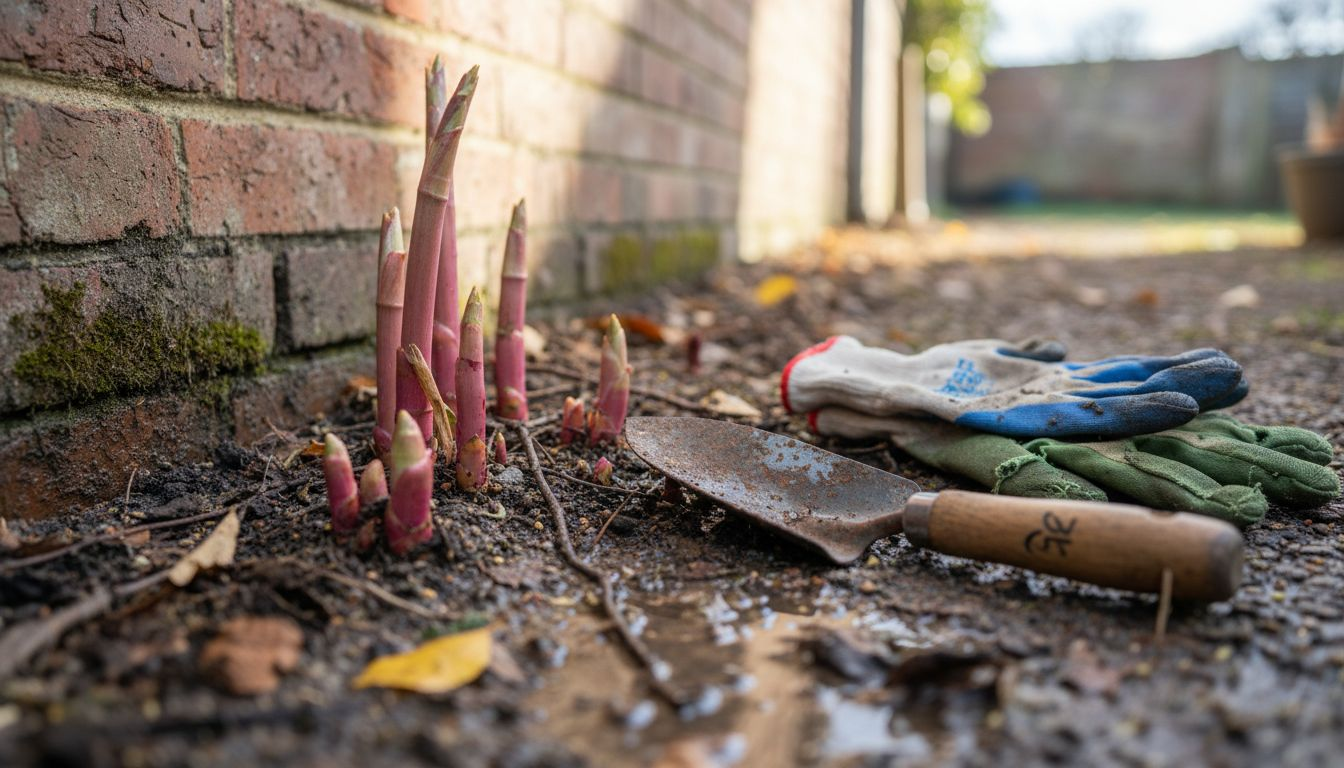
Invasive species like Japanese Knotweed require specialist attention because they cannot be managed through standard garden methods. Their extensive root systems, called rhizomes, spread aggressively beneath the soil surface and can cause structural damage to properties. A proper management plan identifies these threats early and applies appropriate treatment before they become a costly problem.
When selling a property where Japanese Knotweed is present, mortgage lenders typically demand formal surveys and treatment plans as a condition of lending. This legal requirement protects both the lender and subsequent owners from purchasing a property with hidden liabilities.
Pro tip: Request a professional invasive weed survey before creating your management plan, especially if you suspect Japanese Knotweed or other problem species on your property, as early detection significantly improves treatment outcomes and reduces long-term costs.
Types of Treatment: Chemical-Free and Beyond
Weed treatment options have evolved significantly. Modern approaches recognise that chemical herbicides are not always the best or safest solution, particularly around homes where families and pets live. Understanding your options allows you to choose methods that match your specific situation and concerns.
Mechanical removal remains one of the oldest and most reliable techniques. Hand-pulling, digging, and hoeing work well for small infestations and give you complete control over what you remove. For larger areas, professional machinery can cut or strip vegetation efficiently. The key advantage is immediate results with zero chemical residue left behind.

Thermal treatments use heat to destroy weeds at their source. Hot water application, steam, and heated air systems damage plant cells beyond repair, preventing regrowth from root systems. Thermal weed control methods prove particularly effective on hard surfaces like driveways and patios where chemical use raises concerns about runoff into gardens or water sources.
Electro-physical treatments represent an innovative approach that many homeowners have not yet encountered. Direct electrical energy disrupts the internal cell structure of plants, including their extensive root systems. This method works especially well for stubborn invasive species like Japanese Knotweed, where the energy depletes the rhizome network that would otherwise regenerate from fragments left behind by conventional digging.
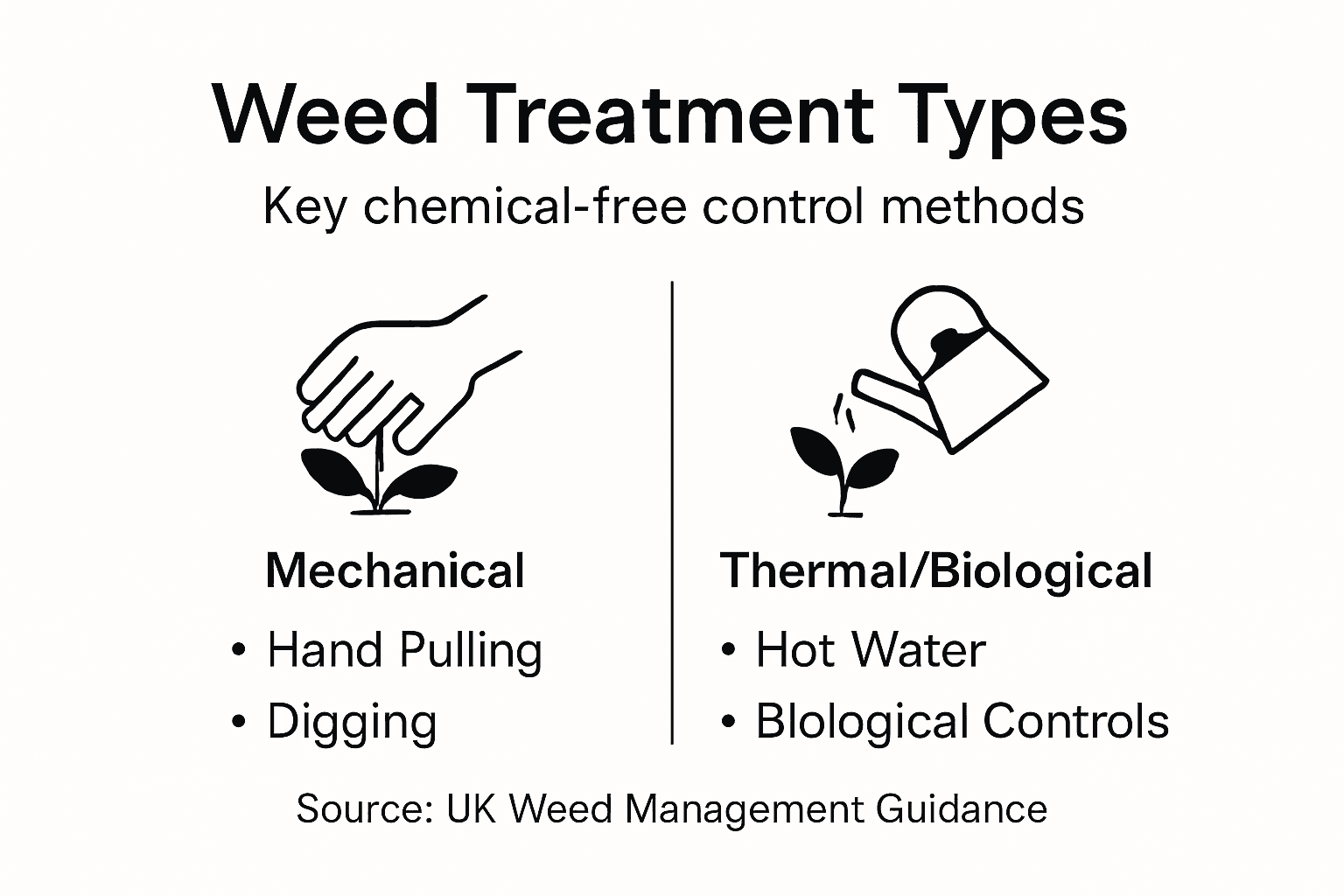
Biological controls and habitat modification offer longer-term solutions. By encouraging competing plants, improving soil health, and removing conditions that favour weeds, you create an environment where problem plants struggle to establish. Integrated management approaches that combine these methods with targeted physical removal deliver superior results whilst supporting local biodiversity.
The most effective strategy combines multiple techniques tailored to your property. A Japanese Knotweed infestation requires different treatment than dandelions in a lawn, which differs again from invasive bindweed in borders. Your management plan should specify which methods suit each area and the timing needed for success.
Here’s a concise overview of major weed treatment methods and where they excel:
| Method | Best Use Case | Environmental Impact | Key Advantage |
|---|---|---|---|
| Mechanical Removal | Small gardens, isolated weeds | Minimal, soil-friendly | Fast, leaves no residue |
| Thermal Treatment | Hard surfaces, patios | No runoff, wildlife safe | Penetrates root systems |
| Electro-physical | Invasive species, large areas | Low, no chemicals | Targets underground rhizomes |
| Biological/Habitat | Borders, long-term control | Enhances biodiversity | Prevents future infestations |
Pro tip: Start with the least invasive method first, then escalate only if initial treatment fails—this approach minimises disruption to your garden whilst proving what actually works for your specific weed problems.
Legal Duties and Disclosure When Buying Property
When you purchase a property in England or Wales, both you and the seller have legal responsibilities regarding invasive weeds like Japanese Knotweed. Understanding these obligations protects you from inheriting costly problems and potential liability issues that could affect your ownership for years to come.
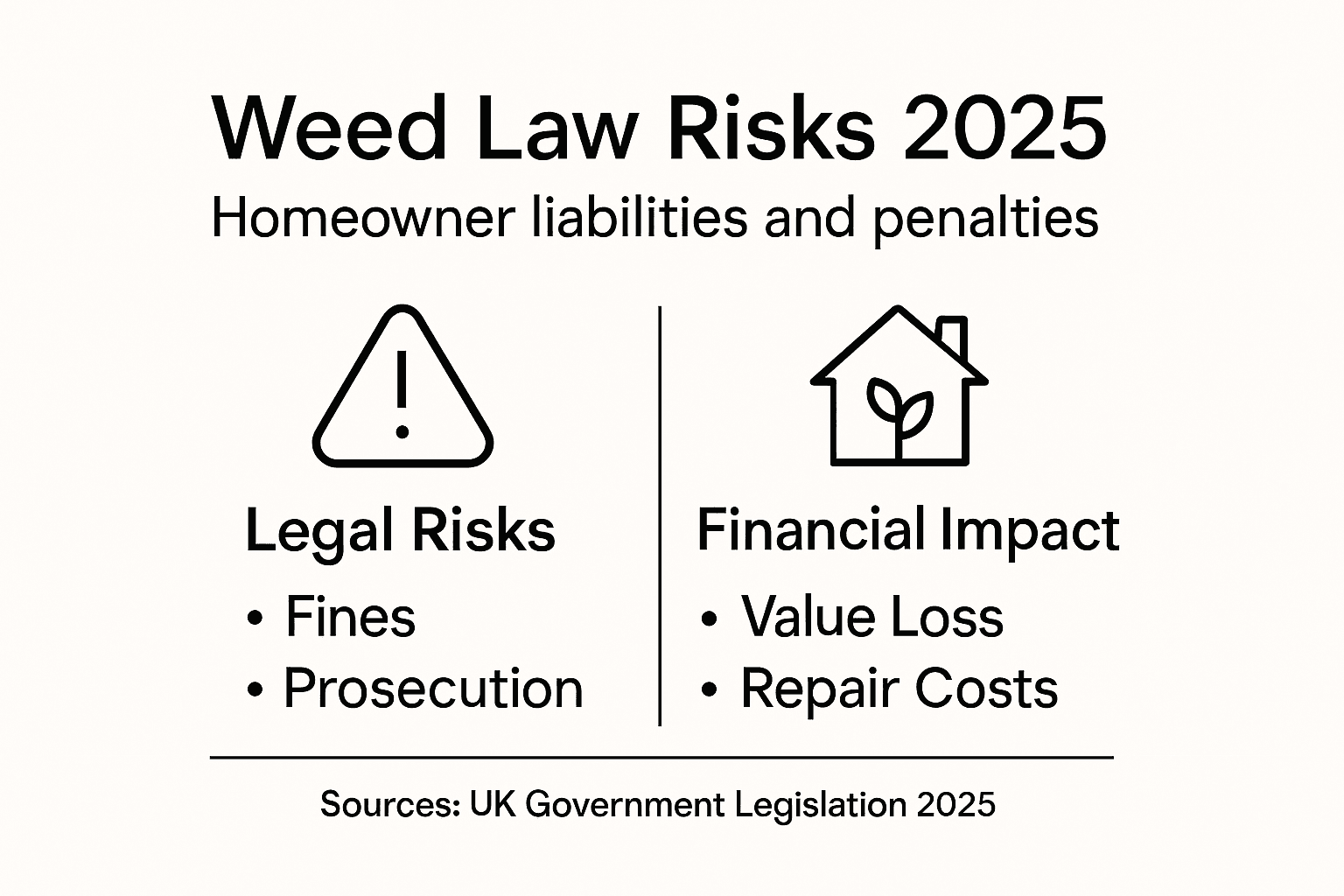
Sellers must disclose known invasive weed infestations to potential buyers. This duty falls under property law and consumer protection regulations. If Japanese Knotweed or other invasive species are present on the property, the seller should reveal this before contracts are exchanged. Failure to disclose can result in legal claims after purchase, as you may have grounds to pursue compensation for undisclosed defects.
Mortgage lenders take Japanese Knotweed very seriously. Most major lenders will refuse to advance funds on a property where the infestation is confirmed unless a formal treatment plan is in place. This means you cannot proceed with your purchase until a professional survey confirms either the absence of the problem or demonstrates an approved management strategy with timescales for eradication.
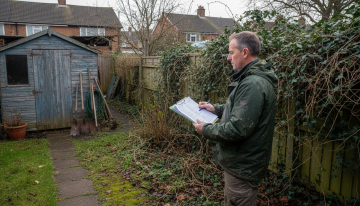
Your surveyor should identify potential invasive species during a standard property survey. However, not all surveyors are trained to recognise Japanese Knotweed or other problem plants. If you suspect an issue, request a specialist invasive weed survey as part of your due diligence before committing to the purchase.
Property owners have ongoing legal duties to prevent invasive weeds from spreading to neighbouring land. Sustainable management approaches that prioritise integrated pest management are now encouraged across UK property management. If your actions allow Japanese Knotweed to spread to a neighbour’s property, you could face legal action for nuisance or damage.
Documentation matters significantly. Keep all survey reports, treatment plans, and evidence of management work. This paper trail protects you when selling later and demonstrates responsible ownership to future buyers or lenders.
For quick reference, here’s how legal duties differ for buyers and sellers in invasive weed scenarios:
| Role | Core Duty | Consequence of Failure | Documentation Needed |
|---|---|---|---|
| Seller | Disclose invasive weed presence | Compensation claims possible | Survey & disclosure form |
| Buyer | Request specialist survey | Inherits hidden liabilities | Survey report |
| Owner | Prevent spread to neighbours | Legal action for nuisance | Treatment records |
Pro tip: Always obtain a specialist invasive weed survey before exchanging contracts on any property purchase, regardless of what the standard survey shows, as this single step prevents most costly disputes after completion.
Surveying, Monitoring, and Long-Term Control
Effective weed management does not end after the first treatment. Long-term success requires ongoing assessment, careful record-keeping, and adaptive strategies that evolve as conditions change on your property. This commitment to monitoring makes the difference between temporary relief and permanent control.
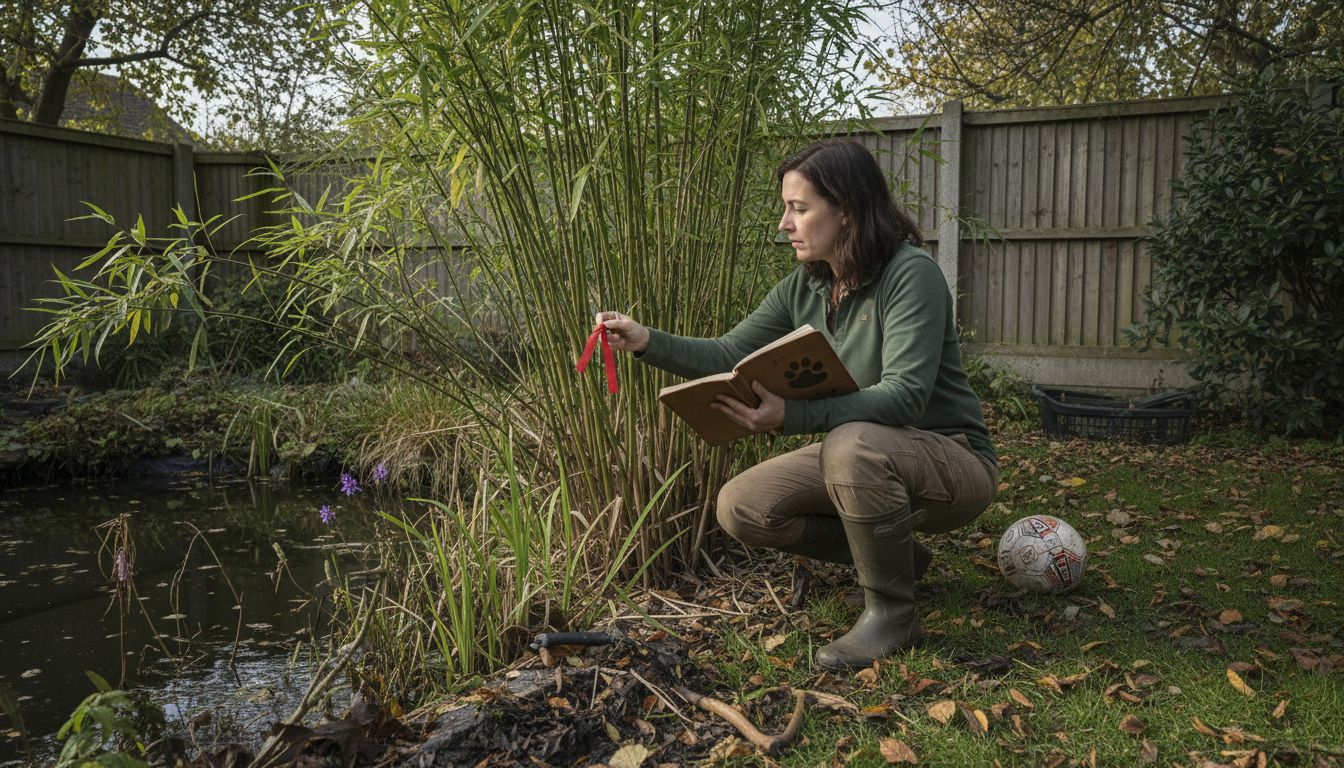
Initial surveys establish a baseline. A professional assessment identifies all weed species present, their distribution across your property, and the severity of each infestation. For Japanese Knotweed, this baseline is critical because the rhizome network extends far underground, sometimes spanning areas larger than visible plant growth above soil.
Regular monitoring tracks treatment effectiveness. Baseline assessments and periodic reviews allow you to see whether your chosen methods are working or require adjustment. Monthly inspections during the growing season catch any resurgence early, when intervention is simpler and less costly than allowing reinfestation to establish.
Record-keeping provides essential documentation. Photograph problem areas, note treatment dates and methods used, and record weather conditions during application. This data proves invaluable if you later need to demonstrate responsible management to mortgage lenders, buyers, or neighbours. For Japanese Knotweed specifically, detailed records show the progression of eradication and build confidence that the problem is genuinely resolved.
Adaptive management means changing your approach based on results. Continual surveying and data-driven refinement ensure your weed management plan remains effective over time. If one method proves insufficient, your records show precisely where and why, guiding your next treatment choice.
Long-term control typically spans multiple seasons. Japanese Knotweed often requires two to three years of consistent treatment because the rhizome system stores energy reserves that fuel regrowth. Annual monitoring during this period confirms progress and justifies continued investment in your chosen method.
Pro tip: Create a simple monitoring schedule with quarterly inspections and photograph the same areas each time, storing images with dates in a dedicated folder—this visual record demonstrates control progress far better than written notes alone.
Common Pitfalls and Comparing Alternatives
Many homeowners make costly mistakes when tackling weed problems without proper planning. Understanding what goes wrong helps you avoid expensive setbacks and choose approaches that actually deliver results rather than temporary fixes.
Overreliance on chemical herbicides is a significant pitfall. Weeds develop resistance over time when the same chemicals are applied repeatedly, meaning doses must increase or products must change frequently. This escalating cycle raises costs whilst potentially harming surrounding plants, soil life, and water systems. Additionally, chemical treatments often fail to address root systems like those of Japanese Knotweed, leaving the problem dormant but alive beneath the surface.
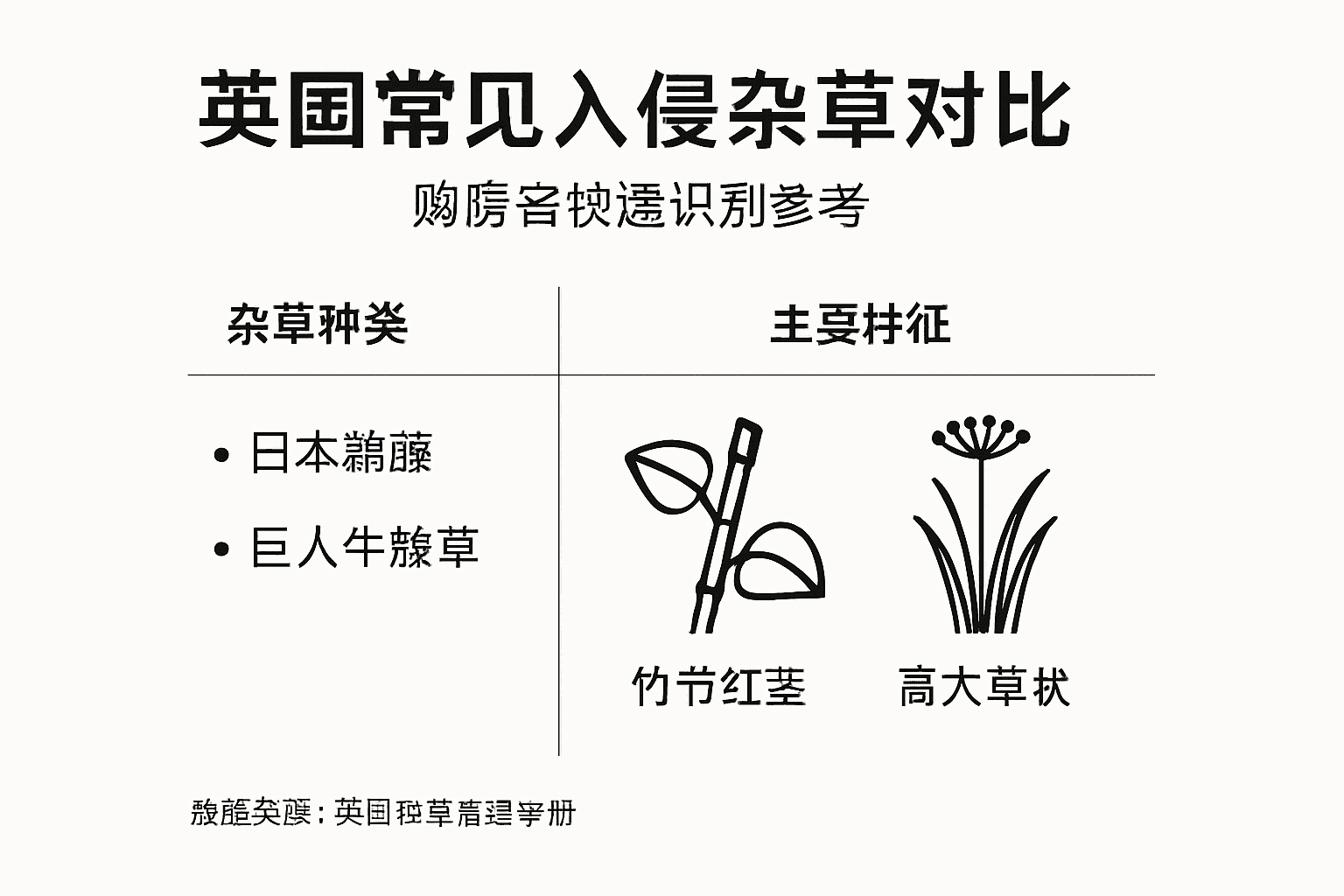
Another common mistake is treating weeds without identifying what species you actually have. Different weeds respond to different methods. Annual weeds, perennials, and invasive species each require distinct approaches. Misidentifying your problem leads to wasted effort and money on unsuitable treatments.
Comparing chemical methods with mechanical, thermal, and biological alternatives reveals that integrated approaches consistently outperform single-method strategies. Mechanical removal followed by thermal treatment, combined with habitat management, produces superior long-term control with minimal environmental impact.
Inconsistent application is another trap. Starting treatment then stopping halfway through allows regrowth to establish. Weeds are persistent; commitment matters. Strategic integrated approaches that combine physical, biological, and targeted chemical methods prove far more effective than sporadic efforts with any single technique.
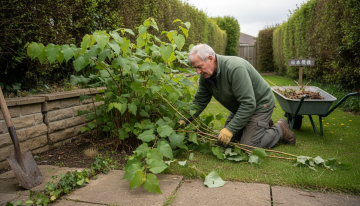
Ignoring professional advice leads to preventable problems. For invasive species like Japanese Knotweed, attempting DIY removal often spreads the infestation further. Cutting stems without addressing rhizomes simply stimulates regrowth. Digging without proper containment scatters fragments across your garden. Professional intervention from the start saves time, money, and frustration.
Choosing alternatives based purely on cost rather than effectiveness is shortsighted. The cheapest initial option often becomes the most expensive long-term investment through repeated treatments and eventual professional intervention.
Pro tip: Always get a professional assessment before committing significant time or money to any treatment plan, as the cost of surveying is minimal compared to the expense of continuing a failing approach for months.
Secure Your Home with Expert Chemical-Free Weed Management
The article highlights the challenge of controlling invasive weeds like Japanese Knotweed while prioritising family safety and environmental health. If you are worried about costly infestations spreading or the legal complications of undisclosed invasive species, taking early, reliable action is crucial. You need a plan that goes beyond surface treatments to target root systems with proven, sustainable methods.
At Japanese Knotweed Agency, we specialise in pioneering chemical-free eradication techniques that deliver direct energy up to 5000 volts onsite, destroying the extensive rhizome networks safely and effectively. Our experienced team also offers thorough property surveys for invasive weeds across England, Wales and Ireland, enabling you to identify problems before they escalate. With services like root barrier installation and expert excavation, we provide all the tools to safeguard your property and comply with legal requirements.

Don’t let invasive weeds threaten your home’s value or your peace of mind. Act now to receive a professional survey and tailored management plan from trusted specialists. Visit Japanese Knotweed Agency today and take the first step to protect your property chemically free with lasting results.
Frequently Asked Questions
What is a weed management plan?
A weed management plan is a structured approach to controlling unwanted plants on your property, focusing on identifying weed types, assessing risks, and selecting suitable removal methods, often without relying on chemical solutions.
How can I effectively manage Japanese Knotweed in my garden?
Managing Japanese Knotweed requires a professional assessment and a thorough management plan that typically includes methods like mechanical removal, thermal treatments, and continual monitoring to eradicate its extensive root system.
What are the alternatives to chemical herbicides for weed control?
Alternatives to chemical herbicides include mechanical removal, thermal treatments, biological controls, and habitat modification, which can effectively target weeds while minimising impact on the environment.
Why is regular monitoring important in weed management?
Regular monitoring is crucial as it helps track the effectiveness of your chosen weed management methods, allowing you to make necessary adjustments and prevent reinfestation, ultimately leading to long-term control of unwanted plants.