
7 Key Reasons to Remove Japanese Knotweed Naturally

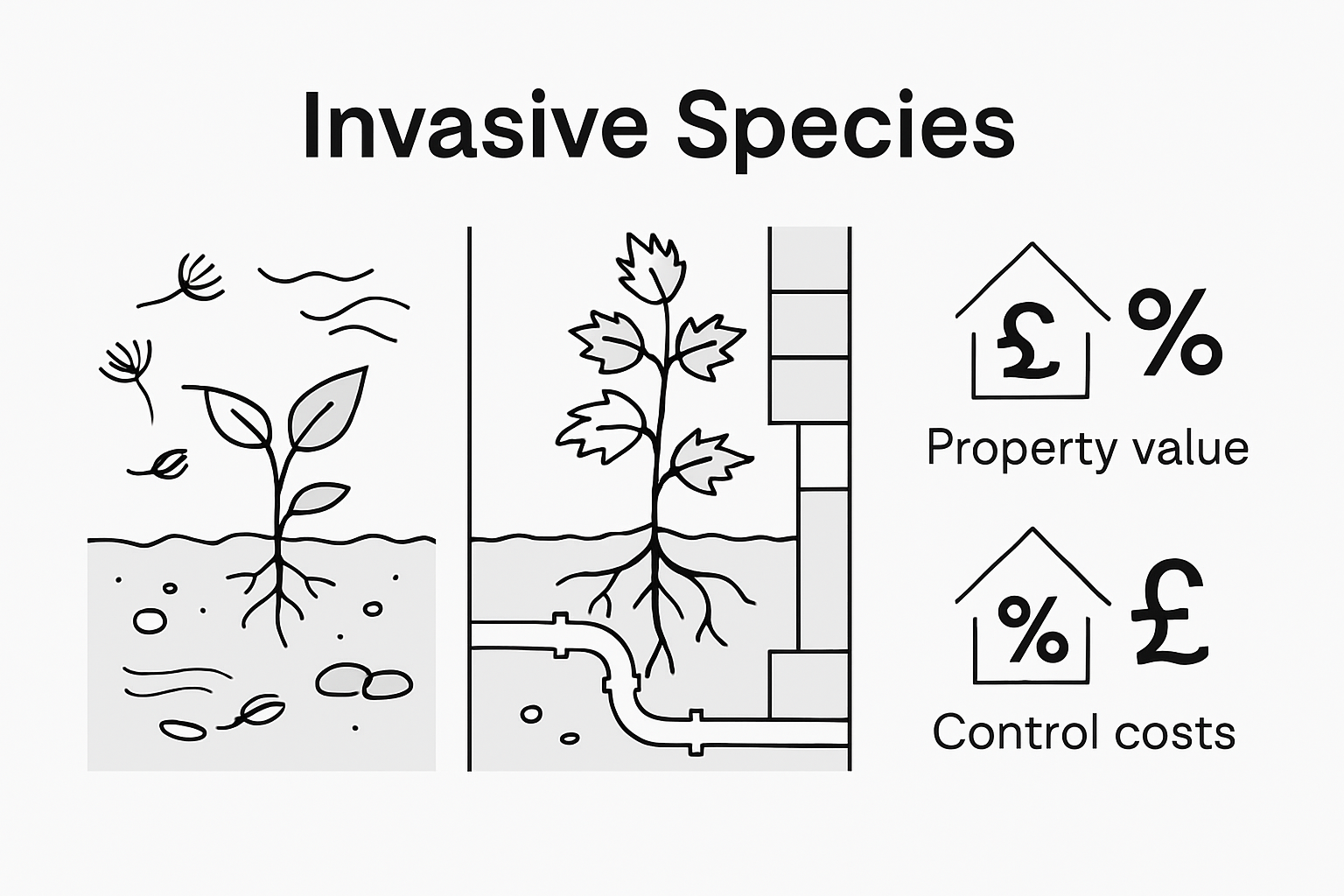
Most american homeowners are unaware that Japanese knotweed can wipe out up to 10 percent of a property’s value and threaten the future sale of their homes. This invasive plant not only damages buildings and infrastructure but also puts native ecosystems and clean drinking water at risk. By learning how to address knotweed naturally, you make smarter choices for your investment and keep your community safer and healthier for everyone.

Table of Contents

Quick Summary

Takeaway Explanation
1. Prevent property value loss. Addressing Japanese knotweed naturally can save thousands and maintain property value during sales.
2. Protect structural integrity. Early management prevents extensive damage to buildings and infrastructure caused by knotweed’s aggressive growth.
3. Support local ecosystems. Natural eradication methods help preserve biodiversity by controlling invasive plant spread and protecting native species.
4. Mitigate financial risks. Proactive management minimizes costly repairs and legal issues associated with knotweed infestations.
5. Comply with local regulations. Understanding and adhering to legal requirements prevents penalties and promotes responsible property management.

1. Prevents Property Value Loss and Sale Delays

Japanese knotweed can create significant challenges for property owners, potentially impacting home values and complicating real estate transactions. Understanding how to address this invasive plant naturally can save you thousands in potential devaluation and prevent prolonged sale processes.

Research by the University of Leeds suggests that the traditional perception of Japanese knotweed as a catastrophic property threat might be overstated. While the plant can still cause structural concerns, automatic mortgage refusals based on its presence could be disproportionate to the actual risk.

Key Property Impact Considerations:

  • Potential property value reduction of up to 10 percent
  • Increased difficulty obtaining mortgage approvals
  • Extended property sale timelines
  • Higher legal and remediation costs

By addressing Japanese knotweed through natural eradication methods, you protect your property investment and maintain its marketability. Proactive management demonstrates responsible ownership and can reassure potential buyers or lenders about your property’s condition. Natural treatment approaches not only resolve the immediate plant issue but also signal to stakeholders that you are committed to sustainable and comprehensive property maintenance.

2. Stops Damage to Buildings and Infrastructure

Japanese knotweed represents a serious threat to structural integrity, capable of causing extensive damage to buildings, hard surfaces, and infrastructure through its aggressive growth pattern. Understanding its destructive potential is crucial for property owners seeking to protect their investments.

According to Belfast City Council, Japanese knotweed can seriously damage houses and buildings by growing through concrete, tarmac, and other hard surfaces, typically exploiting existing structural weaknesses. Basingstoke Council reinforces this concern, describing the plant as a vigorous and invasive species that spreads rapidly and challenges traditional removal methods.

Critical Infrastructure Vulnerability Points:

  • Foundation walls
  • Underground pipelines
  • Drainage systems
  • Driveways and pathways
  • Retaining walls

The plant’s extraordinary root system can exert significant pressure on structural elements, creating microscopic cracks that progressively widen over time. This incremental damage can compromise building stability, leading to expensive repair work and potential safety risks. By addressing Japanese knotweed early through natural eradication methods, you protect your property from these potentially catastrophic structural challenges and prevent long term financial complications.

3. Protects Native Plants and Local Ecosystems

Japanese knotweed poses a significant threat to local biodiversity, aggressively disrupting native plant communities and ecosystem balance. Understanding its ecological impact is crucial for responsible environmental stewardship.

According to Belfast City Council, this invasive plant threatens native species by forming dense bushes and releasing chemical substances that prevent other plants from growing. The Mid and East Antrim Council further explains that Japanese knotweed grows vigorously, creating tall thickets that exclude all other vegetation and dramatically reduce local plant biodiversity.

Ecosystem Disruption Mechanisms:

  • Releases allelopathic chemicals that inhibit other plant growth
  • Forms dense canopies that block sunlight
  • Outcompetes native plant species for nutrients and space
  • Reduces habitat diversity for local wildlife
  • Destroys intricate ecological relationships

By addressing Japanese knotweed naturally, you actively contribute to preserving local ecosystems and protecting the delicate balance of native plant communities. Your proactive management helps maintain biodiversity and supports the long term health of local environmental systems.

Japanese knotweed represents more than an environmental challenge it can become a significant financial liability for property owners. Understanding the potential economic risks associated with this invasive plant is crucial for protecting your financial interests.

According to Basingstoke Council, eradicating Japanese knotweed from construction sites can cost over $1,250 per square metre, as soil containing the plant is considered contaminated waste. Bristol City Council further warns that property owners could face legal prosecution if they allow the plant to spread onto neighboring properties.

Potential Financial Consequences:

  • Expensive soil removal and replacement
  • Structural repair costs
  • Legal fees from potential neighbor disputes
  • Decreased property market value
  • Increased insurance premiums

By proactively managing Japanese knotweed through natural eradication methods, you can mitigate these substantial financial risks. Taking early action not only prevents costly future interventions but also demonstrates responsible property management and protects your most significant investment.

5. Supports Chemical-Free and Safer Solutions

Navigating Japanese knotweed removal requires careful consideration of environmental and health impacts, making chemical-free solutions increasingly attractive for property owners. Natural eradication methods offer a responsible approach to managing this invasive plant without introducing harmful substances into the ecosystem.

According to Belfast City Council, Japanese knotweed can be controlled through methods such as cutting and digging. However, Basingstoke Council warns that improper removal techniques can actually spread the roots and exacerbate the problem, emphasizing the need for expert intervention.

Benefits of Chemical-Free Approaches:

  • Eliminates environmental contamination risks
  • Protects local wildlife and plant ecosystems
  • Reduces exposure to potentially harmful chemicals
  • Provides a sustainable long term management strategy
  • Minimizes potential health risks associated with chemical treatments

By choosing natural eradication methods, you not only address the immediate Japanese knotweed problem but also demonstrate a commitment to environmentally responsible property management. These approaches prioritize ecological balance while effectively controlling an invasive species that can cause significant landscape disruption.

6. Enhances Compliance with Local Authority Rules

Managing Japanese knotweed is not just an environmental concern but a legal responsibility that requires careful navigation of local regulations. Property owners must understand their obligations to avoid potential legal complications and municipal penalties.

Kingston Council highlights the critical legal framework surrounding this invasive plant, noting its classification under the Wildlife and Countryside Act 1981 as a species not to be introduced into the wild. The Environmental Protection Act 1990 further designates Japanese knotweed as ‘controlled waste’ requiring proper disposal. Croydon Council emphasizes that property owners may be liable for creating a private nuisance if they fail to control the plant’s spread to surrounding properties.

Key Legal Compliance Requirements:

  • Prevent plant introduction into wild environments
  • Properly dispose of knotweed as controlled waste
  • Control spread to neighboring properties
  • Maintain documentation of removal efforts
  • Follow local authority guidelines for management

By proactively addressing Japanese knotweed through approved methods, you demonstrate responsible property management and protect yourself from potential legal challenges and municipal enforcement actions.

7. Safeguards Drinking Water from Harmful Chemicals

Protecting drinking water quality requires more than traditional water treatment approaches particularly when invasive species like Japanese knotweed compromise water infrastructure and introduce potential chemical contamination risks. Understanding how this plant impacts water systems is crucial for maintaining public health.

Belfast City Council warns that Japanese knotweed can damage flood defence structures and reduce water channel capacity potentially impacting water quality. Basingstoke Council further highlights that chemical treatments for invasive plants can create additional contamination challenges soil treated with persistent herbicides may become classified as hazardous waste.

Drinking Water Contamination Risks:

  • Compromises flood defence infrastructure
  • Introduces persistent chemical residues
  • Reduces water channel efficiency
  • Creates potential soil contamination zones
  • Increases treatment complexity for water systems

By choosing natural eradication methods for Japanese knotweed, you actively contribute to protecting water resources from harmful chemical interventions. These approaches minimize environmental disruption and support cleaner more sustainable water management practices.

Below is a comprehensive table summarizing the challenges, impacts, and natural management strategies for Japanese knotweed as discussed in the article.

Topic Description Key Considerations
Property Impact Japanese knotweed affects property values and sales by complicating real estate transactions. Proactive management protects investment and improves marketability.
Structural Damage The plant’s growth can damage buildings and infrastructure, exploiting weaknesses and causing costly repairs. Early natural eradication can prevent structural challenges and financial consequences.
Ecosystem Protection Knotweed disrupts native ecosystems by outcompeting local plants and reducing biodiversity. Natural management helps preserve ecological balance and supports native species.
Financial Costs Eradication and legal costs are high due to contamination and structural repair. Early action reduces expenses and legal liabilities.
Chemical-Free Solutions Using non-chemical methods to manage knotweed reduces environmental and health risks. These approaches offer sustainable and safe management strategies.
Legal Compliance Property owners must comply with regulations to avoid penalties related to knotweed spread. Proper disposal and documentation ensure adherence to legal guidelines.
Water Safety Knotweed can affect water infrastructure and quality through chemical usage. Natural methods prevent contamination and support clean water practices.

Take Control of Japanese Knotweed with Safe and Effective Natural Solutions

The challenge of eliminating Japanese knotweed naturally is critical to protecting your property value, local ecosystems, and legal standing. You deserve a solution that addresses the invasive plant without harmful chemicals while preventing costly structural damage and safeguarding your investment. The article emphasized chemical-free eradication, root barrier installation, and responsible property management as keys to overcoming this widespread problem.

At Japanese Knotweed Agency, we specialize in delivering powerful direct energy treatments that neutralize the knotweed rhizome network safely onsite. Our innovative approach avoids toxic herbicides while effectively breaking down the plant’s internal energy sources. Alongside expert root barrier installs and excavation services, we provide thorough property surveys across England, Wales, and Ireland to help you manage this threat comprehensively.

https://japaneseknotweedagency.co.uk

Do not wait until Japanese knotweed control becomes a costly legal or structural nightmare. Act now to protect your property’s value, prevent environmental harm, and comply with regulations. Discover how our trusted natural eradication methods make managing invasive plants simpler and safer by visiting Japanese Knotweed Agency. Take the first step toward a knotweed-free future today.

Frequently Asked Questions

What are the risks of not removing Japanese knotweed from my property?

Failing to remove Japanese knotweed can lead to a decrease in property value by up to 10% and make it difficult to secure a mortgage. To avoid these complications, act swiftly to implement natural removal methods to protect your investment.

How can removing Japanese knotweed naturally help protect the environment?

Natural removal methods for Japanese knotweed prevent environmental harm associated with chemical treatments, protecting local ecosystems and native plant species. Start by researching and applying eco-friendly eradication techniques to contribute to environmental sustainability.

Property owners must control the spread of Japanese knotweed to comply with local regulations, including preventing it from entering wild environments and disposing of it properly as controlled waste. Maintain diligent records of your removal efforts to demonstrate adherence to legal guidelines.

How do natural eradication methods compare to chemical treatments for Japanese knotweed?

Natural eradication methods are often safer and environmentally friendly, whereas chemical treatments can introduce harmful substances into the ecosystem. Prioritize chemical-free options that effectively control the plant while protecting your surroundings.

What should I do if Japanese knotweed is affecting my infrastructure?

Addressing Japanese knotweed early is crucial to prevent damage to infrastructure, such as foundations, pipelines, and drainage systems. Implement natural eradication strategies immediately to minimize potential repair costs and safeguard your property.

How long does it take to effectively remove Japanese knotweed using natural methods?

The time it takes to remove Japanese knotweed naturally varies, but with consistent effort and appropriate techniques, visible results can often be seen within 30–60 days. Begin your eradication process now to control the plant and protect your property.

Japanese Knotweed Containment Explained: Complete Guide

Most american homeowners are surprised to learn that a single patch of Japanese knotweed can reduce property value by up to 15 percent. This aggressive plant spreads quickly and silently threatens foundations, driveways, and drainage systems. Understanding Japanese knotweed containment is vital if you want to protect your property from costly damage and legal headaches while learning which control methods actually work best.

Table of Contents

Key Takeaways

Point Details
Containment Importance Japanese knotweed poses significant risks to property; effective containment is crucial to prevent structural damage.
Legal Responsibilities Landowners must manage knotweed professionally to avoid legal liabilities and maintain property value.
Cost Implications Inadequate treatment can lead to increased costs and extensive damage; proactive management is essential.
Effective Strategies A combination of physical barriers, chemical treatments, and monitoring techniques is vital for successful management.

What Is Japanese Knotweed Containment?

Japanese Knotweed Containment is a strategic approach designed to prevent the spread of an aggressive invasive plant species that poses significant risks to property and infrastructure. According to UK Parliamentary Publications, Japanese knotweed is notorious for its rapid growth and potential to cause extensive structural damage.

Containment involves a comprehensive set of methods aimed at controlling the plant’s expansion and preventing its further proliferation. SCSI defines containment as strategies specifically targeting the restriction of Japanese knotweed beyond a designated area. These strategies typically include:

  • Physical root barrier installations
  • Regular monitoring and surveillance
  • Precise mapping of infested zones
  • Legal compliance with invasive species regulations
  • Controlled removal techniques

The primary goal of Japanese knotweed containment is to mitigate potential ecological and structural risks. Property owners must implement proactive measures to prevent the plant’s underground rhizome network from spreading, which can cause significant damage to foundations, drainage systems, and landscaping. Effective containment requires a multifaceted approach that combines scientific understanding, legal compliance, and strategic intervention to manage this highly resilient invasive species.

Types of Containment Methods in the UK

Japanese Knotweed containment methods in the United Kingdom represent a critical approach to managing this highly invasive plant species. UK Parliamentary Publications identifies three primary strategies for controlling Japanese knotweed: physical barriers, chemical treatments, and complete excavation.

Each containment method offers unique advantages and challenges. SCSI highlights that the effectiveness of these techniques depends on specific factors like infestation extent, property location, and environmental conditions. The most common containment approaches include:

root barrier detail

  • Physical Root Barriers: Installing underground membranes to prevent rhizome spread
  • Chemical Treatment: Targeted herbicide applications to systematically kill plant networks
  • Excavation: Complete removal of contaminated soil and root systems
  • Monitoring Techniques: Regular surveillance to track potential reemergence
  • Biological Control: Emerging experimental methods using specialized organisms

Successful containment requires a comprehensive strategy that combines multiple techniques. Property owners and land managers must carefully assess their specific situation, considering factors like soil composition, proximity to structures, and local ecological conditions. The goal is not just temporary suppression but long-term prevention of Japanese knotweed’s destructive potential.

How Physical and Chemical-Free Solutions Work

Physical and chemical-free containment methods provide innovative approaches to managing Japanese knotweed without relying on traditional chemical treatments. UK Parliamentary Publications highlights that these solutions focus on mechanical interventions designed to isolate, suppress, and ultimately control the invasive plant’s spread.

SCSI outlines several key strategies for physical containment that property owners can implement. These methods are particularly effective because they directly address the plant’s aggressive underground root system:

  • Root Barrier Installation: Underground membrane systems that create physical boundaries
  • Geotextile Membrane Covering: Blocking sunlight and preventing photosynthesis
  • Mechanical Cutting: Regular removal of above-ground growth to weaken plant energy
  • Soil Excavation: Complete removal of contaminated soil and root networks
  • Controlled Covering: Using specialized materials to suppress growth

The fundamental principle behind these chemical-free solutions is disrupting the plant’s ability to photosynthesize and spread. By preventing light exposure, blocking root expansion, and systematically removing growth, property owners can effectively manage Japanese knotweed without introducing potentially harmful chemical treatments. Success requires consistent monitoring and a comprehensive, multilayered approach to containment.

Japanese Knotweed legal obligations represent a critical aspect of property management that can significantly impact homeowners and land developers. UK Parliamentary Publications emphasizes that landowners have a strict legal responsibility to prevent the spread of this invasive plant to adjacent properties, with potential consequences ranging from substantial fines to legal action.

SCSI highlights the extensive implications of Japanese knotweed on property transactions and valuations. The presence of this invasive species can create significant challenges for property owners, including:

  • Reduced Property Value: Potential decrease of up to 10-15% in property market value
  • Mortgage Restrictions: Difficulty obtaining financing for affected properties
  • Legal Liability: Potential lawsuits from neighboring property owners
  • Mandatory Disclosure: Legal requirement to reveal knotweed presence during property sales
  • Enforcement Actions: Potential local authority interventions and penalties

Navigating the legal landscape of Japanese knotweed requires proactive management and thorough documentation. Property owners must implement comprehensive containment strategies, maintain detailed records of treatment efforts, and work closely with professional invasive species experts to mitigate potential legal and financial risks. The goal is not just compliance, but protecting the long-term value and integrity of the property.

Infographic comparing main Japanese knotweed containment methods with icons and summary information.

Risks, Costs, and Common Pitfalls to Avoid

Japanese Knotweed management involves navigating a complex landscape of substantial risks and potential financial challenges. UK Parliamentary Publications warns that inadequate treatment can lead to extensive structural damage and significant legal liabilities, with containment and removal costs potentially escalating quickly.

SCSI highlights the most critical risks and common pitfalls property owners must carefully consider:

  • Underestimation of Spread: Failing to recognize the plant’s extensive underground root network
  • Improper Disposal: Accidentally propagating the plant through incorrect removal techniques
  • Delayed Treatment: Allowing the infestation to grow more complex and expensive
  • Incomplete Documentation: Lacking comprehensive records for legal and insurance purposes
  • DIY Removal Attempts: Risking further contamination without professional expertise

Successful Japanese knotweed management requires a proactive, comprehensive approach. Property owners must invest in professional assessments, implement thorough containment strategies, and maintain meticulous documentation. The potential costs of inaction far outweigh the initial investment in professional treatment, potentially saving thousands in future property damage and legal complications.

Take Control of Japanese Knotweed with Proven Chemical-Free Solutions

Dealing with Japanese Knotweed containment requires more than just basic knowledge it calls for expert action to stop this invasive threat from damaging your property and lowering its value. The article highlights key challenges such as root barrier installation, proper excavation, and the importance of consistent monitoring to prevent costly structural harm and legal risks. At Japanese Knotweed Agency we specialize in innovative chemical-free treatments that deliver powerful direct energy to eradicate knotweed at the cellular level while preserving your land and surroundings.

https://japaneseknotweedagency.co.uk

Don’t wait until the knotweed spreads further or your property faces irreversible damage explore our comprehensive services including root barrier installation and expert excavation works. Discover how our professional property surveys across England Wales and Ireland can give you peace of mind and long-term protection from invasive weeds. Act now to secure your investment and restore your property by contacting Japanese Knotweed Agency today and learn more about our cutting-edge treatment techniques and containment strategies. Visit our main site and explore the difference of chemical-free eradication.

Frequently Asked Questions

What is Japanese Knotweed containment?

Japanese Knotweed containment refers to strategic methods aimed at preventing the spread of this invasive plant species. It involves techniques such as physical barriers, chemical treatments, monitoring, and precise mapping of infested areas to mitigate ecological and structural risks.

What are the common methods used for Japanese Knotweed containment?

Common containment methods include physical root barriers, chemical treatments, complete excavation, monitoring techniques, and emerging biological control methods. Each strategy has its advantages and is chosen based on specific infestation circumstances and property conditions.

How do physical and chemical-free solutions work for controlling Japanese Knotweed?

Physical and chemical-free solutions disrupt the plant’s ability to photosynthesize and spread. Techniques include root barrier installation, geotextile membrane covering, mechanical cutting, and soil excavation, all aiming to isolate and suppress the plant without harmful chemicals.

Property owners have a strict legal obligation to prevent the spread of Japanese Knotweed to neighboring areas. Legal consequences can include fines, lawsuits from affected neighbors, and mandatory disclosure of the infestation during property sales, emphasizing the importance of effective management and containment.

Why Knotweed Affects Properties: Complete Guide

Most american homeowners are surprised to learn that Japanese knotweed can grow up to 10 centimeters every single day, making it one of the fastest spreading invasive plants. This reputation has created anxiety and myths about its potential for property destruction and mortgage rejection. Accurate information is crucial because confusion over Japanese knotweed often leads to costly mistakes. Get the facts you need to separate science from rumor and make informed choices about this misunderstood plant.

Table of Contents

Key Takeaways

Point Details
Understanding Japanese Knotweed Japanese knotweed is an invasive species that can grow rapidly and regenerate from small fragments, requiring targeted management.
Impacts on Property Value The presence of Japanese knotweed can reduce property values by 5-20% and complicate mortgage approvals, despite exaggerated damage claims.
Legal Responsibilities Homeowners must prevent Japanese knotweed from spreading, manage contaminated soil responsibly, and can face fines for non-compliance.
Innovative Removal Methods Chemical-free removal strategies, such as electrical treatment, can effectively eradicate Japanese knotweed while minimizing environmental impact.

Japanese Knotweed: Definition And Myths

Japanese knotweed (Fallopia japonica) is an aggressive, fast-spreading invasive plant species that has become a significant concern for property owners and land managers across multiple regions. Gov UK describes it as a non-native invasive plant known for its remarkable ability to thrive in diverse environments including roadsides, waste grounds, and riverbanks.

Contrary to widespread panic, recent scientific research suggests that the plant’s destructive potential might be somewhat exaggerated. Leeds University conducted a study challenging the common perception of extensive structural damage, indicating that its impact on buildings could be comparable to other plant species.

Key characteristics of Japanese knotweed that make it particularly challenging include:

  • Rapid growth rates of up to 10 centimeters per day
  • Ability to regenerate from root fragments as small as 1 centimeter
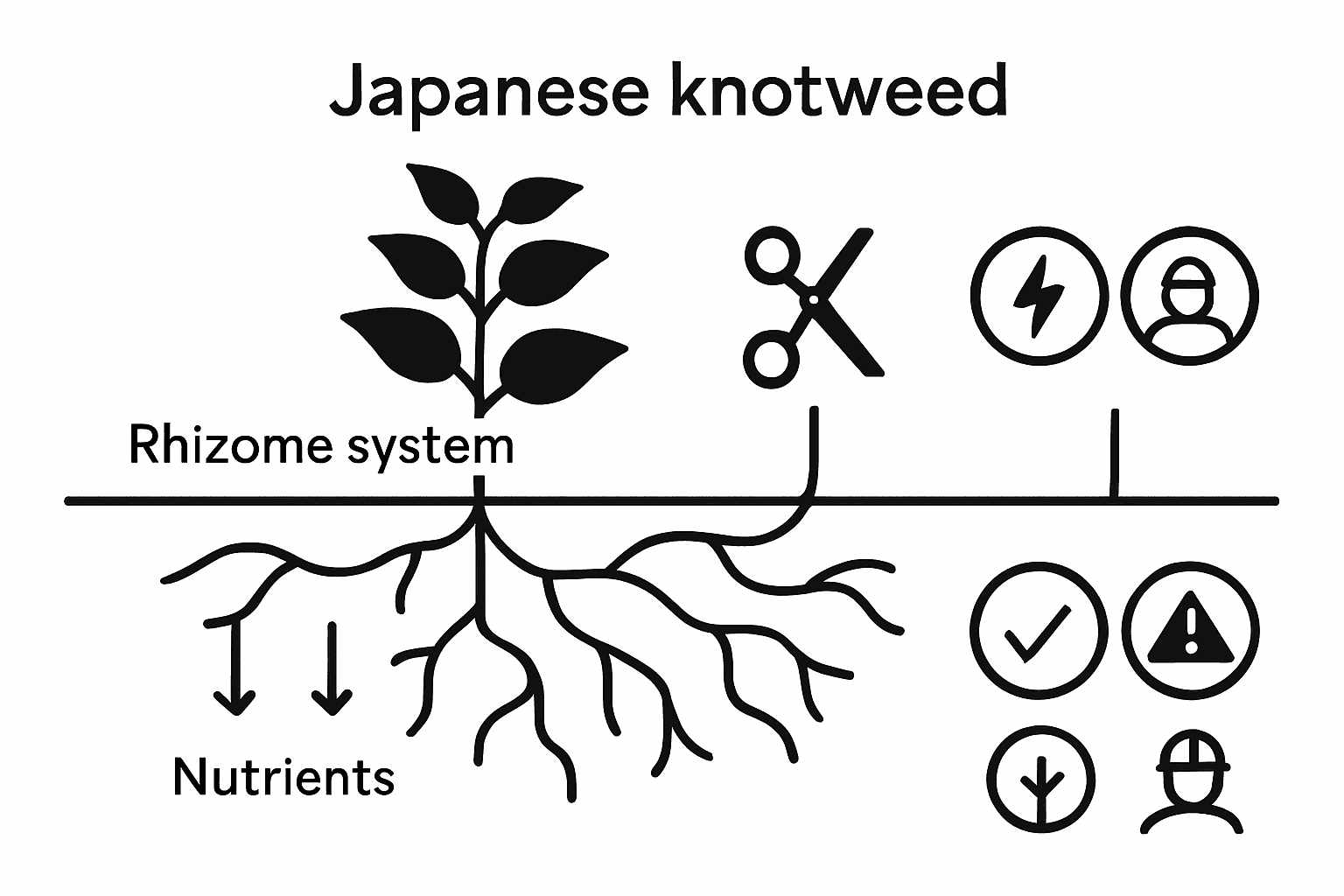
  • Extremely resilient root system called rhizomes that spread underground
  • Can penetrate concrete and foundation weaknesses

The most persistent myths surrounding Japanese knotweed include the belief that it can immediately destroy entire structures and that any small fragment guarantees complete property devastation. While the plant is undoubtedly aggressive, professional assessment and targeted treatment can effectively manage its spread and minimize potential property damage. Understanding its biology and implementing strategic removal techniques are crucial for property owners confronting this invasive species.

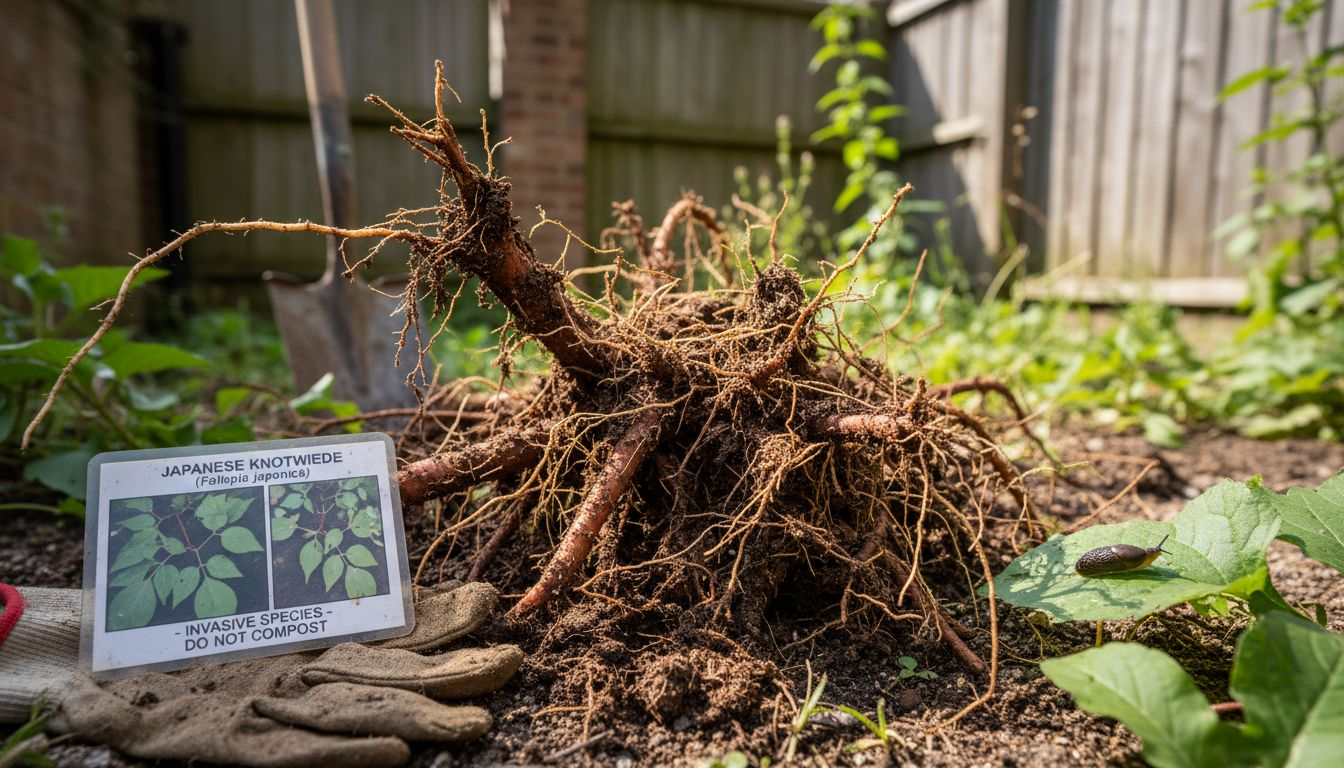
knotweed root damage

How Knotweed Spreads And Damages Property

Japanese knotweed represents a unique botanical challenge due to its extraordinary ability to spread and propagate through incredibly resilient underground root systems. Gov UK confirms that this invasive species can regenerate from incredibly small fragments, with rhizomes capable of spreading across most soil conditions and thriving in diverse environments like roadsides, waste grounds, and riverbanks.

Contrary to widespread fears, recent scientific research suggests that the plant’s destructive potential might be less severe than traditionally believed. Leeds University research indicates that Japanese knotweed’s rhizomes rarely extend more than 4 meters from above-ground plants, and its structural damage potential is comparable to other plant species.

Key mechanisms of knotweed spread include:

  • Regeneration from root fragments as small as 1 centimeter
  • Underground rhizome network expansion
  • Ability to grow through small cracks in concrete and foundations
  • Rapid growth rates up to 10 centimeters daily

Property owners should remain vigilant, understanding that while Japanese knotweed poses significant challenges, professional assessment and targeted removal strategies can effectively manage its spread. The consequences of letting Japanese Knotweed spread can be substantial, making early detection and professional intervention critical for preventing extensive property damage.

Property Value And Mortgage Impacts

The presence of Japanese knotweed can dramatically transform a property’s marketability and financial landscape. Centre for Ecology and Hydrology research reveals that mortgage lenders may outright refuse applications when Japanese knotweed is identified at a property site, creating significant challenges for potential buyers and current homeowners.

However, recent scientific research suggests that the mortgage industry’s response might be disproportionate to the actual risk. Leeds University found no substantive evidence that Japanese knotweed causes significant structural damage, challenging the automatic mortgage rejection practices that have become commonplace.

Potential property value impacts include:

  • Potential reduction in market value of 5-20%
  • Increased difficulty selling the property
  • Higher costs for professional treatment and removal
  • Potential legal complications with property transactions

Property owners facing Japanese knotweed should consider Japanese Knotweed and its impact on property values for comprehensive guidance. Proactive management, professional assessment, and documented treatment plans can significantly mitigate financial risks and improve mortgage approval chances. Understanding the nuanced reality of Japanese knotweed’s impact is crucial for making informed real estate decisions.

Infographic showing knotweed spread pathways and property value impact

Japanese knotweed management carries significant legal responsibilities for property owners, with potential serious consequences for non-compliance. Gov UK mandates that homeowners must prevent Japanese knotweed on their land from spreading to neighboring properties, classifying contaminated soil or plant material as controlled waste that requires careful handling and disposal.

UK Parliament Publications outline severe penalties for negligent management, including potential fines up to £5,000 and imprisonment for up to two years. Landowners can also face civil legal action from adjacent property owners if Japanese knotweed is allowed to spread and cause damage, creating a complex legal landscape for property management.

Key legal obligations for homeowners include:

  • Preventing knotweed from spreading to neighboring properties
  • Properly containing and disposing of contaminated soil
  • Documenting treatment and removal efforts
  • Disclosing knotweed presence during property sales
  • Implementing professional management strategies

Property owners confronting Japanese knotweed should approach the situation strategically, understanding that proactive management is not just an environmental responsibility but a critical legal requirement. Does Japanese knotweed cause property damage? provides additional insights into the legal and practical implications of managing this invasive species effectively.

Chemical-Free Knotweed Removal Solutions

Electrical treatment represents an innovative approach to Japanese knotweed eradication that eliminates the need for traditional chemical interventions. Gov UK emphasizes the critical importance of preventing knotweed spread, highlighting the need for comprehensive and effective removal strategies that go beyond conventional methods.

Leeds University research suggests that traditional perceptions of knotweed’s destructiveness may be overstated, reinforcing the importance of targeted, precise removal techniques that minimize environmental impact and property disruption.

Key chemical-free removal strategies include:

  • High-voltage electrical treatment targeting root systems
  • Precision excavation and root barrier installation
  • Targeted thermal treatment methods
  • Biological control through specialized management techniques
  • Comprehensive root zone monitoring and management

Property owners seeking alternative approaches should consider Glyphosate Ban in Brighton and Hove as an example of the growing shift towards environmentally conscious invasive plant management. The key is understanding that effective knotweed removal requires a sophisticated, multi-dimensional approach that goes beyond traditional chemical treatments.

Take Control of Japanese Knotweed Before It Threatens Your Property Value

Japanese knotweed can severely impact your property’s market value and mortgage options. The article explains how this invasive species spreads aggressively through its resilient rhizomes and can cause costly structural challenges. If you want to stop the problem early and avoid legal headaches related to property damage or disclosure, understanding and acting on effective removal solutions is critical. Japanese Knotweed Agency offers a proven chemical-free approach that delivers high-voltage energy directly to the root system, ensuring precise eradication without harmful chemicals.

https://japaneseknotweedagency.co.uk

Don’t wait until Japanese knotweed devalues your home or complicates your sale. Explore our chemical-free treatments, root barrier installation, and expert excavation services designed to securely remove knotweed and protect your property. Schedule a professional survey today across England, Wales, and Ireland by visiting Japanese Knotweed Agency. Learn more about our advanced methods and legal compliance support by visiting Japanese Knotweed and its impact on property values and discover how to protect your investment at Does Japanese knotweed cause property damage?. Act now to safeguard your property and peace of mind.

Frequently Asked Questions

What is Japanese knotweed and why is it a concern for property owners?

Japanese knotweed is an aggressive, invasive plant known for its rapid growth and ability to damage property. It can regenerate from small root fragments and its resilient root system can penetrate concrete and foundations, making it a significant concern for property owners.

How does Japanese knotweed spread and what are its impacts on properties?

Japanese knotweed spreads through an extensive underground rhizome network and can regenerate from small fragments. While it is capable of damaging structures, recent studies suggest its destructive potential may not be as severe as previously thought, comparing it to other plant species.

Homeowners must prevent Japanese knotweed from spreading to neighboring properties, properly dispose of contaminated soil, document treatment efforts, and disclose its presence when selling their property. Non-compliance can lead to fines and civil legal action.

Are there chemical-free methods for removing Japanese knotweed?

Yes, chemical-free methods include electrical treatment targeting root systems, precision excavation, thermal treatment methods, and biological control techniques. These alternatives reduce environmental impact while effectively managing knotweed outbreaks.

Guide to Knotweed Root Barriers for Lasting Control

Over $2.8 billion is spent every year by american property owners tackling invasive plants like Japanese knotweed. Ignoring these risks can lead to structural damage and steep legal costs that catch buyers off guard. Understanding how to assess and protect your property gives you peace of mind and helps secure your investment before knotweed ever becomes a problem.

Table of Contents

Quick Summary

Key Insight Explanation
1. Assess for Knotweed Risks Conduct thorough inspections to identify Japanese knotweed presence before property acquisition or development to protect your investment.
2. Prepare Site Before Installation Clear affected areas entirely to prevent knotweed regrowth, ensuring proper mapping and disposal of material according to legal guidelines.
3. Choose the Right Root Barrier Select a durable, high-density polyethylene barrier that meets performance criteria and hire professionals for installation to ensure effectiveness.
4. Install Barrier with Precision Properly excavate and install the barrier to create an effective containment system, overlapping sections to prevent any escape routes for rhizomes.
5. Monitor Barrier Integrity Ongoing Regularly inspect the barrier for damage and potential breaches, documenting findings to ensure the long-term effectiveness of your knotweed control measures.

Step 1: Assess Property for Knotweed Risks

Identifying potential Japanese knotweed risks before purchasing or developing a property is crucial for protecting your investment. According to the Royal Institution of Chartered Surveyors (RICS), a comprehensive assessment requires more than just measuring distance from structures.

To thoroughly assess property risks, start with a visual inspection of the landscape. Look for distinctive bamboo-like stems with green and reddish purple speckled coloration, often growing in dense clusters near building foundations or boundary lines. Pay special attention to areas with disturbed ground, such as construction zones or landscaped regions where rhizomes might have been accidentally transported. UK Centre for Ecology & Hydrology recommends checking your specific postcode against their high-resolution predictive model to understand localized knotweed presence risks.

Warning: Do not rely solely on visual inspection. Professional surveys can detect underground rhizome networks that might not be immediately visible. A trained expert can help you understand the full extent of potential knotweed infestation and recommend appropriate root barrier or treatment strategies before significant property damage occurs.

Step 2: Prepare the Site for Barrier Installation

Successfully installing a root barrier requires meticulous site preparation to prevent future Japanese knotweed spread. UK Government guidance emphasizes the critical importance of thorough initial site management before barrier installation.

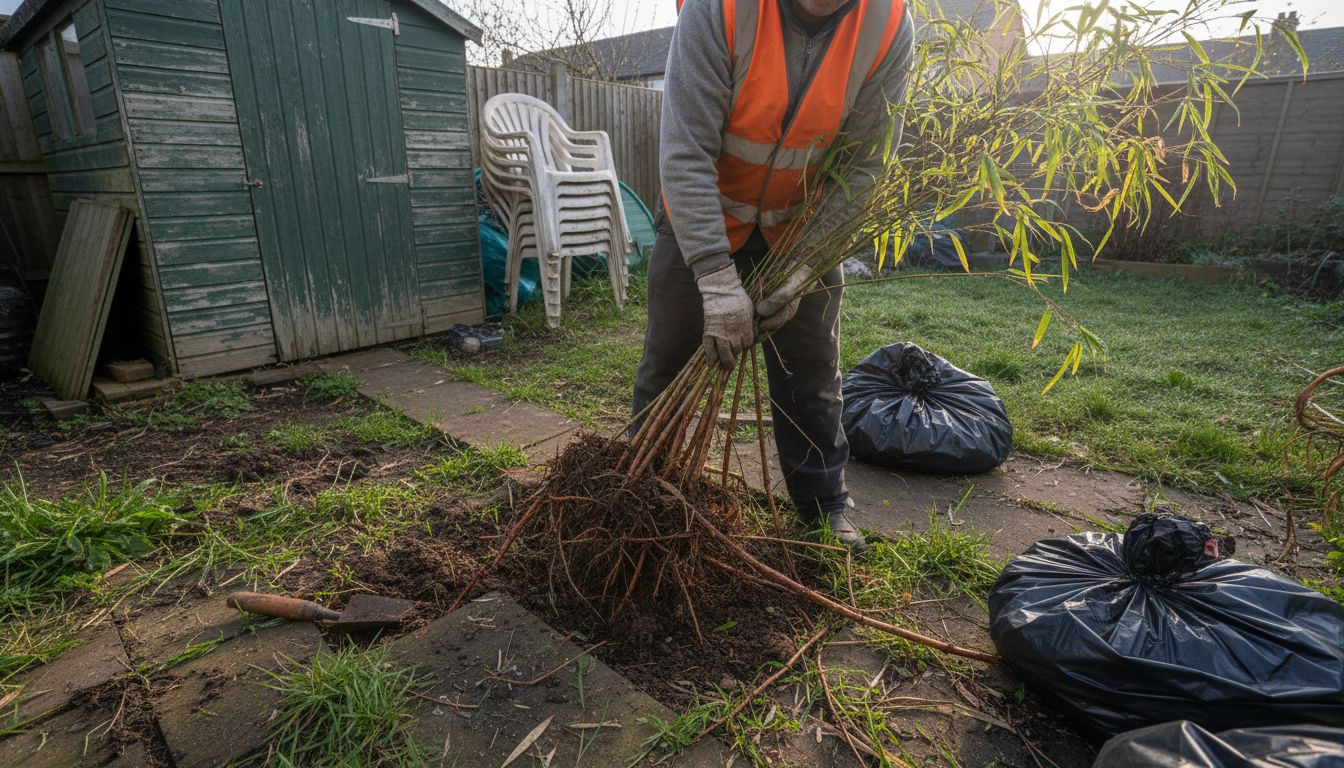
Begin by completely clearing the area of existing knotweed vegetation. This means removing all visible above-ground stems and carefully excavating the surrounding soil to minimize potential rhizome regrowth. Use protective equipment like heavy-duty gloves and sealed boots to prevent accidental contamination. Map the entire infested area, marking precise boundaries to ensure comprehensive root barrier coverage. You will want to create a clear perimeter that extends well beyond the visible plant growth, accounting for the extensive underground rhizome network.

Pro Tip: Always work with a professional who can accurately assess the full extent of knotweed spread and recommend the most effective barrier placement strategy.

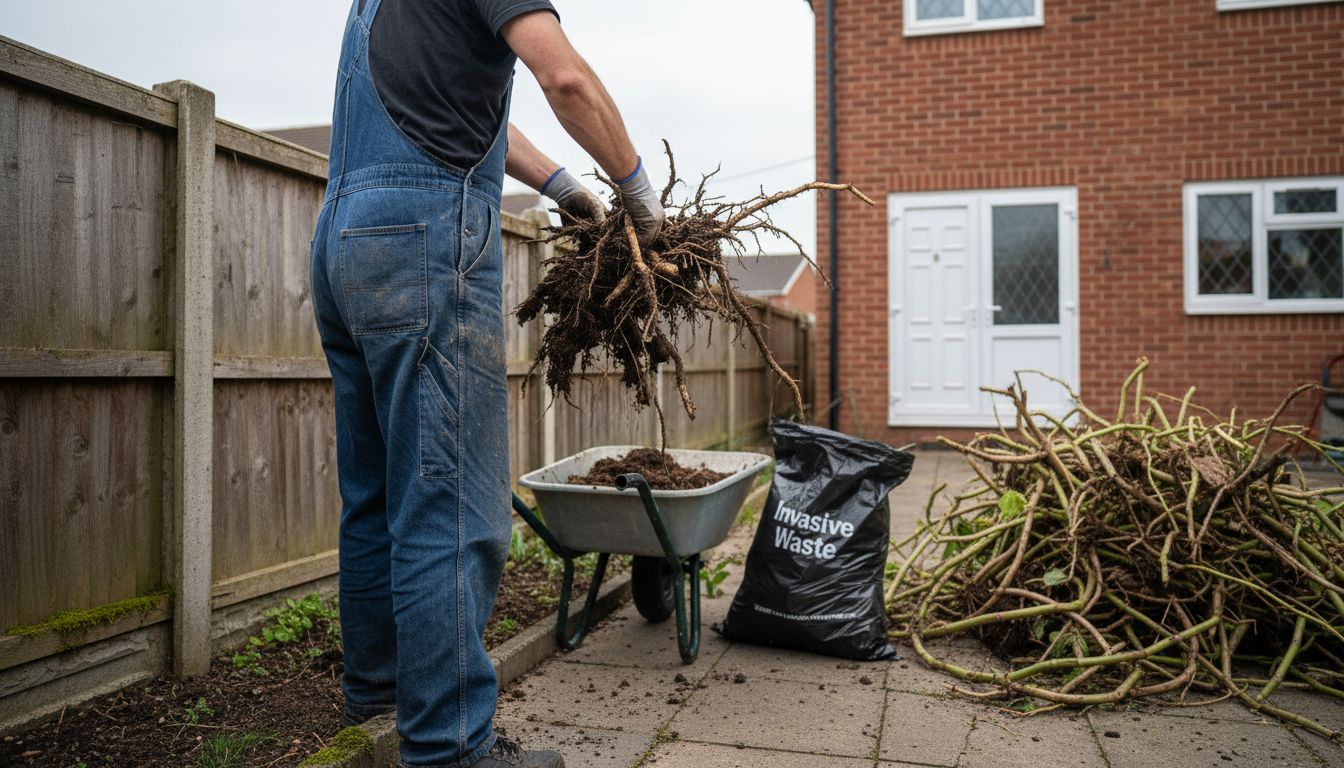
Remember that proper disposal of knotweed material is legally mandated. All excavated plant material must be handled as controlled waste, typically requiring specialized treatment to prevent potential regrowth. By meticulously preparing your site, you significantly reduce the risk of future knotweed propagation and protect your property from potential structural damage.

Step 3: Select and Source the Appropriate Root Barrier

Choosing the right root barrier is critical for effectively containing Japanese knotweed and preventing its destructive spread. UK Government guidance emphasizes selecting barriers with specific performance criteria to ensure long-term containment of underground growth.

When sourcing a root barrier, prioritize materials with high tensile strength and exceptional durability. Look for high-density polyethylene (HDPE) barriers that are at least 1 millimeter thick, capable of withstanding potential rhizome penetration. Ensure the barrier extends a minimum of 3 meters deep and creates a complete seal around the contaminated area. Professional installation is recommended to guarantee proper overlap and sealing of barrier sections, preventing any potential escape routes for knotweed rhizomes.

root barrier installation

Pro Tip: Always request certification and testing documentation for your root barrier to verify its effectiveness against Japanese knotweed penetration.

Before finalizing your selection, consult with a knotweed management specialist who can assess your specific site conditions and recommend the most appropriate barrier type. Different soil compositions and topographical features can impact barrier performance, so personalized expert advice is crucial for achieving comprehensive knotweed control.

Step 4: Install the Knotweed Root Barrier Effectively

Installing a root barrier requires precision and careful execution to prevent Japanese knotweed from spreading. UK Government guidance provides critical insights into the best practices for creating an impenetrable containment system that stops knotweed growth.

Begin by excavating a trench that extends at least 3 meters deep around the contaminated area, ensuring the sides are smooth and free from sharp objects that could puncture the barrier. Carefully unroll the high-density polyethylene barrier, making sure there are no wrinkles or gaps that could compromise its integrity. Overlap barrier sections by at least 300 millimeters and use specialized welding techniques or approved joining materials to create a continuous seal. When backfilling the trench, use fine soil or sand initially to prevent potential damage to the barrier from rocks or debris.

Pro Tip: Hire a certified knotweed management professional to ensure the root barrier is installed with maximum precision and effectiveness.

After installation, conduct a thorough visual inspection to verify the barrier’s completeness and integrity. Consider installing monitoring points to track any potential future growth and ensure your containment strategy remains successful over time. Remember that proper installation is your first line of defense against the aggressive spread of Japanese knotweed.

Step 5: Verify Barrier Integrity and Ensure Ongoing Protection

After installing your knotweed root barrier, continuous monitoring becomes crucial to maintain its effectiveness. UK Government guidance recommends establishing a systematic inspection schedule to detect and address any potential breaches or regrowth quickly.

Conduct quarterly visual inspections of the entire barrier perimeter, looking for signs of damage such as punctures, soil settling, or vegetation emerging near the barrier edges. Use specialized monitoring points installed during the barrier placement to track underground movement and potential rhizome activity. Document each inspection meticulously, recording the date, condition of the barrier, and any observations that might indicate compromised containment. Digital photographs can provide an excellent record of the barrier’s condition over time, helping you track subtle changes that might go unnoticed during quick visual assessments.

Pro Tip: Consider professional annual inspections by a certified knotweed management specialist to ensure comprehensive monitoring beyond your regular checks.

Remember that ongoing vigilance is your most powerful tool in preventing knotweed spread. Any signs of potential barrier failure or new growth should trigger immediate professional assessment and potential remediation. Your proactive approach will protect your property from the destructive potential of Japanese knotweed.

Infographic illustrating knotweed root barrier assessment, installation, and monitoring steps

Secure Your Property Against Japanese Knotweed with Expert Root Barrier Solutions

Japanese knotweed’s underground rhizomes can cause serious and costly damage if not contained properly. This article highlights the critical need for thorough site preparation, precise root barrier installation, and ongoing monitoring to prevent regrowth. If you are facing the challenge of stubborn knotweed or want to protect your investment from structural harm, the root barrier approach described requires expert knowledge and professional execution.

At Japanese Knotweed Agency, we specialize in chemical free eradication and provide high quality root barrier installations tailored to your property’s specific needs. With our pioneering electrical treatment technology and dedicated excavation services, we target the knotweed rhizome network effectively while minimizing environmental impact. Our comprehensive surveys across England, Wales, and Ireland ensure no infestation goes undetected, guiding precise and lasting solutions.

https://japaneseknotweedagency.co.uk

Do not let knotweed spread unchecked. Visit Japanese Knotweed Agency now to arrange a professional survey or ask about our certified root barrier installations. Take control today to protect your property’s value and prevent costly damages tomorrow.

Frequently Asked Questions

How can I assess a property for Japanese knotweed risks?

Identifying knotweed risks involves a thorough visual inspection of the property and its surroundings. Look for bamboo-like stems, especially in disturbed areas like construction sites, and use resources like predictive models for localized risks.

What steps should I take to prepare a site for a knotweed root barrier?

Start by completely clearing the area of all visible knotweed plants and their roots. Ensure you excavate the soil around the plants carefully to eliminate potential rhizome regrowth, and create a clear perimeter extending beyond the visible infested area.

What materials should I look for in a knotweed root barrier?

Choose barriers made from high-density polyethylene (HDPE) that are at least 1 millimeter thick, ensuring they are durable and capable of withstanding rhizome penetration. The barrier should extend at least 3 meters deep into the ground to effectively contain knotweed roots.

How do I properly install a knotweed root barrier?

To install the barrier, excavate a trench that is at least 3 meters deep around the affected area, ensuring smooth sides. Unroll the barrier without wrinkles, overlap sections by 300 millimeters, and use specialized techniques to seal all joints securely before backfilling with fine soil.

How often should I monitor the knotweed root barrier after installation?

Conduct quarterly inspections to check for signs of damage or regrowth around the barrier. Keep detailed records of your findings to quickly address any issues and ensure the barrier continues to perform effectively over time.

When should I consult a professional for knotweed management?

Engage a professional if you observe any signs of barrier compromise or unusual growth patterns near the root barrier. Regular professional assessments, ideally annually, can provide a higher level of monitoring and ensure lasting control against knotweed spread.