Glyphosate Ban UK

Glyphosate Ban UK?

威尔士入侵植物威胁及房产影响解析

许多威尔士房主在购房或办理再融资时,最担心的莫过于房产内发现日本葛藤等入侵植物。这些外来植物不仅会迅速扩散,还可能破坏地基与整体结构,造成高额维护费用甚至影响交易成功。根据威尔士政府规定,房主若未能妥善处理入侵植物,可能面临法律责任和经济处罚。本文将帮助您正确识别入侵植物风险和无化学处理方案,为您的房产保驾护航。

目录

关键要点

要点 细节
入侵植物对房产的影响重大 入侵植物不仅威胁本地生态,同时也可能导致房产贬值和交易受阻。
专业检测至关重要 房主应及时聘请专业团队进行入侵植物检测,避免潜在的财务和法律风险。
法律责任明确 房主对入侵植物的管理负有法律责任,未处理可能面临罚款和诉讼。
采用无化学控制方法 推荐使用物理和生物手段进行入侵植物管理,以确保生态友好和有效控制。

威尔士入侵植物现状与误区解析

威尔士入侵植物问题已成为房地产领域的严重挑战。根据威尔士政府发布的入侵非本地物种战略,这些外来植物不仅威胁本地生态系统,还会对房产价值造成显著影响。

目前,威尔士面临的入侵植物主要包括日本葛藤、大黄藤和喜马拉雅平衡树等。这些植物具有极强的生存能力,能够快速蔓延并破坏建筑基础。研究显示,日本葛藤每年以惊人的速度生长,能穿透墙体和地基,对房屋结构构成严重威胁。房主往往低估了这些植物的破坏力,认为它们仅仅是普通的杂草,这是最大的误区。

入侵植物对房产的影响不仅限于物理破坏。根据英国政府规定,房产中存在入侵非本地植物可能导致房屋交易被拒绝、保险拒赔,甚至面临法律诉讼。房主需要专业检测和及时处理,才能有效控制这些植物的蔓延风险。

专业提示在购房或房屋评估时,务必聘请专业的入侵植物调查机构,全面检查房产周边的植被情况,提前防范潜在风险。

主要入侵植物类型及核心特征

威尔士地区的入侵植物类型呈现多样性,对当地生态系统构成严重威胁。威尔士自然资源部门已经确认了十四种高风险入侵植物,其中最为突出的包括日本葛藤、喜马拉雅灰背婆罗门和大黄藤等。

这些入侵植物具有极其惊人的生长特征。以日本葛藤为例,它们每年可以生长高达10厘米,根系能够穿透混凝土和建筑基础,瞬间破坏房屋结构。喜马拉雅灰背婆罗门则以其快速蔓延的特性著称,能够在极短时间内覆盖大面积区域,迅速挤压本地植被。根据格温内斯地区入侵植物行动计划的研究,这些植物不仅破坏生态平衡,还会显著降低周边土地价值。

入侵植物的繁殖方式极其高效。它们通常通过根茎、种子和碎片快速传播,即便是极小的植物碎片也可能生根发芽。大黄藤和毒芹等植物尤其具有顽强的生存能力,能在各种恶劣环境中迅速建立生长群落。这些植物不仅影响本地生态系统,还会对农业生产和建筑安全造成巨大损失。

专业提示建议房主定期进行专业的植被调查,尤其是在购买房产前,全面评估周边环境中是否存在潜在的入侵植物风险。

下表总结了主要威尔士入侵植物的特征及其对房产和环境的典型影响:

入侵植物名称 生态危害 房产风险 控制难度
日本葛藤 抑制本地植被,快速蔓延 破坏地基,贬值交易受阻 极高,根系复杂
大黄藤 土壤侵占,生态失衡 增加建筑损毁费用 较高,需机械清除
喜马拉雅灰背婆罗门 区域扩散快,削弱多样性 威胁绿地及农田价值 高,需持续管理
毒芹 毒素污染,本地生物死亡 土壤处理成本提升 中,碎片易再生

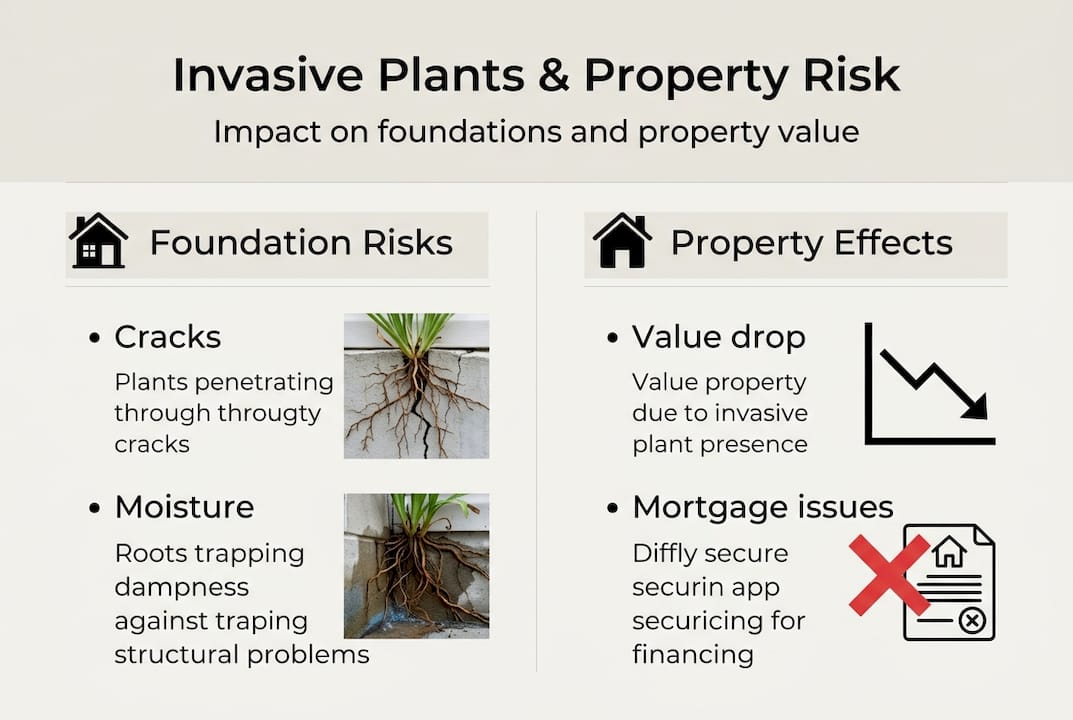
重点外来入侵物种及其对房产安全影响一览图

识别、检测与无化学控制流程

入侵植物的有效管理需要专业且系统的识别和控制流程。威尔士物种控制规范提供了全面的检测和控制指南,强调了无化学方法在植物管理中的重要性。

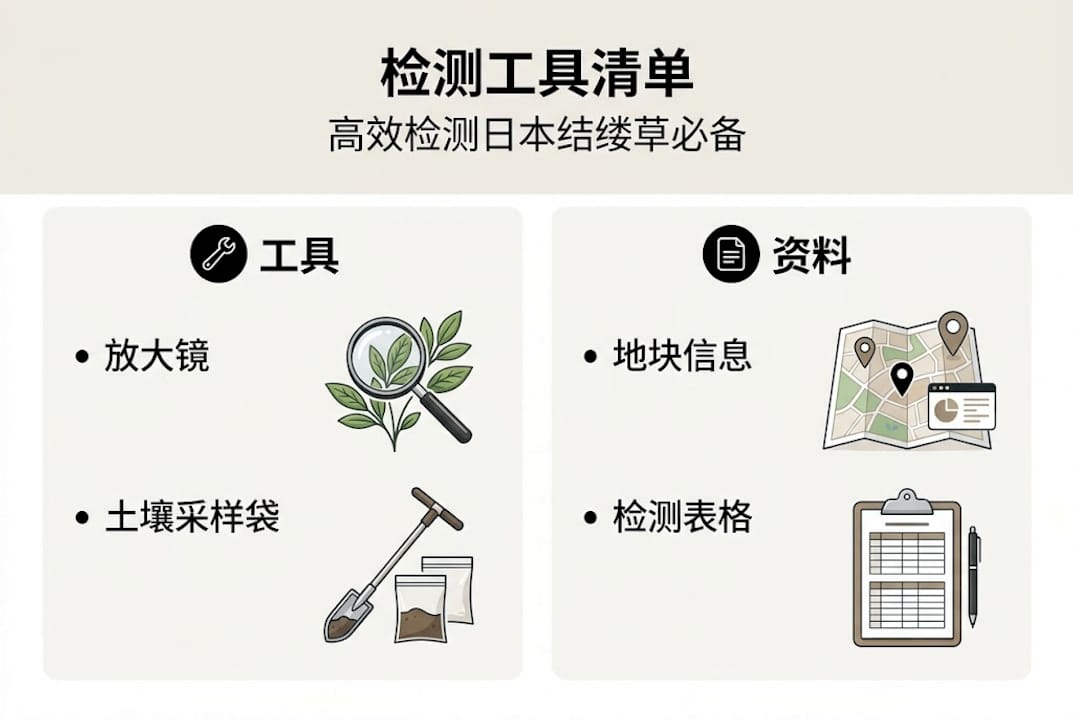
识别入侵植物需要专业的现场评估和详细的目视检查。专业技术人员通常会根据植物的生长特征、叶片形状、茎秆结构和生长速度进行综合判断。日本葛藤等常见入侵植物具有特定的形态特征,如竹子般中空的茎秆、心形叶片和快速蔓延的生长习性。除了目视检查,专业人士还会使用土壤取样和根系分析等技术,全面评估入侵植物的扩散范围和潜在威胁。

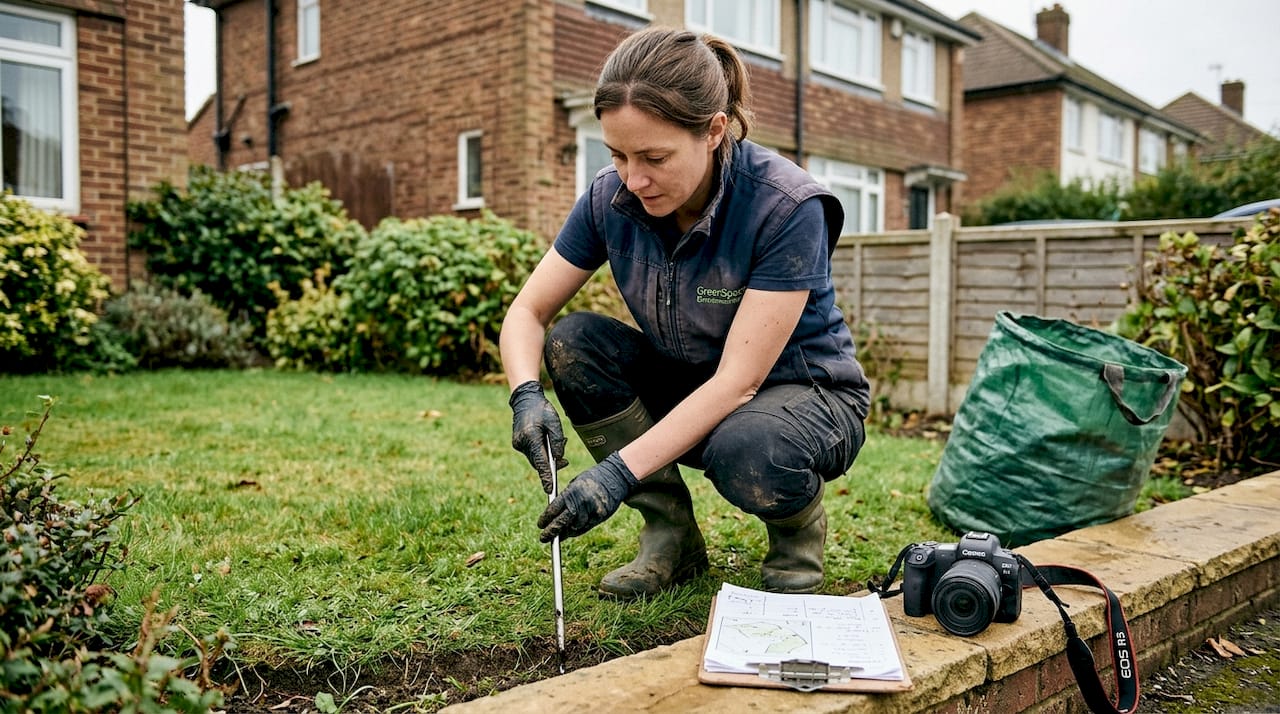
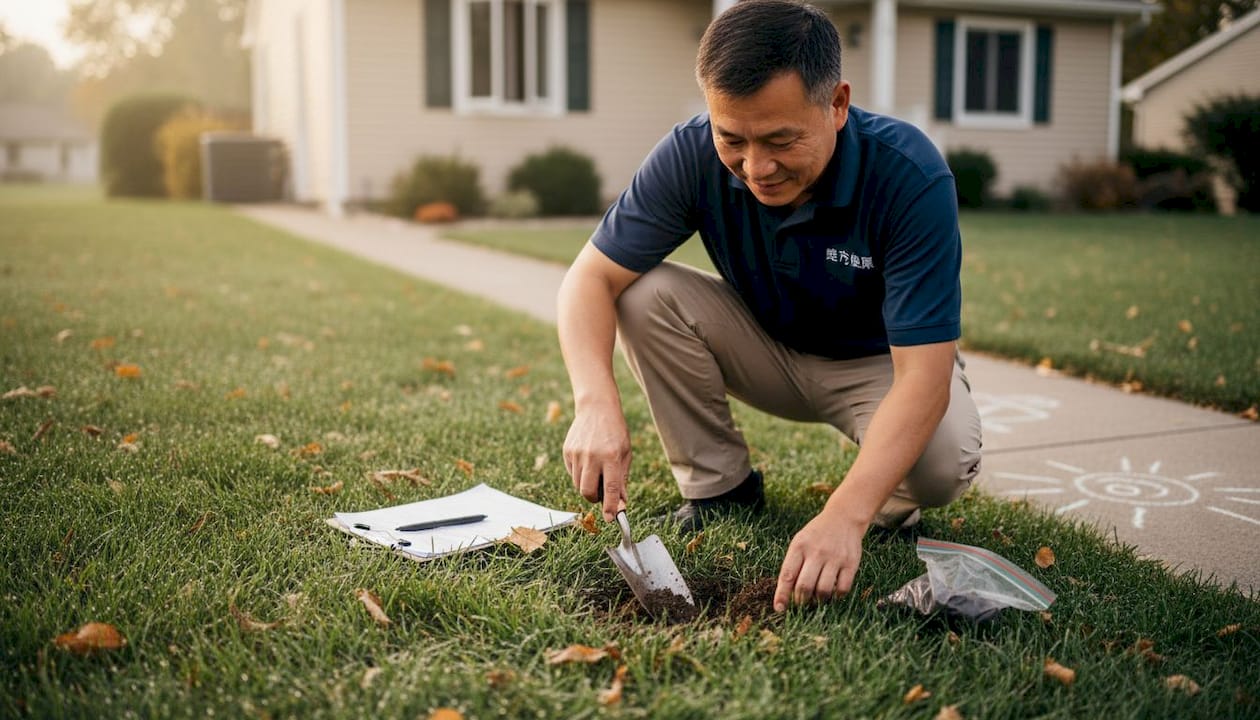
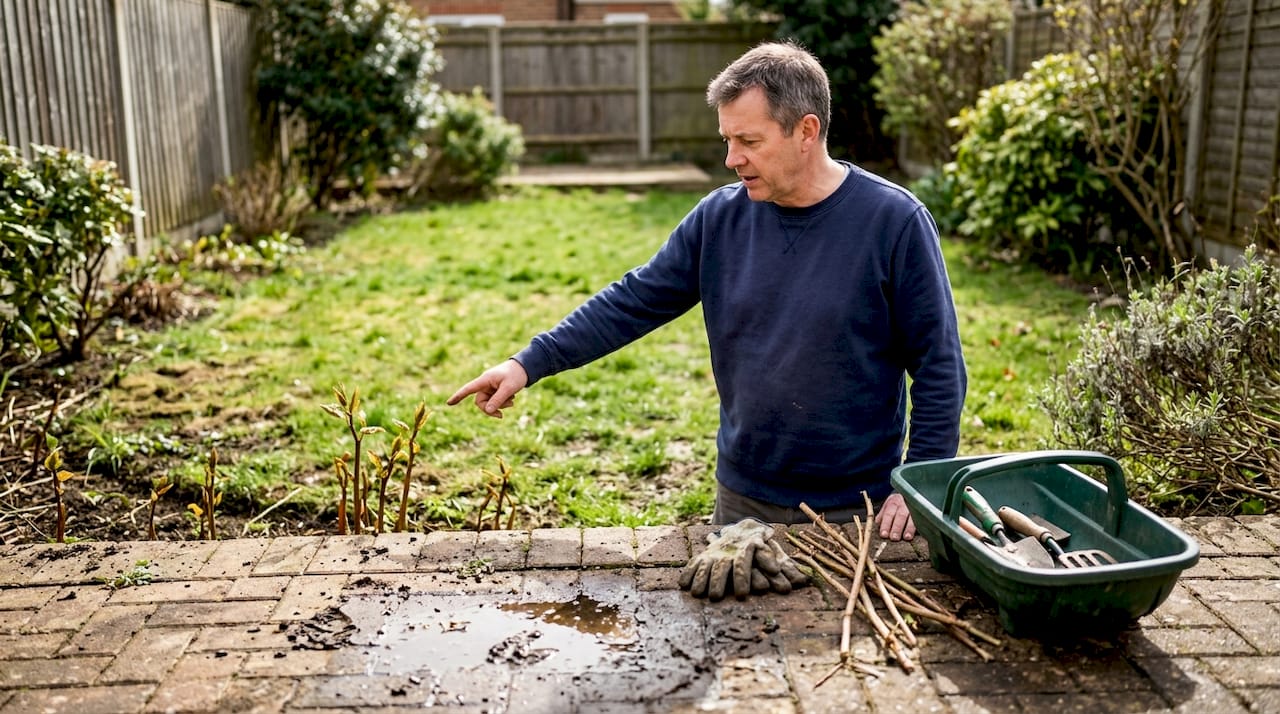
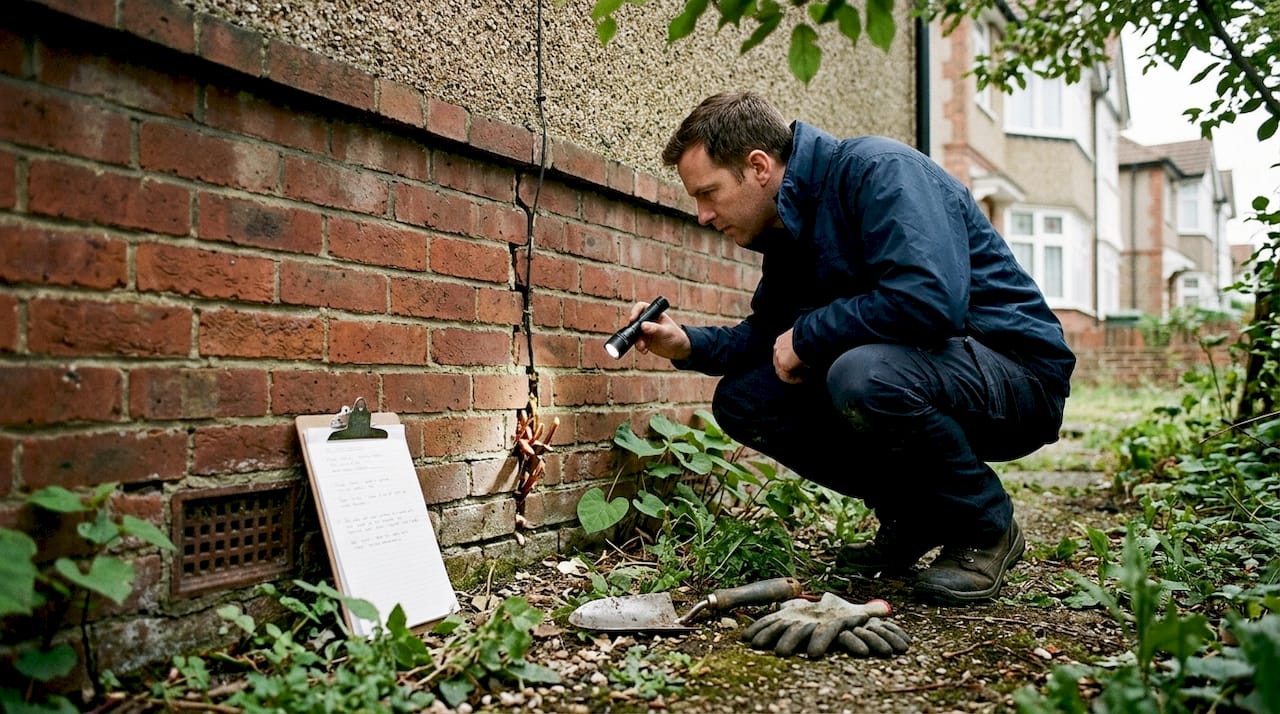
植物调查员在花园中发现了入侵性杂草。

威尔士生物多样性合作组织推荐的无化学控制方法主要包括物理清除和生态修复。这些方法通常包括人工拔除、机械破坏和生物控制。对于大面积入侵的情况,专业团队会使用特殊的挖掘设备,确保将植物的根系完全清除,防止其再生。同时,他们还会采取严格的污染土壤处理和植被隔离措施,防止入侵植物的进一步蔓延。

专业提示在进行入侵植物处理时,务必聘请持有专业资质的技术团队,并要求他们提供详细的检测报告和后续监控方案。

以下表格对比了无化学和化学方法在入侵植物管理中的实际应用差异:

管理方法 效果特点 环保性 适用场景
物理/生物控制 持续性好,需多次处理 高,对环境友好 住宅区、生态敏感地
化学药剂 见效快,副作用大 低,可能污染土壤 大面积严重入侵,农业用地

入侵植物对房产交易与融资影响

威尔士议会研究揭示了入侵植物对房地产市场的深远影响。入侵植物的存在可能直接降低房产价值,严重影响房屋交易和金融融资进程。

对于房产买卖,入侵植物会引发多重复杂问题。金融机构和保险公司通常会对存在入侵植物的房产进行严格评估,可能要求业主先进行植物清除,或直接拒绝提供贷款和保险服务。日本葛藤等入侵植物尤其会引起银行的高度警惕,因为它们可能对建筑基础造成严重破坏,导致房产价值急剧下降。

根据生态景观项目报告,虽然法律并未强制要求所有入侵植物必须清除,但房产交易中的尽职调查环节已经将入侵植物视为重要风险因素。房主在销售前必须如实披露入侵植物信息,否则可能面临法律诉讼和经济赔偿。专业的房产评估报告往往会详细记录入侵植物的分布范围,这直接影响房产估价和交易进程。

专业提示在房产交易前,务必进行专业的入侵植物调查,获取详细检测报告,这将有助于提升房产的市场吸引力和金融可融资性。

房主法律责任与合规应对措施

威尔士自然资源部门法规明确规定,房主对入侵植物的管理承担直接法律责任。这不仅仅是一个建议,而是法律强制要求,意味着房主必须积极预防和控制入侵植物的蔓延。

根据英国政府的法律规定,房主面临的主要法律责任包括:禁止在私有土地上传播受管控的入侵植物,必须采取合理措施防止植物扩散,并在发现入侵植物后及时采取处理措施。政府官方指导文件强调,违反这些规定可能面临严重的经济处罚,罚款金额可能高达数千英镑,甚至会引发民事诉讼。

合规应对的关键在于主动管理和专业处理。房主应该:首先进行专业的入侵植物调查,详细记录植物分布;其次聘请专业团队制定科学的清除方案;最后保留所有处理记录,以备potential法律检查。对于无法自行处理的情况,建议寻求专业机构的技术支持,确保符合法律要求。

专业提示保留所有入侵植物处理的书面记录和专业评估报告,这将成为未来房产交易中的关键合规证明文件。

威尔士入侵植物威胁加剧 选择专业化无化学治理保障您的房产安全

面对威尔士日益严峻的入侵植物问题 如日本葛藤等对房屋结构和房产价值的严重威胁 及时采取科学治理尤为关键 文章中提到的破坏性根系快速蔓延及法律合规风险 给房主带来极大压力 这正是专业入侵植物调查与无化学处理的价值所在

Japanese Knotweed Agency以创新的无化学电能技术深度破坏植物内部细胞 能有效根除日本葛藤及其他入侵物种 并提供根障安装和挖掘解决方案 确保根系不再反弹 我们还覆盖英格兰 威尔士及爱尔兰地区的房产入侵植物检测服务 保障您的房产交易安心合规

日本葛藤专业调查与治理是防止未来纠纷的第一步

https://japaneseknotweedagency.co.uk

立即选择Japanese Knotweed Agency解除入侵植物隐患 保障房产安全与升值潜力 预约专业检测和详细方案制定 让您的房产不再为入侵植物担忧

常见问题

入侵植物对房产的影响有哪些?

入侵植物会对房屋结构造成物理破坏,降低房产价值,并可能导致房屋交易被拒绝或保险拒赔。

如何识别威尔士常见的入侵植物?

可以通过观察植物的生长特征、叶片形状、茎秆结构等进行识别,同时建议进行专业的现场评估。

房主应该如何管理入侵植物?

房主应定期进行专业的入侵植物调查,采取科学的清除方案,并记录所有处理记录,以符合法律要求。

入侵植物是否会影响房产贷款或保险?

是的,存在入侵植物的房产通常会面临金融机构的严格评估,可能导致贷款和保险服务的拒绝。

推荐

Role of Government in Invasive Weed Control Today

Finding Japanese Knotweed in your garden can quickly turn excitement about a new home into worry about legal obligations and property value. Across England, Wales, and Ireland, invasive weeds threaten both biodiversity and personal investments, often requiring immediate action. This guide explains non-native invasive species and the governmental strategies designed to protect homeowners, focusing on eco-friendly methods and practical guidance for anyone seeking a chemical-free solution or official property assessment.

Table of Contents

Key Takeaways

Point Details
Understanding Invasive Weeds Invasive weeds, particularly non-native species, threaten biodiversity and agricultural productivity, necessitating government intervention.
Legal Responsibilities Property owners must adhere to strict legal obligations regarding the management of invasive species like Japanese Knotweed to prevent ecological damage and financial penalties.
Monitoring and Enforcement Authorities employ integrated strategies to monitor invasive species, using advanced techniques and collaboration to ensure effective control and management.
Eco-Friendly Control Methods Sustainable management approaches focus on non-chemical control methods, balancing environmental protection with effective invasive weed management.

Defining Invasive Weeds and Government Involvement

Invasive weeds represent a significant ecological challenge in the United Kingdom, requiring strategic governmental intervention and comprehensive management approaches. Non-native invasive species pose substantial risks to native biodiversity, agricultural productivity, and economic stability. The UK government has developed robust frameworks to address these environmental threats through coordinated national strategies.

The Great Britain Invasive Non-Native Species Strategy defines invasive weeds as plant species introduced from outside their natural geographical range that demonstrate potential to spread aggressively and cause significant ecological disruption. These plants typically exhibit rapid growth, high reproductive capabilities, and minimal natural predation in their new environments. Common examples include Japanese Knotweed, Himalayan Balsam, and Giant Hogweed, which can rapidly colonise landscapes and outcompete native vegetation.

Governmental responses to invasive weeds involve multilayered strategies centred on prevention, early detection, and systematic management. The GB Non-native Species Information Portal plays a crucial role by providing comprehensive monitoring and surveillance data to support policy decisions. Key governmental approaches include:

The following table compares characteristics of three common invasive weeds in the UK:

Invasive Weed Notable Impact Control Difficulty
Japanese Knotweed Causes structural damage Very challenging
Himalayan Balsam Disrupts riverbanks Moderately difficult
Giant Hogweed Toxic to humans/animals High, hazardous
  • Establishing legal frameworks restricting the introduction and spread of known invasive species
  • Developing comprehensive mapping and tracking systems
  • Funding research into ecological control methods
  • Providing guidance and support for landowners and local authorities
  • Implementing targeted eradication programmes

Pro tip: If you suspect invasive weeds on your property, contact local environmental authorities immediately to prevent potential spread and minimise ecological damage.

Managing Japanese Knotweed involves complex legal obligations that extend far beyond simple garden maintenance. Property owners face significant legal responsibilities when dealing with this highly invasive plant, which can cause substantial structural damage and impact property values. Japanese Knotweed legal requirements are stringent and designed to prevent ecological and economic harm.

Homeowner reviewing knotweed government notice letter

Under the Wildlife and Countryside Act legal provisions, property owners are legally obligated to prevent Japanese Knotweed from spreading to neighbouring lands. This means proactively managing the plant’s growth and implementing professional eradication strategies. Failure to control Japanese Knotweed can result in substantial financial penalties, potential civil litigation, and significant difficulties during property transactions.

The legal framework surrounding Japanese Knotweed management includes several critical responsibilities:

  • Preventing plant dispersal to adjacent properties
  • Reporting confirmed infestations to local authorities
  • Implementing professional removal or treatment programmes
  • Maintaining comprehensive documentation of control efforts
  • Disclosing knotweed presence during property sales

Key legislative requirements mandate that property owners take responsible action, which typically involves:

  1. Conducting professional surveys to confirm infestation
  2. Developing a comprehensive management plan
  3. Engaging certified removal specialists
  4. Obtaining necessary treatment certifications
  5. Maintaining ongoing monitoring and control

Pro tip: Always secure professional documentation and treatment certificates when managing Japanese Knotweed to protect yourself legally and financially.

How Authorities Monitor and Enforce Weed Control

Local and national authorities in the United Kingdom employ sophisticated strategies to monitor and control invasive weed populations across public and private lands. Integrated Weed Management strategies represent a comprehensive approach that combines multiple techniques to identify, assess, and manage potentially harmful plant species.

The monitoring process involves systematic surveying of landscapes, recording invasive plant distributions, and assessing potential ecological risks. Government agencies collaborate with environmental organisations to develop detailed mapping systems that track the spread of invasive weeds like Japanese Knotweed, Himalayan Balsam, and Giant Hogweed. These efforts rely on a combination of technological tools, professional expertise, and community reporting to maintain accurate and up-to-date information.

Key enforcement mechanisms include:

  • Conducting regular site inspections
  • Issuing legal notices to property owners
  • Implementing mandatory treatment programmes
  • Levying financial penalties for non-compliance
  • Developing collaborative removal strategies

Authorities utilise multiple control methods:

  1. Visual ground surveys
  2. Satellite and aerial imaging
  3. Volunteer reporting networks
  4. Professional ecological assessments
  5. Digital tracking and monitoring systems

Pro tip: Contact your local environmental health department if you suspect significant invasive weed presence, as early reporting can prevent widespread ecological damage.

Approved Control Methods and Eco-Friendly Alternatives

Invasive weed management in the United Kingdom requires a nuanced approach that balances environmental protection with effective control strategies. Non-chemical control methods have gained significant traction as environmentally responsible alternatives to traditional herbicide treatments, offering sustainable solutions for landowners and environmental managers.

Infographic outlining government weed control actions

The approved control methods encompass a range of techniques designed to minimise ecological disruption while effectively managing invasive plant populations. These approaches include manual removal, which involves physically extracting plant systems, repeated cutting to deplete plant energy reserves, and strategic barriers that prevent plant spread. Biological control methods leverage natural predators or competitive plant species to limit invasive weed growth, providing a more holistic approach to ecosystem management.

Key eco-friendly control strategies include:

Here is a summary of eco-friendly weed control methods and their environmental benefit:

Method Environmental Advantage
Manual extraction No chemical residues left on site
Repeated cutting/mowing Preserves soil quality and local species
Biological controls Supports ecosystem balance
Thermal techniques Avoids herbicide contamination
  • Manual extraction and root system removal
  • Repeated cutting and mowing
  • Covering and smothering techniques
  • Biological control through competitive planting
  • Thermal treatment methods
  • Prevention through landscape management

Professional approaches typically combine multiple techniques:

  1. Initial comprehensive site assessment
  2. Targeted removal strategies
  3. Ongoing monitoring and management
  4. Ecosystem rehabilitation
  5. Preventative landscape design

Pro tip: Consult professional ecological experts to develop a tailored, environmentally sensitive invasive weed management plan specific to your property’s unique characteristics.

Financial Support and Penalties for Non-Compliance

The United Kingdom’s approach to invasive species management combines robust legal frameworks with financial mechanisms designed to encourage compliance and environmental responsibility. Invasive Alien Species enforcement represents a comprehensive strategy that balances punitive measures with supportive interventions for property owners and land managers.

The legal landscape surrounding invasive weed management includes significant financial consequences for non-compliance. Penalties can range from substantial monetary fines to potential criminal prosecution, with maximum sentences of up to two years imprisonment for severe breaches. These strict measures reflect the government’s commitment to protecting ecological systems and preventing the spread of destructive invasive plant species.

Key financial implications include:

  • Substantial on-the-spot fines for non-compliance
  • Potential legal prosecution costs
  • Mandatory remediation expenses
  • Property value depreciation
  • Environmental restoration charges
  • Potential criminal record implications

Financial support and penalty structures typically involve:

  1. Initial warning and compliance notices
  2. Escalating financial penalties
  3. Mandatory professional intervention costs
  4. Potential legal proceedings
  5. Long-term environmental restoration requirements

Pro tip: Maintain comprehensive documentation of invasive species management efforts to protect yourself from potential financial penalties and demonstrate proactive environmental responsibility.

Take Control of Invasive Weeds with Expert, Chemical-Free Solutions

The growing role of government regulations in invasive weed management places a crucial responsibility on property owners to act swiftly and decisively. If you are facing the challenges of Japanese Knotweed or other invasive plant species, you understand the risks of structural damage, legal penalties, and environmental harm. The complexity of legal obligations such as prevention of spread and professional treatment requirements means that expert help is not optional but essential.

https://japaneseknotweedagency.co.uk

Japanese Knotweed Agency specialises in pioneering chemical-free eradication techniques designed to meet stringent government standards. Our advanced direct energy treatment delivers up to 5000 volts onsite, targeting the root rhizome network effectively while protecting your property and the environment. Beyond treatment, we provide comprehensive property surveys and install root barriers to prevent reinfestation. Don’t wait for enforcement action or financial penalties. Take proactive steps now by visiting Japanese Knotweed Agency to secure your property and comply confidently with UK invasive species legislation.

Frequently Asked Questions

What are invasive weeds and why are they a concern?

Invasive weeds are non-native plant species introduced from outside their natural range that can spread aggressively and disrupt local ecosystems. They threaten native biodiversity, agricultural productivity, and economic stability.

How does the government monitor invasive weed populations?

Governments employ systematic surveying, mapping systems, and collaboration with environmental organisations to monitor invasive weed distributions. They use a combination of technology, visual inspections, and community reporting to maintain accurate data.

Property owners must prevent Japanese Knotweed from spreading to neighbouring properties, report infestations to local authorities, engage professional removal services, and maintain documentation of their control efforts.

What eco-friendly control methods are available for managing invasive weeds?

Eco-friendly methods include manual removal, repeated cutting, biological control through competitive planting, and thermal treatment techniques. These strategies aim to minimise ecological disruption while effectively managing invasive plant populations.

7条房产主必知入侵植物处理建议,安全无化学方案

在英国购置或管理房产时,入侵植物带来的隐患常常让人措手不及。许多非本地植物如日本虎杖、喜马拉雅婆婆纳,不仅扩散迅速,还会损害建筑地基并引发法律责任。应对这些威胁,需要你提前识别风险、了解有效治理方法,并把握相关法律动态。接下来,你将获得专为房产主准备的实用知识,涵盖识别入侵植物、评估损害、采用创新技术和合规管理的具体步骤。每项经验都直接关系到你的房产安全和资产价值,一旦错过可能将付出高昂代价。准备好发现一套系统、可操作的防范方案,让你的房产远离入侵植物危害。

目录

快速总结

关键建议 说明
1. 定期进行专业检查 定期对房产进行入侵植物风险评估,及早发现潜在威胁,降低处理成本。
2. 选择环保技术处理 使用电流除草技术,避免化学药品污染,深度清除顽固植物根系,保障环境安全。
3. 安装根障墙防止扩散 根障墙能有效阻止入侵植物根系扩散,保护建筑基础,建议聘请专业团队安装。
4. 建立长期监测计划 通过系统性的追踪机制,持续监测和管理入侵植物,防止其蔓延,维护房产价值。
5. 了解相关法律法规 在购房时需了解入侵植物法律要求,确保交易合规,避免潜在法律风险和损失。

1. 了解英国常见入侵植物种类与风险

入侵植物不仅仅是园艺烦恼,更可能严重影响您的房产价值和生态环境。根据园艺学会研究,英国存在多种危害性极高的非本地植物,它们以惊人的速度蔓延,对本地生态系统构成重大威胁。

英国最常见的入侵植物包括日本虎杖、喜马拉雅婆婆纳和巨型猪笼草。这些植物具有极强的生存能力,能快速穿透建筑地基,迅速蔓延并破坏周边环境。入侵非本地植物种类研究显示,这些植物不仅会降低生物多样性,还会造成显著的经济损失。

入侵植物的风险主要体现在三个方面:

生态破坏:它们会迅速取代本地植物,严重干扰原有生态平衡。

建筑损害:强大的根系能穿透混凝土和地基,造成严重的结构性损坏。

法律风险:英国法律明确规定,房产主有责任控制和清除这些入侵植物,否则可能面临严重的法律和经济责任。

房产主需要警惕这些入侵植物的危害,及时识别和管理。专业的入侵植物风险评估可以帮助您提前发现潜在威胁,保护房产安全。

专业建议定期对房产进行专业入侵植物检查,越早发现处理成本越低。

2. 评估入侵植物对房产影响及后果

入侵植物对房产的影响绝不仅仅是一个简单的园艺问题,而是可能导致严重的财产价值和结构安全风险。房产主必须全面了解这些植物可能造成的潜在破坏。

入侵植物最显著的房产影响体现在三个关键领域:

结构损害:强大的根系可以穿透建筑地基、排水系统和墙体,造成长期且昂贵的修复成本。某些入侵植物的根系可在短短几年内扩散数米,严重威胁建筑完整性。

房产价值下降英国入侵植物政策对房产交易的影响表明,存在入侵植物的房产价值可能下降15%至40%。潜在买家会因担心修复成本而望而却步。

法律责任:房产主有法律义务控制和清除入侵植物。未能及时处理可能导致邻居索赔、政府罚款,甚至面临法律诉讼。

评估入侵植物风险需要专业的全面检查。建议房产主定期进行专业调查,及早识别潜在威胁,制定有效的预防和清除策略。

专业建议在购买或出售房产前,务必进行专业的入侵植物风险评估,这可以为您挽回数千英镑的潜在损失。

3. 实施无化学药品电流处理技术

传统除草方法已经成为过去。现代房产主正在转向更环保、更高效的电流除草技术,这是一种革命性的无化学药品处理方案。

电流除草技术的工作原理非常精妙。通过高电压瞬时击穿杂草细胞,这种方法能够直接破坏植物的生命系统,尤其对日本虎杖等顽固性入侵植物极其有效。

这种技术的显著优势包括:

环境友好:完全不使用任何化学药品,避免对周边生态系统造成污染。

深度清除:能够深入破坏植物根茎系统,防止重新生长。

安全高效:对人类和动物无害,同时能快速有效地清除入侵植物。

实施电流除草技术需要专业设备和精准的操作。建议房产主联系专业除草服务机构,进行全面的入侵植物评估和处理。

专业建议选择电流除草技术时,务必请具备专业资质的团队进行操作,确保处理效果和安全性。

4. 安装根障墙防止根系扩散

入侵植物的根系破坏力远超大多数房产主的想象。根障墙技术为保护建筑基础和周边环境提供了一道关键的防线,能有效阻止根系蔓延。

根障墙产品专业防护方案主要由高密度聚乙烯材料制成,具有以下关键特点:

材料优势:高强度聚乙烯确保长期耐用,产品使用寿命可达25年以上。

安装灵活性:可以垂直或水平安装,适应不同地形和建筑环境。

全面防护:有效阻隔日本虎杖等顽固入侵植物的根系扩散,保护建筑基础、管线和铺装。

安装根障墙是一项专业的技术工程。建议房产主聘请专业团队进行现场评估和精确安装,确保根障墙的有效性和长期防护。

专业建议根障墙安装前必须进行详细的地质和植被调查,确定最佳防护范围和安装方案。

5. 制定长期监测和管理计划

入侵植物防治不是一蹴而就的工作,而是需要持续专业的长期监测和管理。只有建立系统性的追踪机制,才能有效控制入侵植物的蔓延风险。

英国非本地入侵物种治理战略强调了长期监测的关键性。一个全面的管理计划应包括:

定期检查:每季度对房产进行专业入侵植物风险评估,及时发现潜在问题。

数据记录:详细记录植物生长状况、扩散范围和治理措施,为后续管理提供依据。

专业咨询:定期邀请生态专家进行现场诊断,制定个性化的防治方案。

房产主应将入侵植物管理视为一项长期投资。及时发现和控制不仅能保护房产价值,还能避免未来可能产生的高额修复成本。

专业建议建立电子档案记录房产入侵植物变化情况,并设置年度专业评估提醒,保持持续vigilance。

6. 专业机构入侵植物调查与报告

入侵植物调查不仅仅是简单的目测,而是需要专业生态团队进行系统性的科学评估。面对潜在的生态和房产风险,房产主必须重视专业机构的调查报告。

专业入侵植物生态调查通常包括以下关键环节:

现场勘查:对房产进行全面细致的实地调查,识别入侵植物种类和分布范围。

历史数据分析:查阅地图和历史记录,追踪入侵植物的发展轨迹和潜在扩散风险。

风险评估报告:提供详细的技术报告,包括植物种类鉴定、生态风险分析和推荐的处理方案。

专业调查报告不仅能帮助房产主了解潜在风险,还为后续的治理和法律合规提供关键依据。建议选择具有相关资质和丰富经验的生态调查机构。

专业建议请选择具备生态学背景和官方认证的专业机构进行入侵植物调查,确保评估报告的专业性和可靠性。

7. 购房和再抵押时注意相关法律规定

房地产交易中的入侵植物问题远比多数购房者想象的复杂。了解相关法律规定不仅能保护您的投资,还能避免未来可能面临的法律纠纷。

英国野生动物与乡村法规定对入侵植物有严格的法律要求:

卖方披露义务:必须如实告知物业内是否存在入侵植物及其潜在风险。

买方尽职调查:在交易前需进行专业的入侵植物风险评估,确保了解潜在法律和财务风险。

金融机构要求:大多数贷款机构要求提供专业的治理计划和保险证明,作为放贷的前提条件。

违反这些规定可能导致交易失败、法律诉讼甚至面临巨额赔偿。购房者务必谨慎对待入侵植物问题,委托专业机构进行全面评估。

专业建议在签署任何房地产交易文件前,务必要求出具详细的入侵植物风险评估报告。

以下是对文章主要内容的综合总结表。

主题 要点 建议
入侵植物的定义及危害 非本地植物种类可能造成生态破坏、建筑损害及法律风险。 房产主应及时进行相关风险评估与管理。
常见入侵植物种类 日本虎杖、喜马拉雅婆婆纳、巨型猪笼草等。 优先采取措施控制这些植物的扩散。
建筑防护技术 根障墙和先进技术防止植物根系对建筑基础的损害。 聘用专业团队进行安装,确保防护效果持久。
电流除草技术 通过高电压击穿植物细胞以彻底清除。 采用无化学品、环保方式,并咨询专业团队实施。
长期监测与管理计划 定期检查植物分布、建立详细记录,并依靠专业意见制定策略。 审慎管理确保房产安全与生态平衡。
房地产交易中的法律要求 交易时需明确告知入侵植物相关信息并准备治理计划。 定期更新风险评估报告,以满足法律与金融机构的要求。

立即行动保护您的房产 避免入侵植物带来的隐患

文章详细揭示了入侵植物对英国房产价值和结构安全的严重威胁以及传统化学处理方法的局限性 您是否正在为日本虎杖等顽固入侵植物的根系破坏担忧?是否想寻找一种安全无化学污染又能深度根除的高效方案?

Japanese Knotweed Agency 作为行业先锋 提供创新的无化学电流处理技术 通过高达5000伏的能量直接破坏植物细胞 彻底清除顽固入侵植物同时保障周围环境安全 我们还专业安装高质量的根障墙 有效阻止根系扩散 并提供覆盖英格兰 威尔士及爱尔兰地区的全面入侵植物调查服务

https://japaneseknotweedagency.co.uk

不要让入侵植物成为您房产的隐形杀手 立即访问Japanese Knotweed Agency官网 获取专业检测和无化学处理方案 定制属于您的长期监控和防护计划 为您的家和投资筑牢绿色屏障 让专业团队帮您早发现 早治理 避免未来高额维修费用和法律风险

常见问题解答

如何识别房产中的入侵植物?

要识别房产中的入侵植物,首先需要定期对周围植物进行观察,特别关注快速生长并显著不同于本地植物的种类。可以记录它们的特征和生长环境,以便及时采取措施处理。

如何评估入侵植物对房产的影响?

评估入侵植物的影响需进行全面的现场检查,尤其关注植物的根系对建筑基础和管线的潜在破坏。建议安排专业的评估以制定有效的治理方案,减少房产损失。

什么是电流除草技术,如何实施?

电流除草技术是一种通过高电压瞬时击穿植物细胞来去除入侵植物的方法。建议联系专业服务团队实施此技术,以确保安全有效,并防止植物再生。

如何制定长期的入侵植物管理计划?

应定期进行入侵植物检查,记录植物的生长状况及扩散范围。制定管理计划时,可以包括每季度的专业评估和数据记录,以确保及时发现潜在问题,意味着持续监测是维护房产安全的关键。

如何选择合适的专业机构进行入侵植物调查?

选择专业机构时,确保其具备生态学背景和相关认证,并询问其以往调查的成功案例。可以邀请专业团队进行现场勘查,以便获得详细的风险评估报告。

推荐

7 Top Knotweed Myths Debunked for UK Homeowners

Hearing about Japanese knotweed on your property can spark real anxiety. With its reputation for causing trouble, it’s easy to get swept up in stories that make the problem seem impossible to solve. Sorting out fact from fiction is vital if you want to protect your home, wallet, and peace of mind.

This guide clears up the most common myths holding homeowners back. You’ll discover practical truths about treatment, sale requirements, and the real risks to your property—straight from reliable sources. Be ready to spot costly misunderstandings before they spiral, and gain the knowledge to handle Japanese knotweed with confidence.

Table of Contents

Quick Summary

Takeaway Explanation
1. Chemical treatments aren’t the only solution Modern ecological approaches effectively manage Japanese knotweed with targeted energy treatments, minimising harsh chemicals.
2. Early detection reduces structural damage risk Identifying knotweed early helps mitigate potential foundation issues by allowing for prompt professional intervention.
3. Complete removal is challenging Japanese knotweed can regenerate from small root fragments, so multiple treatments and ongoing monitoring are essential for control.
4. Disclosing knotweed is mandatory when selling Homeowners must report Japanese knotweed on property sales to avoid legal consequences and potential reduction in property value.
5. Knotweed can be identified by visual clues Homeowners can learn to spot Japanese knotweed by its unique characteristics, enabling early intervention before extensive damage occurs.

1. Myth 1: Japanese Knotweed Can’t Be Treated Without Chemicals

Many homeowners believe Japanese knotweed is an unbeatable plant that can only be controlled through harsh chemical treatments. However, this widespread misconception is far from the truth. Modern ecological approaches have developed innovative methods for managing this invasive species without relying solely on herbicides.

Contrary to popular belief, chemical treatments are not the only solution for Japanese knotweed control. Professionals now employ advanced techniques like targeted energy treatments that can effectively manage and eradicate knotweed without extensive chemical applications. These methods involve precise interventions that target the plant’s complex root system directly.

The key to successful knotweed management lies in understanding its growth patterns and employing strategic approaches. While traditional herbicide treatments typically require multiple years of repeated applications, alternative methods can provide more sustainable and environmentally friendly solutions. These techniques focus on disrupting the plant’s energy resources and preventing its aggressive spread.

Professional knotweed removal requires a comprehensive approach that considers the specific characteristics of the site, the extent of infestation, and the potential for regrowth. Experienced specialists can assess the most effective treatment strategy, which may include a combination of mechanical and targeted energy interventions.

Expert tip: Always consult a professional knotweed specialist who can provide a tailored treatment plan specific to your property’s unique conditions and infestation level.

2. Myth 2: Knotweed Always Damages Home Foundations

Homeowners often panic at the mere mention of Japanese knotweed, believing it will inevitably destroy their property’s foundations. While knotweed can potentially cause structural issues, the reality is far more nuanced than this widespread misconception suggests.

Japanese knotweed does not automatically guarantee catastrophic foundation damage. Instead, it seeks paths of least resistance, typically infiltrating existing structural weaknesses. The plant’s root system can expand through small cracks and weak points in buildings, but total foundation destruction is relatively rare when early detection and professional management occur.

The actual risk depends on several critical factors including the knotweed’s age, proximity to structures, duration of infestation, and the specific condition of your property’s foundations. Some buildings might experience minimal impact, while others could face more significant challenges. Professional assessment remains crucial for understanding your specific situation.

Prevention and early intervention are key strategies for protecting your property. Regular property inspections, maintaining structural integrity, and addressing any existing foundation cracks can significantly reduce potential knotweed related risks. Proactive management helps mitigate potential damage before it becomes a serious concern.

Expert tip: Have a professional survey conducted at the first sign of knotweed to assess potential risks and develop a targeted management strategy.

3. Myth 3: Removing Knotweed Means It’s Gone for Good

Many UK homeowners mistakenly believe that physically removing Japanese knotweed eliminates the problem permanently. However, this dangerous misconception can lead to significant ongoing challenges for property owners who do not understand the plant’s remarkable resilience.

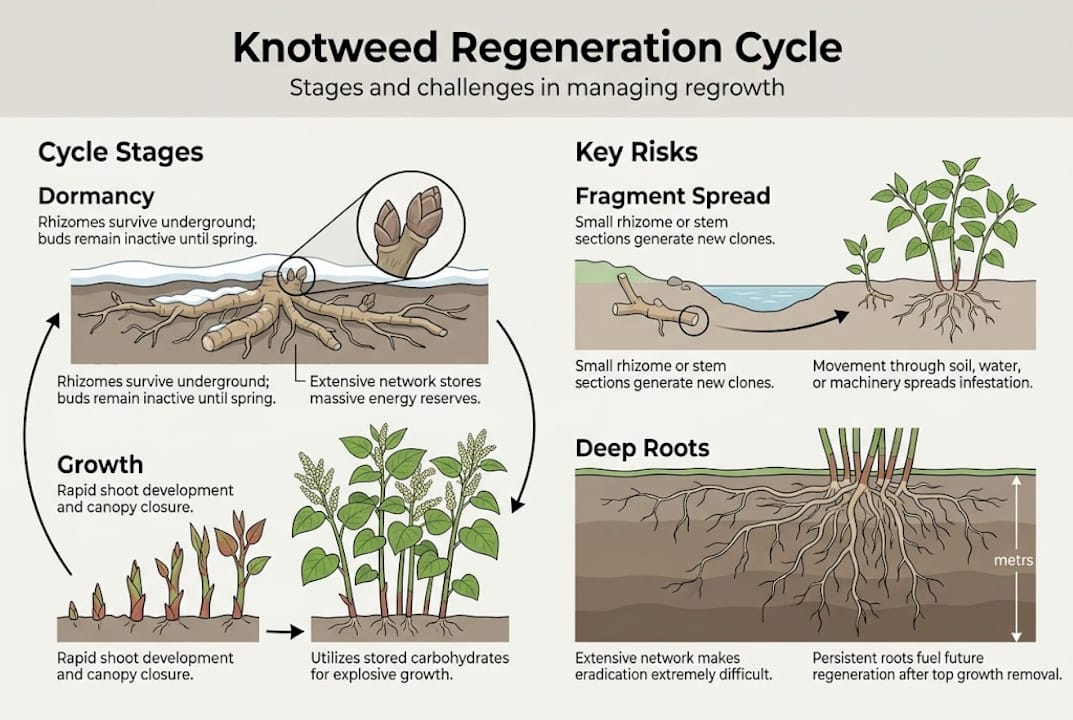
Japanese knotweed possesses an extraordinary ability to regenerate from tiny root fragments, making complete eradication extremely challenging. Dormant rhizomes can survive underground for several years, waiting for optimal conditions to regrow. Even minimal disturbance or soil movement can trigger new growth, rendering simple removal ineffective.

Successful knotweed management requires a comprehensive and sustained approach. Professional treatment typically involves multiple years of carefully monitored interventions, including targeted energy treatments, root barrier installations, and ongoing surveillance. Homeowners must understand that a single removal attempt does not guarantee the plant will not return.

The complex root system of Japanese knotweed can spread extensively underground, often extending several metres from the visible plant. This means that even apparently complete removal might leave behind microscopic root fragments capable of regenerating and creating new infestations. Professional assessment and long term management are crucial for truly controlling this persistent plant.

Expert tip: Always engage a professional knotweed specialist who can provide a comprehensive management plan that includes multiple follow up inspections and treatments.

4. Myth 4: You Can Sell Your Home If Knotweed Is Present

Many homeowners mistakenly believe they can simply sell their property without addressing a Japanese knotweed infestation. This dangerous assumption can lead to significant legal and financial complications during the property sales process.

Contrary to popular belief, you cannot sell a home with Japanese knotweed without taking specific steps. Property sales require full disclosure of knotweed presence on the TA6 Property Information Form. Failing to disclose this information can result in potential legal action and substantial financial penalties.

Mortgage lenders are extremely cautious about properties with Japanese knotweed. Most will require a comprehensive treatment plan and insurance backed guarantee before approving a mortgage. This means that untreated knotweed can dramatically reduce your property’s marketability and potentially decrease its value by up to 10 percent.

To successfully sell a property with Japanese knotweed, you must engage a professional knotweed removal specialist who can provide a detailed treatment plan. This plan should include a comprehensive survey, proposed treatment method, and an insurance backed guarantee that will reassure potential buyers and mortgage providers.

Expert tip: Obtain a professional knotweed survey and treatment plan before listing your property to avoid potential sale delays and financial complications.

5. Myth 5: All Knotweed Treatments Work the Same Way

Homeowners often assume that treating Japanese knotweed is a straightforward process with universal solutions. In reality, each knotweed infestation requires a nuanced and carefully tailored approach that considers multiple environmental and structural factors.

Different treatment methods can have dramatically varied outcomes depending on specific site conditions, infestation severity, and proximity to structures. Chemical free treatment techniques represent a sophisticated alternative to traditional herbicide applications, targeting the plant’s complex root network through precision energy interventions.

Successful knotweed management demands a comprehensive understanding of the plant’s biological characteristics. Some treatments focus on surface elimination, while advanced methods aim to disrupt the extensive underground rhizome network. Professional assessment becomes crucial in determining the most effective strategy for complete eradication.

The location of knotweed growth plays a significant role in treatment selection. Infestations near building foundations require different approaches compared to those in open landscapes. Factors like soil composition, moisture levels, and surrounding vegetation all influence the chosen treatment methodology.

Expert tip: Always engage a specialised knotweed professional who can conduct a thorough site assessment and develop a targeted treatment plan specific to your unique environmental conditions.

6. Myth 6: Knotweed Only Spreads During Summer

Many UK homeowners mistakenly believe Japanese knotweed only poses a threat during the visible summer growing season. This dangerous misconception can lead to unexpected and aggressive spread throughout the year.

Contrary to popular belief, knotweed spreads far beyond summer months. The plant’s underground rhizome network remains active year round, capable of generating new growth whenever soil conditions are disturbed. Even during winter when above ground vegetation appears dormant, the extensive root system continues to develop and potentially expand.

The remarkable resilience of Japanese knotweed means that a single fragment of root as small as 0.7 grams can regenerate into a completely new plant. Construction work, gardening activities, or soil movement can inadvertently trigger spread at any time of year. This makes year round vigilance critical for effective knotweed management.

Professional knotweed specialists understand that controlling this invasive species requires comprehensive strategies that address both visible growth and underground propagation. Seasonal changes do not limit the plant’s ability to survive and spread, making continuous monitoring essential for property owners.

Expert tip: Treat knotweed management as a continuous process and never assume the plant is inactive during colder months.

7. Myth 7: Only Experts Can Spot Knotweed Early

Homeowners often believe Japanese knotweed identification requires specialised botanical expertise. However, with the right knowledge, almost anyone can learn to recognise this invasive plant’s distinctive characteristics before it becomes a significant problem.

Japanese knotweed has several unmistakable visual markers that make early detection accessible. In early spring, look for reddish purple shoots emerging from the ground that resemble asparagus spears. During summer, the plant develops distinctive bamboo-like stems with distinctive purple speckles and large heart-shaped leaves arranged in a zigzag pattern.

Key identification features include the plant’s rapid growth rate, hollow stems with purple speckling, and the unique leaf arrangement. Unlike many garden plants, Japanese knotweed grows incredibly quickly, potentially increasing in height by several centimetres each day during peak growing season. This aggressive growth makes it easier to spot compared to slower growing plants.

While professional confirmation remains important, homeowners can become adept at recognising initial signs. Online resources, botanical guides, and local gardening groups offer excellent visual references to help individuals identify potential knotweed infestations before they spread extensively.

Expert tip: Take clear photographs of suspected knotweed and consult with a professional specialist for definitive identification if you are uncertain.

Below is a comprehensive table summarising the myths and facts about Japanese knotweed control discussed in the article.

Myth Clarification Key Takeaway
Chemical Free Control Is Impossible Knotweed can be managed through non-chemical methods like targeted energy treatments. Modern techniques allow for sustainable control without heavy herbicide use.
Foundation Damage Is Guaranteed Knotweed affects structures through existing weaknesses and cracks, not outright destruction. Early detection and proper management prevent structural issues.
Single Removal Ensures Eradication Knotweed regrows from dormant rhizomes, requiring ongoing management strategies. Comprehensive and monitored treatment is key for long-term removal.
Home Sale Is Unaffected Disclosure of knotweed presence is legally required during property sales. Engage professionals for a treatment plan to ensure transparency and marketability.
Treatment Methods Are Homogeneous Knotweed management is tailored to infestation specifics and site conditions. Consult professionals to select the most effective technique.
Spread Is Limited to Summer Knotweed’s underground growth is active throughout the year. Continuous monitoring ensures effective ongoing control.
Only Experts Can Identify Knotweed Visibility of unique plant features allows early identification by homeowners. Educate oneself on distinctive characteristics for proactive intervention.

Take Control of Japanese Knotweed with Proven Chemical Free Solutions

Understanding the truth behind common Japanese Knotweed myths is the first step to protecting your home and investment. The article highlights key challenges like the plant’s resilience, risks to foundations, and the complexity of effective treatments. If you are concerned about ongoing infestations, potential property damage, or the impact on house sales, you need a treatment plan that goes beyond conventional herbicides.

At Japanese Knotweed Agency, we specialise in chemical free eradication that targets the root cause of knotweed problems using advanced direct energy treatments up to 5000 volts. Our experts also offer comprehensive property surveys and professional advice tailored to your unique situation across England, Wales and Ireland. Learn how our invasive weed surveys identify risks early and how our removal methods prevent regrowth safely without harmful chemicals.

https://japaneseknotweedagency.co.uk

Ready to break free from knotweed myths and get effective, sustainable results? Visit Japanese Knotweed Agency to book a professional survey and start your tailored treatment plan today before the problem spreads further.

Frequently Asked Questions

How can I treat Japanese knotweed without using chemicals?

You can manage Japanese knotweed using targeted energy treatments or mechanical approaches, which are environmentally friendly alternatives to chemical herbicides. Consult a professional knotweed specialist to develop a tailored treatment plan that suits your property’s needs.

What should I do if I suspect Japanese knotweed on my property?

If you suspect Japanese knotweed, take clear photographs and monitor any growth changes. Engage a professional for a thorough assessment, as early detection is crucial to prevent further spread and potential damage.

Can Japanese knotweed really damage my home’s foundations?

While Japanese knotweed can pose risks to structures, it does not automatically cause foundation damage. Schedule a professional survey to evaluate the extent of the infestation and understand the risks specific to your property.

Is it possible to sell my home if I have Japanese knotweed?

You cannot sell a property with Japanese knotweed without disclosing its presence on the property information form. Take proactive steps by obtaining a professional treatment plan to enhance your property’s marketability and satisfy potential buyers.

How long does it take to effectively manage a Japanese knotweed infestation?

Effectively managing a Japanese knotweed infestation requires a prolonged approach, often spanning multiple years with ongoing treatments and monitoring. Work with a specialist who can outline a comprehensive plan that includes regular inspections and follow-up treatments within a specified timeframe.

7项入侵植物识别清单助购英格兰威尔士房屋无忧

购房时发现花园或围栏旁出现陌生大片绿色,总让你心里不踏实吗?英国常见的入侵植物不仅会带来经济负担,还可能损害房屋结构,甚至引发难缠的法律责任。要想保护你的房产和投资,提前识别、评估和应对这些“隐形杀手”变得格外重要。

本篇清单将结合英国政府和专业机构建议,带你系统掌握发现和判断入侵植物的实用技巧。从分辨叶片、茎秆特征,到检查房产边界与邻地蔓延,每个环节都提供了可直接操作的方法。继续阅读,你将收获一套清晰好用的识别流程,为你的下一次购房考察增添保障。

目录

快速总结

关键建议 解释
1. 识别入侵植物特征 了解入侵植物的外观特征,有助于购房前避免潜在风险。
2. 检查房产边界 仔细检查围栏、花园边界,防止入侵植物蔓延至房产。
3. 监测生长季节变化 不同季节植物生长特征不同,需定期观察以评估风险。
4. 聘请专业调查团队 在购房前,请专业团队检查植物风险,提供详细报告。
5. 选择无化学药剂清除方案 采用环保的根除方案,确保植物彻底清除并保护环境。

1. 了解常见入侵植物的外观特征

在英格兰和威尔士购房时,准确识别入侵植物至关重要。入侵植物不仅会对房产价值造成显著影响,还可能引发严重的生态和法律问题。根据英国政府侵入性植物指南,了解这些植物的关键外观特征可以帮助您在购房前有效识别潜在风险。

常见入侵植物外观特征主要包括以下几个方面

1. 生长速度与蔓延模式
入侵植物通常具有极快的生长速度和侵略性蔓延特点。它们可以迅速占据大面积区域,快速形成密集丛林,并且根系发达,能够穿透建筑物地基和墙体。

2. 叶片特征
这些植物的叶片形状往往独特且具有显著标志性。例如,日本藤的叶片通常呈三角形或心形,边缘清晰,颜色浓郁深绿,叶脉明显。叶片大小和排列方式可以帮助快速识别。

3. 茎秆结构
入侵植物的茎秆通常质地坚硬,颜色鲜明,生长姿态独特。日本藤的茎秆常呈竹节状,颜色从绿色到红褐色不等,质地坚硬且中空。

4. 花卉特征
某些入侵植物在开花期会呈现特殊的花簇形态。例如,日本藤会在夏季末期和秋季初期开出白色或淡绿色的小型簇状花朵,这是其重要的识别特征。

根据皇家园艺学会的建议,购房者应该在房屋勘察阶段仔细观察园林和周边环境,注意这些关键特征。如果发现可疑植物,建议聘请专业植物调查专家进行详细鉴定。

专业提示购房前,请务必要求房产调查团队专门检查潜在的入侵植物,并获取详细的书面报告,这可以为您避免未来可能的法律和经济纠纷。

2. 识别日本藤独特生长迹象

对于想要购买房产的买家来说,准确识别日本藤的独特生长迹象可以帮助避免潜在的法律和经济风险。这种入侵植物以其强大的生长能力和破坏性根系而闻名,能够迅速蔓延并对建筑物基础造成严重损害。

日本藤生长的关键特征包括

1. 快速生长模式
日本藤的生长速度令人震惊。在生长季节,它们可以每年增长高达10厘米,并且能够穿透建筑物的墙壁和地基。这种极速生长使其成为房地产市场上最危险的入侵植物之一。

2. 独特的茎秆结构
日本藤的茎秆呈现出极具特点的竹节状外观。茎秆颜色从绿色逐渐变为红褐色,质地坚硬且中空。这种独特的茎秆结构使其在视觉上与其他植物有明显区别。

3. 叶片形态
其叶片通常呈三角形或心形,边缘清晰锯齿状,叶脉明显。叶片大小可达10厘米长,颜色深绿,在夏季尤为茂密。这些叶片排列紧密,形成一个几乎不透光的绿色屏障。

4. 根系蔓延特征
日本藤最危险的特征是其极其发达的地下根系网络。这些根系可以延伸至3米深和7米宽,能够穿透混凝土和建筑物基础。一旦建立,这些根系网络极其难以完全根除。

5. 开花特征
在夏季末和秋季初,日本藤会开出小型的白色或淡绿色簇状花朵。这些花朵虽然看起来无害,但标志着植物正处于最活跃的生长阶段。

购房者务必在房产勘察时仔细观察园林和建筑周边环境,留意这些生长迹象。如果发现疑似日本藤,建议立即请专业调查团队进行详细鉴定。

专业提示在房屋购买前聘请专业的入侵植物调查专家,他们能够提供详细的书面报告,帮助您全面评估房产的植物风险。

3. 检查房产围栏及花园边界危害

房产边界是入侵植物传播的关键风险区域。购房者必须仔细检查围栏和花园边界,因为这些区域常常成为入侵植物扩散的首要通道。DEFRA环境部门强调,及早发现和控制这些植物至关重要。

房产边界检查的关键要点

1. 围栏和篱笆检查
仔细检查房产边界的围栏和篱笆是否存在入侵植物的生长迹象。这些区域往往是入侵植物最容易蔓延的地方。特别注意观察篱笆下方和两侧的植物生长情况,因为它们可能隐藏着危险的入侵物种。

2. 地面植被评估
全面审视房产边界的地面植被。入侵植物如喜马拉雅凤仙花和日本结缕草常常从地面开始迅速蔓延。注意观察是否存在异常生长的植物群落,特别是生长速度快且根系发达的物种。

3. 根系扩散风险
根据ICL入侵植物指南,房产边界的根系扩散是最大的潜在风险。某些入侵植物的根系可以穿透围墙和地基,对建筑结构造成严重损害。入侵植物研究指南建议购房者特别关注地下根系的蔓延情况。

4. 邻居植被调查
不要只关注自身房产。调查相邻房产的植被情况同样重要。入侵植物可以轻易地从邻居的花园蔓延到您的房产。建议与周边邻居沟通,共同防范入侵植物的扩散。

5. 季节性生长监测
不同季节入侵植物的生长特征会有所不同。春季和夏季是植物生长最活跃的时期,此时更要仔细观察房产边界的植被变化。

购房者应该将边界检查视为房产尽职调查的重要组成部分。如有任何可疑植物,建议立即请专业调查团队进行鉴定和处理。

专业提示在房产勘察时随身携带测量工具和相机,记录可疑植物的生长位置和具体尺寸,这些影像资料可为后续专业鉴定提供关键证据。

4. 辨别根系扩散对房屋结构的影响

入侵植物的根系扩散可能对房屋结构构成毁灭性威胁。购房者必须了解根系生长如何潜在地破坏建筑地基和周围基础设施。这种根系侵入不仅会导致结构损坏,还可能显著降低房产价值。

根系扩散对房屋结构的破坏机制

1. 根系穿透能力
入侵植物的根系具有惊人的穿透能力。日本结缕草等植物的根系可以穿透混凝土和建筑地基,形成微小的裂缝。这些裂缝随时间逐渐扩大,最终威胁整个建筑结构的稳定性。

2. 地基结构破坏
根系通过以下方式破坏地基结构:

  • 扩张并推开地基石块
  • 吸收地基周围的水分
  • 在地基材料中形成永久性裂缝
  • 改变土壤湿度和稳定性

3. 排水系统损害
根系不仅破坏地基,还可能侵入房屋的排水管道和地下管线。这些根系会缠绕或穿透管道,导致严重的排水系统故障和昂贵的维修成本。

4. 结构间接损害
根系扩散会对房屋的间接结构造成影响。例如:

  • 地板变形
  • 墙壁出现裂缝
  • 地面不均匀下沉
  • 建筑整体稳定性降低

5. 长期经济影响
根系侵入可能导致房产价值显著下降。保险公司和抵押贷款机构通常会拒绝或提高受入侵植物影响的房产的保险和贷款额度。

购房者应该请专业的房产调查团队进行彻底的根系风险评估。这种专业检查可以帮助及早发现潜在的根系扩散问题,避免未来昂贵的维修成本。

专业提示在房产购买前聘请专业的建筑结构工程师和植物调查专家进行联合评估,他们可以全面分析根系对建筑结构的潜在风险。

5. 检测入侵植物在邻近地块的迹象

入侵植物并不会严格遵守财产边界。购房者必须了解这些植物可以从邻近地块迅速蔓延,对自身房产造成潜在威胁。联合自然保护委员会强调,及早监测和预防对于控制入侵植物传播至关重要。

检测邻近地块入侵植物的关键步骤

1. 全面边界观察
仔细观察您意向购买房产周边所有相邻地块的植被情况。特别关注围墙背后和篱笆两侧的植物生长状态。入侵植物往往会隐蔽地从一块土地蔓延到另一块。

2. 远程植被侦查
利用谷歌地图等卫星影像工具进行初步植被侦查。密集的绿色区域或异常生长的植物群落可能预示着入侵植物的存在。这种远程侦察可以帮助您在实地考察前做出初步判断。

3. 与邻居沟通
根据英国政府指导,主动与邻近房产的业主沟通非常重要。询问他们是否知道或注意到入侵植物的存在。这种直接交流可以获得宝贵的本地信息。

4. 专业调查
考虑聘请专业的植物调查团队。他们可以使用专业设备和专业知识,全面评估周边地块的植物风险。专业调查能够发现普通目视检查可能遗漏的细微迹象。

5. 生长季节监测
不同季节入侵植物的生长特征会有所不同。春季和夏季是监测的关键时期。此时植物生长最为活跃,入侵植物的特征最为明显。

购房者应将邻近地块的植物调查视为房产尽职调查的重要组成部分。及早发现潜在风险可以帮助避免未来可能的法律纠纷和昂贵的植被清理成本。

专业提示在房产勘察期间随身携带测量卷尺和相机,记录可疑植物的具体位置和生长范围,这些影像资料可为后续专业评估提供关键证据。

6. 判断入侵植物生长季节性变化

入侵植物的生长周期并非恒定不变,其季节性变化对房产购买者来说至关重要。皇家园艺学会强调,了解这些植物在不同季节的生长特征可以帮助及时识别和控制风险。

入侵植物季节性变化的关键特征

1. 春季生长阶段
春季是入侵植物最活跃的生长时期。这个阶段植物迅速萌发,根系开始大规模扩张。日本结缕草等植物会在春季快速生长,叶片变得浓郁茂密,颜色由浅绿逐渐加深。

2. 夏季蔓延特征
夏季是入侵植物生长和蔓延的高峰期。此时植物生长速度达到最快,可能每周增长10厘米以上。它们会快速占据周边区域,形成密集的植被群落。一些入侵植物还会在这个时期开始开花。

3. 秋季衰退信号
秋季入侵植物开始呈现衰退迹象。叶片颜色由深绿转变为黄褐色,植物生长速度明显减缓。但这并不意味着风险已经消除。地下根系仍然活跃且具有极强的生存能力。

4. 冬季休眠期
冬季看似植物已经完全停止生长,实际上地下根系仍在蓄积能量。某些入侵植物的根系即使在低温环境下也能保持活力。购房者不应掉以轻心,认为冬季就不需要关注这些植物。

5. 生长周期追踪
建议购房者全年追踪入侵植物的生长变化。拍摄定期照片记录植物生长状态可以帮助专业调查团队更好地评估风险。每个季节都可能呈现不同的生长特征。

通过系统性地观察和记录入侵植物的季节性变化,购房者可以更好地评估潜在风险,为房产购买决策提供重要依据。

专业提示在房产考察期间,请准备一个专门的记录本,记录入侵植物在不同季节的生长照片和观察笔记,这些资料将成为专业评估的宝贵证据。

7. 获取专业无化学药剂根除建议

在处理入侵植物时,选择无化学药剂的根除方案不仅对环境负责,也能有效保护房产安全。英国政府指导强调,专业的机械清除和控制策略是管理入侵植物的最佳方案。

无化学药剂根除的专业建议

1. 综合管理策略
专业团队通常会采用多层次的综合管理方法。这不仅仅是简单地移除植物,还包括评估根系网络深度、土壤状况和周边环境因素,制定全面的根除计划。

2. 机械清除技术
ICL入侵植物指南推荐使用专业挖掘和根系屏障安装等机械清除技术。这些方法能够有效地从根本上清除入侵植物,同时最大限度地减少对周围环境的破坏。

3. 根系深度评估
专业团队会使用先进的探测技术确定入侵植物根系的确切深度和范围。这种精确的评估能够帮助制定更有针对性的清除策略,避免植物再次生长。

4. 生态修复方案
除了清除入侵植物,专业团队还会提供生态修复建议。这包括重新种植本地植物、改善土壤条件,以防止入侵植物再次蔓延。

5. 长期监测计划
专业根除不仅仅是一次性清除。优秀的专业团队会提供长期监测计划,定期检查是否有新的入侵植物生长,确保彻底根除。

购房者应该选择具有丰富经验的专业团队,他们不仅能提供无化学药剂的根除方案,还能提供全面的生态系统保护建议。

专业提示在聘请专业团队时,务必要求详细的书面根除方案和后续监测计划,并仔细审查他们的生态修复经验和成功案例。

类别 特征描述 建议措施
入侵植物外观 入侵植物通常生长速度快、根系强大、形态特征明显,例如日本藤的竹节状茎和深绿色的心形叶片。 在购房时仔细观察周边植被形态,识别是否存在异常生长模式。
生长模式 日本藤等入侵植物具有快速蔓延特性,其根系能够损害建筑地基甚至渗透墙体。 邀请专业团队进行房产调查,以鉴别潜在风险。
季节性变化 春季和夏季是入侵植物生长的高峰期,而秋季或冬季根系依然活跃。 在不同季节对房产边界进行多次调查,记录可能的植物风险。
房产边界检查 房产围栏、两侧篱笆及地面植被易隐藏入侵植物生长。这些特征可通过目视与工具结合辨识。 在购房时进行详细勘察,记录和照片辅助后续分析。
验邻近地块 入侵植物可能通过边界扩散,侵入邻居花园甚至影响自家房产。 建议主动与邻居沟通,并对相邻地块进行周详评估。
根除方案 使用物理方法,例如机械清除和设立根系屏障,以替代化学药剂方式。 聘用专家提供无害生态策略,确保长期效果。

快速识别并彻底根除入侵植物 保障您的英格兰与威尔士房产安全

在《7项入侵植物识别清单助购英格兰威尔士房屋无忧》中,我们了解购房者对日本藤和其他入侵植物的深度担忧 根系扩散对房屋结构的破坏及邻近地块入侵风险使您面临潜在的经济与法律风险 这正是您需要专业无化学药剂根除方案,确保彻底消除入侵植物威胁的时刻

https://japaneseknotweedagency.co.uk

Japanese Knotweed Agency作为英国领先的入侵植物治理专家,采用高达5000伏特的直接能量处理技术,有效摧毁入侵植物的根系网络 同时提供根系屏障安装和挖掘服务,帮助您从根本杜绝植物复发 我们在英格兰与威尔士房产调查方面拥有丰富经验 能为您提供详实的风险评估报告

立即访问我们的官网了解更多详情 Japanese Knotweed Agency官网,让专业团队助您无忧购房 在入侵植物尚未造成严重损害前采取行动,是保护房产价值的关键步骤 现在就预约专业勘察 服务保障您的每一笔投资安全驾驭未来

常见问题解答

如何快速识别常见的入侵植物?

要快速识别常见的入侵植物,可以关注它们的生长速度、叶片特征、茎秆结构和开花特征。例如,日本藤的叶片通常呈三角形或心形,茎秆竹节状,观察这些特征可以帮助你判断其是否为入侵植物。

购房时为何需要检查房产边界的入侵植物?

检查房产边界的入侵植物至关重要,因为这些区域是入侵植物扩散的重要通道。仔细查看围栏、篱笆和花园边界,及时识别并处理发现的任何可疑植物,能有效降低潜在的房产损失。

如何评估入侵植物对建筑结构的影响?

评估入侵植物对建筑结构的影响时,要查看其根系的扩散情况,根系能够穿透地基和管道。在购房前进行专业风险评估,确保建筑结构安全,特别是在购买前请专业团队来进行检查。

购房者应该如何记录入侵植物的生长特征?

购房者应使用相机记录可疑植物的生长状态和位置,特别是在不同的季节。准备一个记录本,定期记录观察到的生长变化,可以为后续专业鉴定提供重要证据。

如何处理发现的入侵植物?

处理发现的入侵植物应优先选择无化学药剂的根除方案。建议聘请专业团队进行机械清除,并提供后续监测计划,以确保彻底根除和减少再次生长的风险。

在什么季节最应该关注入侵植物的生长?

春季和夏季是入侵植物生长最活跃的时期,此时要特别留意其生长特征。定期检查房产边界和邻近地块的植被情况,可以及时发现并控制入侵植物的蔓延。

推荐

Why Monitor Invasive Weeds – Protecting Property Value

Watching Japanese Knotweed creep across your property can feel like a constant worry for homeowners in England and Wales, especially with uncertainty about property value and potential obstacles to remortgaging or selling. These aggressive plants are more than just eyesores, carrying the power to disrupt native habitats and damage buildings. Explore the benefits of chemical-free eradication solutions and learn how formal management plans can help protect your home’s value from invasive threats.

Table of Contents

Key Takeaways

Point Details
Invasive Species Threat Invasive non-native plants significantly disrupt native ecosystems and cost the UK economy over £1.8 billion annually.
Key Species Awareness Major invasive weeds like Japanese Knotweed and Giant Hogweed pose severe risks to property and ecological health.
Legal Responsibilities Property owners must adhere to laws governing invasive species management, or risk financial penalties and reduced property values.
Chemical-Free Strategies Implementing chemical-free control methods helps preserve the environment while effectively managing invasive species.

Defining Invasive Weeds and Their Impact

Invasive non-native plant species represent a significant ecological and economic challenge across the United Kingdom. Invasive non-native species pose serious threats to native ecosystems by aggressively spreading and displacing indigenous plant populations. These plants are not native to the region and have been introduced through human activity, often without natural predators or control mechanisms that would normally limit their growth.

The ecological impact of invasive weeds extends far beyond simple visual disruption. They systematically alter habitat structures, interrupt native plant reproduction cycles, and can fundamentally transform entire environmental landscapes. Invasive non-native species cause substantial environmental damage by outcompeting native flora, introducing potential plant diseases, and creating monocultures that reduce biodiversity. Research indicates these species cost the UK economy over £1.8 billion annually, demonstrating their profound economic significance.

The Wildlife and Countryside Act 1981 provides legal frameworks to manage and restrict certain invasive species, recognising their potential to cause widespread ecological disruption. Property owners must remain vigilant, as these invasive plants can cause structural damage, reduce land value, and create complex environmental challenges. Japanese Knotweed represents a prime example of an invasive species with remarkable ability to penetrate building foundations, concrete surfaces, and underground infrastructure.

Pro tip: Property owners should conduct annual invasive plant surveys to identify potential risks early and prevent extensive ecological and structural damage.

Key Invasive Weed Species in the UK

The United Kingdom faces significant challenges from several highly destructive invasive weed species that pose substantial risks to native ecosystems and property values. Key invasive plant species threaten UK biodiversity with their aggressive spreading capabilities and ability to disrupt local environmental balance.

Among the most problematic invasive weeds are Japanese Knotweed, Giant Hogweed, Himalayan Balsam, and Rhododendron Ponticum. Invasive non-native plants cause extensive ecological damage by rapidly colonising new territories, outcompeting native plant species, and fundamentally altering habitat structures. Japanese Knotweed stands out as particularly notorious, with its extraordinary ability to penetrate concrete foundations, underground pipes, and building structures, potentially causing thousands of pounds in property damage.

Each of these invasive species presents unique challenges. Giant Hogweed produces toxic sap that can cause severe skin burns, while Himalayan Balsam spreads rapidly along riverbanks, destabilising soil and increasing erosion risks. Rhododendron Ponticum creates dense thickets that prevent native plant regeneration, effectively transforming woodland ecosystems. Property owners and land managers must remain vigilant, as these plants can dramatically reduce land value and create significant environmental management challenges.

Closeup invasive weeds breaking through concrete

Pro tip: Conduct professional surveys annually to identify and map potential invasive plant infestations before they become extensive and costly to remove.

The following table compares major invasive weed species in the UK and summarises their risks:

Species Main Ecological Threat Property Risk Unique Challenge
Japanese Knotweed Displaces native plants Structural damage to buildings Penetrates concrete and pipes
Giant Hogweed Harms native habitats Sap burns skin, affects safety Toxic sap causes severe burns
Himalayan Balsam Causes riverbank erosion Destabilises soil Rapid spread along waterways
Rhododendron Ponticum Blocks native regeneration Reduces land value Creates dense, choking thickets

How Monitoring Prevents Spread and Damage

Regular monitoring of invasive plant species is crucial for preventing widespread ecological and property damage across the United Kingdom. Effective monitoring strategies prevent invasive species spread by enabling early detection and targeted intervention before these aggressive plants can establish complex root systems and colonise larger areas.

The monitoring process involves systematic site inspections, comprehensive mapping of potential infestations, and understanding the specific characteristics of different invasive species. Property owners and land managers must conduct thorough visual assessments, tracking plant growth patterns, identifying potential spread routes, and documenting any new growth. This proactive approach allows for swift implementation of targeted removal techniques, including mechanical extraction, controlled chemical treatments, and strategic replanting of native vegetation to prevent soil erosion and habitat disruption.

Legal frameworks in the United Kingdom place significant responsibilities on landowners to manage and control invasive plant species. Failure to monitor and address invasive plants can result in substantial financial penalties, decreased property values, and potential legal liabilities. Japanese Knotweed, for instance, can cause structural damage estimated at tens of thousands of pounds if left unchecked, making regular professional surveys an essential investment in property protection and environmental stewardship.

Pro tip: Engage professional invasive species surveyors who can provide detailed documentation and treatment recommendations, creating a comprehensive management strategy for your specific property.

Property owners in the United Kingdom face significant legal obligations when managing invasive plant species, with multiple legislative frameworks governing their responsibilities. Legal duties require proactive invasive species management to prevent ecological damage and potential financial penalties, making comprehensive understanding of these regulations crucial for responsible land management.

Key legislation including the Wildlife and Countryside Act 1981, Environmental Protection Act 1990, and Anti-social Behaviour, Crime and Policing Act 2014 establish clear expectations for property owners. These laws mandate that landowners must prevent the spread of invasive non-native plants, implement effective control measures, and ensure proper disposal of plant materials. Failure to comply can result in prosecution, substantial fines, and potential civil liability for damages caused to neighbouring properties or the wider environment.

The legal implications extend beyond simple environmental management, directly impacting property transactions and insurance. Mortgage lenders and surveyors increasingly require comprehensive documentation regarding invasive species, with Japanese Knotweed being a particularly scrutinised plant. Property owners may face challenges in selling or refinancing their properties if invasive plant infestations are not professionally managed, potentially resulting in significant financial losses and reduced property values. The burden of proof lies with the property owner to demonstrate active management and mitigation of invasive plant risks.

Pro tip: Maintain detailed documentation of any invasive plant surveys, treatment plans, and professional interventions to protect your legal interests and property value.

Chemical-Free Control Methods and Their Benefits

Chemical-free weed control represents an innovative approach to managing invasive plant species while protecting environmental and human health. Alternative weed management strategies reduce ecological risks by minimising chemical interventions and promoting sustainable land management techniques that preserve biodiversity and ecosystem integrity.

The range of chemical-free control methods includes mechanical extraction, thermal treatment, physical barriers, and targeted biological interventions. Mechanical removal involves carefully extracting invasive plants, including their entire root systems, to prevent regeneration. Thermal treatments like targeted high-voltage electrical applications can disrupt plant cellular structures without introducing harmful chemicals, effectively damaging rhizome networks and preventing regrowth. Physical barriers such as root barriers create underground containment zones that restrict invasive plant spread, offering long-term prevention strategies that do not rely on toxic substances.

These environmentally conscious approaches offer multiple advantages beyond ecological preservation. Chemical-free methods reduce potential health risks associated with herbicide exposure, protect groundwater systems from contamination, and support natural biodiversity by maintaining habitat integrity. By understanding specific plant biology and implementing strategic, targeted interventions, property owners can effectively manage invasive species while maintaining a responsible, sustainable approach to land management that protects both environmental and property interests.

Infographic shows invasive weed risks and prevention

Here is a summary of chemical-free control methods and their benefits:

Method How It Works Environmental Benefit
Mechanical Removal Extracts plant with root system Prevents chemical contamination
Thermal Treatment Destroys plant tissue thermally Minimises impact on biodiversity
Physical Barriers Restricts root spread underground Protects groundwater quality
Biological Control Uses natural predators Supports ecosystem balance

Pro tip: Consult professional ecological specialists who can design comprehensive, chemical-free management plans tailored to your specific invasive plant challenges.

Protect Your Property Value with Expert Invasive Weed Monitoring and Chemical-Free Treatment

Dealing with invasive weeds like Japanese Knotweed poses serious challenges to both your property and the environment. The article highlights how these plants can cause structural damage, reduce land value, and demand vigilant monitoring to prevent costly problems. Early detection and effective management are essential to protect your investment and comply with UK legal obligations.

At Japanese Knotweed Agency, we specialise in chemical-free treatment solutions that disable invasive plants by delivering direct energy up to 5000 volts to their root systems. Our expert property surveys across England, Wales, and Ireland help identify infestations early so you can act swiftly. Alongside precision treatments, we offer root barrier installations and excavation works to secure your land from future invasion.

https://japaneseknotweedagency.co.uk

Take control of your property’s future today. Benefit from professional invasive weed surveys and pioneer treatment methods that stop invasive species without harmful chemicals. Visit Japanese Knotweed Agency now to schedule your survey and safeguard your property value with tailored expert solutions.

Frequently Asked Questions

What are invasive weeds and why are they a concern for property owners?

Invasive weeds are non-native plant species that aggressively spread, displacing native flora and causing ecological disruption. They can lead to substantial property damage and decreased land value.

How can monitoring invasive weeds protect my property value?

Regular monitoring allows for early detection and intervention, preventing extensive damage caused by invasive species like Japanese Knotweed, which can severely impact building structures and property valuation.

What are effective methods for monitoring invasive weeds?

Effective monitoring includes systematic site inspections, mapping potential infestations, and documenting plant growth patterns to implement targeted removal strategies promptly.

Property owners must prevent the spread of invasive species and manage their control according to regulations, including maintaining documentation of management efforts to avoid potential fines and liability issues.

英国入侵植物法规对房产价值的影响

入侵植物不仅对英格兰和威尔士的房产交易带来困扰,更可能令房主面临法律风险和经济压力。随着日本藤等高风险物种在本地蔓延,许多人担心房屋结构受损和房产价值下跌。面对误区与复杂法规,这篇内容将帮助您了解最关键的定义、误区和房主责任,助力您识别并应对可能影响房屋买卖的入侵植物问题。

目录

关键要点

要点 详情
入侵植物定义 入侵植物是指能够快速传播并对本地生态系统造成严重破坏的非本地植物。
法律责任 房地产交易中,房主需如实披露入侵植物情况,未披露可能面临法律后果。
经济风险 管理不当入侵植物可能会导致房产价值下降及重大的经济损失。
专业评估建议 在进行房产交易前,建议进行专业的入侵植物调查,以降低风险。

英国入侵植物定义及常见误区

入侵植物是一个在英国房地产和环境保护中备受关注的重要概念。根据英国环境部门的官方定义,入侵植物是指那些非本地物种,能够快速传播并对本地生态系统造成严重破坏的植物。这些植物不仅仅是普通的外来植物,它们具有极强的繁殖能力和入侵性。

入侵植物的主要特征包括:

  • 快速生长和扩散
  • 极强的竞争能力
  • 对本地植被造成显著威胁
  • 能够在多种环境条件下生存

在英国,最常见的误区之一是将普通外来植物与真正的入侵植物混淆。英国皇家园艺学会指出,并非所有非本地植物都是入侵物种。关键在于它们是否会失控地传播并破坏本地生态系统。例如,日本藤是典型的入侵植物,因为它可以快速蔓延,其根系能够穿透建筑物地基,对房产造成严重损害。

针对入侵植物,英国政府已制定严格的法律法规。这些规定不仅禁止入侵植物的进口和销售,还要求房主和土地所有者对其土地上的入侵植物负责。违反这些规定可能导致严重的法律后果和经济损失。

专业提示: 在购买或出售房产时,务必进行专业的入侵植物调查,以避免潜在的法律和经济风险。

受管控入侵植物种类与主要危害

英国政府严格管控的入侵非本地植物共计36种,这些物种因其极高的破坏性和蔓延速度而受到特别关注。其中最常见且危害最严重的入侵植物包括日本虎杖、大黄、巨型牛膝草等,这些植物不仅威胁本地生态系统,还会对房地产造成严重损害。

这些受管控入侵植物的主要危害包括:

  • 快速侵占并抑制本地植被生长
  • 破坏土壤生态平衡
  • 损害建筑物基础和地面结构
  • 降低土地使用价值
  • 引发潜在的健康风险

根据农业专家研究报告,这些入侵植物对环境和经济的影响极其显著。例如,日本虎杖的根系极其强大,能够轻易穿透建筑物地基,导致房屋结构性损伤,严重时甚至会降低房产价值达20%至50%。巨型牛膝草同样危害巨大,其生长迅速且具有高度毒性,能够造成严重的皮肤灼伤和生态破坏。

工作人员正在房屋地基附近检查树根的生长情况,以确保不会影响房屋结构安全。

对于房主来说,及时识别和处理这些入侵植物至关重要。不仅要关注植物本身,还要重视其潜在的法律和经济风险。未能妥善管理这些植物可能导致房产交易受阻、保险拒赔,甚至面临严重的法律责任。

英国有关外来入侵植物的法规解读图

下表对英国常见入侵植物的影响领域进行了总结,可帮助理解其对社会各方面的影响:

植物名称 生态影响 房地产影响 健康风险
日本虎杖 抑制本地植物多样性 可致房屋地基损害,影响贷款 无显著健康风险
巨型牛膝草 改变土壤结构,破坏生态 建筑物与道路受损风险高 皮肤严重灼伤
大黄 占用空间、压制本地植被 影响土地利用及美观 潜在过敏反应

专业提示: 在购买房产前,务必进行专业的入侵植物调查,并要求卖方提供详细的植被检测报告。

英格兰和威尔士入侵植物法律框架

英格兰和威尔士关于入侵非本地植物的法律框架主要基于1981年《野生动物与乡村法案》,为管控入侵植物建立了全面而严格的法律体系。这套法规不仅仅是环境保护的法律文件,更是直接影响房地产价值和土地使用权的重要法律依据。

法律框架的核心管控措施包括:

  • 明确禁止进口受控入侵植物
  • 严格限制饲养和繁殖
  • 要求土地所有者承担清除责任
  • 对违规行为设置严格的经济处罚
  • 建立详细的植物种类管控清单

根据NHS森林资源指南,这些法规对土地所有者提出了明确的法律要求。例如,如果房主的土地上存在入侵植物,他们有义务采取有效措施防止其蔓延,否则可能面临高达5万英镑的罚款,甚至面临刑事诉讼。特别是对于日本虎杖等高风险植物,法律要求房主必须委托专业机构进行彻底清除。

这些法规不仅关乎生态环境,更直接影响房产交易和土地价值。在房产买卖过程中,买方有权要求卖方提供入侵植物清查报告,若未如实披露可能导致交易无效或赔偿。法律框架实际上为房主提供了一个清晰的风险管理指南,有助于维护房产价值和法律权益。

专业提示: 在购买房产前,务必要求专业机构对土地进行全面的入侵植物风险评估,并将评估结果作为房产交易的重要条件。

房产转让及贷款时的法律责任

在英国房地产交易中,入侵植物问题已成为一个极其关键的法律风险领域。农业专家对房产交易的风险评估表明,房产买卖双方在处理入侵植物问题上都承担着重大的法律责任。特别是对于日本虎杖等高风险入侵植物,其存在可能直接导致房产价值显著下降。

房产转让和贷款过程中的主要法律责任包括:

  • 卖方必须如实披露土地上的入侵植物情况
  • 买方有权要求专业的入侵植物评估报告
  • 贷款机构可以基于入侵植物风险拒绝放贷
  • 未披露入侵植物可能构成欺诈
  • 处理不当可能面临严重的经济赔偿

一旦在房产转让过程中发现入侵植物,情况可能变得极其复杂。买方可以要求降低房价、要求卖方承担清除费用,甚至可以撤销交易。对于贷款机构来说,入侵植物意味着房产价值的潜在风险,他们可能会拒绝提供抵押贷款或要求额外的风险担保。

更为严重的是,如果房主对入侵植物采取不当处理或故意隐瞒,可能面临严重的法律诉讼。法律不仅要求披露,还要求采取积极有效的措施控制和清除入侵植物,否则可能面临高额罚款和法律制裁。

以下表格总结了房产转让和贷款环节中关键法律责任,帮助相关方快速理解风险点:

责任方 主要责任 相关法律风险 可能后果
卖方 如实披露入侵植物及治理情况 隐瞒属欺诈,产生诉讼赔偿 降低房价、交易被撤销
买方 要求专业调查与报告 接受遗漏后权益受损 额外治理成本、房贷被拒
贷款机构 评估房产风险,可能拒绝贷款 放贷风险上升需披露 拒绝放贷或要求风险担保

专业提示: 在房产交易前,建议购买专业的入侵植物调查报告,并将调查结果作为合同谈判的重要依据。

未遵守法规的风险与常见失误

英国政府对入侵植物法规的严格执行意味着违规将面临严重的法律后果。入侵植物管理不当不仅仅是一个环境问题,更是一个可能导致巨额经济损失的法律风险。对于房主和土地管理者来说,忽视这些规定可能带来灾难性的后果。

违反入侵植物法规的主要风险包括:

  • 高达50,000英镑的刑事罚款
  • 法律诉讼和个人责任
  • 房产价值显著下降
  • 房产交易被阻
  • 专业声誉受损
  • 环境修复的高额成本

根据农业专家的调查报告,不遵守法规最常见的失误包括:错误的植物处置方法、未及时报告入侵植物、随意转移污染土壤,以及低估植物蔓延的严重性。这些看似微小的疏忽可能导致入侵植物迅速扩散,使得后续控制成本呈几何级数增长。

特别值得注意的是,不同类型的入侵植物需要采用不同的专业处理方法。例如,日本虎杖的根系极其顽强,普通的除草或简单挖掘往往会适得其反,反而会促进其更快速地蔓延。专业的处理需要精确的技术和持续的监测,否则轻微的处理错误可能带来巨大的法律和经济风险。

专业提示: 对于任何可疑的入侵植物,建议立即联系专业的生态环境评估机构,避免自行处理可能导致的法律风险。

有效应对英国入侵植物法规带来的房产风险

英国入侵植物法规严格且执行力强,尤其是针对如日本虎杖这类的高风险入侵植物。文章中提到的法律责任和潜在经济损失使得房主和买家面临巨大压力。您是否担心入侵植物影响房产价值甚至危及房产交易?这些隐性风险难以用肉眼识别,错误的处理方法可能带来更大麻烦和法律后果。

https://japaneseknotweedagency.co.uk

选择Japanese Knotweed Agency就是选择专业与安心。我们是英国化学无害处理领域的先锋,采用高达5000伏特的精准电流技术深入根系细胞内部,安全彻底地根除入侵植物。除此之外,我们提供专业的房产入侵植物调查服务,确保您的物业无隐患,从根本上降低交易与贷款风险。立即访问我们的官网,了解如何保护您的房产价值,避免因入侵植物而带来的法律和经济风险。保护房产安全,刻不容缓!

常见问题

入侵植物如何影响房产价值?

入侵植物可以导致房产价值显著下降,特别是那些根系强大并侵占土地的植物,如日本虎杖,其可能导致房屋基础损害,降低房产估值达20%至50%。

房主应如何管理入侵植物以保护房产价值?

房主应定期进行入侵植物调查,及时识别和清除影响植物,严格遵循法律规定,避免因未管理入侵植物而导致的法律责任和财务损失。

在房地产交易中,入侵植物的信息披露义务是谁负责的?

卖方有责任如实披露土地上的入侵植物情况,如果隐瞒信息可能会构成欺诈,并导致交易被撤回或赔偿责任。

如果购房前未进行入侵植物评估会有什么后果?

未进行评估可能导致买方在交易后面临额外治理成本,房贷被拒,以及房屋价值因潜在的入侵植物问题而下降。

推荐

What Is Invasive Species – Threats To Property Owners

Rapidly spreading plants like Japanese Knotweed can turn a homeowner’s dream into an expensive and stressful challenge in England, Wales, and Ireland. The threat is not just environmental but financial, with invasive species costing the United Kingdom about £1.8 billion every year to manage according to University of Plymouth research. This introduction clarifies common misconceptions, explains what makes some species so problematic, and outlines trusted, chemical-free approaches and essential survey steps for those buying, selling, or safeguarding property.

Table of Contents

Key Takeaways

Point Details
Understanding Invasive Species Invasive species can significantly disrupt local ecosystems, outcompeting native species and lacking natural predators.
Financial Implications for Homeowners Invasive species can decrease property values and incur high management costs, making early detection crucial.
Legal Obligations Property sellers must disclose invasive species presence and are liable for their management during transactions.
Sustainable Management Practices Non-chemical methods such as mechanical removal and biological control offer effective alternatives for managing invasive species.

Defining Invasive Species And Common Misconceptions

Invasive species represent a significant ecological challenge that threatens native biodiversity and environmental stability. According to research from Natural History Museum, these are animals and plants deliberately or accidentally introduced into new geographical areas by human activities, which then cause substantial harm to local ecosystems.

Contrary to common misconceptions, invasive species are not simply non-native organisms. They possess distinctive characteristics that distinguish them from harmless immigrant species. Invasive species demonstrate extraordinary abilities to rapidly reproduce, spread aggressively, and outcompete native wildlife. They typically lack natural predators in their new environment, enabling unchecked population growth and potential ecosystem disruption.

The economic impact of invasive species is profound. University of Plymouth research highlights that the United Kingdom spends approximately £1.8 billion annually managing these ecological intruders. The primary pathways for their introduction include international shipping, accidental transportation through cargo, deliberate ornamental or agricultural imports, and climate change induced habitat shifts.

Key characteristics that define invasive species include:

The following table outlines contrasts between native, non-native, and invasive species, highlighting their ecological impact:

Species Type Ecological Impact Control Measures Needed Common Local Example
Native Maintains ecosystem Rarely necessary Oak tree
Non-native (benign) Minimal disturbance Occasionally monitored Horse chestnut
Invasive Severe disruption Intensive management Japanese knotweed
  • Rapid reproductive capacity
  • Ability to survive in diverse environmental conditions
  • Minimal natural control mechanisms in new habitats
  • Significant competitive advantage over native species
  • Potential to cause substantial ecological and economic damage

Pro tip: Property owners and land managers should conduct regular ecological surveys and immediately report any suspected invasive species to local environmental authorities to prevent potential ecosystem disruption.

Characteristics That Make Plants Invasive

Certain distinctive biological and ecological traits transform non-native plants into highly destructive invasive species. Research from Plantlife reveals that these plants possess extraordinary capabilities that enable them to dominate new environments rapidly and comprehensively.

The primary characteristics that define invasive plant species include their exceptional reproductive strategies and competitive advantages. Reproductive mechanisms are particularly crucial, with many invasive plants capable of propagating through multiple channels such as seed production, vegetative spreading, and fragmentation. Some can generate thousands of seeds per plant, while others can regenerate entire new plants from small root fragments, making traditional removal techniques ineffective.

Botanist inspects invasive plant traits outdoors

Royal Horticultural Society research highlights additional critical factors that contribute to invasiveness. These plants often demonstrate remarkable adaptability, including the ability to alter environmental conditions to suit their growth. Some invasive species release allelopathic chemicals that suppress other plant growth, effectively creating monocultures and reducing biodiversity in their new habitats.

Key invasive plant characteristics include:

  • Rapid and prolific seed production
  • Ability to reproduce through multiple mechanisms
  • High genetic variability and adaptability
  • Capacity to modify local soil and environmental conditions
  • Absence of natural predators or control mechanisms
  • Resilience to various environmental stressors

Pro tip: Homeowners should regularly inspect their property for unusual plant growth patterns and consult local ecological experts if they suspect the presence of potentially invasive species.

Types Of Invasive Species In The UK And Ireland

National Biodiversity Network research reveals a complex landscape of invasive species threatening the United Kingdom and Ireland. The current ecosystem faces challenges from an extensive array of non-native organisms that span multiple taxonomic groups, including plants, animals, and invertebrates.

Invasive species in the UK and Ireland can be broadly categorised into several key groups. Plant invasives represent a significant threat, with species like Japanese Knotweed, Himalayan Balsam, and Giant Hogweed causing extensive ecological damage. These plants rapidly colonise new territories, outcompeting native vegetation and dramatically altering local ecosystem structures. Animal invasives are equally problematic, with species such as grey squirrels, American mink, and signal crayfish disrupting native wildlife populations and habitat balances.

UK-SCAPE research indicates that over 3000 non-native species have been identified in Britain, with approximately 2000 successfully establishing themselves in various environments. Aquatic ecosystems are particularly vulnerable, hosting invasive species like the killer shrimp and quagga mussel that can devastate local marine and freshwater biodiversity.

Significant invasive species categories include:

  • Terrestrial plants
  • Aquatic organisms
  • Mammalian invaders
  • Invertebrate species
  • Fungal organisms
  • Microbial invasives

Pro tip: Property owners should regularly consult local ecological authorities and conduct systematic surveys to identify and manage potential invasive species on their land.

Impact On Property Values And Homeowner Responsibilities

Hampshire and Isle of Wight Wildlife Trust research reveals the substantial economic consequences of invasive species on property ownership. Homeowners face significant financial risks, with invasive species potentially causing dramatic reductions in property value and incurring substantial management and remediation expenses.

Infographic showing economic and legal impact of invasive species

The legal responsibilities surrounding invasive species are complex and far-reaching. Property owners are legally obligated to prevent the spread of invasive species and can be held liable for damages caused by unchecked infestations. This includes managing known invasive species on their land and taking proactive steps to prevent their proliferation. Mortgage lenders and property valuers increasingly consider invasive species presence when assessing property worth, making early detection and management crucial for maintaining property value.

British Association for Shooting and Conservation research highlights the broader economic implications of invasive species. Beyond direct property damage, these organisms can cause significant harm to surrounding landscapes, including woodland degradation, agricultural disruption, and ecosystem destruction. Waterfront and rural property owners are particularly vulnerable, with invasive mammals like grey squirrels and deer potentially causing extensive damage to natural resources and property infrastructure.

Key property owner responsibilities include:

  • Regular property and landscape surveys
  • Immediate reporting of invasive species
  • Implementing control and eradication strategies
  • Maintaining comprehensive documentation
  • Consulting ecological experts
  • Understanding legal obligations

Pro tip: Conduct annual professional ecological surveys and maintain detailed records of any invasive species management to protect your property’s value and legal standing.

Protection of Wildlife research reveals comprehensive legal frameworks governing invasive species management during property transactions. The Invasive Alien Species (Enforcement and Permitting) Order 2019 establishes strict national regulations that impose significant responsibilities on property sellers and buyers regarding non-native species identification and control.

The legal landscape surrounding invasive species is complex and stringent. Property sellers are now legally obligated to disclose the presence of invasive species, with potential criminal penalties for non-compliance. Mortgage lenders increasingly require detailed invasive species surveys before approving property transactions, making comprehensive ecological assessments a critical component of the sales process. Failure to identify and manage invasive species can result in significant financial penalties, legal challenges, and potential property devaluation.

UK-SCAPE research highlights the importance of the GB Non-native Species Information Portal in supporting regulatory compliance during property sales. This centralised database provides crucial information for surveyors, enabling detailed risk assessments and management strategies for properties potentially affected by invasive species.

Key legal requirements for property sales include:

  • Mandatory invasive species surveys
  • Full disclosure of identified species
  • Comprehensive documentation
  • Potential treatment and management plans
  • Compliance with national environmental regulations
  • Risk mitigation strategies

Pro tip: Engage specialised ecological surveyors who understand current invasive species legislation to ensure comprehensive property assessment and legal compliance during sales transactions.

Chemical-Free Management And Treatment Solutions

Canal & River Trust research demonstrates innovative approaches to managing invasive species without relying solely on chemical interventions. Sustainable treatment strategies focus on minimising environmental impact while effectively controlling aggressive non-native organisms that threaten local ecosystems.

The non-chemical management approach encompasses multiple sophisticated techniques designed to target invasive species with precision and ecological sensitivity. These methods include mechanical removal, biological controls, and targeted thermo-electric treatments that disrupt plant cellular structures without introducing harmful chemicals into the environment. By delivering direct energy to invasive plant networks, these advanced techniques can systematically deplete resources and prevent regeneration, offering a more sustainable alternative to traditional chemical eradication methods.

Royal Horticultural Society guidelines emphasise the importance of integrated pest management strategies. These approaches prioritise prevention, monitoring, and targeted interventions that work in harmony with natural ecosystem processes. Effective chemical-free management involves understanding each invasive species’ specific biological characteristics and developing customised treatment protocols that address root systems, reproductive mechanisms, and environmental adaptation strategies.

Key chemical-free management strategies include:

Here is a summary of non-chemical management approaches and their intended results:

Technique Environmental Benefit Typical Usage Scenario
Mechanical extraction Prevents chemical pollution Dense infestations in gardens
Biological control Supports native species Riverbanks and woodlands
Thermo-electric treatment Targets roots directly Urban property boundaries
Habitat modification Encourages biodiversity Large-scale landscape projects
  • Mechanical extraction techniques
  • Biological control agent introduction
  • Thermo-electric treatment methods
  • Habitat modification
  • Targeted energy disruption
  • Preventative monitoring systems

Pro tip: Consult ecological specialists who can develop tailored, chemical-free treatment plans specific to the particular invasive species challenging your property.

Protect Your Property from Invasive Species with Expert Chemical-Free Solutions

The article highlights the growing challenge invasive species pose to property owners, particularly those struggling with persistent plants like Japanese Knotweed. Managing these invasive plants requires precise, effective treatments that avoid environmental harm while ensuring complete eradication of aggressive root systems and rhizomes. Homeowners and land managers face not only ecological risks but also significant financial threats, including legal responsibilities and potential property devaluation caused by unchecked infestations.

At Japanese Knotweed Agency, we specialise in pioneering chemical-free treatment methods that deliver up to 5000 volts of direct energy onsite. This advanced technology damages plant cells internally and depletes vital energy within the extensive rhizome network, ensuring lasting control without harmful chemicals. Alongside our powerful treatment, we provide root barrier installations and excavation services designed to protect your land and property value. We also offer comprehensive property surveys to identify invasive weeds across England, Wales, and Ireland, helping you stay ahead of costly infestations.

https://japaneseknotweedagency.co.uk

Do not wait until invasive species threaten your property and finances. Act now by contacting the trusted experts at Japanese Knotweed Agency for tailored chemical-free solutions. Learn more about our chemical-free treatment options and schedule a thorough invasive weed property survey today. Safeguard your home with professional care that respects both your property and the environment.

Frequently Asked Questions

What are invasive species and why are they a threat to property owners?

Invasive species are non-native animals and plants introduced to new areas by human activities that cause harm to local ecosystems. They can lead to significant economic and ecological damage, affecting property values and the local environment.

How can invasive species affect property values?

Invasive species can cause reductions in property values due to the costs associated with their management and potential damage to the landscape. Properties affected by invasive species may face legal liabilities and increased scrutiny during sales, impacting their marketability.

What should property owners do if they suspect the presence of invasive species?

Property owners should conduct regular ecological surveys, monitor their land for unusual plant growth, and report any suspected invasive species to local environmental authorities to manage and mitigate potential disruption to their ecosystem.

Yes, property owners have legal obligations to manage and prevent the spread of invasive species. They must disclose their presence during property transactions and can be held liable for damages caused by unchecked infestations.