Many homeowners across England, Wales, and Ireland assume that cutting back Japanese Knotweed or applying an off-the-shelf weedkiller will resolve the problem. It will not. Without PCA-accredited specialist guidance, you risk spreading the plant further, breaching environmental legislation, and jeopardising your ability to sell or mortgage your property. Specialist advice connects legal compliance, mortgage eligibility, and effective treatment into a single, structured process. This guide explains who qualifies as a genuine specialist, what a professional survey involves, which treatment methods are available, and how the right advice protects your home’s value at every stage.
Table of Contents
Key Takeaways
| Point |
Details |
| Certified expert needed |
Knotweed treatment and surveys should be handled by accredited specialists for legal and financial protection. |
| Legal compliance matters |
Complying with legislation prevents fines and protects property value during sales and mortgages. |
| Multiple treatment options |
Specialists offer evidence-based methods like herbicide, excavation, and chemical-free solutions. |
| Monitor after treatment |
Continue monitoring your property for at least two years after treatment to catch any resurgence. |
| Edge cases need guidance |
Complicated scenarios like neighbour disputes or riverside properties require bespoke specialist input. |
What makes knotweed ‘specialist’ advice?
Not all advice about Japanese Knotweed carries equal weight. A general gardener or a quick internet search cannot provide the legal compliance, insurance-backed guarantees, or formal documentation that lenders and conveyancers require. Genuine specialist advice comes from professionals accredited by the Property Care Association (PCA) Invasive Weed Control Group or an equivalent recognised body.
Accredited specialists deliver a defined set of services that go well beyond identification:
- Legal compliance with the Wildlife and Countryside Act 1981 and the Environmental Protection Act 1990
- Formal site surveys producing RICS-compliant reports
- Management plans with scheduled treatment programmes and monitoring
- Insurance-backed guarantees, typically covering ten years, which satisfy mortgage lenders
- TA6 property information form guidance, ensuring accurate disclosure during sales
As the RHS confirms, specialist Japanese Knotweed advice involves hiring qualified professionals for surveys, management plans, and treatments compliant with UK legislation. This is not optional for most property transactions.
Pro Tip: If you are selling with knotweed present, your specialist’s documentation is often the deciding factor in whether a buyer’s lender will proceed. Secure it early.
For homeowners already worried about mortgage concerns with knotweed, engaging an accredited specialist at the earliest opportunity is the single most effective step you can take.
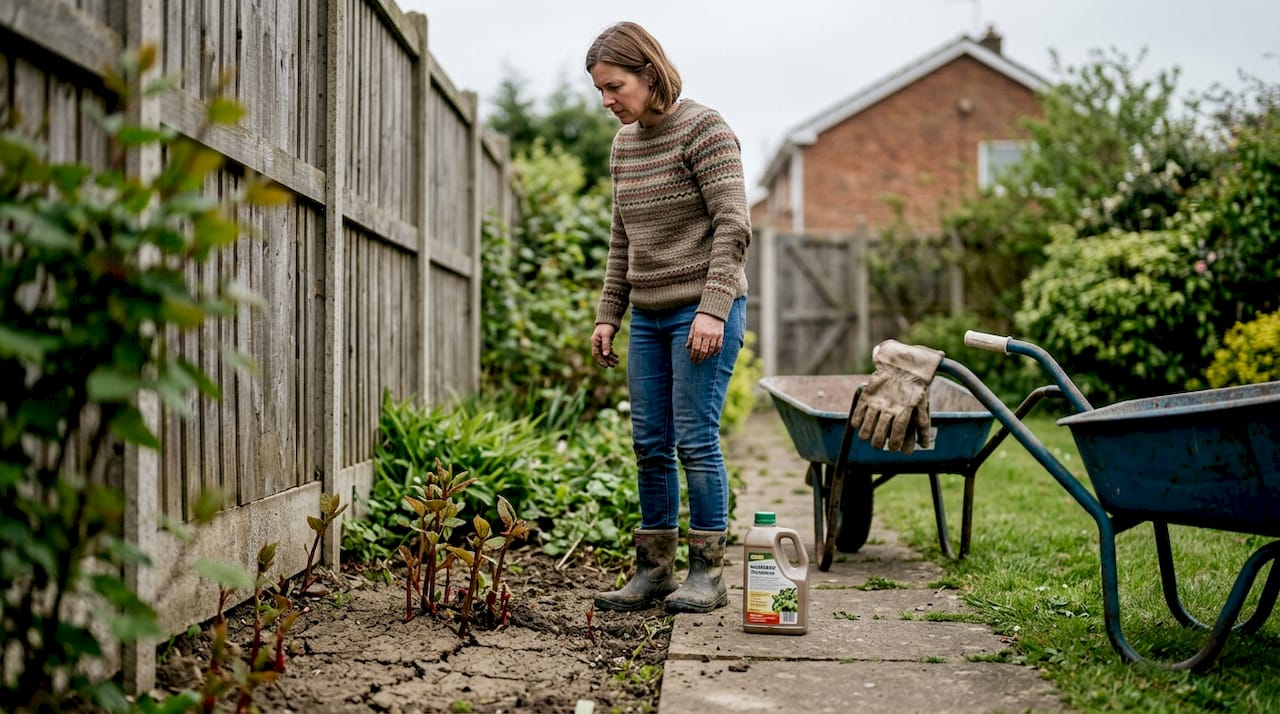
Why DIY is risky: property and legal impacts
Having established what specialist advice involves, it is important to understand what can go wrong when homeowners attempt to manage knotweed independently. The consequences are frequently more serious than people anticipate.
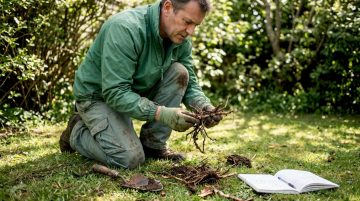
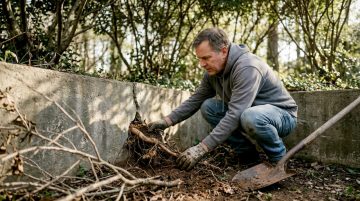
Japanese Knotweed spreads through its rhizome network, and disturbing the plant without proper containment protocols can cause fragments to migrate across your garden, into neighbouring land, or into watercourses. The RHS advises strongly against DIY major treatments, citing the risks of spreading via rhizomes, legal fines, and property devaluation.
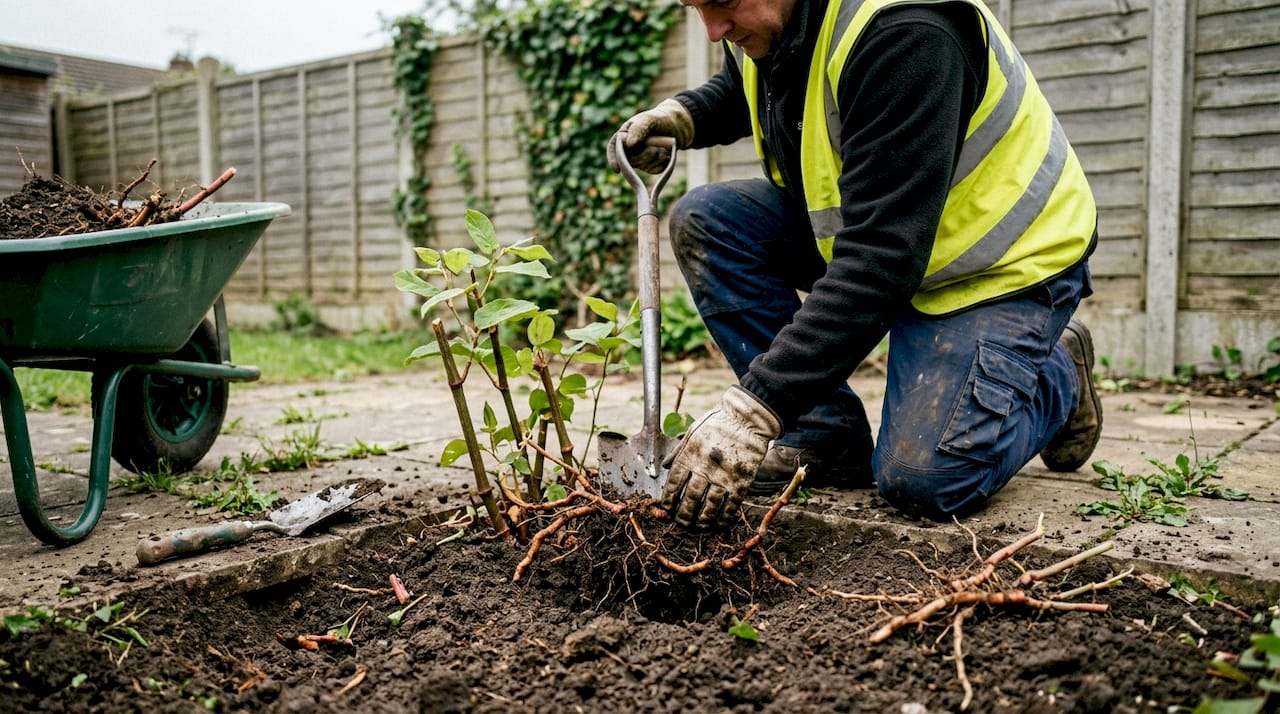
The legal exposure is real. Under the Environmental Protection Act 1990, knotweed is classified as controlled waste. Disposing of it incorrectly, even placing cuttings in a standard green bin, can result in prosecution. Allowing it to spread onto a neighbour’s land creates civil liability.
The financial consequences are equally significant:
- Properties affected by knotweed can lose 10 to 15% of their market value without certified remediation documentation.
- Major lenders, including high-street banks, require professional reports before approving mortgages on affected properties.
- Failure to disclose knotweed on the TA6 form can result in post-sale legal action from buyers.
- Unapproved disposal using unlicensed waste carriers carries fines and potential criminal liability.
The impact on property value is well documented, and your legal obligations for knotweed are enforceable. Understanding whether the plant is causing structural issues is also worth exploring, as knotweed property damage can affect foundations, drainage systems, and boundary structures.
The cost of professional intervention is consistently lower than the cost of remedying a DIY mistake, particularly when legal liability or a collapsed property sale is involved.
What to expect from a specialist survey and plan
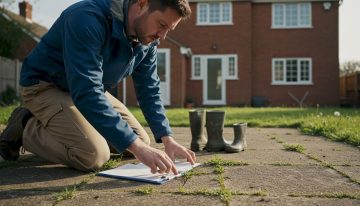
With the dangers of DIY clear, professional engagement follows a structured and transparent process. Knowing what to expect removes uncertainty and helps you prepare.
- Initial consultation: A specialist discusses the extent of the infestation, your property’s circumstances, and any upcoming transactions.
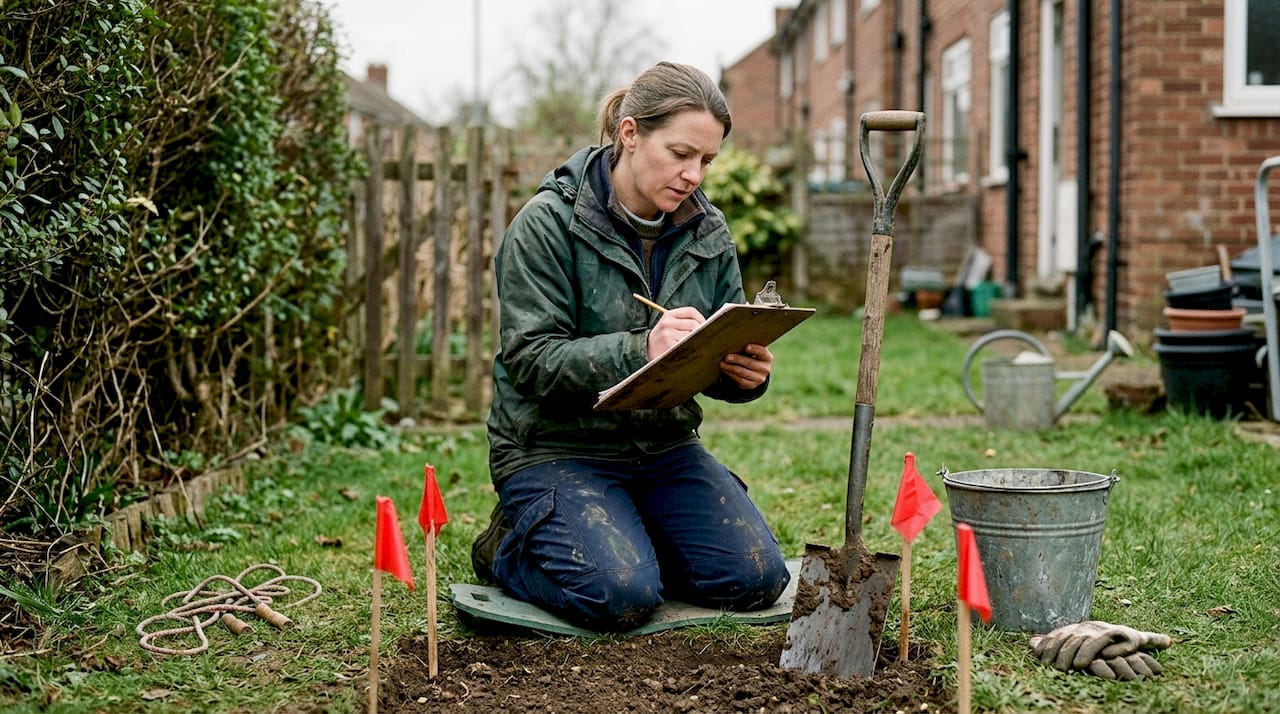
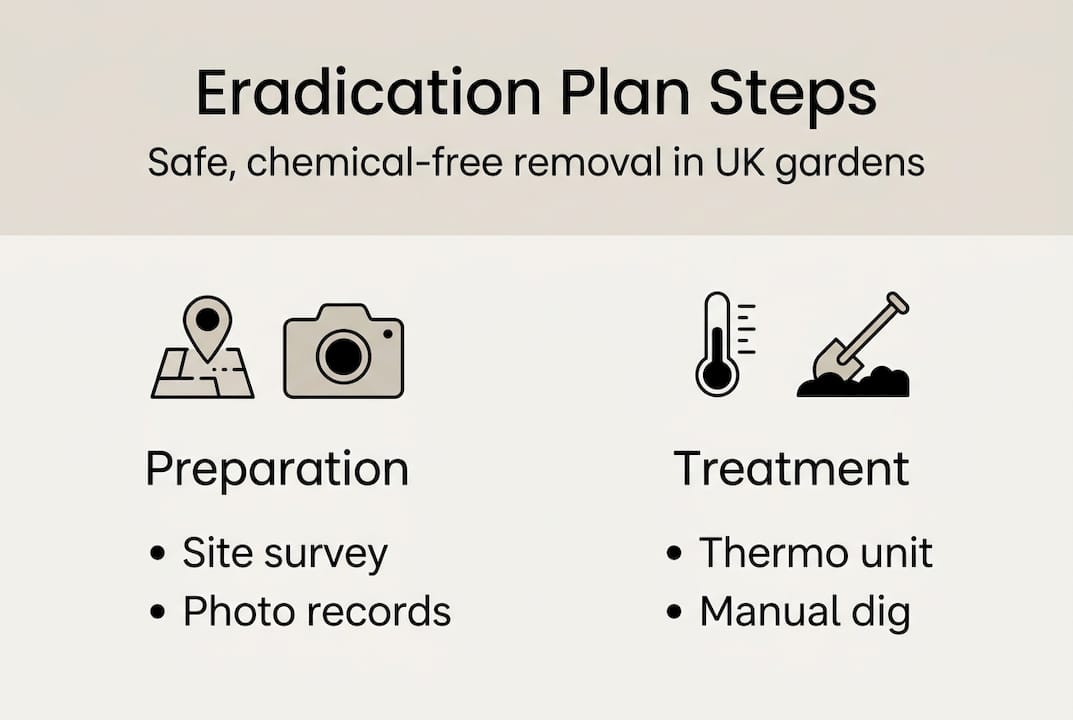
- Site visit and identification: A qualified surveyor visits the property to confirm identification, map the affected area, and assess proximity to boundaries and structures.
- Formal RICS-compliant survey report: This document categorises the infestation according to RICS guidelines and is the report your lender or conveyancer will require.
- Management plan: A bespoke treatment programme is produced, detailing method, schedule, monitoring intervals, and expected outcomes.
- Ongoing monitoring: Post-treatment visits confirm eradication progress and maintain the validity of your guarantee.
Surveys typically cost between £260 and £600 depending on site complexity and location. PCA-accredited specialists provide insurance-backed guarantees of up to ten years, which are essential for mortgage applications and property sales.
Pro Tip: Review the survey process for invasive weeds before your appointment so you understand exactly what the surveyor will assess and what documentation you will receive.
RICS guidelines confirm that TA6 form disclosure is mandatory for all property transactions, and lenders require specialist reports categorised under the RICS framework. If you are planning to sell or remortgage, understanding getting a mortgage after knotweed treatment will clarify what documentation satisfies lenders.
| Document |
Purpose |
Required by |
| RICS-compliant survey report |
Categorises infestation severity |
Mortgage lenders, conveyancers |
| Management plan |
Outlines treatment and monitoring |
Lenders, insurers |
| Insurance-backed guarantee |
Confirms remediation commitment |
Buyers, lenders |
| TA6 disclosure |
Legal property information form |
Solicitors, buyers |
Treatment options: comparing professional methods
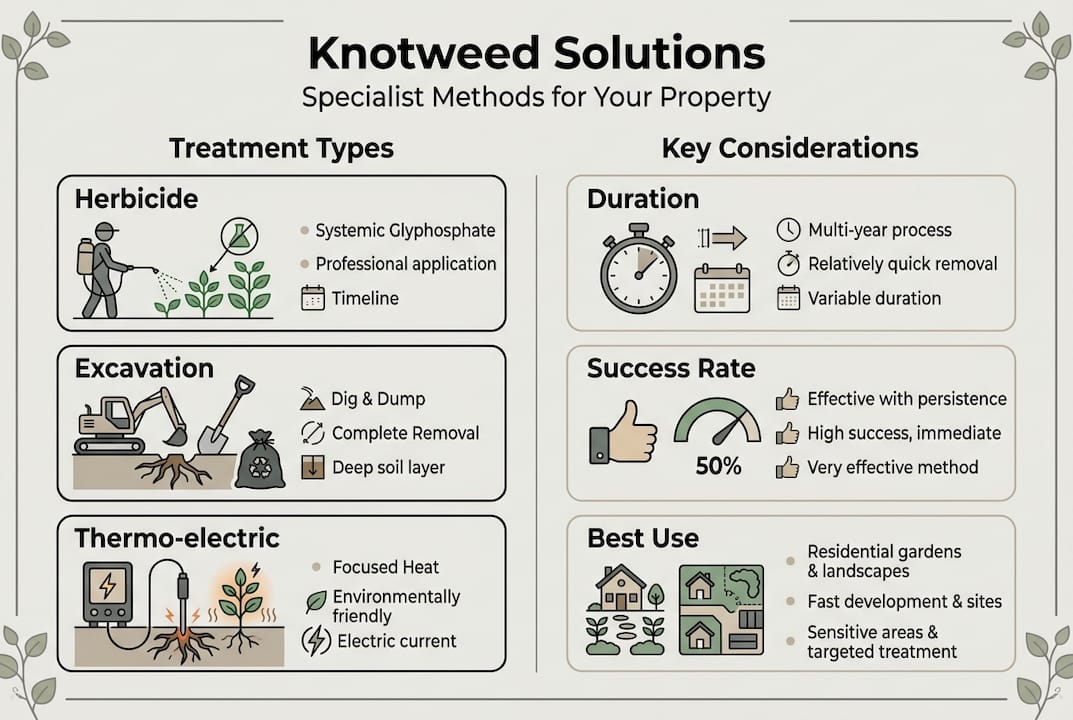
Armed with your survey report, you and your specialist will select the most appropriate treatment pathway. Three primary methodologies are recognised across the industry.
| Method |
Typical duration |
Success rate |
Best suited for |
| Herbicide treatment |
3 to 5 years |
85 to 90% |
Residential gardens, standard sites |
| Thermo-electric (chemical free) |
18 to 24 months |
80%+ |
Eco-sensitive sites, near watercourses |
| Excavation |
2 to 3 years |
95% |
Development sites, urgent clearance |
Herbicide treatment remains the most widely used approach. It is cost-effective and well-evidenced, though it requires multiple seasonal applications and ongoing monitoring. Primary treatment methodologies including herbicide, excavation, and thermo-electric options each carry distinct advantages depending on site conditions.
Excavation offers the fastest resolution and the highest success rate, making it the preferred choice for development projects or where timescales are critical. It is, however, the most expensive option and generates significant volumes of controlled waste requiring specialist disposal.
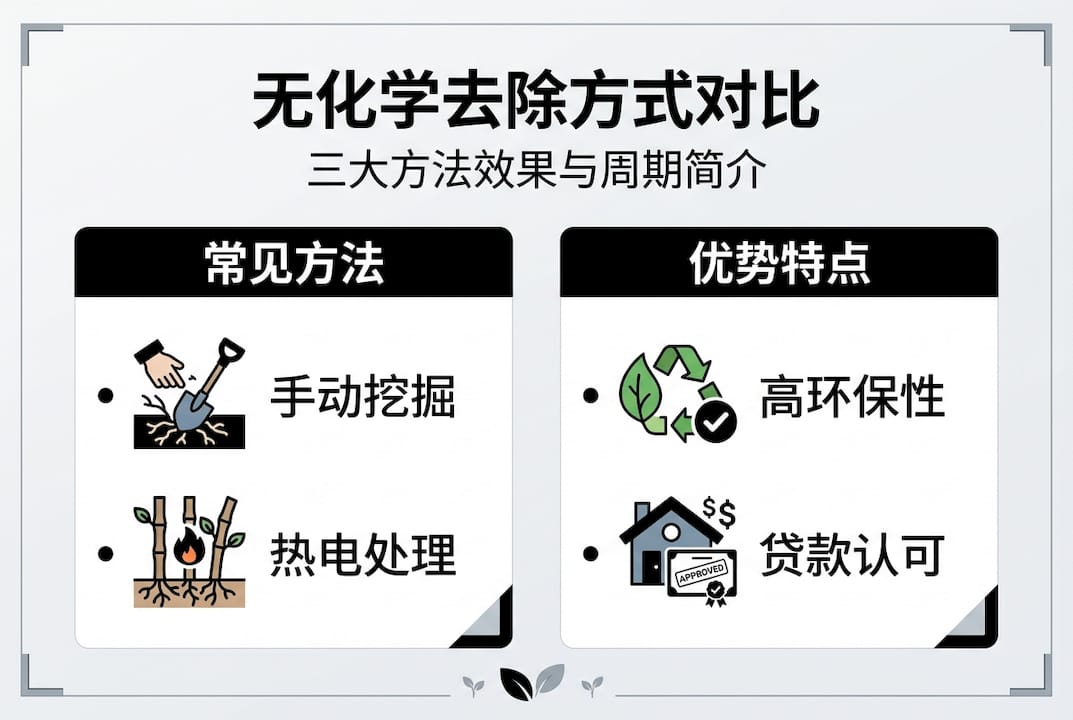
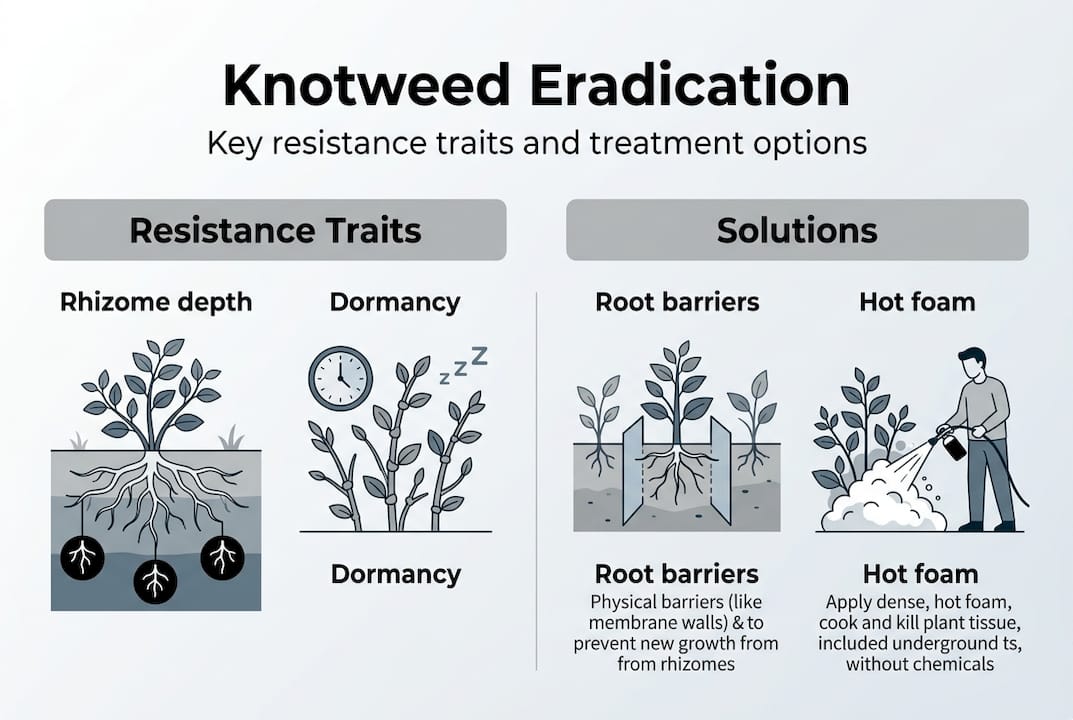
Thermo-electric treatment is the method pioneered by Japanese Knotweed Agency. Delivering direct energy of up to 5,000 volts into the plant’s rhizome network, it causes internal cell damage and depletes the energy reserves that sustain regrowth, without the use of chemicals. This makes it particularly suitable for sites near watercourses, areas of ecological sensitivity, or properties where chemical use is restricted.
- Herbicide: Proven track record, lower upfront cost, multi-season commitment
- Excavation: Fastest resolution, highest cost, ideal for development
- Thermo-electric: Chemical free, suitable for sensitive environments, growing evidence base
The PCA’s position on herbicide use acknowledges that chemical-free options are appropriate for certain sites, though it notes that long-term data for newer methods continues to develop. For sites where property value impacts are a primary concern, the speed and certainty of excavation or the eco-credentials of thermo-electric treatment may be decisive factors. For comparison of root removal approaches in drainage contexts, drain root removal methods offer a useful parallel.
Edge cases and real-life advice: neighbours, watercourses, and recurrence
Even with best practice in place, certain scenarios introduce additional complexity. Specialists are equipped to navigate these situations, but homeowners benefit from understanding them in advance.
Neighbour encroachment is one of the most common complications. If knotweed originates on a neighbouring property and spreads onto yours, you have legal recourse, but the process requires careful documentation. A specialist can map the origin point and produce evidence to support a formal complaint or legal claim. Our guide to neighbour disputes outlines the steps involved.
Winter misidentification is a genuine risk. Japanese Knotweed dies back in winter, leaving hollow canes that are easily confused with other species. Commissioning a survey during dormancy without specialist expertise can result in misidentification and an incorrect management plan. Advice on dormant knotweed is essential reading if you suspect an infestation outside the growing season.
Key considerations for edge cases include:
- Neighbour encroachment requires documented evidence of origin before legal action is viable
- Watercourses restrict herbicide use; thermo-electric or excavation may be the only compliant options
- Herbicide resistance, though uncommon, can occur and requires a specialist to reassess the treatment programme
- Post-treatment monitoring for a minimum of two years is essential, as regrowth from dormant rhizomes remains possible
Pro Tip: If you notice any green shoots returning after treatment, do not disturb them. Contact your specialist immediately so they can assess whether this is new growth or residual rhizome activity, and adjust the programme accordingly.
Recurrence does not necessarily indicate treatment failure. It may reflect the depth of the original rhizome network, which can extend up to three metres below ground. Specialists account for this in their management plans and guarantee structures.
Take the next step: specialist guidance for your property
Acting early is the most effective way to protect your property’s value and simplify the treatment process. The longer Japanese Knotweed establishes itself, the deeper its rhizome network grows and the more complex remediation becomes.
At Japanese Knotweed Agency, we carry out professional property surveys for invasive weeds across England, Wales, and Ireland, providing RICS-compliant reports and bespoke management plans backed by insurance-backed guarantees. Our thermo-electric treatment method delivers up to 5,000 volts directly into the rhizome network, offering a proven, chemical-free alternative for homeowners and developers alike. You can review our full property survey process to understand exactly what your survey will involve, explore our chemical-free knotweed treatment process in detail, or visit our Japanese Knotweed FAQ for answers to the most common questions we receive. Contact us today to arrange a compliant survey and receive a management plan tailored to your property.
Frequently asked questions
How do I choose a qualified knotweed specialist?
Choose professionals accredited by the PCA Invasive Weed Control Group, as PCA-accredited specialists provide the insurance-backed guarantees of up to ten years that mortgage lenders and conveyancers require. Verify their credentials and ask to see example management plans and guarantee documentation before committing.
Is chemical-free knotweed treatment as reliable as herbicide?
Chemical-free thermo-electric treatment shows strong results, particularly on eco-sensitive sites, but as the PCA acknowledges, traditional herbicide and excavation methods carry a longer established evidence base. Your specialist will recommend the most appropriate method for your specific site conditions.
What legal responsibilities do I have with knotweed on my property?
You must prevent its spread beyond your boundary, use licensed waste carriers for disposal, and disclose its presence on the TA6 form during any property sale. UK legislation makes improper disposal a criminal offence, with fines applicable for non-compliance.
Can I sell my house if I have Japanese Knotweed?
Yes, but you must disclose it on the TA6 form and provide a specialist-backed management plan to satisfy your buyer’s lender. RICS guidelines categorise infestations by severity, and lenders make lending decisions based on those categories alongside the remediation plan in place.
How long does knotweed treatment usually take?
Professional treatment timescales vary significantly by method. Herbicide programmes typically run for three to five years with an 85 to 90% success rate, thermo-electric treatment achieves 80% or above within 18 to 24 months, and excavation delivers a 95% success rate within two to three years.
Recommended