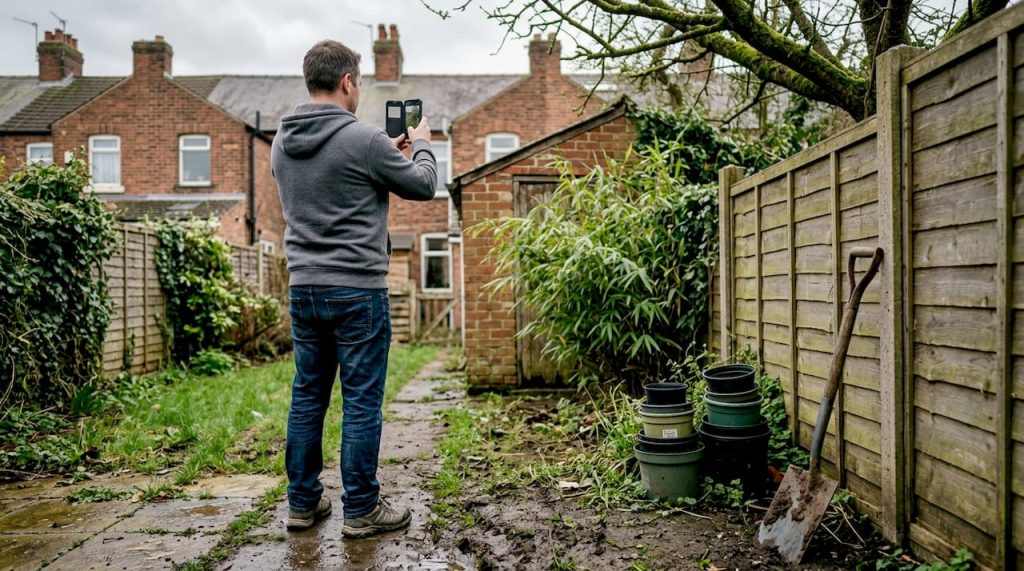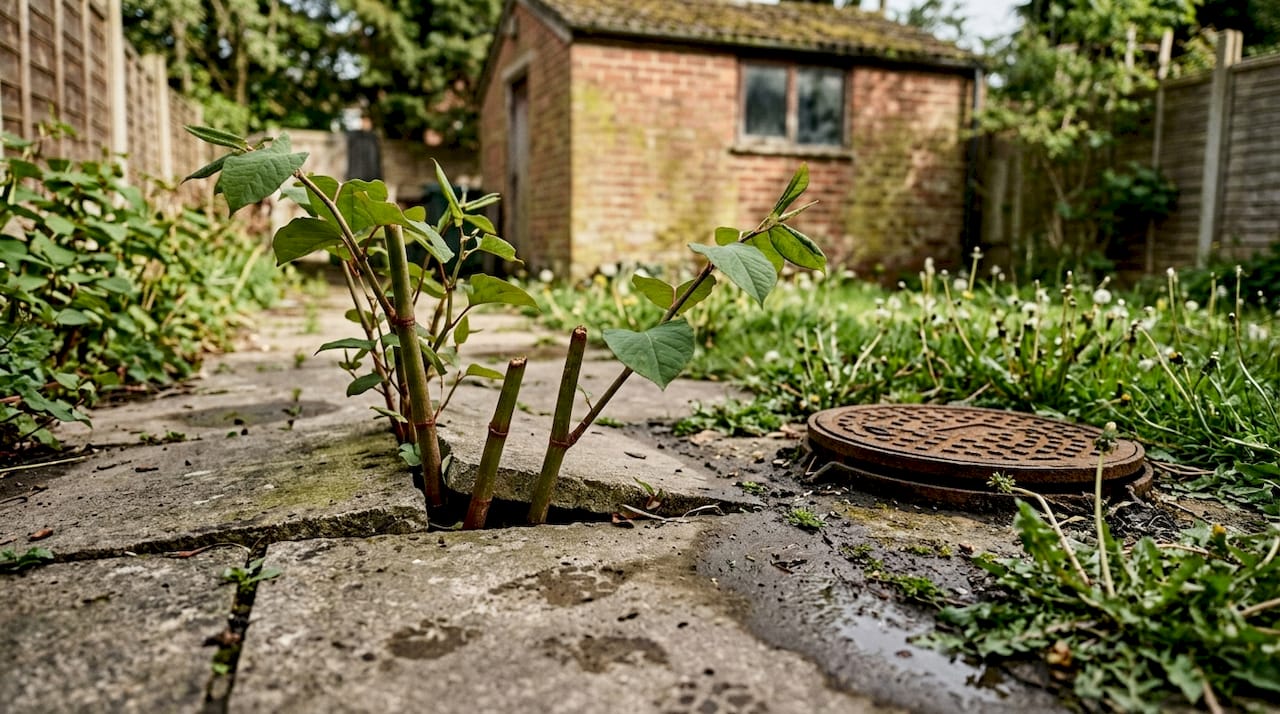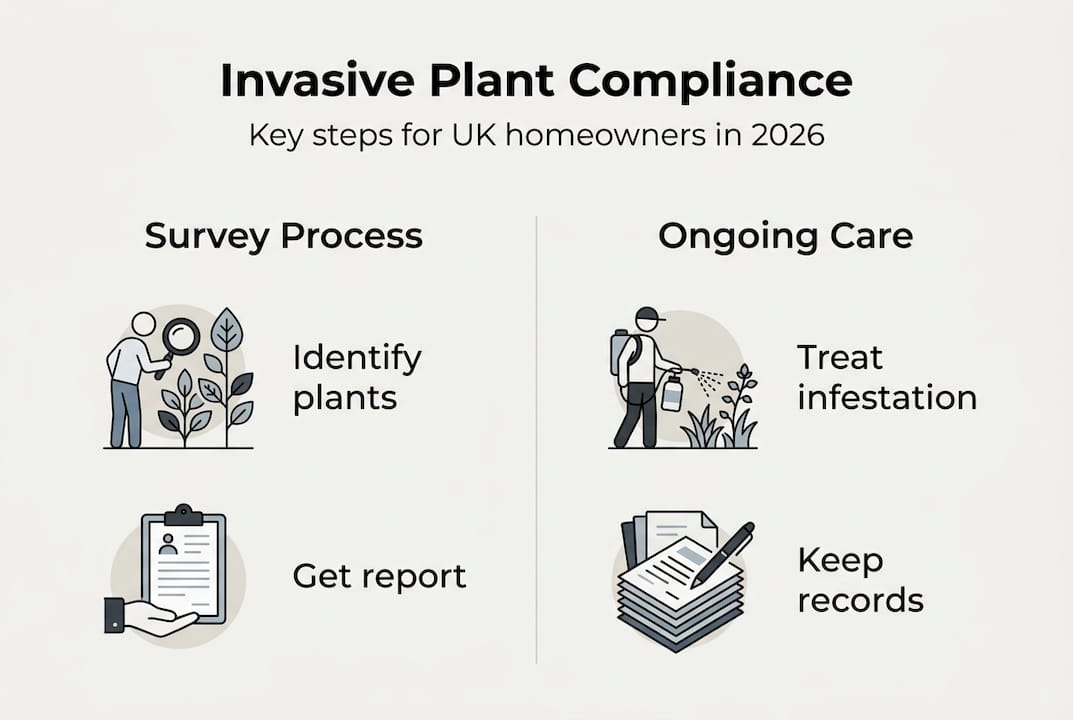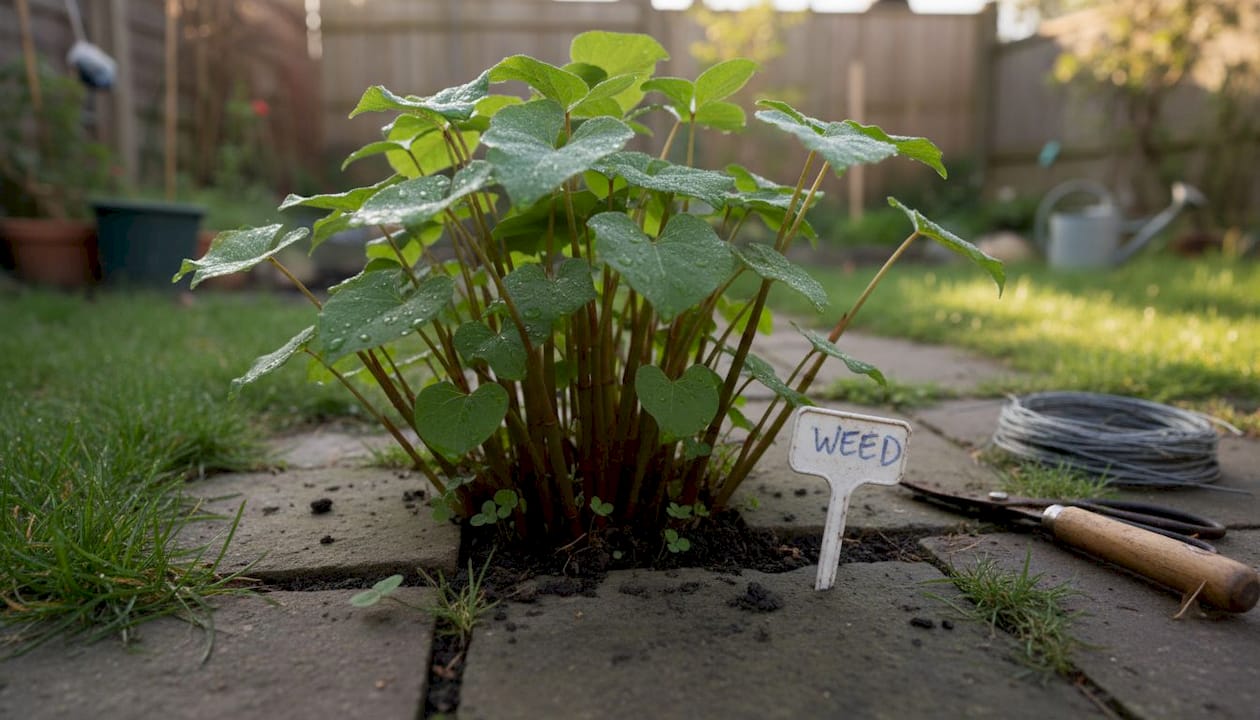
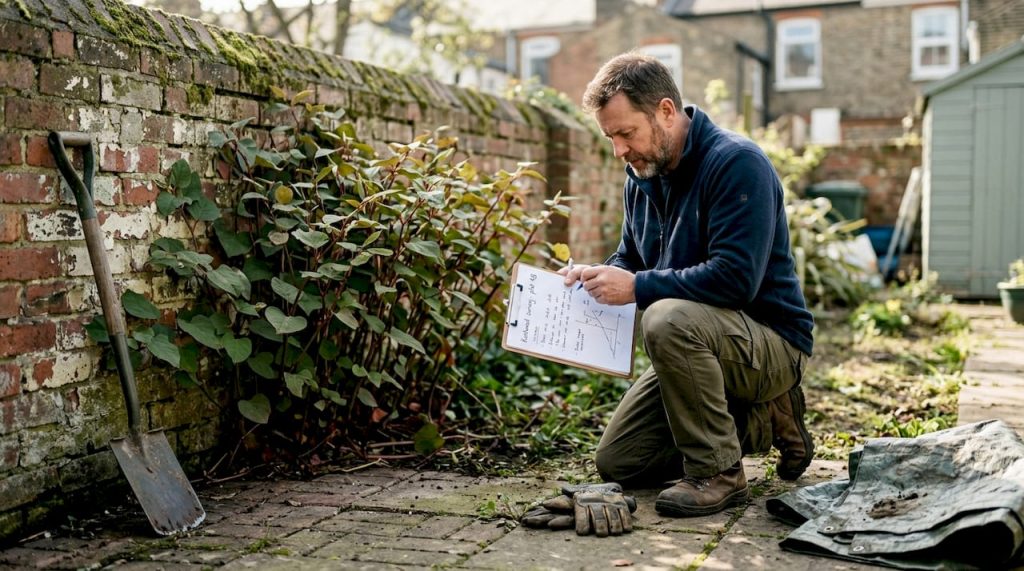
Complete Guide to Knotweed Legal Requirements UK

Few plants cause as much concern for property owners as Japanese knotweed. This invasive species now affects over 2 percent of development sites and more than 1 percent of homes across Great Britain. For anyone with american property interests in the UK, understanding this plant’s risks is crucial. With its ability to damage foundations, disrupt sales, and carry legal penalties, knowing how to handle Japanese knotweed can protect both your investment and your peace of mind.

Table of Contents

Key Takeaways

Point Details
Japanese Knotweed as an Invasive Species Japanese knotweed is a highly invasive plant that can cause significant property damage and environmental harm, requiring costly management strategies for eradication.
Legal Obligations for Property Owners Property owners must actively manage Japanese knotweed to prevent its spread and comply with strict legal requirements, including the proper documentation of treatment efforts.
Impact on Real Estate Transactions The presence of Japanese knotweed can drastically reduce property values and complicate mortgage approvals, necessitating full disclosure during property transactions.
Approved Control Methods Management strategies include chemical treatments, excavation, and ongoing research into biological control options, highlighting the importance of professional intervention.

What Is Japanese Knotweed And Why It Matters

Japanese knotweed is an aggressive, invasive plant species that represents a serious environmental and property threat across the United Kingdom. Originally introduced in the mid-nineteenth century as an ornamental garden plant, this perennial species has since become a widespread ecological challenge publications.parliament.uk.

The plant’s scientific name, Reynoutria japonica, describes a remarkably resilient organism with bamboo-like stems and heart-shaped leaves. What makes Japanese knotweed particularly dangerous is its extraordinary root system, which can penetrate hard surfaces like concrete, asphalt, and brick with remarkable ease. According to research, over 2% of development sites and 1.25% of residential properties in Great Britain are impacted by this invasive species publications.parliament.uk.

The consequences of Japanese knotweed extend far beyond simple aesthetic concerns. Its dense growth can significantly impede water flow, potentially increasing flood risks. Property owners face substantial challenges, as the plant’s presence can create a ‘chilling’ effect on real estate transactions. Eradicating Japanese knotweed often requires multi-year treatment plans or complete excavation, making it a costly and complex environmental management issue. Japanese Knotweed Legal Obligations provides comprehensive insights into managing this persistent plant.

Key characteristics that make Japanese knotweed a significant concern include:

  • Rapid growth rate
  • Extensive underground root network
  • Ability to penetrate building foundations
  • Potential to reduce local biodiversity
  • Significant property damage potential

Japanese knotweed occupies a unique legal position in the United Kingdom, with stringent regulations designed to prevent its spread and mitigate potential environmental and property damage. publications.parliament.uk classifies Japanese knotweed as a ‘controlled waste’ under the Environmental Protection Act 1990, establishing clear legal frameworks for its management.

The Wildlife and Countryside Act 1981 serves as the primary legislative mechanism governing Japanese knotweed control. Under this act, it is explicitly illegal to plant or cause Japanese knotweed to grow in the wild. Property owners and land managers face significant legal consequences for non-compliance, with potential penalties including substantial fines up to £5,000 and possible imprisonment for up to two years publications.parliament.uk.

Specific disposal requirements further underscore the plant’s legal complexity. Contaminated soil containing knotweed rhizome material must be handled with extreme care, requiring disposal at licensed landfill sites and burial to a minimum depth of 5 metres. The UK government has also developed comprehensive guidance on prevention, treatment, and disposal strategies. Ongoing research into biological control methods, such as exploring the potential of sap-sucking insects like Aphalara itadori, demonstrates a proactive approach to managing this invasive species.

Key legal obligations for property owners include:

  • Preventing knotweed from spreading to neighboring properties
  • Properly documenting and reporting knotweed presence
  • Implementing approved treatment or removal strategies
  • Ensuring compliant disposal of contaminated soil and plant material
  • Maintaining records of professional treatment plans

Property Owner Duties And Liabilities

Property owners face significant legal and financial responsibilities when dealing with Japanese knotweed, extending far beyond simple property maintenance. warnergoodman.co.uk highlights that while it is not technically illegal to have Japanese knotweed on your property, owners are legally obligated to prevent its spread to neighboring properties.

The potential consequences of mismanaging Japanese knotweed can be substantial. Property sales, insurance coverage, and mortgage approvals can all be dramatically impacted by the presence of this invasive species. Sellers are legally required to disclose the existence of Japanese knotweed during property transactions to avoid potential misrepresentation claims.

knotweed legal documents Failure to control its spread can result in legal action from neighboring property owners, potentially leading to expensive litigation and significant financial penalties.

Infographic contrasting compliant and non-compliant knotweed management responsibilities for UK property owners

Navigating these responsibilities requires a proactive and comprehensive approach. Property owners must develop a strategic management plan that includes professional assessment, documented treatment strategies, and ongoing monitoring. This typically involves engaging specialized knotweed removal experts who can provide comprehensive treatment plans, detailed documentation, and certification of eradication efforts. Japanese Knotweed Legal Obligations offers additional guidance on meeting these complex legal requirements.

Key property owner responsibilities include:

  • Conducting professional Japanese knotweed surveys
  • Implementing certified eradication strategies
  • Preventing spread to neighboring properties
  • Maintaining comprehensive treatment documentation
  • Disclosing knotweed presence during property transactions
  • Ensuring ongoing monitoring and management

Impact On Buying, Selling, And Mortgaging

Japanese knotweed represents a significant obstacle in property transactions, creating complex challenges for buyers, sellers, and financial institutions. The mere presence of this invasive plant can substantially diminish property values and complicate mortgage approvals, turning what should be a straightforward real estate process into a potential minefield of legal and financial complications.

Mortgage lending becomes particularly challenging when Japanese knotweed is identified on a property. Many financial institutions require comprehensive professional surveys and documented eradication plans before considering mortgage approval. Some lenders may refuse financing entirely or impose stringent conditions that can delay or completely derail property transactions. Potential buyers might find themselves facing additional survey costs, treatment expenses, and potential long-term management requirements just to secure property financing.

Sellers face equally significant hurdles when Japanese knotweed is present. Legal disclosure requirements mandate full transparency about the plant’s existence, meaning attempting to hide or minimize its presence can lead to potential misrepresentation claims. Professional documentation becomes critical, with buyers typically demanding proof of professional treatment plans, comprehensive eradication strategies, and ongoing management certifications. Japanese Knotweed Legal Obligations provides essential guidance for navigating these complex transactional challenges.

Key impacts on property transactions include:

  • Reduced property market value
  • Potential mortgage application rejections
  • Increased survey and treatment costs
  • Extended property sale timelines
  • Complex legal disclosure requirements
  • Potential need for specialized insurance coverage

Approved Control Methods And Restrictions

The UK government has developed comprehensive strategies for managing Japanese knotweed, focusing on environmentally responsible and scientifically rigorous control methods. assets.publishing.service.gov.uk highlights ongoing research into innovative biological control approaches, including the potential use of specialized insects and fungal pathogens to manage this invasive species.

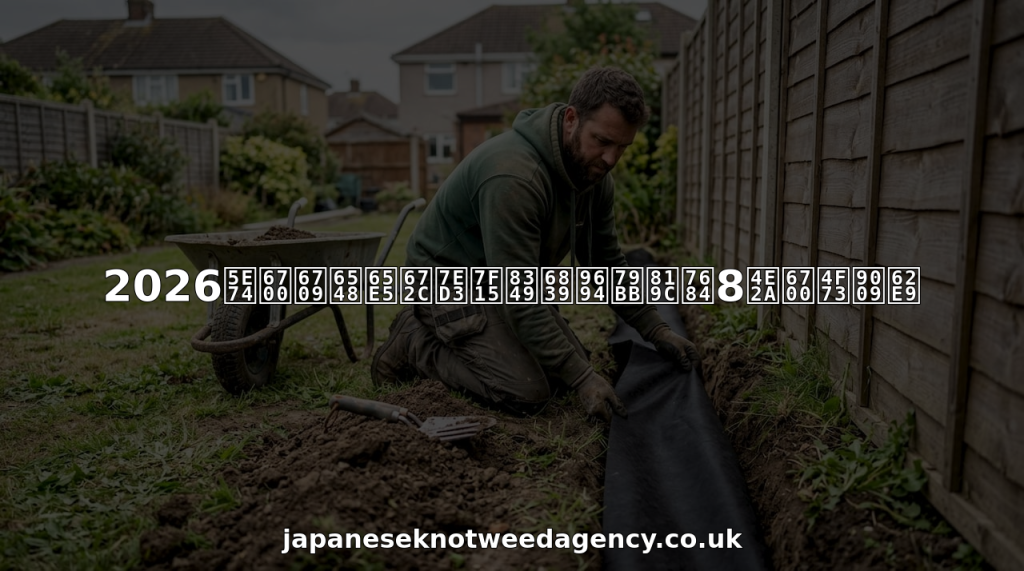
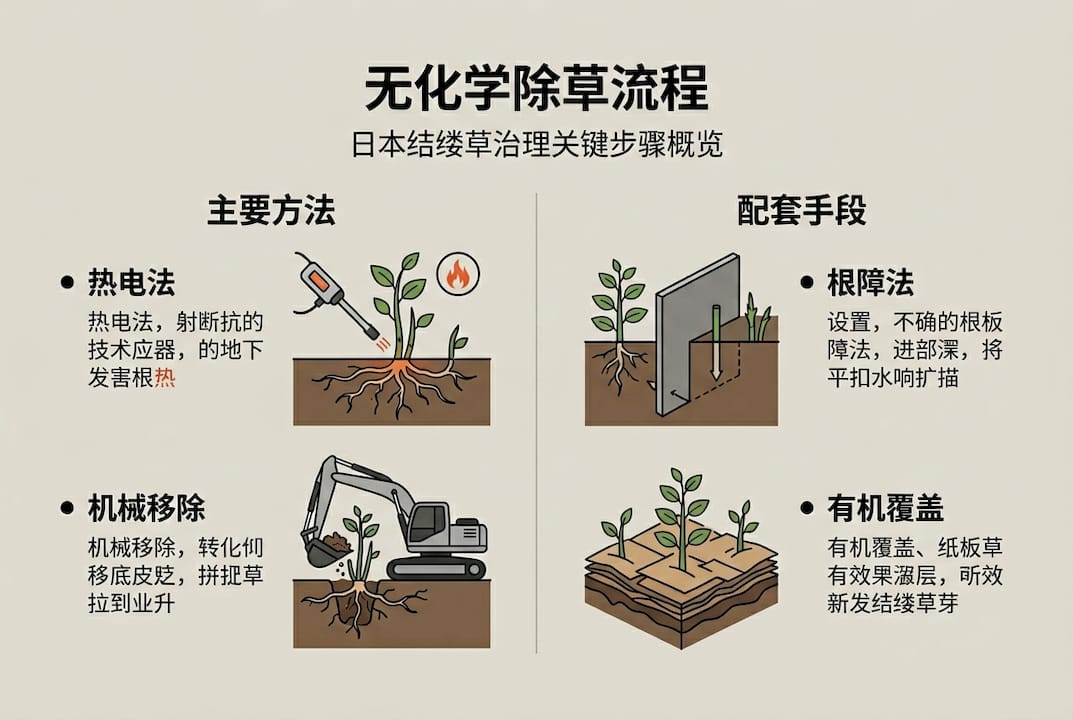
Chemical treatment remains one of the most widely approved methods for Japanese knotweed control. Professional eradication typically involves targeted herbicide applications, carefully timed and implemented to maximize effectiveness while minimizing environmental impact. Physical removal techniques, including excavation and root barrier installations, provide alternative approaches for properties where chemical treatments may be less suitable. These methods require precise implementation and often involve multiple treatment cycles to ensure complete eradication of the plant’s extensive root system.

Biological control represents an emerging frontier in Japanese knotweed management. questions-statements.parliament.uk notes ongoing research into biological agents like the psyllid Aphalara itadori, which could potentially provide a more sustainable long-term solution. Land managers can access funding through the Environmental Land Management Countryside Stewardship scheme to support advanced control strategies, reflecting the government’s commitment to addressing this invasive species comprehensively.

Approved control methods include:

  • Chemical herbicide treatments
  • Professional excavation techniques
  • Root barrier installations
  • Biological control research
  • Ongoing monitoring and management plans
  • Specialized disposal procedures for contaminated soil and plant material

Protect Your Property From Japanese Knotweed With Expert Solutions

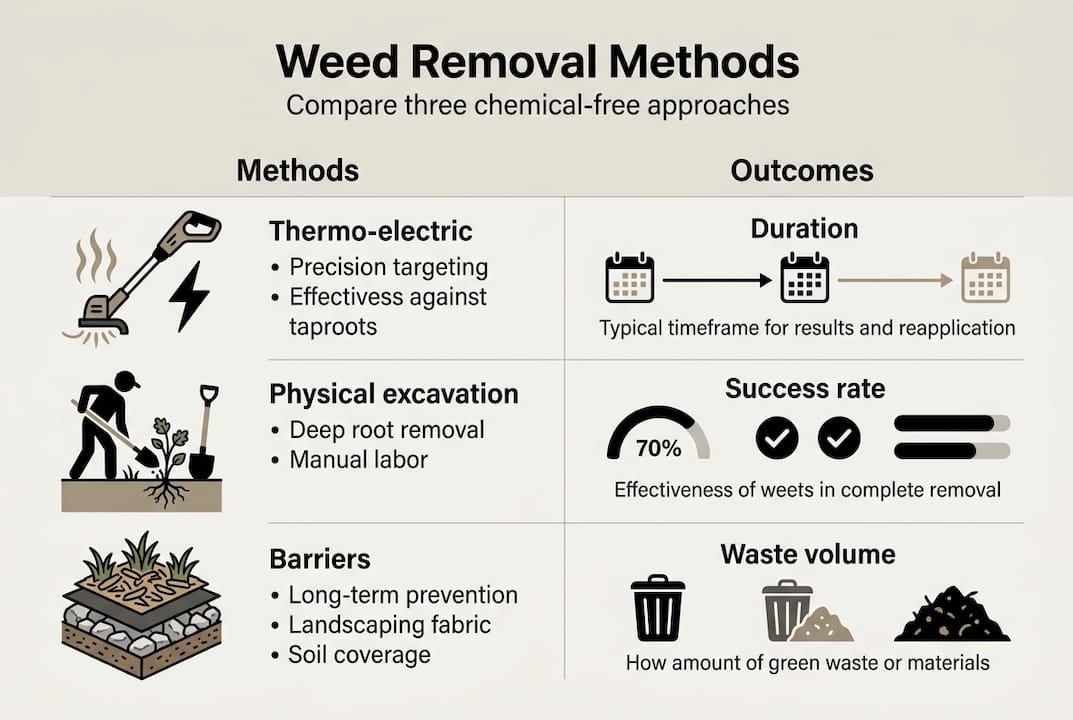
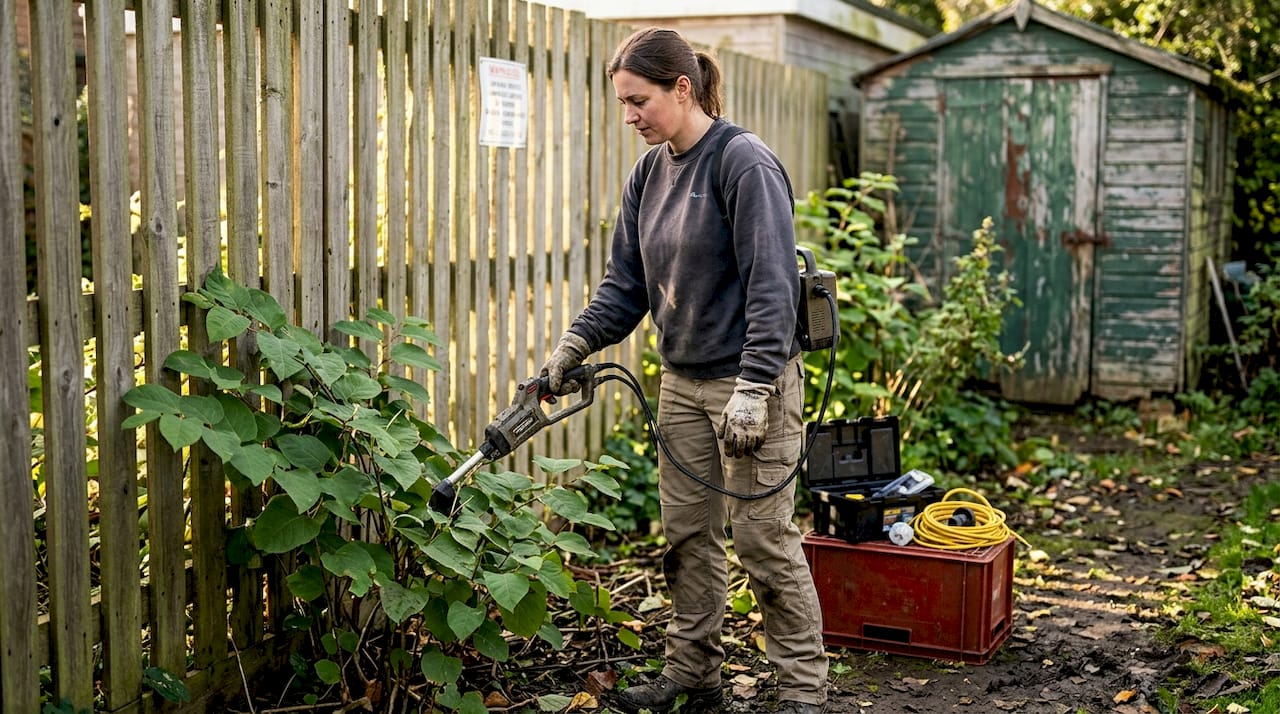
Dealing with Japanese knotweed is more than just a gardening challenge. This invasive plant threatens your property value, complicates sales, and carries strict legal responsibilities. If you need effective knotweed management that meets UK legal requirements, trust the pioneers in chemical free eradication. At the Japanese Knotweed Agency, we use advanced technology delivering up to 5000 volts directly to rhizomes, damaging internal cells and cutting off the energy that feeds this aggressive plant.

https://japaneseknotweedagency.co.uk

Do not wait until knotweed puts your property sale or mortgage approval at risk. Our specialized services also include root barrier installations, excavation, and comprehensive surveys for invasive weeds across England, Wales, and Ireland. Take control of your property’s future with a treatment plan that complies with UK laws and protects you from costly liabilities. Visit Japanese Knotweed Agency today to learn how our solutions can effectively secure your property and peace of mind.

Frequently Asked Questions

Property owners are required to prevent the spread of Japanese knotweed to neighboring properties, report its presence, and implement approved treatment or removal strategies. They must also ensure compliant disposal of contaminated soil and maintain records of professional treatment plans.

What are the penalties for failing to control Japanese knotweed?

Failing to control the spread of Japanese knotweed can result in significant penalties, including fines up to £5,000 and possible imprisonment for up to two years, as stipulated under the Wildlife and Countryside Act 1981.

How does Japanese knotweed affect property sales and mortgage approvals?

The presence of Japanese knotweed can significantly reduce property values and complicate mortgage approvals. Sellers must disclose its existence during property transactions, and financial institutions may require comprehensive treatment documentation before approving financing.

What are the approved methods for controlling Japanese knotweed?

Approved methods for controlling Japanese knotweed include chemical herbicide treatments, professional excavation techniques, root barrier installations, and ongoing monitoring and management plans. Research into biological control options is also underway to find sustainable solutions.

Read more

Complete Guide to Japanese Knotweed in the UK

Over 60 percent of american homeowners worry about the risks of invasive plants, yet few realize how myths and misinformation shape their concerns. Japanese knotweed, with its reputation for destruction, sparks confusion and unease in communities far beyond its origins. Understanding the facts behind this notorious invader empowers property owners to distinguish alarm from reality and make smarter decisions about management and legal responsibilities.

Table of Contents

Key Takeaways

Point Details
Japanese Knotweed Overview Japanese knotweed is an invasive plant that poses significant challenges for property owners due to its aggressive growth and propagation capabilities.
Legal Responsibilities Property owners must manage Japanese knotweed to avoid legal ramifications, including fines and impacts on property values.
Impact on Property Transactions The presence of Japanese knotweed can affect mortgage approvals and property valuations, necessitating thorough surveys and disclosure during transactions.
Non-Chemical Treatment Options Effective management often requires innovative non-chemical methods, such as root barrier installation and targeted mechanical removal.

Defining Japanese Knotweed and Common Myths

Japanese knotweed is an aggressive invasive plant species that poses significant challenges for property owners and landscapers across the United Kingdom. Originally introduced as an ornamental plant in the 19th century, this perennial plant has since become one of the most destructive non-native species in the country.

According to Natural Resources Wales, Japanese knotweed spreads through fragments of rhizome or stem, forming dense stands that effectively outcompete native vegetation. The plant’s remarkable ability to propagate through even tiny root fragments makes it exceptionally challenging to eradicate. Contrary to popular belief, it cannot actually grow through solid concrete, but it can exploit existing structural weaknesses with remarkable efficiency.

Interestingly, the UK House of Commons Science and Technology Committee suggests that the impact of Japanese knotweed is often overstated, potentially leading to unnecessary alarm among property owners. While the plant can cause damage, its reputation sometimes exceeds its actual destructive potential. Here are some common myths about Japanese knotweed:

  • Myth: Japanese knotweed can grow through solid concrete
  • Reality: It exploits pre-existing cracks and structural weaknesses
  • Myth: A small piece of root will instantly destroy an entire building
  • Reality: Damage occurs gradually through persistent growth and root expansion

Understanding the true nature of Japanese knotweed is crucial for effective management. While it presents significant challenges, informed and strategic approaches can help control and mitigate its spread. For more insights into common misconceptions, check out our guide on Japanese Knotweed Misconceptions.

Key Identification Signs and Life Cycle Stages

Japanese knotweed is a master of survival, with distinctive characteristics that make it both fascinating and challenging to manage. Natural Resources Wales provides critical insights into the plant’s unique identification features and complex life cycle.

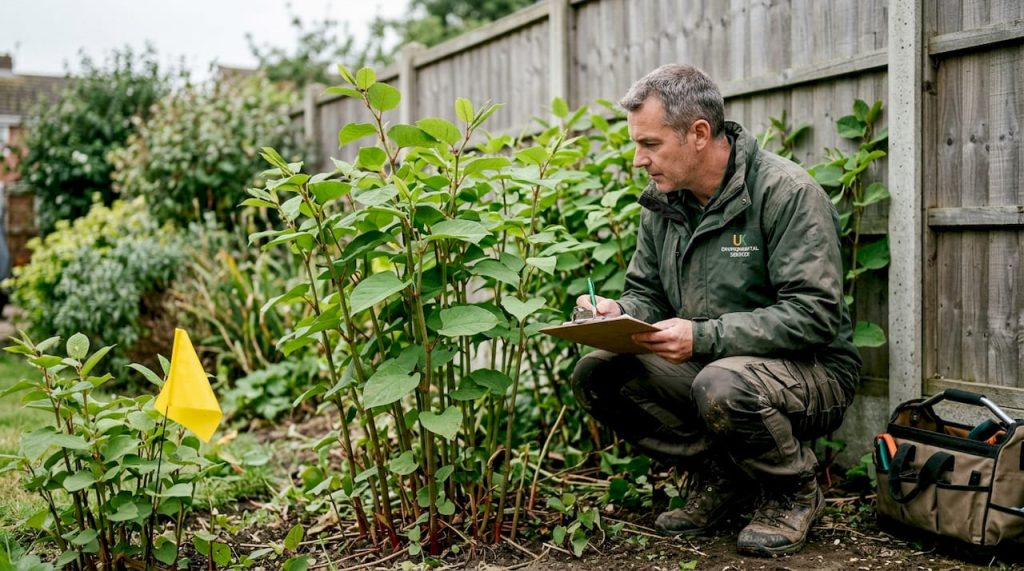
Visual identification is crucial for early detection. The plant exhibits distinctive bamboo-like stems that are hollow and segmented, typically bright green with red or purple speckles in spring and early summer. Its heart-shaped leaves emerge alternately along the stem, creating a dense canopy that can grow up to 3 meters tall.

knotweed identification uk In late summer, the plant produces characteristic clusters of small white flowers, which might seem innocuous but represent a sophisticated reproductive strategy.

According to the UK House of Commons Science and Technology Committee, the plant’s growth pattern follows a predictable yet aggressive annual cycle:

  • Spring Emergence: Rapid shoot growth from underground rhizomes
  • Early Summer: Reaching full height, creating dense vegetation
  • Late Summer: Flowering period with white cluster blooms
  • Autumn: Above-ground parts die back, but underground rhizomes remain viable
  • Winter: Dormant period with rhizomes storing energy for next season’s growth

Understanding these life cycle stages is critical for property owners and landscapers seeking to manage this invasive species effectively. The plant’s underground rhizome network remains its most powerful survival mechanism, capable of regenerating from tiny root fragments and lying dormant for extended periods. For a deeper understanding of managing these complex growth patterns, explore our guide on Japanese Knotweed Misconceptions.

Japanese knotweed presents significant legal challenges for property owners, transforming what might seem like a simple landscaping issue into a complex legal and financial liability. Natural Resources Wales highlights that landowners bear a critical responsibility for controlling this invasive plant to prevent its uncontrolled spread.

Under the Wildlife and Countryside Act 1981, property owners face serious legal consequences for mismanaging Japanese knotweed. It is a criminal offense to intentionally cause the plant to grow in the wild, which means property owners must take proactive steps to control and contain the plant. Potential penalties can include substantial fines and legal action, making proper management not just an environmental concern, but a legal imperative.

According to the UK House of Commons Science and Technology Committee, the presence of Japanese knotweed can dramatically impact property transactions and values. Mortgage lenders have become increasingly cautious, often requiring detailed surveys and treatment plans before approving loans.

Key legal implications include:

  • Disclosure Requirement: Mandatory reporting during property sales
  • Potential Liability: Legal claims from neighboring properties
  • Mortgage Restrictions: Potential loan denials or reduced property values
  • Treatment Costs: Significant expenses for professional eradication

Navigating these legal complexities requires professional guidance and proactive management. Property owners must document their treatment efforts, maintain comprehensive records, and work with qualified experts to mitigate potential legal and financial risks. For a comprehensive understanding of managing these challenges, check out our guide on Japanese Knotweed Misconceptions.

Non-Chemical Eradication and Treatment Methods

Japanese knotweed presents a formidable challenge for property owners seeking environmentally friendly and sustainable removal strategies. Natural Resources Wales cautions that traditional non-chemical methods like cutting and digging are often ineffective due to the plant’s extraordinary regenerative capabilities.

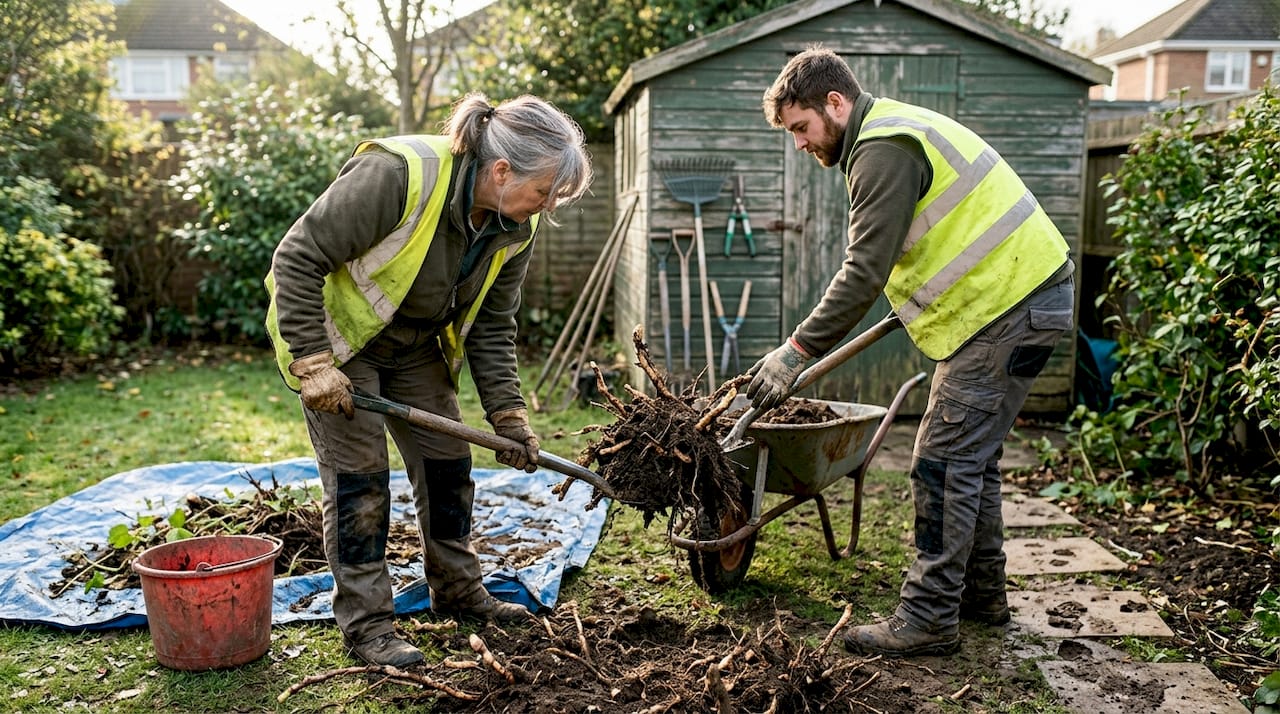
Excavation represents one of the most direct non-chemical approaches, involving complete removal of contaminated soil and root systems. However, this method requires extreme precision and careful management. The UK House of Commons Science and Technology Committee emphasizes that excavation can be prohibitively expensive and carries significant risks of unintentional plant spread if not executed with professional expertise.

Alternative non-chemical techniques that property owners might consider include:

  • Root Barrier Installation: Preventing rhizome spread through physical barriers
  • Targeted Mechanical Removal: Careful extraction of contaminated soil zones
  • Continuous Monitoring: Regular cutting to weaken plant’s energy reserves
  • Soil Screening: Precise removal and sifting of contaminated earth

For property owners seeking innovative solutions, understanding the nuanced challenges of non-chemical treatments is crucial. Each approach demands meticulous planning and expert implementation to prevent unintended plant propagation.

INFOGRAPHIC:infographic_content] To explore comprehensive strategies for managing this invasive species, review our [guide on Japanese Knotweed Misconceptions.

Property Surveys, Buying, and Remortgaging Risks

Japanese knotweed represents a critical consideration for property transactions, casting a long shadow over buying, selling, and financing real estate. According to the UK House of Commons Science and Technology Committee, the plant’s presence can significantly impact property valuations and mortgage approvals, creating complex challenges for potential buyers and homeowners.

Natural Resources Wales emphasizes the critical importance of full disclosure during property transactions. Sellers are legally obligated to report any known Japanese knotweed infestations, with potential legal consequences for failing to do so. Prospective buyers must conduct thorough surveys to identify potential infestations, understanding that the plant’s presence can dramatically affect property value and mortgage eligibility.

Key risks for property transactions include:

  • Mortgage Restrictions: Lenders may refuse loans or require extensive treatment plans
  • Property Valuation Impacts: Significant potential decrease in market value
  • Legal Liability: Potential claims from neighboring properties
  • Survey Requirements: Mandatory detailed investigations during property transfers

Navigating these complex risks requires professional expertise and comprehensive understanding. Potential buyers should prioritize detailed property surveys and professional assessments to mitigate potential financial and legal challenges. For more specific guidance on managing mortgage challenges, explore our guide on getting a mortgage with Japanese knotweed.

Take Control of Japanese Knotweed with Proven Chemical-Free Solutions

Japanese knotweed is a tough invasive plant that demands careful and effective management. This complete guide has highlighted how challenging it is to eradicate due to its extensive rhizome network and legal implications for property owners. If you are facing issues with Japanese knotweed on your property, you understand the urgency to act before damage spreads and property values drop.

https://japaneseknotweedagency.co.uk

At Japanese Knotweed Agency, we specialize in innovative chemical-free treatments that deliver up to 5000 volts of energy directly to the rhizomes causing lasting root damage. This method targets the plant’s survival system, making eradication possible without harsh chemicals. We also provide expert property surveys for invasive weeds and offer professional root barrier installations and excavation works to prevent further spread. Take the next step to protect your property, regain peace of mind, and comply with legal responsibilities. Visit our website now to learn how our expertise can help you overcome Japanese knotweed challenges effectively.

Frequently Asked Questions

What is Japanese knotweed and why is it a problem?

Japanese knotweed is an aggressive invasive plant species that can outcompete native vegetation and cause structural damage to buildings due to its extensive root system. Its rapid spread and ability to propagate from small fragments make it a significant challenge for property owners.

How can I identify Japanese knotweed?

Japanese knotweed has distinctive bamboo-like stems that are hollow and segmented, bright green with red or purple speckles. It features heart-shaped leaves and produces small white flowers in late summer. The plant can grow up to 3 meters tall and forms dense stands.

Property owners must manage Japanese knotweed to prevent its spread, as neglect can lead to legal penalties under the Wildlife and Countryside Act 1981. This includes mandatory disclosure during property transactions and potential liability for spreading the plant to neighboring properties.

What are effective non-chemical methods for eradicating Japanese knotweed?

Effective non-chemical methods include excavation of the plant and its rhizomes, root barrier installation, targeted mechanical removal of contaminated soil, continuous monitoring through regular cutting, and soil screening to prevent regrowth.

Read more

Complete Guide to Knotweed Identification UK

Most american gardeners are surprised to learn that a single knotweed plant can spread underground roots for up to 20 feet, making it one of the toughest invasive threats. Recognizing knotweed is vital because this persistent intruder has a reputation for damaging house foundations and devaluing properties. By understanding the key features and differences among knotweed species, property owners can protect their investments and avoid costly mistakes.

Table of Contents

Key Takeaways

Point Details
Invasive Nature of Japanese Knotweed Japanese knotweed is a highly invasive species that can cause significant structural damage and ecological disruption if not identified and managed early.
Seasonal Identification Recognizing Japanese knotweed requires understanding its distinctive traits throughout the seasons, from early spring shoots to its dormant winter state.
Financial and Legal Risks Misidentifying knotweed can lead to serious financial implications, including property value loss and potential legal liabilities under UK law.
Importance of Professional Help Engaging professional services for identification and management is crucial to mitigate risks associated with this invasive plant species.

What Is Knotweed? Definition And Species

Japanese knotweed represents a highly invasive plant species that has become a significant environmental challenge across the United Kingdom. According to Wildlife Trusts, this plant was introduced to the UK in the 19th century and can grow up to 2 meters tall, typically found colonizing riverbanks, waste grounds, and roadside areas.

In botanical classification, knotweed refers to plants within several genera of the Polygonaceae family, including Fallopia, Persicaria, Polygonum, and Reynoutria. Wikipedia notes that Reynoutria japonica, commonly known as Japanese knotweed, represents the most problematic invasive species in Europe and North America. This plant is particularly dangerous because of its remarkable ability to spread and outcompete native vegetation.

The primary characteristics that make Japanese knotweed so destructive include:

  • Extremely rapid growth rates
  • Extensive underground rhizome network
  • Ability to penetrate concrete and building foundations
  • Rapid reproduction through root fragments as small as 0.8 inches

Property owners and land managers must take proactive identification and management strategies seriously when confronting this invasive plant. Its potential to cause structural damage and ecological disruption makes early detection crucial. Free Japanese Knotweed Identification Service can provide professional insights for those suspecting knotweed presence on their property.

Key Identification Features By Season

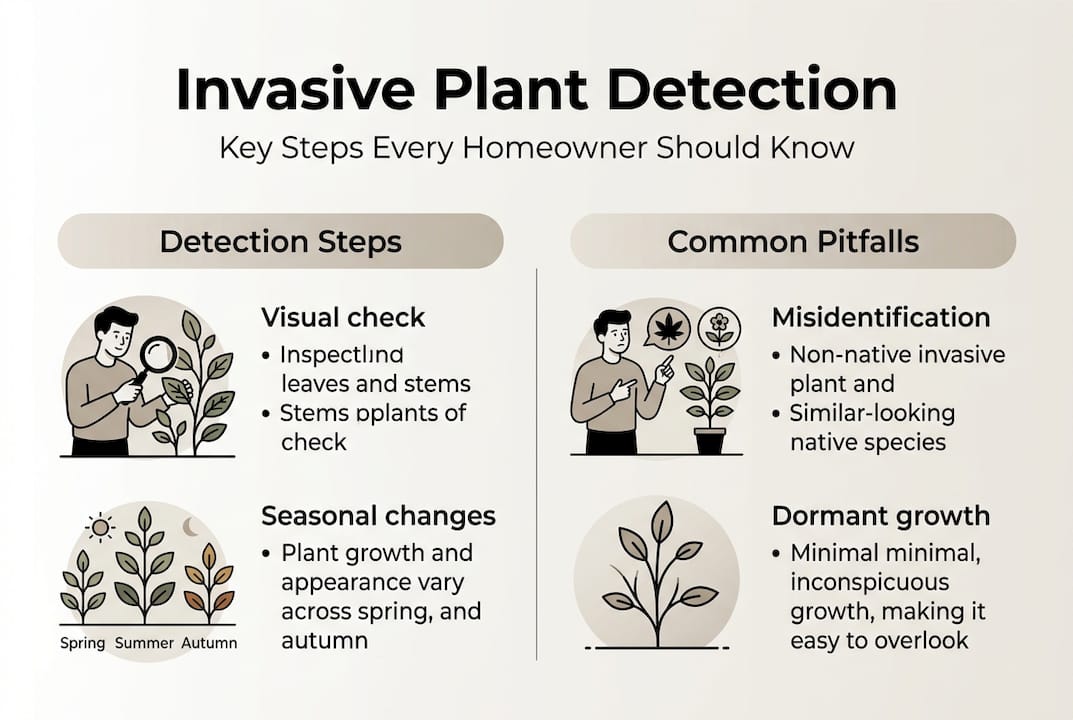
Identifying Japanese knotweed requires a careful understanding of its distinctive characteristics throughout different seasonal stages. The plant undergoes dramatic transformations that can help property owners and environmental professionals recognize its presence accurately.

Spring Emergence: During early spring, Japanese knotweed begins its most distinctive growth phase. Reddish-purple shoots emerge from the ground, resembling asparagus spears, and quickly develop into bamboo-like stems. These initial shoots grow rapidly, sometimes expanding up to 10 centimeters per day, making them one of the most aggressive plant species in the UK landscape.

knotweed stems comparison

Summer Growth: By mid-summer, the plant reaches its peak visual prominence. Characteristics include:

  • Bright green, heart-shaped leaves
  • Bamboo-like hollow stems with distinctive zigzag pattern
  • Stems turning light green to dark green
  • Potential white flower clusters appearing in late summer

Autumn Transition: As temperatures drop, Japanese knotweed begins to show signs of decline. Leaves turn yellow and brown, and the stems start to look dry and woody. However, this does not mean the plant is dying – its extensive underground rhizome network remains active and capable of regeneration. Free Japanese Knotweed Identification Service can help confirm seasonal variations and potential infestation risks.

Winter Dormancy: During winter, the above-ground vegetation appears completely dead. Stems turn brown and brittle, creating a stark landscape of seemingly lifeless plant matter. But do not be deceived. The underground root system remains alive and potent, ready to produce new growth when spring returns. This winter dormancy makes knotweed particularly challenging to eradicate, as the root network continues to store energy and prepare for next season’s aggressive expansion.

Knotweed Look-Alikes And Common Misconceptions

Identifying Japanese knotweed can be challenging due to its numerous look-alikes and persistent myths surrounding its characteristics. Misidentification can lead to significant property and ecological risks, making accurate recognition critical for landowners and environmental professionals.

Common Look-Alike Plants:

  • Bindweed: Often mistaken for knotweed due to similar heart-shaped leaves
  • Russian Vine: Shares similar climbing characteristics and growth pattern
  • Elder Seedlings: Can be confused with young knotweed shoots
  • Bamboo Shoots: Remarkably similar stem structure

One of the most prevalent misconceptions is that cutting or mowing knotweed will eliminate the plant. In reality, this approach can actually stimulate more aggressive growth. Each fragment of root as small as 0.4 inches can potentially regenerate into a new plant, making manual removal extremely risky. Most Common Japanese Knotweed Misconceptions highlights the complexity of managing this invasive species.

Another critical misunderstanding involves the plant’s winter appearance. Many property owners mistakenly believe the plant is dead during dormant months. However, the underground rhizome network remains alive and potent, storing energy for explosive spring growth. Professional identification becomes crucial, as the plant’s dormant state can deceive even experienced gardeners and property managers.

Risks Of Misidentifying Knotweed

Misidentifying Japanese knotweed can lead to catastrophic consequences for property owners, potentially resulting in thousands of dollars in structural damage and significant legal complications. Property value reduction becomes an immediate and severe risk when this invasive species goes unrecognized and untreated.

Financial Implications of misidentification include:

  • Potential property value decrease up to 10-15%
  • Expensive remediation costs ranging from $5,000 to $50,000
  • Mortgage application rejections
  • Potential legal disputes with neighbors or property sellers

The structural threats extend far beyond typical plant invasions. Japanese knotweed can penetrate concrete foundations, compromise building structures, and undermine property infrastructure with its aggressive root system. Is Japanese Knotweed Dangerous provides critical insights into the extensive damage potential of this plant.

Legal ramifications represent another significant risk of misidentification. Property owners may find themselves liable for knotweed spread to neighboring properties, facing potential litigation and mandatory removal expenses. Professional identification becomes crucial, as early detection can prevent exponential growth and mitigate potential financial and legal challenges associated with this highly invasive species.

Japanese knotweed represents a significant legal minefield for property owners across the United Kingdom, with potentially severe consequences for those who fail to manage this invasive species. Gov Wales explicitly states that it is an offense under the Wildlife and Countryside Act 1981 to plant or cause Japanese knotweed to grow in the wild, placing direct legal responsibility on property owners.

Key Legal Obligations for property owners include:

  • Preventing knotweed spread from their land
  • Ensuring proper containment and management
  • Potential liability for damages to neighboring properties
  • Mandatory disclosure during property sales

Wikipedia highlights that Japanese knotweed is classified as ‘controlled waste’ under the Environmental Protection Act 1990, which means property owners can face significant legal and financial repercussions for improper management. This classification can dramatically impact property transactions, with many mortgage lenders refusing to provide loans on properties with active knotweed infestations.

The financial implications extend beyond potential legal action. Property owners may be required to fund expensive professional eradication programs, potentially costing thousands of pounds. Understand the Laws Regarding Japanese Knotweed can provide further detailed guidance on navigating these complex legal requirements and protecting your property investment.

Take Control of Japanese Knotweed With Proven, Chemical-Free Solutions

Dealing with Japanese knotweed requires precise identification and a powerful treatment approach that targets the plant’s stubborn underground rhizomes. The challenges you face include rapid growth, underground spread, and the risk of property damage described in this guide. You need a solution that not only identifies infestation early but also effectively eradicates this invasive species without harmful chemicals.

https://japaneseknotweedagency.co.uk

Japanese Knotweed Agency pioneers direct energy treatments that deliver up to 5000 volts onsite. This method causes internal cell damage and depletes the plant’s energy, stopping regrowth in its tracks. Alongside root barrier installations and excavation work, we make sure your property is protected from further damage and legal complications. Don’t wait until knotweed affects your property value or mortgage options. Visit Japanese Knotweed Agency for a professional survey and tailored eradication strategy. Learn more about the risks with Is Japanese Knotweed Dangerous and get help identifying the problem early using our Free Japanese Knotweed Identification Service. Take action now to protect your home and investment.

Frequently Asked Questions

What is Japanese knotweed and why is it a problem?

Japanese knotweed is an invasive plant species known for its rapid growth and extensive underground rhizome network. It can cause structural damage to buildings and disrupt native ecosystems, making it a significant environmental challenge.

How can I identify Japanese knotweed in different seasons?

In spring, look for reddish-purple shoots resembling asparagus. In summer, you’ll see heart-shaped leaves and bamboo-like stems. In autumn, the leaves turn yellow, and in winter, the plant appears dead above ground, but the underground root system remains alive.

What are some common plants that look like Japanese knotweed?

Common look-alikes include bindweed, Russian vine, elder seedlings, and bamboo shoots, which can complicate proper identification and management of Japanese knotweed infestations.

Infographic comparing Japanese knotweed and look-alikes with sketches and identification features.

Property owners are legally responsible for preventing the spread of Japanese knotweed and must properly manage it. Failure to do so can result in financial penalties, property value reductions, and liability for damage caused to neighboring properties.

Read more

Buying a House with Knotweed Guide: A Step-by-Step Plan

Invasive plants like Japanese knotweed can cause widespread trouble for american homeowners, with removal costs sometimes soaring into the tens of thousands. This relentless species is notorious for breaking through concrete and damaging property foundations, creating stress and unexpected bills. Knowing how to spot and tackle knotweed early means you can protect home value and avoid the steep financial risks many americans face. This guide outlines straightforward, effective steps for identifying and managing Japanese knotweed at any stage.

Table of Contents

Quick Summary

Key Insight Explanation
1. Conduct Early Visual Inspections Inspect your property between May and September for signs of Japanese knotweed to prevent extensive damage and costs.
2. Hire Certified Professionals for Surveys Engage experienced surveyors for accurate identification and reporting of knotweed infestations to safeguard your investment.
3. Explore Diverse Remediation Strategies Understand various treatment options, including chemical, physical, and innovative methods, to effectively eliminate knotweed long-term.
4. Implement Chemical-Free Eradication Choose non-chemical approaches to eradicate knotweed sustainably, using methods like excavation and energy treatments.
5. Verify Remediation and Secure Warranty Ensure proper documentation and a warranty for future protection against knotweed regrowth after eradication efforts.

Step 1: Assess Property for Japanese Knotweed Presence

Detecting Japanese knotweed early can save you thousands in potential property damage and remediation costs. According to the UK Environment Agency, understanding how to identify this invasive plant is crucial for property buyers and homeowners.

When assessing a property for Japanese knotweed presence, start by conducting a comprehensive visual inspection during peak growing season between May and September. Look for distinctive characteristics like bamboo like stems with purple speckles, bright green heart shaped leaves arranged in a zigzag pattern, and large clusters of white flower clusters. As the Centre for Ecology & Hydrology notes, knotweed can grow rapidly up to 10 centimeters per day and can penetrate concrete foundations, driveways, and building structures.

Pro Tip: Do not rely solely on your own inspection. Always hire a professional surveyor experienced in Japanese knotweed identification who can provide an official report.

If you suspect knotweed is present, request documentation from the current property owner about any previous treatments or known infestations. This documentation can help you understand the extent of potential remediation needed and potential impact on property value. Your next step will be to commission a specialized invasive plant survey to confirm any suspicions and develop a comprehensive treatment strategy.

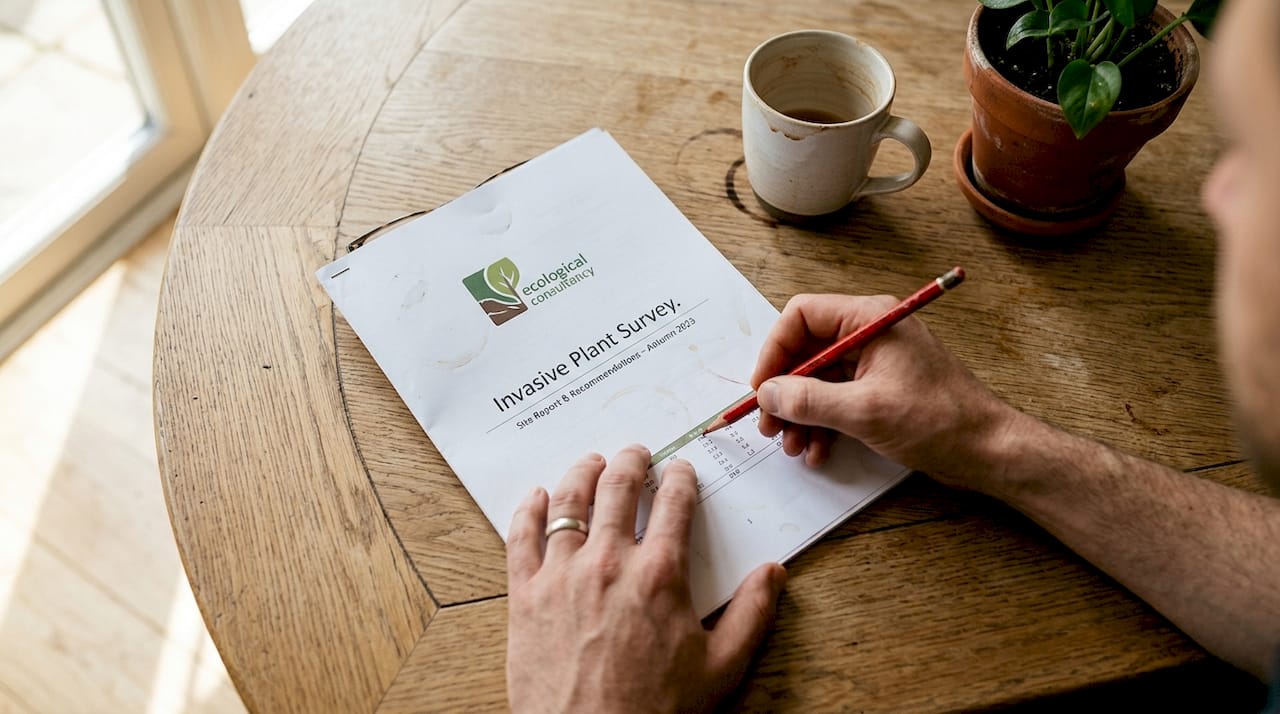
Step 2: Request a Professional Knotweed Survey

Securing a professional knotweed survey is a critical step in protecting your property investment. Royal Institution of Chartered Surveyors guidance emphasizes the importance of expert assessment to accurately identify and manage potential knotweed infestations.

To request a professional survey, start by researching certified surveyors specializing in invasive plant identification. Look for professionals with specific experience in Japanese knotweed detection who can provide comprehensive documentation. As the Property Care Association recommends, choose a surveyor who follows industry best practices and can offer detailed reporting on the extent and potential impact of any knotweed presence.

Pro Tip: Request a free Japanese knotweed survey that provides an initial assessment and professional recommendations.

During the survey, the professional will conduct a thorough site inspection, document any findings with photographs and precise measurements, and provide a comprehensive report detailing the knotweed presence, potential risks, and recommended treatment strategies. This documentation becomes crucial for future property negotiations, insurance purposes, and potential remediation planning.

professional knotweed survey Your next step will involve carefully reviewing the survey results and determining the appropriate course of action based on the expert recommendations.

Step 3: Review Treatment and Remediation Options

After identifying Japanese knotweed on your property, understanding your treatment and remediation options becomes crucial. According to the UK Environment Agency, multiple strategies exist for managing this invasive plant effectively.

Research from the University of Leeds highlights several key remediation approaches. Chemical treatments involve herbicide applications over multiple growing seasons, while physical removal methods include excavation and root barrier installations. Some innovative techniques like electromagnetic treatment can target the plant’s root system without extensive ground disturbance.

Pro Tip: Always choose a remediation strategy that provides long term eradication rather than temporary suppression.

Consider factors such as property size, knotweed extent, environmental impact, and budget when selecting your treatment approach. Professional consultation can help you determine the most effective and sustainable method for your specific situation.

Your next step will involve obtaining detailed quotes from certified knotweed removal specialists and developing a comprehensive eradication plan.

Step 4: Implement a Chemical Free Eradication Plan

Implementing a chemical free eradication plan requires strategic planning and specialized techniques to effectively eliminate Japanese knotweed. According to the UK Environment Agency, non chemical methods offer sustainable alternatives to traditional herbicide treatments.

Research from the University of Leeds highlights innovative approaches like electromagnetic treatment and physical removal strategies. Physical methods include complete root system excavation, installing root barriers, and targeted energy treatments that disrupt the plant’s cellular structure without chemical intervention. These techniques can deliver long term eradication by preventing regrowth and minimizing environmental impact.

Pro Tip: Ensure continuous monitoring and follow up treatments to prevent potential knotweed resurgence.

Choose a method that balances effectiveness, cost efficiency, and minimal environmental disruption. Professional consultation can help you develop a tailored chemical free plan specific to your property’s unique characteristics. Your next step will involve implementing the selected eradication strategy and establishing a comprehensive monitoring protocol to ensure complete knotweed removal.

Step 5: Verify Remediation and Secure Warranty

After completing your Japanese knotweed eradication plan, verifying the remediation process becomes critical to protecting your property investment. Royal Institution of Chartered Surveyors emphasizes the importance of comprehensive documentation and professional validation of treatment outcomes.

The Property Care Association recommends securing a formal warranty that covers potential future knotweed regrowth. This warranty should include detailed documentation of the treatment process, including site surveys, eradication methods used, and a comprehensive monitoring plan. Seek a warranty that provides coverage for a minimum of 10 years and includes provisions for additional treatments if any knotweed reappears.

Pro Tip: Request a written guarantee from your treatment specialist that includes specific remediation standards and future monitoring commitments.

Carefully review all documentation, ensuring it includes precise location details, treatment dates, methods employed, and future management strategies. Professional verification helps protect your property value and provides peace of mind that the knotweed has been thoroughly addressed. Your final step will involve maintaining ongoing monitoring and keeping all treatment records for future property transactions.

Protect Your Property Investment with Expert Japanese Knotweed Solutions

Buying a house with Japanese knotweed presents serious challenges that can threaten your property value and peace of mind. The article highlights the critical steps of identifying knotweed presence, commissioning professional surveys, and choosing effective treatment plans.

Infographic showing steps to buy a house with knotweed safely. If you want to avoid costly damage and stressful remediation later, it is essential to act decisively with proven, chemical free eradication methods tailored to your property.

At Japanese Knotweed Agency, we specialize in advanced treatment options such as direct energy delivery up to 5000 volts that disrupts knotweed at its roots without harmful chemicals. We also provide thorough property invasive weed surveys across England, Wales, and Ireland to give you the knowledge and confidence you deserve. With root barrier installation and excavation services, we offer comprehensive solutions for lasting knotweed removal.

https://japaneseknotweedagency.co.uk

Don’t wait until knotweed impacts your property purchase or value. Discover how our professional surveys and innovative chemical free eradication techniques can secure your investment today. Start your knotweed journey with Japanese Knotweed Agency and take control of your property future now.

Frequently Asked Questions

What should I look for when assessing a property for Japanese knotweed?

To assess a property for Japanese knotweed, look for bamboo-like stems with purple speckles, bright green heart-shaped leaves arranged in a zigzag pattern, and clusters of white flowers during the growing season from May to September. Conduct a thorough visual inspection and hire a professional surveyor to confirm any findings and provide an official report.

How do I request a professional knotweed survey?

Start by researching certified surveyors who specialize in invasive plant identification, particularly Japanese knotweed. Contact them to request a survey that includes a thorough site inspection and document any findings with detailed reporting, including photographs and measurements.

What treatment options are available if I find Japanese knotweed on my property?

Available treatment options include chemical methods like herbicide applications over multiple seasons, physical removal strategies like excavation, and innovative techniques such as electromagnetic treatment. Review each option carefully, considering your property size and budget, and consult with professionals for the best approach tailored to your situation.

How can I implement a chemical-free eradication plan for Japanese knotweed?

To implement a chemical-free eradication plan, consider methods such as complete root system excavation and installation of root barriers. Choose techniques that minimize environmental impact while effectively preventing regrowth and follow up with continuous monitoring after treatment is completed.

How can I verify the effectiveness of the knotweed remediation?

After completing the eradication plan, verify its effectiveness by securing formal documentation from your treatment specialist that outlines the methods used, the dates of treatment, and a monitoring plan. Ensure the warranty covers at least 10 years and includes provisions for any future treatment needs if knotweed reappears.

What documentation should I keep after the knotweed treatment?

Keep detailed records of the treatment process, including site surveys, eradication methods, and a future monitoring plan. This documentation will be essential for property value protection and any future property transactions involving the house.

Read more

Why Knotweed Returns: Complete Guide for UK Homes

Few plants spark as much concern among american gardeners and landowners as Japanese knotweed. This invasive species can regenerate from fragments as tiny as 0.5 grams, making it nearly impossible to eliminate through ordinary means. The resilience and persistence of knotweed create serious challenges for anyone aiming to protect their property or local ecosystem. Discover why knotweed persists despite countless removal attempts, what truly drives its regrowth, and how understanding these traits is key to effective management.

Table of Contents

Key Takeaways

Point Details
Invasive Regeneration Japanese knotweed can regenerate from very small fragments, making it exceptionally difficult to control.
Legal Responsibilities Property owners must prevent the spread of knotweed and manage proper disposal to avoid legal repercussions.
Treatment Challenges Traditional removal methods often fail due to the extensive underground rhizome system, necessitating a more comprehensive approach.
Chemical-Free Methods Effective eradication can be achieved through careful, persistent techniques such as desiccation and manual removal without chemicals.

Defining Knotweed Regrowth and Persistence

Japanese knotweed represents an extraordinary botanical challenge, characterized by its remarkable ability to regenerate and persist across diverse environments. According to gov.uk, this invasive species can spread through direct rhizome growth and develop new plants from stem and root fragments as minuscule as 1 centimeter, making it exceptionally resilient.

The regenerative capacity of Japanese knotweed is nothing short of remarkable. Research from eprints.whiterose.ac.uk reveals that incredibly small plant material fragments – as little as 0.5 grams of rhizome – can successfully regenerate into an entirely new plant. This extraordinary reproductive mechanism allows knotweed to establish itself rapidly, transforming landscapes with alarming efficiency.

Knotweed’s persistence is rooted in its adaptive biology. It thrives in various soil conditions, demonstrating particular success in man-made environments such as roadsides and railway embankments. Studying the consequences of letting Japanese knotweed spread reveals critical insights into its aggressive colonization strategies.

Key Regeneration Characteristics:

  • Regenerates from fragments smaller than 1cm
  • Survives in diverse soil conditions
  • Can establish new growth from minimal plant material
  • Highly adaptable to artificial landscapes

Understanding these regenerative capabilities is crucial for effective management and prevention of knotweed spread.

Biology of Knotweed and Rhizome Survival

The remarkable survival mechanism of Japanese knotweed lies in its intricate rhizome network, a complex underground system that enables extraordinary regenerative capabilities. Research from eprints.whiterose.ac.uk reveals astonishing insights into its biological resilience, demonstrating that fragments as small as 0.5 grams can successfully regenerate into a fully formed plant.

Scientific investigation has uncovered the precise regeneration requirements for this invasive species. According to eprints.whiterose.ac.uk, Japanese knotweed’s rhizomes can extend several meters underground, creating an extensive and interconnected root system. This remarkable biological characteristic makes the plant incredibly challenging to control and eradicate.

The plant’s survival strategy is rooted in its adaptive biology. Each rhizome fragment requires at least one node to regenerate, which means even the smallest piece of root can potentially spawn a new infestation. Understanding the origins of Japanese knotweed provides critical context for comprehending its extraordinary survival mechanisms.

Key Rhizome Survival Characteristics:

  • Regenerates from fragments as small as 0.5g
  • Requires at least one node for successful growth
  • Rhizome networks can extend several meters
  • Highly resistant to traditional removal methods

Understanding these biological intricacies is essential for developing effective eradication strategies against this persistent invasive species.

knotweed rhizome structure

Common Causes of Treatment Failure

Japanese knotweed treatment often fails due to fundamental misunderstandings about the plant’s extraordinary resilience. According to naturalresourceswales.gov.uk, traditional methods like cutting and digging are fundamentally ineffective against established knotweed populations because of its extensive underground rhizome system.

Herbicide application represents the primary recommended control method, but homeowners frequently underestimate the complexity of successful eradication. gov.uk highlights that larger knotweed patches demand multiple herbicide treatments to completely kill the plants and prevent potential regrowth. Incomplete or inconsistent treatment protocols dramatically increase the likelihood of reinfestation.

The most critical treatment failures stem from inadequate understanding of knotweed’s biological persistence. Studying Japanese knotweed’s origins reveals that even microscopic root fragments can regenerate, rendering superficial removal techniques essentially useless.

Primary Treatment Failure Factors:

  • Incomplete rhizome removal
  • Insufficient herbicide coverage
  • Inconsistent treatment protocols
  • Underestimating root fragment regeneration potential
  • Lack of long-term monitoring

Successful knotweed eradication demands a comprehensive, scientific approach that addresses the plant’s complex regenerative capabilities.

Navigating the legal landscape of Japanese knotweed management is complex and critical for UK property owners. According to gov.uk, landowners have a strict legal obligation to prevent knotweed from spreading beyond their property boundaries. This means proactively managing the invasive plant to stop its potential ecological damage.

Disposal of Japanese knotweed presents significant legal challenges. forestresearch.gov.uk classifies knotweed as ‘controlled waste’ under the Environmental Protection Act 1990, mandating specialized disposal procedures. This classification requires that contaminated soil and plant material must be buried at a minimum depth of five meters in licensed landfills to prevent potential regrowth.

Exploring the legal obligations surrounding Japanese knotweed reveals the potential consequences of non-compliance. Property owners can face significant legal and financial repercussions if they fail to manage knotweed effectively.

Key Legal Considerations:

  • Preventing knotweed spread beyond property boundaries
  • Specialized disposal requirements
  • Potential legal liability for ecological damage
  • Mandatory reporting and management protocols
  • Significant financial penalties for non-compliance

Understanding these legal frameworks is essential for responsible knotweed management and environmental stewardship.

Effective Chemical-Free Eradication Methods

Chemical-free Japanese knotweed eradication demands strategic and persistent approaches that target the plant’s complex regenerative system. Research from eprints.whiterose.ac.uk suggests desiccation as a promising non-chemical control strategy, with plant material demonstrating no regrowth after 38 days of systematic dehydration.

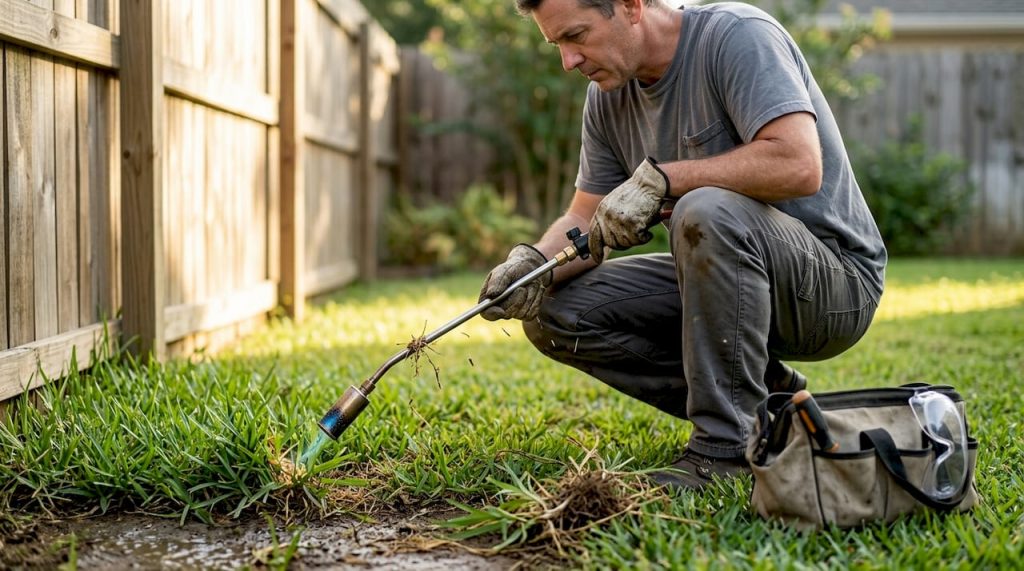
Manual intervention techniques offer alternative solutions for smaller infestations. According to dudley.gov.uk, repeated stem pulling can help control small knotweed stands, though effectiveness diminishes significantly with larger, more established populations. These mechanical methods require consistent and precise execution to prevent potential regeneration.

Exploring chemical-free treatment approaches reveals the complexity of managing this resilient invasive species. Physical removal methods must be comprehensive, targeting not just visible growth but the extensive underground rhizome network that enables rapid regeneration.

Key Chemical-Free Eradication Strategies:

  • Extended desiccation techniques
  • Repeated manual stem removal
  • Comprehensive root system extraction
  • Persistent monitoring and intervention
  • Preventing fragment reestablishment

Successful knotweed management requires a holistic, patient approach that disrupts the plant’s fundamental regenerative capabilities.

Infographic comparing knotweed removal methods and regrowth cycles

Stop Japanese Knotweed from Coming Back in Your UK Home

Japanese knotweed’s relentless regrowth and underground rhizome survival make it one of the toughest invasive plants to control. The article highlights how tiny fragments and extensive root networks lead to treatment failure and ongoing spread. If you are tired of watching knotweed return despite cutting or digging, you are not alone. Effective management means attacking the plant’s biology with a method that truly penetrates and disables its root system.

At Japanese Knotweed Agency, we pioneered a chemical-free treatment delivering up to 5000 volts of energy directly to the plant’s rhizomes. This innovative approach causes internal cell damage and drains the energy supply knotweed depends on for regrowth. Alongside our proven treatments, we offer root barrier installations and excavation to stop knotweed spreading beyond your property. With our expert property surveys across England, Wales, and Ireland, we help you understand the extent of infestation before the plant comes back stronger.

https://japaneseknotweedagency.co.uk

Don’t let Japanese knotweed take over your home again. Discover how our cutting-edge, chemical-free treatments tackle the underground battle to stop knotweed permanently. Visit Japanese Knotweed Agency now to schedule your survey and take control. Act today to protect your property and peace of mind.

Frequently Asked Questions

What causes Japanese knotweed to return after treatment?

Japanese knotweed often returns due to incomplete removal of the rhizome system or insufficient herbicide coverage. Even small root fragments can regenerate, making complete eradication challenging.

What are the most effective methods for controlling Japanese knotweed?

The most effective methods include comprehensive herbicide applications and physical removal techniques, such as extracting the root system. Consistent monitoring and treating all fragments is crucial to prevent regrowth.

Why is manual removal of Japanese knotweed not always successful?

Manual removal can be ineffective, particularly for established populations, because it may not remove all rhizome fragments. Even small pieces can lead to new growth, necessitating thorough removal strategies.

Property owners are legally obligated to manage Japanese knotweed to prevent its spread. This includes taking proactive measures and adhering to specialized disposal requirements for contaminated soil and plant materials.

Read more

What Is Japanese Knotweed? Complete UK Guide

Most american homeowners have never faced a weed quite like Japanese knotweed, yet its spread in the United Kingdom is causing serious concern. This plant’s underground rhizome network can reach up to seven meters, making complete removal extremely complex and costly. Misconceptions about Japanese knotweed often lead to poor management and legal headaches. Understanding the truth behind these myths empowers you to recognize the real risks and take practical steps before minor sightings turn into major problems.

Table of Contents

Key Takeaways

Point Details
Japanese Knotweed Characteristics This invasive plant grows aggressively, spreading primarily through its extensive underground rhizome network, making eradication challenging.
Common Myths Popular misconceptions include beliefs that knotweed can grow through concrete or that cutting it will eliminate it, which are false.
Legal Responsibilities Homeowners are not required to remove knotweed but must prevent its spread to neighboring properties and follow legal waste disposal guidelines.
Risks of Inaction Ignoring knotweed can lead to decreased property values, potential legal liabilities, and increased remediation costs over time.

Japanese Knotweed Defined And Common Myths

Japanese knotweed (Fallopia japonica) is an incredibly resilient invasive plant species that has become a significant environmental and property management challenge across the United Kingdom. According to Gov UK, this plant was introduced to the UK in the 19th century and is notorious for its aggressive growth patterns and potential to cause substantial structural damage.

The plant’s most distinctive characteristic is its extensive rhizome network, which allows it to spread rapidly underground. Garden Organic highlights that contrary to popular belief, Japanese knotweed rarely produces viable seeds in the UK, instead propagating through its complex root system. This underground network can extend several meters horizontally and vertically, making eradication extremely challenging.

knotweed rhizome system

Numerous myths surround Japanese knotweed, often exaggerating its capabilities. Common misconceptions include:

  • The plant can grow through solid concrete (False: it exploits existing structural weaknesses)
  • Knotweed seeds are the primary method of spread (False: rhizome network is the main propagation method)
  • Small patches can be easily removed by homeowners (False: professional intervention is typically required)
  • Cutting the plant will kill it (False: this can actually stimulate more aggressive growth)

Understanding the true nature of Japanese knotweed is crucial for property owners and land managers. For a deeper exploration of these misconceptions, check out our guide on Japanese Knotweed Misconceptions.

Recognizing Japanese Knotweed Growth And Spread

Recognizing Japanese knotweed requires understanding its unique and aggressive growth characteristics. Natural Resources Wales reports that this invasive plant can grow up to 3 meters tall, with distinctive reddish shoots emerging in early spring, signaling its rapid growth potential.

The plant’s most alarming feature is its extraordinary spread mechanism. According to NNNSI, Japanese knotweed’s rhizome network can extend up to 7 meters horizontally and 3 meters deep, making complete eradication incredibly challenging. What makes this plant particularly dangerous is its ability to regenerate from tiny fragments – new plants can sprout from pieces as small as 1 centimeter.

Key Visual Identification Markers:

  • Stem Characteristics: Bamboo-like hollow stems with distinctive purple speckles
  • Leaf Shape: Alternating, shield-shaped leaves with pointed tips
  • Growth Pattern: Dense, tall clusters that can quickly dominate an area
  • Seasonal Changes: Reddish shoots in spring, green foliage in summer, brown dies-back in winter

Understanding these growth patterns is crucial for early detection.

For property owners and land managers seeking deeper insights, our guide on the consequences of Japanese knotweed spread provides comprehensive information about potential risks and management strategies.

Japanese knotweed presents significant legal complexities for property owners across the United Kingdom. Gov UK clarifies that under the Wildlife and Countryside Act 1981, while homeowners are not legally mandated to remove Japanese knotweed from their own property, they are strictly prohibited from allowing it to grow in the wild or spread to neighboring lands.

The legal implications of Japanese knotweed management are substantial. Natural Resources Wales emphasizes that property owners can potentially face legal action if they negligently allow the plant to spread into adjacent properties. Moreover, any waste material from Japanese knotweed is classified as controlled waste, which means it must be disposed of exclusively at licensed waste management facilities.

Key Legal Considerations for Homeowners:

  • Prevent spread to neighboring properties
  • Dispose of knotweed waste through licensed facilities
  • Disclose knotweed presence during property sales
  • Potentially liable for damage caused by plant migration
  • Risk of prosecution if intentionally spreading the plant

For property owners dealing with this invasive species, understanding these legal obligations is crucial. Property buyers and sellers should be especially aware, as Japanese knotweed can significantly impact property values and mortgage eligibility. For more comprehensive insights into the potential consequences, explore our guide on the consequences of letting Japanese knotweed spread.

Modern Chemical-Free Eradication Methods

Eradicating Japanese knotweed without chemical interventions requires a strategic and persistent approach. Garden Organic highlights that organic control methods are possible, though they demand significant patience and consistent effort. The primary non-chemical techniques involve repeated cutting and systematic excavation of the plant’s extensive root system.

Recent scientific developments are providing more sophisticated alternatives to traditional removal methods. NHSN has launched an interactive mapping study aimed at understanding knotweed spread, which will help develop targeted, non-chemical control strategies. These emerging approaches focus on disrupting the plant’s complex underground rhizome network through precise, energy-based interventions.

Key Chemical-Free Eradication Techniques:

  • Repeated cutting and removing above-ground growth
  • Systematic root excavation and removal
  • Precise energy-based disruption of rhizome networks
  • Comprehensive root barrier installations
  • Persistent monitoring and treatment cycles

For property owners seeking comprehensive guidance on managing this invasive species, our blog on Japanese knotweed management offers additional insights into emerging eradication strategies.

Risks Of Inaction And Property Implications

The potential consequences of ignoring Japanese knotweed can be far-reaching and financially significant. Agriland reports a staggering 28% increase in confirmed Japanese knotweed cases across the UK over five years, underscoring the growing risk to properties and infrastructure if left unmanaged.

Interestingly, the actual threat may be more nuanced than commonly perceived. University of Leeds research suggests that while Japanese knotweed can potentially cause structural damage, reported instances of significant harm to residential properties are relatively rare. However, this does not mean homeowners should be complacent.

Potential Risks of Ignoring Japanese Knotweed:

  • Decreased property market value
  • Potential mortgage application rejections
  • Legal liability for neighboring property damage
  • Escalating treatment costs over time
  • Potential structural integrity compromises

Infographic showing risk of knotweed spread, UK legal responsibilities, and property value impact.

  • Significant landscaping and remediation expenses

Property owners facing this invasive plant should take immediate action. For comprehensive strategies and detailed insights into managing Japanese knotweed, explore our guide on the consequences of letting Japanese knotweed spread.

Take Control of Japanese Knotweed With Proven Chemical-Free Solutions

The rapid spread and deep-rooted resilience of Japanese knotweed pose serious challenges for many property owners across the UK. This invasive plant does not just threaten your garden but can affect property values and legal standing if left unmanaged. If you have spotted reddish shoots or noticed dense clusters of bamboo-like stems on your land, acting quickly is essential to prevent further damage.

https://japaneseknotweedagency.co.uk

At Japanese Knotweed Agency, we specialize in pioneering chemical-free treatments that target the knotweed’s extensive rhizome network with up to 5000 volts of direct energy. Our approach depletes the plant’s vitality safely and effectively, sparing your property from invasive excavation or harsh chemicals. Alongside eradication, we offer expert root barrier installations and thorough property surveys across England, Wales and Ireland to give you peace of mind.

Don’t let Japanese knotweed take control and affect your property’s future. Explore how we can help you rid your land of this threat by visiting our main website today. For deeper understanding on why swift action matters, check out our detailed guide on the consequences of letting Japanese knotweed spread and learn more about chemical-free management strategies. Your property deserves expert care — start protecting it now.

Frequently Asked Questions

What is Japanese knotweed?

Japanese knotweed is an invasive plant species known for its aggressive growth and potential to cause structural damage through its extensive underground rhizome network.

How does Japanese knotweed spread?

Japanese knotweed primarily spreads through its complex rhizome system, which can extend several meters underground and sideways. It rarely produces viable seeds in the UK.

Homeowners must prevent Japanese knotweed from spreading to neighboring lands and properly dispose of any waste through licensed facilities. They are liable for damage caused by its migration.

What methods are available for eradicating Japanese knotweed without chemicals?

Non-chemical eradication methods include repeated cutting, systematic excavation of the root system, and emerging techniques focused on disrupting the rhizome network using energy-based interventions.

Read more

Removing Knotweed from Garden Naturally: Step-by-Step Guide

Every year, american homeowners lose millions to property damage caused by relentless Japanese knotweed. This invasive plant is notorious for its ability to regenerate from fragments as small as one centimeter, quickly overwhelming gardens and even threatening building foundations. Addressing knotweed is more than a gardening chore, it’s about legal responsibility and protecting your investment. In the following guide, you will find practical steps to identify, remove, and prevent knotweed regrowth with clear, science-backed methods.

Table of Contents

Quick Summary

Primary Insight Detailed Explanation
1. Identify Affected Areas Early Carefully inspect your property to locate all instances of Japanese knotweed, as even small fragments can regenerate. Document these locations for effective removal planning.
2. Prepare the Treatment Area Clear debris and secure the site to avoid accidental spread during removal. Use visible barriers to mark the affected area and minimize soil disturbance.
3. Use Direct Energy Techniques Employ innovative methods like thermo-electric treatment to eradicate knotweed efficiently while preserving surrounding vegetation and allowing rapid ecosystem recovery.
4. Install Root Barriers Create underground barriers with impermeable materials to prevent future knotweed growth. Ensure correct installation to eliminate gaps that could allow regrowth.
5. Monitor for Regrowth Conduct inspections over at least two growing seasons to detect any signs of resurgence, as even small root fragments can restart an infestation.

Step 1: Assess Infestation and Identify Affected Areas

Successfully removing knotweed starts with pinpointing exactly where this invasive plant has taken root. Your mission is to thoroughly inspect your property and understand the extent of the Japanese knotweed spread.

Identifying Japanese knotweed requires careful observation of specific characteristics. According to gov.uk, this plant can establish itself in diverse environments like roadsides, waste grounds, and riverbanks. Look for distinctive features: bamboo-like stems with distinctive zigzag growth patterns, bright green leaves, and reddish speckled shoots emerging in spring. Pay extra attention to areas with disturbed soil or near existing water sources.

Warning: Even tiny fragments as small as 1 cm can regenerate into a full plant. As outlined by Natural Resources Wales, spreading knotweed is actually a legal offense under the Wildlife and Countryside Act 1981. Careful documentation of the affected zones becomes crucial not just for removal but for potential legal compliance.

Tip: Create a detailed map of your property marking all knotweed locations. This will help track the infestation and plan your removal strategy systematically. Your next step involves preparing for targeted treatment based on these initial assessments.

Step 2: Prepare Garden and Ensure Safe Access

Before diving into knotweed removal, you must create a strategic plan to protect your garden and prevent unintentional plant spread. This step is all about smart preparation and minimizing potential risks during treatment.

According to gov.uk, proper preparation involves clearing the area of debris and securing the site to prevent accidental knotweed propagation. Start by creating a clear work zone around the infestation. Remove any loose materials, garden tools, or objects that might interfere with your treatment process. Mark off the affected area with visible barriers or warning tape to prevent accidental contact or movement through the space.

Warning: As highlighted by Natural Resources Wales, never attempt to strim, flail, or mow Japanese knotweed. These actions can catastrophically spread the plant, turning a contained problem into a widespread nightmare. Carefully plan your access routes to minimize soil disturbance and prevent fragmenting the plant.

Tip: Wear protective clothing like disposable coveralls and rubber boots that can be cleaned or discarded after working in the infested area. This prevents accidentally carrying knotweed fragments to other parts of your garden. Your next step will involve selecting the most appropriate removal method based on your specific garden conditions.

Step 3: Apply Direct Energy Eradication Techniques

Your battle against Japanese knotweed reaches its critical phase with direct energy eradication. This innovative technique will systematically destroy the invasive plant without harming surrounding vegetation or contaminating the soil.

According to HOA, the Japanese Knotweed Agency has developed a cutting-edge thermo-electric treatment that applies up to 5000 volts directly to the plant. This powerful method destroys the knotweed’s cellular structure, effectively killing the entire root system. The process involves carefully positioning specialized equipment to deliver precise electrical energy, targeting the plant’s internal network and preventing any potential regrowth.

The North Wales Wildlife Trust highlights a significant advantage of this approach: the Roots Reset method allows for rapid ecosystem recovery. Unlike chemical treatments, this technique permits native replanting within just five days, minimizing environmental disruption and accelerating landscape restoration.

Warning: While the process sounds straightforward, precision is key. Ensure you have professional guidance or training before attempting direct energy eradication. Your next step involves monitoring the treated area and preparing for potential follow-up treatments to guarantee complete knotweed elimination.

Step 4: Install Root Barriers for Long-Term Control

Root barriers represent your final defensive strategy against Japanese knotweed, creating a permanent underground shield that prevents future reinfestation. This critical step will help you contain and control the plant’s aggressive underground spread.

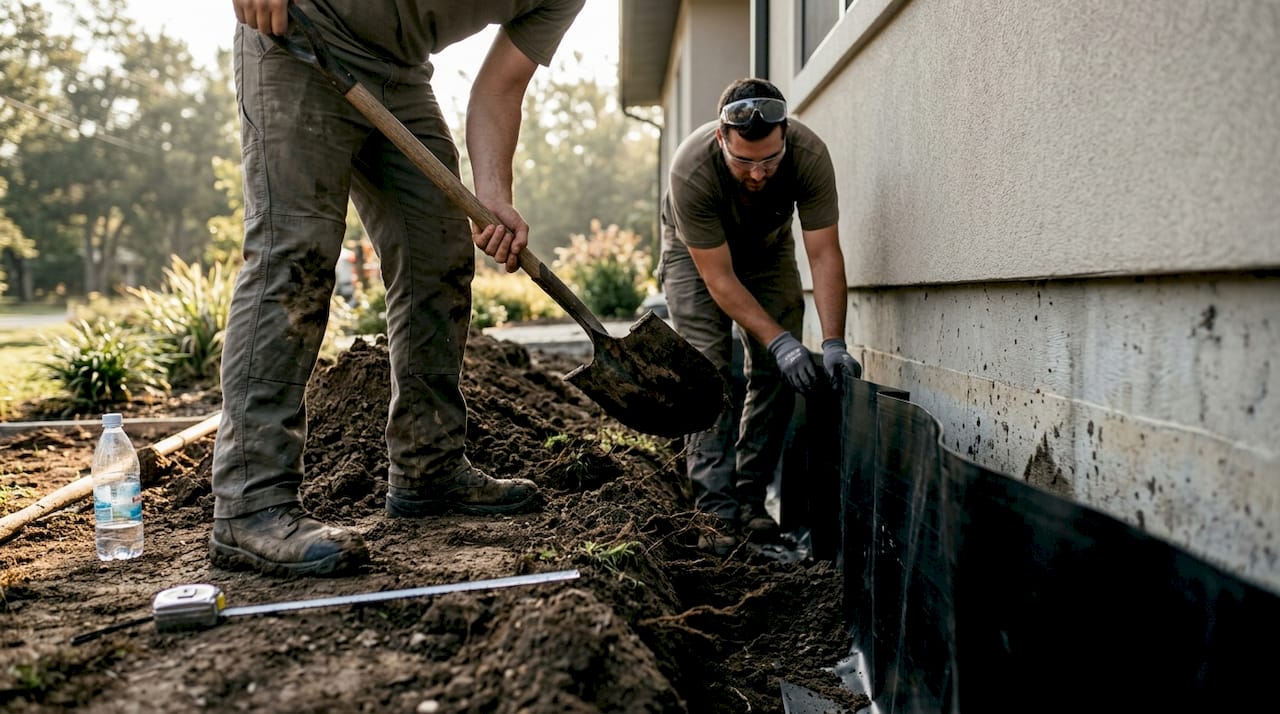
According to gov.uk, root barriers must be constructed from robust, impermeable materials and installed vertically to an adequate depth. These barriers work by physically blocking the knotweed’s rhizome network, essentially creating an underground wall that prevents lateral growth. Careful installation requires precise measurements and strategic positioning around the affected area, ensuring no potential gaps or weak points exist where the plant might penetrate.

Install our specialized root barrier with meticulous attention to detail. The barrier should extend at least 2 meters deep and create a complete perimeter around the contaminated zone. Professional installation ensures maximum effectiveness, preventing any potential underground migration of knotweed rhizomes that could restart the infestation.

install root barrier

Warning: Improper installation can render the entire barrier ineffective. Even the smallest gap or puncture can allow knotweed to exploit and continue its spread. Your next step involves monitoring the barrier and maintaining the treated area to ensure long term success in knotweed eradication.

Infographic comparing energy treatment versus root barrier for knotweed control

Step 5: Verify Complete Removal and Monitor Regrowth

With your previous treatment complete, the final phase of knotweed eradication involves vigilant monitoring and confirmation of total plant elimination. Your goal is to ensure that no surviving fragments can regenerate and restart the infestation.

According to gov.uk, comprehensive monitoring requires systematic inspection over at least two complete growing seasons. This means carefully examining the treated area multiple times throughout spring, summer, and early autumn for any signs of potential regrowth. Look for distinctive bamboo-like shoots, unusual soil disturbances, or any emerging green vegetation that matches knotweed characteristics.

The Natural Resources Wales emphasizes the critical nature of post treatment surveillance. Document your findings meticulously mark any suspicious areas and be prepared to take immediate action if even the smallest indication of knotweed reappearance emerges.

Warning: Premature celebration can be dangerous. Even a tiny root fragment can potentially regenerate into a full infestation. Your persistent attention during these monitoring periods will determine the ultimate success of your knotweed removal strategy.

Take Control of Japanese Knotweed in Your Garden with Expert Help

Removing Japanese knotweed naturally is a tough challenge. You need to be careful to avoid spreading tiny root fragments while ensuring total eradication. The step-by-step guide you just read highlights key issues like careful site assessment, protecting your garden, applying safe energy treatments, installing root barriers, and constant monitoring. These steps demand precision and persistence to win the battle against this invasive plant.

You do not have to face this alone. At Japanese Knotweed Agency, we specialize in chemical free treatments that deliver up to 5000 volts of direct energy to destroy knotweed at its roots safely and effectively. We also provide expert root barrier installations and property surveys to prevent future reinfestation. Trust the pioneers in safe Japanese knotweed removal and let us help you reclaim your garden.

Are you ready to stop knotweed from taking over your property for good?

https://japaneseknotweedagency.co.uk

Get your personalized property survey and treatment plan today by visiting Japanese Knotweed Agency. Discover how our proven, eco-friendly methods support lasting knotweed control and make your garden a safe place again. Take action now before new shoots appear and the problem grows worse.

Frequently Asked Questions

How can I identify Japanese knotweed in my garden?

You can identify Japanese knotweed by looking for its bamboo-like stems, zigzag growth patterns, bright green leaves, and reddish speckled shoots in spring. Carefully inspect your property, especially areas with disturbed soil or near water sources, and take notes on all identified locations to aid in removal efforts.

What precautions should I take when preparing for knotweed removal?

Before starting knotweed removal, clear the area of debris and mark the affected zone with visible barriers to prevent accidental contact. Wear protective clothing, such as disposable coveralls and rubber boots, to avoid carrying fragments to other areas in your garden.

What is direct energy eradication, and how does it work?

Direct energy eradication involves applying electrical energy directly to Japanese knotweed to destroy its root system without harming surrounding plants. Follow professional guidelines and equipment instructions closely to deliver precise energy and effectively eliminate the invasive plant.

How deep should root barriers be installed for effective knotweed control?

Root barriers should be installed to a minimum depth of 2 meters to effectively block the spread of knotweed rhizomes. Ensure the barriers are positioned vertically around the affected area, checking for any gaps or weak points that could allow the plant to penetrate.

How long should I monitor the treated area for signs of knotweed regrowth?

Monitor the treated area for at least two growing seasons to confirm complete removal of Japanese knotweed. Regularly check in spring, summer, and early autumn for any new shoots or signs of regrowth, and be ready to take action if you spot any resurgence.

What should I do if I spot signs of regrowth after treatment?

If you detect signs of regrowth, take immediate action to cut or treat the affected area again to prevent further spread. Maintain thorough documentation of these observations to adjust your eradication plan and ensure that all remnants are addressed quickly.

Read more

Knotweed Management Plan Explained: Complete UK Guide

Over 80 percent of UK property surveyors have encountered Japanese knotweed, making it one of the most urgent issues for homeowners and developers today. This invasive plant can cause structural damage, lower property values, and even lead to complex legal disputes if not managed properly. Understanding how a knotweed management plan works is vital for anyone facing an infestation, as it lays out clear steps for assessment, control, and long-term eradication backed by professional expertise.

Table of Contents

Key Takeaways

Point Details
Knotweed Management Plan A structured strategy essential for controlling and eradicating Japanese knotweed, including site assessment, treatment protocols, and monitoring.
Legal Obligations Property owners must legally manage and disclose knotweed presence to avoid financial and legal repercussions.
Assessment Process A comprehensive assessment is crucial for effective eradication strategies and minimizes environmental and structural damage.
Multi-Strategy Approach Combining various treatment methods often results in the most effective long-term management of Japanese knotweed infestations.

What Is a Knotweed Management Plan?

A knotweed management plan is a comprehensive strategy designed to control, contain, and ultimately eradicate Japanese knotweed from a specific site or property. According to Highland Council, the primary goal of such a plan is “to control the spread of Japanese knotweed on and from the site” while outlining specific remedial and management works.

The management plan serves multiple critical purposes for property owners and environmental managers. It provides a structured approach to addressing this invasive plant species by documenting the extent of infestation, detailing precise treatment methods, and establishing a clear timeline for eradication. Key components typically include a thorough site assessment, identification of knotweed locations, proposed treatment techniques, and ongoing monitoring strategies.

Comprehensive management plans usually incorporate several essential elements:

  • Detailed mapping of knotweed growth areas
  • Professional assessment of infestation severity
  • Recommended treatment protocols
  • Risk mitigation strategies
  • Projected treatment duration
  • Post-treatment monitoring schedule

For property owners, a professionally developed knotweed management plan is not just a recommended strategy—it’s often a critical legal and financial necessity. Japanese Knotweed UK Law indicates that proper documentation and treatment can protect property values and prevent potential legal complications arising from unmanaged invasive plant species.

Key Stages of Knotweed Assessment

A comprehensive knotweed assessment involves a systematic approach to identifying, evaluating, and documenting the extent of Japanese knotweed infestation on a property. According to Rural Payments Agency, the primary treatment aims to “significantly weaken Japanese knotweed plants and prevent their spread” through a carefully designed management process.

The assessment process typically involves several critical stages that provide a comprehensive understanding of the knotweed situation. Professional surveyors will conduct a detailed site investigation that includes visual inspection, precise mapping, and scientific analysis of the plant’s growth patterns, root system extent, and potential spread risk. This initial assessment helps property owners and environmental managers develop a targeted and effective eradication strategy.

Key stages of a professional knotweed assessment include:

  1. Initial Site Inspection
  • Comprehensive visual survey of the property
  • Identification of knotweed presence and extent
  • Mapping of infested areas
  1. Detailed Documentation
  • Photographic evidence
  • GPS mapping of knotweed locations
  • Measurement of infestation spread
  1. Risk Analysis
  • Assessment of potential property damage
  • Evaluation of spread potential
  • Determination of treatment complexity
  1. Treatment Recommendation
  • Proposed eradication methods
  • Estimated treatment timeline
  • Cost projection

For those seeking a thorough understanding of their property’s knotweed situation, a free knotweed survey can provide initial insights into the potential challenges and treatment requirements. Professional assessment is crucial, as early detection and precise mapping can significantly reduce long-term environmental and property damage risks.

Chemical-Free Eradication Methods Explained

Chemical-free knotweed eradication represents an innovative approach to managing this invasive plant species without relying on traditional chemical treatments. According to Royal Horticultural Society, while chemical treatments are common, alternative methods including physical removal and containment strategies can be effective when carefully planned and executed.

The most prominent chemical-free approaches focus on comprehensive physical removal and strategic containment techniques.

root barrier installation JP Associates highlights that traditional ‘dig and dump’ methods have evolved, with modern strategies emphasizing on-site management to mitigate issues directly at the source, aligning with current government and planning policies.

Key chemical-free eradication methods include:

  1. Physical Excavation
  • Complete root system removal
  • Precise soil extraction
  • Controlled disposal at licensed facilities
  1. Root Barrier Installation
  • Underground barriers preventing root spread
  • Containment of existing knotweed zones
  • Prevention of further environmental contamination
  1. Thermal Treatment
  • High-temperature soil treatment
  • Destruction of plant cellular structures
  • Environmentally controlled eradication
  1. Biological Control
  • Introduction of natural predators
  • Systematic weakening of knotweed populations
  • Long-term ecological management

For property owners seeking advanced, environmentally responsible solutions, exploring these chemical-free methods can provide sustainable alternatives to traditional eradication techniques. A comprehensive approach combining multiple strategies often yields the most effective long-term results in managing Japanese knotweed infestations.

Japanese knotweed legal obligations represent a complex set of responsibilities that property owners must carefully navigate. According to UK Government, it is illegal to plant or cause invasive non-native plants like Japanese knotweed to grow in the wild. Landowners are legally mandated to prevent these plants from spreading and causing damage, with potential prosecution and liability for any resulting environmental or structural impact.

The legal framework surrounding knotweed management extends beyond simple prevention. Natural Resources Wales emphasizes that property owners are responsible for controlling Japanese knotweed, which includes implementing specific treatment and disposal methods to avoid significant legal repercussions. This requirement applies to both residential and commercial properties, making professional surveys and comprehensive management plans critical.

Key Legal and Survey Requirements Include:

  1. Property Disclosure
  • Mandatory reporting of knotweed presence
  • Full disclosure during property transactions
  • Potential impact on property value
  1. Survey Specifications
  • Professional invasive species assessment
  • Detailed mapping and documentation
  • Comprehensive risk evaluation
  1. Treatment Compliance
  • Adherence to environmental regulations
  • Approved treatment and disposal methods
  • Documentation of management efforts
  1. Prevention Responsibilities
  • Active prevention of plant spread
  • Continuous monitoring
  • Immediate remedial action

Property owners should recognize that failing to address Japanese knotweed can result in significant financial and legal consequences, including potential civil litigation, reduced property values, and enforcement actions by local authorities. A proactive approach involving professional surveys and comprehensive management strategies is essential for legal compliance and environmental responsibility.

Cost, Risks, and Process Comparison

Japanese knotweed management involves a complex evaluation of multiple treatment approaches, each with distinct cost implications and potential risks. Comprehensive strategies require careful consideration of long-term effectiveness and potential environmental impact. Rural Payments Agency emphasizes that successful control can take three to four seasons of consistent follow-up treatment, underscoring the importance of sustained management.

The financial and environmental risks associated with Japanese knotweed can be substantial, making a strategic approach crucial. Property owners must weigh the immediate treatment costs against potential long-term damages, which can include structural compromises, legal liabilities, and significant reduction in property value. Different eradication methods present varied risk profiles, with some approaches offering more comprehensive solutions than others.

Comparative Analysis of Treatment Approaches:

  1. Chemical Treatment
  • Lower initial cost
  • Potential environmental concerns
  • Moderate long-term effectiveness
  • Typically requires multiple applications
  1. Physical Excavation
  • Higher upfront costs
  • Most comprehensive removal
  • Immediate risk reduction
  • Guaranteed root system elimination
  1. Biological Control
  • Lower ongoing expenses
  • Environmentally friendly approach
  • Slower results
  • Limited complete eradication guarantee
  1. Thermal Treatment
  • Moderate to high cost
  • Minimal environmental impact
  • Rapid cellular destruction
  • Targeted root system elimination

Property owners should recognize that the most cost-effective approach often involves a multi-strategy management plan that combines different techniques. Professional assessment remains critical in determining the most appropriate and economically viable solution for specific knotweed infestations.

Infographic compares chemical and chemical-free knotweed treatments

Take Control of Japanese Knotweed with Expert Chemical-Free Solutions

Dealing with Japanese knotweed requires a precise and effective management plan that truly addresses the root of the problem. If you’ve learned about the challenges of containing and eradicating this invasive plant and the importance of thorough site assessment and compliance, you’re ready to move forward with a solution that works. Many property owners struggle with legal risks, costly treatments, and persistent regrowth, but you do not have to face these alone.

https://japaneseknotweedagency.co.uk

At Japanese Knotweed Agency, we specialize in pioneering chemical-free treatments that target the internal energy of knotweed with up to 5000 volts onsite. Our approach is not only environmentally responsible but also highly effective over each treatment cycle. We also provide root barrier installation and careful excavation works to prevent further spread and protect your property long term. Protect your investment and comply confidently—get started with a professional property survey for invasive weeds today by visiting Japanese Knotweed Agency to arrange your assessment and discover a tailored management plan that ensures lasting results.

Frequently Asked Questions

What is a knotweed management plan?

A knotweed management plan is a strategy designed to control and eradicate Japanese knotweed from a property, documenting infestation extent, treatment methods, and monitoring strategies.

Why is it important to have a knotweed management plan?

A management plan is crucial for preventing the spread of knotweed, protecting property values, and ensuring legal compliance with regulations regarding invasive plant species.

What are the key components of a comprehensive knotweed management plan?

Key components typically include site assessment, mapping of infested areas, treatment recommendations, risk mitigation strategies, and a monitoring schedule post-treatment.

Property owners must prevent the spread of Japanese knotweed, disclose its presence during property transactions, and adhere to specific treatment and disposal methods to avoid legal repercussions.

Read more

7 Step Japanese Knotweed Checklist for Homeowners

Japanese knotweed can reduce property values by as much as 20 percent, leaving many homeowners with unexpected repair bills. Its rapid underground spread and stubborn growth make it one of the most difficult invasive plants to tackle. Early identification, proactive management, and a clear understanding of your legal risks are vital for protecting both your home and investment. This guide breaks down practical steps for spotting, assessing, and controlling Japanese knotweed before it causes lasting damage.

Table of Contents

Quick Summary

Takeaway Explanation
1. Identify Japanese knotweed early. Early detection can prevent significant property damage and removal expenses.
2. Conduct a thorough infestation assessment. Understanding the full extent helps in effective management and eradication planning.
3. Understand legal responsibilities as a homeowner. Failure to manage knotweed can result in legal liabilities and financial repercussions.
4. Schedule a professional property survey. Expert surveys provide insights into the knotweed’s presence and associated risks.
5. Implement ongoing monitoring and documentation. Regular checks and records protect property value and help manage future infestations.

1. Identify Japanese Knotweed Growth on Your Property

Identifying Japanese knotweed early can save you thousands in potential property damage and removal costs. According to the Royal Horticultural Society, this invasive plant has distinct characteristics that set it apart from other garden vegetation.

Japanese knotweed presents a unique visual signature that makes it recognizable to the trained eye. Key identification markers include:

  • Bamboo-like hollow stems with distinctive purple speckles
  • Large shield-shaped green leaves positioned alternately along the stem
  • Clustered white flower clusters appearing in late summer
  • Rapid growth patterns that can reach up to 10 centimeters per day during peak season

The plant’s aggressive growth means it can penetrate concrete foundations, damage building structures, and spread rapidly through underground rhizome networks. A single fragment as small as 0.7 grams can regenerate into a completely new plant, making early detection critical.

To confirm identification, look for these telltale signs during growing seasons between May and October. If you suspect Japanese knotweed on your property, consider using our free Japanese knotweed identification service to get professional confirmation before the situation escalates.

2. Assess the Extent of Infestation Thoroughly

Understanding the true scope of Japanese knotweed on your property requires a systematic and thorough investigation. As the Royal Horticultural Society advises, evaluating the spread of this invasive plant involves carefully examining both visible growth and potential underground networks.

Key Assessment Strategies include:

  • Measure the total area of visible plant growth
  • Check surrounding landscape for potential spread
  • Document locations of primary and secondary growth clusters
  • Investigate potential underground rhizome networks

Japanese knotweed can spread incredibly quickly. What appears to be a small surface patch could represent a massive underground system extending several meters from the visible plants. This hidden growth means a seemingly minor infestation could potentially compromise building foundations, drainage systems, and landscape integrity.

Professional surveyors recommend creating a detailed map of the affected area. Take photographs from multiple angles, measure the dimensions of growth clusters, and note proximity to structures. By documenting everything meticulously, you create a crucial baseline for understanding the potential risks and planning effective eradication strategies.

If the task feels overwhelming, consider engaging a professional Japanese knotweed identification service to provide a comprehensive assessment and expert recommendations for your specific situation.

Japanese knotweed is more than an environmental nuisance it represents a significant legal responsibility for property owners. According to Natural Resources Wales, while having Japanese knotweed on your property is not illegal, allowing it to spread can lead to serious legal consequences.

Critical Legal Considerations for homeowners include:

  • Preventing spread to neighboring properties
  • Proper disposal of plant material
  • Compliance with environmental protection regulations
  • Potential financial liabilities for damage caused

The House of Commons report highlights that property owners can be held legally responsible for damages resulting from unchecked Japanese knotweed growth. This means if the plant spreads to adjacent properties or causes structural damage, you could face significant financial and legal repercussions.

It is crucial to document any Japanese knotweed presence and take immediate professional action. Proper management involves working with specialized removal services that understand both environmental regulations and legal requirements. Failure to address the issue can result in potential lawsuits, reduced property value, and challenges with property sales or insurance.

To protect yourself legally, learn more about understanding the laws regarding Japanese knotweed and consult with professionals who can guide you through proper management and removal processes.

4. Schedule a Professional Property Survey

A professional property survey represents your first line of defense against potentially devastating Japanese knotweed damage. According to the Royal Horticultural Society, engaging qualified surveyors can provide critical insights into managing this invasive plant effectively.

Survey Objectives include:

  • Comprehensive site assessment
  • Precise identification of knotweed presence
  • Evaluation of potential property damage risks
  • Development of targeted removal strategies

Natural Resources Wales emphasizes the importance of professional consultation to control knotweed infestations. A thorough survey goes beyond simple plant identification it provides a roadmap for legal compliance and property protection.

Professional surveyors use specialized techniques to detect both visible and underground knotweed growth. They can identify potential risks that untrained eyes might miss, potentially saving you thousands in future repair costs. Many mortgage lenders and insurers now require a professional survey before property transactions.

Ready to take the next step? Book a survey with experts who understand the nuanced challenges of Japanese knotweed management and can provide a comprehensive assessment of your property.

5. Explore Chemical-Free Eradication Methods

Chemical-free Japanese knotweed eradication offers an environmentally responsible approach to managing this invasive plant. According to the Royal Horticultural Society, non-chemical control methods require careful planning and thorough execution.

Key Chemical-Free Eradication Strategies include:

  • Systematic excavation of entire root systems
  • Deep burial of plant material in controlled landfill sites
  • Repeated physical removal of above ground growth
  • Targeted energy treatment to disrupt rhizome networks

Natural Resources Wales emphasizes the critical importance of complete root removal. Even tiny fragments of rhizome can regenerate into entirely new plants, making precision essential in any eradication strategy.

Physical removal demands meticulous attention to detail. Professionals recommend removing soil to significant depths and implementing strict containment protocols to prevent accidental spread. Some advanced techniques involve using high voltage electrical treatments that disrupt the plant’s cellular structure without introducing chemical agents.

Want to learn more about innovative approaches? Check out our blog articles on Japanese knotweed management for the latest insights into chemical-free eradication techniques.

6. Install Root Barriers for Future Protection

Root barriers represent a strategic defense against the aggressive underground spread of Japanese knotweed. According to the Royal Horticultural Society, these specialized barriers provide a critical line of protection for your property’s infrastructure and landscape.

Root Barrier Installation Essentials include:

  • Selecting high density polypropylene membranes
  • Installing barriers to minimum depths of 2 meters
  • Ensuring complete perimeter coverage
  • Creating seamless connections between barrier sections

Natural Resources Wales emphasizes professional installation as crucial for preventing rhizome penetration. The barriers must be robust enough to withstand significant underground pressure while creating an impenetrable zone that prevents knotweed root systems from spreading.

Professional installation involves precise underground mapping and strategic barrier placement. Barriers must extend both vertically and horizontally to create a comprehensive containment system. Some advanced solutions involve combining physical barriers with electrical treatment technologies to provide multilayered protection.

Ready to protect your property? Explore our comprehensive root barrier installation services designed to safeguard your landscape from invasive plant spread.

7. Monitor and Document Ongoing Progress

Successful Japanese knotweed management requires persistent vigilance and meticulous documentation. According to the Royal Horticultural Society, regular monitoring is crucial for tracking treatment effectiveness and preventing potential regrowth.

Comprehensive Monitoring Strategies include:

  • Conducting quarterly site inspections
  • Photographing affected areas for visual comparison
  • Tracking plant growth patterns and changes
  • Maintaining detailed treatment and observation logs

Natural Resources Wales emphasizes that effective documentation serves multiple purposes beyond treatment tracking. These records can protect your property value, provide legal evidence if needed, and help refine future management approaches.

Your monitoring process should be systematic and thorough. Look for signs of new growth, measure the extent of any remaining vegetation, and note any changes in the treatment area. Digital tools can help you create consistent, timestamped records that provide a clear historical view of your Japanese knotweed management efforts.

Though the process might seem tedious, comprehensive documentation is your best defense against potential property damage and future infestations.

Below is a comprehensive table summarizing the key strategies and considerations for identifying, managing, and eradicating Japanese knotweed as discussed in the article.

Aspect Key Strategies & Considerations Expected Outcomes
Identification Look for bamboo-like stems, shield-shaped leaves, and white flowers; use professional services Early detection prevents damage and high costs
Assessment Measure growth, check landscape spread, document clusters, and investigate rhizomes Understanding extent helps prevent structural damage
Legal Obligations Prevent spread, ensure proper disposal, comply with regulations, be aware of financial liabilities Avoid legal issues, maintain property value
Professional Survey Conduct comprehensive assessments, identify risks, and develop removal strategies Targeted management and legal compliance
Chemical-Free Eradication Excavate roots, deep burial, repeat removals, energy treatments Environmentally responsible plant control
Root Barrier Installation Use high density membranes, ensure complete coverage, professional installation Long-term protection against underground spread
Monitoring and Documentation Regular inspections, photo tracking, growth pattern logging Improved management and property value protection

Take Control of Japanese Knotweed with Proven, Chemical-Free Solutions

Dealing with Japanese knotweed can feel overwhelming because of its rapid spread and potential legal issues. This article’s checklist highlights the importance of early identification, thorough assessment, and ongoing management. If you are worried about invasive roots damaging your home or legal responsibilities mounting, you are not alone. Many homeowners face these challenges, but there is an effective way forward.

https://japaneseknotweedagency.co.uk

At Japanese Knotweed Agency, we specialize in chemical-free eradication techniques that disrupt the plant’s extensive rhizome network safely and efficiently. Our energy-based treatments can save your property from costly damage while avoiding harmful chemicals. We also offer expert property surveys to accurately assess infestations and professional root barrier installation services that protect your landscape for the long term. Act now to safeguard your home and comply with legal duties by visiting Japanese Knotweed Agency for tailored solutions you can trust.

Frequently Asked Questions

How can I identify Japanese knotweed on my property?

Identifying Japanese knotweed involves looking for bamboo-like hollow stems, large shield-shaped leaves, and clustered white flowers appearing in late summer. Conduct a thorough visual inspection, especially between May and October, to spot these distinctive characteristics early.

What steps should I take to assess the extent of a Japanese knotweed infestation?

To assess the infestation, measure the total area of visible plant growth and document the locations of growth clusters. Create a detailed map and take photographs to understand the potential underground network, which can extend several meters from visible plants.

As a homeowner, you must prevent the spread of Japanese knotweed to neighboring properties and ensure proper disposal of plant material. Failing to manage it could result in financial liabilities, so it’s critical to document any presence and seek professional help as soon as you suspect an infestation.

How should I schedule a professional property survey for Japanese knotweed?

Book a professional survey by contacting a qualified surveyor who specializes in identifying Japanese knotweed. Aim to schedule this survey as soon as you find potential signs of the plant to address any risks early and effectively.

What are effective chemical-free methods for eradicating Japanese knotweed?

Effective chemical-free methods include systematically excavating the entire root system and physically removing all above-ground growth. Implement these methods as part of a comprehensive eradication plan to ensure complete removal, which is crucial for preventing regrowth.

How can I monitor the ongoing treatment progress of Japanese knotweed?

Regularly monitor your property by conducting quarterly inspections and maintaining detailed logs of treatment efforts and observed changes. Document the areas affected with photographs for visual comparison to track progress and catch any signs of regrowth early.

Read more

Complete Guide to Invasive Plant Identification UK

Over 2,000 non-native plant species now threaten Britain’s gardens and wild spaces. Many people believe invasive plants are just fast-growing weeds, but the risks they pose reach much further. Invasive species can ruin structures, erase native habitats, and spark costly long-term issues. Understanding what makes these plants so disruptive, and how to spot them quickly, can help protect both your property and the natural world around you.

Table of Contents

Key Takeaways

Point Details
Understanding Invasive Plants Invasive plants are fast-growing, non-native species that threaten local ecosystems and biodiversity, requiring early identification and management.
Major Invasive Species Key invasive species in the UK include Japanese Knotweed and Giant Hogweed, which pose severe ecological risks and require strategic intervention.
Legal Responsibility Homeowners have legal obligations to prevent the spread of invasive plants and manage their gardens responsibly to protect native biodiversity.
Non-Chemical Management Sustainable eradication techniques focus on physical removal and habitat management to control invasive species without chemical interventions.

Defining Invasive Plants and Common Misconceptions

Invasive plants are non-native species that spread rapidly and cause significant ecological damage. According to Centre for Ecology & Hydrology, Britain hosts over 2,000 non-native species that can potentially disrupt local ecosystems. These plants typically share critical characteristics that distinguish them from standard garden varieties.

Key Characteristics of Invasive Plants include:

  • Extremely fast growth rates
  • Ability to reproduce quickly through multiple methods
  • Limited natural predators or control mechanisms
  • High adaptability to different environmental conditions
  • Capacity to outcompete native plant species

Many homeowners mistakenly believe that invasive plants are simply aggressive garden weeds. However, the reality is far more complex. Royal Horticultural Society emphasizes that these plants pose significant risks beyond typical gardening challenges. They can cause structural damage, reduce biodiversity, and create expensive long-term management problems.

Understanding the difference between aggressive plants and truly invasive species requires careful assessment. Invasive plants aren’t just unwanted garden guests – they represent a serious ecological threat that can spread rapidly across landscapes, disrupting natural habitats and causing substantial environmental and economic damage. Proper identification and early intervention are crucial in managing these botanical invaders effectively.

Major Invasive Species Found in the UK

The United Kingdom faces significant challenges with numerous invasive plant species that threaten local ecosystems and biodiversity. Government of UK provides comprehensive documentation of these ecological disruptors, highlighting the urgent need for effective management strategies.

Most Prevalent Invasive Plant Species in the UK include:

  • Japanese Knotweed: Perhaps the most notorious invasive plant
  • Giant Hogweed: Causes severe skin burns and grows extremely rapidly
  • Himalayan Balsam: Quickly colonizes riverbanks and displaces native vegetation
  • New Zealand Pygmyweed: Overwhelms pond and wetland ecosystems
  • Rhododendron: Spreads aggressively in woodland areas

According to NHBS Environmental Books, these invasive species share common characteristics that enable their rapid spread. They typically possess extraordinary adaptability, multiple reproduction methods, and minimal natural predation in their introduced environments.

Infographic comparing features of Japanese Knotweed, Giant Hogweed, and Himalayan Balsam. This allows them to quickly outcompete native plant species and fundamentally alter local ecological balances.

Understanding these invasive species isn’t just an academic exercise. Homeowners, property managers, and environmental professionals must recognize these plants to prevent ecological and structural damage. Early identification and strategic intervention can significantly mitigate the potential environmental and economic consequences of these botanical invaders.

plant identification fieldwork

Techniques for Identifying Invasive Plants

Centre for Ecology & Hydrology emphasizes that accurate identification of invasive plants requires a systematic and detailed approach. Successful detection involves understanding unique morphological characteristics, growth patterns, and ecological behaviors that distinguish these species from native vegetation.

Key Identification Techniques include:

  • Visual Leaf Examination: Analyzing leaf shape, size, and arrangement
  • Growth Pattern Analysis: Observing rapid spread and colonization behaviors
  • Seasonal Transformation: Tracking changes in plant appearance throughout different seasons
  • Root System Investigation: Examining underground rhizome networks
  • Comparative Botanical Mapping: Comparing against known native species

According to the Royal Horticultural Society, effective identification goes beyond simple visual recognition. Professionals recommend documenting specific traits such as leaf texture, stem characteristics, flowering patterns, and reproductive mechanisms.

Advanced techniques might involve microscopic analysis, genetic testing, or consultation with botanical experts.

Successful invasive plant identification requires patience, detailed observation, and a comprehensive understanding of local ecosystem dynamics. Homeowners and environmental professionals should develop a systematic approach, combining visual inspection, photographic documentation, and potentially expert consultation to accurately identify and manage these challenging botanical invaders.

Government of UK provides clear guidance on homeowners’ legal obligations regarding invasive plant species. These regulations are designed to protect local ecosystems and prevent the uncontrolled spread of non-native plants that can cause significant environmental damage. Failure to manage invasive species can result in substantial legal and financial consequences.

Key Legal Responsibilities for Homeowners include:

  • Preventing invasive plants from spreading to neighboring properties
  • Disposing of plant materials through approved waste management channels
  • Reporting significant invasive plant infestations to local authorities
  • Avoiding planting known invasive species in gardens
  • Implementing responsible management strategies

According to the Royal Horticultural Society, environmental responsibility extends beyond legal compliance. Homeowners play a crucial role in protecting native biodiversity by proactively managing and controlling invasive plant species. This involves regular monitoring, swift intervention, and understanding the potential ecological impact of plants in their garden.

Ultimately, managing invasive plants is a shared responsibility that requires awareness, education, and commitment. Homeowners must recognize that their gardening choices can have far-reaching consequences for local ecosystems. By staying informed, following legal guidelines, and adopting responsible environmental practices, individuals can significantly contribute to preserving the UK’s natural botanical heritage.

Non-Chemical Eradication and Treatment Options

Royal Horticultural Society emphasizes that non-chemical treatment strategies are crucial for managing invasive plant species effectively. These approaches focus on sustainable, environmentally friendly methods that minimize ecological disruption while controlling plant spread and preventing further infestation.

Non-Chemical Eradication Techniques include:

  • Physical Removal: Systematic excavation of entire root systems
  • Repeated Cutting: Systematic cutting to deplete plant energy reserves
  • Mulching: Blocking sunlight to prevent plant regeneration
  • Competitive Planting: Introducing native species to outcompete invasives
  • Habitat Management: Modifying environmental conditions to restrict growth

According to the Centre for Ecology & Hydrology, successful non-chemical treatment requires a comprehensive and persistent approach. Biological control methods, such as introducing natural predators or competing plant species, can provide long-term management solutions without relying on chemical interventions.

Successful non-chemical eradication demands patience, consistent monitoring, and a strategic approach. Homeowners and land managers must develop tailored treatment plans that account for specific plant species, local ecosystem dynamics, and long-term environmental sustainability. By combining multiple techniques and maintaining persistent intervention, invasive plant populations can be effectively controlled and gradually eliminated.

Take Control of Invasive Plants in Your Garden Today

Identifying invasive plants like Japanese Knotweed and Himalayan Balsam is only the first step to protecting your property and local ecosystem. The article highlights how rapid growth and resilient root systems create serious challenges that demand professional intervention. If you are concerned about spreading rhizomes or costly damage, it is critical to act now before these invaders take hold.

https://japaneseknotweedagency.co.uk

Japanese Knotweed Agency specializes in chemical free treatment using powerful direct energy technology that targets the deep root structure safely and effectively. We also provide expert property surveys for invasive weeds across England, Wales, and Ireland, ensuring early detection and tailored eradication plans. Visit Japanese Knotweed Agency to discover how our unique solutions can protect your home and environment. Don[NULL]t wait until invasive plants overwhelm your garden. Contact us today to schedule a consultation and stop the spread before it starts.

Frequently Asked Questions

What are invasive plants, and why are they a problem?

Invasive plants are non-native species that spread rapidly, causing significant ecological damage by disrupting local ecosystems, reducing biodiversity, and sometimes leading to expensive management issues.

How can I identify invasive plants in my garden?

To identify invasive plants, analyze unique morphological characteristics, such as leaf shape and growth patterns, observe seasonal transformations, and investigate root systems. Comparative botanical mapping can also help distinguish them from native species.

What are some common invasive species found in the UK?

Common invasive species include Japanese Knotweed, Giant Hogweed, Himalayan Balsam, New Zealand Pygmyweed, and Rhododendron. These plants have adapted well to their environments and can outcompete native species.

Homeowners are required to prevent the spread of invasive plants to neighboring properties, properly dispose of plant materials, report significant infestations to local authorities, and refrain from planting known invasive species in their gardens.

Read more