
Why documenting invasive species finds protects your home


TL;DR:

  • Finding Japanese knotweed on your property can pose serious legal, financial, and environmental risks if left unaddressed. Early detection and thorough documentation are essential for effective, chemical-free eradication and for protecting property value, legal interests, and biodiversity. Accurate records including photographs, location, and plant features support coordinated management, reduce costs, and prevent unintentional spread.

Finding Japanese knotweed or another invasive plant on your property may feel like a private matter, but ignoring it carries serious legal, financial, and environmental consequences. Many homeowners assume that concealing the find or adopting a wait-and-see approach is the safest course, yet this instinct frequently makes situations far worse. Early detection and rapid response are widely recognised as the most effective tools for preventing invasive species from establishing permanently. This guide explains precisely what to document, why the records matter, and how a clear account of your find lays the groundwork for lawful, chemical-free eradication.

Table of Contents

Key Takeaways

Point Details
Early documentation is vital Recording invasive species early protects your home and enables rapid, effective action.
Follow legal and expert advice Reporting is sometimes a legal duty and always improves chances of successful, chemical-free eradication.
Collect accurate evidence Clear photos, location, and dates ensure your report supports control measures and expert response.
Reporting prevents costly mistakes Accurate documentation helps avoid accidental spread and long-term expenses.

Understanding the risks of invasive species on your property

Japanese knotweed is arguably the most damaging invasive plant affecting homes across England, Wales, and Ireland, but it is not alone. Himalayan balsam, giant hogweed, and rhododendron also cause significant ecological and structural harm. Understanding what you are dealing with is the necessary starting point before any documentation or management can begin.

Japanese knotweed is uniquely aggressive because its rhizome network, the underground root system, can extend three metres deep and seven metres outward from visible stems. A fragment as small as a fingernail is enough to establish an entirely new colony. This is why how Japanese knotweed spreads through gardens, watercourses, and construction sites is so alarming: accidental disturbance, including strimming or mowing, can turn a contained stand into a neighbourhood-wide infestation within a single growing season.

The practical consequences for homeowners are substantial:

  • Property value: Mortgage lenders frequently refuse applications on properties where Japanese knotweed is present or within seven metres of a building. This can stall sales and force significant remediation costs before a transaction can proceed.
  • Legal liability: Allowing knotweed to spread onto a neighbouring property or public land can constitute a private nuisance under civil law, exposing you to costly litigation.
  • Structural damage: The plant’s hollow canes and rhizomes can push through tarmac, concrete foundations, drainage systems, and cavity walls, particularly in older properties.
  • Environmental harm: Invasive plants reduce native biodiversity by outcompeting established species and altering soil chemistry, with effects that persist long after the visible plant is removed.

“Japanese knotweed can spread via fragments and after cutting (e.g., strimming/mowing), so verified records help prevent accidental spread.”

Understanding JKW containment explained helps clarify why recording a find before any physical work begins is so important. Containment requires an accurate baseline, and that baseline starts the moment you first identify the plant.

Pro Tip: If you suspect Japanese knotweed on your land, do not cut, strim, or disturb any growth before documenting it thoroughly. Disturbance is the leading cause of unintentional spread to new areas.

With the risks clear, it is important to tackle why documentation is the essential next step.

Documentation is not merely good practice. In certain circumstances it is a legal requirement, and in others it is a practical safeguard that protects you against future disputes, unexpected costs, and regulatory scrutiny.

When reporting is legally required

For invasive non-native animals in England and Wales, government guidance is explicit: there is a duty to report certain sightings of non-widely spread species to the non-native species secretariat. Failure to do so can constitute a legal offence. While the position for invasive plants is less prescriptive at the individual homeowner level, the legal context around Japanese knotweed is tightening year on year.

When reporting is strongly advised

Even where there is no formal legal duty, reporting is clearly in a homeowner’s interests. Across Scotland, for instance, homeowners are asked to report Japanese knotweed via the Scottish Invasive Species Initiative, supporting coordinated management across entire catchments. Similar voluntary frameworks operate in England, Wales, and Ireland, guided by local authorities and specialist agencies.

Key reasons to document and report, regardless of geography, include:

  • Audit trail: A dated, evidenced record establishes when you first identified the plant, protecting you if a neighbour later claims the infestation originated from your land.
  • Insurance: Some insurers require evidence of prompt identification and response when processing knotweed-related claims for structural damage.
  • Resale disclosure: Sellers are expected to disclose known invasive species on a property. A well-documented management history demonstrates responsible stewardship and can actually reassure buyers rather than deter them.
  • Coordinated management: Councils and specialist agencies can only coordinate catchment-wide control when they know where infestations exist. Your record contributes to neighbourhood and regional responses that benefit everyone.

“Failure to record early sightings means infestations grow unchecked, often increasing treatment complexity and future costs by a significant margin.”

Understanding your legal obligations on knotweed is a sensible first step before contacting any authority, as the relevant duties vary across England, Wales, and Ireland. Once you know where you stand legally, you can submit reports to how to report Japanese knotweed through the appropriate channels with confidence.

Given the strong justification for documentation, what exactly should you record to ensure an effective and accurate process?

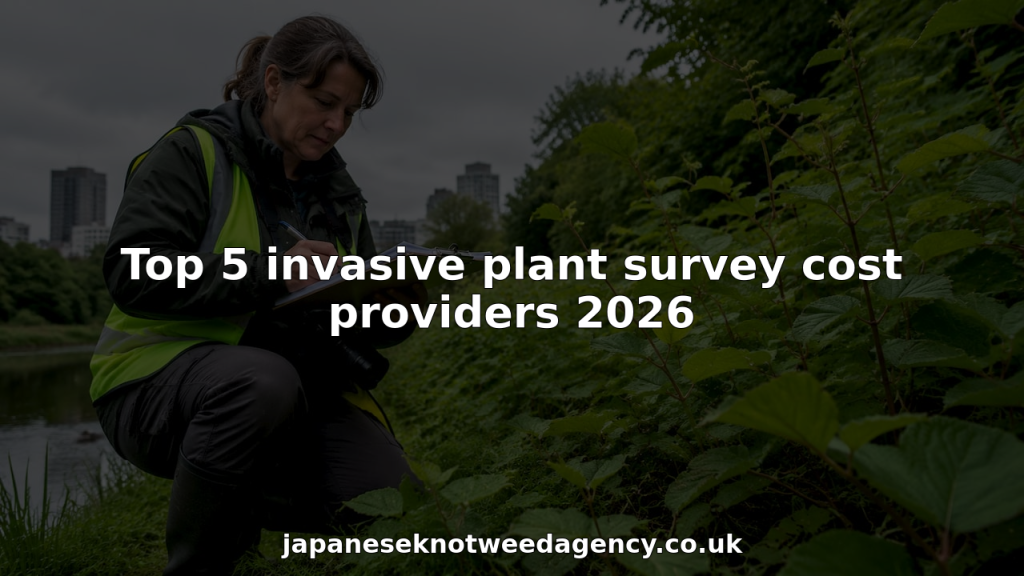
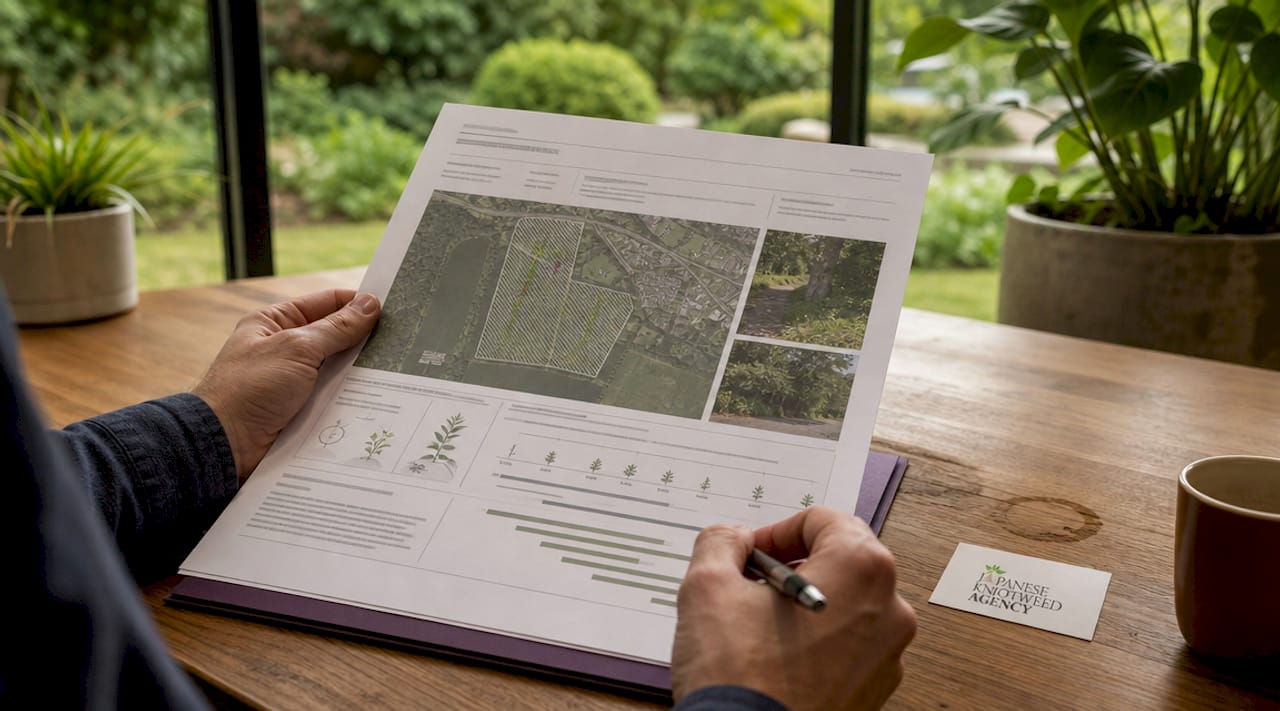
Surveyor recording invasive species with tablet

What to document and how: a practical homeowner checklist

Accurate documentation does not require specialist equipment. A smartphone and methodical approach produce records that are genuinely useful for authorities, surveyors, and treatment specialists. Creating an auditable baseline for decision-making and onward management coordination is the core purpose of your records.

Follow these steps in order:

  1. Observe without disturbing. Before touching or cutting anything, spend time assessing the visible extent of the growth. Japanese knotweed stems are hollow, bamboo-like, and show distinctive red or purple speckles. Leaves are shield-shaped with a flat base.
  2. Photograph comprehensively. Take wide-angle shots showing the full extent of the stand, mid-range images showing stem and leaf detail, and close-ups of distinctive features such as the zigzag stem pattern and leaf nodes.
  3. Record the precise location. Use your smartphone’s GPS function or note the address, grid reference, and which part of the plot is affected (e.g., north boundary, adjacent to drainage run).
  4. Note the date and season. Invasive plants look markedly different across seasons. Spring growth is red and asparagus-like; summer growth is full and leafy; winter reveals dead, tan-coloured cane networks. Recording the season aids accurate identification.
  5. Describe the extent and context. Note approximate dimensions of the visible stand, proximity to buildings, watercourses, or boundary fences, and any recent disturbance such as building work or vegetation clearance.
  6. Avoid cutting before a specialist assessment. Even collecting a small stem sample for identification purposes should be done with gloves and sealed in a bag, following removal best practices to prevent fragment dispersal.
  7. Submit to appropriate registers and authorities. Submit records to your local council, the relevant invasive species portal for your nation, and the national knotweed register to ensure the find is logged centrally.

The following table compares documentation quality and its downstream impact:

Documentation quality Audit trail strength Reporting completeness Treatment planning accuracy
Photos only, no location Weak Incomplete Limited
Photos with GPS and date Moderate Useful Good
Full checklist completed Strong Complete Excellent
Professional survey report Definitive Comprehensive Site-specific and precise

Pro Tip: Most mobile phones now embed GPS coordinates directly into photo metadata. Enable location tagging in your camera settings before photographing any invasive plant find. This creates an automatic, verifiable record of exactly where and when each image was captured.

Now the evidence is ready, let us see how reporting supports the next steps towards effective eradication and ongoing protection.

How reporting unlocks chemical-free solutions and coordinated action

Documented finds do not simply disappear into a reporting database. They directly enable specialists to design and implement targeted treatment programmes, and they are particularly important for sites where chemical-free methods are the preferred or required approach.

Once a location is known and verified through recorded data, site-specific treatment plans and follow-up surveys can be coordinated by authorities and specialist teams. This matters enormously for chemical-free control because every treatment decision, including the positioning of energy delivery equipment, the scheduling of repeat treatments, and the assessment of rhizome response, depends on knowing the precise footprint of the infestation.

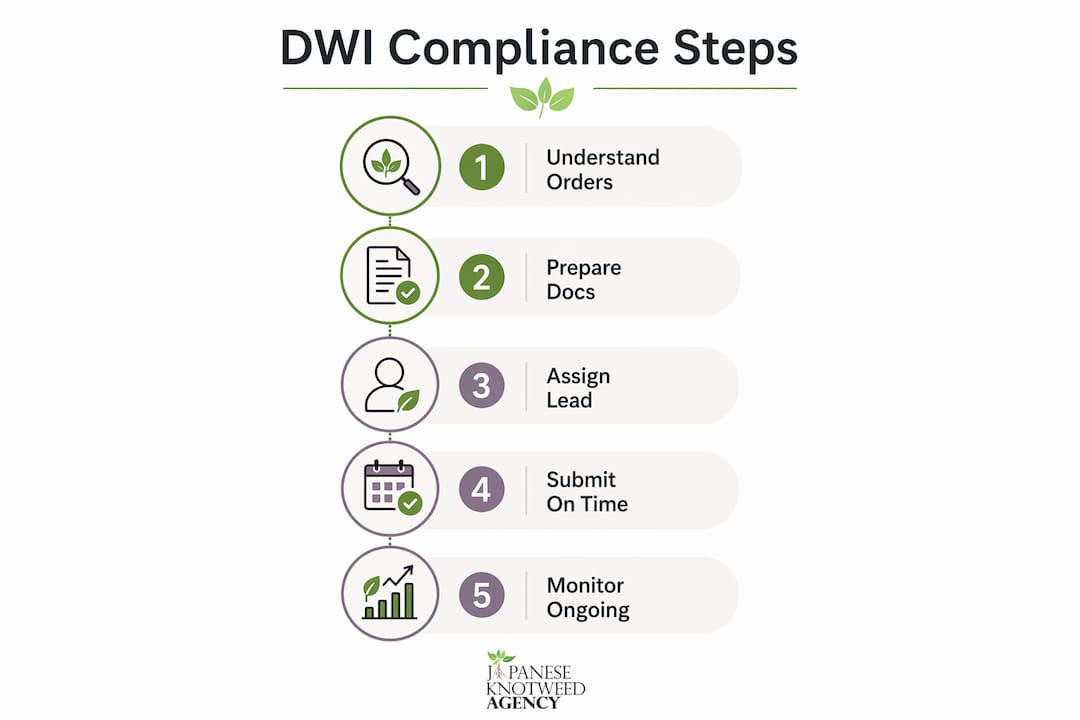
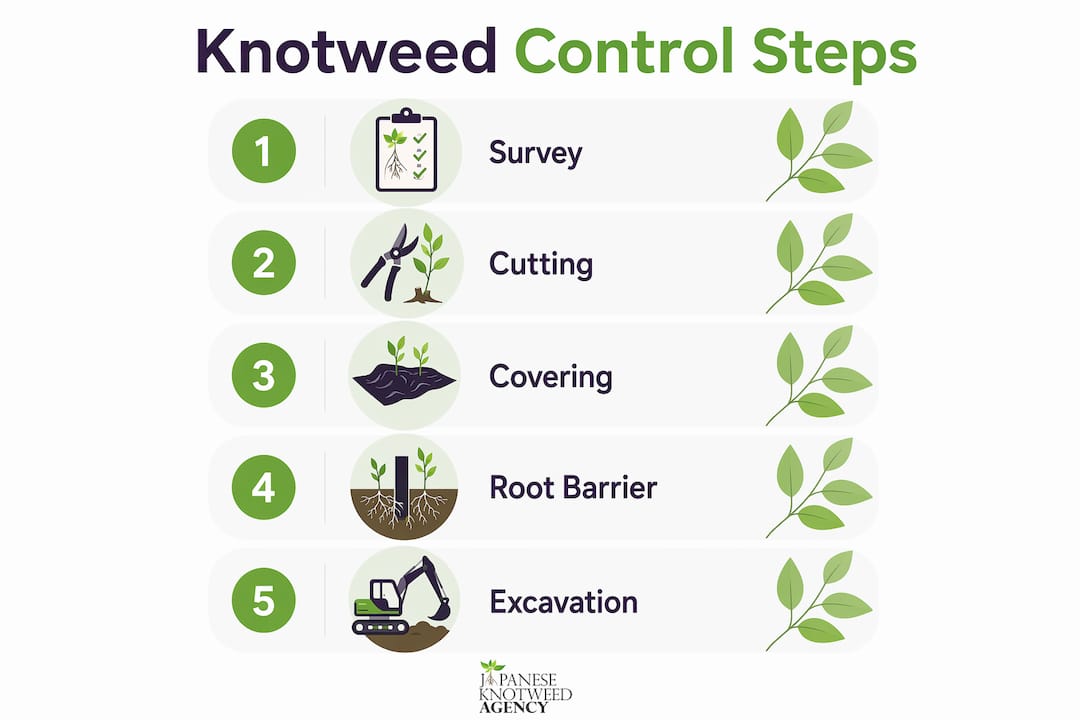
Infographic showing invasive species documentation steps

The following data illustrates how reporting phase accuracy affects treatment outcomes:

Reporting stage Treatment method options Average number of treatments needed Long-term success rate
Early, accurate report Chemical-free, barrier, excavation 2 to 3 High
Delayed report, partial data Chemical-free with additional follow-up 4 to 6 Moderate
No report, undocumented spread Reactive, often chemical 6 or more Lower without ongoing monitoring

The key benefits of pairing early reporting with chemical-free control include:

  • Precision targeting: Knowing the exact boundaries of the rhizome network allows energy-based treatment, such as thermo-electric delivery, to be applied directly to the affected zone without unnecessary intervention in surrounding areas.
  • Reduced collateral impact: Chemical-free approaches protect soil biology, water quality, and neighbouring plant species. Accurate data ensures these benefits are not undermined by treating areas that do not require intervention.
  • Coordinated neighbour and authority engagement: When a record exists, councils and agencies can contact neighbouring landowners, coordinate boundary treatments, and avoid the fragmented, property-by-property approach that leaves gaps in coverage.
  • Long-term monitoring: A documented starting point allows surveyors to measure progress objectively across treatment seasons, confirming whether the rhizome network is genuinely depleting or whether further intervention is required.

Our chemical-free control guide outlines in detail how data-led planning underpins every stage of responsible eradication. For homeowners seeking to prevent knotweed spread naturally, an accurate report is the essential first action, not an optional extra.

Understanding this process shows why thorough reporting is at the heart of smart, responsible invasive species control. But what nuanced lessons are often missed by the average homeowner?

What most homeowners miss about documenting invasive species

In our experience working with homeowners across England, Wales, and Ireland, the most common mistake is not careless documentation. It is the decision to delay documentation in the hope that the problem will resolve itself or remain unnoticed. This instinct is understandable, but it misunderstands how Japanese knotweed actually behaves.

Fragmentation and underground spread are largely invisible during the first growing season. A stand that appears contained in spring may have extended its rhizome network by several metres before summer ends, crossing boundary fences or reaching drainage runs without any surface indication. By the time the spread becomes visible, the infestation has already expanded significantly, and so has the cost and complexity of eradication.

There is also a less-discussed dimension to documentation that most homeowners only encounter when selling their property. A well-maintained record of identification, professional surveying, and ongoing treatment demonstrates due diligence. Far from being a deterrent to buyers or mortgage lenders, this kind of evidence shows that the infestation was handled responsibly. Conversely, a vendor who cannot demonstrate any documented history leaves the buyer’s surveyor to draw their own conclusions, typically the most cautious and costly ones.

Neighbour disputes are another area where documentation provides critical protection. If a neighbour claims that knotweed spread to their land from yours, a dated record showing the original extent of the infestation, combined with evidence of prompt remedial action through reporting Japanese knotweed, can be the difference between a manageable conversation and prolonged legal proceedings.

The long-term value of a documented management history extends beyond property transactions. Insurance claims for structural damage caused by invasive plant roots are increasingly common, and insurers expect evidence that the homeowner was aware of the risk and took reasonable steps to manage it. An undocumented infestation is not a neutral position. It is frequently interpreted as neglect, with the associated financial consequences.

The most effective posture is straightforward: document immediately, report appropriately, and engage a specialist. The records you create today form the foundation for every decision that follows.

Take control: next steps for homeowners dealing with invasive species

If you have identified Japanese knotweed or any other invasive plant on your property, acting now rather than later is the most protective course of action for your home, your neighbours, and the wider environment.

https://japaneseknotweedagency.co.uk

Japanese Knotweed Agency carries out specialist property surveys for invasive weeds across England, Wales, and Ireland, providing the kind of authoritative, documented assessments that support both management planning and legal peace of mind. You can add a knotweed record directly through our platform to begin the documentation process immediately. Our pioneering chemical-free knotweed solutions deliver up to 5,000 volts of direct energy on site, causing internal cell damage and systematically depleting the rhizome network without the use of herbicides. For answers to the most common questions about identification, legal responsibilities, and treatment options, our Japanese knotweed FAQs are a practical starting point before you book a survey.

Frequently asked questions

Do I have to report Japanese knotweed if I find it in my garden?

There is no blanket legal duty for private homeowners to report Japanese knotweed, but reporting is strongly encouraged by local authorities and specialist agencies to ensure coordinated, effective management and to protect you from future legal and financial liability.

What should I include in my documentation of an invasive plant?

You should record clear photographs, the precise GPS-tagged location, the date, and distinctive plant features without disturbing or cutting the growth, as thorough records create an auditable baseline that supports accurate treatment planning and management coordination.

How does reporting invasive species help with chemical-free control?

Reporting provides the precise location and extent data that specialists need to design targeted, chemical-free treatment plans, and it enables follow-up surveys to be coordinated systematically, reducing the risk of accidental spread through incomplete or untargeted interventions.

Who can I notify if I find an unusual invasive animal in England or Wales?

You should report non-widely spread invasive alien animals to the non-native species secretariat, as government guidance sets out an explicit duty to report such sightings, and failure to do so may constitute a legal offence.

Read more

日本虎杖防护建议:业主必知无化学高效解决方案清单


TL;DR:

  • 日本虎杖根茎网络可穿透基础、排水管道,造成不可逆的结构损坏。业主应精准评估高风险区域,采用无化学防护方案,确保废弃物合规处置以避免法律风险。多措施结合,持续管理是高敏感场景长期防护的关键。

日本虎杖(Japanese Knotweed)对房产的威胁远超普通业主的预期,其根茎网络可穿透地基、排水管道和围墙基础,在边界敏感区域及水体附近造成不可逆的结构损坏。许多业主在得知除草剂可能污染邻地土壤或地下水后,急迫寻求无化学防护方案,但现实场景复杂多变,单靠一种方法往往难以彻底根除。本文基于专业实践经验,系统梳理评估标准、主要防护选项与操作要点,帮助您在最短时间内做出符合规范、切实有效的决策。


目录

关键要点

要点 详情
场景风险识别 业主应先明确房产边界、基础或水体附近的风险场景再选方法。
优选无化学法 覆盖法、根茎挖除及隔根篱均为常用无化学解决方案。
碎片扩散控制 所有切割、挖除操作后都需隔离碎片并规范废弃物管理。
敏感区合规保障 在高风险敏感场景应优先隔离、受控处置并建议专业介入。
持续长期监控 无化学防护后需定期监测防再生效果,保障房产安全。

如何评估日本虎杖防护需求与场景

任何防护行动的起点,都是对场景的精准评估。在实际工作中,业主往往低估了边界区域和敏感基础附近的风险等级,导致选用的方法与场景不匹配,最终造成根茎扩散或法律风险。

识别高风险区域

首先需要系统检查以下几类位置,这些区域对无化学防护方案有着更高的合规要求:

  • 房产边界:虎杖根茎扩散速度极快,可轻易越过围栏进入邻地,引发邻里纠纷甚至法律责任。
  • 地基与地下室附近:根茎向下生长可达3米,对砖石与混凝土基础产生持续压力,轻微裂缝即可被利用并逐步扩大。
  • 排水系统周围:根茎会沿排水管道生长,堵塞或破坏管道接头,造成渗漏与积水。
  • 水体附近(河流、湖泊、池塘):在此类敏感区域使用除草剂受到法规严格限制,无化学方案几乎是唯一合规选择。

根据 RHS 对化学方案的场景区分,边界、基础、排水与水体附近属于无化学方案的高风险条件,需更强隔离与受控处理。在这类场景下,即便采用无化学方法,也需考虑专业公司介入以确保操作合规。

设定根茎碎片扩散与废弃物处置的基本要求

根茎碎片是最容易被忽视的扩散源。哪怕是0.7克重的根茎碎片,在适宜条件下都能重新发芽生长。因此,在任何防护行动开始前,业主必须明确以下原则:所有挖除和修剪材料必须被视为"受控废弃物",不得随意填埋或堆肥。

评估完风险区域后,您还需要对照本地法规确认废弃物处置路径,尤其是运输和最终处置环节。了解更多关于虎杖危害与应对措施的内容,有助于在评估阶段建立系统性认知。同时,明确虎杖识别与房产价值的关联,也能帮助业主在购房或再融资时提前规避风险。

随着风险识别完成,业主将需要具体的无化学防护选项与实践方案。


主要无化学防护方法及适用场景

目前业内认可的无化学防护方法主要有四类,每种方法都有其明确的适用场景、操作要点与局限性。了解这些差异,能帮助您避免选择错误方法导致资源浪费,甚至使问题恶化。

1. 覆盖闷杀法(Sheet mulching / Smothering)

操作步骤:在虎杖生长区域铺设重型遮光膜(至少5层牛皮纸或专用防草膜),压住所有茎叶并固定边缘,使其无法获得光合作用所需的光线。一般需要持续覆盖3至5年才能显著削弱根茎的能量储备。

适用场景:适合面积较大、距离建筑物和水体有一定距离的开阔区域。不适用于根茎已深入地基或排水系统的位置,因为切断光合作用并不能阻止根茎横向扩展至覆盖范围之外。

关键限制:覆盖边缘必须严密,任何缝隙都会让虎杖茎秆找到突破口。材料本身也需要定期检查,防止风化破损后功能失效。

2. 根茎挖除法(Rhizome excavation)

根据 Pomfret Conservation Commission 管理指南,实践中需按指南控制切割和挖除材料的扩散,并谨慎处理根系深度与废弃物,以防止二次蔓延。

操作步骤:

  1. 标记虎杖分布边界,划定挖除范围(通常需超出可见茎叶边缘至少1米)。
  2. 使用专业机械挖至根茎深层,通常需要1.5至3米深度。
  3. 将所有根茎和土壤分离,受污染土壤需单独包装处置。
  4. 对挖出的根茎进行现场隔离包装,防止运输过程中碎片散落。
  5. 安排持证废弃物承运商进行合规运输与处置。

优势:效果最直接,可在短期内大幅降低根茎密度。局限:成本高、施工扰动大,且根茎极易在挖掘过程中断裂形成碎片,反而增加扩散风险。

3. 物理隔离(根隔篱 / Root barrier)

根隔篱(Root barrier)是一种高密度聚乙烯或复合材料制成的物理屏障,埋设于地下,用于阻止根茎越过边界扩散。这是无化学方案中最常用于长期防护的被动式方法。

工人在花园的沟槽里铺设防根隔离带。

安装深度通常需达到1.5至2米,超出常见根茎的最大生长深度。安装后需定期检查顶部边缘是否有根茎绕过,因为根茎可在屏障顶端弯曲后继续向外扩展。

4. 废弃物管理合规处置

许多业主在其他环节做得很好,却在废弃物处置上犯了严重错误。虎杖根茎和受污染土壤在英格兰和威尔士被列为"受控废弃物",随意填埋或自行堆肥均属违法行为。

了解虎杖根系无化学清除的合规要求,以及家庭无化学杂草治理的实用方案,能帮助业主在行动前就建立合规意识,避免事后承担法律责任。

专业提示: 在实施任何挖除作业前,务必联系持有环保许可证的废弃物承运商,并保存所有转移单据(Waste Transfer Note),这是证明合规操作的关键文件证据。


无化学防护方法对比表及实际操作建议

以下对比表从方法类型、最适场景、操作难度、时间周期及主要风险五个维度进行横向比较,帮助您快速定位最适合自身情况的方案。

方法 最适场景 操作难度 所需时间 主要风险
覆盖闷杀法 开阔无障碍区域 低至中等 3至5年 覆盖不严密、边缘突破
根茎挖除法 局部集中、急需清除 1至3个施工周期 碎片扩散、废弃物合规
根隔篱隔离 边界防扩散、长期防护 中等 永久(需维护) 安装深度不足、根茎绕行
废弃物受控处置 所有场景必须配套 中等 随施工进行 违规处置的法律风险
热电处理(如 5000V 直流) 深层根茎能量剥夺 专业操作 多次处理后效果显著 需专业设备与资质

根据 Pomfret Conservation Commission 管理指南,方法差异需结合边界敏感度、根系深度及合规处置要求综合评估,没有任何单一方法能在所有场景下完美适用。

根据 RHS 场景区分建议,敏感场景(如房基附近)应优先采用隔离技术和可追溯处置,并保留完整的操作记录。

实际操作中的易忽略合规细节

  • 挖除作业前须确认地下管线位置,避免施工中损坏燃气或电力设施。
  • 受污染土壤的储存区域需防渗处理,防止雨水将根茎碎片冲散至周边区域。
  • 所有用于接触虎杖材料的工具(铲子、手套、靴子)在离开现场前必须清洗消毒。

了解更多关于虎杖危害与应对措施的知识,可帮助业主在操作阶段提前预判风险并制定应急预案。


高风险场景下日本虎杖长期防护与合规管理

对于边界敏感区域、房基附近及水体旁边的场景,防护工作不能是一次性行动,而必须是持续性的系统管理。许多业主在初次处理后认为问题已解决,结果往往在两三年后发现根茎从未被清除的区域重新萌发。

敏感区隔离与根茎碎片追溯管理

在高风险区域实施根茎挖除后,建议立即安装根隔篱作为辅助屏障,形成双重防护层级。同时,需要对挖除的所有材料进行编号记录,标注挖除日期、深度、重量和处置去向,便于后续审查和法律举证。

根茎碎片的追溯管理在实践中往往被忽视,但这是避免再次扩散的核心步骤。建议在施工现场设立专属暂存区,地面铺设防渗膜,所有挖出的材料在当天完成称重记录后统一封装。

废弃物合规运输与处置建议

根据 Pomfret Conservation Commission 管理指南,敏感区持续管理和受控废弃物处置需严格遵循规范,不当操作将直接导致法律责任与再次扩散风险。

业主需注意以下废弃物处置要点:

  • 必须使用持有环保许可证的承运商,自行运输属于违规行为。
  • 运输过程中废弃物需双层密封包装,防止运输途中泄漏。
  • 到达处置设施后须索取收据,并保留至少5年作为合规凭证。
  • 不得将受污染土壤用作场地回填或景观用途,即便看似无害也存在法律风险。

长期监控与防再生措施

RHS 明确指出,敏感场景的无化学处理往往需要专业人员持续介入,以确保管理效果达标并符合合规要求。

建议每年至少进行两次专业勘察,重点检查根隔篱顶端、覆盖层边缘及废弃物暂存区。一旦发现新芽,必须立即记录并采取对应的控制措施,避免根茎重建其地下能量储备。

专业提示: 在购房或再融资流程中,若发现目标房产存在日本虎杖,建议委托专业机构出具管理报告,附带施工记录和废弃物处置凭证,这将直接影响贷款审批结果和产权保险的可保性。参考根系挖除合规流程和杂草根系无化学清除全指南,可为购房决策提供更坚实的证据支撑。


专家视角:实际操作与误区分析

在多年的虎杖处置实践中,我们观察到一个反复出现的规律:业主对无化学方案的期望值与实际操作难度之间存在显著落差。这种落差不是因为方法本身无效,而是因为大多数业主在执行过程中系统性地低估了三个核心风险。

误区一:认为覆盖或挖除一次就能解决问题

根茎网络的能量储备极为庞大,一棵成熟的虎杖其地下根茎总重量可超过数十公斤。单次挖除往往只能清除可见的主根,而大量侧根和深层根茎仍保持活跃。许多业主在首次处理后放弃监控,为日后的大规模复发埋下隐患。

误区二:低估碎片扩散的实际危害

我们在现场见过太多案例:业主使用普通园艺工具挖除虎杖后,将土壤和根茎碎片直接倒入堆肥桶或后院角落。几个月后,这些区域形成了新的独立种群,防护工作前功尽弃。碎片扩散是无化学处置中最难以完全控制的变量,需要从作业规划阶段就将其纳入风险管控框架。

误区三:忽视废弃物管理的法律属性

废弃物合规不仅仅是环保责任,更是直接的法律义务。违规处置受控废弃物可能面临刑事指控和高额罚款,部分案例中业主还需承担邻地清理费用。

根据 RHS 的专业评估,高风险、难控场景往往需要专业公司配合受监管处理手段,才能确保长期效果达到可接受水平。这并非否定无化学方案的价值,而是强调在敏感场景中,专业介入是无化学成功的必要条件之一,而不是可选项。

我们的实践经验表明,最有效的无化学防护方案往往是组合式的:以高压除草方法削弱根茎内部能量储备,配合根隔篱阻断横向扩散,再辅以严格的废弃物追溯管理。这种分级场景精准选法的思路,正是区分专业操作与业余尝试的核心差异所在。了解无化学杂草治理方法的系统框架,能帮助业主在行动前就建立正确的方法论认知。


获取更多无化学防护解决方案与专家支持

掌握了评估框架与主要防护方法后,许多业主面临的下一个挑战是如何在实际操作中落地执行,尤其是在敏感区域和合规要求较高的场景下。Japanese Knotweed Agency 作为无化学虎杖处置领域的先行者,提供从现场勘察到根系处置的全流程专业支持,处理方法包括高达 5000 伏特的热电直流处理,直接破坏根茎细胞并持续耗尽地下根茎网络的能量储备,实现真正意义上的长效根除。

https://japaneseknotweedagency.co.uk

我们的无化学虎杖解决方案拥有95%的成功处置率,涵盖从初步评估到废弃物合规管理的全方位服务。针对正在购房或再融资的业主,我们还提供专业的侵入杂草物业调查服务,覆盖英格兰、威尔士和爱尔兰地区,帮助您在交易完成前获得权威的场地评估报告。如有具体操作疑问,欢迎访问我们的常见问题专栏获取即时解答。


常见问题解答

日本虎杖为何需无化学防护方案?

在房产边界、地基、排水系统及水体附近等高风险区域,化学除草剂受到法规严格限制,且存在邻地土壤和水源污染的风险。根据 RHS 场景区分,这类区域无化学防护是合规的首选方案,能够有效避免环境损害与法律责任。

业主应如何处理挖出的日本虎杖根茎和碎片?

所有挖出的根茎和受污染土壤必须视为受控废弃物,由持证承运商进行合规运输和处置,并保留废弃物转移单据作为合规凭证。根据 Pomfret Conservation Commission 管理指南,施工与处置过程中必须严格控制碎片扩散,任何随意填埋或堆肥行为均属违规。

哪些防护方法适用于房基和水体附近高敏感场景?

覆盖闷杀、根隔篱安装及配合专业设备的根茎挖除方法均适用于高敏感场景,但需搭配持续监控与合规废弃物管理。根据 RHS 的建议,这类高风险场景往往需要专业公司介入,以确保隔离效果和操作合规性达到可接受标准。

无化学方法效果如何保证?

效果保障的关键在于方案设计与场景的高度匹配,以及持续的隔离监控和阶段性效果评估。根据 Pomfret Conservation Commission 管理指南,不同方法需结合具体场景持续优化管理策略,参考权威指南并定期调整方案,才能确保长期效果。

推荐

Read more

掌握英爱地区房产结缕草检查与清除全流程,切实保障房产安全


TL;DR:

  • 英国和爱尔兰的结缕草风险评估和清除流程均强调专业调查和合规操作,以降低房产交易和贷款风险。规范的风险分级和多阶段监控是确保房产安全的重要保障,避免因疏忽导致的法律和财务损失。业主应依托专业机构制定方案并严格遵循相关监管规定,以实现根除和资产保护的双重目标。

在英格兰、威尔士或爱尔兰购房与再融资的过程中,日本结缕草(Japanese Knotweed)的存在往往会打断整个交易节奏,甚至直接导致贷款申请被拒或合同受阻。这种入侵植物的地下根系(根茎网络)极具破坏力,能穿透混凝土基础、排水管道和建筑结构,令房产估值大幅缩水。购房再融资检查以专业书面报告为核心,采用RICS管理分类体系进行风险分级,是保护业主权益的关键工具。规范的检查流程不仅是法律合规的要求,更是保障房产安全与顺利完成交易的根本所在。

目录

关键要点

要点 详情
专业检查不可省略 房产交易和再融资必须委托资质机构进行日本结缕草检查与分级。
爱尔兰流程重规划 爱尔兰强调制定场地专属方案并严格许可,杜绝割草和随意挖掘。
合规操作防扩散 遵循科学流程、分阶段监控和权威指导能最大限度降低房产风险。
全流程保存记录 调查、方案与清除每一步都要留存文档,以便核查和将来的房产交易。

英格兰与威尔士的结缕草检查核心流程

在理解结缕草风险的现实威胁后,首先来看英格兰与威尔士的标准检查流程。购房者或业主在发现疑似结缕草时,第一步绝不是自行处置,而是立即委托持有专业资质的机构开展专项调查。这一步骤决定了后续所有操作的合规基础,也直接影响贷款机构是否愿意继续推进审批。

流程步骤详解

以下是英格兰与威尔士结缕草检查的标准流程:

  1. 委托专业调查机构:选择具备相关资质和保险保障的专业机构,开展现场评估,而非依赖普通园艺工人的口头意见。
  2. 现场勘察与记录:调查人员需到场核实结缕草的分布范围、生长状态及与建筑物的距离关系,并拍摄影像存档。
  3. RICS风险分级评定:依据皇家特许测量师学会(RICS)制定的A至D四类管理分类,对房产风险进行书面评级。房产风险书面评级是贷款机构审核的核心依据。
  4. 出具书面调查报告:报告需涵盖风险等级、调查方法、建议管理措施及后续处置方案,供业主、律师及贷款机构使用。
  5. 制定管理或清除方案:根据报告结论,决定采取专业清除、根系屏障安装、保险担保或其他策略。

RICS A–D风险分类标准

分类 描述 对贷款影响
A类 结缕草位于相邻地块,不在本地块内,影响极低 通常不影响贷款审批
B类 结缕草在地块内,但距建筑物7米以上,影响较低 可能需要管理计划
C类 结缕草距建筑物7米以内,存在结构风险 需提交管理与清除方案
D类 结缕草已对建筑结构造成损害 通常导致贷款暂停,需紧急处置

专业提示:即使目测认为结缕草"不多"或"距房屋很远",也不能跳过专业调查环节。根系(根茎)在地下的延伸范围远超地上部分,有时可达数米之外,地表可见仅是整个根系网络的一小部分。

高风险评级(C类或D类)的房产,贷款机构通常要求提供经认可机构出具、带有保险保障的管理与根除方案,方可继续推进审批流程。这意味着业主不仅要支付清除费用,还需承诺后续多年监控。可通过草害评估全流程调查全流程解析了解调查的每一个技术细节,以及房产主风险与对策中针对不同情境的具体应对策略。

爱尔兰结缕草检查与清除操作要求

明白了英格兰与威尔士的流程后,接下来聚焦于爱尔兰的异同,及实际操作时不可忽视的关键规定。爱尔兰在结缕草管理方面拥有更为严格的监管框架,业主和开发商如不提前了解,很容易在执行阶段出现合规漏洞。

咨询师正在现场采集土壤样本,以便进行后续检测与评估。

爱尔兰核心操作要求

爱尔兰的结缕草清除流程遵循"先规划、后执行"的基本原则,具体要求包括:

  • 制定场地专属方案:调查发现结缕草后,绝不能立即实施清除,必须先由专业机构制定针对该地块具体情况的详细管理方案,包括清除方法、废弃物处置路线和后续监控计划。
  • 联系国家公园与野生动物服务机构(NPWS):任何涉及结缕草搬运、处置的操作,均需提前与爱尔兰国家公园与野生动物服务机构沟通,了解当地许可证申请要求和废弃物运输合规标准。
  • 严禁擅自割草、修剪与挖掘爱尔兰指引明确规定,切割、割草、修剪或随意挖掘均属高风险操作,极易导致根系碎片脱落并在新地点再生,造成更大范围扩散。
  • 废弃物合规处置:结缕草植株、根系及污染土壤均被视为受控废弃物,必须通过获得许可的承运商运往指定处理场地,不得随意丢弃或混入普通建筑垃圾。
  • 长期多期监控:完成初步清除后,需连续多年对现场进行定期检查和记录,确认根系未出现复发或扩散迹象。

重要提示:在爱尔兰,擅自割除或挖掘结缕草不仅无法解决问题,还可能违反废弃物管理法规,面临法律处罚。所有操作必须事先获得必要许可并由合规机构执行。

英格兰/威尔士与爱尔兰清除流程对比

比较维度 英格兰/威尔士 爱尔兰
风险分级标准 RICS A–D分类体系 无统一分级,场地专属评估
场地方案要求 建议提供管理计划 强制要求场地专属方案
许可申请 视情况而定 须联系NPWS并申请许可
废弃物处置 需合规处理 须通过持证承运商处置
后续监控 通常2至3年 多期监控,年限视情况而定
割草/修剪 不推荐,不合规 明令禁止

英国与爱尔兰两国处理虎杖问题流程对比信息图

专业提示:在爱尔兰购房时,应在尽职调查阶段就将结缕草检查纳入合同条款,要求卖方提供现有的场地专属方案及历史监控记录,这将极大降低未来的合规风险。可通过爱尔兰杂草问题了解爱尔兰的具体监管背景,结合结缕草识别方法掌握现场快速识别技巧,以及日本结缕草影响中关于生态与产权影响的详细分析。

房产异地结缕草清除常见误区与合规建议

掌握各流程后,及时了解清除过程中的常见错误与合规要点,可帮助更好地维护业主权益。我们在实际操作中观察到,许多业主因为轻信"简单方法"或对监管要求认识不足,最终付出了更高的代价。

最常见的操作误区

  • 误区一:自行清除即可。许多业主认为结缕草只是普通杂草,除草剂或挖掘即可解决。实际上,日本结缕草的根茎网络深入地下可达数米,任何不完整的挖掘都会留下再生的碎片,自行操作不仅无效,还可能违反废弃物法规。
  • 误区二:割草或修剪可以控制扩散。割草和修剪会刺激根系产生应激反应,加速地下扩张,同时产生大量植物碎片,若未妥善处置,极易在新地点生根。割草修剪导致扩散的风险已被多项研究证实。
  • 误区三:一次处理即可永久根除。日本结缕草的根系储存了大量能量,单次处理往往无法完全耗尽其再生能力,必须通过多次处理和持续监控方可确保根除效果。
  • 误区四:处置废弃物可随意处理。结缕草植株和含根土壤属于受控废弃物,随意丢弃可能面临高额罚款,必须通过持证承运商进行合规处置。
  • 误区五:无需保存记录。无论是调查报告、处置证明还是监控记录,完整的文件链条是未来房产交易和保险理赔的核心依据,缺失任何环节都可能在交易时造成不必要的麻烦。

合规建议清单

核心原则:在任何处置行动前,务必咨询专业机构,获取场地专属方案,并确认所有操作符合当地监管要求。"先咨询、后行动"是降低风险的最有效策略。

  • 委托具备专业资质和保险的机构进行现场调查与方案制定
  • 严格按照调查报告的建议执行清除方案,不得擅自更改操作方式
  • 所有废弃物交由持证承运商处置,保留运输和处置证明
  • 建立完整的现场操作日志,记录每次处理的时间、范围和方法
  • 按计划完成多期监控,并将监控报告纳入房产档案

可通过英国买房杂草调查进一步了解购房前开展杂草调查的完整流程与注意事项。

结缕草检查与清除流程常见问题及处理步骤

最后,汇总整个流程中高发问题和标准化的处置步骤,确保所有方案落到实处。无论是首次购房者还是经验丰富的投资者,了解这些标准化步骤都能在关键时刻避免重大损失。

标准化处置步骤

  1. 发现疑似结缕草:立即停止任何园艺作业,不得割除或翻动植株,第一时间拍照记录并联系专业机构。
  2. 委托专业调查:由持资质机构开展现场勘察,确认植物种类,评估分布范围和风险等级,出具书面报告。
  3. 申请必要许可:根据所在地区(爱尔兰尤为重要),联系相关监管机构了解许可证要求,在获得批准前不开展任何清除作业。区域分阶段处置方案是合规操作的基础框架。
  4. 实施专业清除:由合规机构按照场地专属方案执行清除操作,确保根茎网络得到有效处理,避免碎片残留。
  5. 废弃物合规处置:所有清除物料交由持证承运商运往合规场地处理,保留完整的处置证明文件。
  6. 启动多期监控计划:按照方案设定的周期(通常每年至少一至两次)开展现场复查,记录根系复发情况并及时调整处置策略。
  7. 更新房产档案:将调查报告、处置记录、废弃物证明和监控报告统一归档,作为房产交易时的合规证明材料。

专业提示:如果监控过程中发现根系复发迹象,不要等待下次计划检查,应立即联系执行机构重新评估并调整方案。早期干预的成本远低于扩散后的大规模清除作业。

再融资场景中,结缕草检测与根除记录是贷款机构审核的重要参考,完整且连续的档案记录往往能显著提升审批通过率。

为什么异地结缕草检查流程越规范,房产风险越低?

流程执行只是基础,立足实际还需洞察监管本质,以下是我们的独到经验与深度观点。

在实际业务中,我们观察到一个反复出现的规律:那些在交易中遭遇最严重损失的业主,往往不是因为结缕草本身有多严重,而是因为流程上的疏漏让贷款机构或律师对房产产生了不可逆的负面印象。一份缺乏RICS分级的非标准报告、一次未经许可的自行挖掘,或者中断的监控记录,都可能在后续交易中成为无法解释的"污点",导致重新估值或合同谈判陷入困境。

规范的流程之所以能有效降低风险,是因为它从根本上建立了可溯源、可验证的合规证据链条。贷款机构和保险公司在审查房产时,核查的不仅是当前状态,还包括历史处置记录的完整性。一个有完整档案支撑的房产,即使曾经发现结缕草,也往往比一个"无记录但无法证明是否清除"的房产更容易获得融资批准。

爱尔兰流程的"先规划后操作"原则在这方面尤为值得借鉴。场地专属方案和多期监测不仅是法规要求,更是资产保值的主动管理工具。每一次按时完成的监控记录,都在为房产的"可交易性"积累信用分。相比之下,那种"喷一次药、挖一次土"就认为大功告成的做法,既无法应对根系的顽强再生能力,也无法满足贷款机构对持续性证明的要求。

跨境购房(例如英格兰投资者在爱尔兰购置房产)时,法规差异带来的合规风险尤其容易被低估。英格兰的RICS分类报告在爱尔兰并不直接适用,不同地区的许可体系和废弃物法规要求也存在实质差异。我们建议所有跨境购房者在签署任何合同之前,务必先进行房产安全全面核查,而非事后补救。越早介入专业流程,交易的主动权就越牢固地掌握在业主手中。

专业结缕草检测与清除,一站式护航您的房产安全

业内视角之外,选择合适的专业团队,是您房产安全与合约顺利执行的关键下一步。Japanese Knotweed Agency 作为无化学处理与根除入侵植物的行业先驱,凭借高达5000伏特的直接电能处理技术,在现场精准破坏根茎细胞并持续耗尽其能量储备,实现真正意义上的根系根除,全程无需化学药剂,不伤害周边生态环境。

https://japaneseknotweedagency.co.uk

我们的服务覆盖英格兰、威尔士与爱尔兰全境,提供从专业调查、RICS合规报告、无化学根除处理到根系屏障安装与挖掘作业的全流程支持。如需了解最新政策与操作细则,可查阅日本结缕草常见问题解答获取权威信息。如希望进一步了解我们的环保处理方案,欢迎访问无化学植物防治方案页面,或直接联系我们的专业团队,获取针对您房产的个性化评估建议。

常见问题解答

结缕草对房产交易有什么具体影响?

结缕草会直接影响房产估值和贷款审批,高风险房产贷款受限的情况十分普遍,若被评定为C类或D类风险,买卖与抵押作业均可能暂停。

检查发现结缕草后,房主应第一时间做什么?

建议立即委托专业持证机构开展调查和风险分级,专业机构出具书面报告是后续与贷款机构沟通和制定清除方案的核心依据。

爱尔兰清除结缕草时最需要规避哪些误区?

最大误区是擅自割草、修剪或挖掘,爱尔兰指引严禁割除修剪挖掘,这些操作会导致碎片扩散再生,正确做法是制定场地专属方案并遵守合规许可要求。

专业报告的风险分级标准与"7米规则"有何不同?

当前行业主流采用RICS A–D四类管理,从多个维度综合评估地块风险,比单纯依赖距离阈值的"7米规则"更科学、更全面,贷款机构也更认可此类标准化报告。

清除流程需持续监测多久?

通常建议至少两至三年的持续监控,多年监测防止根系复发是确保根除效果的必要环节,具体年限依场地评估结果和方案要求而定。

推荐

Read more

Top advantages of excavation for knotweed removal


TL;DR:

  • Excavation provides a chemical-free, definitive method for removing Japanese Knotweed’s underground rhizomes, ensuring faster and more certain results. It is legally compliant, addresses the root of the infestation, and offers a clear timeline, making it ideal for urgent projects or property transactions. However, professional assessment and adherence to regulations are essential to prevent spread and guarantee long-term success.

Japanese Knotweed is one of the most persistently destructive invasive plants in England, Wales, and Ireland. Its rhizome network can extend several metres underground and push through tarmac, concrete, and structural foundations. For homeowners confronting an infestation, the choice of removal method carries real consequences: legal, financial, and ecological. Excavation stands out as a proven, chemical-free route that removes viable plant material directly from the ground, offering speed, certainty, and compliance with UK and Irish regulations. This article covers every key advantage you need to make an informed decision.


Table of Contents

Key Takeaways

Point Details
Excavation enables direct removal Physically removing knotweed roots and rhizomes gives the best shot at stopping regrowth.
Speed and project control Excavation delivers rapid, certain results compared to slow chemical or covering approaches.
Legal compliance matters The full benefits of excavation depend on meeting strict disposal laws—ignoring them risks re-infestation.
Professional expertise is essential DIY attempts can backfire; specialist teams minimise risk and ensure effective containment.

Setting your criteria: what matters when removing invasive plants

Before selecting any removal method, it is essential to establish your priorities clearly. Invasive plant removal is not a simple gardening task. It involves legal obligations, environmental risk, and often significant ground disturbance. Getting your criteria right at the outset saves time, money, and considerable stress.

The core factors every homeowner should weigh include:

  • Health and safety: Disturbing knotweed rhizomes carelessly can accelerate spread, endangering your property and your neighbours’.
  • Legal compliance: Both England and Wales operate under strict rules covering how knotweed material must be handled, transported, and disposed of.
  • Project timescale: Some methods take months or even years, while others can be completed within days.
  • Budget and access: Ground conditions, site access, and infestation size all influence cost and feasibility.
  • Expected outcome: Some approaches suppress growth; excavation physically eliminates the source.

Understanding your knotweed legal obligations is particularly important before work begins. RPS 178 requires a management plan that sets out how you will dig up, treat, or bury material to prevent further growth or spread beyond the site. It also specifies disposal and containment requirements for Japanese Knotweed materials. This is not optional. It is a legal framework that shapes every credible removal project.

For homeowners in England, Wales, and Ireland, understanding regulations before engaging a contractor ensures you ask the right questions and avoid costly non-compliance later.

Pro Tip: Before requesting any contractor quote, ask specifically whether they will produce a management plan compliant with RPS 178 and what their licensed waste disposal route is. A reputable specialist will answer both questions confidently.


Direct removal: the main advantage of excavation methods

Having set the decision criteria, let us examine why excavation stands out for direct removal. The fundamental problem with knotweed is not what you can see above ground. It is the extensive underground rhizome network, which can regenerate from a fragment as small as a one-centimetre piece of root. Surface-level cutting, covering, or even some spraying programmes address the visible shoots, yet leave viable material below ground ready to return the following growing season.

Excavation removes this underground material physically and permanently, provided the work is scoped correctly. The primary advantages of this direct approach include:

  • Elimination at source: The rhizome mass is physically extracted, removing the energy reserves the plant relies on for regeneration.
  • Reduced repeat treatments: Rather than suppressing growth cycle after cycle, excavation reduces or removes the need for long-term management programmes.
  • Underground reach: Professional excavation works to the depths where viable material resides, typically beyond what any surface treatment can access.
  • Auditability: Excavated material can be quantified and disposed of via licensed routes, providing a documented record of remediation.

As noted in guidance for practitioners, properly scoped excavation offers a direct, mechanical route to remove viable underground material rather than suppress growth. This is a significant distinction. Suppression requires ongoing intervention; removal addresses the issue at its root, quite literally.

For a detailed account of the excavation process and what to expect on site, the guidance on excavation for knotweed removal provides a thorough breakdown. It is also worth noting that root barrier installations can complement excavation by preventing lateral spread during and after works, making weed barrier solutions a useful supporting measure for specific boundary situations.

“Excavation physically addresses the rhizome network below the surface, offering a degree of certainty that surface treatments and suppression methods simply cannot match. It is the approach most suited to urgent clearance and construction-sensitive situations.”


Project certainty and speedy results: timing as a core benefit

Beyond removal effectiveness, time is often crucial. Here is how excavation influences project certainty. If you are preparing a site for construction, securing a mortgage valuation, or simply need the problem resolved before the growing season accelerates, excavation offers something that chemical and covering methods cannot: a defined endpoint.

Chemical management programmes typically require three to five growing seasons to produce a manageable result. Covering or burying without professional oversight delays rather than resolves the problem. In contrast, professionally scoped excavation can be completed within days for residential properties, with clearance certificates issued on completion. The strongest evidenced advantages of excavation are direct removal of contaminated rhizome material and programme-time certainty when ground disturbance or clearing is needed urgently.

Method Typical completion time Programme certainty Chemical use
Professional excavation Days to weeks High None
Chemical treatment programme 3 to 5 seasons Moderate Yes
Root barrier installation Days (ongoing monitoring) Moderate to high None
Covering or burying (unmanaged) Indefinite Low None
Thermo-electric treatment Multiple sessions over seasons High None

This comparison illustrates clearly that when speed and certainty are priorities, excavation is the only method that delivers a defined timeline. For homeowners facing legal deadlines or property sales, this distinction is critical. You can find practical guidance on preparing for excavation to ensure the site is ready and works proceed without delay.

There is also real merit in reviewing the excavation versus treatment comparison in detail, particularly if your property has a mix of infested zones with differing access conditions.

Pro Tip: Schedule excavation works for late autumn or early winter when knotweed is in dormancy. The rhizomes are easier to identify and trace at this time, which can improve extraction thoroughness and reduce the risk of leaving viable fragments. Adopting time-saving strategies for site preparation beforehand also reduces overall project duration.


Regulatory compliance: a hidden but vital advantage

Speed and efficacy are crucial, but the legal side cannot be ignored. Here is why compliance matters as much as the physical removal itself. In England and Wales, Japanese Knotweed is listed under Schedule 9 of the Wildlife and Countryside Act 1981. In Ireland, it falls under the European Communities (Birds and Natural Habitats) Regulations 2011. Both frameworks impose strict obligations on landowners.

Excavation, when carried out by qualified specialists, provides a structured compliance pathway that informal methods do not. The key legal steps involved are:

  1. Management plan preparation: Before any soil is moved, a written plan must set out the scope of works, containment approach, and disposal route.
  2. Licensed waste contractors: All knotweed material must be transported and disposed of via licensed waste management routes. It cannot be taken to a standard household waste facility.
  3. Documentation and record keeping: Records of excavation, material quantities, disposal certificates, and contractor credentials must be maintained.
  4. Post-works monitoring: A documented monitoring schedule provides evidence that regrowth is being managed and that the site remains compliant.
  5. Notification where required: In some cases, neighbouring landowners or local authorities may need to be informed, particularly where spread risk exists.

Chemical-free excavation approaches for knotweed are strongly linked to strict handling and waste-control steps, and the advantage of this method depends entirely on compliance with these legal disposal and containment requirements. Furthermore, incorrect disposal can restart infestations and carries legal liability.

Understanding your full legal duties for homeowners before works commence is one of the most protective steps you can take. Non-compliance is not merely a procedural issue; it can result in enforcement action, civil liability if spread reaches a neighbour’s property, and complications during property sale.

Manager reviewing knotweed waste disposal paperwork

Pro Tip: Request a copy of your contractor’s waste carrier licence and disposal certificates on completion. These documents are proof of compliant removal and are increasingly requested by mortgage lenders and solicitors during property transactions.


When excavation is right — and when it isn’t

With compliance and speed addressed, let us clarify in which scenarios excavation excels and where caution is warranted. Excavation is not universally appropriate. Site conditions, infestation depth, and access constraints all influence whether it is the correct primary approach.

Excavation is particularly well suited when:

  • The infestation is moderate to large and established over multiple growing seasons.
  • The property is subject to a construction programme, planning application, or imminent sale.
  • The site offers adequate access for machinery and spoil removal.
  • Underground utilities have been surveyed and cleared.
  • A qualified contractor can undertake controlled, deep excavation with full compliance oversight.

Excavation carries risk when:

  • Attempted without professional supervision, as fragmenting rhizomes without full extraction can significantly worsen spread.
  • Undertaken where underground services have not been identified.
  • Carried out in environmentally sensitive areas without appropriate ecological checks.
  • Used as the sole method where access prevents complete extraction, leaving viable rhizome material behind.

In Ireland, homeowners are specifically advised not to dig out or break up the rhizome system unless it is part of controlled deep excavation works, reflecting the expert understanding that DIY excavation can increase spread rather than reduce it. This is a particularly important caution for those considering self-managed removal.

The detailed comparison available in the excavation versus other methods guide helps clarify which approach best suits your property’s specific conditions. For more demanding or confined site conditions, specialist tools such as professional digging tools can support precision extraction in smaller areas under qualified supervision.

Scenario Recommended approach
Pre-construction clearance with full access Professional excavation
Residential garden, partial access Excavation plus root barrier
Small infestation, no immediate deadline Thermo-electric treatment programme
Large infestation near watercourse Professional excavation with ecological survey
DIY without expert oversight Not recommended

The real-world lesson: why expertise beats shortcuts in knotweed removal

Based on considerable hands-on experience working with homeowners across England, Wales, and Ireland, the pattern is consistent. Homeowners who attempt partial excavation, or who engage contractors without adequate knotweed-specific credentials, regularly find themselves facing a more entrenched problem six to twelve months later. The plant is extraordinarily resilient. A single fragment of rhizome, left in disturbed soil, can generate a new plant. Disturbed ground also accelerates germination from fragments that might otherwise have remained dormant.

The uncomfortable reality is that knotweed does not respond proportionally to effort. You can invest significant time and money in a partial solution and achieve a worse outcome than if you had left the plant undisturbed while arranging professional assessment. This is not a theoretical risk; it is a documented pattern seen repeatedly in remediation projects where earlier, informal attempts at removal made the subsequent professional works more complex and costly.

Expertise matters at every stage. Accurate surveying identifies the true extent of the rhizome network before a single spade enters the ground. Properly scoped excavation ensures all viable material is removed within the works. Compliant disposal prevents legal liability and prevents reinfestation from inadequately contained waste. Post-works monitoring catches any regrowth before it re-establishes.

The guidance on chemical-free excavation insights outlines how a structured, professional approach differs fundamentally from informal attempts. The difference is not merely one of scale or equipment. It is one of knowledge: understanding where the rhizome network extends, how deep viable material persists, and what the law requires at every stage of removal and disposal. Shortcuts in knotweed management do not save money. They defer and amplify the problem.


Take the next step: trusted help for chemical-free knotweed control

Understanding the advantages and limitations of excavation is an important first step, but knowledge alone does not remove the plant from your land. Japanese Knotweed Agency are specialists in chemical-free management, offering thermo-electric treatment, root barrier installation, and fully scoped excavation across England, Wales, and Ireland.

https://japaneseknotweedagency.co.uk

Our chemical-free solutions achieve a 95% success rate, supported by property surveys, management plans, and full regulatory compliance at every stage. Whether you need a rapid pre-sale clearance or a long-term management programme, we provide clear, actionable guidance and documented outcomes that satisfy mortgage lenders and solicitors alike. Follow our step-by-step guidance to understand what a professional programme involves and how to prepare your property for effective, lasting results.

Pro Tip: Keep a detailed photographic record of your knotweed infestation from the outset, including before and after each treatment or excavation stage. This documentation supports any future property valuation and demonstrates compliance to lenders or legal advisers.


Frequently asked questions

Do I need a licence to excavate Japanese Knotweed from my property?

You do not need a personal licence to excavate on your own land, but RPS 178 requires a formal management plan covering how material will be dug, contained, and disposed of, with records maintained throughout.

How deep do I need to excavate to fully remove knotweed?

Controlled deep excavation is typically required to depths of two to three metres to extract all viable rhizomes, though site-specific conditions and professional assessment will determine the precise scope.

Can I dispose of knotweed waste with household rubbish?

No. Knotweed waste must be transported and disposed of at a licensed landfill site, as incorrect disposal can restart infestations and carries legal liability for the landowner.

Is excavation always the safest method for invasive plant removal?

Excavation is only safe and effective when professionally controlled. As DIY excavation can increase spread unless carried out as part of controlled deep works, unmanaged attempts frequently worsen infestations.

Will excavation guarantee knotweed never returns?

Excavation substantially reduces regrowth risk, but long-term success depends on thorough extraction, compliant disposal, and professional post-works monitoring to catch any residual regrowth promptly.

Read more

Mastering subsurface weed control for knotweed-free homes


TL;DR:

  • Japanese knotweed’s extensive underground rhizome network makes surface removal ineffective for long-term control. Subsurface methods like barriers, thermo-electric treatment, and excavation require professional planning, accurate surveying, and ongoing monitoring to succeed. Proper identification, expert advice, and evidence-based strategies are essential to prevent spread and protect property value.

Japanese knotweed is one of the most deceptive invasive plants you can encounter on your property. Above ground, cutting it back may seem like progress. Below ground, however, an extensive rhizome network continues to grow undisturbed, storing energy and spreading laterally across your land. Rhizomes grow several metres deep, which is why surface methods consistently fail to achieve lasting results. This guide explains what subsurface weed control is, how it works for knotweed specifically, and the practical steps you can take to manage it properly using chemical-free solutions.

Table of Contents

Key Takeaways

Point Details
Surface removal isn’t enough Underground rhizomes mean weeds like Japanese knotweed regrow if only the top is cut.
Subsurface barriers help, but aren’t final Root barriers reduce spread but must be paired with other expert strategies for knotweed.
DIY is rarely decisive for knotweed Persistent rhizome networks demand professional assessment and ongoing monitoring.
Non-chemical control works for most weeds Many garden weeds respond to barriers and mulching, but knotweed is an exception.
Surveys enable long-term success Property surveys map hidden risks so you can target subsurface control where it counts.

What is subsurface weed control?

Most homeowners begin their weed management journey with the obvious approach: remove what they can see. They pull stems, cut canes, and clear surface growth. For common garden weeds, this works reasonably well. For Japanese knotweed, it barely scratches the surface of the actual problem.

Subsurface weed control refers to any method that specifically targets the underground organs of a plant, including its roots, rhizomes (underground stems that store energy and spread the plant), tubers, and bulbs. Rather than addressing visible shoots, subsurface control goes directly after the biological engine driving regrowth.

Infographic showing knotweed subsurface control steps

The distinction matters enormously. When you cut Japanese knotweed above ground, the rhizome network below remains entirely intact. It simply redirects its stored energy to produce new shoots, often with renewed vigour. Left untreated underground, the plant is not in retreat; it is merely pausing.

Method type Target area Effective for knotweed?
Cutting or strimming Above-ground shoots No
Surface mulching Shallow roots only Limited
Deep excavation Underground rhizomes Partial
Root barriers Lateral rhizome spread Yes, with professional install
Thermo-electric treatment Internal rhizome tissue Yes, chemical-free option

Japanese knotweed rhizomes can be several metres deep underground, forming a dense, interlocking network that extends well beyond the visible plant. Understanding dormant knotweed risks during winter months is equally important, as the plant appears dead above ground while its underground network remains entirely active.

“Japanese knotweed does not behave like an ordinary garden weed. Its underground architecture is its true form, and any control strategy that ignores this will ultimately fail.”

Subsurface control is therefore not an advanced or optional step. For knotweed specifically, it is the only legitimate starting point. Familiarising yourself with knotweed containment methods gives you a clearer picture of how these strategies are structured in practice.

How subsurface control works: methods and mechanisms

There is a range of subsurface weed control methods available, and they vary significantly in their suitability depending on the species you are dealing with. Understanding the difference between approaches is essential before making any decisions about your property.

Root barriers and physical membranes are installed underground to prevent rhizomes from spreading laterally into adjacent areas. A professional-grade weed barrier must be robust enough to withstand significant pressure, as knotweed can push through inadequate membranes over time. When correctly installed at sufficient depth and with properly sealed joins, barriers serve as a containment tool within a broader management plan.

Deep excavation involves physically removing the soil mass containing rhizomes. In theory, this removes the problem entirely. In practice, it is rarely decisive on its own for knotweed, because even a small fragment of rhizome left in the ground can regenerate into a new plant. Excavation works best when combined with expert verification of rhizome removal and careful disposal of contaminated soil, which is classified as controlled waste in England and Wales.

Landscaper excavates soil for knotweed removal

Soil solarisation uses heat from the sun trapped beneath plastic sheeting to kill plant material. It is an effective, chemical-free option for shallow-rooted annual weeds and some perennials. However, for knotweed, the rhizome depth renders solarisation ineffective at reaching the source of the problem.

Thermo-electric treatment delivers direct electrical energy at up to 5,000 volts into the plant and its rhizome network, causing internal cell damage and progressively depleting the energy reserves stored underground. This approach is entirely chemical-free, making it suitable for properties near watercourses, in sensitive ecological zones, or where residents prefer to avoid herbicides entirely.

Non-chemical weed control methods such as barriers and mulching are generally effective for many garden weeds, though knotweed demands a more strategic and layered approach.

  1. Assess the extent of underground spread before choosing any method.
  2. Rule out surface-only techniques as a primary strategy for knotweed.
  3. Consult a specialist to determine whether barriers, thermo-electric treatment, or excavation is most suitable.
  4. Confirm correct installation depth and specification for any barrier system.
  5. Establish a monitoring schedule to detect any signs of rhizome re-emergence.

Pro Tip: If you are installing a root barrier as part of a management plan, ensure all joins and edges are sealed precisely. A gap of just a few centimetres is sufficient for knotweed rhizomes to exploit and breach the barrier over time.

Understanding the principles behind preventing knotweed spread is a valuable complement to any subsurface strategy, and a sustainable knotweed control approach ensures that your management plan remains environmentally responsible throughout.

Japanese knotweed: why subsurface methods are different

Even within the category of subsurface weed control, Japanese knotweed occupies a uniquely challenging position. This is not simply a resilient weed. It is a highly adaptive, structurally complex invasive species with biological traits that make standard eradication protocols consistently unreliable.

Consider the biology. A single rhizome fragment as small as one centimetre, buried deep in soil, is capable of producing an entirely new plant. This means that even well-executed excavation can leave viable material behind. Cutting or digging alone cannot reliably achieve knotweed control due to this rhizome regrowth potential. Any disturbance that moves contaminated soil across a site or into adjacent land risks spreading the infestation further.

Key reasons why Japanese knotweed demands a specialist approach:

  • Rhizomes extend laterally up to seven metres from the visible plant crown.
  • Root depth frequently exceeds two metres, placing viable material well below standard digging depth.
  • Dormant rhizome material can remain viable in soil for extended periods.
  • Soil disturbance during DIY removal commonly spreads fragments to previously unaffected areas.
  • Standard garden membranes are not rated for the pressure knotweed rhizomes can exert.

Statistic callout: Japanese knotweed can reduce a property’s value and may affect mortgage lending decisions, making early, effective intervention a financial priority as well as an environmental one.

Containment and barrier installation must always be integrated within a broader eradication plan rather than treated as a standalone solution. A barrier without monitoring is a temporary measure. Without follow-up assessment, you may not detect when and where the plant has found a way through.

Pro Tip: Never attempt to compost knotweed material removed from your garden. Stem, leaf, and root fragments remain viable and will spread the plant further. All removed material must be disposed of as controlled waste at a licensed facility.

Understanding the full property risks of knotweed is essential context for any homeowner weighing up their options. The plant’s impact extends beyond the garden and into mortgage valuations, sale negotiations, and neighbour disputes. Reviewing removal best practices will give you a clear understanding of what responsible treatment involves at each stage.

Practical steps for homeowners: integrating subsurface control

Knowing that subsurface control is necessary is one thing. Knowing how to integrate it safely and effectively into your specific situation is another. The following sequence sets out the practical steps homeowners in England, Wales, and Ireland should follow before committing to any treatment approach.

  1. Identify the species with certainty. Before investing in any subsurface control, confirm that you are dealing with Japanese knotweed and not a similar-looking plant such as bindweed or Russian vine. Misidentification leads to wasted effort and missed intervention windows.

  2. Commission a professional property survey. A thorough survey will map the visible infestation, estimate underground spread, identify proximity to structures or boundaries, and determine whether the rhizome network has already extended into neighbouring land. Expert intervention and monitoring are essential precisely because rhizome networks are invisible and often larger than homeowners expect.

  3. Evaluate subsurface options based on survey findings. Root barriers may be appropriate to protect a boundary or structure. Thermo-electric treatment may be selected for its chemical-free credentials and its ability to target rhizome tissue directly. Excavation may be recommended where a site is to be built upon.

  4. Implement treatment with professional oversight. Whether the chosen method involves barrier installation, thermo-electric treatment, or excavation, professional delivery ensures that the work is carried out to the specification required and that documentation is produced. This documentation can be critical for mortgage and insurance purposes.

  5. Establish a long-term monitoring programme. Subsurface control is not a single event. Knotweed management requires follow-up visits to assess treatment response, detect any regrowth, and adapt the plan accordingly. Without monitoring, even well-executed initial work can be undermined.

  6. Review and adjust the plan annually. Treatment seasons matter. Knotweed responds differently in spring growth phases versus late summer when the plant is transporting energy back into rhizomes. A well-structured plan accounts for seasonal timing to maximise the effectiveness of each treatment delivery.

Pro Tip: Review the answers to common homeowner questions in the knotweed FAQ before your first consultation. Arriving prepared with an understanding of your site, property boundaries, and any previous treatment history will make the survey process significantly more efficient. You can also explore our chemical-free survey guide for a detailed overview of what to expect.

Why experts urge combining subsurface and survey solutions

There is a persistent belief among homeowners that installing a root barrier is a definitive solution. Lay it deep enough, seal it well, and the problem is contained. This view, whilst understandable, significantly underestimates what Japanese knotweed is capable of over time.

In our experience, homeowners routinely discover that barriers installed without prior survey work are placed incorrectly, sealed inadequately, or positioned in the wrong location relative to the actual rhizome mass. The survey is not a bureaucratic formality. It is the diagnostic step that makes every subsequent action meaningful.

Non-chemical approaches, including thermo-electric treatment and root barriers, are genuinely effective tools. But their effectiveness is entirely conditional on accurate deployment. A barrier installed five metres from the centre of an infestation that extends seven metres does not contain the problem. It divides it. And divided knotweed does not become less vigorous.

The most reliable long-term outcomes we see consistently share one characteristic: they are built around evidence. Survey findings drive treatment selection. Treatment responses drive plan adjustment. Monitoring data confirms whether the rhizome network is genuinely depleting or simply pausing. Without that feedback loop, you are managing an invasive species in the dark.

Containment explained in detail reveals how even well-intentioned containment strategies require precise specification and professional review to achieve lasting results. The homeowners who achieve the best outcomes are those who commit to ongoing, evidence-driven management rather than assuming a single intervention will resolve the matter permanently.

Get help with subsurface and chemical-free knotweed control

If you recognise the signs of Japanese knotweed on your property, or you have already attempted surface removal without success, the next step is expert assessment and a properly structured treatment plan.

https://japaneseknotweedagency.co.uk

Japanese Knotweed Agency specialises in chemical-free knotweed solutions for homeowners across England, Wales, and Ireland, delivering thermo-electric treatment, root barrier installation, and excavation works. Our knotweed root barriers guide provides a thorough overview of specification options and what professional installation involves. For homeowners at the beginning of the process, a professional property survey gives you the accurate picture you need before committing to any treatment approach. Contact us to arrange a survey and take confident, informed action.

Frequently asked questions

Can subsurface barriers alone remove Japanese knotweed?

No. Whilst barriers limit lateral spread, barriers alone are insufficient for knotweed eradication and must be combined with complementary methods and professional monitoring.

How deep can Japanese knotweed roots grow underground?

Knotweed rhizomes extend metres deep into the soil, which is why shallow digging consistently fails to remove the plant fully.

Do subsurface methods work on all invasive weeds?

Most garden weeds respond well to non-chemical subsurface controls, but Japanese knotweed is a recognised exception that requires expert planning and a structured management strategy.

Is a professional survey necessary before installing barriers?

A survey is strongly advised because managing knotweed’s rhizome networks requires accurate mapping of underground spread before any barrier placement can be effective.

Read more

能量除草技术原理详解:无化学杂草治理与日本葛根处理指南


TL;DR:

  • 能量除草利用物理能量破坏杂草细胞和根茎,避免化学污染,适合深根性入侵植物。不同技术如激光、高压电击和电热各有作用机理、适用场景和穿透深度,处理效果依赖参数调控和植物特性。专业评估和精准参数控制是根除日本葛根等多年生杂草的关键,自动化系统助力大规模管理,但现场经验仍不可或缺。

许多业主和地方管理者在第一次接触"非化学除草"时,都会产生一个合理的疑问:仅靠物理能量,真的能彻底杀死像日本葛根这样根茎深达两米以上的入侵植物吗?事实上,激光、高压电击和电热等能量技术正迅速从实验室走向现场应用,并在多年生入侵杂草治理中取得可验证的效果。本文将系统解析各类能量除草技术的作用机理、设备差异、实操注意事项,以及 Japanese Knotweed Agency 如何将高压电除草方案落地到真实工程现场,帮助业主和地方当局做出科学、有依据的治理决策。

目录

关键要点

要点 详情
多技术联合选择 激光、电除草等多种能量技术应视杂草生理与田间环境综合选择。
关键组织精准破坏 能量必须精准作用于再生源(如顶端分生组织或根茎)才能实现有效除草。
操作与复治需科学安排 参数设置和多次跨季节复治安排比单次高剂量更能确保根本根除。
智能识别提升效率 AI视觉等自动化技术显著提升能量除草精度及安全性。

能量除草技术的基本原理与类型

"能量除草"是一个涵盖多种非化学手段的技术类别,其共同特征是:通过将物理能量精准传递至杂草组织,造成细胞结构损伤和生长点破坏,而不依赖任何化学制剂。这一方法的最大优势在于,靶向能量破坏细胞与地下根茎能量通路,可以在不污染土壤、水源或周边生态系统的前提下实现控制。

主流技术可分为以下几类:

  • 激光除草:利用高功率激光束精准照射杂草的顶端分生组织,通过高温烧灼使细胞蛋白质变性,从而阻断生长。
  • 高压电击除草:将高压电流(如 Japanese Knotweed Agency 使用的高达 5000 伏)经由探头或电极直接导入植株,电能在植物组织内转化为热量,造成内部细胞结构全面崩溃。高压电流导入植物组织后,电能转化为热,损伤细胞并引发枯萎死亡。
  • 电热除草:通过加热元件对地面以下的根茎区域施以高温,类似于蒸汽除草,但能量传递方式更具针对性。
  • 热辐射除草:利用红外或微波辐射,以穿透性热量作用于杂草植株。

不同技术对植物组织的破坏方式存在本质差异。激光是"点式精准烧灼",电击则是"体积性热破坏"。对于日本葛根这类具有庞大地下根茎网络的多年生植物而言,能量能否传导至深层根茎是衡量处理效果的关键指标。

技术类型 主要作用机理 对根茎穿透深度 对周边土壤影响 适用场景
激光 高温烧灼分生组织 地表至浅层 极低 精准点式处理
高压电击 电热损伤细胞网络 可达深层根茎 极低 多年生深根植物
电热/蒸汽 热传导致死 中等 中等密度杂草群落
热辐射 微波/红外穿透加热 浅至中层 极低 大面积地表处理

对于家庭无化学治理方案的选择,了解这些技术差异至关重要,因为每种方案都对应不同的地块条件和植物类型。

激光除草与电力除草方式对比一览图

激光与电除草:原理细节、优势与适用场景

激光除草的操作流程比外观看起来复杂得多。研究表明,激光需精准指向顶端分生组织(apical meristem),同时需要优化波长、曝光时间、光斑尺寸与能量密度四个参数,任何一个参数偏差都可能导致处理失败甚至植株再生。这就是为什么激光除草目前更多应用于一年生农作物田间管理,而非根茎深厚的入侵性多年生植物。

相比之下,高压电除草在处理日本葛根等深根系植物时表现出更强的适用性。以下是两种技术在实际应用场景中的对比:

  1. 激光除草的优势场景:幼苗期杂草、稠密农业行间除草、需要避免土壤扰动的精准处理。
  2. 激光除草的局限:对已形成侧生分生组织的成熟植株控制效果下降,因为能量仅作用于地表以上组织,无法有效渗透至地下根茎。
  3. 高压电除草的优势场景:日本葛根、虎杖等多年生入侵植物,尤其是根茎深度超过 50 厘米的成熟种群。
  4. 高压电除草的关键参数:施用电压(5000 伏可确保足够的组织穿透)、接触时间、探头深度和土壤含水率,这些参数共同决定能量是否能有效到达根茎网络的关键节点。

研究指出,电除草效果存在物种与发育阶段依赖性,幼小的一年生杂草通常更容易通过一次处理得到显著控制,而成熟的大型杂草可能在短期内再生。这一发现对于日本葛根治理尤其重要——正确的时机和足够的处理频次缺一不可。

专业提示: 在高压电除草作业前,建议先测量土壤含水率。含水率在 15% 至 35% 之间时,电能传导效率最高;过于干燥的土壤会大幅提高传导阻抗,导致能量损耗在地表层而无法抵达深层根茎。

欲了解高压电除草现场案例,可参阅 Japanese Knotweed Agency 的现场记录,其中包含实际作业参数与效果评估数据。同时,规范的杂草清除工作流程是确保处理效果可持续的基础。

智能识别与自动化:能量除草设备工程实现

能量除草技术的快速发展,很大程度上得益于人工智能视觉识别系统的进步。现代激光除草设备已能AI智能视觉精准识别杂草种类,并通过激光高温烧灼实现物理清除,整个识别到处理的过程可在毫秒级别完成。这种自动化能力使得大规模农业用地的精准除草成为可能。

从工程实现角度看,一套完整的智能除草设备通常包含以下核心模块:

  • 视觉传感模块:高分辨率摄像头结合深度学习模型,能够在复杂背景下识别目标杂草的位置、形态和生长状态,准确率在良好光线条件下可超过 90%。
  • 目标定位模块:将识别结果转化为三维坐标,引导激光头或电极探头精准移动至目标位置,误差控制在厘米级别以内。
  • 能量执行模块:根据目标植株的物种判断和生长期评估,动态调整激光功率或电压参数,确保能量剂量与目标组织的需求匹配。
  • 记录与反馈模块:对每次处理进行数据记录,支持跨季节对比分析,为复治决策提供数据支撑。

然而,在复杂的实际地形和气候条件下,自动化系统仍面临显著挑战。强风、阴雨、地面不平整都会降低激光精度;土壤导电性的不均匀分布则影响电击的传导路径。正如研究综述所指出的,智能物理除草的成效与识别系统、成像技术和执行控制的耦合质量直接相关,任何一个环节的系统误差都会在最终处理结果中被放大。

行业洞察:目前能量除草自动化设备的主要应用场景仍集中在农业种植环境中的一年生杂草。对于城市建筑环境、住宅花园或基础设施边坡中的日本葛根,现场操作人员的判断和手动精准操作仍不可替代,因为这些环境的复杂性远超农业场景。

在需要根系物理隔离配合能量处理时,根系隔离工具推荐可提供关于根障安装与能量处理协同方案的专业建议。

多年生入侵杂草(日本葛根等)能量除草的实操与注意事项

日本葛根(Fallopia japonica)的根茎可在土壤中延伸至直径 7 米的范围,深度超过 2 米,且每一段根茎碎片都具有再生能力。这使得任何处理方案都必须将"消耗根茎储能"和"破坏再生点"两个目标同时纳入计划,而不是仅仅处理地面可见的茎叶。

以下是基于现场经验总结的实操步骤:

  1. 现场评估:在正式处理前,评估日本葛根的侵占面积、根茎密度估算、土壤类型(粘土、壤土或砂土)以及周边建筑结构的距离,这些因素直接影响电压参数和探头布置策略的选择。
  2. 季节时机选择:春季茎叶快速生长期是处理的关键窗口,此时植物正从根茎中大量调取储存能量,处理效率最高;秋季处理则可在植物向根茎回输储能前截断这一过程。
  3. 参数设置与设备校准:根据现场土壤含水率和目标根茎深度调整电压和接触时间。Japanese Knotweed Agency 现场直接输出高达 5000 伏的能量,每次处理都能在根茎网络内造成内部细胞损伤并消耗根茎储能。
  4. 首次处理执行:将电极探头按照预设间距系统插入地面,确保覆盖已知根茎延伸区域,包括肉眼不可见的地下扩展边界。
  5. 复治与监测计划:研究明确指出,单次处理通常不足以根除所有根茎,必须制定跨季节的监测与复治计划,每次处理之间配合观察记录新生芽点的位置和密度变化。
  6. 效果评估与文件记录:每次复治后进行系统记录,追踪根茎活跃度下降趋势,为贷款机构或物业评估提供可量化的处理进度报告。

此外,操作速度、能量剂量与施用次数是决定最终效果的三个相互关联的变量:移动速度过快会导致单点接触时间不足,能量剂量偏低则无法穿透至深层根茎,而间隔时间过长又会让根茎有充分的恢复时间。

专业提示: 不要仅凭地面茎叶消失就判断处理成功。日本葛根在地下根茎仍存活的情况下,地面部分可能沉寂整整一个生长季后再次大规模爆发。家庭根系清除全指南入侵杂草处理流程可提供系统化的监测框架,帮助业主建立长效管理机制。

房主在治理完日本结缕草后,仔细查看根部情况,确认效果。

为什么"能量到达关键部位"才是除草成败的真正分水岭

在多年的实际操作经验积累中,一个核心认知逐渐变得清晰:能量除草的失败,极少是因为能量总量不足,而几乎总是因为能量没有精准传递到目标植物的关键再生组织。这一判断与研究结论高度吻合。能量除草的关键不在于"是否使用化学制剂",而在于"能量是否足够且准确地到达目标关键组织和关键再生源"。

这个认知对业主和地方管理者有直接的实践意义。设备输出功率的数字固然重要,但它只是处理能力的上限,而非实际到达根茎的有效剂量。两者之间隔着土壤阻抗、根茎深度、植株生长期和能量传导路径等多重变量。购买或委托服务时,最有价值的问题不是"这台设备能输出多少伏",而是"在我的地块条件下,实际能量传导至根茎网络关键节点的效率是多少"。

不同植物物种的解剖结构差异巨大,同一物种在不同生长阶段对能量的响应也截然不同。一棵春季快速生长的日本葛根幼茎和一段秋季储能完毕的成熟根茎,对能量剂量的要求可相差数倍。这也是为什么标准化作业参数在能量除草领域仍是一个未解难题,当前自动化系统虽然在农业环境中表现出色,但在应对多年生入侵植物的复杂根系结构时,仍需有经验的专业人员在现场做出实时判断和参数调整。技术在进步,但定位精度、剂量控制与组织识别的三重挑战,依然是行业的核心攻关方向。欲了解目前最有效的彻底祛除日本虎杖方法,专业现场评估仍是不可跳过的第一步。

想要彻底根除日本葛根?从专业服务获得支持

如果您正在购买或再融资一处存在日本葛根侵染的房产,或作为地方当局负责辖区内入侵杂草的长效管理,那么了解能量除草的技术原理只是第一步。落地到具体工程时,专业机构的评估、参数匹配与跨季节监测方案将直接决定处理是否真正有效。

https://japaneseknotweedagency.co.uk

Japanese Knotweed Agency 在英格兰、威尔士和爱尔兰提供全面的入侵杂草现场调查与处理服务,采用高达 5000 伏的现场直接能量输出,配合根障安装和挖掘工程,为业主和地方当局提供可记录、可验证的治理结果。如需了解无化学入侵杂草方案2026 日本虎杖化学无害处理的具体细节,欢迎访问我们的常见问题解答页面获取初步指导,或直接联系我们安排现场评估。

常见问题解答

能量除草与传统化学除草相比,安全性如何?

能量除草不涉及传统化学制剂,能有效减少土壤和水源中的化学残留,并降低对人类、动物和周边生态系统的次生影响;但高压电设备的操作需要经过专业培训,现场安全规程必须严格执行。能量技术靶向损伤植物组织的方式,从根本上避免了化学制剂在生态系统中的扩散风险。

电除草对土壤含水率有特别要求吗?

是的,适中的土壤含水率(通常在 15% 至 35% 之间)有助于电能在土壤和植物组织中的高效传导,过于干燥或饱和积水的土壤都会降低处理效果并要求调整作业参数。电除草效果与土壤含水率、质地、压实度以及作业速度和能量剂量密切相关。

日本葛根等多年生入侵植物使用能量除草需要几次?

通常至少需要多次处理并结合跨季节监测,单次处理往往不足以消耗全部根茎储能并根除再生源。单次处理通常不足,应制定包含至少两至三个生长季跟踪复治的系统性计划。

能量除草对不同杂草的效果差异大吗?

效果受杂草种类和生长阶段影响显著,幼小植物和一年生杂草的控制效果通常更好,而成熟大型植株及深根系多年生植物需要更高的处理频次和更精准的参数匹配。对多数物种特别是年轻植株控制较有效,但部分较大杂草需要后续的持续处理才能实现长效控制。

推荐

Read more

Bio-control for weeds: safe solutions for Japanese knotweed


TL;DR:

  • Biological control involves using approved living organisms to weaken Japanese knotweed over several years, not eradicate it quickly. It serves as a long-term suppression method within a broader integrated management plan, often requiring complementary physical or chemical techniques. Patience, professional guidance, and realistic expectations are essential for effective, chemical-free knotweed control.

If you have Japanese knotweed on your property, you may have heard that biological control offers a clean, chemical-free route to getting rid of it. The reality is considerably more nuanced than that, and many homeowners in England, Wales, and Ireland discover this only after months of disappointment. True biological control is not a product you apply once and forget. It is a science-backed, long-term management strategy with specific limitations, regulatory requirements, and realistic expectations that differ sharply from what some online sources suggest. This guide explains exactly what bio-control is, what it can genuinely achieve against Japanese knotweed, and how to build it into a broader, practical management plan.

Table of Contents

Key Takeaways

Point Details
Biocontrol means suppression Biological control uses approved living organisms to gradually suppress weeds, not eliminate them instantly.
Expect slow results Visible reduction in invasive weeds via biocontrol takes time, and instant fixes are unrealistic for knotweed.
Combine methods for success The most effective weed management plan mixes bio-control with physical and, when necessary, regulated chemical measures.
Be wary of miracle claims Genuine, science-based biocontrol differs from unproven ‘chemical-free’ quick fixes or household home remedies.

What is biological control for weeds?

Let’s start by clarifying the core principles before diving into specifics for knotweed.

Biological control, at its most straightforward, means using living organisms to reduce the density and vigour of an invasive plant. As Oregon State University confirms, biological control is the use of approved living organisms to reduce weed density, not necessarily to eradicate a weed. That distinction matters enormously. You are not aiming to kill the plant overnight; you are introducing a natural pressure that weakens it over time.

This is fundamentally different from the chemical-free home remedies that circulate widely online. Pouring boiling water on knotweed stems, applying vinegar, or smothering growth with cardboard are cultural or physical interventions. They may disturb surface growth, but they do not constitute biological control in any scientific sense. Biological agents must be specifically selected, tested for ecological safety, and approved by regulators before deployment. In the United Kingdom and Ireland, this means strict government oversight.

Common biocontrol agents used in research include:

  • Insect feeders such as psyllids (jumping plant lice), which feed on knotweed leaves and disrupt the plant’s energy cycle
  • Fungal pathogens that attack root and stem tissue, reducing the plant’s capacity to regenerate
  • Specialist herbivores from the plant’s native range in Japan, where natural enemies keep knotweed populations in check

What does long-term suppression actually mean for your garden? It means that a healthy knotweed stand of several square metres is unlikely to disappear in a single growing season. Over multiple years of consistent biological pressure, combined with other management methods, the plant’s growth becomes progressively weaker. Understanding the role of knotweed specialists in guiding that multi-year process is a critical first step for any homeowner.

Key point: Biological control is a regulatory process, not a garden product. If someone is selling you a ‘bio-control kit’ from a general online retailer, that is not what this science refers to.

How does bio-control work: why slow and not a quick fix

With a general understanding, let’s examine why biocontrol operates on a slower cycle than most homeowners expect.

Professional releases bio-control insects by riverbank

The core challenge is ecological lag. Biocontrol agents are living organisms with their own lifecycles, reproduction rates, and environmental sensitivities. Agent populations lag behind weed growth, and their effectiveness is influenced by weather and host plant availability, so results are not quick or straightforward. In a wet Irish summer, psyllid populations may decline. In an unusually dry English spring, knotweed rhizomes draw on stored energy and push fresh growth regardless of surface-level pressure.

Consider what this looks like in practice. A site treated with an approved biological agent in year one may show very little visible change by the end of that season. By year two, researchers monitoring the site might record slightly reduced cane height or reduced shoot density. Meaningful suppression, in controlled trial conditions, often takes three to five years to become clearly measurable. For a homeowner hoping to sell their property, or one dealing with a knotweed stand near a boundary wall, that timeline can feel unworkable.

Method Typical timeline Eradication possible? Chemical use Regulatory approval needed?
Biological control 3 to 7+ years No No Yes
Thermo-electric treatment Multiple sessions over 1 to 3 years Possible No No
Excavation and removal Immediate physical clearance Yes (with disposal) No No
Root barrier installation Ongoing containment No (containment only) No No
Regulated herbicide 2 to 5 years typically Yes in some cases Yes Licensed application recommended

The table above illustrates why biocontrol alone is rarely sufficient for homeowners facing urgent property or legal pressures. Understanding the full landscape of chemical-free benefits for knotweed helps in making an informed decision about which combination of methods is appropriate.

Pro Tip: Set clear annual benchmarks when using biocontrol. Photograph and measure the knotweed stand at the same point each season. Suppression is gradual, and without documented comparison, it is easy to misjudge whether progress is being made.

The reality for Japanese knotweed: partial suppression, not eradication

Now that we understand the challenge, let’s address what homeowners dealing with Japanese knotweed can realistically expect from biocontrol.

The Royal Horticultural Society is direct on this point. Biological control for Japanese knotweed is currently about long-term suppression, not commercial eradication or development clearance. If your property purchase is on hold because a surveyor flagged knotweed, biocontrol will not resolve that situation within any commercially practical timeframe. If you are a landowner obligated under the Wildlife and Countryside Act 1981 or Irish law to prevent knotweed spreading beyond your boundary, you cannot rely on biocontrol alone to meet that legal duty.

The most advanced biocontrol work in the UK has focused on Aphalara itadori, a psyllid native to Japan. Field trials have demonstrated that this insect can reduce knotweed vigour in research settings, but commercial approval for widespread domestic use has been slow and results in open garden conditions remain variable. Weather patterns in the British Isles and Ireland introduce significant variability compared to controlled trial plots.

Here is what biocontrol genuinely offers at present:

  • Reduced shoot vigour over multiple seasons in favourable conditions
  • Decreased cane density when agent populations establish successfully
  • A chemical-free contribution to an integrated management plan
  • Ecological compatibility with sensitive sites such as riverbanks or wildlife corridors

What it does not offer:

  • Complete clearance of the rhizome network
  • A viable standalone solution for properties requiring mortgage surveys or planning compliance
  • Predictable results within a single year
  • Any guarantee of effectiveness where site conditions (shade, soil type, climate) are unfavourable

If you are uncertain whether knotweed has already spread beyond your boundary or into neighbouring land, reporting Japanese knotweed early gives you greater legal protection and management options.

Ongoing research context: Scientists are actively investigating fungal pathogens and additional insect species as biocontrol candidates for knotweed. This research is promising, but none of these candidates have received full UK or Irish regulatory clearance for general garden use as of 2026. Treating this as an imminent solution would be premature.

Practical approaches: combining bio-control with other safe methods

Having set realistic expectations, here’s how to put bio-control into a wider, practical plan for your property.

Infographic showing steps of weed bio-control process

An integrated management approach is consistently what evidence-based sources recommend. The RHS acknowledges that weeds can often be controlled without chemicals, but that regulated weedkillers may be necessary in severe or biodiversity-impact cases. For most homeowners, the practical path forward involves layering several methods, each contributing to the overall weakening of the plant.

Here is a step-by-step framework you can follow:

  1. Commission a professional survey. Before taking any action, have the extent of the rhizome network professionally assessed. Knotweed crowns can extend three metres deep and seven metres laterally. Acting without knowing the scope wastes time and money.

  2. Install physical root barriers where containment is the priority. High-density root barrier membrane, correctly installed at sufficient depth, prevents lateral spread into neighbouring land or foundations. This is a legal safeguard as much as a management tool.

  3. Introduce repeated cutting and stem removal above ground. Consistent cutting throughout the growing season forces the plant to draw on stored rhizome energy, weakening it progressively. Never compost cuttings; bag and dispose of them as controlled waste.

  4. Incorporate biocontrol at the appropriate stage. Where approved agents become available and site conditions are suitable, monitored biocontrol can complement physical efforts. This stage requires professional guidance, not self-sourcing.

  5. Review outcomes annually and adjust the approach. A plan that is not monitored is a plan that stalls. Annual photographic records, growth measurements, and, where necessary, rhizome sampling allow you to track real progress.

  6. Consider thermo-electric treatment as a chemical-free intensification option. Delivered directly to the plant, high-voltage thermo-electric treatment causes internal cellular damage and depletes the energy reserves in the rhizome network. This is the methodology pioneered by Japanese Knotweed Agency and requires no chemical substances on or around your land.

  7. Engage regulated chemical intervention only when legally or practically necessary. If knotweed is actively threatening biodiversity, drainage infrastructure, or a neighbouring property, a regulated herbicide programme applied by a licensed professional may be the appropriate escalation.

Pro Tip: Avoid any service that promises full knotweed eradication in a single season using purely natural methods. Reputable, regulator-linked guidance is consistently clear that no such solution exists. If a claim seems too good to be true in this field, treat it with scepticism and verify against official sources such as the RHS or NNSS (Non-native Species Secretariat).

Exploring professional weed removal options gives you a clearer picture of what qualified, accountable management looks like in practice.

Why quick fixes fail: our perspective on safe weed control

We have observed a consistent pattern across the properties we survey and treat throughout England, Wales, and Ireland. Homeowners arrive having already spent one or two growing seasons attempting home remedies or applying methods loosely described as “natural” or “biological.” The knotweed, meanwhile, has continued to extend its rhizome network, often reaching the foundations, drainage channels, or neighbouring boundaries.

The honest truth is this: Japanese knotweed does not respond to optimism or convenience. Its rhizome system can store extraordinary energy reserves, surviving years of surface disturbance and re-emerging each spring with full vigour. Any approach that only targets what you can see above ground is fundamentally mismatched to the nature of the problem.

We also see the downstream damage from misleading marketing. As the RHS has noted, homeowner-focused websites sometimes market “chemical-free” knotweed methods aggressively; however, reputable science-based sources advise caution. The consequence of acting on those claims is often a two-year delay in proper management, during which the plant expands, and the eventual cost of proper intervention increases significantly.

Our position is that the real chemical-free weed benefits are genuine and worth pursuing. Avoiding herbicide use protects soil ecology, water courses, and non-target plant species. But those benefits are best delivered through scientifically grounded, professionally managed methods: thermo-electric treatment, root barrier installation, excavation where necessary, and monitored cultural control. Biological control, where approved agents are available and appropriate, has a role within that integrated framework. It is not, however, a shortcut.

Patience, professional oversight, and evidence-based method selection are what consistently produce results. There is no credible substitute for that combination.

Turn expert guidance into action: get support for safe knotweed control

If this article has clarified the complexity of managing Japanese knotweed without chemicals, the logical next step is to have your site properly assessed by professionals who understand both the science and the regulations.

https://japaneseknotweedagency.co.uk

Japanese Knotweed Agency offers safe chemical-free knotweed solutions backed by a track record of 95% success rates, using our specialist thermo-electric treatment technology alongside root barrier installation and excavation works. We carry out property surveys across England, Wales, and Ireland, giving you a clear, evidence-based picture of what you are dealing with and what the most effective course of action is. Explore our weed eradication best practices and find out how to work with our plant eradication survey specialists to protect your property with confidence.

Frequently asked questions

Does biological control remove Japanese knotweed completely?

No. Current biological control does not eradicate knotweed and is not effective as a standalone option for complete removal. It suppresses growth over time as part of a broader integrated management plan.

Is bio-control the same as using vinegar or boiling water for weeds?

No. Biological control requires organisms that are specifically selected and approved for use against target weeds. Household substances such as vinegar or boiling water are cultural interventions, not biological control.

Can I use only bio-control for invasive weed problems in my garden?

Integrated methods consistently produce better outcomes. The RHS advises that many weeds can be managed without chemicals, but that targeted regulated weedkiller may sometimes be necessary alongside physical and biological measures.

Is biological control approved and available for all weeds in England and Ireland?

No. Biocontrol agents must receive specific regulatory approval for each target weed, and research into biological controls using natural enemies such as insects and fungal pathogens remains ongoing. Not all weed problems currently have an approved biocontrol solution available.

Read more

掌握无化学处理流程:安全治理入侵植物保护房产


TL;DR:

  • 入侵植物调查是房产贷款审批的关键环节,特别是日本虎杖的根系范围直接影响审批结果。无化学处理技术通过热电能量破坏根系,环境安全且获银行认可,成为绿色治理的主流选择。制定详尽的管理计划并确保文件完整,有助于加快贷款审批和房产交易流程。

购房贷款因入侵植物调查不合格而被拒绝,这种情况在英格兰、威尔士和爱尔兰每年影响数以千计的房产交易。令众多业主感到困惑的是,传统化学处理并不是唯一出路,现代无化学处理流程不仅获得主流贷款机构认可,而且在保护周边生态、保障儿童和宠物健康方面具有显著优势。本文将从专业勘察到管理计划落地,完整梳理整个流程的关键环节、常见误区与实际操作要点,帮助您在房产交易中稳步推进,避免因入侵植物问题造成不必要的延误和损失。


目录

关键要点

要点 详情
入侵植物调查为交易基础 贷款机构强制要求调查和合规管理计划以保房产交易顺利进行。
无化学流程安全环保 分环节绿色治理,有效规避环境与健康风险,越来越被主流机构认可。
科学管理避免误区 操作失误或根系残留会影响治理成效,需结合实际落地精细管理。
管理计划助力贷款 规范文件和担保流程可显著提升贷款审核通过率。

入侵植物调查:贷款安全的首要环节

当您的房产交易进入贷款审批阶段,贷款机构会高度关注是否存在入侵植物风险,其中日本虎杖(Japanese Knotweed)尤为突出。根据行业惯例要求,专业勘察必须完整映射根系范围,对风险进行分级,并生成符合要求的管理计划,包含5至10年保险担保。这一环节的规范程度,直接决定您的贷款申请能否顺利通过。

调查内容涵盖哪些核心要素

专业入侵植物调查并非简单地目测植物地上茎叶,而是系统性工程。勘察人员会使用专业工具对地下根系(即根状茎网络)进行范围测绘,精确记录根系延伸方向与深度,并与房屋基础、地下管道和边界线进行叠加分析。这一步骤之所以至关重要,是因为日本虎杖的根状茎可在地下向外延伸超过3米,在地表以下深达2米,表面上看起来已被清除的植物,实则在地下依然蓬勃生长。

风险分级是调查的核心输出之一。行业普遍采用的标准将入侵植物距建筑物或地界线7米以内定义为高风险区域,这一距离阈值直接关系到贷款机构的审批决策。如果植物根系落在高风险区域,贷款方通常要求必须提交正式管理计划,否则拒绝放款。

想了解如何在早期阶段正确识别入侵植物,是避免后续被动处理的第一步。不同类型的入侵植物在根系特征和蔓延速度上存在显著差异,这也是调查报告必须分物种单独评估的原因。

风险等级 距建筑距离 贷款机构反应 推荐处理方式
高风险 7米以内 要求管理计划 立即处理,含担保
中风险 7至10米 建议监测 定期监测,制定方案
低风险 10米以上 记录在案 预防性监测

关键数据: 据行业统计显示,约有40%的入侵植物相关房产纠纷,根源在于初期调查报告不完整或风险分级不准确,导致贷款被拒或交易延误。

全面了解入侵植物的危害与解决方法,有助于业主在购房前主动评估潜在风险,而不是等到贷款被拒时再仓促应对。

房主正在检查院子里是否有入侵性植物的根系蔓延。

了解风险背景后,下一步是掌握无化学处理的整体流程。


无化学处理流程全览与关键环节

越来越多的贷款机构正式接受无化学处理方案,前提是该方案由认证专业机构执行,并附有完整的监测和担保文件。根据规范要求,管理计划须满足贷款机构要求,包括5至10年保险担保。与传统化学除草剂方案相比,无化学流程在根本上采用物理手段和能量处理技术消灭根系,对周围土壤、地下水和生态系统不产生化学残留。

无化学流程与传统方法的核心区别

对比维度 无化学处理流程 传统化学处理
处理原理 热电能量破坏根系细胞 除草剂渗透植物组织
环境影响 无化学残留,不污染土壤水源 存在化学残留,影响土壤生态
贷款认可度 合规管理计划获主流机构接受 同样可接受,但存在化学遗留问题
安全性 处理后即可安全使用场地 需等待化学物质分解期
保险担保 5至10年有效担保 视执行机构而定
持续监测 嵌入管理计划,可追溯 视合同条款而定

无化学处理的五大核心步骤

  1. 专业勘察与根系测绘。 这是整个流程的基础,勘察人员会精确记录植物种类、根系分布范围、风险等级以及与建筑边界的距离,形成书面报告作为管理计划的核心依据。

  2. 热电能量处理(根系切断)。 Japanese Knotweed Agency 采用直接传输最高5000伏特的能量,作用于地下根状茎网络,造成根系细胞内部损伤,耗尽整个根系的能量储备,从根本上瓦解植物的再生能力。每次处理后,根系活性持续下降。

  3. 物理根障安装。 针对根系蔓延风险较高的区域,在地下安装专业根障(root barrier),从物理上阻断根系向建筑基础或邻近地界的进一步延伸,配合能量处理形成双重保障。

  4. 挖掘与移植工程。 在特定情况下,尤其是严重感染区域,需要进行专业挖掘清除,将受污染土壤依规处置,避免根系残留造成二次爆发。

  5. 持续监测与文件管理。 每个季度或半年进行现场复查,记录植物再生情况,更新管理文件,确保整个过程有据可查,满足贷款机构和保险机构的长期追溯要求。

专业提示: 在与贷款机构沟通时,主动提供无化学处理的详细方案文件,包括热电处理记录、根障安装证明和监测时间表,可以显著提升贷款审批通过的概率,而不是仅提交一份简单的"处理已完成"声明。

阅读无化学安全指南可以进一步了解各项处理技术的安全边界和适用场景。如果您希望亲自参与部分管理工作,家庭无化学处理实操提供了适合业主操作的实用指引。关于根系切断详细攻略,我们建议与专业机构协作进行,以确保处理效果达到贷款机构的要求标准。

理解了整体流程,至关重要的是细化每一步的实际应用和效果比较。


流程应用难点及常见误区解析

即便理解了无化学处理的整体框架,实际执行中仍有若干高频陷阱,会导致整个管理计划达不到贷款机构的验收标准,从而拖延交易进程。以下是最常见的三类问题及专家建议。

高频错误与解析

  • 根系处理不彻底导致二次爆发。 日本虎杖的根状茎在地下形成密集网络,即便地上部分全部消除,若地下根系残留活性片段,数周内便可重新萌发。专业的热电处理需要多次施工,每次处理后均需进行有效性验证,而非仅凭肉眼判断地上茎叶消失即视为处理完成。

  • 风险分级误读,导致操作规格不符。 业主和部分非专业勘察人员常犯的错误是将"距建筑7米"误读为地表直线距离,而忽视根系可在地下向任意方向延伸的实际特征。正规管理要求明确规定风险距离的判断必须基于地下根系范围,而非仅依地上植物位置计算。

  • 管理计划文件不完整,被贷款机构退回。 贷款机构在审查管理计划时,不仅关注处理方案本身,还会逐项核查保险担保期限、处理机构资质认证、监测频次安排以及责任界定条款。任何一项缺失,均可能导致审批被退回,重新补充文件往往需要数周甚至数月时间。

“贷款机构拒绝管理计划的最常见原因,不是处理方法本身,而是文件中缺乏可追溯的担保条款和清晰的监测计划。每一份合规的管理计划都应像合同一样经得起逐条审查。”

专业提示: 在委托专业机构出具管理计划之前,提前向您的贷款机构或抵押贷款顾问确认他们的具体文件要求。不同贷款方对保险担保年限、处理记录格式和监测报告频次的要求略有差异,提前对齐可以避免后期反复修改文件。

参考防治入侵植物实用清单家庭管理技巧,可以帮助您在专业处理开始前做好初步准备,降低后续处理难度。

明确了难点后,才能更好地制定和执行科学的管理计划。


管理计划落地:与贷款机构无缝对接

一份被贷款机构接受的管理计划,在结构和内容上均有明确要求。根据行业规范,管理计划须包含5至10年保险担保,并明确责任界定,才能真正打通贷款审批的软壁垒。

管理计划必备要素清单

  1. 物种确认与风险评级报告。 由认证勘察人员签署,包含物种鉴定、根系范围图、与建筑距离测量数据及风险等级判定。

  2. 详细处理方案说明。 逐步描述处理技术、施工次数、每次处理的预期效果及验收标准,无化学方案须注明热电处理参数或物理根障规格。

  3. 保险担保文件。 由具备资质的处理机构出具,担保期限通常为5至10年,涵盖再生爆发的处理责任,可在房产转让时随同移交给新业主。

  4. 监测计划时间表。 列明每次复查的时间节点、负责人员和记录方式,确保整个担保期内植物状态处于持续监控之下。

  5. 责任与联系人条款。 明确处理机构、业主和贷款机构各方的责任边界,以及出现问题时的处理程序和联系渠道。

管理计划要素 是否为贷款机构刚性要求 推荐标准
物种鉴定报告 认证勘察人员签署
根系范围测绘图 地下实测数据
处理方案说明 含技术参数
保险担保文件 5至10年有效期
监测时间表 季度或半年复查
责任条款 强烈建议 涵盖再生处理责任

典型的审批流程通常历经以下几个阶段:勘察报告提交、贷款机构初审、补充文件要求(如有)、管理计划正式批准,以及处理工程开始。整个周期视贷款机构响应速度,通常需要2至6周。提前与贷款顾问确认文件格式,可以有效压缩这一时间。

流程图详解非化学方法治理入侵植物的五个关键步骤

参考杂草处理具体流程了解无化学治理从启动到验收的完整步骤,根障与流程提升成功率则详细说明了物理根障如何与能量处理协同作用,将整体治理成功率大幅提升。

全流程掌握后,站在行业前沿角度看方案的真正价值和误区。


专家视角:为何绿色方案胜于传统化学处理

在我们多年从事无化学入侵植物管理的实践中,观察到一个反复出现的误区,即业主和甚至部分咨询人员,仍然将化学除草剂方案视为"更彻底"或"更快速"的选择,这种认知在很大程度上高估了化学处理的实际效果,同时低估了其长期遗留的环境风险。

化学处理的局限性往往在完工后才显现。 除草剂渗入土壤后,会在数月乃至数年内持续影响土壤微生物群落和地下水质量,在儿童经常活动的庭院或靠近水体的区域,这一风险尤为值得警惕。更重要的是,化学处理并不能保证根系的完全灭活,部分根状茎片段在化学物质降解后依然可以再生,导致需要重复处理,使总体成本并不如初期预期的低廉。

无化学热电处理方法则从根本上改变了这一逻辑。每次处理直接作用于根系细胞层面,造成不可逆的内部损伤,并系统性消耗整个根状茎网络的能量储备,而不依赖化学物质的残留毒性。这意味着处理完成后,场地可立即用于种植、园艺或儿童活动,无需等待任何化学物质的安全分解周期。

从房产长线价值的角度来看,无化学处理附带的保险担保可在房产转让时完整移交给新业主,这一点对于未来的再次出售或再融资具有实质性意义。贷款机构和买家都能从可追溯的文件记录中获得清晰的风险评估依据,而不是面对一份"过去某年曾施用除草剂"的模糊声明。

我们在无化学处理行业总结中详细记录了多年来积累的处理案例和技术演进,这些第一手数据持续印证:绿色、可持续的治理方案在根治效果、环境安全性和资产保护价值上,均优于依赖化学物质的传统方法。行业趋势也清晰指向这一方向,越来越多的贷款机构和保险机构在审核管理计划时,开始明确优先考量方案的长期可追溯性和环境合规性,而这正是无化学流程天然具备的优势所在。


获取更多无化学治理资源与专属服务

如果本文让您对无化学处理流程有了系统性认识,那么下一步便是将这些知识转化为实际行动。无论您目前处于购房前的风险评估阶段,还是已经面临贷款审批要求,专业支持都能够显著缩短从调查到管理计划审批的周期,避免因文件不完整或方案规格不符而导致的交易延误。

https://japaneseknotweedagency.co.uk

Japanese Knotweed Agency 提供覆盖英格兰、威尔士和爱尔兰的专业入侵植物调查与无化学治理服务,我们的热电处理技术和根障安装方案已在大量房产交易中得到验证。立即访问最新无化学方案了解完整的技术详情和成功案例,或参阅专业治理调查指引,为您的房产交易获取量身定制的专业支持和规范文件。


常见问题解答

无化学处理流程适用于所有类型的入侵植物吗?

大部分常见入侵植物均可采用无化学处理方法,但须视物种根系深度和分布灵活调整方案,不同植物处理要求存在显著差异,专业勘察是制定适配方案的前提。

银行为什么要求贷款前先做入侵植物调查?

入侵植物会直接影响房产价值与结构安全,贷款机构高度关注治理计划的规范性,调查和管理计划已成为贷款前审批的刚性政策要求,缺乏合格文件将直接导致放款被拒。

无化学处理会影响治理后的保险担保吗?

只要治理计划合规并由专业机构执行,通常可获得5至10年保险担保,管理计划可满足贷款机构要求,且担保文件可在房产转让时随同移交给新业主。

哪些常见误区可能拖延处理流程?

根系未断彻底以及风险分级错误理解是最常见的两大误区,两者均会导致管理计划不合规,进而拖延贷款审批和交易进程,甚至需要重新启动全部勘察程序。

推荐

Read more

彻底断根:日本虎杖根系挖除全流程无化学指南,规避再生风险


TL;DR:

  • 日本虎杖是英格兰、威尔士和爱尔兰房产中严重的入侵植物,影响交易和评估。彻底根除需系统化操作,重点在于地下根系追踪、碎片隔离及长期监控,确保成效。工具、材料和专业服务是实现合规安全无化学根除的关键保障。

日本虎杖(Japanese Knotweed)是英格兰、威尔士和爱尔兰房产市场上最令业主头疼的入侵植物之一。一旦在房产范围内发现其踪迹,抵押贷款审批、房产估值和过户流程都可能受阻,甚至直接导致交易破裂。许多业主本能地选择铲除地上茎叶,却不知地下那张错综复杂的根茎网络依然完好,随时准备再生。本指南将从准备工具到现场挖除、从碎片处置到长期监控,系统梳理无化学药剂根除日本虎杖的完整操作流程,帮助您以合规、安全且可验证的方式保护房产价值。


目录

关键要点

要点 详情
根茎系统才是重点 日本虎杖地表修剪无法根除,务必深挖并处理完整根茎系统。
物理挖除须全周期管控 从准备到处置和监控,每一步都需隔离、封闭和复查,防止碎片扩散。
大面积侵染需专业介入 机械/无化学方案难彻底根除大规模虎杖,建议进行专业评估和长期监测。
规范处置挖出材料 所有根茎与受污染土壤应按受控废物管理,禁止随意倾倒或与其他垃圾混装。

开始挖除前的准备:必备工具、现场评估与安全警示

初步识别与区域评估

在动用任何工具之前,必须对侵染范围进行准确评估。日本虎杖的地上标志包括中空竹节状茎秆、心形叶片和奶油白色小花,但其地下根茎(rhizome)延伸范围往往超出地上生长区域3至7米。务必在挖除前标记出完整的侵染边界,并对周边建筑、地下管道、排水系统和围栏进行排查,确认施工安全空间。

判断侵染程度决定方案选择。新发点(单株或少量茎秆、侵染面积小于1平方米)与成熟侵染点(覆盖面积超过5平方米且已建立深层根系)在操作风险和资源投入上差异显著。如果您刚购房或正在进行再融资,建议优先完成专业的家庭根系清除指南评估,再决定是否自行处理。

工具与材料清单

类别 具体物品 用途说明
挖掘工具 铁铲、挖掘叉、手锄 松土与根茎切断
隔离材料 重型密封垃圾袋、防扩散覆盖膜 收集并封存根茎碎片
根障材料 高密度聚乙烯根障(HDPE) 防止残留根系横向扩张
安全装备 防刺手套、护目镜、防水靴 操作人员安全防护
标记与记录 荧光喷漆、卷尺、记录表 标定挖除边界与深度
清洁消毒 工具清洗刷、消毒液盆 防止根茎碎片通过工具转移

操作前请确认垃圾袋为密封型,并备足数量。根茎极易从普通薄膜袋中刺穿逸出。覆盖膜应选用厚度不低于300微米的黑色防草膜,铺设范围须超出操作区边界至少1米。

权威提示: 根据相关管理机构资料,"割草、挖掘或其他机械措施只对小范围、孤立虎杖有效,需重视碎片隔离与合规处置。"这意味着即便侵染区域看似不大,碎片管理依然是决定成败的关键环节。

安全警示

挖除过程中最高风险点不是体力消耗,而是碎片外逸。直径仅2毫米、长度3厘米以上的根茎残片,就足以在新土壤中发芽并形成新的侵染点。因此,必须在操作区域四周设置临时隔离带,禁止挖掘器械、工作靴或衣物携带根茎离开操作区。操作结束后,工具须在专用清洗区彻底清洁。同时可参考无化学根除攻略中关于工具消毒的具体步骤,确保每次操作不留隐患。


日本虎杖根系挖除详细步骤:操作流程与要点全解

分步操作流程

根据侵染规模和根系深度,挖除工作通常分以下步骤推进:

  1. 地上茎秆清除: 在根系挖除前一周,将地上茎秆从基部剪断并装入密封袋。此举可减少操作时的视线阻碍,也有助于判断茎秆密度分布。
  2. 标定挖除边界: 以地上生长区外扩1.5米为基础边界,用荧光喷漆在地面标注挖除范围。
  3. 分区逐层开挖: 将操作区分成约0.5平方米的小格,逐格由外向内开挖。每格先挖至0.5米深,检视根茎分布后,再继续下挖至1米乃至更深。
  4. 根茎追踪与切断: 发现根茎时,沿其延伸方向追踪挖掘,确保连续根段完整取出,避免强行断开留下活性碎片。
  5. 细碎片二次清理: 每一格开挖完成后,用手套仔细翻检松散土壤,拣出直径2毫米以上的所有根茎残片,统一装入密封袋。
  6. 工具消毒: 每换一个操作小格前,将铁铲和挖掘叉浸入消毒液30秒,防止根系经工具转移至新区域。
  7. 分层填土与压实: 确认无根茎残留后,使用洁净土壤分层回填并压实,减少地表沉降。
  8. 覆盖与隔离封闭: 回填完成后立即覆盖防草膜并压边固定,防止鸟类或风力带入种子。

正如机械措施难以彻底根除权威资料所强调的,"仅靠机械措施难以彻底根除日本虎杖,地下根茎庞大且可由碎片再生。"这正是为什么每一个操作细节都须严格执行,而不能图省事跳过某步骤。

专业提示: 建议在每日操作结束时,在记录表上标注当日挖除深度、发现的根茎密度和碎片数量。这份记录不仅能帮助您追踪进度,在日后进行房产评估或申请专业证明时,也是重要的操作凭证。

纯挖除 vs 挖除+根障方案对比

比较维度 纯挖除 挖除+根障
适用场景 新发小面积孤立点(小于1平方米) 成熟侵染或近建筑边界区域
碎片风险 较高,须全程人工严格管控 根障可阻断横向扩张,降低残留风险
施工成本 较低 较高(根障材料及安装费用)
长期效果 依赖操作质量,复发率较高 物理屏障增强长效保障
房产评估认可度 中等 较高,贷款机构通常更认可

日本虎杖清除方法对比图解

想了解根茎系统详解及根障选型的具体建议,可访问 Japanese Knotweed Agency 的专项资料页面。对于正在进行房产再融资的业主,根障安装往往是贷款机构要求提供的合规证明之一。如需了解更多家庭无化学方案的细节,也可直接参考相关操作指引。


处置与防扩散关键:根茎隔离、垃圾管理和现场收尾

挖出物料的分类处置

挖除完成后,所有含虎杖根茎、根茎碎片或受污染土壤的物料必须严格分类处置,切勿与普通建筑垃圾或园艺废物混装。以下是处置操作的核心要点:

  • 根茎及碎片: 装入双层密封重型垃圾袋,每袋封口后外贴"侵入性植物废物"标签,等待合规处置。
  • 含根茎土壤: 不得在现场随意堆放或倾倒,须单独装袋并与洁净土壤完全分开存放。
  • 污染工具与手套: 一次性手套及沾有根茎的工具包装须视同受控废物,单独袋装处置。
  • 覆盖膜与隔离材料: 使用后的防草膜和隔离带若沾有碎片,也须装袋封存,不可直接丢入普通垃圾桶。

根据权威机构资料,"机械挖除需严格处理所有虎杖材料与土壤碎片,否则易致二次扩散,部分材料成为’受控废物’须合规处置。"在英格兰和威尔士,含日本虎杖根茎的土壤在《1990年环境保护法》框架下属于受控废物,必须通过持牌废物承运商进行转运和最终处置。

现场封闭与物理隔离

所有物料清离现场后,挖掘区域须进行物理封闭。方法包括:在回填区域铺设高密度根障、覆盖黑色防草膜并压边固定,以及在操作边界外50厘米处设置临时围栏或警示带。同时要关注虎杖危害应对中有关建筑结构附近根系处置的特别提示,防止根系残留对地基或排水设施造成后续影响。

屋主正在院子边的沟里铺设防根隔板,防止植物根系侵入露台。

专业提示: 在现场封闭后的第一周内,在操作区及周边2米范围内插入标记杆,每5天检查一次地面是否出现新芽。日本虎杖在温暖季节萌发速度极快,早期发现残留根茎再生可以将干预成本降至最低。


挖除后核查与长期监控:成效验证与再生风险防控

成效核查清单

挖除工作结束并非治理结束。建立系统化的核查周期,是确保长期根除效果的必要条件。以下是建议的核查流程:

  1. 挖除后第2周: 全面检查操作区及周边1.5米,记录是否出现新芽或土壤扰动痕迹。
  2. 挖除后第1个月: 在生长季(3月至9月)进行第一次正式复查,对任何可疑嫩芽进行标记和照片记录。
  3. 挖除后第3个月: 扩大检查范围至操作边界外3米,确认根茎横向扩张已受控制。
  4. 挖除后第6个月: 进行半年评估,综合判断是否存在再生点,决定是否需要追加挖除或补充根障。
  5. 挖除后第12个月: 完成年度评估,形成书面记录,供房产交易、贷款审批或出租备案使用。

📊 数据参考: 根据权威管理资料,机械法通常仅适用于孤立或新发点,"难以应对大面积侵染,随时有复发风险,并建议持续复查。"行业实践数据显示,绝大多数挖除后复发案例,原因都指向残留根茎清理不彻底,而非操作范围不够大。

复发预警信号

需要立即关注的疑难信号包括:操作区以外出现新的红色或紫色嫩茎、覆盖膜被顶起或出现局部隆起、周边草坪出现不规则枯黄带(可能是根茎横向延伸造成)。一旦发现上述信号,须记录位置并尽早联系专业机构进行现场治理评估,切勿再次自行处理而遗漏深层根茎。


专家实战视角:为什么单靠机械根除日本虎杖常常事倍功半?

在我们多年从事无化学治理的实践中,接触过大量"自行挖除后再来求助"的业主案例。这些案例有一个共同点:业主操作认真、投入时间精力,却在几个月后发现虎杖卷土重来。问题出在哪里?答案往往不是"挖得不够深",而是对机械根除这件事本质的认知存在偏差。

真正有效的机械根除,不是单一的挖掘动作,而是"移除、受控废弃、封闭隔离、长期监控"四个环节缺一不可的系统工程。市面上许多无化学宣传材料只强调"挖多深、挖多广",却鲜少提及碎片零扩散管理、受控废物合规处置以及后续12至24个月的跟踪核查。这正是许多业主操作失败的核心原因。

更重要的是,当您以购房者或再融资申请人的身份面对贷款机构或评估师时,一份"已挖除"的口头说明远不如一份包含操作记录、废物处置凭证和专业监控报告的完整方案可信。政府资料明确指出,机构对机械法根除持保留态度,更多建议用于小面积孤立侵染,“很多’无化学公司’高估单纯物理手段的可行性”。

我们的实战建议是:即便您选择无化学治理路线,也必须在专业根系调查的基础上制定方案,并在操作过程中引入专业监督,而非完全依赖自行判断。对于房产价值敏感、贷款审批在即的情况,更应优先评估是否需要配套根障安装。关于这一点,可参考无化学消除误区专页中对常见误解的系统梳理,帮助您建立更清醒、更有保障的治理预期。


推荐工具与专业服务方案:彻底杜绝虎杖复发的保障选择

如果挖除范围较大、侵染历史较长,或者您正面临贷款审批的时效压力,自行操作的风险和不确定性将显著增加。

https://japaneseknotweedagency.co.uk

Japanese Knotweed Agency 作为无化学治理领域的先行者,提供覆盖 England、Wales 和 Ireland 的专业入侵植物调查服务,通过高达5000伏特的直接能量输送对根茎网络实施内部细胞损伤和能量耗竭处理,实现根系层面的彻底消除,同时不影响周边生态环境。我们同时提供根障安装和专业挖掘服务,适配不同规模的侵染场景。对于正在购房或申请再融资的业主,我们的房产入侵植物调查可为您出具专业评估报告,有效支持贷款机构和估值师的审核需求,让您的房产交易流程更顺畅、更有保障。


常见问题解答

日本虎杖根部挖多深才能根除?

通常须挖至地下1.5至2米,但部分成熟侵染点的根茎可延伸更深,根茎深度难以预测,因此完整的碎片封闭隔离和根障配套比单纯追求挖掘深度更能保障长期效果。

挖出的土壤怎么处置才合法合规?

含虎杖残体的土壤须以"受控废物"标准分类收集,装入专用密封袋并标注内容,严格按规定通过持牌废物承运商转运,不得与普通园艺或建筑垃圾混装处置。

无化学药剂单靠人工挖除能彻底根除吗?

对于面积小于1平方米的新发孤立点,操作规范的人工挖除有一定成功可能,但机械法对大范围成熟侵染的单独根除成功率极低,建议在专业评估基础上决定是否配套其他措施。

根系碎片有多大扩散风险?

极细小根茎碎片即可在新土壤中发芽形成新侵染点,因此整个挖除过程必须全程隔离操作区,确保所有碎片受控收集和合规转运处置。

推荐

Read more

Benefits of chemical-free treatment for invasive plants


TL;DR:

  • Chemical-free methods effectively control Japanese knotweed by targeting its root system without relying on harmful chemicals. These approaches are safer for households, promote faster soil recovery, and support biodiversity compared to herbicide treatments. Success rates reach up to 95%, but professional surveys and targeted applications are crucial for optimal results.

Choosing how to tackle Japanese knotweed or other invasive species on your property is rarely straightforward. You need a method that works decisively, satisfies legal obligations, and does not place your family, pets, or soil at unnecessary risk. For many homeowners across England, Wales, and Ireland, the traditional answer has been herbicide treatment, yet growing awareness of the health and environmental trade-offs involved is pushing people to ask a sharper question: is there a way to achieve the same level of control without reaching for chemicals? Chemical-free treatment methods are now offering a credible, evidence-backed alternative that merits serious consideration.

Table of Contents

Key Takeaways

Point Details
Zero pesticide exposure Chemical-free treatment methods remove the risk of toxic chemicals in family or garden environments.
Quicker garden recovery Homeowners can often replant within days, instead of waiting months or seasons as required after chemical use.
Boosts biodiversity These methods support soil health and the return of natural wildlife without chemical residues.
Property value protection Using chemical-free solutions ensures regulatory compliance with no future lender or insurance complications.
High effectiveness rates Well-applied methods can match or exceed chemical treatments, with some achieving up to 95% success.

What is chemical-free plant treatment?

To make sense of these new options, it helps to define chemical-free treatment and understand why it matters. In straightforward terms, chemical-free treatment refers to any method of controlling or eradicating invasive plant species that does not rely on herbicides, pesticides, or any synthetic chemical compounds applied to the plant or surrounding soil. Instead, these approaches work by targeting the plant’s biology through physical or energy-based means.

The approach taken by Japanese Knotweed Agency is a leading example of this category. The process delivers direct electrical energy of up to 5,000 volts into the plant and its extensive rhizome network, causing internal cell damage and progressively depleting the energy reserves that allow knotweed to regenerate. Each treatment delivery weakens the plant further, working systematically against one of the most resilient root networks in the invasive species world. Alongside energy-based treatment, methods such as root barrier installation and targeted excavation also fall within the broader chemical-free toolkit.

One of the primary reasons homeowners seek out non-chemical knotweed methods is straightforward concern: they do not want toxic residues near children’s play areas, kitchen gardens, or pet runs. As chemical-free knotweed control has been positioned as a viable option for homeowners managing the legal and structural risks of invasive species without herbicides, interest has grown considerably across residential settings.

Key reasons homeowners are choosing chemical-free approaches include:

  • Concern over herbicide drift affecting neighbouring gardens or watercourses
  • Desire to maintain organic or wildlife-friendly garden status
  • Young children, pets, or vulnerable family members on-site
  • Proximity to vegetable patches, fruit trees, or ponds
  • Preference for environmental stewardship over short-term chemical convenience

“Chemical-free treatment represents a significant shift in how we think about invasive species management. It places ecological responsibility and household safety at the centre of the solution, not as afterthoughts.”

Health and safety: protecting people, pets and soil

Once you understand what these treatments are, the biggest question is how they affect your household and land. The answer, where chemical-free methods are concerned, is unambiguously positive in this respect.

When herbicides are applied to Japanese knotweed, the active compounds, most commonly glyphosate, do not simply vanish after contact with the plant. They can persist in soil, be taken up by surrounding vegetation, leach into groundwater, or drift onto adjacent surfaces where children play and animals roam. The risks are not hypothetical: concerns about glyphosate’s effects on human health and broader ecosystems have featured prominently in regulatory debate across Europe for a number of years.

The health benefits of chemical-free control are well-documented among practitioners of these methods. By removing pesticide use entirely from the equation, chemical-free treatments eliminate the following concerns at source:

  • Direct skin or inhalation exposure during or after application
  • Residual toxins in soil that may persist for months or years
  • Contamination of groundwater serving private wells or nearby watercourses
  • Risk to beneficial insects, including pollinators and soil invertebrates
  • Accidental ingestion by pets or children contacting recently treated areas

Promoters of chemical-free methods, including ecologists working alongside organisations such as the North Wales Wildlife Trust, argue that eliminating pesticide exposure supports not only human health but also above- and below-ground ecosystem recovery during and after eradication.

Pro Tip: If you have a vegetable garden, a wildlife pond, or young children who use the garden regularly, inform your specialist before any treatment begins. A professional survey can identify exactly how close the infestation is to these sensitive zones and tailor the treatment approach accordingly.

The long-term picture matters too. Soil treated without chemicals recovers its natural microbial activity more rapidly, which benefits everything planted in that ground going forward. This is not merely an aesthetic consideration. Healthy soil biology underpins plant root health, drainage, and the entire garden ecosystem.

Close-up of healthy garden soil and seedlings

Homes and gardens: supporting property value and future use

Beyond personal safety, non-chemical control also offers tangible benefits for your home’s value and long-term usability. This is a dimension that surprises many homeowners, who assume that any knotweed treatment carries similar implications for future land use.

The reality is that chemical-based treatments can complicate matters with mortgage lenders and conveyancers. Soil contamination records, herbicide treatment warranties, and specialist management plans all introduce layers of paperwork and potential liability into property transactions. Some lenders require evidence of a formal management plan spanning several years before they will release funds on a property affected by Japanese knotweed. Chemical-free methods can streamline this considerably.

Consider the following comparison between the two approaches:

Factor Chemical herbicide treatment Chemical-free treatment
Replanting timeline Often 6 to 12 months minimum Reportedly possible within 5 days
Soil contamination risk Present, depending on product None
Impact on lender requirements May require multi-year warranty Cleaner documentation pathway
Risk to adjacent vegetation Possible drift or uptake Minimal to none
Ecological recovery time Slower due to residual effects Faster, soil biology intact

The Roots Reset method, trialled notably in North Wales, uses no pesticides and aims for successful control within a single year, with replanting reportedly achievable in as little as five days. For a homeowner planning to redesign a garden, lay new turf, or sell a property, that speed of recovery is a significant practical advantage.

The property benefits of non-chemical control extend into the legal sphere as well. Homeowners have a duty to prevent invasive species from spreading to neighbouring land, and effective chemical-free treatment satisfies this obligation just as a herbicide programme would, without the associated risks to your soil or your sale. For those protecting property from knotweed in the long term, a clean site record also carries reputational value.

Pro Tip: Always request a written report following any chemical-free treatment programme. This documentation serves as evidence of due diligence for mortgage applications, property sales, or neighbour disputes, and it carries considerably more weight when it shows no chemical substances were used.

Key property-related advantages of chemical-free control include:

  • Faster site clearance and replanting, allowing landscaping or sale preparation to begin sooner
  • No soil contamination record to disclose or manage during a property transaction
  • Simpler legal compliance with the Wildlife and Countryside Act 1981 and the Invasive Alien Species Regulation
  • Reduced insurance and liability risk where herbicides might have affected neighbouring land
  • Stronger appeal to environmentally conscious buyers in the residential market

Environmental impact: restoring soil health and biodiversity

Looking beyond the boundary wall, the local environment can also see major benefits from a chemical-free eradication plan. This is an area that receives insufficient attention in many discussions about knotweed removal, where the focus tends to remain on the plant itself rather than everything living alongside it.

Japanese knotweed is already a significant threat to native biodiversity. Its dense cane growth shades out native plants, and its root network alters soil structure over time. When chemical treatment is added into this environment, the impact on beneficial organisms, from earthworms to ground-nesting beetles, from fungal networks to soil bacteria, can extend the ecological damage well beyond the original infestation.

A comparison of ecological outcomes is instructive:

Ecological factor Chemical treatment Chemical-free treatment
Soil microbial activity Reduced, recovery may take months Preserved, minimal disruption
Pollinator safety At risk during and after application Not affected
Earthworm populations Can decline with persistent herbicides Remain stable
Adjacent native plant risk Drift or root uptake possible Essentially eliminated
Groundwater quality Potential contamination risk No chemical input

Advocates for safe weed treatment for the environment consistently highlight the speed of ecological recovery following chemical-free approaches. When soil biology is left intact throughout the treatment process, native plant communities can re-establish more readily, pollinators return sooner, and the garden or green space begins functioning as a healthy ecosystem more quickly.

Evidence from the Roots Reset trials in Wales reinforces this picture. As noted by ecologists involved in those trials, eliminating pesticide exposure during eradication actively supports above- and below-ground ecosystem recovery, a finding that strengthens the environmental case for chemical-free methods considerably.

“Removing invasive plants without chemicals gives the surrounding ecosystem every opportunity to recover on its own terms, without the additional burden of recovering from treatment residues at the same time.”

The benefits to biodiversity are not abstract. They translate into more bees in your garden, more intact soil structure when you begin replanting, and a more resilient local environment over the years that follow.

Success rates and practical outcomes: how effective are chemical-free methods?

With all these benefits considered, how do chemical-free treatments measure up when put to the test? This is the question that ultimately determines whether these methods are worth pursuing for your specific property.

The data emerging from chemical-free trials is encouraging. The Roots Reset method has been associated with success rates of up to 95% for Japanese knotweed control within a treatment year, a figure that compares favourably with multi-season herbicide programmes. Crucially, this is achieved without leaving the site in a chemically compromised state.

To understand how a typical chemical-free programme unfolds, consider the following staged process:

  1. Initial professional survey: A qualified specialist surveys the property, identifies the extent of the rhizome network, and assesses proximity to structures, watercourses, and sensitive areas.
  2. Treatment delivery: Direct energy is applied to the plant and root system, targeting internal cell structures and depleting stored energy within the rhizome network across multiple sessions.
  3. Monitoring and follow-up: Progress is assessed between treatments to confirm die-back and ensure regrowth is managed before it can re-establish.
  4. Site clearance and replanting: Once the infestation is under control, the site is cleared and replanting can begin, often within five days of the final treatment session.
  5. Documentation: A treatment record is issued, supporting any future property transaction or legal compliance requirement.

The knotweed eradication workflow for chemical-free solutions is structured, methodical, and tailored to the individual site, which is why professional assessment remains the starting point for any successful programme. Understanding removal best practices is equally important for homeowners who want to avoid inadvertently spreading the infestation during early management.

“A success rate of up to 95% within a single treatment year, achieved without herbicides, represents a meaningful advance in how invasive plant management can be delivered at a residential scale.”

Chemical-free methods are not equally suitable for every situation. Mature, widespread infestations with deep rhizome systems may require a carefully planned combination of approaches. This is precisely why the initial survey is so important: it enables honest, site-specific guidance rather than a one-size-fits-all recommendation.

The uncomfortable truth about chemical-free weed control methods

Having examined the benefits and the science, a lived-experience perspective reveals what the marketing rarely mentions. Chemical-free does not mean effort-free. This distinction matters enormously for homeowners setting their expectations before committing to a treatment programme.

The energy-based methods that deliver such impressive results in trials require multiple treatment sessions, professional equipment, and thorough follow-up monitoring. A single visit is almost never sufficient for an established Japanese knotweed infestation, regardless of which method is used. The rhizome network can extend three metres deep and seven metres horizontally from the visible canes, which means aftercare and vigilance during the recovery period are as important as the initial treatment delivery.

There is also a common misconception that chemical-free automatically means lower cost. In some cases, the specialist equipment, professional expertise, and number of site visits involved in an energy-based programme may represent a comparable investment to herbicide treatment carried out over the same period. The value lies not in cheapness but in the absence of chemical risk and the speed of ecological recovery.

For homeowners with mature infestations, the most effective path often involves combining chemical-free energy treatment with root barrier installation or targeted excavation where the rhizome system is particularly extensive. The reasons to remove Japanese knotweed naturally are compelling, but achieving the best outcomes consistently requires professional guidance rather than a DIY approach.

The most important insight is this: a professional survey is not an optional preliminary step. It is the foundation on which any effective treatment plan, chemical-free or otherwise, must be built. Without it, you are managing an infestation you have not fully assessed, and that is a risk no homeowner should take lightly.

Explore your options: chemical-free treatment and expert surveys

For homeowners who have identified an invasive species problem, the next step is understanding exactly which solution fits the scale and specifics of the site. Japanese Knotweed Agency provides chemical-free knotweed solutions with success rates of up to 95%, delivered by specialists who understand the full scope of the challenge.

https://japaneseknotweedagency.co.uk

Professional plant eradication surveys across England, Wales, and Ireland provide the accurate, site-specific foundation that effective treatment depends on. Whether you are dealing with Japanese knotweed, giant hogweed, Himalayan balsam, or another invasive species, a thorough assessment ensures your treatment programme is properly targeted. For those ready to move beyond initial assessment, the invasive species eradication plan guide for UK homeowners offers step-by-step support through the entire process, from survey to successful clearance.

Frequently asked questions

Does chemical-free Japanese knotweed control really work?

Yes, trial data shows chemical-free options can achieve up to a 95% success rate for Japanese knotweed control when properly applied by qualified specialists.

How quickly can I replant after chemical-free weed removal?

Replanting is often possible within just five days after using chemical-free treatments, which is significantly faster than waiting for herbicide residues to clear from the soil. The Roots Reset method specifically supports this rapid recovery timeline.

Are chemical-free methods safe for gardens with children or pets?

Yes, removing pesticide use from the process entirely means there are no direct risks to people or animals, and no residual soil toxins. As trial evidence confirms, eliminating pesticide exposure actively supports ecosystem recovery both above and below ground.

What are the main environmental benefits of chemical-free treatments?

They support the recovery of soil health, encourage biodiversity above and below ground, and leave no chemical residue behind. Evidence from ecosystem recovery trials in Wales demonstrates faster return of native plant communities and beneficial soil organisms following chemical-free eradication.

Yes, provided they are effective in controlling the spread of the infestation, chemical-free knotweed control meets the legal requirements to manage invasive species under current UK and Irish legislation.

Read more