What Happens If Knotweed Is Ignored in the UK

Most British homeowners are shocked to learn that Japanese Knotweed can cause property values to drop by up to 20 percent during sales and remortgaging. What starts as a small patch of greenery often brings enormous financial risk, with many still underestimating this plant’s damage and fast spread. If you want to protect your biggest investment, understanding the real impact of Japanese Knotweed—and the power of chemical-free control methods—can be your best defence.

Table of Contents

Key Takeaways

Point Details
Invasive Nature Japanese knotweed is one of the most aggressive invasive species in the UK, known for its ability to cause significant structural and ecological damage.
Legal Responsibilities Property owners face serious legal consequences, including civil and criminal penalties, if knotweed is not controlled or contained.
Market Impact The presence of knotweed can drastically reduce property values and complicate real estate transactions, often leading to mortgage lending issues.
Control Strategies Non-chemical strategies, such as physical removal and mechanical cutting, are available for management but require professional intervention and continuous monitoring.

Japanese Knotweed: Definition And Misconceptions

Japanese knotweed represents one of the most aggressive and damaging invasive plant species across the United Kingdom. Originally introduced as an ornamental garden plant, this herbaceous perennial has transformed from a seemingly attractive botanical specimen into a significant environmental and property management challenge.

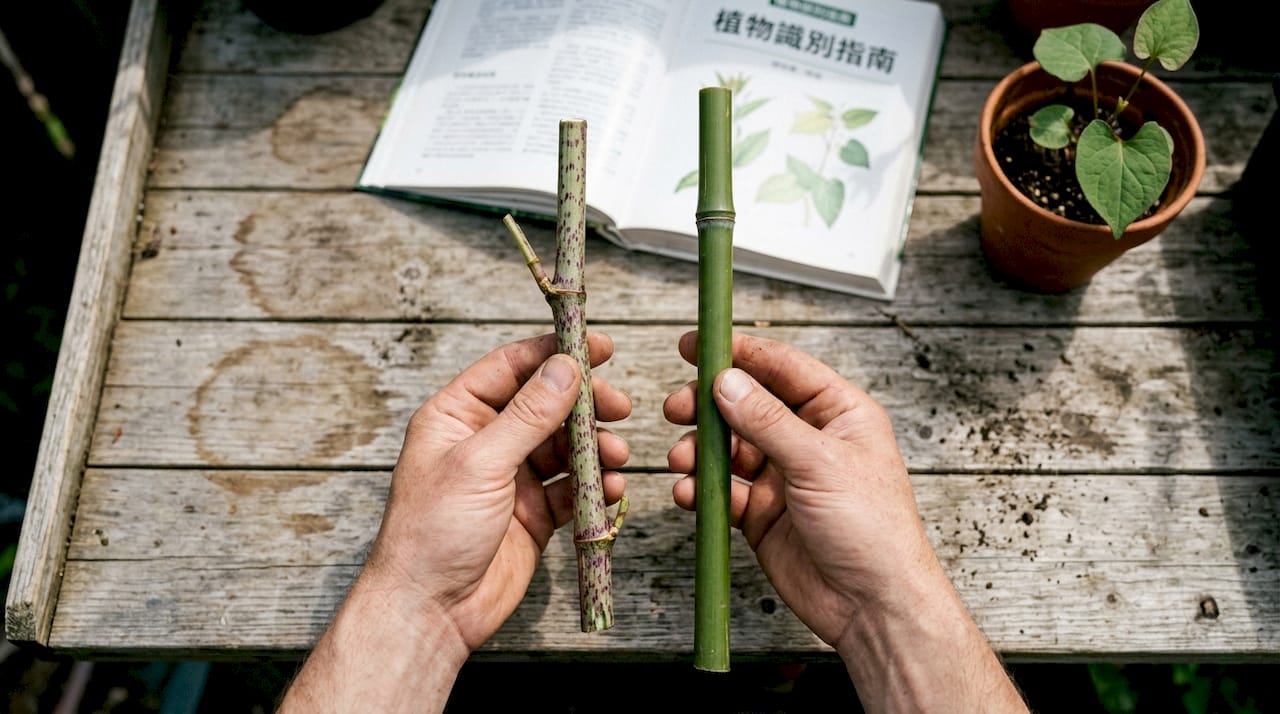
The plant exhibits distinctive characteristics that set it apart from native vegetation. Bamboo-like stems with distinctive reddish-purple speckles and spade-shaped leaves arranged in a unique zig-zag pattern make Japanese knotweed easily identifiable. What makes this plant particularly problematic is its extraordinary underground root system. These extensive rhizomes can spread vigorously through soil and water, enabling it to grow through seemingly impenetrable surfaces like concrete and tarmac.

Many property owners harbour significant misconceptions about Japanese knotweed, often underestimating its potential for destruction. Contrary to popular belief, the plant is not merely a garden nuisance but a serious threat that can compromise building foundations, drainage systems, and property infrastructure. Its ability to regenerate from tiny root fragments means that even minimal contact can trigger explosive growth, making professional intervention crucial.

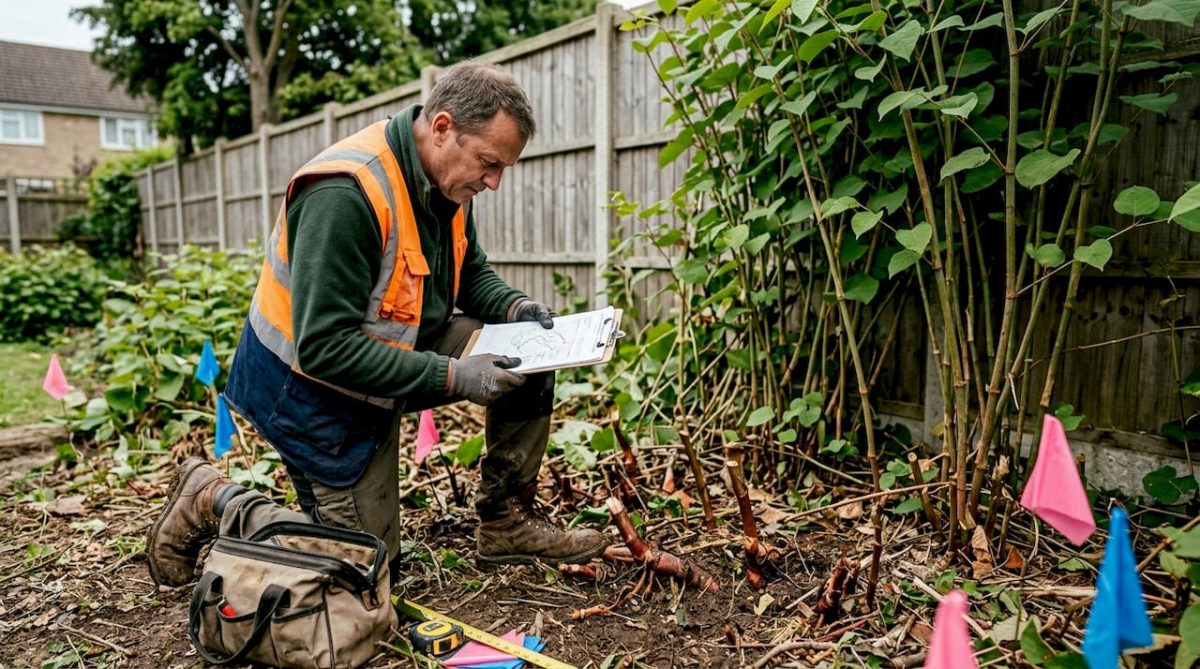
Pro tip: If you suspect Japanese knotweed on your property, photograph the plant and contact a professional invasive species specialist immediately to prevent potential structural damage.

How Knotweed Spreads And Causes Damage

Japanese knotweed’s remarkable ability to spread makes it one of the most dangerous invasive plant species in the United Kingdom. This extraordinary plant can regenerate from fragments as tiny as a fingernail, creating unprecedented challenges for property owners and environmental managers. The plant’s propagation mechanism is uniquely adaptive, allowing it to reproduce through stem and rhizome fragments that can quickly develop into entirely new plants.

The underground root system of Japanese knotweed is particularly destructive. Its extensive rhizome network can extend up to a meter deep and several meters wide, enabling it to cause substantial structural damage. The plant can grow through seemingly impenetrable surfaces like concrete, tarmac, and building foundations, compromising infrastructure integrity. This extraordinary growth capacity means that even minimal root fragments can trigger explosive vegetation spread, undermining pavements, walls, and drainage systems.

Roots of knotweed damaging house foundation

Beyond physical infrastructure damage, Japanese knotweed poses significant ecological threats. Its dense growth pattern effectively shades out native vegetation, dramatically reducing local biodiversity. The plant’s aggressive colonisation strategy allows it to outcompete indigenous plant species, fundamentally altering habitat structures and ecosystem dynamics. Water courses and human-mediated soil transportation further accelerate its spread, making containment exceptionally challenging.

Pro tip: Always consult professional invasive plant specialists when detecting Japanese knotweed, as attempting amateur removal can inadvertently cause more widespread propagation.

Landowners in the United Kingdom face significant legal risks when they choose to ignore Japanese knotweed on their property. The legal framework surrounding this invasive plant is stringent, with potential consequences that extend far beyond simple environmental management. Property owners can be held liable for both criminal and civil penalties if they fail to control the spread of this destructive vegetation.

The landmark case of Network Rail Infrastructure Ltd v Williams established a critical precedent in UK property law. Landowners can now be sued for private nuisance if Japanese knotweed spreads to neighbouring properties, even when no direct physical structural damage has occurred. This means potential liability for economic losses, property blight, and significant remediation costs. Legal requirements mandate strict control measures under the Wildlife and Countryside Act 1981, making it a criminal offence to allow the plant to grow in the wild or spread across property boundaries.

The financial implications of ignoring knotweed can be devastating. Property values can plummet, mortgage lenders may refuse lending, and potential legal action can result in substantial compensation claims. Courts have consistently ruled that property owners have a legal duty to prevent knotweed spread, interpreting this obligation as a fundamental responsibility of land management. Insurance policies typically do not cover knotweed-related damages, leaving property owners entirely financially exposed.

Pro tip: Obtain a professional Japanese knotweed survey immediately if you suspect the plant’s presence on your property, as early detection can significantly reduce potential legal and financial risks.

Here is a comparison of key legal, financial, and environmental risks associated with unmanaged Japanese knotweed:

Risk Area Description Potential Consequence
Legal Liability Failure to control or contain knotweed Civil claims; criminal prosecution
Property Value Presence of knotweed on property Value drop up to 20%; buyer caution
Environmental Harm Spread into local habitats and rivers Biodiversity loss; soil instability

Impact On Property Value And Sales

Japanese knotweed represents a profound threat to property market dynamics in the United Kingdom, dramatically affecting property values and sales processes. The mere presence of this invasive plant can trigger substantial financial complications for property owners, creating significant barriers in real estate transactions. Potential buyers become instantly cautious when Japanese knotweed is detected, recognising the potential for extensive structural damage and ongoing remediation challenges.

Mortgage lenders have become increasingly stringent about properties with knotweed infestations, often refusing to provide financing without comprehensive treatment plans. This creates a domino effect where property values can plummet by up to 15-20% simply due to knotweed presence. The economic impact extends beyond immediate repair costs, encompassing long-term marketability issues that can render a property substantially less attractive to potential purchasers.

The complexity of knotweed’s impact on property sales involves multiple stakeholders. Conveyancers now routinely include invasive plant searches in property surveys, and estate agents must disclose knotweed presence. Insurance-backed management plans have become essential, with many financial institutions requiring documented eradication strategies before considering mortgage applications. The stigma associated with knotweed can persist even after professional treatment, creating lasting challenges for property owners seeking to sell their homes.

Pro tip: Obtain a professional knotweed survey and treatment plan before listing your property, as proactive management can significantly mitigate potential value reduction and sales complications.

Environmental And Neighbourhood Risks

Japanese knotweed poses a profound threat to local ecosystems, creating widespread environmental disruption that extends far beyond individual property boundaries. This invasive species forms dense monocultures that systematically eliminate native plant populations, dramatically reducing local biodiversity and fundamentally altering habitat structures. The plant’s aggressive growth pattern means it can quickly dominate entire landscapes, outcompeting indigenous vegetation and creating significant ecological imbalances.

Infographic showing knotweed risks and impact overview

The environmental risks are particularly acute along waterways and riverbanks, where Japanese knotweed’s extensive root systems can accelerate soil erosion and destabilise natural landscapes. Its ability to grow through seemingly impenetrable surfaces means it can compromise riverbank integrity, increasing flood risks and potentially causing substantial landscape degradation. Neighbourhoods with significant knotweed presence may experience reduced green space quality, diminished wildlife habitats, and increased vulnerability to environmental changes.

Beyond direct ecological impact, Japanese knotweed creates complex challenges for community management. Neighbouring properties can become interconnected in their knotweed risk, as the plant’s underground rhizome network can spread across property lines without visible surface indication. This means a single untreated infestation can potentially impact entire neighbourhoods, requiring coordinated and collaborative management strategies that go beyond individual property boundaries.

Pro tip: Engage with local environmental authorities and neighbours to develop a collective management approach when Japanese knotweed is detected in your area.

Non-Chemical Solutions For Effective Control

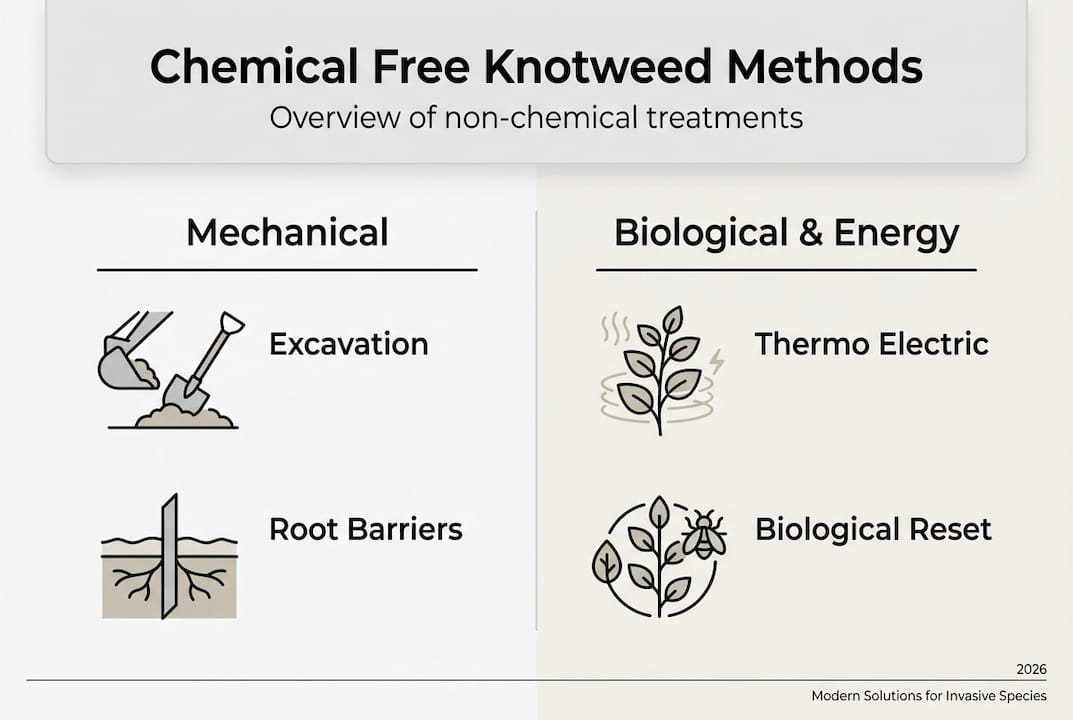
Advanced scientific research from Swansea University has pioneered innovative approaches to managing Japanese knotweed without relying solely on chemical treatments. Non-chemical control methods offer environmentally conscious property owners alternative strategies for managing this invasive plant. These approaches focus on mechanical intervention, physical removal, and strategic disruption of the plant’s growth cycles, recognising the complex nature of knotweed eradication.

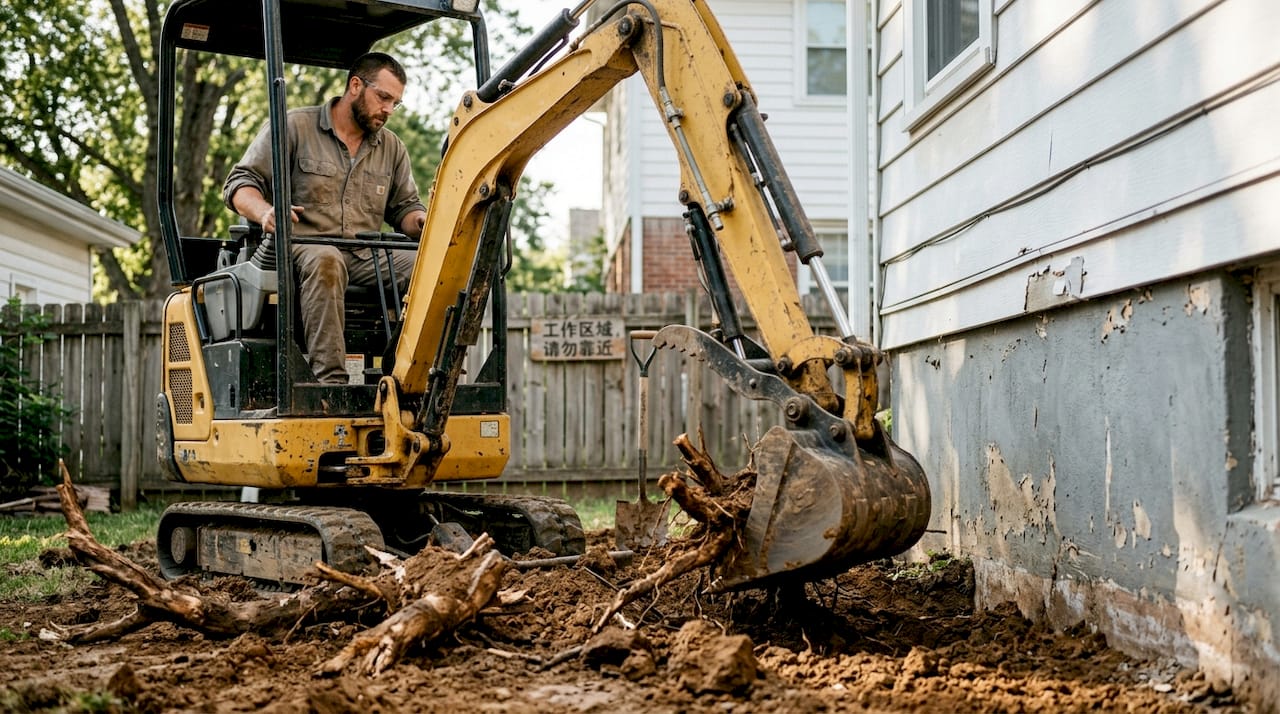
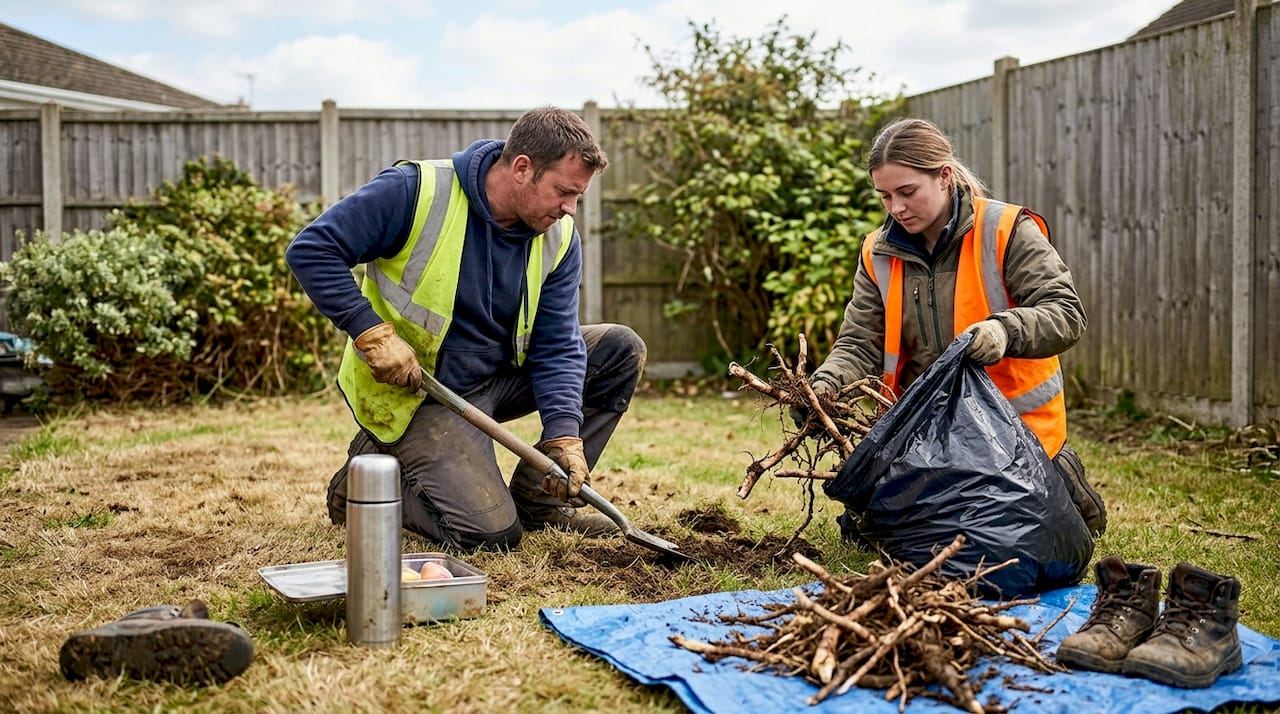
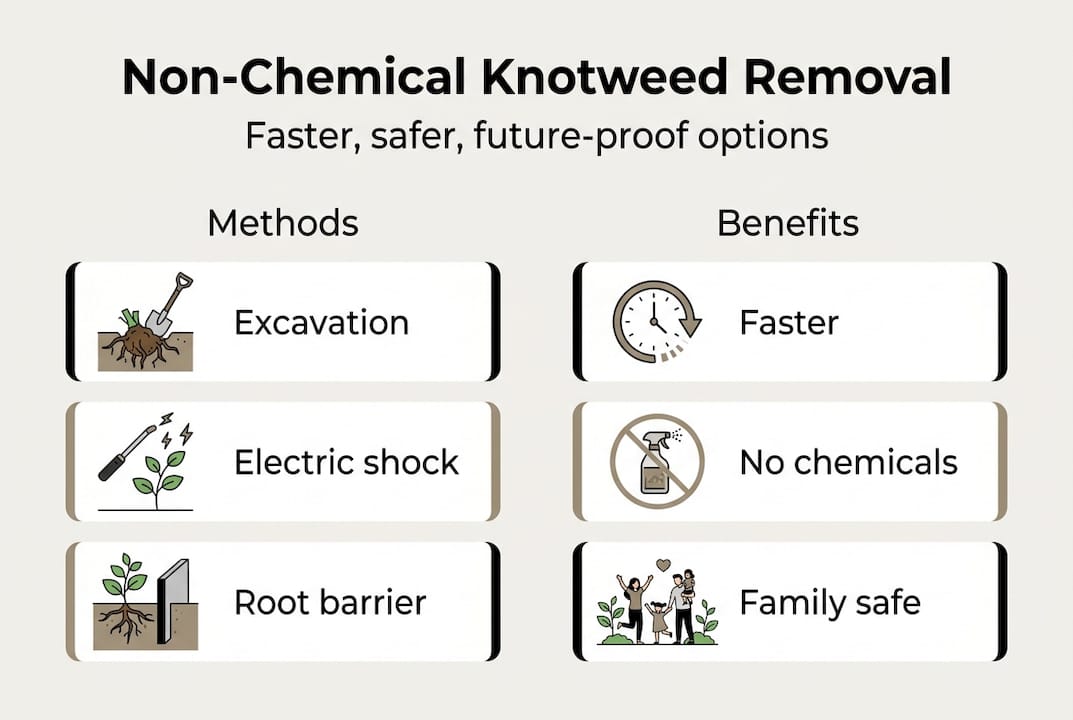
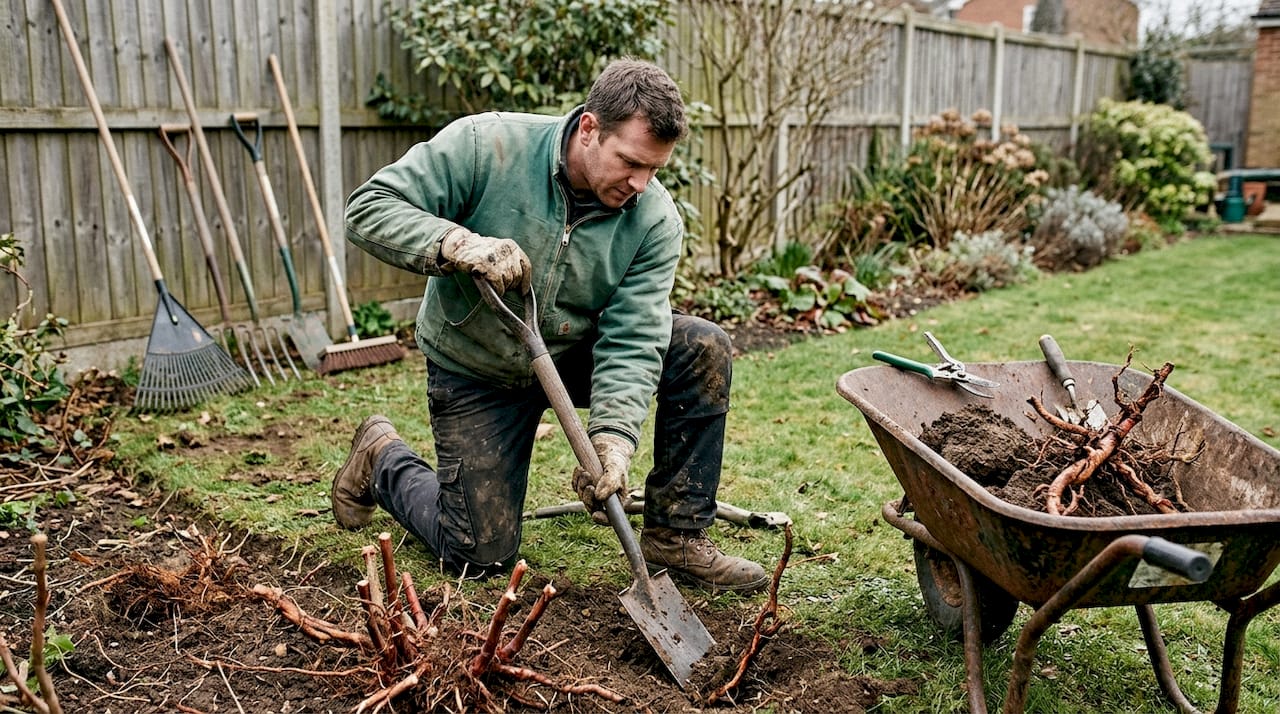
Physical removal techniques represent a critical component of non-chemical control strategies. These methods include targeted excavation, where contaminated soil is carefully removed and disposed of at licensed waste facilities. Soil solarization techniques, which involve covering infested areas with heat-trapping materials to effectively ‘cook’ the underground rhizome network, have shown promising results in small-scale interventions. However, these methods require precision, repeated treatments, and comprehensive understanding of the plant’s extensive underground root system.

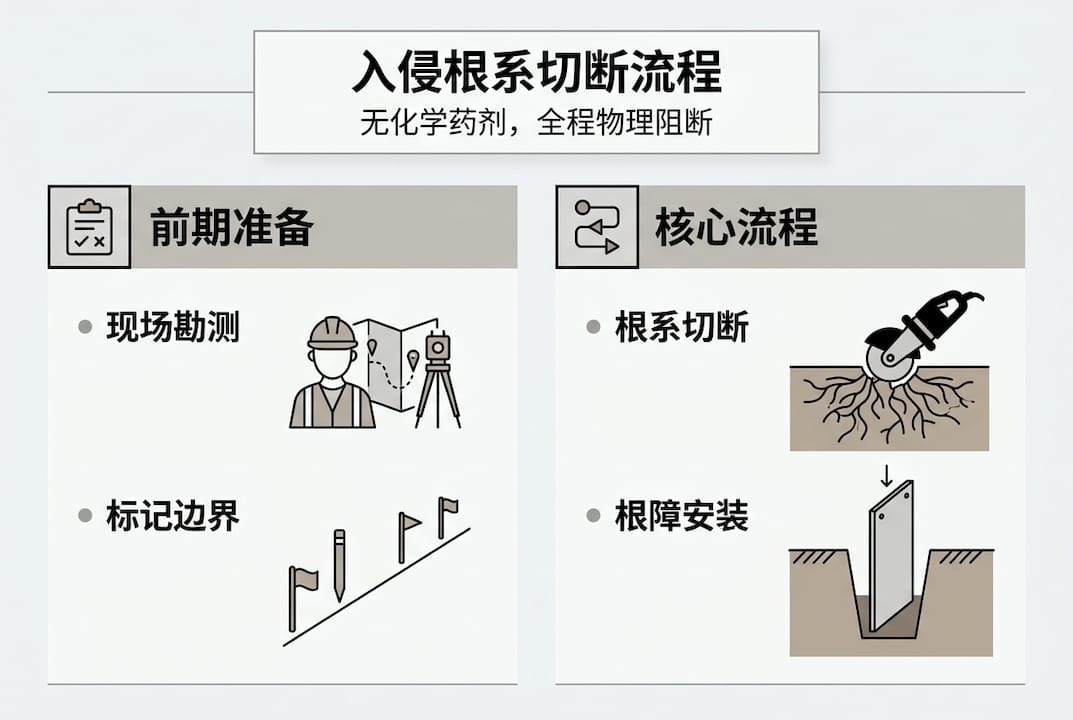
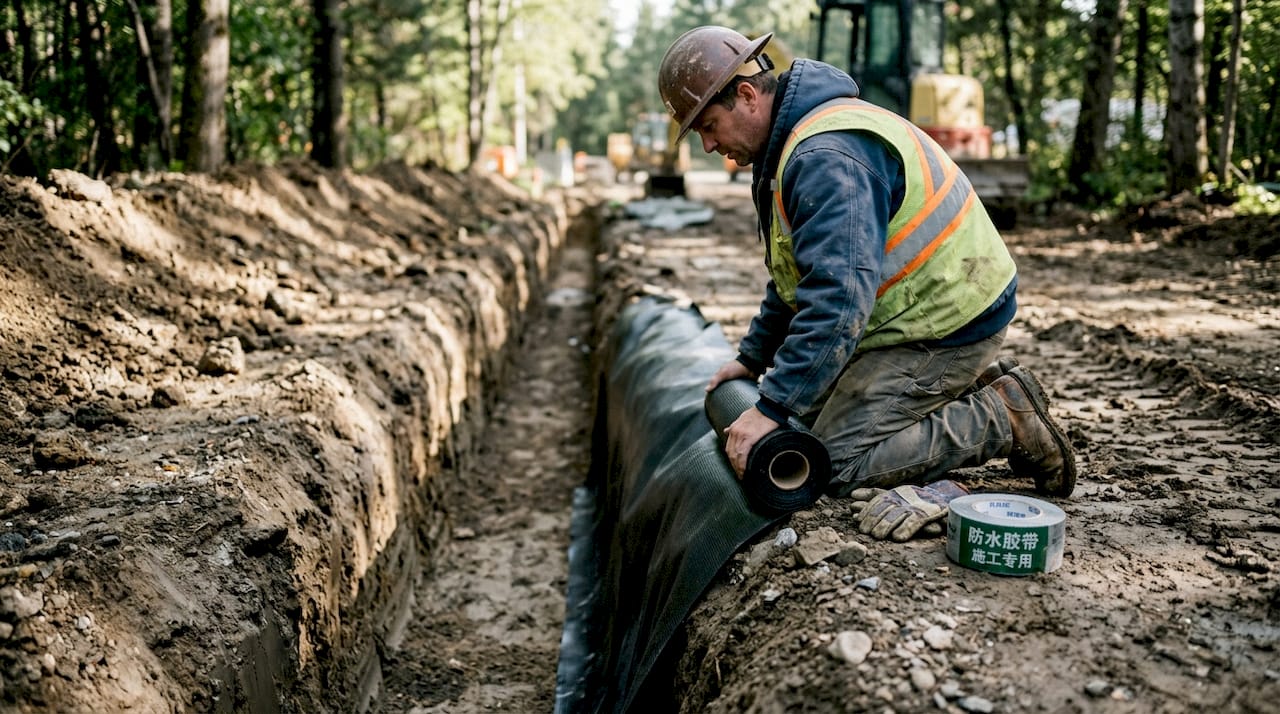
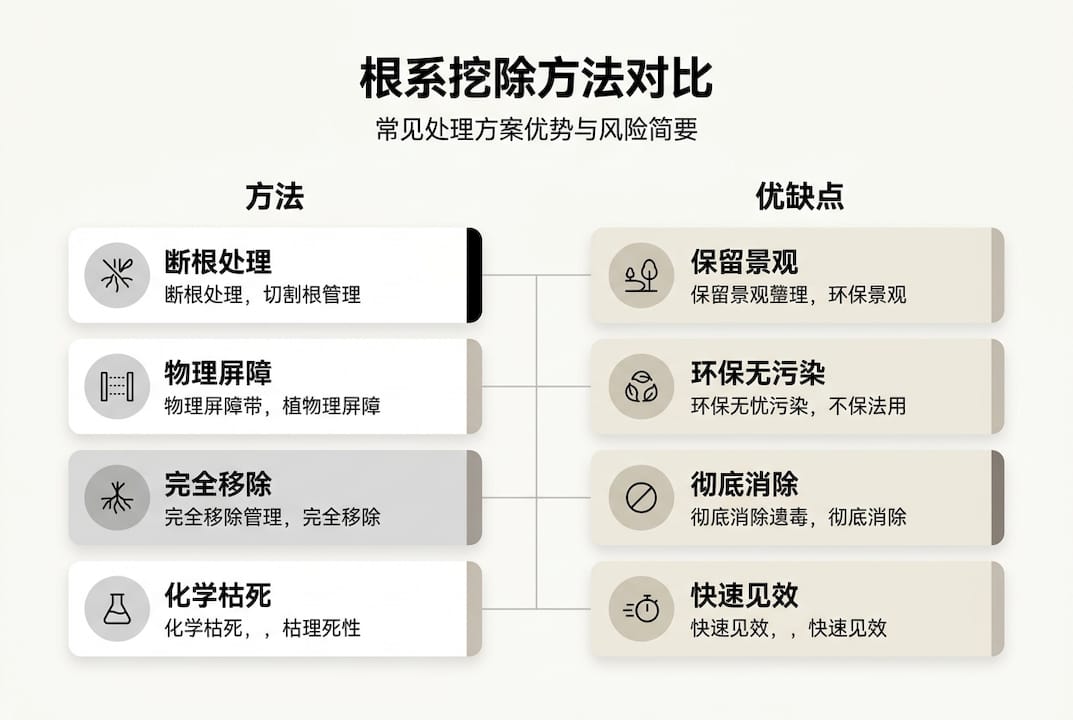
Advanced non-chemical approaches also incorporate integrated management techniques that combine multiple strategies. These might include physical barriers to prevent rhizome spread, systematic root zone disruption, and long-term monitoring to prevent recolonisation. Mechanical methods such as repeated cutting, root barrier installations, and targeted landscape management can significantly reduce knotweed’s ability to regenerate and spread. The key to success lies in understanding the plant’s complex growth patterns and implementing a persistent, multi-faceted approach.

Pro tip: Consult professional invasive plant specialists who can develop a tailored, non-chemical management plan specific to your property’s unique knotweed challenges.

See a summary of non-chemical knotweed control strategies and their main challenges:

Control Strategy Primary Action Main Challenge
Physical excavation Removal of contaminated soil Requires specialist disposal
Soil solarisation Heat application to infested area Not suitable for large infestations
Mechanical cutting Repeated stem removal Needs ongoing, intensive effort
Root barriers Installation around rhizomes Prevents but does not eradicate

Protect Your Property From The Devastating Effects Of Japanese Knotweed

Ignoring Japanese knotweed can lead to serious legal, financial, and environmental consequences as discussed in the article. Its aggressive growth and ability to damage property foundations pose risks that no homeowner or landowner should face alone. The challenge of eradicating this invasive plant requires specialised, effective, and chemical free methods to prevent further spread and protect your investment.

At Japanese Knotweed Agency, we pioneer advanced chemical free treatments that target the extensive rhizome network using direct electric energy, delivering up to 5000 volts onsite to disrupt and exhaust the plant internally. Alongside expert root barrier installation and excavation services, we provide comprehensive property surveys for invasive weeds across England, Wales and Ireland.

https://japaneseknotweedagency.co.uk

Don’t risk property devaluation or costly legal action. Act now to safeguard your home and environment with professionally tailored solutions from Japanese Knotweed Agency. Discover more about our chemical free treatment options and secure your property’s future today.

Frequently Asked Questions

Ignoring knotweed can lead to significant legal repercussions, including civil claims for nuisance and criminal penalties under the Wildlife and Countryside Act 1981. Landowners are responsible for controlling its spread, and failure to do so can result in lawsuits and substantial remediation costs.

How does knotweed affect property values?

The presence of knotweed can dramatically reduce property values by up to 15-20%. Potential buyers may be cautious due to the risks of structural damage and ongoing treatment requirements, making it harder to sell or secure financing for the property.

What are the risks of ecological damage caused by knotweed?

Knotweed’s aggressive growth can outcompete native plant species, significantly reducing local biodiversity and destabilising ecosystems. Its deep root systems can also cause soil erosion, especially along waterways, further harming the environment.

What are the non-chemical control methods available for managing knotweed?

Non-chemical control methods include physical removal of contaminated soil, soil solarisation, and mechanical cutting. Combining these approaches with monitoring can help manage knotweed effectively without relying solely on chemical treatments.

Read more

Knotweed Certification – Why Mortgage Success Hinges On It

One in eight British property sales face delays or lost value due to Japanese Knotweed infestations. For homeowners in England and Wales, this stubborn plant can instantly complicate mortgage approval and shrink offers from buyers. The impact reaches deep into legal, financial, and insurance requirements that only certified specialists can properly address. Learn how professional surveys and guaranteed treatment plans protect your home’s value and clear the path for a successful sale.

Table of Contents

Key Takeaways

Point Details
Impact on Property Transactions Japanese knotweed complicates property sales, potentially depreciating value by 10-20% and causing mortgage approval difficulties.
Legal Obligations Homeowners must adhere to strict legal requirements for knotweed management, including professional treatment and disclosure of infestations during sales.
Certification Importance Engaging certified specialists for knotweed management ensures compliance with regulations and enhances property marketability.
Risks of Amateur Treatment Uncertified treatment poses environmental and legal risks, making professional intervention critical for effective management and future property value preservation.

Japanese knotweed: Impact on property sales

Japanese knotweed represents a significant threat to property transactions across the United Kingdom, creating substantial challenges for homeowners and potential buyers. Published parliamentary research indicates that this invasive plant affects over 1.25% of residential properties, triggering complex legal and financial complications during property sales.

The economic impact of Japanese knotweed extends far beyond mere plant management. Mortgage lenders often hesitate to finance properties with knotweed infestations, creating substantial barriers for sellers. Properties with confirmed knotweed presence can experience property value depreciation between 10-20%, transforming what might seem like a minor botanical issue into a significant financial liability. Surveyors routinely flag knotweed as a serious concern, which can dramatically extend market listing times and reduce potential selling prices.

Professional intervention becomes critical when dealing with Japanese knotweed. Mortgage providers typically require comprehensive treatment plans with insurance guarantees before approving financing. This means property owners must engage certified specialists who can provide documented evidence of complete eradication. The treatment process involves not just removing visible plant growth, but comprehensively addressing the extensive underground rhizome network to prevent future regrowth.

Here is a summary of how Japanese knotweed influences property sales in the UK:

Area of Impact Effect on Sellers Effect on Buyers Effect on Property Value
Mortgage Approval Strict documentation required Increased scrutiny and caution Often reduced by 10–20%
Legal Complications Risk of enforcement or litigation Potential legal liability Added cost for legal compliance
Market Time Listing period often extends Delayed purchase completion Lower likelihood of quick sale
Remediation Costs Must fund professional treatment May inherit ongoing obligations Financial burden for management

Pro Tip: Always commission a professional Japanese knotweed survey before listing your property to understand potential risks and develop a strategic management plan.

Types of knotweed certification available

Professional knotweed certification represents a critical pathway for property owners and specialists seeking to manage this invasive plant effectively. The Royal Institution of Chartered Surveyors (RICS) has established professional standards that define comprehensive certification processes, which include detailed risk assessments, surveying protocols, and treatment documentation.

Several key certification types exist within the knotweed management landscape. The ABBE Level 4 Award stands out as a significant qualification, providing professionals with in-depth knowledge about legal responsibilities and management practices. This certification equips specialists with comprehensive understanding of treatment methods, legislative requirements, and industry-standard protocols for managing invasive plant species.

Official reviewing knotweed certification paperwork

Certification typically involves multiple layers of professional assessment. Qualified surveyors produce comprehensive reports that include detailed site investigations, precise mapping of knotweed spread, potential structural impact assessments, and recommended treatment strategies. These certified documents are crucial for mortgage lenders, who often require explicit evidence of professional intervention and management plans before approving property transactions.

Pro Tip: Ensure any knotweed certification you obtain includes an insurance-backed guarantee to provide maximum protection and credibility for potential property transactions.

The table below compares key knotweed certification standards for UK property management:

Certification Type Main Focus Area Recognising Body Typical Use Case
ABBE Level 4 Award Legal and treatment protocols ABBE Professional specialists
RICS Guidelines Surveying and risk assessment RICS Surveyors and inspectors
Insurance-backed Guarantee Protection post-treatment Multiple insurers Mortgage/legal evidence

UK homeowners face significant legal obligations when managing Japanese knotweed on their properties. Government guidance mandates strict protocols for preventing the spread of this invasive plant, with potentially serious consequences for non-compliance. Homeowners are legally required to control and prevent the migration of knotweed to neighbouring properties, ensuring that any management or removal follows rigorous environmental regulations.

The legal framework surrounding knotweed management is complex and multifaceted. Property owners cannot simply treat or dispose of knotweed through informal methods. Any soil or plant material contaminated by knotweed must be treated as controlled waste and can only be removed by licensed professionals. Attempting to manage knotweed without appropriate qualifications can result in significant legal repercussions, including potential enforcement actions by local authorities and substantial financial penalties.

Moreover, the legal implications extend beyond immediate treatment requirements. Homeowners have a duty of care to disclose the presence of Japanese knotweed when selling their property. Failure to reveal known knotweed infestations can lead to potential legal claims, property devaluation, and potential litigation from subsequent property owners. This creates a complex landscape where transparency, professional intervention, and documented management become critical legal and financial considerations.

Pro Tip: Always maintain comprehensive documentation of professional knotweed assessments and treatments to protect yourself legally and financially during property transactions.

Mortgage lender expectations and compliance

Mortgage lenders in the United Kingdom approach Japanese knotweed with exceptional caution, viewing its presence as a significant financial risk. Lenders require comprehensive documentation demonstrating professional management and treatment strategies, making knotweed certification a critical component of successful property transactions. The stringent requirements reflect the potential for structural damage and property value depreciation associated with this invasive plant.

The documentation process is comprehensive and demanding. Potential borrowers must provide professional surveys conducted by accredited specialists, detailed management plans that outline precise treatment protocols, and insurance-backed guarantees that protect against future knotweed regrowth. These guarantees are particularly crucial, as lenders want assurance that the invasive plant will not resurface and compromise the property’s structural integrity or market value.

Each mortgage lender maintains unique yet similar compliance standards regarding Japanese knotweed. While specific requirements may vary slightly between institutions, the core expectations remain consistent: complete transparency, professional assessment, and a robust treatment strategy. Some lenders might require ongoing monitoring reports, while others may demand proof of complete eradication before considering mortgage approval. This creates a complex landscape where property owners must navigate intricate documentation and professional certification processes.

Pro Tip: Engage a specialised knotweed management professional early in the property transaction process to streamline mortgage approval and minimise potential complications.

Risks of uncertified knotweed treatment

Uncertified knotweed treatment represents a significant hazard for property owners, potentially leading to catastrophic environmental and legal consequences. Government guidelines emphasise the critical nature of professional intervention when managing this invasive plant, highlighting the complex risks associated with amateur treatment attempts.

Infographic shows knotweed risks versus benefits

The primary danger lies in the plant’s extraordinary regenerative capabilities. Even microscopic fragments of knotweed rhizomes can trigger rapid regrowth, transforming what seems like a simple removal into a complex ecological challenge. Untrained individuals might inadvertently spread contaminated soil or plant material, potentially creating multiple new infestation sites. This unintentional dispersal can result in substantial legal liabilities, with property owners facing potential enforcement actions and significant financial penalties for improper handling.

Moreover, uncertified treatments compromise several critical aspects of knotweed management. Mortgage lenders and property insurers demand professional documentation and treatment plans, meaning amateur interventions can render a property virtually unmarketable. The lack of certified documentation creates substantial barriers to property transactions, potentially reducing market value and creating long-term financial complications. Professional certification ensures not just effective treatment, but provides the necessary legal documentation that demonstrates responsible environmental management.

Pro Tip: Always engage certified knotweed specialists who can provide comprehensive treatment plans with verifiable documentation to protect your property’s legal and financial integrity.

Choosing a reputable certification provider

Professional certification for Japanese knotweed management requires careful consideration of multiple critical factors. Homeowners must evaluate potential providers based on their technical expertise, legal compliance, and demonstrated track record in successfully managing this invasive plant species. The most reputable certification providers will possess comprehensive understanding of both ecological management and regulatory frameworks.

Key criteria for selecting a certification provider include verifiable professional qualifications, extensive field experience, and recognised industry accreditations. Prospective clients should seek specialists who can demonstrate a proven methodology for knotweed detection, treatment, and ongoing monitoring. This involves comprehensive site surveys, detailed management plans, insurance-backed treatment guarantees, and transparent reporting that satisfies mortgage lender and legal requirements.

Beyond technical competence, a trustworthy certification provider should offer transparent documentation and clear communication throughout the treatment process. This includes providing detailed risk assessments, outlining precise treatment strategies, and delivering comprehensive documentation that can be presented to mortgage lenders, insurers, and potential property buyers. The ability to provide long-term warranties and ongoing monitoring represents a critical differentiator between exceptional and merely adequate knotweed management services.

Pro Tip: Request comprehensive professional portfolios and independently verified client testimonials before engaging any knotweed certification specialist to ensure their credibility and effectiveness.

Secure Your Mortgage Success with Expert Japanese Knotweed Certification

Understanding the critical role of professional knotweed certification in property sales can make the difference between mortgage approval or costly delays. The article highlights how mortgage lenders demand comprehensive documentation and proven management plans as part of their compliance requirements. This is precisely where Japanese Knotweed Agency can help by providing cutting-edge, chemical free treatment that effectively targets the extensive rhizome network, combined with thorough property surveys across England, Wales and Ireland.

https://japaneseknotweedagency.co.uk

Take control of your property’s future now by trusting our proven eradication methods and expert certification. With services ranging from root barrier installation to excavation and detailed invasive weed surveys, we ensure your treatment plan meets lender standards and protects your property value. Don’t let uncertified or incomplete knotweed management stand in your way. Visit Japanese Knotweed Agency to discover how our professional solutions can deliver peace of mind, fast mortgage approval and a smooth sales process. Learn more about our chemical free treatment and property survey services today and secure your mortgage success.

Frequently Asked Questions

What is Japanese knotweed certification?

Japanese knotweed certification is a professional endorsement that confirms effective management and treatment of this invasive plant. It ensures that property owners have complied with legal and ecological guidelines for dealing with knotweed, providing essential documentation for mortgage lenders.

Why do mortgage lenders require knotweed certification?

Mortgage lenders require knotweed certification to mitigate financial risks associated with potential property damage and value depreciation caused by Japanese knotweed. Certified documentation provides assurance that proper treatment has been undertaken, which influences their lending decisions.

What types of knotweed certification are available?

Key types of knotweed certification include the ABBE Level 4 Award, which focuses on legal and treatment protocols, and RICS guidelines that encompass surveying and risk assessment. Insurance-backed guarantees are also crucial for protecting against future issues related to the plant.

What are the risks of uncertified knotweed management?

Uncertified knotweed management can lead to significant legal and environmental consequences, including property devaluation and liabilities due to improper handling. Amateur attempts to treat knotweed may also fail, leading to further infestations and compliance issues with mortgage lenders.

Read more

7 Most Common Invasive Weed Species Homeowners Must Know

Spotting Japanese Knotweed can turn a routine property survey into a major concern for any british homeowner. Its roots are powerful enough to breach concrete, and this plant can grow up to two metres each month. With banks and surveyors in England, Wales, and Ireland now flagging its presence, there is growing urgency for reliable, chemical-free solutions. Discover how you can protect your investment and peace of mind without reaching for harsh chemicals.

Table of Contents

Quick Summary

Key Message Explanation
1. Engage Professionals for Removal Always consult specialists for invasive plant removal to avoid spreading and legal issues.
2. Understand Legal Restrictions Familiarise yourself with laws concerning invasive species to prevent legal and financial repercussions.
3. Implement Integrated Weed Management Combine multiple non-chemical techniques for effective invasive species management while protecting ecosystems.
4. Monitor Invasive Plant Growth Keep a vigilant eye on your property for signs of invasive plants to manage outbreaks early.
5. Dispose of Invasive Plants Responsibly Always use sealed bags and licensed facilities for disposing of invasive species to prevent further spreading.

1. Japanese Knotweed: Why It Is Such a Threat

Japanese Knotweed represents one of the most destructive invasive plant species in the United Kingdom, causing significant challenges for homeowners and property managers. This extraordinary plant, originally imported as an ornamental garden species, has become a serious environmental and structural threat.

Originally introduced from East Asia, Japanese Knotweed can grow at an astonishing rate of up to 2 metres per month, with its underground rhizome system spreading extensively across properties. Its ability to penetrate hard surfaces like concrete and tarmac makes it particularly dangerous for building foundations and infrastructure.

What makes Japanese Knotweed uniquely problematic is its remarkable regenerative capability. Even tiny root fragments measuring less than a centimetre can develop into entirely new plants, making complete eradication extremely challenging. Property surveyors and mortgage lenders take this threat seriously, often requiring professional treatment plans before approving loans.

The plant’s aggressive growth pattern allows it to outcompete native vegetation, destroying local ecosystems and reducing biodiversity. Its bamboo-like stems with distinctive reddish-purple speckling can quickly form dense thickets that choke out other plant species.

Legally, Japanese Knotweed is controlled under the Wildlife and Countryside Act 1981, which prohibits its deliberate spread. Homeowners can face significant legal and financial consequences if they fail to manage this invasive species responsibly.

Top Expert Tip: Always engage professional specialists for Japanese Knotweed removal, as attempting DIY treatment can inadvertently spread the plant and potentially breach legal regulations.

2. Giant Hogweed: Dangers to Health and Property

Giant Hogweed is a menacing invasive plant that poses serious risks to human health and local ecosystems across the United Kingdom. Growing up to an extraordinary height of 5 metres, this plant looks deceptively impressive but harbours significant dangers for unsuspecting property owners and outdoor enthusiasts.

The most alarming characteristic of Giant Hogweed is its highly toxic sap, which can cause severe skin burns and blisters when exposed to sunlight. Contact with the plant’s tissues creates phototoxic reactions that result in painful, long-lasting skin damage potentially leaving permanent scarring.

Beyond its direct health hazards, Giant Hogweed represents an ecological threat by rapidly colonising riverbanks and disturbed soils. Its dense growth patterns effectively shade out native plant species, disrupting local biodiversity and causing significant environmental imbalance. When the plant dies back during winter, it leaves riverbanks vulnerable to increased erosion, further compromising local landscape stability.

The plant reproduces prolifically, with a single specimen capable of generating thousands of seeds. This reproductive strategy allows Giant Hogweed to spread aggressively across different terrains, making professional intervention crucial for effective management.

Homeowners discovering Giant Hogweed on their property should never attempt personal removal. Legal regulations under the Wildlife and Countryside Act 1981 strictly control its management, and improper handling can lead to significant legal and health consequences.

Professional Warning: Always contact specialised invasive plant removal experts when encountering Giant Hogweed, as amateur attempts can potentially worsen the spread and increase personal health risks.

3. Himalayan Balsam: Rapid Spread and Control Methods

Himalayan Balsam represents one of the most aggressive invasive plant species threatening British ecosystems, particularly riverine environments. Originally introduced as an ornamental garden plant, this deceptively pretty species has become a significant ecological challenge for property owners and environmental managers.

The plant’s most remarkable characteristic is its extraordinary seed dispersal mechanism. Explosive seed pods can catapult seeds up to 7 metres from the parent plant, allowing it to colonise new territories with remarkable speed and efficiency. Growing up to 2 metres tall, Himalayan Balsam forms dense stands that comprehensively outcompete native vegetation.

Ecological impacts extend far beyond simple plant competition. When Himalayan Balsam dies back during autumn, it leaves riverbanks and damp habitats with exposed soil, dramatically increasing erosion risks and potentially exacerbating local flooding challenges. Its ability to dominate entire habitats makes it a serious threat to biodiversity.

Legal restrictions under the Wildlife and Countryside Act 1981 make it illegal to cause Himalayan Balsam to grow in the wild. This underscores the plant’s significant environmental impact and the importance of responsible management. Property owners discovering this invasive species should prioritise careful, systematic removal to prevent further spread.

Control methods include manual pulling before seed production, ensuring complete root removal, and responsible disposal to prevent accidental propagation. Community led initiatives and targeted removal campaigns have proven effective in managing Himalayan Balsam populations.

Expert Recommendation: Always wear protective gloves and dispose of Himalayan Balsam plants in sealed bags at licensed waste management facilities to prevent unintended seed dispersal.

4. Rhododendron Ponticum: Effects on Native Wildlife

Rhododendron Ponticum represents a silent ecological menace threatening Britain’s woodland ecosystems. Introduced by Victorian plant enthusiasts as an ornamental shrub, this evergreen species has transformed from a garden curiosity to a significant environmental challenge.

The plant’s most destructive characteristic is its ability to form extraordinarily dense thickets that comprehensively suppress native vegetation. Its persistent foliage blocks sunlight and prevents native woodland plants from regenerating, creating a biological desert beneath its expansive canopy.

Beyond competitive suppression, Rhododendron Ponticum poses additional ecological threats. Its toxic nectar can disrupt local pollinator networks, while simultaneously hosting dangerous tree pathogens like Phytophthora ramorum. These characteristics make it particularly devastating for delicate woodland ecosystems, especially in rare temperate rainforest environments.

The plant’s spread is remarkably aggressive. Its evergreen nature allows continuous growth and displacement of native species throughout the year. Woodland managers and conservationists face significant challenges in controlling its proliferation, with removal efforts often requiring costly and intensive physical and chemical interventions.

Property owners with woodland or adjacent natural areas should remain vigilant about identifying and managing Rhododendron Ponticum to prevent its unchecked expansion and protect local biodiversity.

Expert Warning: Consult professional ecological management services before attempting Rhododendron removal, as improper techniques can accidentally promote further spread.

5. New Zealand Pigmyweed: Issues in Garden Ponds

New Zealand Pigmyweed represents an insidious aquatic invader that can transform garden ponds from thriving ecosystems into biological deserts. Originally introduced as an innocuous pond oxygenator, this plant has become a significant environmental threat across the United Kingdom.

The plant’s extraordinary reproductive capacity makes it particularly dangerous. Capable of spreading through microscopic stem fragments, New Zealand Pigmyweed can rapidly colonise water bodies, forming dense mats that comprehensively suffocate native aquatic life. Its growth pattern allows it to exist simultaneously submerged, emergent, and terrestrial, making traditional removal methods ineffective.

Ecological impacts are profound. The plant blocks essential light and oxygen transmission, effectively creating a biological barrier that prevents native flora and fauna from surviving. Its thick vegetation can impede water drainage and potentially increase local flood risks, transforming seemingly harmless garden ponds into potential environmental hazards.

Legal restrictions underscore the plant’s destructive potential. Listed under Schedule 9 of the Wildlife and Countryside Act 1981, it is prohibited to plant or allow New Zealand Pigmyweed to grow in the wild. Since 2014, its sale has been completely banned, reflecting the serious concerns surrounding its uncontrolled spread.

Property owners with garden ponds must remain vigilant, as even tiny plant fragments can initiate a complete ecosystem takeover. Professional ecological assessment is crucial when managing potential infestations.

Expert Warning: Always consult professional ecological management services before attempting New Zealand Pigmyweed removal, as improper techniques can inadvertently accelerate its spread.

6. Floating Pennywort: Impact on Waterways and Removal

Floating Pennywort represents a rapidly proliferating aquatic menace that can transform healthy waterways into ecological wastelands with astonishing speed. Originating from North America, this invasive plant has become a significant environmental challenge across British waterways.

The plant’s most alarming characteristic is its extraordinary growth rate. Capable of expanding up to 20 centimetres per day, Floating Pennywort forms dense vegetative mats that comprehensively smother native aquatic ecosystems. These thick coverings block essential sunlight and oxygen, effectively suffocating underwater life and disrupting entire ecological networks.

Ecological impacts extend far beyond simple plant competition. The dense vegetation impedes water flow, interferes with navigation, and creates significant challenges for native flora and fauna. Fish populations and aquatic invertebrates suffer dramatically as the plant deoxygenates water and blocks critical habitat spaces.

Legal restrictions underscore the plant’s destructive potential. Under UK law, it is illegal to plant or allow Floating Pennywort to grow in the wild. Removal efforts are complex and expensive, often requiring specialized equipment and carefully managed disposal techniques to prevent further spread.

Property owners near waterways must remain vigilant, as even tiny plant fragments can initiate a complete ecosystem transformation. Professional ecological assessment is crucial when managing potential infestations.

Expert Warning: Always engage professional ecological management services for Floating Pennywort removal, as improper techniques can inadvertently accelerate its spread across water systems.

7. Chemical-Free Solutions for Invasive Weed Species

Chemical-free weed control represents a sustainable approach to managing invasive plant species while protecting environmental and human health. As awareness grows about the potential risks associated with traditional herbicides, homeowners are increasingly seeking alternative management strategies.

Integrated weed management techniques offer comprehensive approaches to controlling invasive species without relying on potentially harmful chemical treatments. These methods combine multiple strategies including mechanical removal, cultural interventions, and preventative techniques to effectively manage unwanted plant growth.

Key non-chemical strategies include manual techniques such as hand-weeding, repeated cutting, and smothering. These approaches require consistent effort but provide significant environmental benefits by avoiding soil and water contamination. Mechanical methods like hoeing can effectively disrupt weed growth cycles, preventing established invasive species from spreading.

Barrier techniques offer another powerful non-chemical solution. Using landscape fabrics, mulches, and strategic ground coverings can prevent weed germination and growth, creating natural obstacles that limit invasive plant establishment. These methods are particularly effective in garden beds and landscaped areas.

Property owners should consider integrated approaches that combine multiple techniques, timing interventions strategically to maximise effectiveness and minimise plant regeneration. Understanding each specific invasive species behaviour is crucial for developing targeted removal strategies.

Professional Recommendation: Develop a comprehensive weed management plan that combines multiple non-chemical techniques, and remain consistent in your approach to effectively control invasive plant species.

Below is a comprehensive table summarising the invasive plant species and their impacts as discussed in the article.

Plant Species Characteristics Impact Management Advice
Japanese Knotweed Rapid growth and regenerative capability. Damages infrastructure, reduces biodiversity. Engage professional services for removal, avoid DIY attempts.
Giant Hogweed Toxic sap causing skin reactions, substantial height. Health risks due to burns, disrupts ecosystems, accelerates erosion. Avoid contact, seek professional removal assistance.
Himalayan Balsam Explosive seed dispersal, rapid colonisation. Loss of native flora, increased soil erosion during die-off periods. Manual removal prior to seed formation, proper disposal techniques.
Rhododendron Ponticum Dense canopy formation, year-round growth. Suppresses native woodland vegetation, hosts harmful pathogens. Consult ecological specialists for thorough removal strategies.
New Zealand Pigmyweed Aggressive aquatic spread through tiny fragments. Forms dense mats that deplete oxygen, impairs aquatic ecosystems, blocks light for other aquatic life. Seek professional containment and removal to curtail spreading.
Floating Pennywort Rapid aquatic growth up to 20 cm per day. Smothers aquatic ecosystems, impedes navigation, lowers water quality. Professional removal with specialised equipment; avoid DIY removal.
Chemical-Free Weed Control Strategies include manual hand-pulling, barrier techniques, and strategic placement. Environmentally friendly; avoids soil and water contamination associated with chemical methods. Develop an integrated plan combining multiple techniques targeted to each species’ behaviours.

Take Control of Invasive Weed Threats with Proven Chemical-Free Solutions

Invasive plants like Japanese Knotweed, Giant Hogweed and Himalayan Balsam can devastate your property and the local environment. The article highlights how these species grow quickly and resist simple removal methods. If you want to protect your home from costly damage and comply with legal restrictions, professional intervention is essential. At Japanese Knotweed Agency, we specialise in chemical-free treatment that targets invasive weeds at their root, using high-voltage direct energy to disable the extensive rhizome networks without harming your land.

https://japaneseknotweedagency.co.uk

Do not let invasive species continue to threaten your property and peace of mind. Whether you require expert surveys or advanced eradication, our effective services cover England, Wales and Ireland. Get ahead of the problem today and discover how our safe, eco-friendly approach can help by visiting Japanese Knotweed Agency. Protect your home, preserve local biodiversity and ensure legal compliance with our specialist invasive weed solutions.

Frequently Asked Questions

What are the key characteristics of Japanese Knotweed that homeowners should know?

Japanese Knotweed is known for its fast growth, capable of reaching up to 2 metres per month. Homeowners should identify and manage it promptly, as even tiny root fragments can regrow into new plants. Engage a professional for safe removal to prevent further spread.

How does Giant Hogweed affect human health, and what should I do if I find it on my property?

Giant Hogweed’s sap is highly toxic and can cause severe skin burns when exposed to sunlight. If you find it on your property, avoid touching it and contact a professional for safe removal to prevent health risks and legal issues.

What steps can I take to control Himalayan Balsam in my garden?

To control Himalayan Balsam, manually pull it up before it produces seeds, ensuring you remove the entire root. Dispose of the plants in sealed bags at licensed waste facilities to prevent re-sprouting and spread.

What impact does Rhododendron Ponticum have on local wildlife?

Rhododendron Ponticum suppresses native vegetation by blocking sunlight, creating a barren environment beneath its canopy. To protect local wildlife, regularly monitor and manage this species through professional removal efforts.

How can I effectively manage New Zealand Pigmyweed in my pond?

To manage New Zealand Pigmyweed, consult with professionals who specialise in aquatic weeds, as traditional removal methods may not suffice. Swift action is crucial, as tiny stem fragments can rapidly take over water bodies.

What are some chemical-free methods to control invasive weeds in my garden?

Consider using integrated weed management, which combines manual weeding, repeated cutting, and barrier techniques like landscape fabrics. These approaches can help reduce invasive growth by at least 30% over a few months without harmful chemicals.

Read more

7 Key Steps for Knotweed Risk Assessment Before Purchase

Most British mortgage lenders now refuse loans on properties with unresolved Japanese Knotweed issues. For homeowners in England, Wales, and Ireland, securing a professional knotweed survey is more than a precaution—it is a necessity. Unchecked infestations can drop a property’s value by as much as 15 percent and trigger legal challenges. Discover how meticulous assessment and cutting-edge, chemical-free removal solutions can safeguard your investment and peace of mind when buying or refinancing.

Table of Contents

Quick Summary

Takeaway Explanation
1. Conduct a Knotweed Assessment Professional assessments are crucial to uncover potential risks to your property’s foundations and value, essential before purchasing.
2. Investigate Invasive Weed History Understanding a property’s previous invasive weed issues helps prevent future legal and financial problems, so check local records and prior surveys.
3. Identify Japanese Knotweed Signs Being able to spot knotweed early can save you money; learn its seasonal characteristics for effective identification.
4. Use Professional Surveyors Engage certified specialists for thorough inspections, as their expertise is vital for diagnosing knotweed presence accurately before property transactions.
5. Plan Ongoing Monitoring Establish a comprehensive prevention and monitoring strategy to protect against knotweed reinfestation and comply with legal responsibilities.

1. Understand Why Knotweed Assessment Is Essential

When purchasing a property in the United Kingdom, understanding the potential risks posed by Japanese Knotweed is absolutely critical. This aggressive invasive plant can cause significant structural damage that might compromise your entire property investment. Japanese knotweed risk assessments are essential because they reveal hidden threats that could potentially devastate your home’s foundations, infrastructure, and overall value.

Japanese Knotweed is not just another garden weed. Its extraordinary ability to grow through concrete, tarmac, and building foundations makes it a serious concern for property buyers. The plant’s rhizome network can spread rapidly underground, causing extensive damage that might not be immediately visible during initial property inspections. Research indicates that unchecked knotweed infestations can lead to structural compromises that may cost thousands of pounds in remediation.

Mortgage lenders in the UK take knotweed risks extremely seriously. Most financial institutions will require a professional knotweed assessment before approving a property loan. Without a comprehensive survey demonstrating the absence or controlled presence of knotweed, you could find yourself unable to secure financing or facing significant devaluation of your potential property.

Legal implications further underscore the importance of knotweed assessment. UK environmental regulations place substantial responsibilities on property owners to manage and control invasive species. Failing to address a knotweed infestation could result in potential legal action, substantial fines, and mandatory remediation expenses.

Expert Tip: Always commission a professional knotweed survey from a certified specialist before finalising any property purchase to protect your investment and avoid potentially catastrophic financial consequences.

2. Check the Property’s Invasive Weed History

Purchasing a property in the UK requires more than just a casual glance at its aesthetic appeal. Investigating the property’s historical record of invasive weeds is a critical step that can save you substantial financial and legal headaches. Professional invasive weed surveys provide comprehensive insights into potential hidden risks that might not be immediately visible during standard property inspections.

Invasive weed history extends beyond simple garden maintenance. It involves understanding the specific ecological landscape of a property and its surrounding areas. Local records, previous survey documents, and neighbourhood histories can reveal long standing patterns of invasive plant growth that might pose significant risks to your property investment.

Most property buyers overlook the importance of checking historical weed infestations. Yet these records can indicate potential future problems with persistent plant species like Japanese Knotweed. Estate agents and property sellers are not always obligated to volunteer this information, so proactive investigation becomes your responsibility.

Successful property assessment requires gathering evidence from multiple sources. This might include consulting local environmental agencies, reviewing previous property survey reports, speaking with long term neighbourhood residents, and potentially commissioning specialised historical ecological assessments.

Expert Tip: Request detailed documentation of previous invasive plant treatments or surveys from the current property owner to build a comprehensive understanding of the land’s ecological history.

3. Identify Visual Signs of Japanese Knotweed

Spotting Japanese Knotweed early can save you thousands in property damage and potential legal complications. Learning to recognise this invasive plant’s distinctive characteristics is crucial for any property buyer or homeowner in the United Kingdom. Japanese knotweed identification requires understanding its unique seasonal transformations and distinctive physical features.

In springtime, Japanese Knotweed emerges with striking red or purple shoots that closely resemble asparagus spears pushing through the ground. These initial shoots rapidly develop into distinctive bamboo-like stems characterised by hollow interiors and remarkable purple speckles. As summer progresses, the plant transforms with heart or shovel-shaped leaves arranged in a distinctive zig-zag pattern along the stems.

Late summer brings creamy white clustered flowers that further distinguish this invasive species. However, visual identification requires more than a single season’s observation. The plant’s underground rhizome network remains active and potentially destructive even when above-ground growth appears dormant during winter months.

Property buyers should understand that Japanese Knotweed can grow extraordinarily quickly. A small patch can expand several metres within a single growing season, potentially compromising building foundations, drainage systems, and other underground infrastructure. Professional surveyors recommend thorough visual inspections across multiple seasons to ensure comprehensive detection.

Expert Tip: Always photograph suspected knotweed growth from multiple angles and consult a professional invasive plant specialist for definitive identification before making any property decisions.

4. Arrange a Professional Knotweed Property Survey

A professional knotweed property survey is not merely an optional extra but a critical step in protecting your property investment. Mortgage lenders, insurance companies, and legal professionals increasingly require comprehensive invasive plant assessments to mitigate potential risks associated with Japanese Knotweed.

Professional surveyors trained in invasive species identification bring specialised expertise that goes far beyond standard property inspections. These experts conduct thorough investigations that map precise plant locations, evaluate rhizome spread, and analyse potential structural impacts. Their comprehensive reports provide critical documentation that can significantly influence property transactions and future remediation strategies.

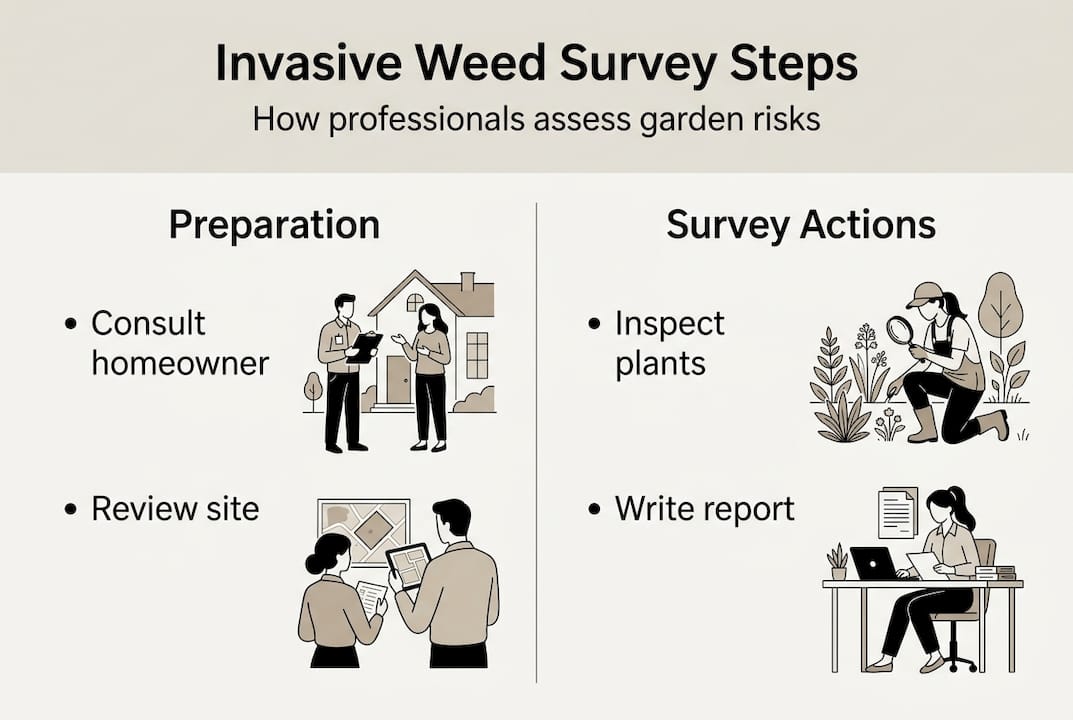
The survey process involves multiple strategic components. Trained specialists will conduct visual inspections across different seasons, analyse soil samples, document precise plant measurements, and generate detailed reports outlining potential risks and recommended management approaches. These assessments help buyers understand the full extent of any knotweed presence and develop targeted treatment plans.

Mortgage providers and legal professionals increasingly rely on these professional surveys to make informed decisions. A comprehensive knotweed survey can determine whether a property requires immediate treatment, can be remediated, or potentially needs more extensive intervention. This documentation becomes crucial evidence during property negotiations and can protect you from unexpected financial liabilities.

Expert Tip: Always request a written survey report from a certified invasive plant specialist that includes photographic evidence, detailed location mapping, and specific recommendations for management or treatment.

5. Review Non-Chemical Removal Solutions

Traditional chemical herbicide treatments for Japanese Knotweed are becoming increasingly outdated as innovative environmental technologies emerge. Property buyers and homeowners now have access to advanced non-chemical eradication methods that provide safer, more sustainable approaches to managing this invasive plant species.

Thermo-electric eradication represents a groundbreaking approach to knotweed removal. This technique utilises targeted electrical currents to destroy plant cells at a molecular level without introducing harmful chemicals into the surrounding ecosystem. The method allows precise treatment that eliminates the plant’s extensive underground rhizome network while preserving soil quality and protecting surrounding vegetation.

Unlike traditional chemical treatments that require multiple applications over several years, non-chemical solutions offer more immediate and environmentally responsible alternatives. These methods can significantly reduce the long-term environmental impact associated with invasive plant management. Property buyers should request detailed information about alternative removal techniques during their initial surveys and consultations.

Modern non-chemical approaches consider broader ecological impacts. They focus on complete plant eradication while maintaining the surrounding environment’s natural balance. This approach is particularly important for properties with sensitive ecosystems or those located near water sources, wildlife habitats, or agricultural lands.

Expert Tip: Request comprehensive documentation about the proposed non-chemical removal method, including its effectiveness rate, environmental impact assessment, and long-term management strategy.

6. Assess Potential Impact on Property Value

Japanese Knotweed represents more than an environmental nuisance it can be a significant financial liability for property owners. Property value reductions from knotweed infestations can reach up to 15% potentially wiping out substantial equity in your home investment.

Mortgage lenders and property valuers take Japanese Knotweed extremely seriously. The presence of this invasive plant can trigger immediate concerns about structural integrity and potential long-term damage. Professional surveyors will meticulously document any knotweed presence which can dramatically influence property market valuation and buyer interest.

Beyond the immediate financial impact, knotweed infestations create complex legal and financial challenges. Potential buyers may request significant price reductions or withdraw their purchase offers entirely upon discovering knotweed on the property. Insurance providers and mortgage companies often require comprehensive treatment plans before approving financing which can further complicate property transactions.

The stigma surrounding Japanese Knotweed extends beyond immediate structural concerns. Potential buyers perceive such infestations as high-risk investments requiring expensive and time consuming remediation. This perception can create substantial barriers in competitive property markets where buyers have multiple options.

Expert Tip: Obtain a professional knotweed assessment and comprehensive remediation plan before listing your property to mitigate potential value reductions and demonstrate proactive management.

7. Plan Ongoing Monitoring and Prevention Measures

Ongoing Japanese Knotweed management requires a proactive and strategic approach that extends far beyond initial treatment. Comprehensive prevention strategies are essential to protect your property from potential reinfestation and legal complications.

Legal responsibilities surrounding Japanese Knotweed management are stringent in the United Kingdom. Property owners have a duty to prevent the spread of this invasive plant to neighbouring lands, which means implementing robust monitoring and control mechanisms. Professional ecological specialists recommend regular visual inspections, professional surveys, and maintaining detailed documentation of all treatment and management efforts.

Effective prevention involves multiple complementary strategies. Physical barriers such as root barriers can limit rhizome spread, while professional treatment programmes target both visible plant growth and underground root networks. Careful soil management becomes critical particularly during landscaping or construction projects where inadvertent plant fragment dispersal could trigger new infestations.

Technology and professional expertise now offer advanced monitoring techniques. Thermal imaging, soil sampling, and specialised tracking methods can detect knotweed presence before visible signs emerge. Property owners should consider establishing an annual monitoring programme with certified invasive plant specialists to ensure comprehensive protection.

Expert Tip: Maintain a comprehensive treatment log documenting all knotweed management activities and retain professional survey reports to demonstrate responsible property stewardship.

Below is a detailed table summarising the critical information regarding Japanese Knotweed management as discussed in the article.

Aspect Description Key Considerations
Knotweed Risk Assessment Evaluating risks imposed by Japanese Knotweed ensures structural security of the property and compliance with mortgage lender requirements. Mandatory for mortgage approval; protects investment against long-term damage.
Investigating Invasive Weed History Researching past occurrences of invasive plant species on the property provides insights into ecological challenges. Obtain historical data, liaise with local authorities, and secure detailed reports from previous surveys.
Identifying Knotweed Recognising Japanese Knotweed through its seasonal growth characteristics allows early detection. Inspect its distinct features across seasons, including leaf patterns and stem attributes.
Professional Knotweed Survey Conducting surveys by certified specialists is crucial for precise identification and risk evaluation. Includes mapping rhizome locations, soil tests, and comprehensive reports.
Non-Chemical Removal Solutions Exploring eco-friendly eradication techniques mitigates environmental harm. Consider advanced methods like thermo-electric eradication for effective underground removal.
Impact on Property Value Understanding the financial implications of knotweed is vital for accurate market valuation. Potential value reductions up to 15% necessitate remediation documentation for transactions.
Prevention and Monitoring Implementing robust controls prevents reinfestation and ensures legal compliance. Use technologies like thermal imaging and maintain a detailed log of management activities.

Protect Your Property Investment with Expert Knotweed Solutions

Navigating the complexities of Japanese Knotweed risk assessment before purchasing a property can be daunting. With threats like structural damage and legal liabilities looming, you need effective, chemical free solutions that guarantee peace of mind. The article highlights critical steps such as professional surveys and non-chemical removal methods that directly address the challenge of invasive species management.

At Japanese Knotweed Agency, we specialise in chemical free eradication using direct energy treatments that disrupt the extensive rhizome network, safeguarding your property from costly damage. Our comprehensive services include expert invasive weed property surveys across England, Wales and Ireland as well as root barrier installations and excavation works that prevent regrowth. Align your property purchase with lasting protection and proven expertise.

https://japaneseknotweedagency.co.uk

Act now to secure your investment before knotweed issues escalate. Visit Japanese Knotweed Agency to schedule a professional survey or learn more about our advanced treatment options. Taking prompt, informed action ensures you avoid valuation loss and legal complications associated with Japanese Knotweed infestations.

Frequently Asked Questions

What is the importance of a Knotweed risk assessment before purchasing property?

A Knotweed risk assessment is essential as it uncovers potential threats that Japanese Knotweed poses to your property’s structure and value. Conduct a professional assessment to avoid significant financial losses due to structural damage from this invasive plant.

How can I check the property’s history for invasive weed issues?

Investigate the property’s historical records for evidence of previous invasive weed infestations. Request documentation of any past treatments to understand the land’s ecological history and avoid surprise issues down the line.

What are the visual signs of Japanese Knotweed that I should look for?

Look for red or purple shoots in spring that resemble asparagus, along with bamboo-like stems and heart-shaped leaves arranged in a zig-zag pattern. Conduct thorough inspections in different seasons to accurately identify potential Knotweed presence.

How do I arrange a professional Knotweed property survey?

Contact a certified specialist who can conduct an in-depth survey to assess the property for Knotweed and provide a detailed report. Schedule this survey before finalising any property purchase for informed decision-making.

What non-chemical removal options are available for Japanese Knotweed?

Explore environmentally-friendly non-chemical methods, such as thermo-electric eradication, which destroys Knotweed at a cellular level without chemical use. Inquire about these methods during your initial assessments to make sustainable choices for Knotweed management.

How can Knotweed affect the value of my property?

The presence of Knotweed can reduce your property value by up to 15% due to concerns over potential structural damage and remediation costs. Obtain a comprehensive Knotweed assessment and management plan to mitigate value reductions and attract prospective buyers.

Read more

How Invasive Plants Spread: Risks For UK Homes

Most British homeowners are surprised to learn that invasive plants like Japanese Knotweed cost the United Kingdom over £165 million each year in property damage and control efforts. Understanding the difference between harmless non-native species and aggressive invaders is crucial before buying or remortgaging. This guide helps you confidently identify these plants, explains why professional property surveys matter, and highlights trusted chemical-free solutions for safeguarding your home and investment.

Table of Contents

Key Takeaways

Point Details
Understanding Invasive Plants Invasive Non-Native Species disrupt local ecosystems and biodiversity, necessitating awareness and management.
Property Risks Invasive plants like Japanese Knotweed can cause significant structural damage and affect property marketability.
Control Strategies Integrated Pest Management with non-chemical methods is crucial for managing invasive species effectively and sustainably.
Prevention Practices Establishing preventive measures and conducting ecological assessments are vital in minimising invasive species spread.

Invasive Plants Defined And Common Misconceptions

Invasive Non-Native Species (INNS) represent a significant ecological challenge in the United Kingdom, defined as plant species introduced beyond their natural habitat through human intervention. These plants lack the natural control mechanisms present in their original ecosystem, enabling them to spread rapidly and dominate new environments. Invasive plant species pose serious threats to local biodiversity, disrupting established ecological balances.

Contrary to popular belief, not all non-native plants are inherently harmful. Some non-native species successfully integrate into new environments without causing significant damage, while others become invasive by aggressively outcompeting native flora. The key distinction lies in their ability to spread quickly, suppress indigenous plant populations, and potentially introduce new diseases or disrupt existing ecosystem dynamics. Research from botanical experts highlights that invasive plants typically demonstrate rapid growth, extensive reproductive capabilities, and mechanisms like allelopathy that inhibit other plant species’ development.

Understanding the characteristics of invasive plants is crucial for UK homeowners and land managers. These species often exhibit remarkable resilience, with advanced root systems and reproductive strategies that enable them to thrive in diverse conditions. Common invasive plants in the United Kingdom include Japanese Knotweed, Himalayan Balsam, and Giant Hogweed, each presenting unique challenges for property management and ecological preservation.

Here is a summary of key differences between some of the most problematic invasive plants in the UK:

Species Key Spread Mechanism Typical Impact on Property
Japanese Knotweed Rhizome fragments Damages foundations and hardscape
Himalayan Balsam Explosive seed dispersal Outcompetes native riverside flora
Giant Hogweed Wind-borne seeds Affects public health and safety

Pro tip: If you suspect an invasive plant on your property, consult a professional ecological survey service before attempting removal, as improper handling can inadvertently encourage further spread.

Primary Ways Invasive Species Spread In The UK

Invasive species proliferate across the United Kingdom through multiple complex pathways, primarily driven by human activities and environmental conditions. Invasive species strategies reveal that intentional and accidental human-mediated transport represents the most significant mechanism of spread, encompassing sectors like international trade, horticulture, and global travel.

The transportation of plants, seeds, and biological material occurs through diverse vectors. Commercial shipping, vehicles, agricultural equipment, and personal luggage can unknowingly transport invasive species fragments across geographical boundaries. Wind, water currents, and animal migrations also contribute significantly to natural dispersal mechanisms. Research from botanical experts indicates that seeds and plant fragments can survive substantial journeys, establishing themselves in new environments with remarkable resilience.

Particular invasive species demonstrate extraordinary adaptability in the British landscape. Japanese Knotweed, for instance, can propagate through minute root fragments, while Himalayan Balsam produces explosive seed pods that can distribute seeds several metres from the parent plant. These reproductive strategies, combined with the absence of natural predators in new ecosystems, enable rapid colonisation and competitive displacement of native plant populations.

Japanese Knotweed spreading in UK garden

Pro tip: Always clean outdoor equipment, gardening tools, and vehicle tyres after working in areas with known invasive plant populations to minimise unintentional species transportation.

Role Of Rhizomes And Seed Dispersal Methods

Rhizomes represent a sophisticated biological mechanism that enables invasive plant species to spread rapidly and persistently across landscapes. Seed dispersal strategies reveal complex methods by which plants propagate, including wind transportation, animal-assisted movement, and underground vegetative expansion through rhizomatous growth networks.

Plants employ diverse dispersal mechanisms to escape competition and colonise new territories. Wind-based dispersal involves lightweight seeds like sycamore’s characteristic ‘helicopter’ seeds, while animal dispersal occurs through seeds attaching to fur or being ingested and deposited elsewhere. Some plants, such as gorse, utilise explosive seed pod mechanisms that eject seeds several metres from the parent plant, creating extraordinary colonisation capabilities.

The underground rhizome network represents a particularly effective spread strategy for invasive species. Ecological research demonstrates that rhizomes generate new shoots beneath soil surfaces, enabling horizontal growth and persistent infestation. This vegetative propagation method allows invasive plants like Japanese Knotweed to create dense, interconnected plant colonies that can rapidly overwhelm native ecosystems, making physical removal exceptionally challenging.

Pro tip: When managing potential invasive plant areas, always investigate underground root systems and consider professional assessment, as visible surface growth often represents only a fraction of the plant’s actual spread.

Risks For Property Owners And Buyers

Invasive plant species pose significant financial and structural risks for property owners and potential buyers across the United Kingdom. Property damage assessments reveal that plants like Japanese Knotweed can cause substantial structural harm by aggressively penetrating foundations, walls, and underground infrastructure, potentially leading to extensive and costly repair work.

Infographic on invasive plant risks for UK homes

The legal and financial implications of invasive plant presence extend far beyond immediate physical damage. Mortgage lenders increasingly scrutinise property surveys for invasive species, with their presence potentially blocking property sales or refinancing opportunities. Infrastructure management research indicates that properties with established invasive plant populations may face increased insurance premiums, reduced market value, and potential legal responsibilities for controlling and removing these persistent botanical invaders.

Property buyers must conduct thorough investigations before purchasing, as invasive plants can create long-term complications. Japanese Knotweed, for instance, can grow through tarmac, concrete, and building foundations, compromising structural integrity. The underground rhizome networks of such plants can extend several metres from visible growth, making complete eradication complex and expensive. Surveyors and potential buyers should prioritise comprehensive ecological assessments to understand the full extent of potential plant-related risks.

Pro tip: Always commission a specialised invasive plant survey before purchasing a property, as the cost of the survey is minimal compared to potential remediation expenses.

Chemical-Free Control Solutions And Prevention

Integrated Pest Management offers comprehensive approaches for controlling invasive plant species without relying on chemical interventions. Non-chemical control strategies emphasise mechanical removal techniques such as hand-pulling, precise cutting before seed production, and strategic mulching to suppress regrowth and limit plant expansion.

Prevention represents the most effective method of managing invasive species spread. Ecological management research recommends implementing targeted awareness campaigns like the ‘Check, Clean, Dry’ protocol to minimise unintentional transportation of plant fragments. Manual intervention techniques include carefully extracting entire root systems, cutting plants before seed development, and maintaining rigorous monitoring of potentially vulnerable areas.

Successful invasive plant management requires a holistic approach that combines multiple strategies. Encouraging native ecosystem resilience by promoting biodiversity, creating physical barriers, and supporting natural predator populations can significantly reduce invasive species establishment. Specialised techniques like targeted thermal treatment, which delivers precise energy disruption to plant cellular structures, provide innovative alternatives to traditional chemical eradication methods, ensuring minimal environmental impact and long-term ecological preservation.

The table below compares primary strategies for chemical-free invasive plant control:

Control Method Best Application Area Main Limitation
Hand-pulling Small infestations, young plants Labour-intensive, regrowth common
Strategic cutting Preventing seed development Must be ongoing, not root removal
Mulching Open soil or garden beds Less effective on deep-rooted types
Thermal treatment Targeted plant clusters Requires specialist equipment

Pro tip: Develop a comprehensive site-specific management plan that combines multiple control methods, and always consult ecological professionals before attempting invasive plant removal.

Protect Your Property From Invasive Plant Threats Today

The article highlights the serious risks invasive plants like Japanese Knotweed pose to UK homes including costly structural damage and complex removal challenges caused by resilient rhizome networks. If you are concerned about the financial impact or potential loss in property value, understanding these threats is only the first step. You need expert solutions that go beyond traditional chemical treatments to safeguard your investment and wellbeing.

https://japaneseknotweedagency.co.uk

At Japanese Knotweed Agency we specialise in chemical free eradication techniques delivering up to 5000 volts of direct energy onsite. This unique approach targets the invasive species’ underground rhizomes causing irreversible cell damage and preventing regrowth without harmful chemicals. We also provide expert property surveys for invasive weeds across England, Wales and Ireland to assess the full extent of infestation before treatment. Our services include professional root barrier installations and excavation works tailored to your site needs.

Don’t let invasive plants threaten your home or financial future. Act now by arranging your comprehensive survey or treatment plan with us. Visit Japanese Knotweed Agency to protect your property with trusted chemical free expertise.

Frequently Asked Questions

How do invasive plants spread in the UK?

Invasive plants spread primarily through human activities such as international trade, horticulture, and travel, as well as natural dispersal mechanisms like wind, water currents, and animal migration.

What are the risks of invasive plants for property owners?

Invasive plants can cause significant structural damage to properties, leading to costly repairs. They may also complicate property transactions, increase insurance premiums, and reduce market value.

How can I identify invasive plants on my property?

Common invasive plants include Japanese Knotweed, Himalayan Balsam, and Giant Hogweed. Look for rapid growth, aggressive spreading, and the inability of native plants to thrive alongside them.

What are some effective chemical-free control methods for invasive plants?

Effective non-chemical control methods include hand-pulling, strategic cutting before seed production, and mulching. These techniques, combined with prevention strategies like maintaining biodiversity, can help manage invasive plant populations.

Read more

Knotweed Surveys: Protecting Homebuyers’ Interests UK

Most British homebuyers do not realise that Japanese Knotweed can threaten property values and mortgage approvals in England and Wales. The presence of this rapid-growing plant at even 1 percent of UK properties has caused lenders to tighten requirements and insurers to deny coverage. If you want to keep your investment safe, understanding how chemical-free knotweed surveys work gives you the confidence to meet legal obligations and secure a future free from costly surprises.

Table of Contents

Key Takeaways

Point Details
Importance of Knotweed Surveys Professional surveys are crucial for identifying Japanese Knotweed infestations, protecting property value and legal compliance.
Advanced Survey Techniques Utilising innovative methods such as ground-penetrating radar enhances detection and risk assessment for property owners.
Legal Responsibilities Buyers and sellers must disclose knotweed presence to avoid legal repercussions and ensure mortgage approvals.
Non-Chemical Management Strategies Emerging electrical eradication technologies offer effective, environmentally responsible alternatives to traditional herbicides.

Understanding Knotweed Surveys And Their Purpose

Knotweed surveys represent a critical safeguard for homeowners and property buyers across the United Kingdom. These specialised ecological assessments provide essential insights into potential Japanese Knotweed infestations that could significantly impact property value, structural integrity, and legal compliance. Comprehensive surveys help identify the precise location, extent, and potential risks associated with this invasive plant species.

A professional knotweed survey serves multiple strategic purposes beyond simple plant identification. Surveyors meticulously map the plant’s growth, assess potential damage to foundations, evaluate underground rhizome networks, and determine the most appropriate treatment strategies. These detailed investigations are particularly crucial during property transactions, as mortgage lenders and insurance providers increasingly require comprehensive documentation about potential knotweed risks.

The survey process typically involves thorough site inspections by trained ecological specialists who understand the complex growth patterns of Japanese Knotweed. Experts examine both visible above-ground vegetation and potential underground rhizome systems, using specialised techniques to accurately assess infestation levels. Professional surveys will produce detailed reports that outline exact plant locations, estimated spread, potential structural impacts, and recommended management strategies for property owners.

Pro tip: Always request a professional survey report that includes a comprehensive management plan and potential treatment options before purchasing a property with suspected knotweed presence.

Types Of Knotweed Surveys And Methods Used

Professional knotweed surveys in the United Kingdom encompass multiple sophisticated methodologies designed to comprehensively assess and document potential Japanese Knotweed infestations. Visual identification techniques remain the foundational approach, involving trained ecological specialists who meticulously examine site conditions during different seasonal growth stages to determine precise plant presence and extent.

The survey methodologies typically incorporate advanced diagnostic approaches, including physical site inspections, historical land use research, and detailed mapping of both visible vegetation and potential underground rhizome networks. Advanced survey techniques now include innovative technologies such as ground-penetrating radar and thermal imaging, which enable experts to detect knotweed growth beyond surface-level observations. These comprehensive assessments help property owners and developers understand potential structural risks, environmental impacts, and legal compliance requirements associated with knotweed presence.

Surveyor inspecting garden for knotweed signs

Recent developments in survey methods have introduced groundbreaking alternatives to traditional approaches. Innovative eradication trials by organisations like the North Wales Wildlife Trust demonstrate chemical-free treatment strategies, including electric pulse technologies that can safely eliminate knotweed within a single year. These emerging survey techniques not only identify knotweed presence but also provide environmentally responsible management strategies that minimise ecological disruption and support sustainable property development practices.

Pro tip: Request a comprehensive survey report that includes both surface and underground mapping, treatment recommendations, and long-term management strategies to protect your property investment.

Here is a summary comparing traditional and advanced Japanese Knotweed survey techniques:

Method Type Key Tools Used Detection Capability Common Application
Traditional Survey Visual inspection, site visits Above-ground plant matter Initial site assessment
Advanced Diagnostic Ground-penetrating radar, thermal imaging Subsurface rhizome detection Detailed risk validation
Historical Records Check Land use history review Previous infestations Long-term monitoring
Chemical-free Innovation Electric pulse, mechanical barriers Non-chemical eradication Sustainable management

Property transactions involving Japanese Knotweed in the United Kingdom are governed by a complex set of legal requirements that demand transparency and proactive management. Legal frameworks established by legislation like the Wildlife and Countryside Act 1981 impose significant obligations on property sellers and buyers, making full disclosure of knotweed presence a critical legal responsibility.

The legal obligations surrounding Japanese Knotweed extend beyond simple disclosure, encompassing comprehensive responsibilities for preventing environmental spread and potential structural damage. Mortgage lenders have become increasingly stringent, often requiring detailed survey reports and comprehensive management plans before approving property transactions. Sellers are legally required to declare any known knotweed presence, with potential legal consequences for intentional concealment or misrepresentation of site conditions.

Mortgage providers and legal professionals now treat Japanese Knotweed as a significant risk factor, implementing rigorous assessment protocols that can directly impact property value and transaction viability. Potential buyers must conduct thorough due diligence, including professional surveys and risk assessments, to understand the full implications of knotweed presence. Failure to address these legal requirements can result in substantial financial penalties, mortgage rejections, and potential legal disputes between property buyers and sellers.

Pro tip: Always obtain a professional Japanese Knotweed survey and management plan before finalising any property transaction to protect your legal and financial interests.

Risks Of Undetected Knotweed For Homebuyers

Property valuation risks associated with undetected Japanese Knotweed can be catastrophic for unsuspecting homebuyers in the United Kingdom. Studies indicate approximately 1% of UK properties harbour knotweed infestations, with potential consequences ranging from substantial financial losses to significant structural damage. The presence of this invasive plant can dramatically reduce property market value and create long-term complications for homeowners.

The financial implications of undetected knotweed extend far beyond initial purchase price considerations. Mortgage lenders have become increasingly cautious, often refusing to provide financing for properties with known or suspected knotweed infestations. Potential buyers may face unexpected remediation costs, which can range from thousands to tens of thousands of pounds, depending on the extent of the infestation and required treatment strategies. Ecological research demonstrates that knotweed can cause significant structural damage, compromising foundations, driveways, and building infrastructure.

Legal and insurance complications further compound the risks for homebuyers. Many property insurance policies do not cover knotweed-related damages, leaving homeowners personally responsible for extensive and expensive eradication efforts. The stigma associated with knotweed can create additional challenges, potentially making properties difficult to sell in the future and reducing overall market attractiveness. Professional surveyors and conveyancers now routinely incorporate specialized knotweed detection protocols to protect buyers from these substantial risks.

Pro tip: Always commission a comprehensive Japanese Knotweed survey before completing any property purchase to uncover potential hidden risks and protect your financial investment.

The following table highlights the main risks of undetected Japanese Knotweed during property purchase:

Risk Category Description Typical Impact
Financial Cost High treatment and remediation expenses Can exceed £10,000
Mortgage Approval Lender reluctance to fund affected property Purchase delays or refusal
Structural Damage Damage to foundations and driveways Long-term repairs needed
Insurance Coverage Many policies exclude knotweed damage Owner bears all costs
Resale Value Market stigma reduces property attractiveness Difficult to resell

Non-Chemical Approaches To Knotweed Management

Innovative non-chemical knotweed management strategies are transforming invasive plant control across the United Kingdom. Traditional herbicide treatments are increasingly being replaced by advanced technological approaches that offer more environmentally responsible and targeted solutions. These emerging techniques focus on precise plant eradication while minimising ecological disruption and protecting surrounding vegetation.

Infographic showing non-chemical knotweed management methods

The electrical eradication technologies represent a groundbreaking advancement in knotweed management. Pioneering methods like thermo-electric treatment deliver targeted electrical pulses directly into the plant’s root system, causing cellular destruction without introducing harmful chemicals into the environment. Experimental trials by conservation organisations demonstrate that these techniques can effectively eliminate knotweed within a single year, offering a faster and more sustainable alternative to traditional chemical interventions.

Non-chemical approaches also encompass mechanical removal techniques such as root barrier installations, extensive excavation, and targeted land management strategies. These methods involve physically removing contaminated soil, implementing robust root barriers, and creating controlled environments that prevent knotweed re-establishment. By combining technological innovations with strategic landscape management, property owners can achieve comprehensive knotweed control while supporting broader environmental conservation objectives.

Pro tip: Consult ecological specialists who can design a tailored, chemical-free knotweed management plan specific to your property’s unique environmental conditions.

Protect Your Property with Expert Knotweed Surveys and Chemical-Free Solutions

Navigating the risks of Japanese Knotweed can be stressful and costly for homebuyers across the United Kingdom. This article highlights the critical need for thorough knotweed surveys to uncover hidden infestations and protect your financial investment and legal interests. If you are seeking a comprehensive, reliable, and eco-friendly approach to invasive weed management consider the services provided by Japanese Knotweed Agency. They specialise in detailed property surveys combined with pioneering chemical-free treatments designed to eradicate knotweed safely and effectively.

https://japaneseknotweedagency.co.uk

Take control of your property’s future today by opting for a professional survey and sustained management plan. The Japanese Knotweed Agency delivers advanced electrical eradication treatments that target the invasive rhizome system without harmful chemicals. Alongside expert surveys, they offer root barrier installations and excavation works across England, Wales, and Ireland, ensuring long-term protection against knotweed damage. Don’t risk costly structural damage or financing issues. Start with a professional survey and experience peace of mind knowing your property is in the right hands.

Frequently Asked Questions

What is the purpose of a knotweed survey?

A knotweed survey assesses potential Japanese Knotweed infestations to identify their location, extent, and risks that may affect property value and structural integrity.

Why are knotweed surveys important for homebuyers?

Knotweed surveys are crucial for homebuyers because they provide the necessary documentation to understand potential knotweed risks, ensuring legal compliance and protecting financial interests in property transactions.

What methods are used in knotweed surveys?

Knotweed surveys utilise a range of methods, including visual inspections, historical land use research, and advanced technologies like ground-penetrating radar to detect both surface and subsurface knotweed growth.

What are the risks of not conducting a knotweed survey?

Failing to conduct a knotweed survey can lead to substantial financial costs from treatment and remediation, potential mortgage denial, structural damage, and difficulties in reselling the property due to market stigma.

Read more

How to Prepare for Knotweed Excavation: Step-by-Step Guide

Japanese Knotweed causes property headaches for thousands of British homeowners every year. This aggressive plant can lower home values and delay sales if not treated correctly. For those who want to avoid chemicals and meet strict UK legal standards, a methodical approach is essential. You will find step by step guidance for surveying infestations, selecting expert help, safeguarding your land, and preparing formal treatment plans that keep your property sale or mortgage on track.

Table of Contents

Quick Summary

Key Point Explanation
1. Conduct a thorough property survey Inspect your property for Japanese Knotweed and document affected areas to assess infestation severity and plan treatment.
2. Engage qualified specialists for compliance Consult accredited professionals to ensure legal adherence and develop a comprehensive management plan for invasive species.
3. Prepare site with safety measures Establish clear excavation boundaries and safety protocols to prevent spread and ensure effective removal of the Knotweed.
4. Install root barriers effectively Use high-quality, deep root barriers to prevent the migration of Knotweed rhizomes and safeguard surrounding areas from re-infestation.
5. Verify site readiness before treatment Gather necessary documentation and confirm compliance with regulations to ensure a smooth and effective professional treatment process.

Step 1: Assess infestation and survey property

Identifying Japanese Knotweed accurately on your property requires a systematic and thorough approach. Your initial survey will determine the extent of the infestation and help plan the subsequent excavation strategy, which is crucial for effective management.

Begin by conducting a comprehensive visual inspection of your entire property, paying close attention to areas where Japanese Knotweed commonly establishes itself such as garden borders, drainage lines, and structural foundations. Professional property surveyors recommend detailed mapping and documentation of affected zones, which helps create an accurate risk assessment and treatment plan. Look for distinctive characteristics including bamboo-like stems, distinctive zigzag growth patterns, and heart-shaped leaves that change colour throughout seasonal cycles.

Here is a summary of key Japanese Knotweed identification features for your property survey:

Identification Feature Description Seasonal Appearance
Stem Shape Bamboo-like, hollow segments Most visible spring to autumn
Leaf Style Heart-shaped, pointed tip Bright green in summer
Growth Pattern Distinctive zigzag stem formation Noticeable during rapid growth
Colour Changes Green to yellow/red in autumn Autumn colour shift
Typical Location Garden borders, foundations, drains All year, especially spring

To ensure a precise assessment, consider engaging a professional surveyor specialising in invasive plant species who can provide an authoritative evaluation. These experts utilise standardised assessment protocols that document precise measurements, map rhizome spread, and categorise infestation severity levels. Photographic evidence and detailed site sketches will become critical documentation for potential property transactions or legal requirements.

Expert Recommendation: Take multiple high-resolution photographs from different angles to create a comprehensive visual record of the knotweed infestation, which will prove invaluable during excavation planning and potential future property assessments.

Step 2: Consult specialists and review compliance

Navigating the legal and regulatory landscape surrounding Japanese Knotweed management requires expert guidance and a comprehensive understanding of your obligations as a property owner. Your primary goal in this step is to engage qualified professionals who can provide authoritative advice and ensure you meet all necessary legal requirements.

UK regulatory guidelines mandate a structured approach to invasive plant management, which means consulting accredited specialists is not just recommended but essential. These professionals will help you develop a detailed management plan that addresses specific legal frameworks, including obligations under the Wildlife and Countryside Act and Environmental Protection Act. They can provide comprehensive risk assessments, document the extent of infestation, and recommend compliant treatment strategies that protect both your property and the surrounding environment.

When selecting a specialist, prioritise professionals with specific credentials in Japanese Knotweed management. Look for certifications from recognised bodies such as the Property Care Association, and request detailed documentation of their proposed management approach. Ensure they can provide a written management plan that outlines excavation methods, disposal protocols, and long term monitoring strategies that align with current UK environmental regulations.

The following table contrasts professional Japanese Knotweed specialists with non-specialists:

Aspect Accredited Specialist General Contractor
Credentials Certified in invasive plants No specific certification
Documentation Provides full management plan Limited documentation
Legal Compliance Meets all UK regulations May overlook compliance
Long-term Monitoring Offers follow-up assessments Usually no monitoring

Expert Recommendation: Request comprehensive documentation from your chosen specialist, including their professional credentials, proposed treatment methodology, and a detailed compliance statement addressing all relevant UK environmental regulations.

Step 3: Clear designated excavation area safely

Preparing the site for Japanese Knotweed excavation requires meticulous planning and strict adherence to safety protocols to prevent potential spread and environmental contamination. Your primary objective is to create a controlled environment that minimises the risk of knotweed dispersal during the clearance process.

Worker marking knotweed containment boundary

Professional safety protocols emphasise establishing clear containment boundaries and implementing robust site management strategies before commencing any excavation work. Begin by marking out the entire affected area with high visibility barriers, ensuring a substantial buffer zone around the identified knotweed infestation. Remove all non essential vegetation and surface materials, taking extreme care to prevent fragmentation of roots or rhizomes that could potentially regenerate. Wear appropriate personal protective equipment including disposable overalls, protective footwear, and gloves to prevent accidental contamination.

Carefully document the entire clearance process, recording the precise location and extent of the excavation zone. Prepare sealed containers or designated areas for collecting contaminated soil, and ensure all equipment is thoroughly cleaned before and after use to prevent unintentional spread. Consider implementing a temporary impermeable membrane to isolate the excavation area and prevent potential rhizome migration into surrounding ground.

Expert Recommendation: Create a detailed photographic and written record of the site before, during, and after clearance to provide comprehensive documentation for potential future regulatory requirements.

Step 4: Install root barriers and protective measures

Installing effective root barriers is a critical defence against Japanese Knotweed migration and potential recolonisation of your property. Your goal is to create a robust underground containment system that prevents rhizome spread and protects surrounding structures from potential invasion.

Root barrier installation requires precision and strategic planning to ensure comprehensive protection around the excavation zone. Begin by selecting a high quality root barrier membrane specifically designed for invasive plant containment. These specialised barriers should extend at least two metres deep and be constructed from puncture resistant materials that can withstand underground environmental pressures. Ensure the barrier forms a continuous sealed perimeter around the entire excavation area, with overlapping sections meticulously sealed to prevent any potential rhizome penetration.

Carefully position the root barrier membrane, ensuring it creates a complete underground seal that blocks knotweed rhizome movement. Pay particular attention to potential weak points such as drainage lines, building foundations, and underground utility pathways. Use specialised root barrier fixing techniques including welded seams and mechanical fastening to guarantee maximum integrity. Consider installing additional monitoring points that allow future inspection of the barrier’s condition without compromising its protective capabilities.

Expert Recommendation: Engage a professional installation team with specific expertise in invasive plant root barrier systems to ensure maximum protection and long term effectiveness of your containment strategy.

Step 5: Verify readiness for professional treatment

Preparing for professional Japanese Knotweed treatment requires a systematic approach to ensure your site meets all necessary compliance and safety standards. This crucial stage involves comprehensive documentation and verification to guarantee a smooth and effective treatment process.

Infographic showing knotweed excavation steps

Professional standards outline specific readiness checkpoints for knotweed treatment preparation, which serve as your roadmap for site verification. Begin by assembling a comprehensive documentation package including detailed site surveys, precise infestation mapping, and a full photographic record of the affected areas. Review all previous assessments and ensure you have a clear understanding of the exact extent and characteristics of the knotweed spread. Confirm that all preparatory steps such as root barrier installation and site clearance have been completed to professional specifications.

Carefully review and cross check all documentation with your chosen treatment specialist. Verify that your site meets all regulatory requirements, including environmental protection standards and local authority guidelines. Prepare a list of specific site access points, potential obstacles, and any unique challenges that the treatment team should be aware of. Ensure all necessary permissions have been obtained and that adjacent property owners or managers have been appropriately notified about the upcoming treatment process.

Expert Recommendation: Create a comprehensive site readiness checklist that includes photographic evidence, survey documentation, and a detailed site access plan to streamline the professional treatment process.

Take Control of Your Japanese Knotweed Excavation with Expert Support

Preparing for Japanese Knotweed excavation involves careful assessment, strict compliance, and precise barrier installation to stop regrowth. The challenge lies in managing the extensive rhizome network safely while following legal guidelines and ensuring long-term containment. If you are feeling overwhelmed by the complexity of root barrier requirements or unsure about professional treatment readiness, you are not alone.

At Japanese Knotweed Agency, we specialise in chemical free eradication that delivers up to 5000 volts directly to the knotweed’s internal structure, causing irreversible cellular damage. We also provide expert root barrier installations and thorough property surveys across England, Wales and Ireland to help you verify the infestation and prepare your site properly. Our proven techniques align with the standards outlined in your preparation steps, offering peace of mind and effective control.

https://japaneseknotweedagency.co.uk

Ready to take the next step in your knotweed excavation journey? Discover how our comprehensive services can make your preparation easier and more effective by visiting Japanese Knotweed Agency. Explore our chemical free treatment solutions and get expert advice on root barrier installations to protect your property now.

Frequently Asked Questions

How do I assess the extent of a Japanese Knotweed infestation on my property?

Begin by conducting a comprehensive visual inspection of your entire property, focusing on areas where Japanese Knotweed typically establishes itself. Document any affected zones, noting key identification features, to inform your next steps.

What should I consider when consulting specialists for knotweed management?

When consulting specialists, ensure they hold relevant certifications in invasive plant management and can provide a detailed management plan compliant with local regulations. Request documented evidence of their proposed methods and long-term approach to monitor and manage the infestation.

How can I prepare a site for Japanese Knotweed excavation safely?

To prepare the site, mark clear containment boundaries and ensure a buffer zone around the infestation. Additionally, remove non-essential vegetation while wearing appropriate protective equipment to minimize the risk of knotweed dispersal during clearance.

What are the key steps to installing root barriers effectively?

Install a high-quality root barrier membrane that extends at least two metres deep and seals all sides of the excavation area. Overlap sections and seal them thoroughly to ensure no rhizomes can penetrate, therefore preventing future regrowth in surrounding areas.

How do I verify my site is ready for professional knotweed treatment?

Assemble a comprehensive documentation package that includes site surveys and photographic records of the affected areas. Cross-check this information with your treatment specialist to confirm that all preparations, such as root barrier installation and site clearance, have been executed according to professional standards.

Read more

Knotweed and Planning Permission – What Homeowners Must Know

Most British homeowners are shocked to learn that Japanese Knotweed causes over £170 million in property damage each year. This invasive plant triggers complex planning permission hurdles and can derail mortgage approvals across England and Wales. Understanding the strict local legal frameworks, survey requirements, and safe, chemical-free removal methods could save you thousands while protecting your investment. Discover how the latest ecological approaches and expert surveys offer practical solutions for long-term peace of mind.

Table of Contents

Key Takeaways

Point Details
Understanding Legal Obligations Familiarise yourself with key legislation affecting Japanese Knotweed management to avoid potential legal consequences and financial penalties.
Importance of Professional Surveys Commission a specialised Japanese Knotweed survey before any property transaction to assess risks and develop a management plan.
Planning Permission Impact Japanese Knotweed presence can significantly influence planning permission outcomes; thorough management plans are often required by local authorities.
Exploring Alternative Solutions Investigate environmentally-friendly methods for Japanese Knotweed management that minimise ecological impact while effectively controlling the plant.

Japanese Knotweed and Planning Permission Defined

Navigating the complex landscape of Japanese Knotweed and planning permission requires understanding the critical legal framework that governs this invasive plant species. In the United Kingdom, Japanese Knotweed represents a significant environmental and property development challenge, with specific regulations that can impact homeowners and potential property transactions. The UK government recognises Japanese knotweed as a major invasive non-native plant that demands careful management and strategic intervention.

Under current legislation, local planning authorities have substantial discretion when assessing development proposals where Japanese Knotweed is present. The presence of this plant can fundamentally alter planning permission decisions, with authorities often requiring comprehensive management plans to mitigate potential environmental and structural risks. The Environment Agency’s code of practice specifically outlines that managing Japanese Knotweed is a crucial consideration for development projects, potentially making specialised treatment protocols a mandatory condition for gaining planning approval.

Homeowners and developers must understand that while there is no legal requirement to remove Japanese Knotweed from private land, authorities can mandate action if its presence poses a risk to neighbouring properties or represents a potential nuisance. This means that during planning permission applications, evidence of a professional, structured approach to Japanese Knotweed management can significantly influence the outcome of your proposal. Detailed surveys, comprehensive treatment plans, and documentation demonstrating responsible management are often critical elements in securing planning permission when this invasive species is identified on a site.

Pro tip: Always commission a professional Japanese Knotweed survey before submitting any planning permission application to understand the full extent of potential challenges and develop a proactive management strategy.

The legal landscape surrounding invasive plant species in the United Kingdom is complex and multifaceted, with several key legislative frameworks designed to address environmental and property management challenges. Management of Japanese Knotweed is governed by multiple critical pieces of legislation, including the Wildlife and Countryside Act 1981, the Environmental Protection Act 1990, and the Anti-social Behaviour, Crime and Policing Act 2014.

These legislative instruments create a comprehensive legal framework that places significant responsibilities on landowners and property managers. The Wildlife and Countryside Act 1981 specifically makes it an offence to intentionally plant or cause Japanese Knotweed to grow in the wild, while the Environmental Protection Act 1990 provides guidelines for the controlled disposal of contaminated soil. Notably, the Anti-social Behaviour, Crime and Policing Act 2014 enables local authorities to take more direct action against property owners who fail to manage invasive plant infestations effectively.

Understanding these legal frameworks is crucial for homeowners, developers, and property managers. The legislation not only addresses the environmental risks posed by invasive plants but also provides mechanisms for local authorities to intervene when plant species threaten neighbouring properties or public spaces. This means that property owners can be compelled to take action, with potential legal consequences for non-compliance, including financial penalties and enforcement notices that could impact property development plans.

Here’s a summary of the key UK laws governing Japanese Knotweed:

Legislation Main Focus Enforcement Authority Typical Penalties
Wildlife and Countryside Act 1981 Prevents spread into the wild Police, Local Authorities Fines, prosecution
Environmental Protection Act 1990 Controls disposal of contaminated soil Environment Agency Waste notices, fines
Anti-social Behaviour, Crime and Policing Act 2014 Addresses nuisance and neglect Local Authorities Legal orders, financial penalties

Pro tip: Consult a legal professional specialising in environmental law to fully understand your specific obligations regarding invasive plant management on your property.

Survey Requirements Before Building or Buying

Property surveys play a critical role in identifying and managing Japanese Knotweed risks before purchasing or developing land. The Royal Institution of Chartered Surveyors (RICS) has established comprehensive standards for surveying properties with potential invasive plant infestations, ensuring that potential buyers and developers receive detailed information about environmental risks.

Professional surveyors must conduct thorough investigations that go beyond standard property assessments. Professional guidance for valuers and surveyors emphasises the importance of comprehensive site inspections specifically targeting Japanese Knotweed identification. These investigations typically involve detailed site mapping, visual assessments, and potential ground-penetrating radar or soil testing to determine the precise extent and location of any knotweed infestation.

The survey process is particularly crucial for mortgage applications and property transactions. Lenders and financial institutions now require comprehensive documentation demonstrating that any Japanese Knotweed presence has been professionally assessed and can be effectively managed. This means surveyors must not only identify the plant but also provide a detailed management plan that outlines potential treatment strategies, estimated costs, and long-term mitigation approaches. Failure to conduct a rigorous survey could result in delayed property transactions, reduced property values, or even complete mortgage rejections.

Pro tip: Always request a specialised Japanese Knotweed survey from a qualified professional before finalising any property purchase or development project.

Planning Permission Conditions and Management Plans

Developers and property owners must navigate complex requirements when Japanese Knotweed is present on a development site. The Environment Agency provides comprehensive guidance on management plan submissions for planning permission, establishing critical standards for invasive plant control and documentation.

Property developer viewing a knotweed management plan

A robust Japanese Knotweed management plan typically encompasses several key components that local planning authorities carefully scrutinise. These include detailed site surveys documenting the precise extent of knotweed infestation, comprehensive control strategies outlining treatment methodologies, clear responsibility allocations for implementation, and specific protocols for safe disposal of contaminated plant materials. Planning conditions frequently mandate ongoing monitoring and reporting, ensuring that potential environmental risks are systematically addressed throughout the development process.

The implications of inadequate management plans can be significant for property developers and landowners. Local authorities may withhold planning permission, impose additional conditions, or require expensive remediation work if knotweed management strategies are deemed insufficient. This means that developers must approach knotweed management proactively, working closely with ecological specialists to develop thorough, scientifically robust plans that demonstrate a comprehensive understanding of the plant’s potential environmental and structural impacts.

Pro tip: Engage a specialist knotweed management consultant early in your planning process to develop a comprehensive, authoritative management plan that will satisfy planning authority requirements.

Risks, Liabilities and Mortgage Implications

Japanese Knotweed represents a significant financial and legal risk for property owners and potential buyers. Parliamentary evidence highlights the substantial challenges Japanese Knotweed poses for mortgage lenders and property transactions, creating complex implications for property ownership and valuation.

Infographic outlines knotweed risks and liabilities

Mortgage lenders have become increasingly stringent in their assessment of properties with Japanese Knotweed presence. Financial institutions typically require comprehensive professional management plans before considering mortgage applications, and the mere presence of this invasive plant can dramatically reduce property values. Potential buyers may find themselves facing significant obstacles, including reduced lending options, increased survey and treatment costs, and potential legal complications that can arise from improper management of the plant.

The legal liabilities associated with Japanese Knotweed extend beyond immediate property transactions. Property owners can be held responsible for allowing the plant to spread to neighbouring properties, potentially facing costly legal disputes and enforcement actions. Insurance providers may impose additional restrictions or refuse coverage for properties with known knotweed infestations, creating long-term financial and legal challenges that can persist well beyond the initial property purchase or development project.

Pro tip: Obtain a comprehensive Japanese Knotweed survey and management plan before purchasing a property to mitigate potential financial and legal risks.

Chemical-Free Knotweed Solutions for Homeowners

Homeowners confronting Japanese Knotweed increasingly seek environmentally responsible alternatives to traditional chemical treatments. Innovative research by the North Wales Wildlife Trust is pioneering chemical-free methods such as deep-soil steaming, offering promising solutions that minimise environmental impact while effectively eradicating this invasive plant species.

Biological control represents another cutting-edge approach to managing Japanese Knotweed without harsh chemicals. The Japanese Knotweed Alliance, in collaboration with research partners like CABI and Defra, is exploring biological control strategies, including trials with the psyllid insect Aphalara itadori. These methods offer a sustainable alternative to traditional herbicide treatments, focusing on long-term ecological management that addresses the root causes of knotweed spread.

Emergent technologies are transforming how homeowners approach knotweed management. Techniques such as targeted thermal treatment, which uses precise heat application to destroy root systems, and advanced physical removal methods provide effective alternatives to chemical interventions. These approaches not only eliminate the immediate knotweed threat but also preserve soil health and surrounding ecosystem integrity, offering a more holistic approach to invasive plant management.

Pro tip: Consult ecological specialists who can provide tailored, chemical-free solutions specific to your property’s unique knotweed challenges.

Comparing chemical-free knotweed solutions for homeowners:

Method Typical Application Environmental Impact Effectiveness
Deep-soil steaming Direct soil treatment Low; no residues High for small areas
Psyllid insects Biological control Minimal; natural method Moderate, longer term
Targeted thermal Heat root systems Low; preserves soil Good for local patches
Physical removal Manual excavation Low; soil disruption Effective but labour intensive

Take Control of Japanese Knotweed for Planning Permission Success

Dealing with Japanese Knotweed during your planning permission process can feel overwhelming and stressful. The article highlights the importance of professional surveys, detailed management plans, and clear evidence of responsible knotweed control to meet legal obligations and satisfy local planning authorities. If you want to safeguard your property value, avoid costly delays, and comply confidently with regulations like the Environmental Protection Act 1990 and Wildlife and Countryside Act 1981, expert help is essential.

https://japaneseknotweedagency.co.uk

At Japanese Knotweed Agency, we specialise in cutting-edge chemical-free treatment that targets the invasive root network directly. Our services include precise property surveys across England, Wales and Ireland, effective root barrier installations and expert excavation works. Acting now means you can secure a thorough management plan that accelerates your planning permission approval and removes the knotweed risk for good. Don’t let Japanese Knotweed jeopardise your property investment. Visit Japanese Knotweed Agency to book your survey and explore sustainable treatment solutions today.

Frequently Asked Questions

What should homeowners know about Japanese Knotweed and planning permission?

Homeowners should understand that the presence of Japanese Knotweed can significantly affect planning permission applications. Local authorities may require comprehensive management plans to mitigate risks associated with this invasive plant.

Do I need to remove Japanese Knotweed before applying for planning permission?

While not legally required, homeowners should consider taking action if Japanese Knotweed poses a risk to neighbouring properties. Demonstrating a professional management strategy can help facilitate a smoother planning permission process.

What components should be included in a Japanese Knotweed management plan for planning submissions?

A robust management plan should include detailed site surveys, control strategies for treatment methodologies, responsibilities for implementation, and protocols for safe disposal of contaminated materials. Ongoing monitoring and reporting are also crucial elements.

How does Japanese Knotweed affect property values and mortgage applications?

The presence of Japanese Knotweed can reduce property values and complicate mortgage applications, as lenders often require comprehensive management plans. Failure to address knotweed issues can lead to financial and legal risks for property owners.

Read more

Knotweed Legislation UK – Impact on Homeowners’ Decisions

Japanese Knotweed lurks as a costly risk for British homeowners, with studies showing it can cut property values by up to 10 percent. If you are buying or remortgaging in England or Wales, tackling this invasive plant legally and safely is much more than a garden worry. This guide helps you understand your responsibilities, the current laws, and how eco-friendly solutions can protect your property and peace of mind.

Table of Contents

Key Takeaways

Point Details
Invasive Species Legal Status Japanese Knotweed is classified as a controlled plant under the Wildlife and Countryside Act 1981, imposing legal obligations on property owners to manage its spread.
Financial Implications The presence of Japanese Knotweed can significantly reduce property values and complicate mortgage approvals and insurance coverage.
Responsibilities of Property Owners Landowners are legally required to prevent Japanese Knotweed from spreading and must manage its disposal as controlled waste.
Due Diligence in Property Transactions Homebuyers must conduct professional surveys to identify Japanese Knotweed infestations, as non-disclosure can result in serious legal consequences.

Japanese Knotweed represents one of the most aggressive and problematic invasive plant species in the United Kingdom, with significant legal implications for property owners and land managers. The UK government classifies Japanese Knotweed as a controlled plant under the Wildlife and Countryside Act 1981, making its management and spread a serious legal concern.

The plant’s extraordinary ability to propagate rapidly through tiny root fragments creates substantial challenges for homeowners and property developers. Even minuscule sections of root can regenerate into full plant systems, enabling it to penetrate building foundations, disrupt infrastructure, and cause extensive structural damage. Property valuations, mortgage approvals, and legal responsibilities are directly impacted by the presence of this invasive species.

Legal frameworks in the United Kingdom mandate specific responsibilities for landowners encountering Japanese Knotweed. Failure to manage or control the plant can result in significant penalties, including potential legal action from neighbouring properties or local authorities. The potential for environmental and structural damage means that comprehensive understanding of invasive plant risks is crucial for responsible property management.

Pro tip: Always conduct a professional survey before purchasing property to identify potential Japanese Knotweed infestations and understand the associated legal and financial implications.

Current Laws on Knotweed in England and Wales

The legal landscape surrounding Japanese Knotweed in England and Wales is complex and multifaceted, with several key legislative frameworks governing its management and control. Multiple statutes create comprehensive obligations for property owners and land managers, establishing clear guidelines for handling this invasive plant species.

Critical legislation includes the Wildlife and Countryside Act 1981, which explicitly prohibits planting or allowing Japanese Knotweed to grow in the wild. The Environmental Protection Act 1990 further complicates management by classifying knotweed-infested soil and removed plant material as controlled waste, requiring specialised disposal procedures. Additionally, the Anti-social Behaviour, Crime and Policing Act 2014 empowers local authorities to issue Community Protection Notices against individuals who fail to manage knotweed effectively.

Welsh government guidance reinforces these national regulations, emphasising strict legal requirements for knotweed control. Property owners face significant potential consequences for non-compliance, including financial penalties and legal actions. The laws are designed to prevent environmental spread and protect neighbouring properties from potential damage caused by this aggressive invasive species.

Pro tip: Consult a legal professional specialising in property law and environmental regulations to understand the full extent of your responsibilities when dealing with Japanese Knotweed.

Here is a summary of the primary UK laws governing Japanese Knotweed:

Legislation Main Requirement Penalty for Breach
Wildlife and Countryside Act 1981 Prohibits intentional planting or spread in the wild Fines, prosecution
Environmental Protection Act 1990 Classifies knotweed waste as controlled; special disposal Heavy fines, legal action
Anti-social Behaviour, Crime & Policing Community Protection Notices for poor management Mandatory action, potential fines
Welsh Government Guidance Reinforces national regulations and control standards Local authority enforcement

Property owners in the United Kingdom bear significant legal obligations when it comes to managing Japanese Knotweed on their land. Comprehensive legal frameworks impose strict requirements for preventing the spread of this invasive species, with potential serious consequences for non-compliance.

Woman photographing knotweed by boundary

The primary legal responsibility centres on preventing Japanese Knotweed from spreading to neighbouring properties or into wild environments. Owners must take proactive measures to control and manage the plant, which includes regular monitoring, appropriate treatment, and responsible disposal. Failure to do so can result in substantial legal challenges, including potential nuisance claims from neighbours, government-issued fines, and Community Protection Notices that mandate specific actions.

Disposal of Japanese Knotweed presents another critical legal consideration. The Environmental Protection Act 1990 mandates that all knotweed-contaminated materials must be treated as controlled waste, requiring disposal only at licensed waste management facilities. Improper disposal methods, such as placing infested soil or plant material in standard refuse or composting systems, can lead to significant legal penalties and environmental contamination risks.

Pro tip: Document all Japanese Knotweed management efforts, including professional surveys, treatment records, and disposal certificates, to protect yourself from potential legal disputes.

Knotweed Disclosure in Homebuying and Remortgaging

Professional property surveyors must now categorise and disclose Japanese Knotweed infestations as a critical component of property transactions, fundamentally transforming how homebuying and remortgaging processes operate in the United Kingdom. These disclosure requirements have significant implications for both property sellers and potential buyers, creating a complex legal landscape surrounding invasive plant management.

The Law Society’s TA6 property form now explicitly requires sellers to declare Japanese Knotweed presence on, adjacent to, or abutting their property boundaries. This mandatory disclosure means that withholding information about knotweed can result in serious legal consequences, including potential contract rescission, financial penalties, and legal disputes. Mortgage lenders have become increasingly stringent, often requiring comprehensive management plans and professional surveys before approving financing for properties with knotweed history.

Mortgage providers and financial institutions now treat Japanese Knotweed as a significant risk factor, which can substantially impact property valuations and lending decisions. Potential buyers must conduct thorough due diligence, including professional surveys and comprehensive environmental assessments, to understand the full extent of any knotweed-related risks. The presence of Japanese Knotweed can potentially reduce property values, complicate insurance coverage, and create long-term financial challenges for unsuspecting homeowners.

Pro tip: Always commission a professional environmental survey that specifically checks for Japanese Knotweed before completing any property purchase or remortgaging application.

The table below highlights how Japanese Knotweed can affect property values and transactions:

Scenario Impact on Property Value Mortgage Approval Risk Insurance Coverage Issues
Knotweed present, not managed Significant reduction High risk Likely exclusions
Knotweed present, management plan Moderate reduction Possible, with conditions Limited or higher premiums
No knotweed on property No negative impact Standard process Standard coverage

Government regulations establish severe penalties for property owners who fail to manage Japanese Knotweed appropriately, creating a complex legal framework that extends far beyond simple environmental concerns. Property owners can face significant financial and legal repercussions when they do not comply with established guidelines for controlling this invasive plant species.

Infographic highlighting knotweed penalties and legal risks

The Environmental Protection Act 1990 provides a robust legal mechanism for prosecution, allowing authorities to issue substantial fines and compel property owners to undertake mandatory remediation efforts. Criminal charges can be brought against individuals who intentionally or negligently allow Japanese Knotweed to spread, with potential penalties including hefty financial sanctions, court-mandated treatment programmes, and even criminal records that can impact future property transactions and personal reputation.

Beyond direct legal penalties, non-compliance can trigger extensive financial consequences that extend to property valuation, mortgage approvals, and insurance coverage. Potential impacts include reduced property market value, difficulty obtaining mortgage financing, increased insurance premiums, and potential civil litigation from neighbouring property owners who suffer damage from uncontrolled knotweed spread. These financial risks can significantly outweigh the initial costs of professional knotweed management and treatment.

Pro tip: Maintain comprehensive documentation of all Japanese Knotweed management efforts, including professional surveys, treatment records, and disposal certificates, to protect yourself from potential legal and financial complications.

Navigating the complex UK legislation surrounding Japanese Knotweed can be overwhelming for homeowners facing legal responsibilities to prevent its spread and costly penalties. The risks of property devaluation, mortgage complications and enforcement actions from local authorities make professional intervention essential. Our advanced, chemical free treatment targets the invasive rhizome network directly, providing a legal and effective solution to eradicate Japanese Knotweed while protecting your property and peace of mind.

https://japaneseknotweedagency.co.uk

Choose the pioneers in safe Japanese Knotweed treatment. Visit Japanese Knotweed Agency today to arrange a thorough property survey that identifies infestation risks early. Act now to meet your legal duties, avoid financial penalties and secure your home’s future with our expert treatment and root barrier services. Every delay risks further spread and mounting costs.

Frequently Asked Questions

What is Japanese Knotweed and why is it a concern for homeowners?

Japanese Knotweed is an aggressive invasive plant species that can cause significant structural damage to properties. Its ability to propagate rapidly through small root fragments presents challenges for homeowners, impacting property valuations and mortgage approvals.

Property owners must prevent Japanese Knotweed from spreading onto neighbouring properties and manage its presence on their land. This includes monitoring, treatment, and responsible disposal according to established legal frameworks to avoid fines and legal action.

How does Japanese Knotweed affect property transactions and mortgage approvals?

The presence of Japanese Knotweed can lead to reduced property valuations and complicate mortgage approvals, as lenders often require comprehensive management plans and professional surveys before financing properties with knotweed history.

What are the penalties for failing to manage Japanese Knotweed?

Failure to manage Japanese Knotweed appropriately can lead to severe penalties, including substantial fines, mandatory remediation efforts, and potential criminal charges for negligence, which may impact future property transactions and personal reputation.

Read more

Knotweed Rhizomes: How They Impact UK Mortgages

Many British homeowners in England, Wales, and Ireland are discovering that Japanese Knotweed’s underground rhizome system can silently compromise property value and mortgage approval. The plant’s roots can stretch up to 7 metres, often with barely any sign above ground, leading to unexpected financial headaches and legal complications. Eco-friendly treatment and professional property surveys offer practical solutions for tackling these issues while protecting both the environment and your investment.

Table of Contents

Key Takeaways

Point Details
Invasive Nature of Japanese Knotweed Japanese Knotweed’s rhizome system can extend up to 7 metres laterally and 2 metres deep, making eradication extremely difficult.
Misconceptions About Treatment Traditional gardening techniques are ineffective; specialised interventions are necessary to manage this invasive plant.
Impact on Property Values Presence of Knotweed can significantly lower property value and create complications for mortgage approval.
Legal Responsibilities for Landowners Landowners must adhere to legal regulations regarding Knotweed management, including controlled waste disposal and prevention of its spread.

Defining Knotweed Rhizomes And Common Misconceptions

Japanese Knotweed is a highly aggressive invasive plant characterised by complex underground rhizome networks that pose significant challenges for property owners across the United Kingdom. These underground stem systems are remarkably resilient, capable of spreading extensively beneath the surface with minimal visible evidence above ground. Understanding Japanese knotweed’s unique biological characteristics reveals why this plant creates such substantial problems for homeowners and mortgage providers.

The rhizome system of Japanese Knotweed is extraordinarily robust, with underground stems that can extend up to 7 metres laterally and penetrate depths of 2 metres. Critically, these rhizomes can regenerate new plant growth from fragments as small as 0.6 grams, making complete eradication extremely challenging. Contrary to common misconceptions, surface treatments or cutting the visible plant will not eliminate the underlying rhizome network. Only specialised intervention can effectively interrupt the plant’s extensive underground propagation mechanisms.

Many property owners mistakenly believe that Japanese Knotweed is simply another aggressive weed that can be managed through traditional gardening techniques. However, the plant’s unique reproductive strategy relies almost exclusively on rhizome fragment movement, with no viable seed production in the United Kingdom. This means that even tiny pieces of root transported through soil, construction materials, or landscaping activities can potentially generate entirely new infestations. Comprehensive identification guides are crucial for recognising the subtle signs of potential knotweed presence before significant spread occurs.

Pro Tip for Homeowners: Conduct a professional invasive plant survey before purchasing any property, especially in areas with known Japanese Knotweed prevalence, to identify potential rhizome networks and avoid significant financial complications.

Here is a summary comparing Japanese Knotweed rhizome characteristics to typical garden weeds:

Attribute Japanese Knotweed Rhizome Common Garden Weed Root
Growth Depth Up to 2 metres below ground Usually less than 0.5 metres
Lateral Spread Up to 7 metres Typically under 1 metre
Regeneration Potential From fragments as small as 0.6g Rarely regrow from fragments
Above-Ground Indicators Often minimal or delayed Clear growth correlates
Eradication Difficulty Extremely challenging Easily managed

How Rhizomes Enable Japanese Knotweed Spread

Japanese Knotweed’s extraordinary ability to proliferate stems directly from its incredibly adaptive rhizome network, a subterranean system that allows unprecedented levels of vegetative reproduction. Understanding the mechanisms of knotweed spread reveals how even minuscule root fragments can generate entirely new plant colonies across different landscapes.

Homeowner exposes knotweed rhizome damage

The rhizome system functions as an underground survival mechanism, capable of remaining dormant in soil for extended periods while retaining remarkable regenerative potential. Scientific research demonstrates that fragments as small as 1 centimetre can generate new plant growth, making complete eradication exceptionally challenging. These underground stems can traverse significant distances, emerging through concrete, tarmac, and building foundations with persistent destructive capability.

Movement of contaminated soil represents a critical vector for Japanese Knotweed propagation. Construction activities, landscaping work, and inappropriate waste disposal can inadvertently transport rhizome fragments across different sites, enabling rapid and uncontrolled spread. The consequences of unmanaged knotweed expansion can be devastating, potentially compromising property structural integrity and significantly reducing land value.

Pro Tip for Property Managers: Implement strict soil management protocols during any ground disturbance, ensuring comprehensive screening and careful handling of excavated materials to prevent unintentional knotweed dispersal.

Identifying Knotweed Infestation In Your Property

Detecting Japanese Knotweed early requires a keen understanding of its distinctive botanical characteristics. 7 key warning signs can help homeowners quickly identify potential infestations, preventing long-term property damage and costly remediation efforts. The plant’s unique appearance includes hollow bamboo-like stems with prominent nodes, distinctive heart-shaped leaves arranged in a zigzag pattern, and creamy white flower clusters that emerge during late summer.

Seasonal identification becomes crucial, as Japanese Knotweed transforms dramatically throughout the year. During spring, reddish-purple shoots emerge rapidly, quickly developing into dense bamboo-like canes that can grow up to 3 metres in height. By late summer, the plant produces small creamy-white flower tassels, while autumn sees the stems turn brown and woody, persisting through winter as distinctive dead canes that signal potential underground rhizome activity.

Professional property surveys remain the most reliable method for comprehensive knotweed detection, especially in urban and infrastructure-adjacent settings where the plant frequently establishes dense monocultural stands. Homeowners can follow a systematic checklist to systematically inspect their property, paying special attention to boundaries, disturbed ground areas, and locations with previous landscaping or construction work. The underground rhizome system can extend several metres laterally, meaning visible surface growth might represent only a fraction of the actual infestation.

Pro Tip for Property Inspection: Photograph any suspicious vegetation and consult a professional invasive plant specialist for definitive identification, as many native plants can be mistaken for Japanese Knotweed.

Mortgage Risks Linked To Invasive Rhizomes

Japanese Knotweed represents a significant financial threat to property owners, with its invasive rhizome system capable of causing substantial structural damage that directly impacts mortgage prospects. Mortgage lenders have developed stringent policies to mitigate risks associated with these pervasive underground networks, often requiring comprehensive treatment plans before approving property financing.

The presence of Japanese Knotweed can dramatically reduce a property’s market value and create substantial barriers to mortgage approval. Lenders typically demand extensive evidence of professional treatment, ongoing monitoring, and complete remediation plans before considering a mortgage application. Some financial institutions may refuse lending entirely or impose significantly higher interest rates and stricter lending conditions when knotweed is detected on or near a property.

Property sellers face legal obligations to disclose any known knotweed infestations, with failure to do so potentially resulting in future legal challenges and financial penalties. The risks of untreated knotweed extend far beyond immediate property damage, potentially creating long-term financial complications that can affect property transferability, insurance coverage, and overall investment value. Mortgage providers increasingly require comprehensive surveys and professional treatment certifications to mitigate their potential financial exposure.

Pro Tip for Homeowners: Obtain a professional Japanese Knotweed survey before listing your property or applying for a mortgage, ensuring you have comprehensive documentation of the plant’s status and any remediation efforts.

Addressing Japanese Knotweed requires a sophisticated approach that balances environmental responsibility with legal compliance. Chemical-free treatment methods have emerged as a progressive solution, offering landowners sustainable alternatives to traditional chemical interventions. The legal framework surrounding knotweed management is complex, with strict regulations governing its control and potential spread.

UK environmental legislation imposes significant responsibilities on landowners, making professional intervention crucial. The Wildlife and Countryside Act 1981 and Environmental Protection Act 1990 establish clear legal boundaries for invasive species management. These regulations classify knotweed-contaminated material as controlled waste, requiring specialist disposal at licensed facilities. Innovative approaches now include biological controls such as specialised insects and pathogenic fungi that can naturally suppress knotweed populations with minimal environmental disruption.

Infographic showing knotweed risks and solutions

Landowners must navigate a delicate balance between effective treatment and legal compliance. It is a criminal offence to allow knotweed to spread into wild areas, creating substantial potential for legal and financial consequences. Professional treatment services now offer comprehensive solutions that include detailed documentation, systematic removal, and ongoing monitoring. These approaches not only address the immediate knotweed challenge but also provide essential protection against potential legal challenges and property devaluation.

Pro Tip for Landowners: Maintain comprehensive documentation of all knotweed treatment efforts, including professional survey reports, treatment plans, and disposal certificates, to protect yourself from potential legal disputes and demonstrate responsible land management.

The following table outlines legal responsibilities and eco-friendly solutions for controlling Japanese Knotweed:

Legal Requirement Eco-Friendly Solution Benefit
Controlled waste disposal Biological control methods Reduces chemical use
No spread to wild land allowed Mechanical removal and monitoring Prevents legal penalties
Professional documentation recommended Use of natural pathogens and insects Supports long-term site health
Compliance with UK legislation mandatory Specialist surveys and tailored plans Minimises property value loss

Protect Your Property From Japanese Knotweed Rhizomes Impacting Your Mortgage

The underground rhizome network of Japanese Knotweed can deeply threaten your property value and mortgage approval, as highlighted in our article. If you want to avoid costly surprises and ensure your investment remains secure you need a proven chemical-free solution that targets these resilient root systems at their core. Japanese Knotweed Agency specialises in delivering high-voltage treatment onsite, damaging rhizome cell structure to stop regrowth combined with expert root barrier installations and excavation services for thorough eradication.

https://japaneseknotweedagency.co.uk

Do not risk blocked mortgages or legal disputes. Take control with a professional invasive weed survey and treatment plan created specifically for your property. Discover how our innovative and eco-friendly methods protect your home while meeting legal requirements. Visit Japanese Knotweed Agency to book your survey now and learn more about our chemical free treatment and property surveys for invasive weeds services. Act today to secure your property’s future before knotweed rhizomes jeopardise your mortgage prospects.

Frequently Asked Questions

What are Japanese Knotweed rhizomes?

Japanese Knotweed rhizomes are complex underground stem systems that enable the plant to spread extensively. They can extend up to 7 metres laterally and penetrate depths of 2 metres, making complete eradication challenging.

How do knotweed rhizomes affect property mortgages?

The presence of Japanese Knotweed can significantly impact property mortgages. Lenders often require evidence of professional treatment and remediation plans before approving loans, which can reduce property value and complicate mortgage applications.

Can I remove Japanese Knotweed myself?

Removing Japanese Knotweed is not advisable as traditional gardening techniques are ineffective. Professional intervention is essential to ensure the comprehensive removal of the resilient rhizome network and prevent regrowth.

What should I do if I suspect Japanese Knotweed on my property?

If you suspect Japanese Knotweed, conduct a professional survey immediately. Early identification and intervention are crucial to mitigate potential damage and comply with legal responsibilities regarding invasive species management.

Read more