Thermal Weed Control: Safe Solutions for Homes

Finding a sustainable solution for Japanese Knotweed feels urgent when property transactions are at stake in England or Wales. Many homeowners worry about how invasive species can affect both garden health and legal requirements. Chemical-free methods like thermal weed control are proving increasingly popular for those who want safer, environmentally conscious solutions without compromising on formal eradication. Learn how these innovative techniques can protect your property, boost buyer confidence, and support ecological balance.

Table of Contents

Key Takeaways

Point Details
Thermal Weed Control Utilises targeted heat application for chemical-free weed management, reducing environmental impact.
Japanese Knotweed Strategy High-voltage electrical currents effectively combat resilient Japanese knotweed without chemicals.
Cost Considerations Initial investment may be higher, but long-term savings and environmental benefits justify thermal methods.
Legal Responsibilities Property owners must ensure compliance with regulations and safety guidelines when implementing thermal methods.

What Is Thermal Weed Control?

Thermal weed control represents an innovative, chemical-free approach to managing unwanted vegetation in gardens and landscapes. This non-invasive method utilises targeted heat application to eliminate weeds without relying on traditional chemical herbicides. Non-chemical weed management techniques have gained significant popularity among environmentally conscious homeowners seeking safer alternatives for plant control.

The fundamental principle behind thermal weed control involves using intense heat to damage plant tissues and disrupt growth mechanisms. Unlike traditional chemical treatments, this method physically destroys weeds by causing cellular breakdown, effectively preventing further proliferation. Heat application targets the plant’s critical structures, ensuring comprehensive elimination from root systems through precise thermal energy delivery.

Thermal weed control approaches can be categorised into several distinct methods:

  • Direct flame treatment: Using propane torches to apply concentrated heat
  • Hot water application: Pouring scalding water directly onto weed structures
  • Steam treatment: Utilising high-temperature steam for targeted weed destruction
  • Electric thermal systems: Delivering precise electrical energy to interrupt plant growth

Integrated weed management perspectives recognise thermal techniques as part of a broader sustainable approach. Thermal methods within ecosystem management focus on reducing herbicide dependence while maintaining effective vegetation control.

Pro tip: Always wear protective equipment and follow safety guidelines when applying thermal weed control techniques to prevent accidental burns or property damage.

How Thermal Methods Target Japanese Knotweed

Thermal methods have emerged as a revolutionary approach to combating the notoriously resilient Japanese knotweed, offering a targeted and environmentally friendly alternative to traditional chemical treatments. Thermo-electric eradication techniques represent a cutting-edge solution that precisely attacks the plant’s critical biological systems, ensuring comprehensive elimination.

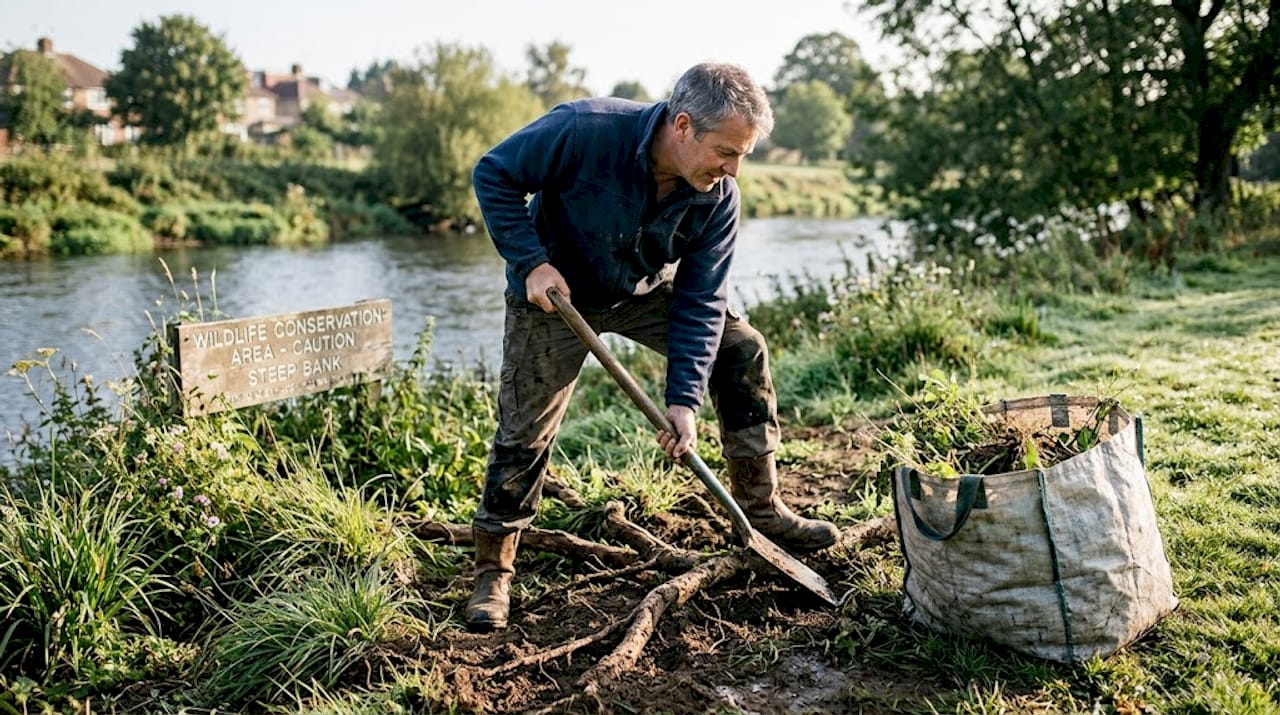
Thermal steam treatment on Japanese knotweed

The core mechanism of thermal treatment involves delivering high-voltage electrical currents directly into the plant’s structure. This innovative approach causes internal cellular damage by essentially boiling the plant from within, systematically destroying its energy reserves and preventing regeneration. Unlike chemical herbicides, this method ensures minimal environmental impact while targeting the plant’s most vulnerable biological pathways.

Key strategies for thermal Japanese knotweed control include:

  • High-voltage electrical pulse treatment: Delivers precise energy to disrupt plant cellular structures
  • Repeated heat application: Ensures complete destruction of root networks
  • Targeted thermal intervention: Minimises damage to surrounding vegetation
  • Continuous monitoring: Tracks plant elimination progress

Chemical-free knotweed management techniques are gaining significant traction, with trials demonstrating promising results in completely eradicating this invasive species. The approach not only eliminates the current infestation but also promotes faster natural regeneration of native plant species in the treated area.

Pro tip: Always consult professional invasive plant specialists before attempting thermal treatment, as Japanese knotweed requires precise and expert intervention to ensure complete eradication.

Thermal Weed Control Variations Explained

Non-chemical weed management techniques encompass a diverse range of thermal approaches, each designed to address specific weed challenges in gardens, driveways, and landscaped areas. These innovative methods represent a sophisticated alternative to traditional chemical herbicides, offering environmentally conscious homeowners multiple strategies for vegetation control.

Thermal weed control variations can be categorised into several distinctive techniques, each with unique operational characteristics. The core principles behind these methods involve applying targeted heat to disrupt plant cellular structures, preventing regrowth and eliminating unwanted vegetation through precise thermal intervention.

Key thermal weed control methods include:

  • Flame weeding: Using propane torches to deliver direct heat
  • Steam treatment: Applying high-temperature steam for precise plant destruction
  • Hot foam application: Covering weeds with heated botanical suppressants
  • Thermo-electric targeting: Delivering electrical pulses to disrupt plant systems
  • Soil heating: Raising ground temperatures to prevent weed germination

Integrated Weed Management strategies emphasise selecting thermal techniques based on specific environmental conditions, weed species, and site requirements. This approach ensures minimal ecological disruption while maintaining effective vegetation control.

Here is a summary comparing common thermal weed control techniques:

Technique Application Method Best Use Case Environmental Impact
Flame weeding Propane torch direct heat Large paved areas Low, if managed safely
Steam treatment High-temp steam nozzle Ornamental beds Minimal residue left
Hot water application Pouring boiled water Narrow cracks/edges No chemical residues
Hot foam application Heated botanical foam spray Sensitive plant zones Biodegradable ingredients
Thermo-electric systems Electrical pulse to weeds Invasive species removal Negligible, targeted effect
Soil heating Cover to heat soil surface Preventing regrowth Temporary microbe effect

Pro tip: Consult professional weed control specialists to determine the most appropriate thermal method for your specific landscape and vegetation challenges.

Costs, Practicalities, and Effectiveness

Non-chemical weed control methods present a complex financial landscape that extends beyond initial investment considerations. Thermal techniques require careful evaluation of upfront expenses, ongoing maintenance costs, and long-term environmental benefits, challenging traditional perceptions of weed management economics.

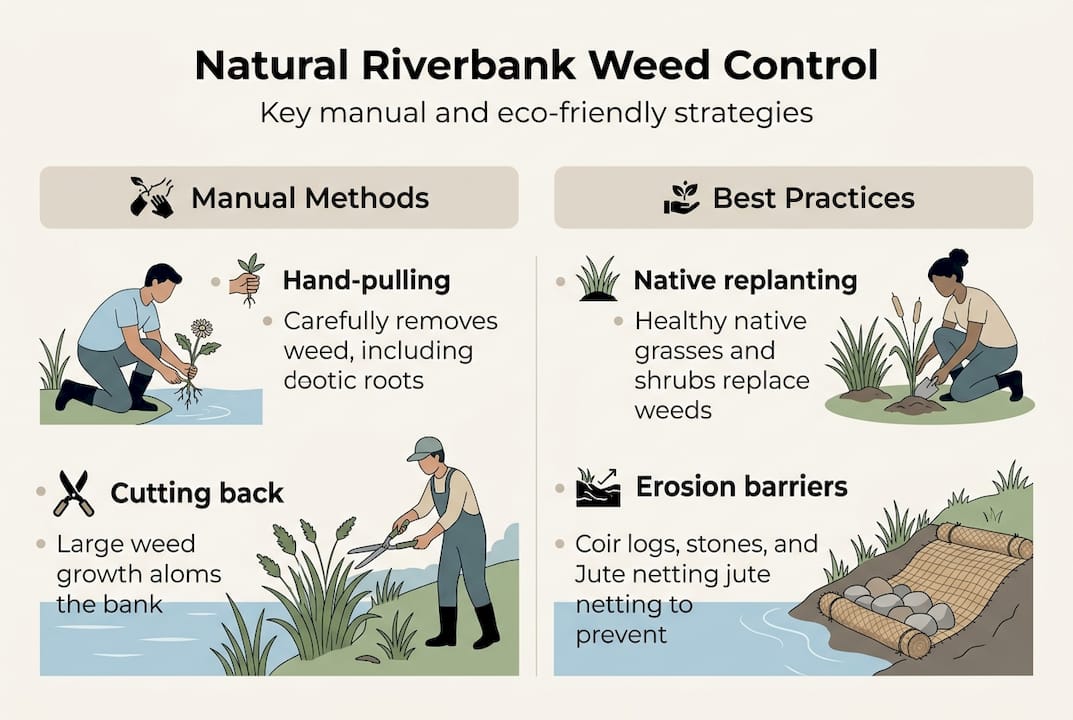
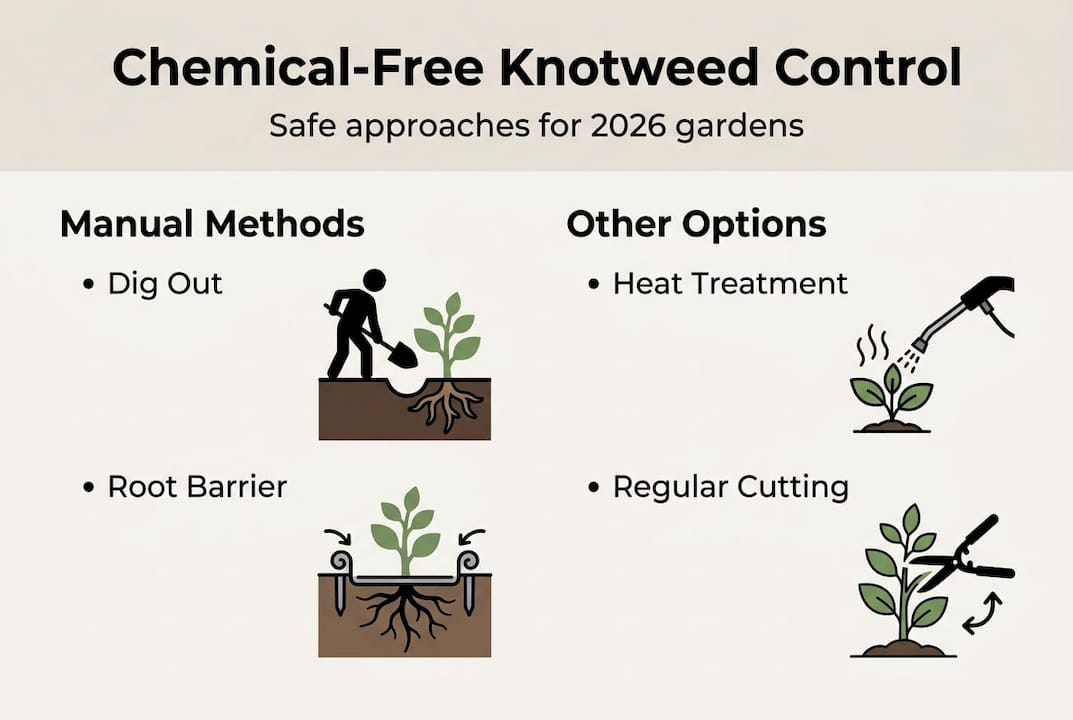
Infographic comparing weed control methods

The financial dynamics of thermal weed control are multifaceted, involving several critical cost components. While initial equipment and implementation expenses may be higher compared to chemical treatments, the reduced environmental impact and potential long-term savings create a compelling economic argument for these innovative approaches.

Key cost considerations for thermal weed control include:

  • Equipment investment: Initial purchase of thermal treatment tools
  • Operational expenses: Fuel, electricity, and maintenance costs
  • Labour requirements: Time and skilled personnel needed for application
  • Repeat treatment frequencies: Number of interventions required for complete weed elimination
  • Site-specific adaptation: Customisation needs for different landscape conditions

Economic evaluation frameworks recommend comprehensive analysis that accounts for direct financial impacts and indirect benefits such as environmental sustainability and reduced health risks. This holistic approach ensures a more nuanced understanding of thermal weed control’s true economic value.

Pro tip: Request detailed cost-benefit analyses from professional thermal weed control specialists to understand the specific financial implications for your unique landscape requirements.

Land occupier weed control regulations establish clear legal frameworks for managing invasive vegetation across the United Kingdom. These legislative guidelines mandate specific responsibilities for property owners, ensuring comprehensive and systematic approaches to preventing weed proliferation and potential environmental damage.

The legal landscape surrounding thermal weed control involves multiple regulatory considerations. Landowners must navigate complex requirements that balance environmental protection, public safety, and effective vegetation management strategies. Understanding these legal obligations is crucial for implementing thermal control methods responsibly and compliantly.

Key legal and safety considerations include:

  • Land occupier responsibilities: Legal duty to prevent weed spread
  • Risk assessment requirements: Comprehensive safety evaluations before treatment
  • Equipment safety standards: Compliance with electrical and thermal device regulations
  • Operator training: Mandatory safety instruction for thermal treatment personnel
  • Environmental protection protocols: Minimising potential ecosystem disruption

Workplace safety regulations emphasise the importance of comprehensive risk management and operator protection. These guidelines ensure that thermal weed control methods prioritise human safety while delivering effective vegetation management solutions.

Pro tip: Consult local environmental health authorities and obtain professional certification before implementing large-scale thermal weed control treatments.

Comparing Thermal Weed Control to Alternatives

Non-chemical weed management strategies represent a sophisticated approach to vegetation control, offering environmentally conscious alternatives to traditional herbicide applications. These methods prioritise ecological balance and human safety while addressing persistent weed challenges across diverse landscape environments.

The comparative landscape of weed control technologies reveals distinct advantages and limitations for each approach. Chemical herbicides provide rapid results but carry significant environmental risks, while mechanical methods demand extensive labour and may offer inconsistent effectiveness. Thermal techniques emerge as a nuanced solution, balancing precision targeting with minimal ecological disruption.

Comparative characteristics of weed control methods include:

  • Chemical herbicides:
    • Rapid weed elimination
    • High environmental contamination risks
    • Potential health hazards
  • Mechanical removal:
    • Labour-intensive
    • Limited effectiveness against deep-rooted species
    • Potential soil disruption
  • Thermal control:
    • Targeted precision
    • Minimal environmental impact
    • Reduced long-term regeneration potential

Sustainable weed management alternatives emphasise holistic approaches that integrate multiple strategies, recognising that no single method provides a comprehensive solution for all landscape challenges.

This table outlines key differences between chemical, mechanical, and thermal weed control methods:

Method Speed of Results Environmental Risk Long-term Effectiveness
Chemical herbicides Fast High Regrowth often occurs
Mechanical removal Slow Low Labour-intensive, temporary
Thermal weed control Moderate Low Reduces regrowth significantly

Pro tip: Consult ecological experts to develop a tailored, multi-method approach that addresses your specific weed management requirements.

Discover Effective Chemical-Free Solutions for Thermal Weed Control

Managing invasive weeds like Japanese knotweed requires precision, expertise and safe methods that protect your property and the environment. This article highlights the power of thermal weed control techniques, including high-voltage electrical pulse treatments that target and eradicate weeds at the cellular level without harmful chemicals. If you want to overcome the persistent challenge of Japanese knotweed with guaranteed safety and lasting results, expert intervention is essential.

https://japaneseknotweedagency.co.uk

At Japanese Knotweed Agency, we specialise in chemical-free treatment using direct energy applications of up to 5000 volts. Our advanced onsite technology causes irreversible internal cell damage and depletes the weed’s energy reserves to stop regrowth from even the largest rhizome networks. We also provide root barrier installation and excavation services tailored to your property’s unique needs. Protect your home and garden with proven, eco-friendly methods available across England, Wales and Ireland.

Take control of invasive weed problems today and experience the benefits of sustainable, thermal eradication. Visit our website to book a comprehensive property survey or consult with our specialists and secure a safe, effective treatment plan now.

Frequently Asked Questions

What is thermal weed control?

Thermal weed control is a chemical-free method that uses targeted heat application to eliminate weeds. This approach physically damages plant tissues and disrupts their growth mechanisms without relying on traditional chemical herbicides.

How does thermal weed control work on invasive plants like Japanese knotweed?

Thermal methods, such as high-voltage electrical pulse treatment, target the critical biological systems of Japanese knotweed. By delivering intense heat or electrical energy, this method cause internal cellular damage, preventing the plant from regenerating.

What are the different types of thermal weed control methods?

There are several thermal weed control methods, including direct flame treatment, hot water application, steam treatment, electric thermal systems, and hot foam application. Each method applies targeted heat to disrupt plant growth and eliminate unwanted vegetation.

What should I consider before using thermal weed control methods?

Before using thermal weed control, consider equipment investment, operational expenses, labour requirements, and the need for repeat treatments. It’s also essential to ensure compliance with legal responsibilities and follow safety guidelines to protect yourself and your environment.

除草剂替代方案:英国家庭的安全除根策略

看着英国和威尔士的家庭在房产交易过程中为日本葛藤等入侵杂草头疼,环保除草方案正成为许多买家关心的新课题。传统化学除草剂的安全误区让不少人忽视了对健康和生态的风险,而草甘膦替代方案以更安全、可持续的方式,成为房产调查和根除入侵植物的优选。了解这些创新技术和法律规范,能帮助家庭有效规避房产价值损失和贷款难题,把握绿色地产趋势。

目录

关键要点

要点 细节
除草剂替代方案的重要性 采用环保非化学方法管理杂草,以减少对环境和人类健康的风险。
传统误区的认识 许多人误认为除草剂无害,并低估其对生态系统的长期影响。
非化学技术的多样性 物理、热能、生物防治等方法提供多样选择,适应不同环境需求。
市场趋势转变 房地产市场日益重视生态友好的除草管理,相关法律法规逐渐严格。

何为除草剂替代方案与常见误区

除草剂替代方案是指针对传统化学除草方法的环保、安全且低风险的植被管理策略。与依赖化学药剂不同,这些方案更加关注生态系统平衡和长期可持续性。草甘膦替代方案的核心目标是减少对环境和人类健康的潜在风险。

传统除草剂使用中存在几个关键误区:

  • 认为除草剂对人体和环境完全无害
  • 误以为化学除草是唯一有效的杂草控制方法
  • 低估除草剂对生态系统的长期破坏性
  • 忽视非化学除草方案的实际可行性

这些误解往往源于对除草剂风险缺乏全面认知。实际上,化学除草剂不仅会对目标植物产生作用,还会对周边环境、土壤微生物、昆虫和水生生态系统造成潜在的负面影响。现代除草替代方案正逐步转向更加生态友好和可持续的管理模式。

非化学除草的主要替代方案包括:

  1. 物理除草:手工拔除、机械切割
  2. 热能处理:蒸汽或热水除草
  3. 生物防治:利用天敌植物或微生物控制
  4. 覆盖遮蔽法:阻断阳光抑制杂草生长
  5. 生态景观设计:选择低维护原生植物

专业小贴士在选择除草方案时,始终优先考虑对生态系统的最小干扰和长期可持续性。

以下表格汇总了不同非化学除草方案在应用场景与主要挑战上的对比:

方案类型 适用环境 主要挑战
物理除草 居家花园、城市公园 劳动力投入大
热能处理 公共道路、封闭场所 能耗成本较高
生物防治 农田、自然保护区 杂草抑制较慢
根障系统 绿篱、建设边界 安装投入较大
生态景观设计 长期公共绿地 需要专业规划

常用物理与电力根除技术详解

物理和电力除草技术为现代生态友好型杂草管理提供了创新解决方案。欧洲物理除草方法已经发展出多种高效、环保的根除策略,显著减少了对化学除草剂的依赖。

常见的物理除草技术主要包括:

  • 手工除草:直接拔除杂草根系
  • 机械切割:使用专业设备修剪和控制植被
  • 热能处理:通过高温蒸汽或热水破坏植物组织
  • 覆盖遮蔽:阻断阳光抑制杂草生长

电力根除技术作为新兴的杂草管理方法,具有显著优势。电热除草设备通过向植物根系传输高压电流,可以有效破坏杂草的生命系统。这种技术的核心原理是利用电能直接干扰植物细胞结构,实现快速且环保的根除。

电力根除技术的具体操作流程:

  1. 精确定位目标杂草区域
  2. 使用专业电力除草设备
  3. 控制电流强度和作用时间
  4. 监测杂草根系死亡情况
  5. 评估根除效果并进行后续处理

与传统化学除草相比,电力根除技术具有以下显著优势:

  • 无化学污染风险
  • 对周边生态系统影响最小
  • 根除效果精准可控
  • 可重复使用的设备
  • 操作简单、维护成本低

专业小贴士选择电力根除技术时,务必选择专业可靠的设备,并严格遵守操作规范,确保安全有效地处理杂草。

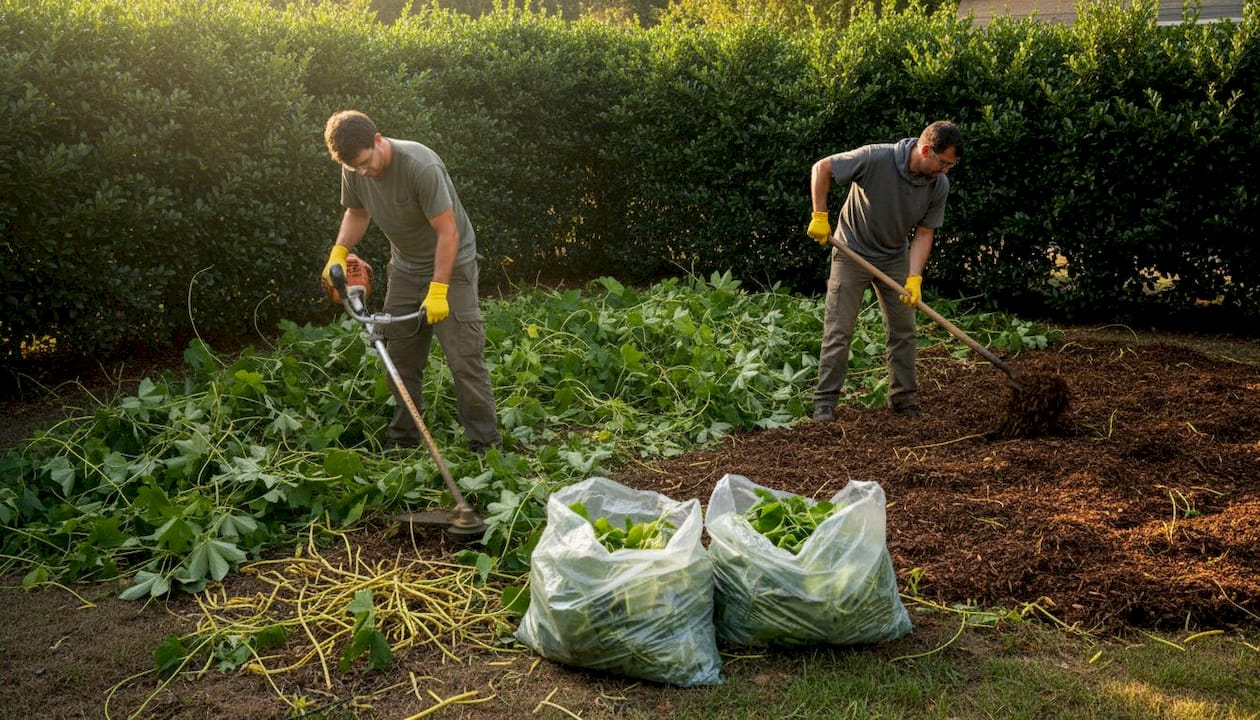
工作人员正操作电动设备进行除草作业。

生物、生态及根障系统优劣比较

在杂草管理领域,非化学除草方法提供了多元化的生态友好解决方案。这些技术不仅关注杂草控制,更注重生态系统的整体平衡和可持续性发展。

生物控制方法的主要特点:

  • 利用天敌生物抑制杂草生长
  • 引入食草动物进行生态平衡
  • 采用微生物拮抗作用
  • 促进生态系统多样性

根障系统是一种创新的物理阻隔技术,通过在地下设置特殊屏障,有效限制植物根系的横向扩展。根系管理策略能够精准控制入侵植物的生长范围,是现代生态景观管理的重要工具。

各种杂草管理方法的比较:

  1. 生物控制:生态影响最小,但效果缓慢
  2. 根障系统:精准控制,初期投入较高
  3. 生态景观设计:长期可持续,需要专业规划
  4. 物理除草:直接有效,但劳动强度大

不同方法的关键优势:

  • 生物控制:提高生态系统多样性
  • 根障系统:精确限制植物生长
  • 生态景观:减少后期维护成本
  • 综合管理:实现最佳杂草控制效果

专业小贴士选择杂草管理方案时,要全面评估本地生态环境,因地制宜,综合运用多种技术,实现长期有效的生态平衡。

以下表格对比了杂草管理方法对环境与经济的不同影响:

方法 环境影响 经济投入
化学除草 土壤污染、水体风险 药剂长期采购费用
非化学物理手段 无化学残留 人工及设备成本
电力根除 生态干扰较小 设备首次投入高
生物方法 增强多样性 维护成本适中

房产调查、法律要求与市场趋势

在英国房地产市场中,非化学除草法律规范正逐步成为环境管理的重要趋势。这些法规不仅关注土地管理的生态影响,更体现了对环境保护的持续承诺。

房产调查中的关键法律要求:

  • 强制披露入侵植物存在情况
  • 评估杂草对房产价值的潜在影响
  • 确定根除和控制措施
  • 遵守环境保护相关法规

市场趋势分析显示,越来越多的房地产专业人士开始重视生态友好的杂草管理方案。牛津市政府调查报告清晰地展示了非化学除草技术在公共和私人领域的发展潜力,反映了社会对环境可持续性的日益关注。

房产调查中的生态除草趋势:

  1. 环保意识显著提升
  2. 非化学除草技术逐渐普及
  3. 法律法规日益严格
  4. 房产评估标准不断完善

市场发展的关键驱动因素:

  • 环境保护意识增强
  • 技术创新推动
  • 消费者对绿色解决方案的需求
  • 政策法规的引导

专业小贴士在房产交易前,务必全面调查可能的入侵植物风险,并委托专业机构进行详细评估,以避免潜在的法律和经济纠纷。

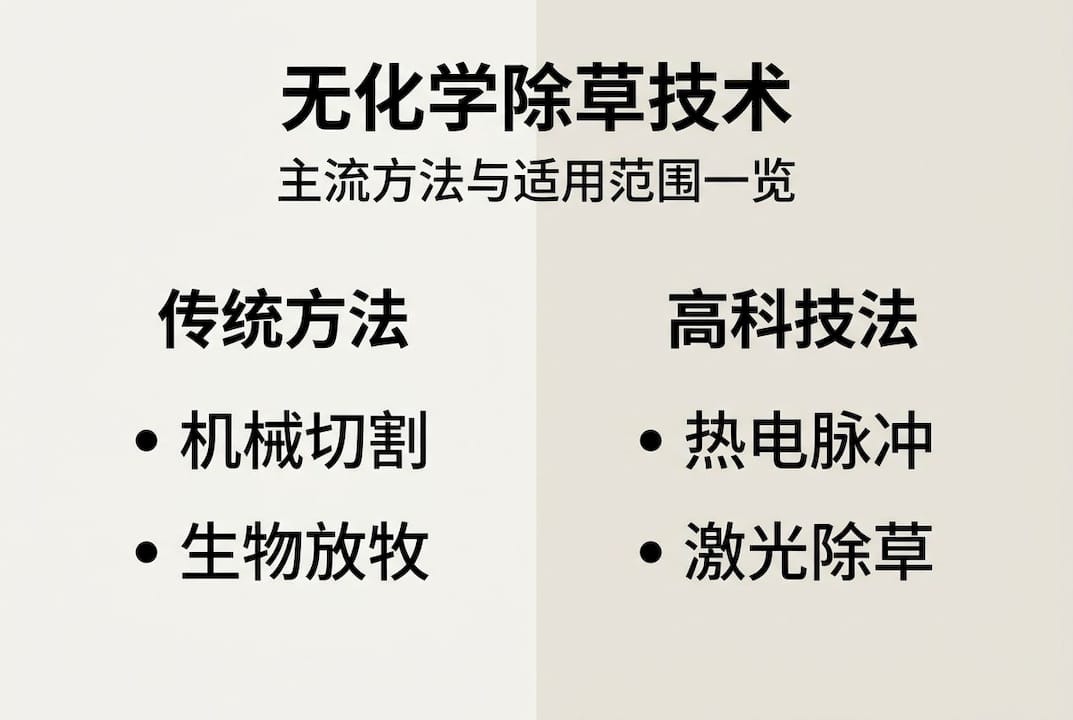
非化学除草方法效果对比一目了然

去除方案对房产交易与贷款的影响

在英国房地产市场中,除草管理策略已经成为影响房产交易和贷款审批的关键因素。入侵植物的存在不仅会降低房产价值,还可能严重影响贷款机构的风险评估。

房产交易中的关键影响因素:

  • 入侵植物可能降低房产估值
  • 贷款机构要求详细的植被风险报告
  • 根除成本可能影响贷款审批
  • 环保除草策略成为额外加分项

贷款风险评估越来越重视房产的生态管理状况。牛津市政府报告明确指出,非化学除草方案已成为房产金融评估的重要参考标准,体现了可持续发展理念在房地产金融领域的深远影响。

房产贷款影响的具体表现:

  1. 严格的生态风险评估
  2. 植被管理状况直接影响贷款额度
  3. 环保除草方案可提高信用评级
  4. 降低长期维护成本

对买家和贷款机构的关键建议:

  • 提供专业的植被管理报告
  • 选择可持续的除草解决方案
  • 详细记录根除过程
  • 主动披露植被管理情况

专业小贴士在房产交易前,务必委托专业机构进行全面的入侵植物风险评估,并准备详细的生态管理方案,这将大大提高贷款审批的成功率。

安全高效的非化学除草解决方案,守护您的家园环境

文章强调了传统除草剂的风险以及非化学除草方案的重要性,特别是电力根除技术通过精准破坏植物根系实现环保除根。对于关注生态平衡和长远效果的英国家庭来说,如何安全有效地根除侵入性植物成为重大挑战。

Japanese Knotweed Agency专注于无化学处理和根除日本结缕草及其他入侵植物。我们采用高达5000伏的电能直接作用于根茎,破坏细胞结构,彻底根除植株。结合根障系统安装和挖掘作业,我们为您提供持久且生态友好的除草方案。查阅我们专业的侵入植物物业调查服务了解更多信息。

https://japaneseknotweedagency.co.uk

现在正是采取环保除草行动的最佳时机。选择Japanese Knotweed Agency,让您的家园远离化学除草剂的危害,实现真正安全、可持续的植物管理。访问我们的官网Japanese Knotweed Agency官网获取专业咨询,保护您的物业价值,迈出绿色治理的第一步。

常见问题解答

什么是除草剂替代方案?

除草剂替代方案是指一些环保、安全且低风险的植被管理策略,不依赖传统化学除草剂,旨在实现生态系统的平衡与可持续性。

物理除草和生物防治有什么区别?

物理除草通过手工或机械方式直接去除杂草,而生物防治则利用天敌生物或微生物等自然手段控制杂草生长,强调生态平衡。

电力根除技术的优势有哪些?

电力根除技术不使用化学品,能够精准控制杂草的处理效果,影响最小,并且设备可重复使用、维护成本低。

如何评估非化学除草方案的效果?

评估非化学除草方案效果时,应考虑杂草的根系死亡情况、环境影响、经济投入及维护成本等多方面因素。

推荐

Role of Root Barriers in Japanese Knotweed Control

Finding a solution to Japanese Knotweed can feel like an uphill battle for homeowners across the United Kingdom, especially when trying to avoid harsh chemicals during a property purchase or refinancing. This invasive plant’s underground rhizomes are notorious for breaking through concrete and tarmac, putting homes and garden structures at risk. Root barrier methods offer a proven, chemical-free way to contain knotweed and secure your property investment, with options to suit even the most challenging locations.

Table of Contents

Key Takeaways

Point Details
Root Barriers Are Essential Root barriers effectively contain Japanese knotweed by preventing the spread of its aggressive rhizomes.
Professional Installation Is Crucial Engaging specialists for proper installation ensures comprehensive protection and functionality of root barriers.
Legal Responsibilities Are Significant Property owners must be aware of legal obligations surrounding Japanese knotweed management to avoid potential liabilities.
Consider Multiple Management Strategies Combining root barriers with other control methods can enhance overall effectiveness in managing knotweed infestations.

Root Barriers – Definition And Key Functions

Japanese knotweed is a highly invasive plant species capable of causing significant structural damage through its aggressive underground root network, known as rhizomes. Root barriers are specialised physical containment systems designed to prevent these destructive underground stems from spreading beyond a designated area. Root barrier techniques offer property owners a critical method of controlling this challenging invasive plant.

At its core, a root barrier functions as an impenetrable underground shield that stops rhizome growth and expansion. These physical barriers are typically constructed from robust, durable materials engineered to withstand root penetration. Key characteristics of effective root barriers include:

  • Complete impermeability to root systems
  • High durability against underground environmental pressures
  • Flexibility for installation around existing structures
  • Long-term resistance to root degradation
  • Ability to create precise boundary restrictions

The primary objective of root barriers is to restrict the lateral movement of Japanese knotweed rhizomes, effectively containing the plant’s potential for structural damage. Unlike chemical treatments, root barriers provide a physical, non-invasive solution that creates a definitive underground boundary. Root barrier methods can prevent rhizome advancement while simultaneously enabling faster ecological regeneration.

Knotweed roots blocked by membrane barrier

Professional root barrier installations require precise measurement and strategic placement to ensure comprehensive protection. Experts typically install these barriers at depths ranging from 2-3 metres, creating an underground wall that blocks rhizome spread in critical directions. Property owners must work with specialist teams who understand the complex growth patterns of Japanese knotweed to design and implement an effective root barrier strategy.

Pro tip: Always consult a professional Japanese knotweed specialist before installing root barriers to ensure comprehensive coverage and maximum effectiveness against potential rhizome migration.

Different Types Of Root Barrier Systems

Root barrier systems represent a critical technology in managing Japanese knotweed’s aggressive underground spread. Root barrier fabrics have evolved to provide comprehensive protection against rhizome migration, with multiple specialised designs tailored to different environmental conditions.

These root barrier systems can be categorised into several distinct types based on material composition and installation methodology:

  • Geomembrane Barriers: Heavy-duty plastic sheets engineered for maximum rhizome resistance
  • Geotextile Fabrics: Woven synthetic materials designed to restrict root penetration
  • Reinforced Polyethylene Barriers: Laminated sheets with enhanced durability
  • Composite Barrier Systems: Multi-layered solutions combining different materials
  • Vertical Root Barriers: Underground walls preventing lateral rhizome spread

Each barrier type offers unique advantages depending on site-specific requirements. Some systems focus on complete impermeability, while others prioritise long-term durability and flexibility. Innovative root management approaches like the Roots Reset method demonstrate how root barriers can be integrated with ecological restoration strategies.

The following table compares root barrier systems by their material properties and best-use scenarios:

Barrier Type Material Composition Ideal Application Scenario
Geomembrane Barrier High-density plastic sheets Urban property boundary protection
Geotextile Fabric Woven synthetic fibres Areas requiring flexible coverage
Reinforced Polyethylene Laminated, multi-layered polymer Deep excavation near infrastructure
Composite Barrier System Combined layers of plastics/fabrics Sensitive ecological restoration
Vertical Root Barrier Rigid panels or rolled sheets Preventing lateral rhizome spread

Professional installation is crucial for root barrier effectiveness. Specialists conduct detailed site assessments to determine the most appropriate barrier type, considering factors such as soil composition, proximity to structures, and potential rhizome growth patterns. Proper installation typically involves creating a continuous underground barrier extending to significant depths, usually 2-3 metres, to ensure comprehensive protection against Japanese knotweed spread.

Infographic comparing root barrier types and uses

Pro tip: Always engage a professional Japanese knotweed specialist to conduct a comprehensive site survey before selecting and installing your root barrier system.

How Root Barriers Prevent Knotweed Spread

Japanese knotweed represents one of the most challenging invasive plant species in the United Kingdom, with its extraordinary ability to spread through microscopic rhizome fragments. Rhizome spread prevention is crucial in managing this aggressive plant’s territorial expansion.

Root barriers function through several critical mechanisms to interrupt knotweed’s underground propagation:

  • Physically block horizontal rhizome movement
  • Create an impenetrable underground boundary
  • Prevent regeneration from root fragments
  • Isolate contaminated soil areas
  • Protect adjacent structures and landscapes

Underground barrier techniques involve precise vertical installation of specialised materials, typically extending 2-3 metres deep to comprehensively sever potential rhizome pathways. This strategic approach ensures that even the most resilient root fragments cannot breach the protective perimeter, effectively containing the potential for uncontrolled spread.

The installation process requires meticulous planning and expert implementation. Specialists conduct thorough site assessments to map potential rhizome networks, identifying critical intervention points. By creating a continuous, unbroken underground barrier, these professionals can dramatically reduce the risk of knotweed migration, protecting property foundations, infrastructure, and surrounding ecological systems from potential damage.

Pro tip: Engage a professional knotweed specialist to conduct a comprehensive site survey and design a customised root barrier strategy tailored to your specific environmental conditions.

Installation Process And Practical Applications

Root barrier installation requires a systematic and precise approach to effectively control Japanese knotweed spread. Site survey protocols are crucial first steps in developing a comprehensive containment strategy.

The installation process involves several critical stages:

  1. Comprehensive site investigation
  2. Detailed mapping of rhizome network
  3. Excavation to appropriate depths
  4. Barrier membrane selection
  5. Precise vertical barrier installation
  6. Perimeter sealing and verification

Geosynthetic barrier techniques demand meticulous execution, typically requiring excavation to depths of 1-3 metres depending on specific site conditions. Specialists use advanced geomembranes and reinforced liners to create an impenetrable underground barrier that prevents rhizome migration.

Practical applications extend beyond simple containment, encompassing critical infrastructure protection, land development, and ecological management. Root barriers are particularly essential in scenarios involving construction projects, property boundaries, transportation infrastructure, and environmentally sensitive areas where knotweed invasion could cause significant structural or ecological disruption.

Pro tip: Engage certified invasive plant management professionals who can provide comprehensive site-specific root barrier solutions tailored to your unique environmental challenges.

Japanese knotweed management carries significant legal implications for property owners and professionals. Professional legal obligations extend beyond simple plant control, encompassing comprehensive risk mitigation and potential liability.

Key legal responsibilities include:

  • Preventing knotweed spread to neighbouring properties
  • Implementing documented control strategies
  • Maintaining accurate treatment records
  • Disclosing knotweed presence during property transactions
  • Ensuring compliance with environmental regulations

Potential legal risks associated with Japanese knotweed mismanagement can be substantial, potentially resulting in:

  1. Civil litigation from neighbouring property owners
  2. Significant financial penalties
  3. Reduction in property market value
  4. Mandatory remediation costs
  5. Potential criminal prosecution for environmental negligence

Property owners must understand that legal frameworks impose proactive management requirements. Failure to address Japanese knotweed can lead to complex legal challenges, with courts increasingly holding landowners accountable for controlling invasive plant species that potentially damage adjacent properties or infrastructure.

Pro tip: Maintain comprehensive documentation of all Japanese knotweed management activities and consult legal professionals specialising in environmental law to understand your specific obligations.

Comparing Root Barriers To Alternative Solutions

Managing Japanese knotweed requires a comprehensive understanding of various control strategies. Root barrier systems offer a targeted physical approach, but they are not the sole method for addressing this invasive plant’s challenging spread. Integrated management techniques now provide multifaceted alternatives to traditional containment methods.

Key alternative solutions to root barriers include:

  • Chemical treatment methods
  • Biological control strategies
  • Excavation and removal techniques
  • Thermal treatment approaches
  • Integrated ecological restoration methods

Each alternative solution presents unique advantages and limitations compared to root barrier installation. Chemical treatments, while potentially effective, often require prolonged application and may pose environmental risks. Excavation methods provide complete removal but can be extremely costly and disruptive to existing landscapes.

Below is a summary table outlining common Japanese knotweed management methods and their relative strengths:

Method Primary Strength Typical Limitation
Root Barrier Installation Non-invasive containment Requires expert placement
Chemical Treatment Gradual eradication of rhizomes Environmental and regulatory risks
Excavation and Removal Complete physical elimination High cost, site disruption
Biological Control Natural reduction of knotweed Slow, uncertain results
Thermal Treatment Effective for small infestations Limited scalability

The comparative effectiveness of these approaches varies significantly based on specific environmental conditions, site characteristics, and infestation severity. Root barriers remain particularly valuable in scenarios requiring minimal landscape disruption, offering a non-invasive method of controlling rhizome spread while preserving existing terrain integrity. Emerging innovative approaches like the Roots Reset method demonstrate the potential for combining physical containment with ecological regeneration strategies.

Pro tip: Consult invasive plant management specialists to develop a tailored strategy that combines multiple control techniques for comprehensive Japanese knotweed management.

Secure Your Property From Japanese Knotweed With Expert Root Barrier Solutions

Dealing with the aggressive underground spread of Japanese Knotweed rhizomes is a major concern for property owners seeking to protect their investment and surrounding land. The article highlights how root barriers act as a powerful physical defence by creating an impenetrable underground shield to restrict lateral rhizome movement and prevent costly structural damage. For those facing this challenge, taking swift, professional action is essential.

https://japaneseknotweedagency.co.uk

At Japanese Knotweed Agency, we specialise in chemical-free, advanced treatments alongside precision root barrier installations that halt invasive plant expansion. Our team offers comprehensive property surveys across England, Wales and Ireland to tailor root barrier strategies to your specific site conditions. By choosing our expert services, you leverage proven techniques that combine cutting-edge technology with in-depth knotweed knowledge to safeguard your property effectively.

Do not wait until Japanese Knotweed causes irreversible harm. Visit our root barrier installation page now to request a professional survey and learn how our innovative solutions can provide immediate containment and lasting control.

Frequently Asked Questions

What are root barriers and how do they work against Japanese knotweed?

Root barriers are specialised physical containment systems designed to prevent the underground rhizomes of Japanese knotweed from spreading. They function by providing an impenetrable, underground shield that blocks the lateral movement of the plant’s roots, effectively containing its growth within a designated area.

How deep should root barriers be installed to effectively control knotweed spread?

Root barriers are typically installed at depths of 2-3 metres. This depth is critical for ensuring that even resilient rhizome fragments cannot breach the protective barrier, helping to prevent the spread of Japanese knotweed effectively.

What are the different types of root barrier systems available for knotweed management?

Root barrier systems can be categorised into several types, including geomembrane barriers made of heavy-duty plastic, geotextile fabrics, reinforced polyethylene barriers, composite barrier systems, and vertical root barriers. Each type has its unique advantages based on material composition and installation methodology.

Why is it important to consult a professional for root barrier installation?

Professional consultation is vital for ensuring precise measurement and strategic placement of root barriers. Experts conduct detailed site assessments to determine the most appropriate barrier type and installation technique, which is essential for effective management of Japanese knotweed and minimising potential damage to structures or landscapes.

入侵性植物定义——英国房产风险与防控责任

购房时发现院子里冒出的顽固杂草总让人头疼,尤其是像日本结缕草这类入侵性植物。它们不仅能破坏英国房产的地基,还会威胁本地生态平衡,治理难度极高。面对政府严格的管控法规和潜在的高额清理费用,房主、买家及抵押申请者越来越重视入侵性植物调查与无化学治理方案,特别是那些期待免费处理服务的家庭,本篇内容将为您梳理核心误区、识别要点和合规安全的解决策略。

目录

关键要点

要点 详情
入侵性植物定义 入侵性植物是指在非本土环境中具有高度扩散能力的外来物种,能对生态系统造成严重威胁。
英国法律与责任 房主有法律义务防控入侵性植物的蔓延,违反者可能面临高额罚款和法律责任。
治理方法 推荐采用非化学的方法治理入侵性植物,包括物理挖除、遮光覆盖和生物防治等。
专业调查必要性 在房地产购买或租赁前,需进行专业的入侵性植物调查,以了解潜在的生态风险。

入侵性植物:核心定义与常见误区

入侵性植物是一种在非本土环境中具有高度扩散能力的外来物种,能够迅速占据并破坏原生生态系统。英国政府对这类物种有明确的法律定义和管控规范,尤其关注那些可能对本地生物多样性造成严重威胁的植物种类。

根据官方定义,入侵性植物具有以下关键特征:

  • 非本地原产地引入
  • 具备快速繁殖和扩散能力
  • 能够压制本地植物生长
  • 对生态系统造成显著负面影响

在英国,入侵性植物的法律管控非常严格。政府禁止进口、种植和传播这些具有潜在破坏性的植物物种,以保护本土生态环境。例如,日本结缕草就是最典型的入侵性植物代表,其强大的根系和扩散能力使其成为房地产开发商和房主最为担心的植物之一。

常见的入侵性植物误区包括:

  1. 认为所有非本地植物都是入侵性的
  2. 低估入侵性植物对生态系统的破坏力
  3. 相信简单的修剪就能有效控制其蔓延
  4. 忽视专业防控的必要性

从生态学角度看,入侵性植物不仅仅是园艺或农业问题,更是一个重大的环境保护挑战。这些植物往往具有极强的生存能力,能够迅速取代本地植物,造成生态系统的长期失衡。

专业贴士: 在购买或租赁房产时,务必进行专业的入侵性植物调查,提前了解潜在生态风险。

英国主要入侵性植物种类与区别

英国存在多种危害生态系统的入侵性植物,其中最为突出的包括日本结缕草、巨型豚草和喜马拉雅攀枝花等。英国政府明确列出了36种主要入侵性植物,这些植物不仅威胁本地生态平衡,还可能对房地产和环境造成长期损害。

这些入侵性植物主要可以分为以下几类:

  • 水生入侵植物:如漂浮钱叶水草
  • 陆生入侵植物:如日本结缕草和巨型豚草
  • 草本类入侵植物:如喜马拉雅攀枝花

不同入侵性植物的特征和危害程度各不相同。例如:

  1. 日本结缕草:根系极其发达,能穿透混凝土和建筑地基
  2. 巨型豚草:生长迅速,形成密集植被,对人体皮肤有极大伤害
  3. 喜马拉雅攀枝花:主要分布在河岸湿地,迅速蔓延并压制本地植物

从生态学角度看,这些植物之所以如此危险,在于它们具有极强的繁殖和适应能力。它们能快速占据生态空间,破坏原生植被的生态平衡,对本地生态系统构成严重威胁。

下表对比了英国三种常见入侵性植物的生态影响和治理难度:

植物名称 生态影响 对房产影响 治理难度
日本结缕草 严重破坏生态平衡 可破坏建筑地基 极高
巨型豚草 挤压本土植物空间 引起皮肤过敏威胁
喜马拉雅攀枝花 影响湿地和河岸多样性 对基础设施影响较小 中等

专业贴士: 在购买房产前,务必进行专业的入侵性植物调查,了解潜在的生态风险和可能的处理成本。

识别入侵性植物的关键特征

准确识别入侵性植物对于及时控制其蔓延至关重要。英国政府提供了详细的植物识别指南,帮助房主和相关专业人士快速判断潜在的生态风险。入侵性植物通常具有显著的形态特征和生长习性,可通过仔细观察其外部特征进行初步鉴别。

入侵性植物的关键识别特征主要包括:

  • 生长速度:极快,常超过本地植物生长速率
  • 繁殖能力:强大的根系和种子传播机制
  • 适应性:能迅速在不同环境中生存和扩散
  • 侵略性:能压制周围原生植被的生长

针对不同入侵性植物,还需要注意以下具体识别细节:

  1. 日本结缕草:紫红色竹节状茎,心形叶片密集排列
  2. 巨型豚草:高达数米,深裂叶片,带有圆锥形花序
  3. 漂浮钱叶水草:水生植物,易碎且快速蔓延

专业识别需要综合考虑植物的形态特征、生长环境和传播方式。入侵性植物往往具有极强的生存能力,能快速占据生态空间,对本地生态系统造成严重破坏。房主和地产开发商需要保持高度警惕,及时发现并控制这些潜在的生态威胁。

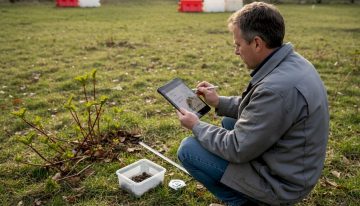
专家现场讲解如何辨认外来入侵植物的特点

专业贴士: 请定期邀请专业生态调查团队对房产进行入侵性植物检查,早期发现可以大大降低处理成本和生态风险。

入侵性植物对房产和生态的影响

入侵性植物对英国房产和生态系统构成多层次、长期的严重威胁。政府环境部门警告这些植物会严重破坏基础设施和生态平衡,其影响远远超出简单的植被问题。

对房产的具体危害包括:

  • 地基破坏:强大根系可穿透混凝土和建筑基础
  • 结构安全:导致墙体裂缝和地面下沉
  • 维护成本:清理和修复费用极高
  • 房产贬值:存在入侵性植物可显著降低物业价值

生态系统方面的影响更为深远:

  1. 破坏生物多样性
  2. 挤压本土植物生存空间
  3. 改变自然生态平衡
  4. 影响野生动物栖息环境
  5. 传播植物病害

入侵性植物不仅是环境问题,更是严重的经济和法律风险。它们能迅速蔓延,对周边环境造成不可逆的破坏。房主和开发商必须高度重视这一潜在威胁,及时采取专业的防控和清理措施。

专业贴士: 购买房产前,务必进行专业的入侵性植物调查,并将调查结果纳入房屋估值和谈判环节。

英国法律、房主责任与合规要求

在英国,处理入侵性植物并非仅仅是环境问题,更是严格的法律要求。《野生动物与乡村法案1981》明确规定了房主对入侵性植物的法律责任,要求所有房产所有者积极防控这些潜在的生态威胁。

房主的主要法律合规责任包括:

  • 预防传播:阻止入侵性植物在自有土地上蔓延
  • 及时清理:发现后立即采取专业处置措施
  • 信息披露:在房产交易时如实告知入侵植物情况
  • 避免违法:不得故意种植或帮助传播受控植物

违反这些规定可能面临的法律后果:

  1. 高额罚款(最高可达数万英镑)
  2. 刑事责任追究
  3. 被责令强制清理和修复
  4. 房产交易受阻
  5. 可能面临邻居的民事诉讼

对于房主而言,了解并严格遵守相关法规不仅是法律义务,更是保护自身房产价值和承担社会责任的体现。专业的入侵性植物调查和及时处理,可以有效降低法律风险和潜在经济损失。

入侵植物带来的风险与防控责任一览图

专业贴士: 建议每年委托专业机构进行一次入侵性植物全面检查,及早发现并控制潜在风险。

无化学方法治理及房产调查流程

入侵性植物的治理需要专业、系统的方法。政府指南详细阐述了非化学治理的关键流程,强调通过物理和生态方式控制植物蔓延,而非简单依赖化学除草。

非化学治理的主要方法包括:

  • 物理挖除:彻底清除植物根系
  • 遮光覆盖:阻断光合作用
  • 机械切割:定期控制生长
  • 生物防治:引入天敌植物
  • 根系隔离:安装物理屏障

房产调查流程通常包括:

  1. 初步现场勘察
  2. 详细植被分布评估
  3. 历史记录调查
  4. 风险等级划分
  5. 制定定制治理方案
  6. 长期监控与复查

对于日本结缕草等顽固性入侵植物,治理是一个漫长而复杂的过程。成功的治理不仅需要专业技术,还需要持续的关注和专业的系统性管理方案。房主应当将入侵性植物控制视为长期系统工程,而非一次性处理。

以下表格总结了无化学治理方法的优势与适用场景,助您选择最合适的植被控制策略:

方法类型 优势 适用场景
物理挖除 快速见效,彻底清除 小规模土地、顽固根系
遮光覆盖 无环境污染 草本、早期扩散区域
机械切割 操作简单 大面积、频繁蔓延区域
生物防治 长期生态平衡 河岸、湿地生态系统
根系隔离 防止再次入侵 房产周边、建筑基础附近

专业贴士: 选择具有专业资质和丰富经验的生态治理团队,确保入侵性植物得到彻底且合规的处理。

破解入侵性植物难题 保障英国房产安全

面对入侵性植物如日本结缕草对房产地基和生态环境的严重威胁,专业检测与治理成为房主不可忽视的首要任务。文章中提到的严格法律责任和高昂清理成本给房产所有者带来沉重压力。选择科学无化学的治理方法和权威的入侵植物调查服务,可以有效降低风险并保护您的投资。

https://japaneseknotweedagency.co.uk

立即访问Japanese Knotweed Agency获取专业的植物调查和根系隔离方案。我们凭借创新的5000伏高压能量处理技术彻底击破根系,配合根障安装和挖掘服务,助您安全清除顽固入侵植物。别让入侵性植物成为房产的隐形杀手,行动越早,损失越少,未来更有保障。了解专业检测服务详情请点击这里植物调查服务。确保房产安全从专业评估开始,更多治理方案请访问无化学治理技术。

常见问题

什么是入侵性植物?

入侵性植物是一种在非本土环境中具有高度扩散能力的外来物种,能够迅速占据并破坏原生生态系统。它们通常具有快速繁殖和压制本地植物生长的能力。

入侵性植物对房产可能造成哪些风险?

入侵性植物可能导致地基破坏、结构安全隐患、维护成本增加以及房产贬值等风险。强大的根系能够穿透混凝土,严重影响建筑物的稳定性。

如何识别入侵性植物?

识别入侵性植物可关注其生长速度、繁殖能力和适应性等特征。入侵性植物通常生长极快,根系强大,能够在多种环境中存活并迅速扩散。

房主在防控入侵性植物方面有哪些法律责任?

房主有预防传播、及时清理、信息披露和避免违法种植的法律责任。违反相关法规可能导致高额罚款和其他法律后果。

推荐