

Over two thousand properties in the United Kingdom are affected by Japanese knotweed each year, frustrating British homeowners and land managers. This invasive plant’s relentless ability to regenerate through its underground rhizome network creates major hurdles for property values, mortgage approvals, and ecological restoration efforts. Discover how nutrient depletion plays a central role in the survival and control of Japanese knotweed, and learn which strategies can actually make a difference for British residents facing this botanical threat.
Table of Contents
- What Is Nutrient Depletion In Knotweed?
- How Knotweed Rhizomes Store And Use Nutrients
- Chemical-Free Methods For Depleting Knotweed Nutrients
- Risks And Benefits Of Nutrient Depletion Approaches
- Legal And Environmental Considerations In The UK
Key Takeaways
| Point | Details |
|---|---|
| Nutrient Depletion Mechanism | Japanese Knotweed efficiently stores and redistributes nutrients through its rhizome network, allowing rapid regrowth and making eradication difficult. |
| Targeted Eradication Strategies | Effective management requires comprehensive treatments focused on nutrient depletion within the rhizome system, rather than surface-level plant removal. |
| Non-Chemical Approaches | Innovative methods like thermal and electrical treatments offer chemical-free options to disrupt nutrient storage and prevent regrowth. |
| Legal and Environmental Implications | Strict regulations on Japanese Knotweed management necessitate thorough documentation and strategies to protect property values and native biodiversity. |
What Is Nutrient Depletion In Knotweed?
Nutrient depletion in Japanese knotweed represents a complex biological mechanism wherein the plant systematically exhausts and redistributes essential minerals and organic compounds throughout its extensive underground rhizome network. This robust regenerative capability enables the invasive plant to survive and propagate under challenging environmental conditions, making traditional eradication methods significantly more difficult.
The rhizome system acts as a sophisticated nutrient storage infrastructure, allowing Japanese knotweed to maintain remarkable resilience. When above-ground sections are damaged or removed, the plant can rapidly redirect stored nutrients from its underground network to generate new growth. This strategic nutrient management means that fragmented root sections can quickly regenerate, presenting a formidable challenge for property owners and ecological management professionals.
Understanding nutrient depletion mechanisms becomes crucial in developing targeted eradication strategies. Scientific research demonstrates that disrupting the plant’s ability to store and redistribute nutrients can significantly reduce its regenerative potential. By comprehensively targeting the rhizome network and preventing nutrient accumulation, specialists can develop more effective approaches to controlling this invasive species.
Pro Tip – Strategic Nutrient Management: When dealing with Japanese knotweed, focus on comprehensive root zone treatments that systematically deplete nutrient reserves, rather than merely removing visible plant matter. Consistent, targeted interventions are key to successful long-term eradication.
How Knotweed Rhizomes Store And Use Nutrients
Rhizome nutrient storage represents a sophisticated survival mechanism in Japanese knotweed, enabling the plant to maintain extraordinary resilience and regenerative capabilities. Advanced nutrient sequestration strategies allow the plant to accumulate and strategically redistribute essential carbohydrates and minerals throughout its extensive underground network, creating a robust infrastructure for survival and rapid regrowth.
The rhizome system functions as a complex biological reservoir, storing substantial quantities of carbohydrates and nutrients that fuel the plant’s remarkable regenerative processes. When above-ground vegetation is damaged or removed, these stored resources enable Japanese knotweed to quickly generate new shoots and expansive root systems. Scientific research demonstrates that this nutrient storage mechanism is so efficient that even small root fragments can produce entirely new plant colonies, making traditional eradication methods remarkably challenging.
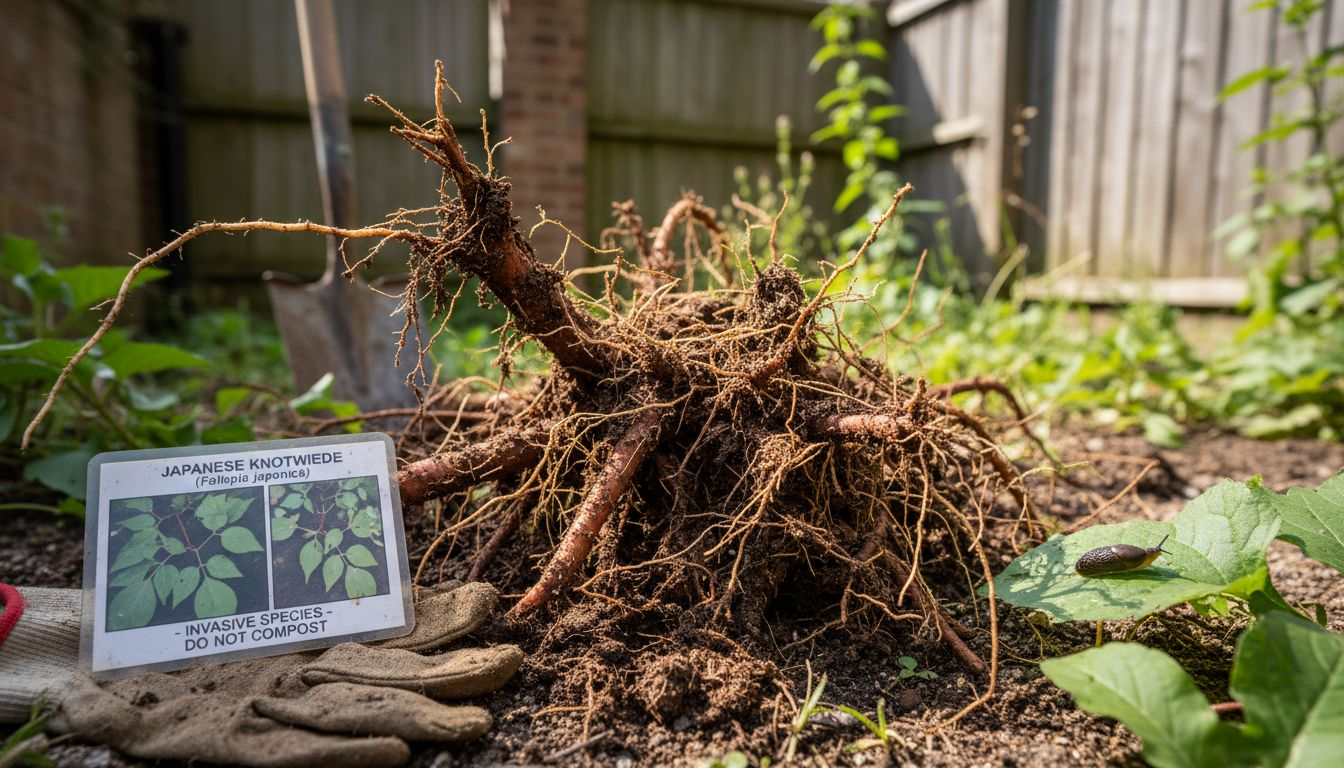
The intricate nutrient management within knotweed rhizomes involves multiple physiological processes. The plant continuously transfers and stores energy reserves, creating a dynamic system that prioritises survival and expansion. This adaptive mechanism allows Japanese knotweed to thrive in diverse environmental conditions, redirecting nutrients from less critical areas to support new growth and maintain the plant’s overall vitality.
Pro Tip – Strategic Nutrient Disruption: Target the rhizome network with treatments designed to systematically deplete and interrupt nutrient storage mechanisms, recognising that successful eradication requires a comprehensive approach that goes beyond surface-level interventions.
Chemical-Free Methods For Depleting Knotweed Nutrients
Electronic and thermal intervention techniques have emerged as promising non-chemical eradication strategies for addressing Japanese knotweed’s persistent nutrient storage capabilities. Innovative trials by conservation organisations are demonstrating that targeted physical interventions can effectively disrupt the plant’s complex nutrient preservation mechanisms without relying on traditional herbicidal approaches.
One particularly groundbreaking approach involves precision thermo-electric treatments that directly target the knotweed’s cellular infrastructure. Advanced electrical intervention techniques enable specialists to deliver controlled electrical currents that systematically destroy the plant’s internal energy storage systems. By penetrating the rhizome network and causing cellular damage, these methods prevent nutrient redistribution and inhibit the plant’s regenerative capabilities.
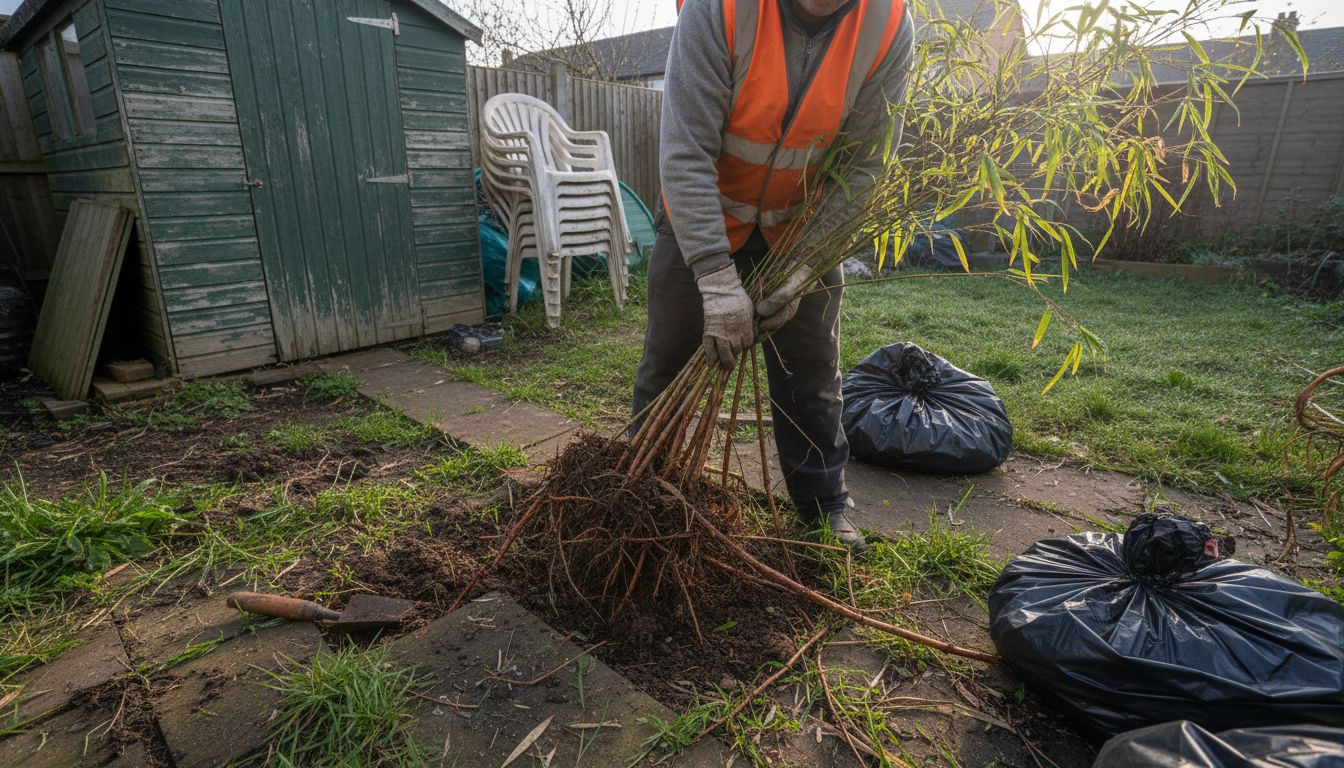
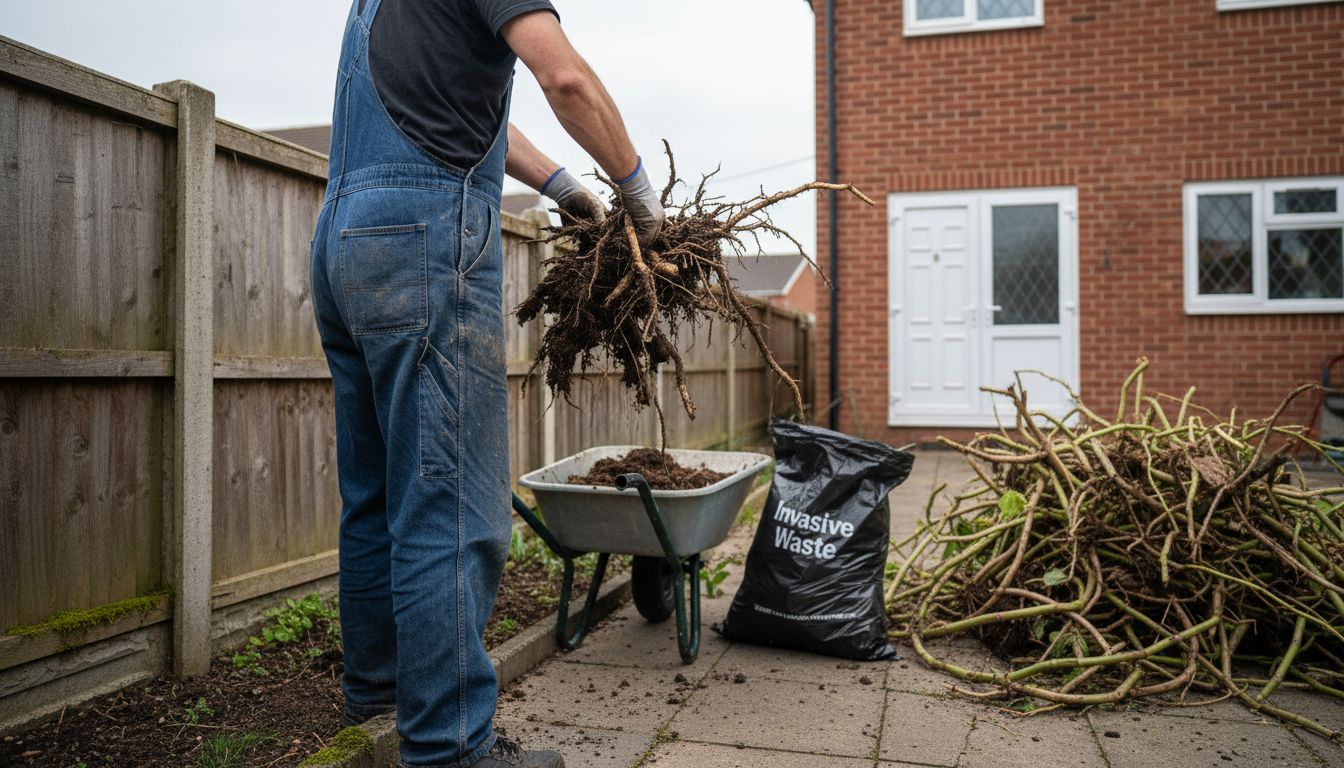
Physical extraction methods also play a critical role in chemical-free nutrient depletion strategies. Comprehensive root zone excavation, combined with careful screening and removal of root fragments, can significantly reduce the plant’s ability to store and redistribute nutrients. These mechanical interventions require precision and expertise to ensure that even the smallest rhizome segments are completely removed, preventing potential regrowth and subsequent nutrient reaccumulation.
Pro Tip – Holistic Nutrient Disruption: Combine multiple chemical-free intervention techniques, such as electrical treatment and comprehensive root extraction, to create a multi-layered approach that comprehensively targets the knotweed’s nutrient storage and regeneration mechanisms.
Here is a concise comparison of common chemical-free methods for Japanese knotweed nutrient depletion:
| Method | How It Works | Strengths | Limitations |
|---|---|---|---|
| Thermal Treatment | Uses heat to damage rhizomes and impede regrowth | Avoids chemicals, targets roots | May require specialist equipment |
| Electrical Treatment | Passes electricity through rhizomes to disrupt cells | Immediate cellular damage | Skilled operation and monitoring |
| Physical Excavation | Manually removes rhizomes and soil fragments | Removes most plant material | Labour-intensive, risk of fragments |
Risks And Benefits Of Nutrient Depletion Approaches
Nutrient depletion strategies for Japanese knotweed present a complex landscape of potential benefits and inherent challenges. Innovative conservation trials demonstrate that alternative eradication methods can offer significant environmental advantages over traditional chemical treatments, particularly in sensitive ecological contexts where preserving native biodiversity is paramount.
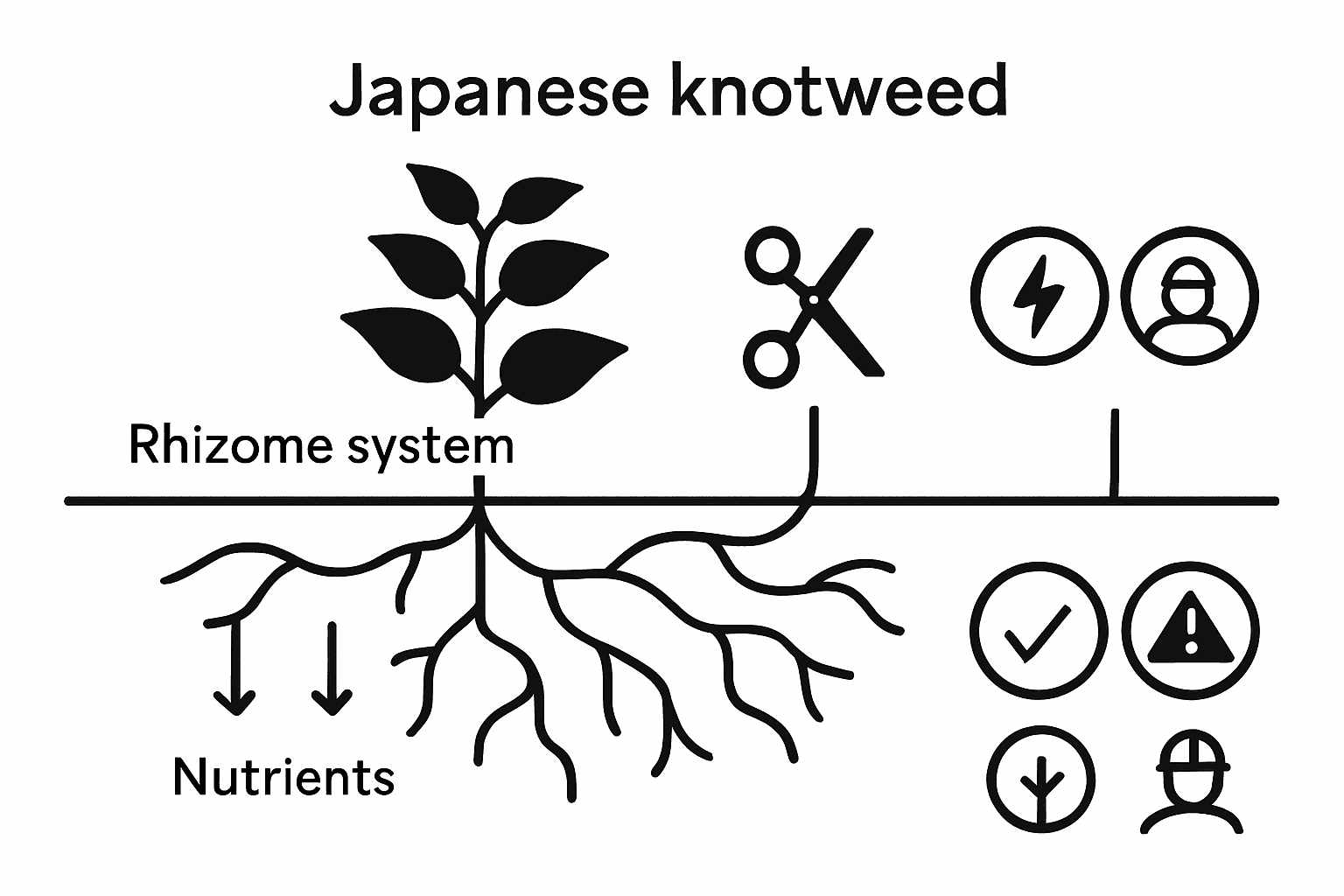
The primary benefits of targeted nutrient depletion include minimal environmental contamination and reduced ecological disruption. Advanced intervention techniques enable specialists to address knotweed infestations without introducing harmful chemical agents into the surrounding ecosystem. These methods provide a more nuanced approach to plant management, focusing on systematically disrupting the plant’s internal energy systems rather than employing broad-spectrum destructive interventions.
However, chemical-free nutrient depletion approaches are not without significant challenges. These methods often require multiple treatment cycles, extensive specialist expertise, and substantially more time compared to traditional herbicide applications. The complexity of completely eradicating an extensive rhizome network means that property owners and ecological management professionals must commit to prolonged, meticulous intervention strategies that demand considerable technical skill and persistent monitoring.
Pro Tip – Strategic Risk Management: Develop a comprehensive, multi-phase nutrient depletion strategy that combines different intervention techniques, anticipates potential regrowth scenarios, and includes rigorous follow-up assessments to ensure complete eradication.
Legal And Environmental Considerations In The UK
Japanese knotweed legislation in the United Kingdom represents a complex regulatory landscape that addresses both environmental protection and property management challenges. Research from academic institutions highlights the significant implications of this invasive species, particularly its potential to impact property values, mortgage approvals, and ecological biodiversity across urban and rural environments.
The legal framework surrounding Japanese knotweed management involves multiple stakeholders, including property owners, mortgage lenders, and environmental regulatory bodies. Strict control measures are mandated to prevent the plant’s spread, with potential legal consequences for negligent management. Specialist guidance emphasises that simple cutting or surface-level removal is insufficient, requiring comprehensive eradication strategies that address the plant’s extensive underground rhizome network.
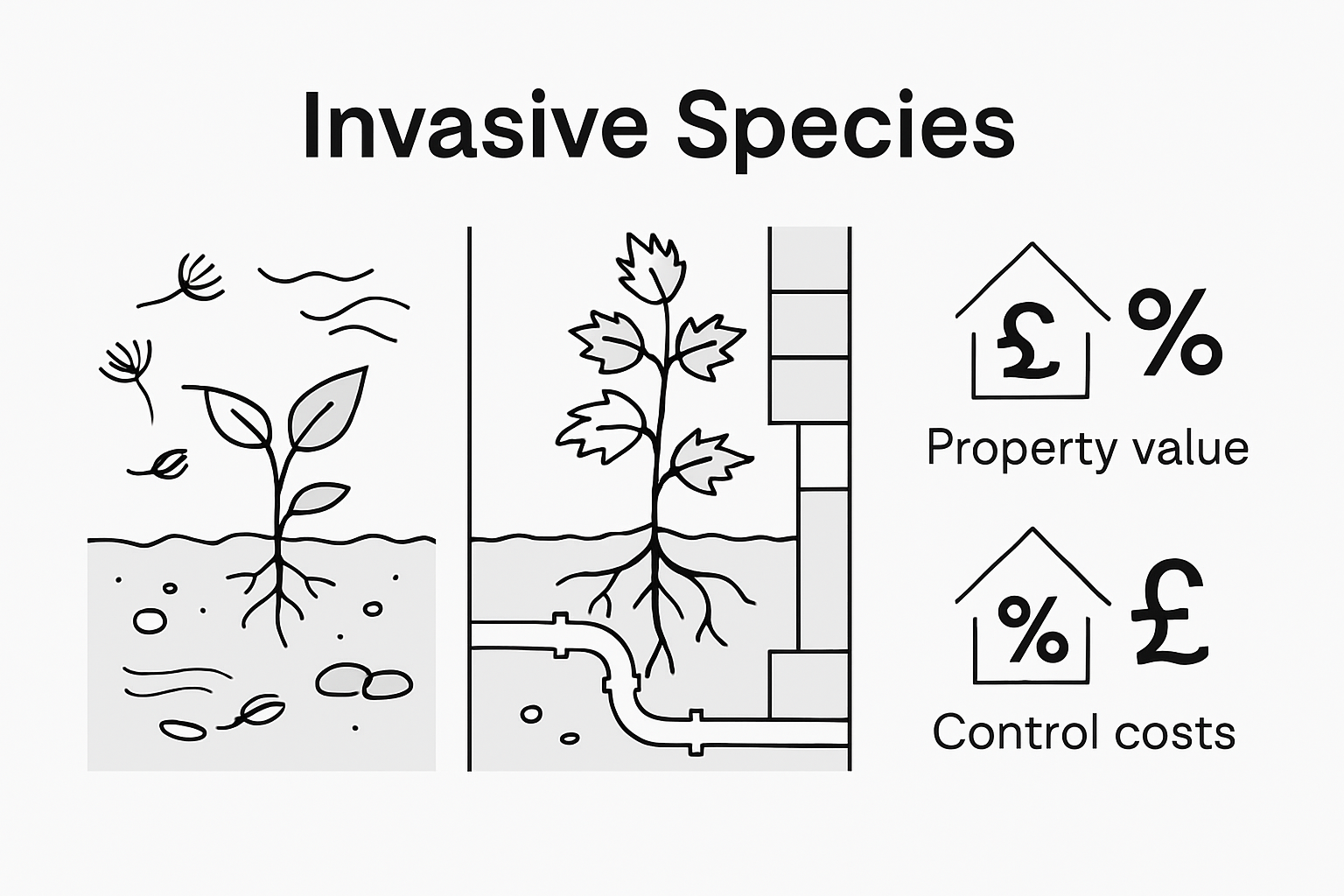
Environmental considerations extend beyond immediate property concerns, encompassing broader ecological impact assessments. The invasive nature of Japanese knotweed threatens native plant biodiversity, disrupts soil ecosystems, and can cause substantial infrastructural damage. Regulatory bodies increasingly require detailed management plans that demonstrate a systematic approach to complete plant removal, with potential legal ramifications for property owners who fail to implement appropriate control measures.
This table summarises the primary legal and environmental considerations for Japanese knotweed management in the UK:
| Aspect | Key Point | Impact on Management |
|---|---|---|
| Legislation | Strict controls, legal obligations | Requires documented eradication |
| Property Implications | Affects mortgage approval and property value | Can delay or prohibit transactions |
| Environmental Impact | Threatens native species, damages soil ecology | Demands detailed management plans |
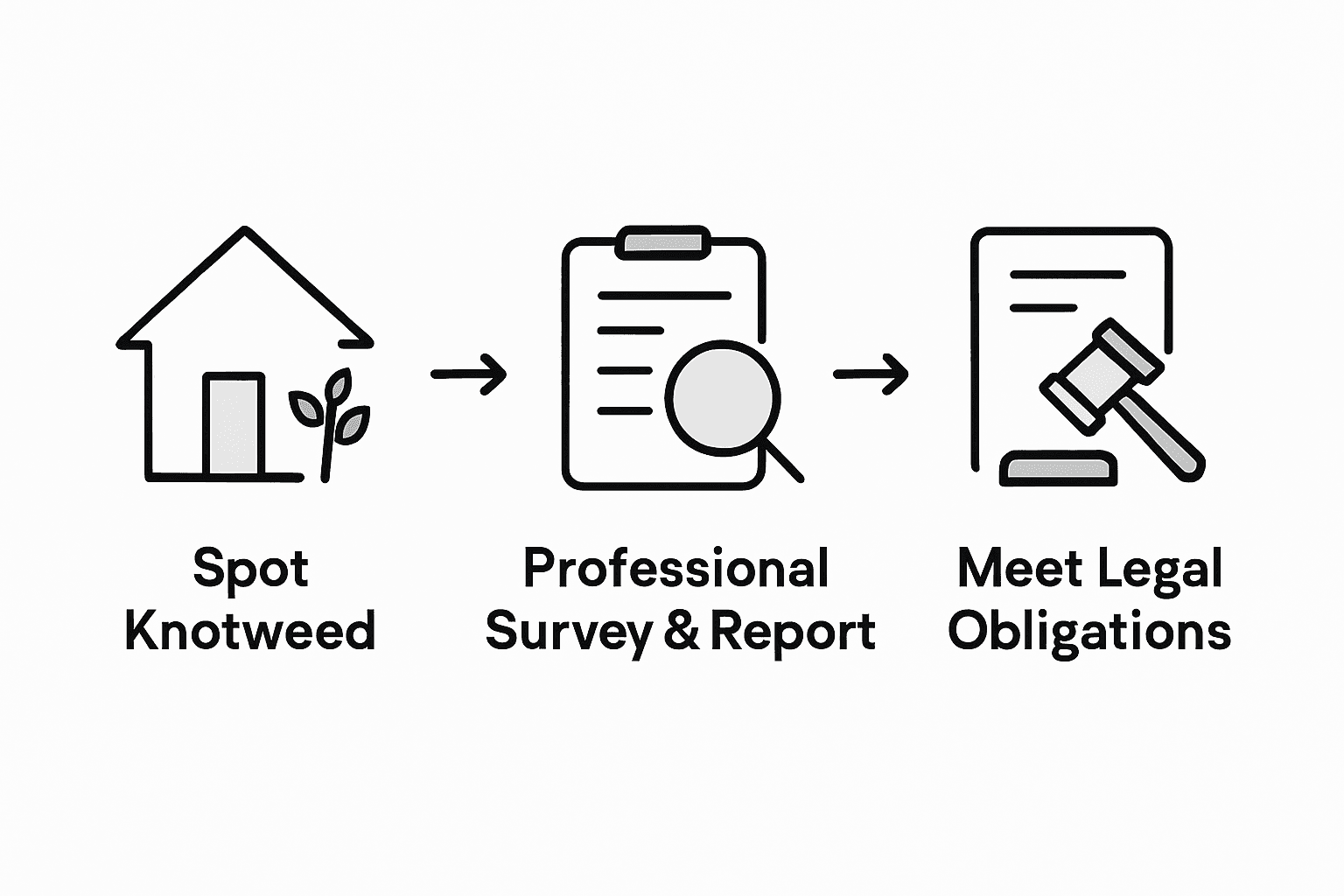
Pro Tip – Legal Compliance Strategy: Obtain professional documentation of knotweed treatment and maintain a comprehensive record of eradication efforts to protect yourself from potential legal disputes and demonstrate responsible environmental management.
Take Control of Knotweed Nutrient Depletion with Proven Chemical-Free Solutions
The article highlights how Japanese knotweed’s extensive rhizome network stores and redistributes vital nutrients, making eradication a complex challenge. If you are facing frustration with persistent regrowth caused by nutrient reserves within underground roots then targeted energy disruption is key. At Japanese Knotweed Agency, we focus on delivering up to 5000 volts of direct energy onsite to cause internal cell damage that systematically depletes those stubborn nutrient stores. This chemical-free approach directly addresses the root of the problem rather than surface growth alone.
Don’t let knotweed’s resilience put your property at risk. Explore how our expert chemical free treatments and root barrier installations provide long-lasting solutions that interrupt root nutrient cycles effectively. Whether you need a thorough property survey for invasive weeds, or advanced nutrient depletion interventions, acting now with specialists prevents costly future damage and legal complications. Visit Japanese Knotweed Agency today to secure your site with proven eradication expertise.
Frequently Asked Questions
What is nutrient depletion in knotweed, and why is it significant for eradication?
Nutrient depletion in knotweed refers to the plant’s ability to exhaust and redistribute essential nutrients through its underground rhizome network. This characteristic is significant for eradication efforts, as it allows knotweed to quickly regenerate after above-ground parts are removed, making traditional eradication methods less effective.
How do knotweed rhizomes store nutrients?
Knotweed rhizomes act as a storage system for carbohydrates and essential minerals, enabling the plant to maintain resilience. When above-ground vegetation is damaged, the rhizomes release stored nutrients to promote rapid regrowth, complicating eradication efforts.
What are some effective chemical-free methods for depleting nutrients in knotweed?
Effective chemical-free methods include thermal treatments, which use heat to damage rhizomes, and electrical treatments that disrupt the plant’s cellular systems. Physical excavation to remove rhizomes can also help deplete nutrient storage, although these methods require precision and expertise.
What are the legal considerations regarding Japanese knotweed removal?
Legal considerations include strict regulations on managing knotweed to prevent its spread, as failure to address it properly can have legal ramifications and affect property values. Accurate documentation of eradication efforts is essential for compliance and to protect against potential disputes.