生态除草技术解析:2026年无化学根治方案指南

传统化学除草剂虽见效快,但长期使用会造成土壤污染、生物多样性减少及健康风险。越来越多业主和地方当局开始寻求生态除草技术,这类方法通过有机堆肥、覆盖物和物理管理等手段,在不依赖化学品的前提下有效控制Japanese Knotweed等入侵植物。本指南系统介绍生态除草的科学原理、实用方法及针对不同入侵植物的定制策略,帮助您在2026年实现绿色安全的除草目标。

目录

主要要点速览

要点 详情
生态除草注重生态平衡 通过改善土壤环境和植物竞争抑制杂草,而非化学杀灭
有机堆肥与覆盖法有效 促进有益微生物生长,阻断光合作用,削弱入侵植物根系活力
不同植物需定制方案 Japanese Knotweed适合堆肥加根系阻隔,其他物种可能需深耕配合
季节和生长阶段关键 在植物生长旺盛期施术效果最佳,需结合生命周期调整时间
持续管理确保长效 定期监控和复查防止复发,多年维护才能彻底根除

生态除草技术的基本原理与优势

生态除草关注植物生长环境的整体健康,而非单纯杀灭目标植物。这类方法通过调整土壤结构、促进有益生物群落和优化养分循环,让入侵植物失去生存优势。生态除草注重维持生态系统平衡,避免化学污染,为土壤微生物和本地植物创造更友好的环境。相比传统化学除草,生态方法的优势显而易见。

首先,生态技术显著减少化学残留。化学除草剂会在土壤中积累,污染地下水并影响周边生态。生态方法避免这些风险,保护土壤生物多样性,让蚯蚓、有益真菌和细菌正常繁衍。其次,生态除草降低对人畜的健康威胁。儿童和宠物在处理过的区域活动更安全,无需担心化学接触。

生态方法融合生物、物理与栽培技术。有机堆肥引入竞争性植物和微生物,覆盖物阻断阳光,深耕破坏根系结构。对Japanese Knotweed等难除杂草尤其适用,因为这些植物根系深广,化学方法难以彻底清除。生态技术通过持续削弱根系能量储备,逐步实现根除。

专业提示: 生态除草初期可能比化学方法慢,但长期效果更稳定。化学除草容易导致抗性,而生态方法通过环境改善从根本上解决问题。

从经济角度看,生态除草虽前期投入较高,但避免了反复购买化学品和处理污染的成本。长远来看,生态方法对经济和生态都有益处,符合可持续发展理念。

生态除草不是简单替代化学品,而是系统性改善土地健康的过程。投资生态方法就是投资未来的土壤质量。

如果您正在寻找除草剂替代方案,生态技术提供了科学可靠的选择。这些方法已在多个案例中证明有效,特别是针对顽固入侵植物。

生态除草的具体方法及其科学依据

有机堆肥覆盖是生态除草的核心技术之一。有机堆肥处理促进真菌群落和有机质积累,增强植物覆盖效果,通过改善土壤结构和微生物活性,抑制入侵植物生长。堆肥层厚度建议在15到30厘米之间,既能阻断光照又能为本地植物提供养分。选择成熟的有机堆肥很重要,未腐熟的堆肥可能含有杂草种子,反而加剧问题。

深耕是另一项有效技术。深耕大于20厘米、覆盖和作物轮作是控制其他入侵物种的关键措施,通过破坏根系结构,减少入侵植物的恢复能力。深耕应在植物生长旺盛期进行,此时根系活跃,破坏后难以快速修复。注意深耕深度需根据目标植物根系分布调整,Japanese Knotweed根系可达3米深,需要专业设备和多次操作。

覆盖物选择直接影响水分保持和光合作用抑制效果。常用覆盖物包括:

  • 木屑或树皮:透气性好,适合长期覆盖,但分解速度慢
  • 稻草或干草:成本低,分解快,需定期补充
  • 黑色塑料膜:完全阻光,但不透气,仅适合短期使用
  • 生物降解布:兼顾透气和阻光,环保且持久

专业提示: 覆盖物应与土壤直接接触,边缘用石块或木桩固定,防止风吹或动物破坏。覆盖层至少保持10厘米厚度才能有效抑制光合作用。

机械管理如割草需配合植物生长周期。在开花前割除地上部分,防止种子传播,同时消耗根系储备能量。多次割草比单次效果更好,但频率过高可能刺激根系萌发更多新芽,需把握平衡。

工人在草坪上娴熟地驾驶割草机,对生态草地进行日常养护,既保持了整洁美观,又有助于生态环境的保护。

下表对比不同生态技术的适用场景:

技术 适用植物 实施难度 见效时间
有机堆肥覆盖 Japanese Knotweed、蓟类 中等 6到12个月
深耕 浅根入侵植物 较高 3到6个月
覆盖物阻光 大部分杂草 3到9个月
机械割草 一年生杂草 持续性

综合应用多种生态技术效果最佳。例如,先深耕破坏根系,再铺设有机堆肥和覆盖物,最后定期割草管理,形成多层防护体系。这种组合策略能最大限度削弱入侵植物,为本地植物恢复创造条件。

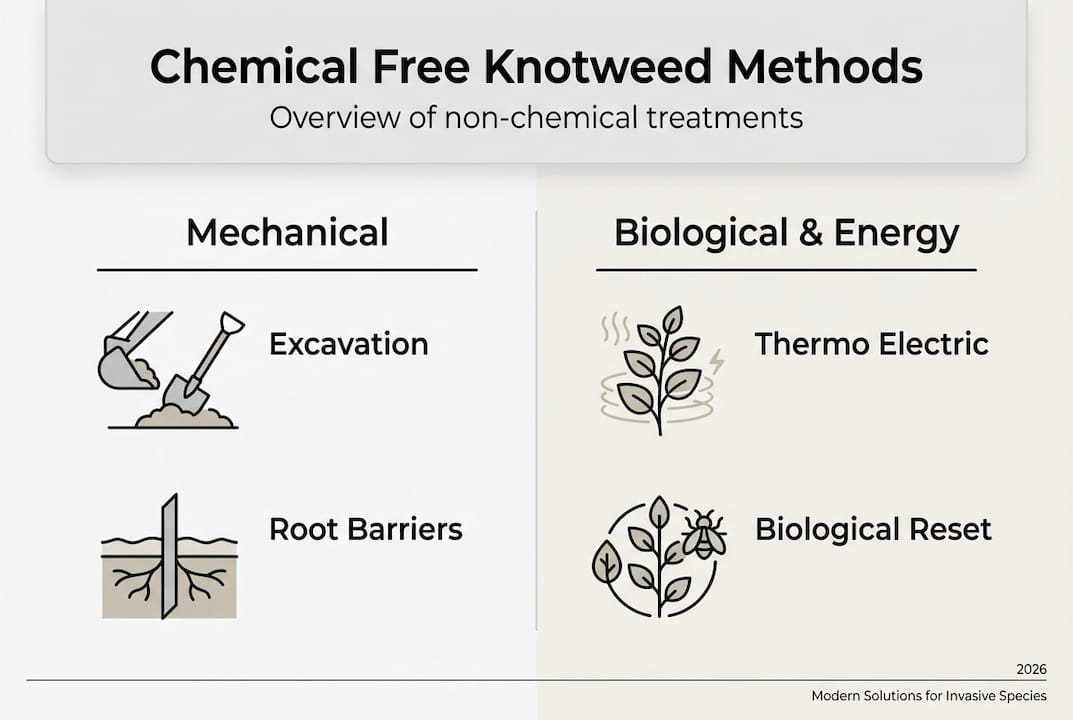
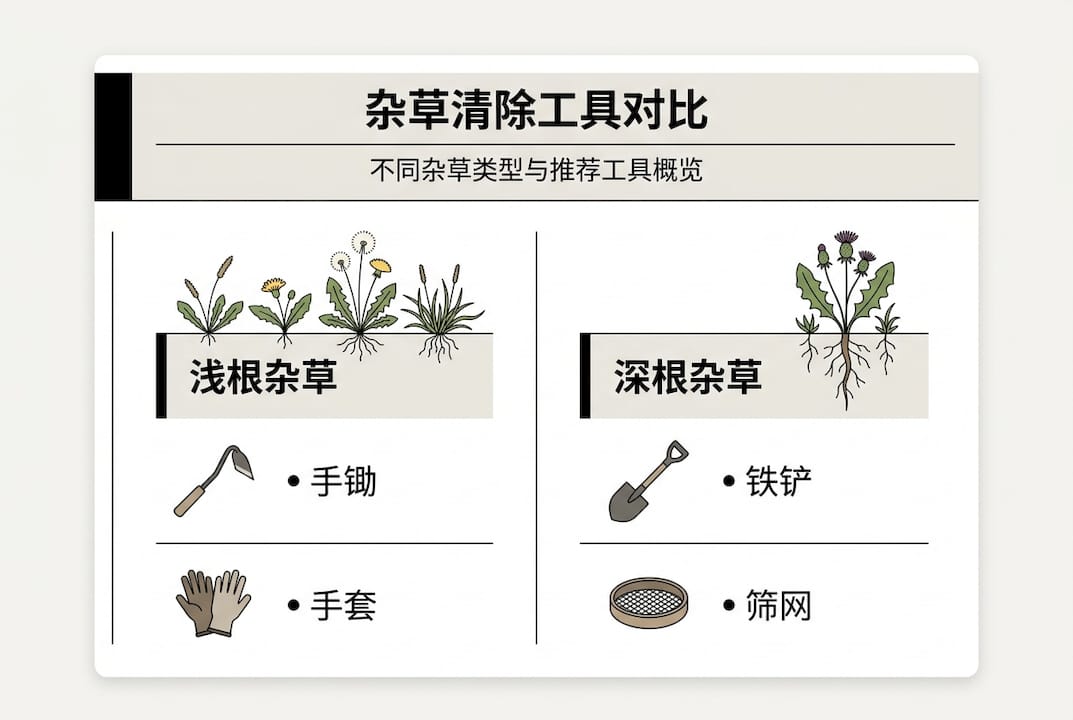
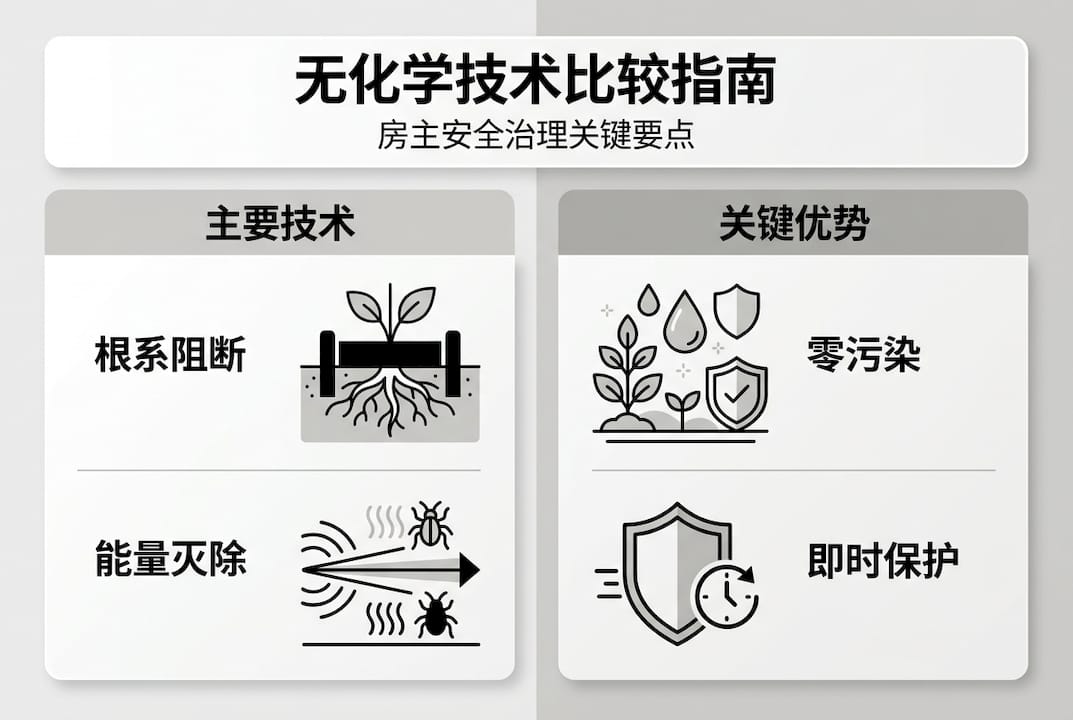
生态除草方式对比一览图

更多实操细节可参考生态杂草清除教学非化学除草实操指南,这些资源提供分步指导和案例分析。

不同入侵植物的生态除草策略对比

Japanese Knotweed和其他入侵植物在生长习性、根系结构上差异明显,不同入侵种根系结构、生长习性差异决定具体生态控制方法需调整。Japanese Knotweed根系深广且韧性强,适合应用有机堆肥与根系阻隔结合的方法。根系阻隔膜安装在土壤中,深度至少1.5米,阻止根系横向扩散。配合堆肥覆盖,既削弱现有根系又防止新芽突破。

黄花刺茄等植物根系相对较浅,但繁殖速度快。这类植物偏好深耕和覆盖物配合机械管理。深耕打乱根系分布,覆盖物阻断光照,定期割草防止种子成熟。三管齐下能有效控制扩散。

下表对比常见入侵植物的生态除草策略:

植物种类 根系特点 推荐方法 关键时间点
Japanese Knotweed 深根、横向扩散 堆肥+根系阻隔 春季生长初期
黄花刺茄 浅根、快速繁殖 深耕+覆盖+割草 开花前
加拿大一枝黄花 中等深度、密集 覆盖物+竞争性种植 夏季旺盛期
豚草 一年生、种子传播 割草+覆盖 种子成熟前

生态除草应结合植物生命周期调整施策时间。春季是多数入侵植物生长初期,根系活跃但尚未完全扩张,此时干预效果最好。夏季植物旺盛生长,消耗根系储备能量,适合割草和覆盖。秋季根系开始储存养分准备越冬,深耕可最大限度破坏储备。

专业评估后制定个体化除草方案效果更佳。不同地块的土壤条件、气候和入侵程度各异,需要现场勘查才能确定最优策略。例如,排水不良的土壤可能不适合深耕,需改用覆盖物和堆肥。

逐年监控与复查确保长效控制。即使初期处理成功,残留根系或种子库仍可能导致复发。建议每季度巡查一次,发现新芽立即处理。持续3到5年的监控期能显著降低复发率。

针对Japanese Knotweed的具体流程可参考结缕草扩散防控流程,该资源详细说明如何在5年内减少90%根系活性。

生态除草技术的实施与管理建议

成功实施生态除草需要详细的时间计划。首先确定目标植物的生长周期关键点,在春季生长初期开始第一轮处理。这个阶段根系刚苏醒,抵抗力较弱,堆肥覆盖和深耕效果最佳。夏季进行第二轮管理,通过割草消耗根系能量,防止开花结籽。秋季实施最后一轮深耕,破坏根系储备的越冬养分。

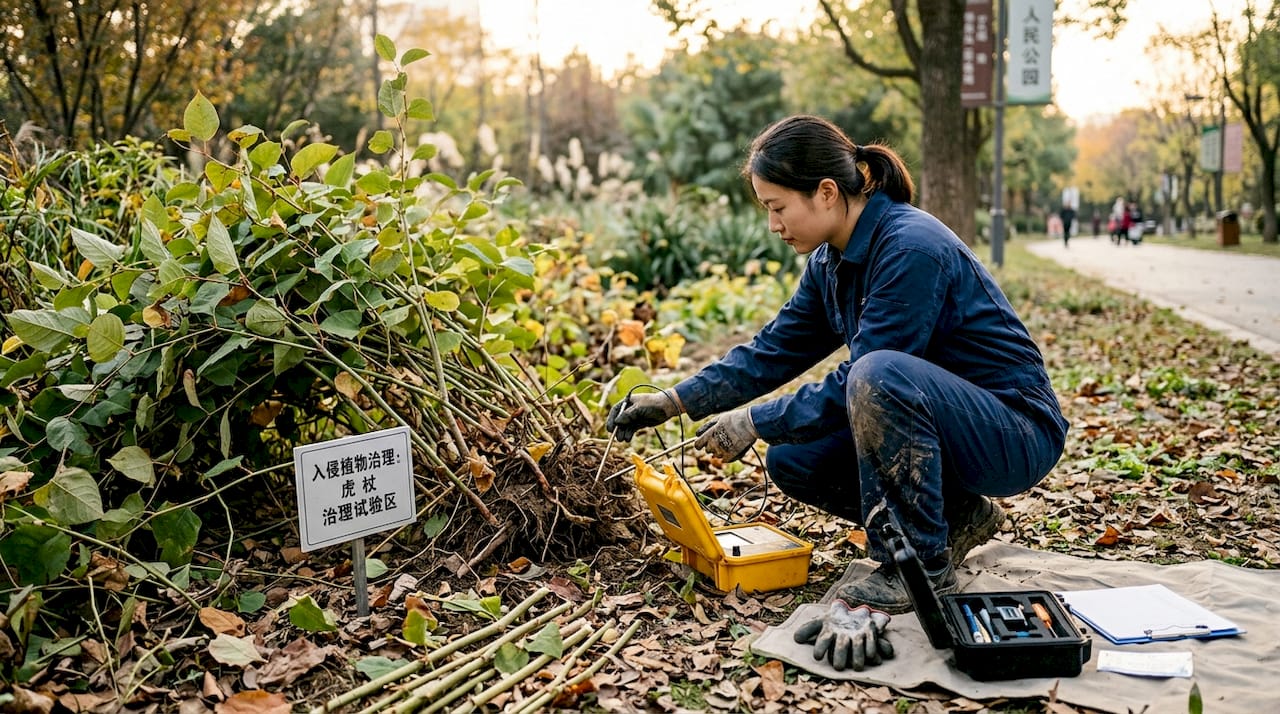
避免外部机械干扰至关重要。生态除草成功依赖持续的现场管理和避免外部干扰,例如树篱修剪、重型机械碾压或不当灌溉都可能破坏覆盖层或激活休眠根系。施工期间应设置警示标识,告知相关人员正在进行生态除草,避免无意破坏。

实施步骤建议如下:

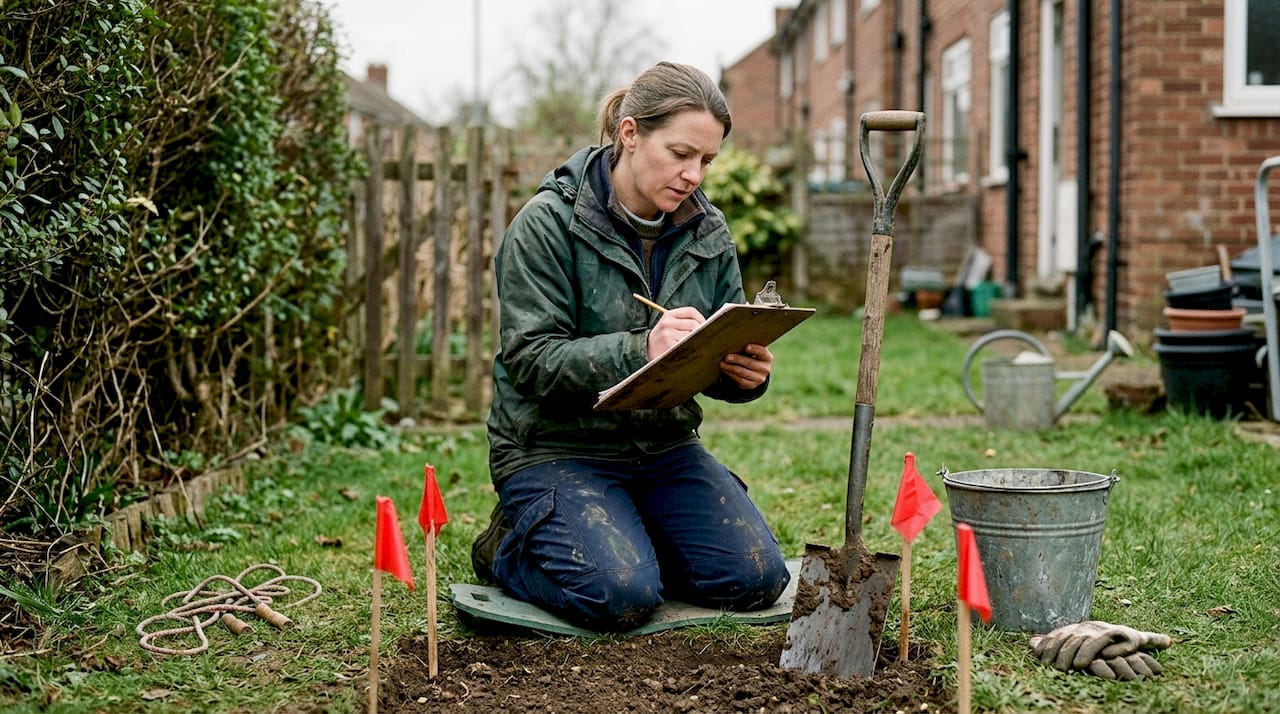
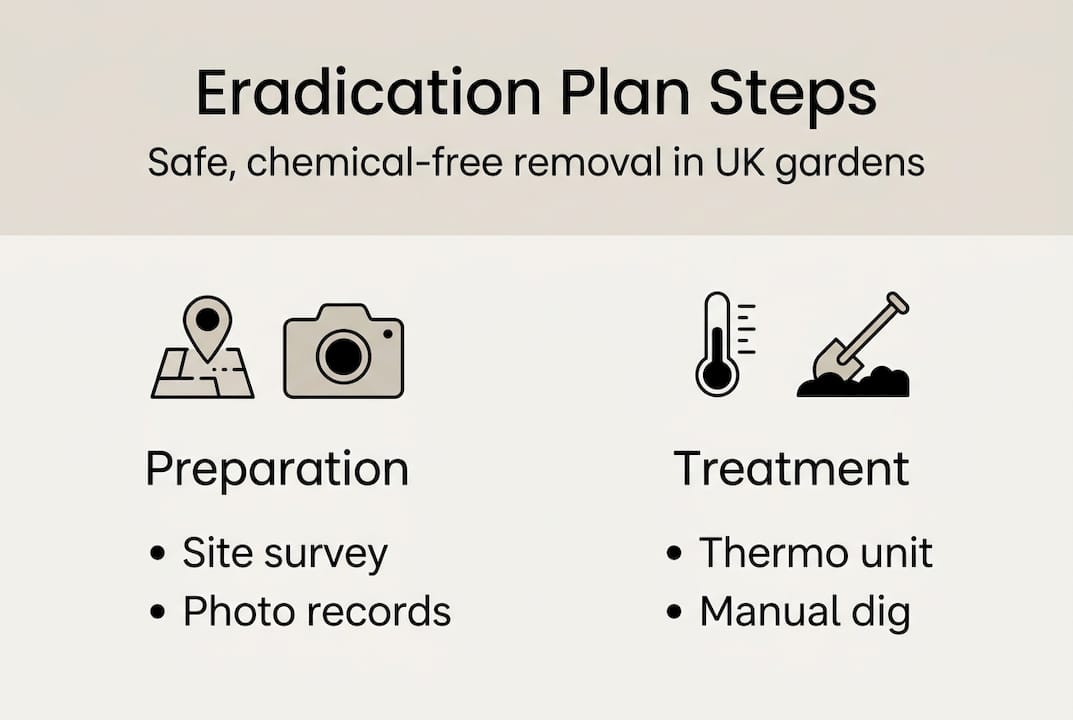
  1. 现场评估:勘查入侵植物分布范围、土壤条件和周边环境
  2. 制定方案:根据植物种类和生长阶段选择合适技术组合
  3. 准备材料:采购有机堆肥、覆盖物、根系阻隔膜等必需品
  4. 初期处理:清除地上部分,进行深耕或铺设堆肥
  5. 覆盖保护:铺设覆盖物并固定边缘,确保完全覆盖
  6. 定期巡查:每月检查覆盖层完整性,发现破损及时修补
  7. 后续管理:根据季节调整策略,持续削弱根系活力

专业提示: 保持详细记录非常重要。记录每次处理的日期、方法、材料用量和观察到的变化,帮助评估效果并调整策略。照片对比能直观展示进展。

定期巡查和评估以调整策略。生态除草不是一次性工程,需要根据实际效果灵活调整。如果某个区域的入侵植物仍然活跃,可能需要增加堆肥厚度或缩短割草间隔。反之,如果某些区域已基本清除,可以减少管理强度,将资源集中到顽固区域。

保持土壤良好通气与有机质循环。生态除草的最终目标是建立健康的土壤生态系统。定期添加有机物,鼓励蚯蚓和微生物活动,提升土壤肥力。健康的土壤能自然抑制入侵植物,减少未来管理成本。

落实多方协作确保长期成效。业主、物业管理方和专业服务机构需保持沟通,共同监督执行。明确各方职责,避免因沟通不畅导致管理中断。

更多无化学除草的实用技巧可查阅无化学除结缕草指南防止结缕草再生流程,这些资源提供详细的操作步骤和常见问题解答。

推荐专业生态除草服务助您成功根除

虽然生态除草方法科学可靠,但实施过程需要专业知识和持续投入。Japanese Knotweed Agency拥有丰富的无化学除草经验,专注于Japanese Knotweed和其他入侵植物的生态根除方案。我们采用直接能量传输技术,配合有机堆肥和根系阻隔,为客户提供定制化服务。

https://japaneseknotweedagency.co.uk

我们的团队会进行详细的现场评估,分析土壤条件和入侵程度,制定最适合您的生态除草方案。无论是住宅花园还是大型地产项目,我们都能提供专业支持。服务覆盖英格兰、威尔士和爱尔兰,确保您的土地恢复健康生态。

如果您希望了解更多关于无化学结缕草处理流程的信息,或需要针对具体情况的无化学入侵植物解决方案,欢迎联系我们。您也可以访问结缕草FAQ获取常见问题的快速解答。

常见问题解答

生态除草能否根除Japanese Knotweed?

可以,但需要持续管理。Japanese Knotweed根系深广,生态方法通过有机堆肥、根系阻隔和定期监控,逐步削弱根系活力直至彻底根除。通常需要3到5年时间,期间必须避免外部干扰并保持覆盖层完整。专业评估和定制方案能显著提高成功率。

相比化学方法,生态除草的时间周期如何?

生态除草初期较慢,但长期效果更稳定。化学除草可能在数周内见效,但容易复发且污染环境。生态方法需要6个月到数年,具体取决于入侵植物种类和管理强度。投资时间换取的是持久的土壤健康和生态平衡,避免反复处理的成本。

生态除草适合哪些类型的入侵植物?

生态除草适用于大多数入侵植物,包括Japanese Knotweed、黄花刺茄、加拿大一枝黄花和豚草等。不同植物需要调整技术组合,例如深根植物适合堆肥加根系阻隔,浅根植物适合深耕配合覆盖。专业评估能确定最佳方案,确保针对性和有效性。

实施生态除草时应避免哪些操作错误?

常见错误包括覆盖层厚度不足、使用未腐熟堆肥、忽视定期巡查和外部机械干扰。覆盖层至少10厘米厚才能有效阻光,未腐熟堆肥可能含杂草种子。定期巡查发现问题能及时补救,避免前功尽弃。施工期间应设置警示,防止无意破坏覆盖层或激活休眠根系。

需要多长期监控维护才能保证效果?

建议至少3到5年的监控期。即使初期处理成功,残留根系或种子库仍可能导致复发。每季度巡查一次,发现新芽立即处理,能显著降低复发率。长期监控还能评估土壤恢复情况,调整后续管理策略,确保生态系统彻底恢复健康。

推荐

Why survey before buying property: protect investment 2026

Purchasing property without an invasive species survey can cost buyers tens of thousands in unexpected removal and repair expenses. Many homebuyers discover Japanese knotweed causes property damage only after exchange, facing legal disputes and plummeting property values. This guide explains why commissioning specialist surveys before purchase protects your investment, ensures legal compliance, and prevents costly surprises that standard property assessments often miss.

Table of Contents

Key takeaways

Point Details
Early detection saves money Surveys identify hidden invasive species before purchase, preventing unexpected removal costs that can exceed £20,000.
Legal compliance protection Specialist assessments ensure you meet invasive species legislation requirements, avoiding fines and sale complications.
Negotiation leverage Survey evidence allows price reductions or seller-funded treatment plans before finalising the transaction.
Property value safeguard Documented surveys protect long-term marketability and prevent value depreciation from unmanaged infestations.

Understanding invasive species and their impact on property purchases

Invasive species are non-native plants that spread aggressively, causing significant damage to property structures, gardens, and land stability. In the UK and Ireland property markets, Japanese knotweed remains the most notorious culprit, but giant hogweed, Himalayan balsam, and rhododendron ponticum also pose serious threats. These plants establish extensive underground root systems that penetrate foundations, drainage systems, and tarmac surfaces.

Japanese knotweed is one of the most damaging invasive species affecting UK properties, with rhizomes spreading up to seven metres horizontally from visible growth. The damage manifests in multiple ways: cracked foundations from root pressure, blocked drainage causing damp issues, destabilised retaining walls, and compromised pathways. Removal costs typically range from £5,000 to £25,000 depending on infestation severity, with some cases requiring ongoing management for years.

Property owners face legal responsibilities under the Wildlife and Countryside Act 1981 and the Anti-social Behaviour, Crime and Policing Act 2014. Allowing invasive species to spread onto neighbouring land constitutes a criminal offence, with potential fines reaching £5,000 or unlimited penalties for severe cases. Sellers must disclose known infestations on the TA6 property information form, and failing to do so exposes them to legal action from buyers.

Typical damage types include:

  • Structural compromise through foundation penetration and wall destabilisation
  • Drainage blockages leading to water ingress and damp problems
  • Garden destruction preventing landscaping and reducing usable outdoor space
  • Reduced property marketability affecting mortgage availability and sale prospects

Pro Tip: Walk the property boundaries during different seasons, as some invasive species like Japanese knotweed die back in winter but leave distinctive bamboo-like canes that signal hidden root systems beneath the surface.

Why a property survey focused on invasive species is essential before purchase

Commissioning a specialist invasive species survey provides protection that standard property assessments cannot match. Visual inspections by general surveyors often miss early-stage infestations or dormant plants, particularly during winter months when many invasive species retreat underground. Specialist surveys employ trained ecologists who recognise subtle indicators like soil disturbance patterns, residual plant material, and neighbouring property risks.

The financial protection alone justifies survey costs. Discovering a £15,000 Japanese knotweed problem after exchange leaves buyers with limited recourse, whereas pre-purchase detection enables negotiation or withdrawal. Comprehensive surveys identify invasive species presence and extent, preventing costly surprises that standard valuations overlook.

Concerned homeowner reading survey financial report

Regulatory compliance represents another critical benefit. Mortgage lenders increasingly refuse applications for properties with known or suspected invasive species until management plans are implemented. Survey documentation demonstrates due diligence, satisfying lender requirements and protecting against future legal claims from neighbours affected by spreading plants.

Key benefits include:

  • Detection of hidden infestations through soil sampling and specialist equipment
  • Prevention of unexpected expenses averaging £12,000 for moderate infestations
  • Evidence-based negotiation leverage for price reductions or seller-funded treatment
  • Peace of mind through documented property condition and compliance verification

The survey process follows five essential steps:

  1. Initial consultation to discuss property location, visible concerns, and neighbouring land risks
  2. Site inspection covering all boundaries, gardens, and adjacent areas within seven metres
  3. Soil sampling and laboratory analysis for dormant rhizome detection where visual signs appear
  4. Detailed report with photographic evidence, infestation mapping, and risk assessment
  5. Treatment recommendations with cost estimates and timeframe projections for clearance

This systematic approach ensures nothing escapes detection, providing buyers with complete information before committing to purchase.

Comparing invasive species surveys: standard vs specialist assessments

Standard property surveys prioritise structural integrity, damp issues, and building defects but rarely include invasive species expertise. General surveyors may note visible Japanese knotweed or other plants, yet they often miss invasive species details that cause future problems because they lack ecological training to identify dormant or early-stage infestations.

Specialist invasive species surveys employ ecologists with specific qualifications in plant identification, legislation compliance, and treatment planning. These professionals understand growth patterns, seasonal variations, and legal implications that general surveyors cannot assess. The targeted inspection includes boundary surveys extending beyond property lines, soil analysis for hidden rhizomes, and neighbouring land evaluation for encroachment risks.

Infographic comparing property survey types

| Survey Type | Coverage | Typical Cost | Accuracy | Legal Weight |
| — | — | — | — | |
| Standard property survey | General structural assessment, may note visible plants | £400-£1,500 | Limited for invasive species identification | Low for species-specific claims |
| Specialist invasive species survey | Targeted plant identification, soil sampling, risk mapping | £250-£800 | High with laboratory confirmation | Strong for legal compliance and negotiation |
| Combined approach | Comprehensive structural and ecological assessment | £650-£2,300 | Highest overall property evaluation | Maximum protection and evidence |

The cost difference between survey types appears minimal compared to potential treatment expenses. A £500 specialist survey can identify a £20,000 problem before purchase, whereas relying solely on standard assessments leaves buyers vulnerable to discoveries that emerge only after legal completion.

Pro Tip: Always request an invasive species survey in addition to standard surveys, even for new-build properties, as construction sites often disturb dormant rhizomes that regenerate rapidly once building work concludes and landscaping begins.

How to act on your invasive species survey results before buying

Survey outcomes typically fall into three categories: clear (no invasive species detected), manageable (minor infestation with straightforward treatment), or severe (extensive contamination requiring significant intervention). Each scenario demands different buyer responses to protect your investment and ensure legal compliance.

For clear results, proceed with confidence knowing specialist inspection found no evidence of problematic species. Manageable findings require obtaining professional treatment plans with detailed cost estimates and timeframes. Most buyers negotiate price reductions equivalent to treatment costs plus a buffer for inconvenience, typically 10-15% above quoted removal expenses. Severe infestations warrant serious consideration of withdrawal, particularly when treatment exceeds £25,000 or requires multi-year management programmes.

Effective invasive species management plans reduce risk and support legal compliance when buying property. Negotiate with sellers to implement treatment before completion, or secure price reductions that cover professional eradication plus contingency funds. Request insurance-backed guarantees for any treatment work, as these protect against regrowth and satisfy mortgage lender requirements.

Legal obligations vary across England, Wales, and Ireland, but all jurisdictions require landowners to prevent invasive species spreading to neighbouring properties. Sellers must disclose known infestations on property information forms, and buyers who discover undisclosed problems can pursue legal action for misrepresentation. Treatment timelines range from single-season interventions for minor infestations to five-year monitoring programmes for extensive contamination.

Treatment Type Typical Cost Timeframe Success Rate Guarantee Period
Chemical herbicide programme £2,500-£8,000 2-3 growing seasons 85-95% 5-10 years
Excavation and removal £5,000-£25,000 2-6 weeks 95-100% 10 years
Chemical-free energy treatment £3,000-£12,000 1-2 growing seasons 90-98% 10 years
Root barrier installation £1,500-£6,000 1-2 weeks Containment only 20 years

Essential post-survey actions for buyers include:

  • Obtain minimum three treatment quotes from accredited specialists with insurance-backed guarantees
  • Request detailed management plans showing treatment methodology, visit schedules, and monitoring protocols
  • Negotiate seller contribution or price reduction covering full treatment costs plus 15% contingency
  • Verify mortgage lender acceptance of proposed treatment plan before exchange
  • Secure written confirmation that treatment guarantees transfer to future property owners
  • Schedule initial treatment commencement before completion where possible to accelerate clearance

These steps ensure you enter property ownership with clear understanding of costs, timelines, and legal compliance requirements, eliminating surprises that could jeopardise your investment or create neighbour disputes.

Protect your property investment with expert invasive species surveys

Navigating invasive species risks requires specialist knowledge that protects your investment and ensures peace of mind throughout the property purchase process. Japanese Knotweed Agency delivers comprehensive surveys across England, Wales, and Ireland, combining ecological expertise with chemical-free treatment solutions that eliminate infestations without environmental harm.

https://japaneseknotweedagency.co.uk

Our pioneering energy-based treatment technology delivers up to 5000 volts directly to root systems, causing internal cell damage that depletes rhizome energy reserves with each application. This approach avoids chemical residues whilst achieving clearance rates comparable to traditional methods. We also provide root barrier installations and excavation services where immediate containment or removal suits your timeline and budget.

Explore our invasive weed survey guide for detailed information about the assessment process, or review our Japanese knotweed FAQs for answers to common buyer concerns. For personalised advice on your property purchase, our invasive weed management steps guide walks you through every stage from initial survey to final clearance certification.

Frequently asked questions

What is an invasive species survey?

An invasive species survey is a detailed inspection targeting presence of problematic plants like Japanese knotweed, giant hogweed, and Himalayan balsam. Specialists assess infestation extent, spread risks, and legal compliance requirements. The survey includes boundary inspections, soil sampling for dormant rhizomes, and photographic documentation that supports negotiation or treatment planning.

Can invasive species surveys affect the property price?

Survey results frequently influence final purchase prices when infestations are detected. Buyers use documented evidence to negotiate reductions covering treatment costs, typically achieving 10-15% discounts beyond quoted removal expenses. Unmanaged infestations reduce market value significantly, sometimes by 10-20% depending on severity, as mortgage lenders restrict financing for affected properties. The property survey workflow explains how survey findings integrate into purchase negotiations.

What should I do if invasive species are found during the survey?

Obtain professional treatment plans with detailed cost estimates and timeframes from minimum three accredited specialists. Review our invasive weed management steps for guidance on evaluating proposals and selecting appropriate solutions. Negotiate with sellers for price reductions or pre-completion treatment, and verify your mortgage lender accepts the proposed management plan. Consider withdrawal if infestation severity exceeds your risk tolerance or budget capacity.

Are invasive species surveys legally required when buying property in the UK?

There is no absolute legal requirement for invasive species surveys prior to purchase, but they are strongly recommended to avoid legal and financial risks. Sellers must disclose known infestations on TA6 forms, yet many remain unaware of dormant or neighbouring problems. Failing to identify and manage infestations can lead to legal penalties under the Wildlife and Countryside Act 1981, with fines reaching £5,000 for allowing spread to adjacent land. Understanding laws regarding Japanese knotweed helps buyers recognise their compliance obligations before committing to purchase.

2026年入侵植物根系治理工具排行前6名

每年入侵植物对农田或花园造成新的挑战,根系治理工具的选择变得越来越重要。不同工具有各自的特点,有些适合快速去除,有些专注于深层治理。哪些方法更加有效,哪些工具能让人省时又省力?今年各种新工具不断推出,适应不同需求和环境。想要找出适合自己的根系治理方式,不妨看看最新排行榜,发现更多选择和可能。

目录

Japanese Knotweed Agency

Product Screenshot

快速概览

Japanese Knotweed Agency 在处理日本葛草方面是行业领先者,提供无化学物质治疗与全面现场服务,适合房产买家、业主与地方政府采用环保方案应对根系入侵。

该机构覆盖 UK 多地,结合现场调查与法律支持,能把复杂的侵染问题转为可管理的清除计划。动作快,记录全,适合需要可追溯证据的买家和地方管理者。

核心功能

Japanese Knotweed Agency 提供从识别到清除的端对端服务,包括现场识别、热电灭除技术、根障安装与挖掘作业。机构还维护全国登记,记录 England 与 Wales 的位置数据以便长期管理。

他们同时提供物业调查、保险协助与法律索赔支持,为房产交易和价值恢复提供书面证明与专业建议。

优点

  • 受信赖且合规:机构作为 UK 认可的权威,能在交易与争议中提供可信报告。每份调查有法律参考价值。
  • 环保热电技术:使用热电技术替代化学药剂,减少对邻近草坪和水体的二次污染风险。适合追求无化学治理的地方政府。
  • 服务全面含法律支持:不仅清除植株,还能协助物业贬值索赔与保险理赔,降低你的财务风险。
  • 10年保证:提供10年保证,对长期根系控制有明确承诺,帮助买家在交易后安心持有物业。
  • 全国覆盖经验丰富:团队经验丰富,能处理不同地形与严重程度的侵染案例,适合开发商和大型地主。

适用对象

该服务面向需要治理日本葛草的房产买家、业主、房东与开发商,以及寻求无化学治理方案的地方政府。Surveyor、法律与保险专业人士可利用其登记记录和法律支持作为证据材料。

如果你正在准备购买受影响物业,或需要书面报告支持索赔,这就是为你设计的服务。

独特价值主张

Japanese Knotweed Agency 将无化学治理与法律支援结合,形成从识别、记录到长期保证的一体化解决方案。对于关注交易安全和环境责任的买家与政府,这是一个能同时满足监管、法律与生态需求的选项。

他们的全国登记和报告格式便于并入交易文件,减少买卖双方与地方当局在后续处置上的摩擦,节省时间和潜在诉讼成本。

实际应用案例

一位 Homeowner 在物业边界发现侵染植物后请求免费调查,机构确认为日本葛草并制定热电清除计划。业主随后通过登记与报告向保险公司提交索赔,同时安装根障以阻断扩散,十年内持续监测。

该案例展示了从发现到法律与工程措施并行的完整流程,适合希望将风险降到最低的房产交易情形。

价格

公开资料未列明具体价格,需联系机构获取现场报价。费用会随侵染严重度、根系范围与所选处理方式变化。建议在报价前先安排物业调查以获得准确估算。

行动要点:在购买或处理受影响物业前,先预约现场 Survey 以获得书面报价和治理计划。

Website: https://japaneseknotweedagency.co.uk

Japanese Knotweed UK

Product Screenshot

快速概览

Japanese Knotweed UK 专注于日本葛草的化学治理和移除,面向住宅与小型商业客户提供定制管理计划保险担保。对买卖双方和房主来说,这是一个以减少地面扰动为目标的替代方案。

核心功能

Japanese Knotweed UK 提供现场调查、定制治理计划、持续化学处理以及相关咨询服务。其服务流程侧重在对根系施药以削弱地下根茎网络,而非首先选择挖掘。该公司还为交易双方出具书面报告,帮助完成房产交接。

优点

  • 专注性强:公司专门处理日本葛草,技术和流程围绕该物种展开,适合需要专业评估的房主和买家。

  • 保险担保支持:提供受保保障的方案,能降低因治理失败引起的交易风险和法律纠纷。

  • 定制化方案:会根据物业大小、侵染程度和业主目标调整处理频率和监测计划。

  • 减少地面扰动:以化学处理为主,避免大规模挖掘,从而降低对花园、围栏和地下设施的破坏风险。

  • 服务对象明确:覆盖住宅与小型商业客户,适合寻求快速评估和持续管理的场景。

缺点

  • 地域限制明显:服务范围集中在North West England,对位于其他区域的买家或业主帮助有限。

  • 非优先挖掘策略:除非确认为必要,否则不主动提供挖掘服务,这在严重根茎扩散或需要快速根除的案件中可能受限。

  • 价格透明度不足:网站未列出详细收费标准,客户需要联系获取报价,这给比价和预算规划带来额外步骤。

适合谁

Japanese Knotweed UK 适合在North West England的房主、房产买卖双方以及小型业主,他们希望通过专业化学治理减少交易阻碍并获得书面保险担保。也适合需要调查报告以完成房产贷款或交易流程的客户。

独特价值主张

该公司将化学根系处理保险担保结合,提供一套面向房产交易需求的可证明治理路径。对关注花园完整性和避免大型机械作业的业主来说,这一点尤其有吸引力。

实际使用场景

一位房主怀疑自家后院有日本葛草,因担心影响房屋出售而联系 Japanese Knotweed UK。公司先行现场调查,出具风险报告,然后制定为期数年的化学管理计划并配套保险担保,最终帮助完成不受阻碍的房产交易。

定价

网站未公开具体价格,感兴趣的客户需通过电话或邮件咨询以获取现场评估后的报价和保障条款。

网站: https://japaneseknotweeduk.co.uk

Japanese Knotweed Expert

Product Screenshot

概览

Japanese Knotweed Expert 提供面向房产交易和法律流程的证据式评估与报告。对需要在交易、纠纷或开发中快速获得可出庭证明的业主和律师来说,这是一个可靠且响应迅速的选择。

核心功能

该服务包括确定性识别风险分级与治理方案、以及可用于诉讼的法律级报告。承诺在24小时内出具报告,并可在7个工作日内安排实地调查,适合时间敏感的房产交易流程。

优点

  • 行业经验丰富:团队在行业内有25年经验,说明他们处理复杂案件的能力强且稳健。
  • 高成功率:宣称97%的成功率,表明实际治理与评估结果长期可信。
  • 保险保障:提供9年保险保证,为房产买卖和开发提供长期风险缓释。
  • 权威认证:得到PCA等机构认可,增强报告在法律和交易场景中的说服力。
  • 全国覆盖:在UK拥有多个本地办事处,便于快速派遣和本地化服务。

缺点

  • 信息密集:网站信息详尽但对非专业业主来说可能过于繁复,需要额外解释和引导。
  • 价格不透明:主页未列出具体定价,导致预算评估前需与客服进一步联系。
  • 需要接洽报价:详细费用和施工计划必须通过人工咨询获得,增加前期沟通成本。

适用对象

适合准备买卖房产的房东、需要法律证据的律师事务所、关注合规的开发商以及负责公共空间治理的地方政府。若你急需可出庭的风险评级与治理计划,他们匹配你的需求。

独特价值主张

该公司把法律级别的报告与快速响应服务结合,专注用证据支持交易与诉讼决策。对于希望在48小时内推进交易或解除法律风险的房产方,这一点极具吸引力。

实际使用场景

例如一位房主在出售前发现Japanese Knotweed,聘请该机构在24小时内得到风险分级和诉讼级报告,从而在合同中明确责任分配,顺利完成交易并避免后续法律纠纷。

价格

网站未列明具体价格,官方说明为“请联系以获取报价”。在预算有限或需多人比价时,需要预留沟通与比价时间。

网站: https://japaneseknotweedexpert.co.uk

Japanese Knotweed Ltd

Product Screenshot

概览

Japanese Knotweed Ltd 是一家成立于2010年的专业承包商,专注于日本葛草的识别、治理和移除。它以行业资质与担保服务为核心卖点,适合需要出售房产或保证合规的业主和开发商。

核心功能

Japanese Knotweed Ltd 提供持牌、投保并符合行业标准的治理和清除服务。服务包含现场识别与勘测、除草剂处理与挖掘施工、现场监管以及支持房产交易的担保文件,分支机构覆盖 London、Southampton 与 Manchester。

优点

  • 经验丰富且受信赖,该公司声称服务超过 7,000 名客户,证明其案件处理能力与项目积累。
  • 响应迅速并在主要英国地区设有办公点,这为需要快速现场勘查的房主和开发商提供便利。
  • 服务覆盖从识别到监测的完整流程,公司同时提供挖掘与后期监测,便于长期风险控制。
  • 拥有 NAS 与 PCA 等行业合规认证,这在房产交易和法律合规上提升了说服力。
  • 能同时为私人业主与大型企业服务,项目规模可根据施工需求调整。

缺点

  • 网站信息偏重资质与服务范围,对具体治理方法与施工创新的技术细节披露较少,这让技术型客户难以快速评估施工方案。
  • 网站未公开价格信息,需要客户现场询价并获取定制报价,这增加了比价难度与前期沟通成本。
  • 重点放在日本葛草上,对于其他入侵植物的综合治理能力说明有限,若涉及多种杂草并发需要额外确认。

适用对象

Japanese Knotweed Ltd 适合发现日本葛草且需保障房产交易顺利进行的房主、需要场地清理的施工方以及寻求合规报告的法律与环境专业人士。该公司对需要书面担保与行业认证文件的用户尤为适配。

独特价值主张

公司将合规担保与现场监管作为核心竞争力,结合本地化服务网络,能在房产出售或施工前提供可出具担保的处理流程。这对面临交易审查或法律要求的客户有直接价值。

实际使用场景

一位房主在后院发现日本葛草后,联系 Japanese Knotweed Ltd 进行现场识别与勘测,公司随后制定治理与挖掘方案并出具担保文件,最终帮助该房主在房产交易中满足买方与律师的合规要求。

定价

定价需现场评估后按具体场地需求定制报价,网站提示价格需通过咨询获取。客户应安排初步勘查以获得书面报价与服务期限说明。

Website: https://japaneseknotweed.co.uk

Econoweed

Product Screenshot

一目了然

Econoweed 提供一种无化学品、针对性强的入侵植物根系治理方案。它使用 RootWave Pro 技术对根系实施电能破坏,适合需要保护土壤和生态的房产买家、业主与地方政府。

核心功能

Econoweed 的核心是根部电击处理,通过对茎基部和根茎网施加高压电流来破坏植物细胞。服务包括现场评估、定点处理与后续检查,强调对野生动植物和土壤的安全保护。

优点

  • 不使用除草剂或化学品: 这一点对寻求无化学治理的地方政府和注重房产长期价值的业主尤其重要。
  • 环境友好与可持续: 处理过程避免土壤污染,能在公众绿地和受保护区中实施而不损害生态环节。
  • 对根系有实效性: 数据显示其目标是从根部破坏植物再生能力,这对顽固性日本葛草等入侵种尤为关键。
  • 对生态和野生动植物安全: 施工方式局部且可控,减少对周边植物和动物的影响,适合社区绿地治理。
  • 提供专业现场评估与处理: 公司会先检测并制订方案,而非盲目施工,适合有监管需求的公共工程。

缺点

  • 缺乏公开的施工时长与费用信息: 网站未列出标准价格或处理周期,房产交易方难以快速预算时间与成本。
  • 服务范围专一: Econoweed 专注入侵植物治理,不提供一般园林维护或景观改造服务,客户需另行寻找配套承包商。
  • 必须由专业人员评估与实施: 该方法不可自助操作,增加了协调与预约环节,对紧急清理需求反应速度可能受限。

适合谁

Econoweed 最适合在房地产交易链中面对日本葛草问题的房产买家与业主,以及寻求无化学治理方案的地方政府和环境机构。对于优先保护土壤与生态价值的物业管理者,这是一种明确的选择。

独特价值主张

Econoweed 的独到之处在于将 RootWave Pro 技术与专业现场评估结合,提供一种既能破坏根系又不污染土壤的治理路径。对于需在法律与生态要求下执业的机构,这种可控性具有实际价值。

实际案例

一个地方议会与 Econoweed 合作,在公共用地清除日本葛草,项目在不使用除草剂的前提下完成根系处理,后续监测显示周边生态没有明显副作用,符合环保采购要求。

价格

网站未披露具体价格,感兴趣的客户需联系公司以获取现场评估后的报价。

Website: https://econoweed.co.uk

Environment Controls

Product Screenshot

简要概览

Environment Controls 是一家在英国提供入侵植物和受污染土壤清除的国家承包商。总体评估是专业且合规,适合寻求环境可持续方案的房主、物业管理者与地方政府。

核心功能

公司提供完整的入侵植物与受污染土壤清除服务,并强调合规性与安全管理。其服务包含现场识别、生命周期评估与环境影响咨询,并通过 ProjectDash 现场实时报告 提供工程进度透明度。

优点

  • 受地方政府和私人客户信任:公司已有多个地方政府合作记录,这表明在公共空间项目中具有可操作性和信誉。
  • 完全资质与健康安全认证:具备行业所需的资质,这减少了监管与合同层面的风险。
  • 使用环保型除草剂解决方案:对寻求非破坏性治理或希望降低化学足迹的客户更友好。
  • 丰富的入侵植物治理经验:在日本葛草和竹类治理方面经验丰富,便于制定长期控制计划。
  • 提供培训与定制化处理方案:能为物业团队或地方政府提供知识传递与专属方案。

缺点

  • 网站隐私与 Cookie 通知较多:这可能会让首次访问者在查找关键信息时感到干扰。
  • 未公开定价信息:只能通过联系获取报价,这令预算紧张的房主和小型承包方难以快速比较成本。
  • 服务定位专业化:不适合寻求简单 DIY 方案的用户,必须依赖专业团队执行。

适用人群

适合房主、物业经理、地方政府和施工单位,这些客户需要对日本葛草或其他入侵种进行安全、合规和可持续的清除与长期管理。对于准备开发或景观改造的地块尤其适用。

独特价值主张

Environment Controls 将合规资质、全国本地化团队与实时工程报告结合,提供从识别到清除再到报告的一体化服务。这种端到端的可追溯性是公共项目与复杂开发地块所看重的。

实际使用案例

在住宅地块清除竹子与日本葛草以防扩散并为施工准备场地时,Environment Controls 可进行现场评估、制定处理计划并通过 ProjectDash 向业主与承包方汇报进度,减少工程延误。

价格

未指定;需要联系获取报价。针对不同规模项目提供定制报价,公共部门合同与大型开发通常采用议价方式。

网站: https://environmentcontrols.co.uk

日本葛草治理服务比较

下表比较了文章中提到的各个日本葛草治理服务提供商的特点、服务内容、优缺点及价格,以便帮助读者选择适合的解决方案。

服务商 核心功能及特点 优点 缺点 适用场景与价格
Japanese Knotweed Agency 无化学物质治理,10年保证,覆盖全国,法律支持 环保热电技术
全面服务与法律支持
未列具体价格,每项目需单独报价 房产交易买家与地方政府
联系获取价格
Japanese Knotweed UK 化学治理,保险担保,减少地面破坏 定制化方案
保单支持降低财务风险
服务范围有限,仅覆盖北英格兰 适合住宅和小型商业物业交易
联系报价
Japanese Knotweed Expert 法律报告,快速响应,97%成功率 高效且法律认可
全国覆盖快速调查
报价与客户沟通环节较多 急需证据文件的物业交易与纠纷
需联系确认费用
Japanese Knotweed Ltd 行业资质本地化服务,提供担保文件 行业认证及经验丰富
挖掘和后期监控流程完整
网站无详细技术信息,需人工咨询定价 需要行业标准与数据支持的买卖双方
定制报价
Econoweed 电能根系破坏,环保可持续 无化学品,保护生态 非DIY方案,需专业操作与评估 保护生态价值的地方政府项目
联系获取详细信息
Environment Controls 环境影响评估和实时工程报告 多方信任与专业认证
提供培训与定制方案
用户需现场咨询报价流程繁琐 合规和环境持续性要求高的物业治理
定制报价

选择领先的无化学根系治理专家保障您的物业安全

面对2026年入侵植物根系治理工具排行前6名中强调的挑战,尤其是日本葛草的顽固根系网络,传统化学药剂往往效果有限且存在环境风险。文章中提到的根系破坏技术正是解决入侵植物持续滋生的关键所在。

Japanese Knotweed Agency以其领先的最高5000伏特的无化学电能治疗技术,精准破坏根系内部细胞,有效耗竭其生长能量。我们同时提供根障安装与挖掘服务,确保深层根系无法扩散,长期保持物业环境安全。通过专业的物业调查服务,覆盖英格兰、威尔士及爱尔兰,帮助您全面掌握入侵情况。欲了解详情请访问我们的官网 Japanese Knotweed Agency主页

https://japaneseknotweedagency.co.uk

立即行动保护您的物业免受根系入侵困扰 访问Japanese Knotweed Agency官网预约专业调查与治理计划 让领先的无化学技术为您解除隐患 提供环保又可靠的解决方案

常见问题解答

2026年入侵植物根系治理工具排行前6名有哪些?

2026年入侵植物根系治理工具榜单中,领先的工具包括热电处理器、强力挖掘机、根组织处理设备等。了解这些工具的特性可以帮助在实际治理过程中选择合适的设备,以提高治理效率。

如何选择适合的入侵植物根系治理工具?

选择合适的工具应根据植物的种类、根系的深度和土壤的类型来决定。例如,对于深根系植物,强力挖掘机更为有效;而对于表层根系,热电处理器可能更具优势。建议进行现场评估以确定最佳选择。

入侵植物根系治理工具的费用一般是多少?

治理工具的费用通常根据工具类型和使用时间而有所不同,例如,热电处理器的租赁费用大概在每日200到500元之间。了解不同工具的费用范围可以帮助制定合理的预算。

使用入侵植物根系治理工具后需要多长时间才能见效?

大多数入侵植物根系治理工具在施用后1到3个月内即可初步见效,例如植物生长抑制和根系死亡。然而,具体效果也会因植物种类和环境条件而有所不同。

如何进行入侵植物治理的后续监测?

后续监测可以通过定期检查受影响区域的植物生长状态和根系情况来进行。建议每月进行检查,并在6个月内评估治理措施的长期效果,及时调整治理策略。

推荐

Root barriers for invasive plant control: 2026 guide

Selecting the right root barrier is critical when protecting your property from invasive plants like Japanese Knotweed. These underground membranes create physical barriers that prevent aggressive root systems from spreading into unwanted areas, offering a chemical-free solution that safeguards foundations, driveways, and neighbouring properties. With multiple barrier types available, each varying in material strength, permeability, and installation complexity, homeowners across England, Wales, and Ireland need clear guidance to make informed choices. This guide examines essential selection criteria, compares common barrier types, and provides practical recommendations to help you choose the most effective solution for your specific property conditions and invasive plant challenges.

Table of Contents

Key takeaways

Point Details
Material durability High-density polyethylene and polypropylene sheets offer superior resistance to aggressive root penetration over decades
Site-specific selection Soil type, moisture levels, and invasive species severity determine which barrier type performs best
Professional installation Expert placement ensures proper depth, overlap, and sealing that DIY efforts often miss
Long-term protection Quality barriers provide 15-20 years of chemical-free control when correctly installed and monitored

Criteria for selecting root barriers for invasive plant control

Choosing an effective root barrier requires evaluating several technical and environmental factors that directly impact long-term performance. Material durability stands as the primary consideration, as barriers must withstand constant pressure from aggressive rhizome systems that can exert forces exceeding 7 tonnes per square metre. Successful root barrier use depends on evaluating material type, permeability, durability, and installation method against site conditions, making upfront assessment crucial for preventing future failures.

Permeability affects both water drainage and soil health around your property. Impermeable barriers like HDPE completely block root penetration but may require drainage provisions to prevent waterlogging, whilst semi-permeable options allow moisture flow but offer reduced protection against determined invasive species. Installation depth must extend at least 2 metres below ground level for Japanese Knotweed, with overlaps sealed meticulously to eliminate potential penetration points where rhizomes exploit even millimetre-wide gaps.

Site conditions significantly influence barrier effectiveness. Clay soils compress barriers differently than sandy substrates, whilst high water tables demand materials resistant to degradation in saturated conditions. The specific invasive species matters tremendously, as Japanese Knotweed requires more robust solutions than lesser threats like bamboo or bindweed.

Key selection criteria include:

  • Tensile strength exceeding 20 N/mm for resisting root pressure
  • UV resistance if any portion remains exposed to sunlight
  • Chemical stability in varying soil pH conditions
  • Warranty coverage reflecting manufacturer confidence in longevity
  • Compatibility with local planning regulations and building codes

Pro Tip: Always request material certifications and third-party testing results before purchasing root barriers, as substandard products often fail within five years despite manufacturer claims of decades-long performance.

Maintenance requirements vary considerably between barrier types. Some demand annual inspections to identify emerging damage, whilst premium options require minimal oversight beyond initial installation verification. Understanding these ongoing commitments helps you budget realistically for total lifecycle costs rather than focusing solely on initial purchase prices.

Common types of root barriers used in the UK

The UK market offers several distinct root barrier categories, each engineered for specific applications and invasive plant challenges. High-density polyethylene (HDPE) and polypropylene sheets are widely used due to durability and impermeability, representing the gold standard for Japanese Knotweed control in residential and commercial settings.

HDPE root barriers deliver exceptional strength through molecular composition that resists puncture and tearing. These sheets typically measure 2-4mm thick, creating impenetrable walls that redirect even the most aggressive rhizome systems. Their complete impermeability prevents root penetration but necessitates careful drainage planning to avoid water accumulation against foundations. HDPE maintains structural integrity for 20-25 years in typical soil conditions, making it the preferred choice for permanent installations near buildings.

Close-up of HDPE barrier in clay soil

Polypropylene sheets offer similar protection with slightly enhanced flexibility that simplifies installation around curves and corners. These barriers resist chemical degradation from soil compounds and maintain effectiveness across temperature extremes common in British climates. Whilst marginally more permeable than HDPE, quality polypropylene products still block Japanese Knotweed effectively when properly installed with sealed joints.

Geotextile fabrics represent a more permeable option that allows water and nutrient flow whilst impeding root growth. However, their effectiveness against Japanese Knotweed remains questionable, as determined rhizomes can sometimes penetrate woven structures over time. These fabrics suit less aggressive species or serve as supplementary layers in multi-barrier systems.

Metal barriers, typically fabricated from galvanised steel or aluminium, provide unmatched physical strength but introduce corrosion concerns in acidic soils. Their high cost and installation complexity limit use to specialised applications where extreme root pressure demands maximum resistance. Most homeowners find polymer alternatives more practical and cost-effective.

Concrete barriers deliver permanent protection through sheer mass and impermeability. Poured or precast concrete walls completely stop root penetration but require substantial excavation, skilled labour, and significant investment. These suit commercial developments or extreme infestations where long-term certainty justifies upfront expense.

Comparison of root barrier types for Japanese Knotweed control

Understanding the practical differences between barrier types helps you match solutions to your property’s specific requirements and budget constraints. Comparison tables assist homeowners in visualising trade-offs between root barrier options to make informed decisions, clarifying which materials deliver optimal value for different scenarios.

Barrier Type Initial Cost Lifespan Installation Complexity Knotweed Effectiveness Environmental Impact
HDPE Sheets Moderate 20-25 years Moderate Excellent Low (inert, recyclable)
Polypropylene Moderate-High 15-20 years Moderate Excellent Low (inert, recyclable)
Geotextile Fabric Low 5-10 years Easy Poor-Fair Moderate (synthetic fibres)
Metal Barriers High 15-30 years Difficult Excellent Moderate (mining, corrosion)
Concrete Very High 50+ years Very Difficult Excellent High (cement production)

Urban properties with limited access benefit most from flexible polymer sheets that installers can manoeuvre through narrow passages and around existing structures. These materials arrive in rolls that unwind easily, conforming to irregular boundaries without requiring heavy machinery. Rural sites with open access might justify concrete barriers where excavators operate freely and permanent solutions suit long-term land use plans.

The chemical-free nature of physical barriers aligns perfectly with environmental protection standards increasingly emphasised across UK property regulations. Unlike herbicide treatments that introduce persistent chemicals into soil and groundwater, barriers contain invasions mechanically whilst preserving ecosystem health. This approach particularly suits properties near waterways or designated conservation areas where chemical use faces strict limitations.

Pro Tip: Calculate total cost of ownership over 20 years rather than comparing initial prices alone, as cheaper barriers often require replacement or supplementary treatments that exceed the lifetime cost of premium options.

Compliance with building regulations varies by barrier type and installation context. Simple garden barriers typically require no approval, whilst installations near energy efficiency barriers in London property boundaries or affecting drainage patterns may need planning consent. Professional installers navigate these requirements routinely, ensuring your barrier meets all legal obligations whilst delivering effective protection.

Choosing the right root barrier for your property

Personalising your barrier selection to match specific site conditions maximises effectiveness whilst optimising your investment. Site assessment and expert consultation improve success chances of root barrier installation against Japanese Knotweed, transforming generic solutions into targeted interventions that address your property’s unique challenges.

Begin by evaluating soil composition through simple tests or professional analysis. Clay-heavy soils retain moisture and compress barriers differently than sandy substrates, affecting both installation techniques and material selection. Root depth measurements reveal how far invasive systems have already penetrated, informing minimum barrier depth requirements that prevent rhizomes from diving beneath protective membranes.

Property boundaries present both physical and legal considerations. Barriers installed along boundary lines must not encroach on neighbouring land without permission, whilst ensuring complete coverage that prevents roots from circumventing protected zones. Accessibility determines whether installation requires hand excavation or permits machinery access that reduces labour costs substantially.

Infestation severity guides material choice directly. Early-stage invasions with limited rhizome spread might succeed with mid-range polypropylene barriers, whilst established colonies demand premium HDPE or even concrete solutions that guarantee containment. Professional surveys identify the full extent of underground growth, revealing hidden rhizome networks that visual inspections miss entirely.

Budget considerations should balance immediate affordability against long-term value:

  • Initial material and installation costs
  • Expected lifespan before replacement becomes necessary
  • Maintenance requirements and inspection frequency
  • Potential property damage if barrier fails prematurely
  • Impact on property value and mortgage ability

Seeking professional surveys proves especially valuable for severe infestations where misdiagnosis leads to inadequate protection. Specialists employ thermal imaging, soil sampling, and historical growth pattern analysis to map rhizome networks accurately, ensuring barrier placement addresses actual rather than assumed threat zones.

Regular monitoring post-installation provides early warning of potential breaches before roots reach protected structures. Annual visual inspections check for surface growth near barrier perimeters, whilst periodic professional assessments verify underground integrity. This proactive approach catches problems when simple repairs suffice, avoiding costly remediation of established re-infestations.

Discover expert solutions for chemical-free knotweed control

Transforming theoretical knowledge into effective action requires professional expertise that ensures proper implementation of root barrier strategies. Japanese Knotweed Agency specialises in chemical-free invasive plant control, combining advanced root barrier installation with innovative electrical treatment that depletes rhizome energy reserves without introducing herbicides into your soil.

https://japaneseknotweedagency.co.uk

Our chemical-free knotweed eradication workflow guides you through each stage of protection, from initial property surveys across England, Wales, and Ireland to barrier installation and ongoing monitoring. We deliver direct energy up to 5000 volts onsite, causing internal cell damage that complements physical barriers for comprehensive control. Explore our chemical free invasive plant solutions to understand how integrated approaches outperform single-method treatments, or visit our Japanese Knotweed FAQ for answers to common questions about protecting your property naturally and effectively.

Frequently asked questions

What is a root barrier and how does it work?

Root barriers are physical underground membranes installed vertically to block or redirect invasive plant roots away from protected areas. They create impenetrable walls that force rhizome systems to grow laterally rather than penetrating foundations, utilities, or neighbouring properties. High-quality barriers maintain effectiveness for decades when properly installed with sealed joints.

Which root barrier type is best for Japanese Knotweed control?

High-density polyethylene (HDPE) sheets represent the optimal choice for Japanese Knotweed due to superior tensile strength and complete impermeability. Polypropylene sheets offer comparable protection with slightly enhanced flexibility for curved installations. Both materials resist the extreme root pressure that knotweed generates, maintaining structural integrity for 15-25 years in typical soil conditions.

Can I install a root barrier myself, or should I hire a professional?

DIY installation is technically possible but requires precise excavation to proper depths, meticulous joint sealing, and thorough backfilling that amateur efforts often compromise. Professional installation ensures correct barrier placement, eliminates penetration points at seams, and provides warranty coverage against premature failure. Consult root barrier installation tips to understand the complexity involved before deciding whether professional services justify their cost through guaranteed effectiveness.

How long do root barriers last before needing replacement?

High-quality polyethylene and polypropylene barriers maintain effectiveness for 15-25 years when correctly installed in appropriate soil conditions. Premium HDPE products sometimes exceed 25 years, whilst concrete barriers can last 50 years or longer. Regular inspection every 2-3 years helps identify damage early, allowing targeted repairs that extend overall lifespan and prevent costly failures.