

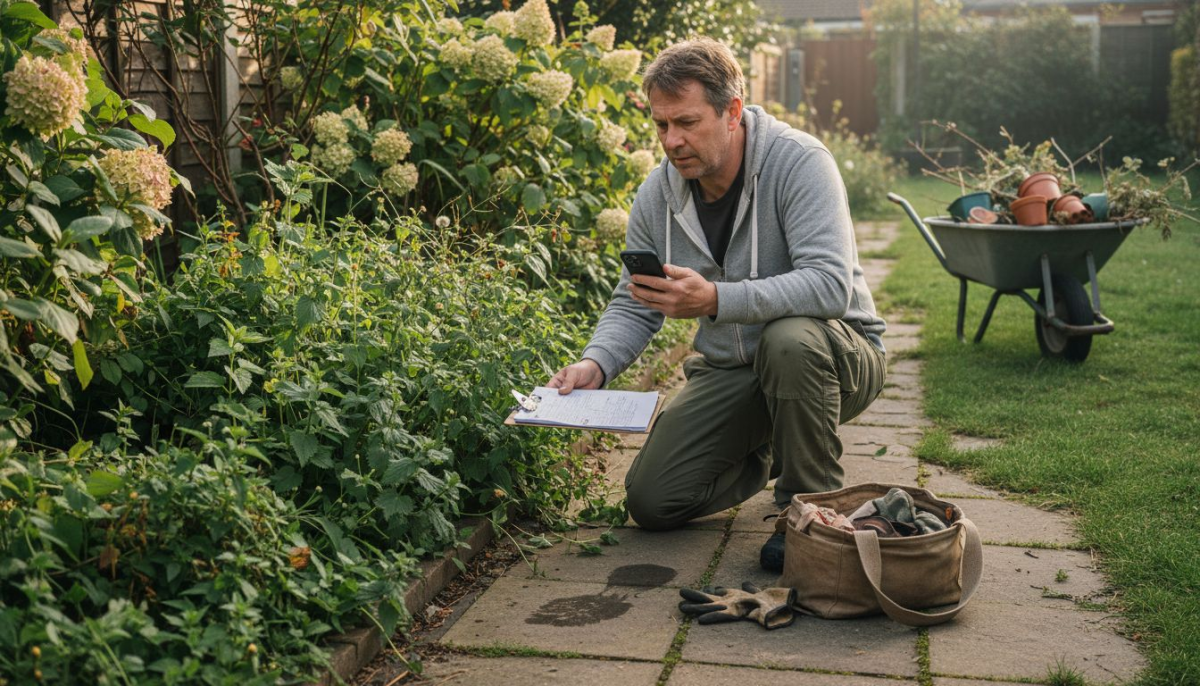
Invasive weeds like Japanese Knotweed can slash your property value and block mortgage approvals. Many homeowners discover these aggressive plants too late, facing legal penalties and costly delays during property transactions. This guide walks you through mandatory reporting steps and safe, chemical-free treatment options that protect your investment while meeting legal obligations across England, Wales, and Ireland.
Table of Contents
- Understanding The Legal Requirements To Report Invasive Weeds
- Preparing To Report: What You Need Before Starting
- Step-By-Step Guide To Reporting Invasive Weeds
- Chemical-Free Treatment Options And Their Application
- Common Mistakes To Avoid And How To Troubleshoot
- Expected Results And Outcomes After Reporting And Treatment
- Protect Your Home With Expert Chemical-Free Solutions
- Frequently Asked Questions
Key Takeaways
| Point | Details |
|---|---|
| Legal reporting is mandatory | Failure to report invasive weeds can result in fines up to £5,000 and mortgage delays. |
| Proper preparation is essential | Accurate identification, PPE, and professional surveys are required before reporting. |
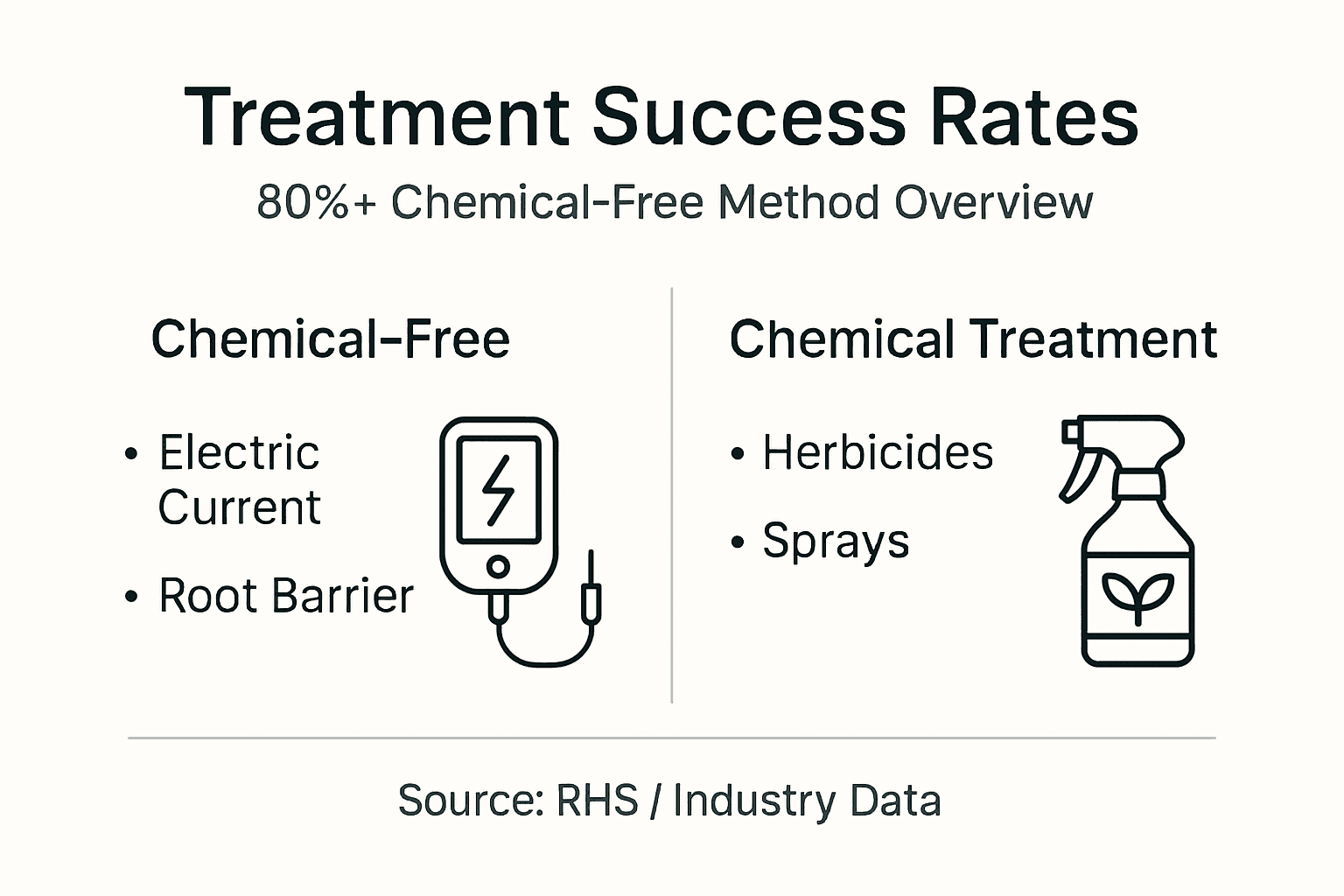
| Chemical-free treatment works | Electric current methods achieve over 80% eradication in 18-24 months without environmental harm. |
| Avoid common mistakes | Stopping treatment early causes 60% of failures; complete the full protocol. |
| Professional surveys support transactions | Surveys cost £300-£600 and provide mortgage-valid documentation. |
Understanding the Legal Requirements to Report Invasive Weeds
Homeowners must notify local councils and environmental authorities immediately after confirming invasive weed presence on their property. This obligation applies across England, Wales, and Ireland under environmental protection laws. Delayed or absent reporting triggers substantial penalties that compound financial losses from reduced property valuations.
Neighbor notification forms another critical legal requirement. If invasive weeds approach or cross property boundaries, you must inform adjacent landowners promptly. This prevents community spread and demonstrates good faith compliance. According to the Guide to Reporting Japanese Knotweed, non-compliance can result in fines up to £5,000 and mortgage processing delays of 20%.
The laws on Japanese Knotweed require specific documentation and follow-up procedures. Homeowners must maintain records of discovery dates, treatment plans, and ongoing monitoring results. These documents become essential during property sales or remortgaging applications.
Key legal obligations include:
- Immediate notification to local environmental health departments
- Written neighbor alerts if spread risk exists
- Documentation of infestation location and extent
- Regular progress reports during treatment phases
- Retention of all correspondence and survey reports for property transactions
Failure to meet these requirements can also expose homeowners to legal claims for Knotweed trespass from neighbors experiencing property damage. Courts consistently rule against property owners who neglect their duty to control invasive species spread. Financial penalties extend beyond initial fines to include compensation for neighboring property devaluation and remediation costs.
Preparing to Report: What You Need Before Starting
Accurate species identification prevents wasted effort on incorrect plants. Japanese Knotweed displays distinctive heart-shaped leaves, bamboo-like stems, and creamy white flower clusters during summer months. Similar looking plants like Russian Vine or Bindweed require different treatment approaches. Misidentification leads to inappropriate reporting and unnecessary alarm among buyers or lenders.
Personal safety must come first when inspecting potential infestations. According to safety guidance, standard PPE includes gloves, eye protection, and long sleeves to avoid dermal exposure. The plant’s sap can irritate skin, and broken stems release compounds that may trigger allergic reactions in sensitive individuals.
Professional surveys provide the foundation for effective reporting and treatment planning. Qualified surveyors map infestation extent using GPS technology and ground penetrating radar to detect underground rhizome networks. These comprehensive assessments identify spread patterns that casual observation misses. The invasive weed survey guide explains how early professional evaluation saves money by targeting treatment efforts precisely.
Evidence collection strengthens your legal position and supports future property transactions:
- Take clear photographs from multiple angles showing leaf details and growth patterns
- Record exact GPS coordinates of all visible growth areas
- Note proximity to buildings, boundaries, and water features
- Document seasonal changes through repeat photography
- Measure approximate area coverage and stem density
Timing affects survey quality and reporting accuracy. Spring through early autumn offers optimal conditions for identification when foliage is fully developed. Winter surveys miss dormant plants entirely, leading to incomplete assessments.
Pro Tip: Schedule surveys during active growth periods between May and September when Japanese Knotweed displays full foliage and flowering characteristics. This timing ensures accurate identification and comprehensive mapping of the infestation extent.
Step-by-Step Guide to Reporting Invasive Weeds
Following a systematic approach ensures compliance while building strong documentation for property transactions. Each step builds upon the previous one to create a complete record that satisfies legal requirements and supports treatment planning.
-
Identify the invasive species accurately. Compare plant characteristics against verified identification guides or consult a qualified botanist. Confirm you have Japanese Knotweed, Giant Hogweed, Himalayan Balsam, or another regulated invasive species before proceeding. Misidentification wastes resources and creates unnecessary concern among lenders.
-
Wear appropriate PPE and document the infestation thoroughly. Put on gloves, eye protection, and long sleeves before approaching the plants. Take photographs showing leaf structure, stem appearance, flower clusters, and overall growth patterns. Record GPS coordinates and measure the approximate area affected. Note any signs of spread toward boundaries or structures.
-
Contact your local council environmental health department. Most councils provide online reporting forms or dedicated phone lines for invasive species notifications. Supply the photographs, location data, and species identification information. Request written confirmation of your report and any case reference numbers assigned. Understanding why report Knotweed helps frame your communication effectively.
-
Inform neighbors if the infestation approaches shared boundaries. Provide written notice describing the discovery, location, and your planned response. Include contact information and offer to share survey results. This proactive communication prevents disputes and demonstrates responsible property stewardship. Keep copies of all neighbor correspondence.
-
Commission a professional property survey from a qualified specialist. According to invasive weed mapping guidance, commissioning a professional survey supports legal reporting and mortgage processes. The formal report provides lenders with the documentation they require and establishes baseline conditions for treatment monitoring.
-
Maintain comprehensive records and schedule follow-up checks. Store all photographs, survey reports, correspondence, and treatment plans in a dedicated file. Set calendar reminders for quarterly monitoring during treatment phases. Document any changes in plant distribution or growth vigor. These invasive weed management steps create an audit trail that protects your interests during property transactions.
Chemical-Free Treatment Options and Their Application
Electric current treatment represents a breakthrough in safe invasive weed control. Specialized equipment delivers up to 5000 volts directly into plant stems, causing immediate cellular damage throughout the rhizome network. This method avoids chemical residues that contaminate soil and groundwater, making it ideal for properties near streams, ponds, or wells.
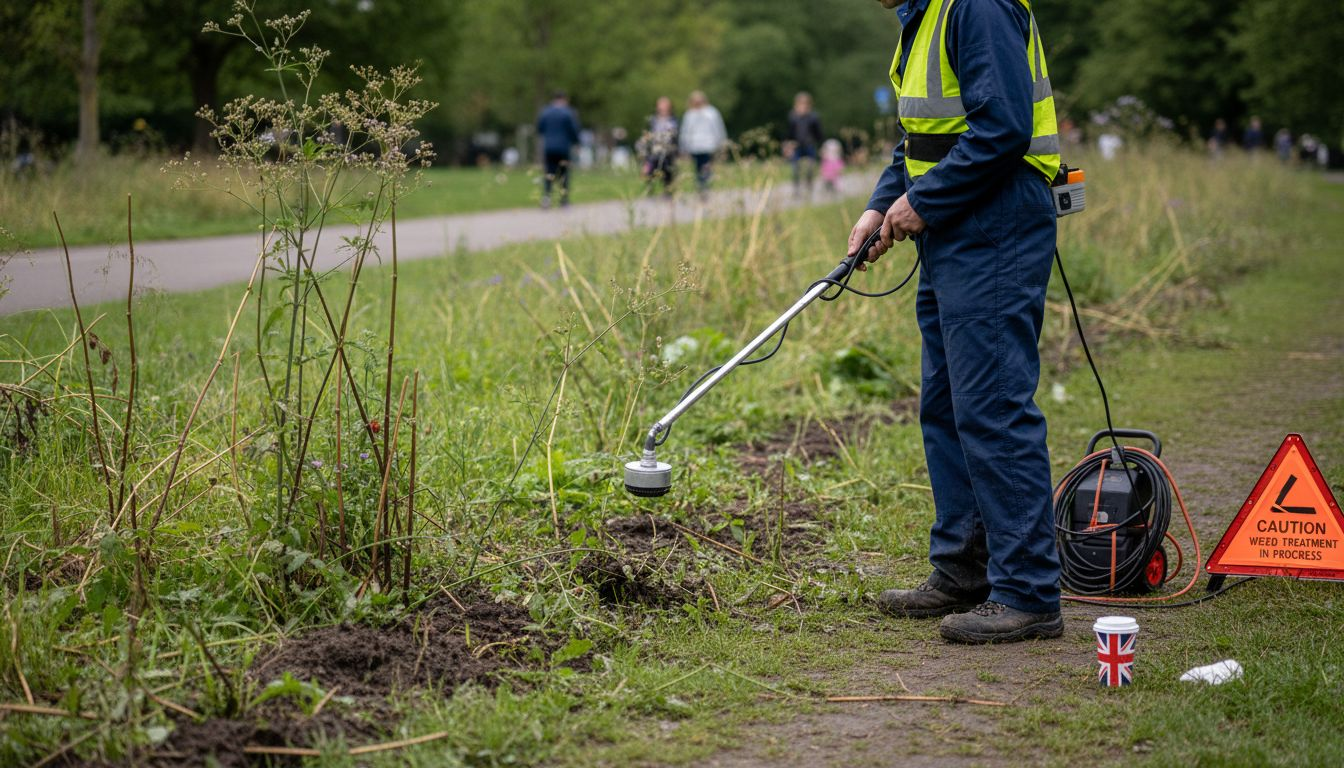
Treatment protocols require multiple sessions spaced over 18 to 24 months for complete eradication. Each application depletes energy reserves stored in underground rhizomes, progressively weakening the plant’s regenerative capacity. According to chemical-free eradication research, electric current treatments achieve over 80% eradication within 18-24 months without environmental contamination.
The chemical free knotweed treatment process follows a structured schedule. Initial treatments target visible stems during peak growing season. Follow-up sessions occur at six to eight week intervals to address regrowth from surviving rhizome fragments. Technicians adjust voltage and application duration based on plant response and seasonal factors.
| Treatment Method | Duration | Success Rate | Environmental Impact | Suitability Near Water |
|---|---|---|---|---|
| Electric Current | 18-24 months | 80%+ | None | Excellent |
| Chemical Herbicides | 12-36 months | 85-90% | Moderate to High | Poor |
| Excavation | Immediate | 95%+ | High (disposal) | Good |
| Root Barriers | Ongoing containment | Prevents spread | Low | Excellent |
Root barriers complement electric treatment by preventing lateral rhizome spread during the eradication phase. Professional installers bury high-density polyethylene membranes to depths of 1.5 to 2 meters around treatment zones. These physical barriers stop underground runners from colonizing adjacent areas or crossing into neighboring properties.
Comparing chemical vs eco invasive weed treatments reveals trade-offs between speed and safety. Chemical herbicides like glyphosate work faster but persist in soil for months. They pose risks to beneficial plants, soil organisms, and aquatic life if applied near water features. Regulatory restrictions increasingly limit herbicide use in residential areas.
Pro Tip: Combine electric current treatment with root barrier installation for maximum effectiveness. The barriers contain the infestation while treatment eliminates existing plants, creating a comprehensive management approach that satisfies lenders and protects property values.
The RHS documents treatment timelines showing that patience and consistency determine success. Homeowners who complete full treatment protocols achieve lasting eradication, while those who stop prematurely face recurring infestations that require starting over.
Common Mistakes to Avoid and How to Troubleshoot
Neglecting legal reporting obligations creates cascading problems that extend far beyond initial fines. Mortgage lenders routinely check local authority records for invasive weed reports during property transactions. Unreported infestations discovered during buyer surveys can collapse sales or trigger price reductions exceeding treatment costs. Always report promptly to establish your responsible approach and protect your legal position.
Stopping treatment before completion guarantees failure. According to treatment failure analysis, stopping treatment too early contributes to over 60% of treatment failures. Rhizome fragments remain viable for years underground, regenerating plants rapidly once treatment pressure ceases. Commit to the full 18 to 24 month protocol regardless of visible progress.
Inadequate or absent property surveys before treatment wastes resources and misses infestation extent. DIY assessments frequently underestimate rhizome spread by 40% or more, leading to incomplete treatment zones. Professional surveyors use specialized detection equipment that reveals underground networks invisible to casual inspection. Learning about survey errors in invasive weed detection helps homeowners choose qualified professionals.
Improper root barrier installation allows rhizomes to bypass containment:
- Barriers must extend at least 1.5 meters deep to block vertical rhizome growth
- Seams require heat welding, not mechanical fasteners that create breach points
- Installation needs certified professionals familiar with soil conditions and water tables
- Regular inspections detect breaches before significant spread occurs
Documentation lapses undermine legal compliance and treatment verification. Photograph treatment sessions, retain all service reports, and maintain correspondence logs. These records prove treatment consistency to mortgage lenders and provide evidence if disputes arise with neighbors or buyers.
When problems emerge during treatment, contact your service provider immediately rather than waiting for scheduled sessions. Early intervention addresses equipment issues, adjusts protocols for unexpected regrowth, and prevents minor setbacks from becoming major failures.
Expected Results and Outcomes After Reporting and Treatment
Full eradication timelines require patience and consistent application over 18 to 24 months. Visible plants typically die back within weeks of initial electric current treatment, but underground rhizomes persist much longer. Quarterly monitoring throughout the treatment period tracks regrowth patterns and guides session scheduling. Homeowners who maintain regular treatment schedules see progressive reduction in plant vigor and distribution.
Success rates exceeding 80% make chemical-free protocols highly reliable when properly executed. The RHS confirms treatment duration that treatment timelines typically last 18-24 months with eradication success above 80%. These outcomes match or exceed chemical herbicide performance without environmental risks or regulatory complications.
Professional surveys provide essential documentation for property transactions. According to industry cost analysis, professional invasive weed surveys cost between £300 to £600 in the UK. This investment yields mortgage-valid reports that reduce transaction delays by 20% compared to properties lacking proper documentation.
| Outcome Metric | Timeline | Success Rate | Property Impact |
|---|---|---|---|
| Visible plant elimination | 3-6 months | 90%+ | Immediate aesthetic improvement |
| Rhizome network depletion | 12-18 months | 80%+ | Progressive weakness |
| Complete eradication | 18-24 months | 80%+ | Full property value restoration |
| Mortgage approval support | Immediate with survey | 95%+ | Reduces delays by 20% |
| Environmental safety confirmation | Throughout treatment | 100% | No soil or water contamination |
Proper treatment documentation dramatically improves lender and buyer acceptance. Banks require evidence of active management plans before approving mortgages on affected properties. Complete treatment records, professional surveys, and ongoing monitoring reports satisfy these requirements. The weed survey guide for property purchase explains exactly what documentation lenders expect.
Environmental safety benefits extend beyond individual properties to community-wide advantages. Chemical-free treatment near schools, playgrounds, and residential gardens eliminates exposure concerns for children and pets. Absence of herbicide runoff protects local waterways and wildlife habitats, improving community support for treatment programs.
Protect Your Home with Expert Chemical-Free Solutions
Taking control of invasive weed problems protects your property investment and streamlines future transactions. Expert chemical free invasive plant solutions combine proven electric current technology with professional monitoring to ensure lasting results. These specialized services eliminate guesswork while meeting all legal reporting requirements.
Professional surveys deliver the legal documentation that mortgage lenders and conveyancing solicitors require. Detailed mapping and formal reports from qualified specialists satisfy due diligence requirements, preventing transaction delays and protecting sale prices. Access comprehensive step-by-step invasive weed management guidance and invasive weed survey services designed specifically for homeowners facing these challenging situations.
Frequently Asked Questions
How long does chemical-free invasive weed treatment take?
Chemical-free treatments using electric current technology typically require 18 to 24 months with multiple sessions for complete eradication. The RHS treatment guidelines confirm that treatment duration is typically 18-24 months for full eradication. Success depends on maintaining consistent session schedules and monitoring regrowth throughout the treatment period.
What personal protective equipment (PPE) is needed when handling invasive weeds?
Always wear gloves, eye protection, and long sleeves when inspecting or handling invasive weeds to prevent skin irritation and allergic reactions. According to HSE safety standards, required PPE includes gloves, eye protection, and long sleeves. This basic protection prevents direct contact with plant sap and broken stem fragments that can cause dermal exposure issues.
How much does a professional invasive weed survey cost?
Professional invasive weed surveys typically cost between £300 and £600 depending on property size, infestation complexity, and access challenges. The Homebuyers Guide documents that professional surveys cost between £300 and £600 in the UK. These surveys include detailed mapping, species identification, treatment recommendations, and formal reports that satisfy mortgage lender requirements.
Can I treat invasive weeds myself without reporting?
You must legally report invasive weed presence to local authorities regardless of whether you plan DIY treatment or hire professionals. Failure to report can result in fines up to £5,000 and creates legal liability if the infestation spreads to neighboring properties. Reporting establishes your compliance and protects against future claims, making it essential before starting any treatment program.