Japanese Knotweed vs Native Plants: Complete Guide

Over two percent of development sites in Great Britain have already documented Japanese knotweed infestations, showing how quickly this invasive threat spreads. The battle against this relentless plant goes far beyond garden upkeep. When Japanese knotweed takes hold, it can crowd out native species and even damage property foundations. Knowing how to distinguish between invasive plants and native vegetation can help property owners and conservationists protect local wildlife and prevent costly repairs.

Table of Contents

Key Takeaways

Point Details
Invasive Nature of Japanese Knotweed Japanese knotweed is an aggressive invasive species that significantly threatens native ecosystems and biodiversity. Its rapid growth and robust root system allow it to outcompete local flora.
Legal Responsibilities for Property Owners Landowners must prevent the spread of Japanese knotweed and manage its disposal according to strict regulations to avoid legal penalties.
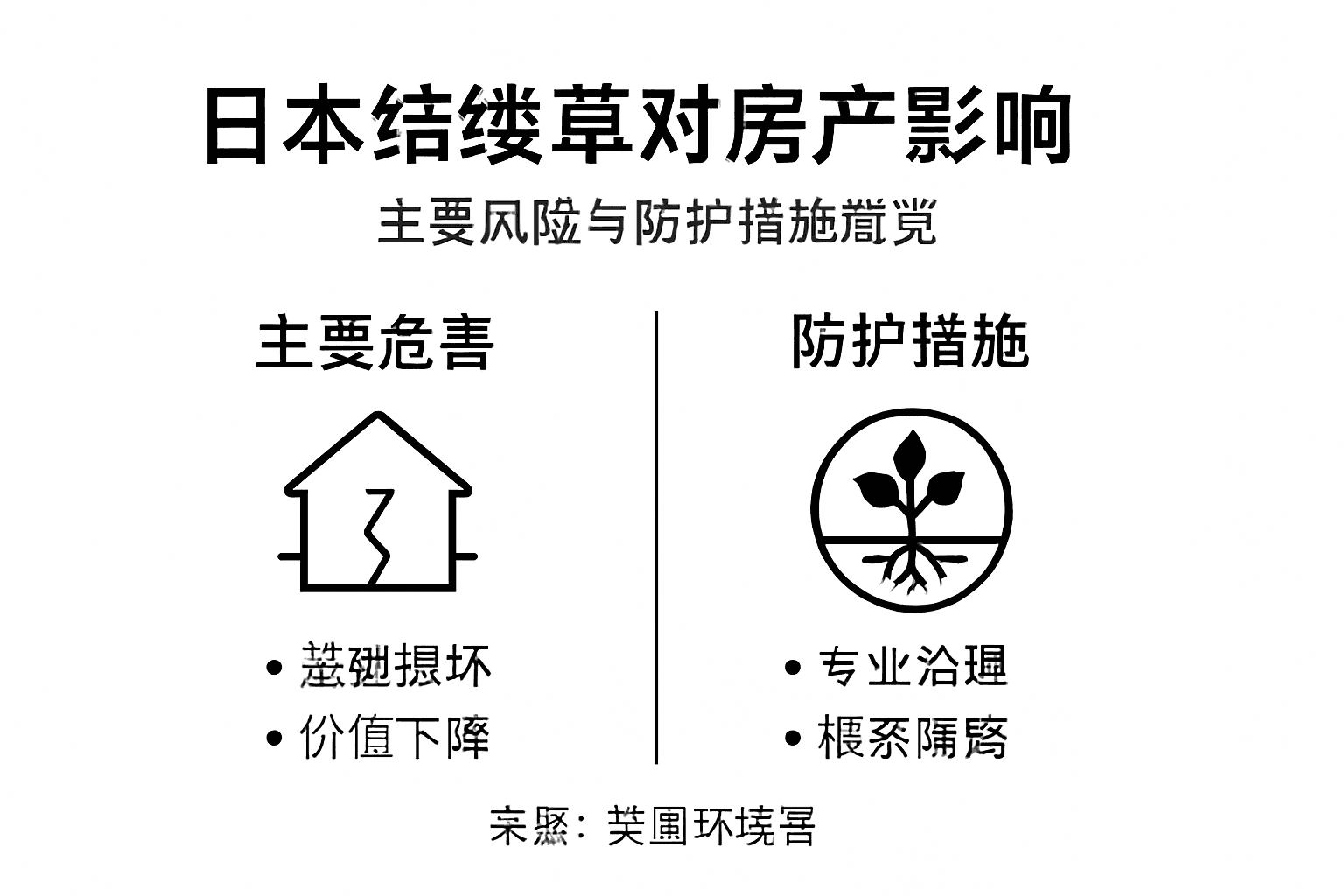
Environmental and Property Risks Japanese knotweed can severely damage property structures and decrease property values, while also disrupting local wildlife habitats and reducing ecosystem resilience.
Chemical-Free Management Strategies Effective eradication requires non-chemical methods such as repeated cutting and root zone excavation, with ongoing monitoring and preventive measures essential for long-term management.

Defining Japanese Knotweed and Native Plants

Japanese knotweed represents one of the most aggressive and destructive invasive plant species across the United Kingdom. According to RHS, this herbaceous perennial was originally introduced as an ornamental garden plant but has since transformed into a significant environmental threat.

The plant’s characteristics make it particularly dangerous to native ecosystems. Wildlife Trusts highlights that Japanese knotweed frequently colonizes riverbanks, waste grounds, and roadside areas, systematically preventing native species from establishing and growing. Its rapid spread and resilient root system allow it to outcompete local plant populations with remarkable efficiency.

Native plants, by contrast, represent the indigenous vegetation naturally occurring in a specific geographic region without human introduction. These plants have evolved within local ecosystems, forming complex interdependent relationships with native wildlife, insects, and microorganisms. They play crucial roles in maintaining biodiversity, soil health, and environmental stability.

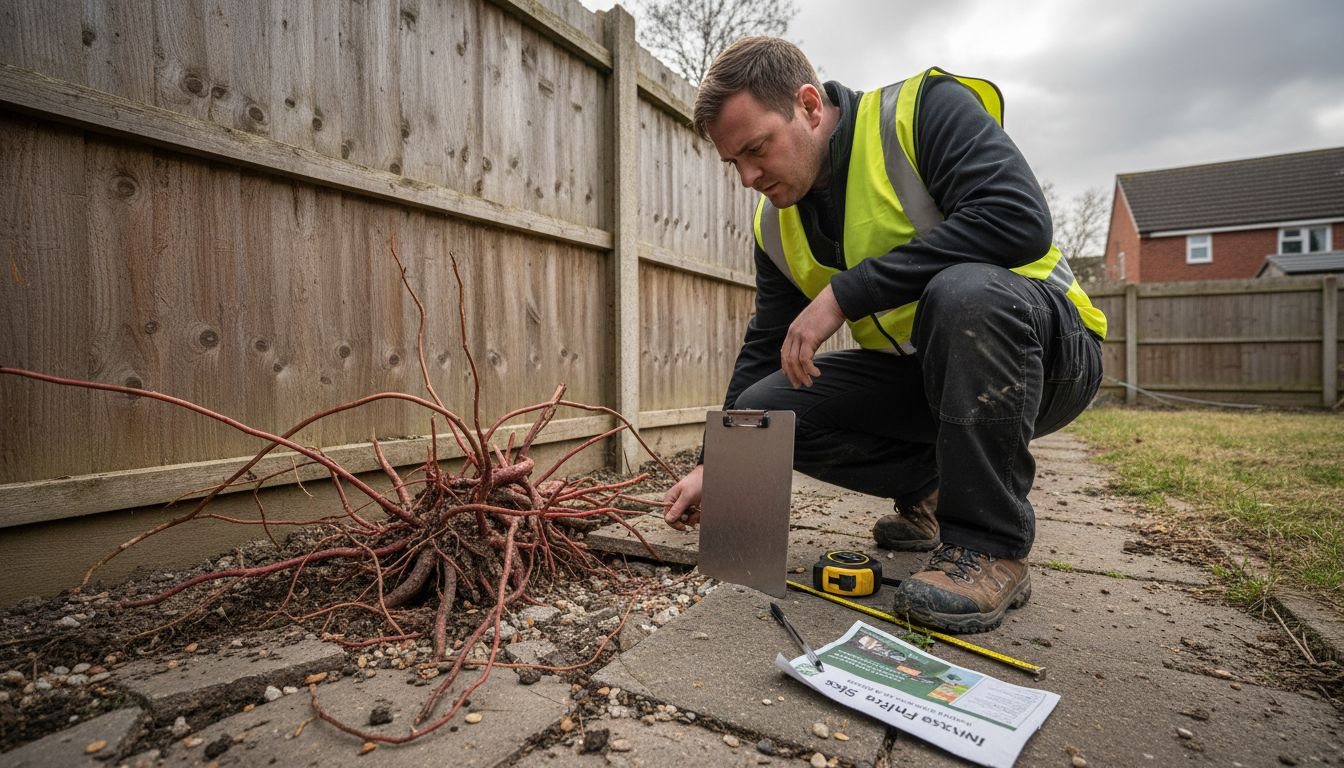
knotweed vs native comparison

Understanding the fundamental differences between Japanese knotweed and native plants becomes essential for property owners, environmental managers, and conservation professionals. Learn more about Japanese knotweed identification to recognize and address potential invasive plant challenges effectively.

Identifying Invasive Versus Native Species

Identifying invasive species requires a keen understanding of their ecological impact and distinctive characteristics. According to Groundwork, Invasive Non-Native Species (INNS) are plants or animals introduced to an ecosystem that disrupt native biodiversity by aggressively competing for essential resources like food, shelter, and territory.

NNNSI highlights Japanese knotweed as a prime example of an invasive alien species, noting its introduction in the 19th century as an ornamental plant that has since spread dramatically across landscapes, forming dense thickets that systematically overwhelm native vegetation.

Key characteristics for identifying invasive species include:

  • Rapid and uncontrolled growth patterns
  • Ability to reproduce quickly and spread aggressively
  • Minimal natural predators or control mechanisms
  • Capacity to adapt to multiple environmental conditions

Recognizing these traits becomes crucial for property owners and environmental managers seeking to protect native ecosystems.

More on invasive weeds regulation can help you understand the broader implications of managing these challenging plant species.

Environmental and Property Impacts Compared

Japanese knotweed represents a significant threat to both environmental ecosystems and property infrastructure. According to Publications, the plant has been documented affecting over 2% of development sites and 1.25% of residential properties across Great Britain, demonstrating its extensive potential for damage.

NNNSI reveals the plant’s destructive mechanism, which spreads through vegetative reproduction from even tiny root or stem fragments. This unique propagation method allows Japanese knotweed to rapidly colonize areas, causing substantial environmental disruption by smothering native vegetation and potentially contributing to serious ecological challenges like riverbank erosion and increased flood risks.

The environmental and property impacts can be compared through several critical dimensions:

  1. Ecological Impact
  • Eliminates native plant biodiversity
  • Disrupts local wildlife habitats
  • Reduces ecosystem resilience
  1. Property Structural Risks
  • Penetrates building foundations
  • Damages pavements and infrastructure
  • Decreases property value
  • Complicates construction and development projects

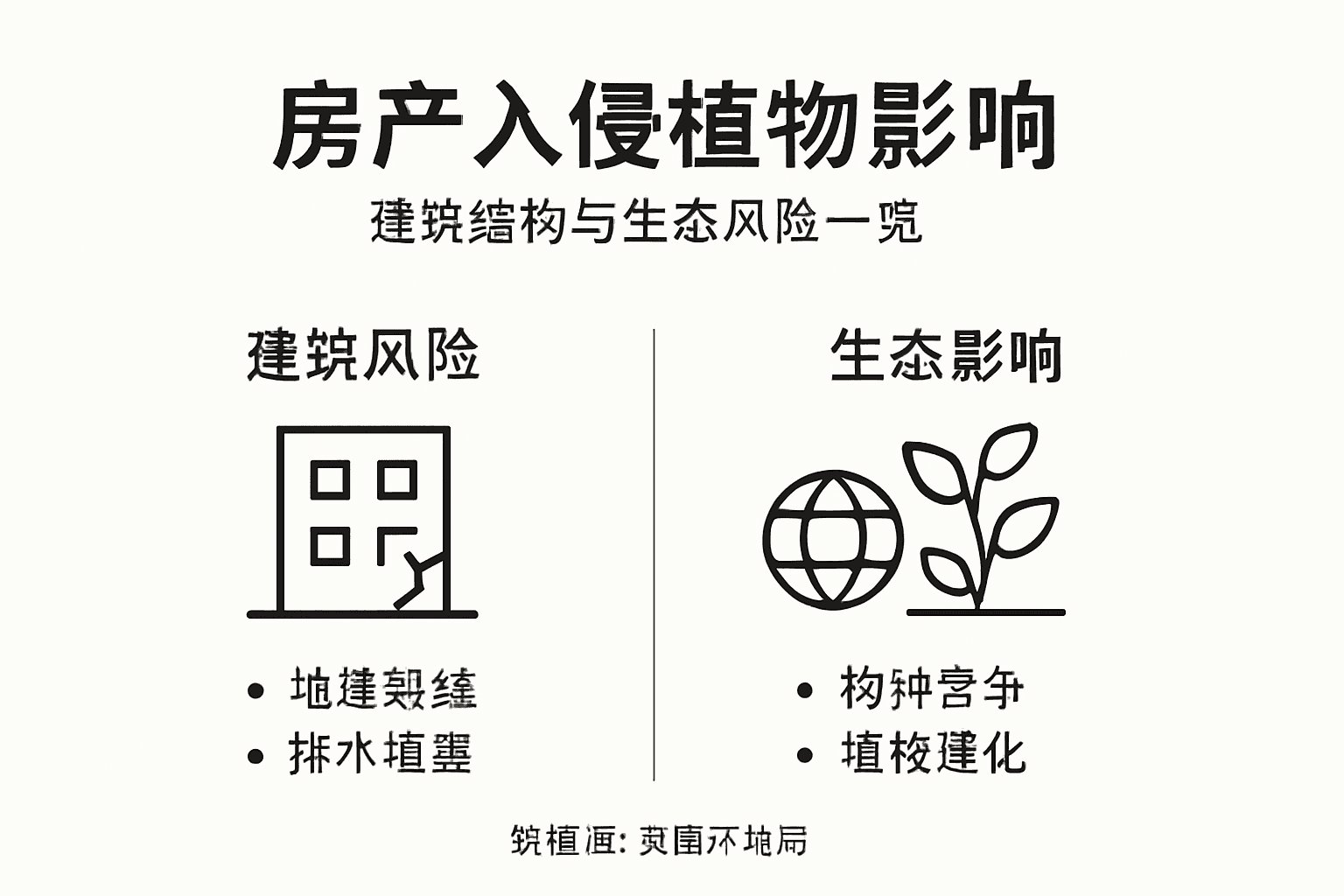
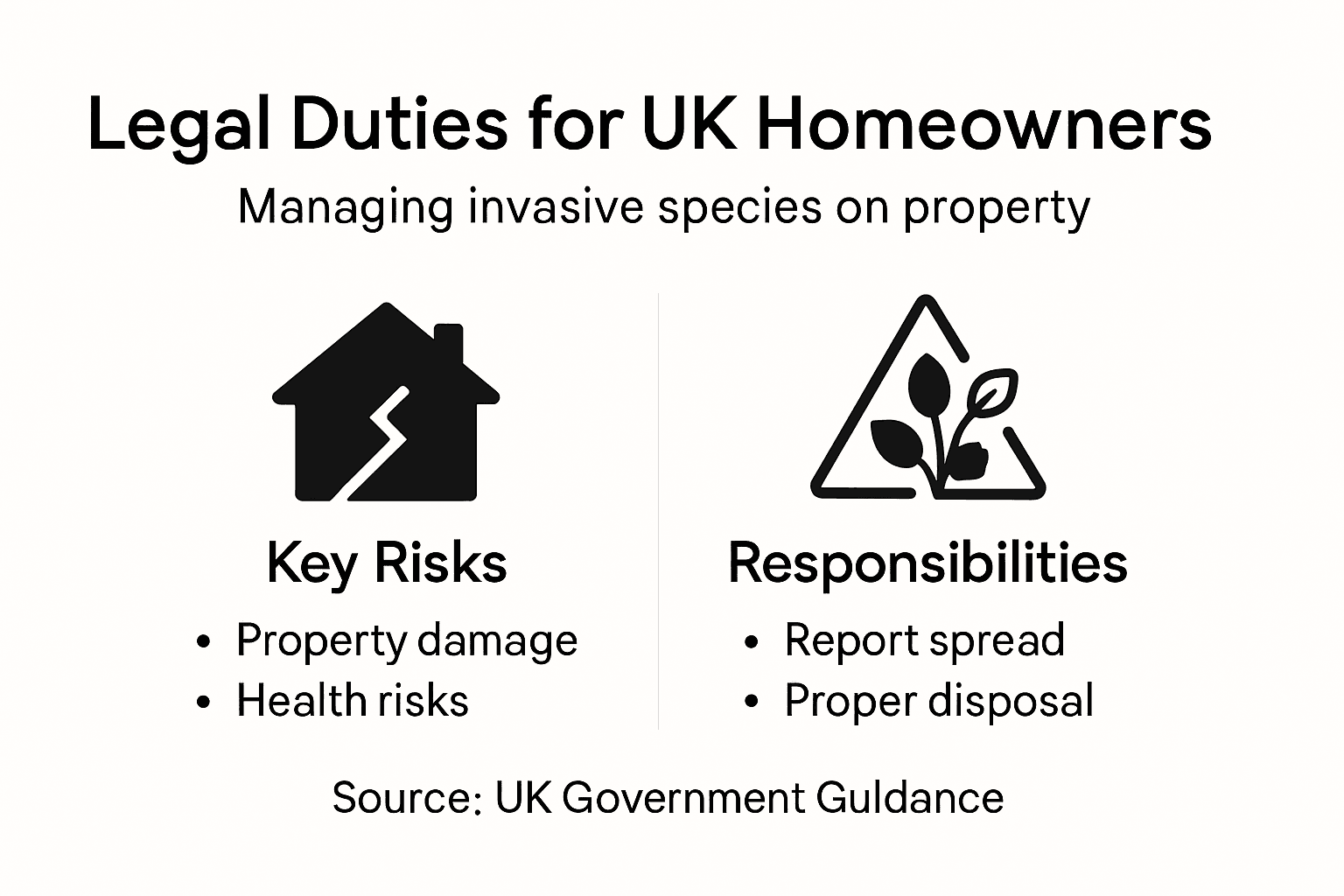
Infographic comparing Japanese knotweed and native plants by root structure and environmental impact.

Property owners and environmental managers must recognize these multifaceted risks to implement effective management strategies. Learn more about invasive weeds regulation to understand comprehensive approaches to mitigating these challenges.

Property owners and land managers face critical legal obligations when dealing with invasive plant species like Japanese knotweed. According to Gov.uk, landowners must prevent Japanese knotweed from spreading beyond their property boundaries, with contaminated soil or plant material classified as controlled waste that requires specialized handling.

RHS emphasizes the complex legislative landscape surrounding invasive non-native species, warning that certain plants cannot be legally grown, transported, sold, or maintained without strict compliance with existing regulations.

Key Legal Responsibilities Include:

  • Preventing spread of Japanese knotweed to neighboring properties
  • Proper disposal of contaminated soil and plant material
  • Reporting significant infestations to local authorities
  • Maintaining comprehensive documentation of treatment efforts

Survey requirements are equally stringent, necessitating professional assessment to:

  • Identify precise extent of knotweed infestation
  • Determine potential property and ecological damage
  • Develop comprehensive eradication strategies
  • Provide legal documentation for property transactions

Property owners seeking professional guidance can complete the surveyor registration form to initiate a comprehensive invasive species assessment and management plan.

Chemical-Free Eradication and Prevention Methods

Japanese knotweed eradication demands a multifaceted approach that goes beyond traditional chemical treatments. According to Garden Organic, this invasive rhizomatous perennial requires persistent management techniques that focus on disrupting its extensive root system.

RHS recommends professional intervention, acknowledging that non-chemical methods can be challenging but not impossible. The key is understanding the plant’s complex reproductive mechanisms and targeting its core vulnerabilities.

Effective Chemical-Free Eradication Strategies:

  • Repeated Cutting: Systematically cutting growth to exhaust root energy reserves
  • Root Zone Excavation: Removing entire root network to depths of 3 meters
  • Root Barrier Installation: Preventing lateral root spread
  • Targeted Energy Disruption: Utilizing specialized non-chemical treatment techniques

Prevention Methods Include:

  • Regular site monitoring
  • Immediate identification of new growth
  • Implementing physical barriers
  • Maintaining robust landscape management practices

Property owners seeking comprehensive insights can explore our latest blog resources for advanced non-chemical knotweed management strategies.

Take Control of Japanese Knotweed to Protect Your Property and Native Plants

Dealing with the invasive threat of Japanese knotweed is more than just a gardening challenge it is about safeguarding your property value and preserving native plants that sustain local ecosystems. If you recognize the rapid spread and destructive power of this aggressive weed as described in the guide you need a solution that goes beyond cutting and chemical treatments. Japanese Knotweed Agency specializes in chemical free treatments that deliver direct energy shocks to the knotweed’s root system effectively damaging it from within and preventing further growth.

https://japaneseknotweedagency.co.uk

Stop the knotweed from invading your land and damaging your property foundations. Our expert team also offers root barrier installation and excavation works to provide a comprehensive defense. For thorough support start by booking your professional property survey for invasive weeds today so you can make the right decisions early. Visit Japanese Knotweed Agency now and protect your assets with proven, eco-friendly control strategies designed to restore balance between invasive species and native plants.

Frequently Asked Questions

What is Japanese knotweed and why is it considered invasive?

Japanese knotweed is a highly aggressive invasive plant species that outcompetes native plants. Originally introduced as an ornamental plant, it now poses a significant environmental threat, colonizing areas and disrupting local ecosystems.

How can I identify Japanese knotweed from native plants?

Key characteristics of Japanese knotweed include rapid growth, dense thickets, and a resilient root system that allows it to spread aggressively. In contrast, native plants typically have established growth patterns and support local wildlife.

What are the environmental impacts of Japanese knotweed?

Japanese knotweed can severely reduce native plant biodiversity, disrupt local habitats, and pose risks like riverbank erosion and increased flooding due to its invasive nature and ability to smother other vegetation.

Property owners must manage Japanese knotweed to prevent its spread, properly dispose of contaminated soil, and report significant infestations. Legal compliance includes maintaining documentation of treatment and survey efforts.

Why Report Knotweed: Complete Homeowner Guide UK

Over 850,000 properties in the UK are believed to be at risk from Japanese knotweed, making it one of the most feared plants among homeowners and buyers. What often starts as a small cluster of shoots can quickly threaten property values, legal standing, and peace of mind. Understanding how this fast-spreading plant operates and why it poses such a challenge can help you protect your investment, avoid legal trouble, and make smarter property decisions.

Table of Contents

Key Takeaways

Point Details
Japanese Knotweed Threat This invasive plant can cause property devaluation and legal repercussions for homeowners if not managed properly.
Legal Responsibilities Property owners may face fines or civil liability for failing to control knotweed spread, despite no mandatory national reporting requirements.
Impact on Property Values The presence of Japanese knotweed can reduce property values by 10-20% and complicate mortgage approvals.
Treatment Approaches Sustainable and biological control methods are encouraged, alongside professional management to effectively mitigate knotweed issues.

Understanding Japanese Knotweed And Its Threat

Japanese knotweed is an aggressive and highly invasive plant species that can cause significant problems for property owners across the United Kingdom. Despite its unassuming appearance, this plant has the potential to wreak havoc on buildings, landscapes, and property values. Understanding its characteristics and threat level is crucial for homeowners and potential property buyers.

Contrary to popular belief, recent research from the University of Leeds suggests that Japanese knotweed might not cause as much structural damage as previously thought. The study indicates that while invasive, the plant’s impact on buildings may be less severe compared to other plant species. However, this does not diminish the need for careful management and proactive treatment.

The impact of Japanese knotweed extends far beyond physical damage. As highlighted by the UK Parliament’s Science and Technology Committee, the current approach to this plant is overly cautious and can significantly affect property sales and valuations. Key concerns include:

  • Rapid and aggressive growth through underground rhizome networks
  • Ability to penetrate concrete and foundation structures
  • Potential to devalue property by up to 10-15%
  • Legal obligations for property owners to manage and control the spread

Recognizing Japanese knotweed early is essential. The plant typically appears in late spring, with red or purple shoots emerging from the ground, quickly developing into bamboo-like stems with distinctive green leaves. Its underground root system can extend several meters from the visible plant, making complete eradication challenging without professional intervention.

Navigating the legal landscape surrounding Japanese knotweed is complex and critically important for property owners. While there is no mandatory national reporting requirement, property owners face significant potential legal consequences if they fail to manage this invasive plant responsibly.

According to UK Parliament Publications, although there is no explicit legal requirement to report Japanese knotweed, property owners can face serious legal repercussions if they allow the plant to spread. Potential consequences include substantial fines and even imprisonment, particularly if the plant spreads onto neighboring properties.

The legal implications of Japanese knotweed are multifaceted and can impact property transactions, insurance, and potential litigation. Key legal considerations include:

  • Potential civil liability for damages to neighboring properties
  • Mandatory disclosure during property sales
  • Risk of prosecution for allowing uncontrolled spread
  • Potential reduction in property value

The UK Government is actively developing strategies to address invasive species, including research into biocontrol methods and supporting local action groups. This suggests an evolving approach to managing plants like Japanese knotweed, with increasing emphasis on proactive management and community involvement.

For property owners, the most prudent approach is to treat Japanese knotweed as a serious legal and environmental responsibility. This means prompt identification, professional assessment, and comprehensive management to prevent spread and potential legal complications. Consulting with legal professionals and invasive plant specialists can provide tailored guidance for your specific situation.

Impact On Property Values And Mortgages

Japanese knotweed represents one of the most significant threats to property value and mortgage accessibility in the UK property market. Its presence can create substantial challenges for homeowners looking to sell or refinance their properties, often triggering complex financial and legal implications.

Research from the University of Leeds highlights the chilling effect on property sales, revealing that the mere presence of Japanese knotweed can dramatically impact a property’s marketability. Even though scientific evidence suggests the plant’s physical damage might be comparable to other invasive species, its reputation continues to create significant barriers in real estate transactions.

The financial implications for property owners are substantial and multifaceted:

  • Potential property value reduction of 10-20%
  • Increased difficulty obtaining mortgage approvals
  • Higher insurance and remediation costs
  • Mandatory professional treatment requirements

The UK Parliament’s Science and Technology Committee has acknowledged that current approaches to Japanese knotweed may be disproportionate, yet most mortgage lenders remain cautious. Many financial institutions require a professional survey and comprehensive treatment plan before approving a mortgage, effectively creating significant obstacles for property owners.

Navigating these challenges requires a proactive approach. Property owners discovering Japanese knotweed should immediately consult specialist surveyors, obtain professional treatment plans, and maintain comprehensive documentation to mitigate potential financial impacts. By taking swift, documented action, homeowners can potentially minimize the negative consequences and demonstrate responsible management to potential buyers and mortgage providers.

Risks Of Unreported Knotweed Infestations

Ignoring or failing to address a Japanese knotweed infestation can lead to catastrophic consequences for property owners, extending far beyond simple plant management. The risks associated with unreported knotweed are multifaceted and can create significant legal, financial, and environmental challenges.

According to UK Parliamentary Publications, unreported knotweed infestations can result in serious legal repercussions, including potential fines and even imprisonment. Property owners who neglect to manage or disclose knotweed may find themselves facing civil claims from neighbors whose properties could be impacted by the plant’s aggressive spreading mechanisms.

The potential risks of unreported knotweed include:

  • Exponential spread of invasive plant species
  • Structural damage to foundations and underground infrastructure
  • Significant reduction in property market value
  • Potential legal disputes with neighboring properties
  • Costly professional eradication requirements

The UK Government emphasizes the critical importance of managing invasive species like Japanese knotweed to prevent broader environmental and economic damage. By supporting local action groups and promoting proactive management, they underscore the collective responsibility in controlling these destructive plants.

For property owners, the most prudent approach is immediate identification, professional assessment, and comprehensive documentation. The consequences of letting Japanese Knotweed spread can be far-reaching, potentially transforming a minor botanical issue into a significant legal and financial nightmare. Swift, transparent action is the most effective strategy in mitigating the risks associated with unreported knotweed infestations.

knotweed legal disclosure

Treatment Options And Chemical-Free Solutions

Addressing Japanese knotweed requires a comprehensive and strategic approach that balances effectiveness with environmental responsibility. Modern treatment methods have evolved significantly, moving beyond traditional chemical interventions toward more sustainable and targeted solutions.

Research funded by Defra highlights innovative biological control methods as a promising alternative to conventional treatments. UK Government Assets specifically identifies the psyllid Aphalara itadori as a cost-effective and environmentally friendly approach to managing Japanese knotweed populations.

Key treatment strategies include:

  • Targeted biological control agents
  • Reduced herbicide application techniques
  • Physical root barrier installations
  • Energy-based eradication methods
  • Comprehensive monitoring and ongoing management

According to additional UK Government research, integrating biological control agents with minimal chemical interventions can significantly reduce environmental impact while maintaining effective knotweed management.

Infographic comparing impacts of reporting versus not reporting knotweed. This integrated approach represents a more nuanced and responsible strategy for property owners and environmental managers.

For those seeking comprehensive information on invasive plant management, the Blog Masonry resource offers additional insights into emerging treatment techniques. Property owners should prioritize professional assessment and tailored treatment plans that minimize environmental disruption while effectively controlling knotweed spread.

Take Control of Japanese Knotweed Before It Takes Control of Your Property

Dealing with Japanese knotweed can feel overwhelming, especially when legal responsibilities and property values hang in the balance. The risks of letting knotweed spread unchecked include costly legal consequences, diminished property prices, and lengthy delays in mortgage approvals. You need a solution that is both effective and environmentally responsible. That is where Japanese Knotweed Agency steps in.

https://japaneseknotweedagency.co.uk

Our pioneering chemical-free treatment delivers direct energy up to 5000 volts right on site to damage knotweed’s root network deep underground. Combined with expert root barrier installation and excavation, this approach minimizes environmental impact while maximizing eradication success. If you want reliable property surveys and comprehensive invasive weed management across England, Wales, and Ireland, don’t wait for the problem to escalate. Visit Japanese Knotweed Agency today and take the first step toward protecting your home and investment. Learn more about our chemical-free knotweed treatment and see why responsible knotweed management is urgent now.

Frequently Asked Questions

What is Japanese knotweed and why is it a problem for homeowners?

Japanese knotweed is an invasive plant species that can grow rapidly and damage buildings, landscapes, and property values. It poses a significant threat as it can penetrate concrete and foundations, leading to potential financial and legal issues for homeowners.

While there’s no mandatory national reporting requirement, property owners can face legal consequences if they fail to manage Japanese knotweed. This includes potential fines and civil liability for allowing the plant to spread onto neighboring properties.

How can Japanese knotweed affect property value and mortgages?

The presence of Japanese knotweed can lead to a property value reduction of 10-20% and complicate mortgage approvals. Many lenders require professional surveys and treatment plans before offering mortgages, making it essential for property owners to address the infestation promptly.

What are the treatment options for Japanese knotweed?

Treatment options include targeted biological control methods, reduced herbicide application techniques, physical root barriers, and energy-based eradication methods. Homeowners should seek professional assessment to develop a tailored treatment plan that minimizes environmental impact while effectively managing the knotweed.

Why Knotweed Spreads Fast: Complete UK Guide

Japanese knotweed is far more than a stubborn weed—this invasive plant costs the UK economy up to £165 million per year in control and property damage. Its relentless growth can break through concrete, threaten house foundations, and destroy native habitats before you even notice a problem. With so much at stake, understanding Japanese knotweed and its potential impact on your property is the first step in protecting both your investment and your local environment.

Table of Contents

Key Takeaways

Point Details
Invasive Nature Japanese knotweed is a highly aggressive invasive species that disrupts local ecosystems and can significantly reduce property values.
Rhizome Resilience The extensive rhizome network allows for rapid regeneration and spread, complicating traditional removal efforts.
Legal Responsibilities Homeowners must disclose knotweed presence, prevent its spread, and seek professional removal to avoid legal and financial repercussions.
Environmental Impact Knotweed thrives in disturbed soil and moisture-rich environments, making it essential for property owners to control its spread to protect native biodiversity.

What Is Knotweed And Why It Matters

Japanese knotweed represents an extraordinary environmental challenge that can devastate property landscapes and ecosystems. This invasive plant species, originally introduced to the UK in the 19th century, has rapidly become one of the most aggressive and destructive non-native plants in the region.

According to Wildlife Trusts, Japanese knotweed thrives on riverbanks, waste grounds, and roadside verges, systematically outcompeting native plant species and disrupting local ecological balance. Its remarkable ability to spread makes it a significant concern for property owners, environmental managers, and local authorities.

Characteristics of Japanese Knotweed:

  • Tall herbaceous perennial with bamboo-like stems
  • Capable of growing up to 4 meters in height
  • Extremely resilient root system that can penetrate concrete and building foundations
  • Spreads rapidly through underground rhizome networks

As detailed by RCTCBC, this plant commonly forms dense thickets in urban environments such as waste lands, railways, roadsides, and riverbanks. Its aggressive growth pattern allows it to quickly dominate and eliminate native flora, creating significant ecological and structural challenges.

The economic and environmental implications of Japanese knotweed are substantial. Property values can dramatically decrease, and removal costs can run into thousands of pounds. Understanding its characteristics, spread mechanisms, and potential impacts is crucial for effective management and mitigation strategies.

Lifecycle And Growth Habits Of Knotweed

Japanese knotweed exhibits an extraordinary growth pattern that makes it one of the most tenacious and challenging invasive plant species. Its lifecycle is characterized by remarkable resilience and rapid proliferation, which allows it to survive and spread under seemingly impossible conditions.

The plant’s growth cycle begins in early spring when rhizome buds emerge from underground root systems. These initial shoots rapidly develop into thick, bamboo-like stems that can grow up to 3-4 meters tall in a single growing season. During the summer months, the plant produces distinctive cream-white flowers and continues its aggressive expansion through both above-ground and underground mechanisms.

Key Growth Characteristics:

  • Emerges in early spring from dormant rhizome networks
  • Grows incredibly quickly, up to 10 cm per day during peak season
  • Produces dense bamboo-like stems with distinctive zigzag patterns
  • Capable of penetrating concrete and building foundations

The underground rhizome network is perhaps the most dangerous aspect of Japanese knotweed.

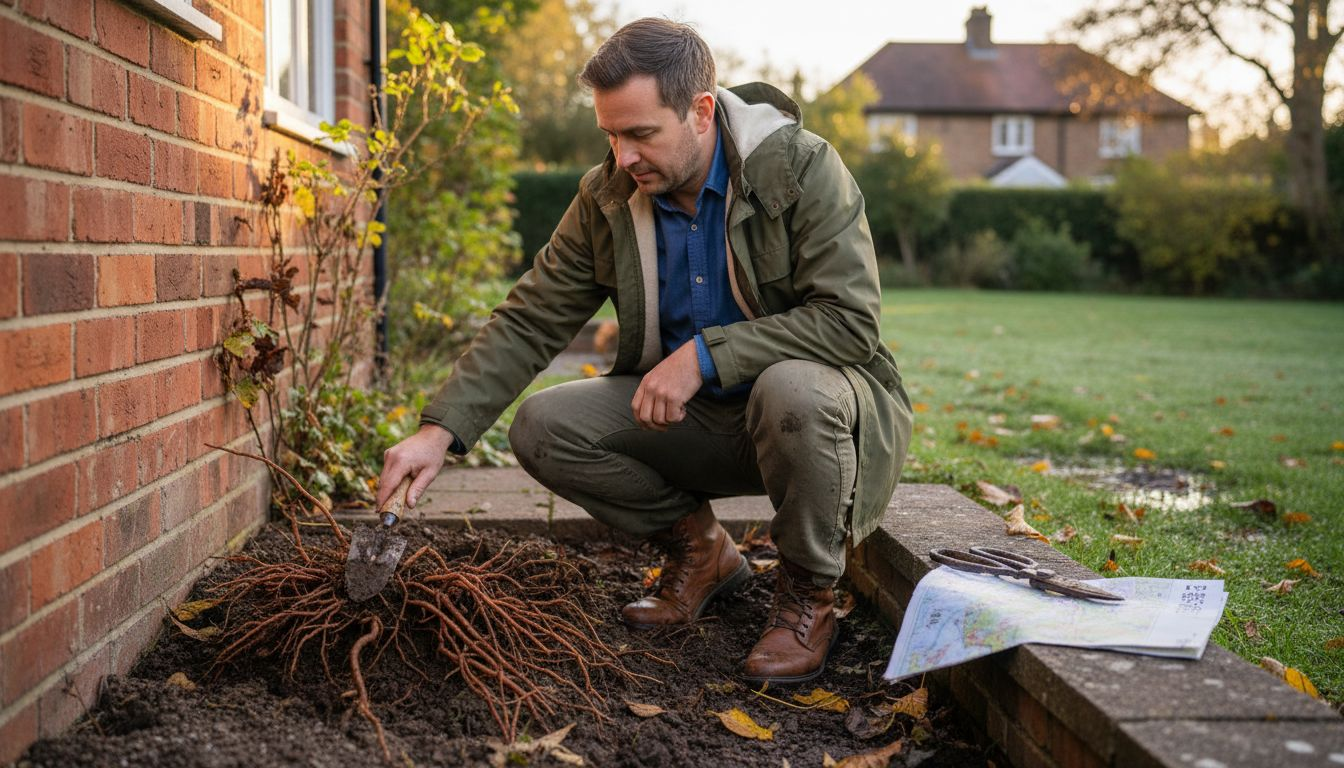
knotweed rhizome excavation These root systems can extend several meters horizontally and vertically, allowing the plant to regenerate from tiny root fragments. This means that even minimal disturbance can potentially spread the plant, making traditional removal methods like cutting or digging extremely challenging.

Understanding the consequences of letting Japanese Knotweed spread is crucial. By late summer, the plant’s above-ground growth begins to die back, but the robust rhizome network remains alive underground, ready to regenerate with explosive growth in the following spring. This persistent lifecycle makes Japanese knotweed a formidable opponent for property owners and ecological management professionals.

Rhizome Networks: The Secret To Rapid Spread

The rhizome network of Japanese knotweed represents a botanical marvel of survival and propagation that makes this plant one of the most formidable invasive species in the world. Unlike traditional plants that rely primarily on seed dispersal, knotweed has developed an underground communication and reproduction system that allows it to spread with unprecedented efficiency.

According to Inside Ecology, the extensive rhizome system can spread up to 8 meters from the parent plant, enabling it to rapidly outcompete native flora. This extraordinary underground network functions like a complex biological highway, allowing the plant to regenerate and colonize new territories with minimal disruption.

Rhizome Network Characteristics:

  • Can regenerate from fragments as small as 0.7 grams
  • Capable of extending 8 meters horizontally
  • Penetrates soil depths up to 3 meters
  • Remains dormant but viable for extended periods
  • Can survive extreme environmental conditions

The biological sophistication of these rhizome networks means that traditional removal methods like cutting, digging, or chemical treatments often prove ineffective. Each fragment contains the potential to generate an entirely new plant, making complete eradication exceptionally challenging. The rhizomes store enormous energy reserves, allowing the plant to survive harsh winters and quickly re-emerge in spring with explosive growth.

For property owners and land managers, understanding these underground networks is crucial. The rhizome’s ability to lie dormant and then suddenly regenerate makes Japanese knotweed a persistent threat that requires comprehensive, professional intervention to successfully manage and eliminate.

Factors Accelerating Knotweed Infestation

Japanese knotweed’s ability to spread rapidly is a complex interplay of biological adaptation and human-induced environmental factors. This invasive plant has developed extraordinary mechanisms that allow it to colonize and dominate new territories with shocking efficiency, making it a nightmare for property owners and ecological management professionals.

According to RCTCBC, Japanese knotweed spreads rapidly through both natural means and human activities, with its rhizomes capable of regenerating from incredibly small fragments. This biological trait enables the plant to create dense thickets that quickly outcompete native flora and potentially cause significant structural damage.

Primary Acceleration Factors:

  • Soil disturbance during construction or landscaping
  • Transportation of contaminated soil or plant fragments
  • Ineffective removal techniques that fragment the rhizome
  • Moisture-rich environments with minimal competition
  • Lack of natural predators in non-native ecosystems

As detailed by Inside Ecology, the plant’s extensive rhizome system can extend up to 8 meters from the parent plant, creating an underground network that makes complete eradication extremely challenging. Human activities often inadvertently accelerate this spread, with construction, land development, and improper waste management serving as unintentional transportation mechanisms.

Understanding what Japanese Knotweed really does is crucial for property owners and land managers. The plant’s ability to exploit even minimal environmental disturbances means that without professional intervention, a small infestation can rapidly transform into a large-scale ecological challenge that threatens property integrity and native biodiversity.

Infographic showing how Japanese knotweed spreads underground, through soil movement, and via contaminated waste.

The legal landscape surrounding Japanese knotweed is complex and fraught with potential financial and regulatory risks for property owners. Understanding the legislative framework is not just advisable—it’s absolutely essential to protecting yourself from potential legal and economic consequences.

According to RCTCBC, Japanese knotweed is explicitly listed under Schedule 9 of the Wildlife and Countryside Act 1981, making it a serious offence to intentionally plant or cause the plant to grow in the wild. Furthermore, under the Environmental Protection Act 1990, it is classified as controlled waste, which requires specialized and proper disposal procedures.

Key Legal Responsibilities for Homeowners:

  • Prevent knotweed from spreading to neighboring properties
  • Disclose knotweed presence during property sales
  • Use certified professionals for removal
  • Ensure proper waste disposal protocols
  • Maintain comprehensive documentation of treatment

As highlighted by Inside Ecology, the economic implications are substantial, with removal costs potentially exceeding £1,000 per square meter. This means that neglecting your legal responsibilities can result in significant financial penalties, potential litigation, and dramatic reductions in property value.

For those navigating the complexities of Japanese Knotweed and its detrimental effect on the property industry, professional guidance is critical. Failure to address knotweed proactively can lead to legal disputes, insurance complications, and potentially devastating financial consequences that extend far beyond simple removal costs.

Take Control of Rapid Knotweed Spread with Proven Solutions

The article highlights the relentless growth and underground resilience of Japanese knotweed through its vast rhizome network. If the rapid spread and tough eradication methods have left you feeling overwhelmed, you are not alone. The threat to your property and peace of mind is real. Ignoring this invasive plant can lead to costly damage and legal challenges.

At Japanese Knotweed Agency, we understand what it takes to fight back. Our chemical-free treatments deliver powerful energy directly into the roots, targeting the stubborn rhizome network that fuels knotweed’s unstoppable growth. Along with expert root barrier installation and excavation works, we provide thorough property surveys across England, Wales, and Ireland to ensure no infestation goes unnoticed.

https://japaneseknotweedagency.co.uk

Don’t let knotweed’s fast spread control your life or property value. Visit Japanese Knotweed Agency today to discover how innovative, safe, and effective solutions can stop knotweed in its tracks. Explore more about the consequences of letting Japanese Knotweed spread and understand what Japanese Knotweed really does so you can act now before the problem grows out of control.

Frequently Asked Questions

What characteristics make Japanese knotweed so invasive?

Japanese knotweed has bamboo-like stems and an extensive rhizome network. It can grow up to 4 meters tall and spread rapidly through underground roots, outcompeting native plant species and disrupting ecosystems.

How does the rhizome network contribute to the rapid spread of knotweed?

The rhizome network can extend up to 8 meters horizontally and regrows from fragments as small as 0.7 grams. This resilience allows the plant to regenerate quickly and colonize new areas, making eradication challenging.

What factors accelerate the infestation of Japanese knotweed?

Factors include soil disturbance from construction, transportation of contaminated soil, ineffective removal techniques, and moisture-rich environments that reduce competition with native species.

Homeowners must prevent knotweed from spreading to neighboring properties, disclose its presence during sales, use certified professionals for removal, and ensure proper waste disposal to avoid significant legal and financial penalties.

Complete Guide to How Japanese Knotweed Spreads

Japanese knotweed can regenerate from pieces as small as 1 centimeter, making it one of the most stubborn invasive plants in the United Kingdom. This plant’s reach is not just a gardener’s problem; a single careless action can spark widespread infestations, disrupt property sales, and lead to costly eradication efforts. Learning how and why Japanese knotweed spreads helps you protect your property, avoid financial risk, and make informed decisions about control.

Table of Contents

Key Takeaways

Point Details
Invasive Nature Japanese knotweed is a highly invasive species that spreads primarily through its extensive rhizome network, making eradication difficult.
Propagation Mechanics The plant propagates through small rhizome or stem fragments, often transported unintentionally by human activities, complicating management efforts.
Property Risks The presence of Japanese knotweed can significantly reduce property values and complicate mortgage approvals; proactive management is essential.
Effective Control Successful management requires professional herbicide treatments and comprehensive monitoring, as conventional methods may exacerbate the spread.

What Is Japanese Knotweed Spread?

Japanese knotweed represents a unique and incredibly resilient invasive plant species with an extraordinary capacity for proliferation. According to RHS, this perennial was introduced to the United Kingdom during the mid-19th century and has since become notorious for its aggressive reproductive capabilities.

At the core of Japanese knotweed’s remarkable spread mechanism is its extensive rhizome network – an underground stem system capable of regenerating from minuscule fragments as small as 1 centimeter. Garden Organic confirms that in the United Kingdom, this plant spreads exclusively through vegetative reproduction, which means it rarely produces viable seeds.

The rhizome system of Japanese knotweed is extraordinarily robust and can extend several meters from the parent plant. This characteristic makes eradication incredibly challenging once the plant becomes established. Key spread characteristics include:

  • Ability to regenerate from tiny root fragments
  • Underground rhizome network spanning multiple meters
  • Rapid colonization of diverse habitat types
  • Minimal dependence on seed reproduction

Understanding the complex spread mechanism is crucial for property owners and land managers. The consequences of letting Japanese Knotweed spread can be severe, potentially causing significant structural damage and reducing property values if left unchecked.

The plant’s incredible resilience stems from its evolutionary adaptations, allowing it to thrive in various environmental conditions.

knotweed rhizome network Its rhizome system acts like an underground network, enabling the plant to survive and proliferate even when surface vegetation appears completely removed.

Main Pathways of Knotweed Propagation

Japanese knotweed exhibits an extraordinary ability to spread through multiple intricate propagation pathways. According to Gov UK, the plant propagates through direct rhizome growth and new plant development from stem and rhizome fragments, with even microscopic pieces as small as 1 centimeter capable of generating entirely new plant systems.

The primary mechanisms of propagation involve both underground and surface-level spread strategies. Natural Resources Wales confirms that transportation of rhizome or stem fragments to new locations represents the most significant vector for knotweed expansion. This characteristic makes the plant exceptionally challenging to control and eradicate.

Key propagation pathways include:

  • Rhizome fragment transportation via soil movement
  • Unintentional movement through construction or landscaping activities
  • Water-based dispersal during flooding events
  • Accidental spread through contaminated garden waste
  • Transportation on machinery, vehicles, or equipment

Understanding these complex propagation mechanisms is crucial for effective management. How Did Japanese Knotweed Get Here? provides additional context about the plant’s historical introduction and subsequent spread across different environments.

The plant’s remarkable reproductive capabilities stem from its evolutionary adaptations, allowing it to survive and proliferate through multiple mechanisms. Its ability to regenerate from minuscule fragments makes Japanese knotweed one of the most challenging invasive species to control, requiring comprehensive and strategic intervention strategies.

Environmental and Human-Driven Spread Factors

Japanese knotweed’s remarkable invasiveness stems from a complex interplay of environmental and human-driven mechanisms that dramatically accelerate its spread. According to NNNSI, the plant proliferates through both natural environmental processes and direct human activities, with its extraordinary ability to regenerate from tiny fragments serving as a primary driver of its expansive distribution.

The human-mediated spread mechanisms are particularly significant in the plant’s propagation. Garden Organic highlights that human activities such as soil transportation, waste dumping, and inadvertent movement of plant materials have been predominantly responsible for Japanese knotweed’s widespread colonization across different landscapes.

Key environmental and human-driven spread factors include:

  • Soil transportation during construction projects
  • Improper disposal of garden and landscaping waste
  • Movement of contaminated machinery between sites
  • Natural water course dispersal during flooding
  • Landscaping and ground modification activities
  • Unintentional fragment distribution through soil movement

The complexity of these spread mechanisms makes Japanese knotweed an exceptionally challenging invasive species. What is Japanese Knotweed? provides deeper insights into the plant’s biological characteristics that enable its aggressive propagation.

Ultimately, the plant’s survival strategy relies on its remarkable adaptability.

Infographic comparing natural and human-driven Japanese knotweed spread factors Its capacity to regenerate from microscopic fragments, combined with both environmental and anthropogenic spread vectors, positions Japanese knotweed as a formidable ecological challenge requiring comprehensive, strategic management approaches.

Risks to Property Buyers and Homeowners

Japanese knotweed represents a significant potential threat to property investments, with complex implications for homeowners and prospective buyers. According to University of Leeds, while the plant may be less destructive structurally than traditionally believed, its presence can still dramatically impact property values and mortgage approval processes.

The potential property risks extend beyond simple structural concerns. NHSN emphasizes that Japanese knotweed can cause substantial challenges for property owners, including disruptions to infrastructure such as roads, foundations, and watercourses. Its aggressive growth pattern can potentially displace native vegetation and compromise surrounding landscape integrity.

Critical risks for property buyers and homeowners include:

  • Reduced property market value
  • Potential mortgage application complications
  • Expensive professional eradication requirements
  • Potential legal liabilities if spread occurs
  • Structural damage to foundations and underground infrastructure
  • Landscaping and garden restoration costs

The consequences of letting Japanese Knotweed spread provides additional context about the long-term implications of this invasive species.

Navigating these risks requires proactive management and comprehensive understanding. Potential property purchasers should conduct thorough invasive species surveys, understand potential treatment costs, and recognize that early detection and professional intervention can mitigate most significant financial and structural challenges associated with Japanese knotweed.

Containing, Surveying, and Preventing Spread

Effective management of Japanese knotweed requires a strategic and comprehensive approach to containment and prevention. According to Gov UK, traditional methods like strimming, flailing, or mowing can actually increase the risk of spread, making professional intervention crucial for successful control.

The primary containment strategies focus on specialized treatment protocols. Natural Resources Wales emphasizes that cutting and digging are ineffective, with professional glyphosate-based herbicide applications representing the most reliable method of control. These treatments typically require a sustained approach, potentially spanning two to three years of repeated application.

Key containment and prevention strategies include:

  • Professional herbicide treatment
  • Comprehensive site surveys
  • Strict soil movement protocols
  • Root barrier installation
  • Controlled waste management
  • Regular monitoring and follow-up treatments

Root Barrier provides additional insights into advanced containment techniques that can prevent underground spread.

Successful Japanese knotweed management demands a proactive, multi-faceted approach. Property owners and managers must prioritize early detection, professional assessment, and targeted intervention to minimize potential ecological and structural risks associated with this highly invasive plant species.

Stop Japanese Knotweed Spread With Proven Innovative Solutions

Japanese Knotweed’s aggressive growth and ability to regenerate from tiny fragments create major challenges for property owners and land managers. If you want to protect your home or investment from costly damage and avoid the pitfalls of uncontrolled spread through soil movement, flooding, or waste disposal, acting quickly is critical. Japanese Knotweed Agency offers a pioneering chemical-free treatment that directly targets the plant’s extensive rhizome network by delivering high-voltage energy onsite. This approach causes internal cell damage and depletes the plant’s energy, helping to halt regeneration more effectively than traditional herbicide methods.

https://japaneseknotweedagency.co.uk

Take control now by scheduling a comprehensive property survey for invasive weeds to understand the extent of the issue. Combine that with expert solutions including our advanced root barrier installation and excavation services designed to prevent further rhizome spread underground. Protect your property value and peace of mind with the latest in knotweed management. Visit Japanese Knotweed Agency today and stop the spread before it gets out of control.

Frequently Asked Questions

How does Japanese knotweed spread?

Japanese knotweed primarily spreads through its extensive underground rhizome network, which can regenerate from tiny root fragments as small as 1 centimeter. It reproduces vegetatively rather than through seeds, making it highly invasive.

What are the main pathways for Japanese knotweed propagation?

The main pathways for Japanese knotweed propagation include the transportation of rhizome fragments via soil movement, accidental dispersal through construction activities, and water-based dispersal during flooding. Even small plant fragments can grow into new plants.

What environmental factors contribute to the spread of Japanese knotweed?

Environmental factors such as natural soil movement, flooding, and disturbances from landscaping can accelerate the spread of Japanese knotweed. Human activities also significantly contribute to its propagation, particularly through improper waste disposal and soil transportation.

What risks does Japanese knotweed pose to homeowners?

Japanese knotweed can lead to reduced property values, complications with mortgage applications, and potential structural damage to foundations and infrastructure. Its rapid growth can also disrupt native vegetation and landscape integrity.