

TL;DR:
- Physical weed removal involves manual and mechanical methods suited for common garden weeds but is risky and less effective against invasive species like Japanese Knotweed. Invasive plants require professional assessment, legal compliance, and specialized techniques such as certified excavation and non-chemical treatments, as improper DIY removal can worsen infestations and lead to legal penalties. Engaging certified specialists ensures environmentally responsible, safe, and legally compliant management, protecting property value and ecological health.
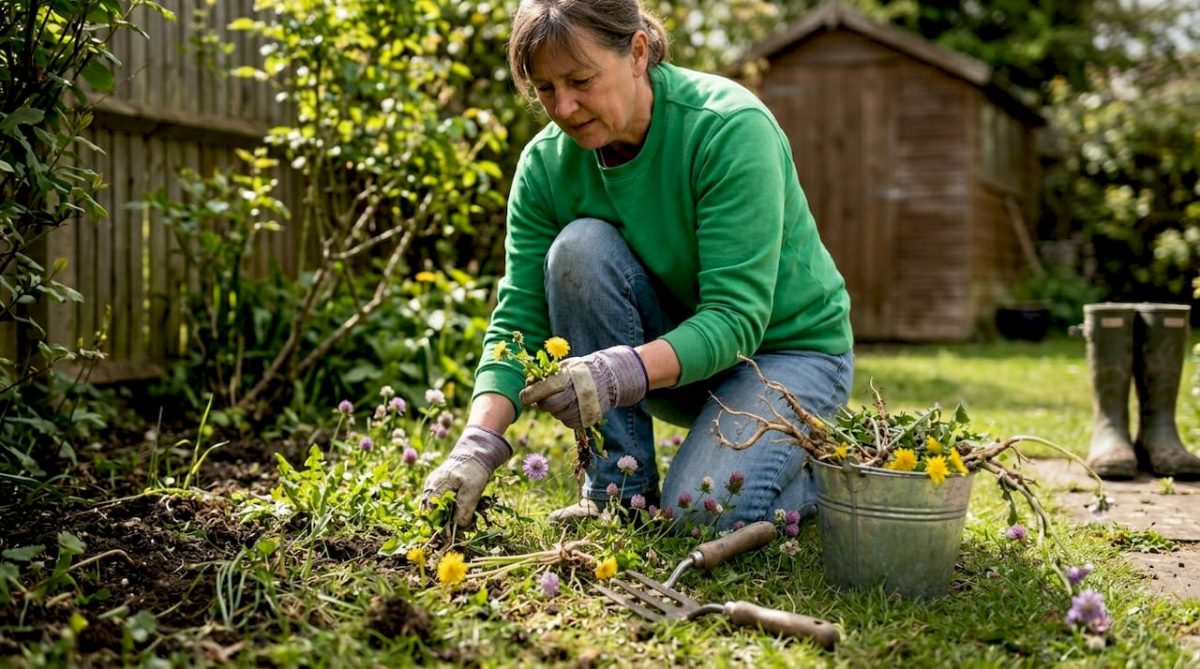
Not all weeds are created equal, and not all removal methods carry the same risk. Many UK homeowners assume that because a method is chemical-free, it is inherently safe, straightforward, and appropriate for any plant they encounter in the garden. In reality, physical weed removal refers to non-chemical methods involving hand-pulling, digging, hoeing, cutting, or smothering to prevent growth. For ordinary garden weeds, these techniques are well-suited and widely endorsed. For invasive species like Japanese Knotweed, the situation is far more complex, with serious legal, ecological, and property implications attached to every decision you make.
Table of Contents
- Understanding physical weed removal
- Popular physical removal techniques for UK gardens
- Limitations and risks: dealing with invasive species
- Physical weed removal and your property: safety and survey strategies
- A closer look: what most guides miss about physical weed removal
- Expert support for weed removal and property safety
- Frequently asked questions
Key Takeaways
| Point | Details |
|---|---|
| Defined physical weed removal | Physical weed removal means using non-chemical methods such as digging, hand-pulling, and mulching to tackle weeds. |
| Common garden weed strategies | Hoeing, hand-pulling, and mulching are practical for most garden weeds if done regularly and correctly. |
| Invasives require expert care | Invasive species like Japanese Knotweed can’t be safely or legally removed with DIY methods—professional support is essential. |
| Surveys protect property value | Getting a professional survey before weed removal can protect your property value and ensure legal compliance. |
Understanding physical weed removal
Physical weed removal is the practice of controlling unwanted plants without the use of herbicides or other chemical agents. It encompasses a broad range of techniques, from the simple act of pulling a dandelion by hand to the installation of engineered root barriers designed to contain aggressive rhizome networks underground. The critical distinction between physical and chemical control is not just one of method. It reflects a fundamentally different approach to land management, environmental responsibility, and long-term ecological impact.
Chemical weed control typically involves applying herbicides that are absorbed by plant tissue and transported to the roots, disrupting growth processes systemically. Physical methods, by contrast, act mechanically: removing, blocking, or depleting a plant’s ability to access light, water, or nutrients. Each approach carries advantages and limitations, and the right choice depends heavily on the species you are dealing with.
“Physical weed removal refers to non-chemical methods that involve manually or mechanically removing weeds by hand-pulling, digging out roots, hoeing, cutting, or smothering to prevent growth.” — Royal Horticultural Society
RHS-endorsed methods are particularly relevant for UK homeowners because they reflect guidance shaped by the specific weed species, soil conditions, and climate that characterise British gardens. However, it is essential to understand that physical removal is not automatically the easier or safer option. For invasive species, physical intervention can fragment root systems and actively accelerate spread if handled incorrectly.
Key scenarios where physical removal is appropriate include:
- Annual weeds such as chickweed or groundsel, which complete their life cycle in one season and respond well to hoeing and hand-pulling
- Biennial weeds that can be removed before flowering and setting seed
- Small perennial infestations in borders and beds where hand-digging and forking out rootballs is practical
- Established beds where mulching and light-blocking barriers prevent new weed establishment
For anything beyond these scenarios, particularly where knotweed removal best practices apply, professional assessment is not optional. It is essential.
Popular physical removal techniques for UK gardens
The variety of physical techniques available to UK gardeners is broader than many people realise, and choosing the right method for the right weed at the right time makes a significant difference to outcomes. Timing, in particular, is a factor that most amateur guides undervalue. Hoeing annual weeds on a dry, sunny day causes immediate desiccation of the severed plant material, making it far more effective than hoeing in wet conditions where disturbed weeds can re-root within hours.
Effective physical mechanics for garden weeds include hoeing seedlings on dry days, hand-pulling annuals, forking out perennials’ rootballs, repeated cutting to deplete energy reserves, and mulching or covering with barriers to block light. Each method has a specific application depending on whether you are dealing with annuals, perennials, or seedlings.
| Technique | Best suited for | Key advantage | Key limitation |
|---|---|---|---|
| Hand-pulling | Annuals, seedlings | Precise, no tools needed | Labour-intensive; may miss roots |
| Hoeing | Annuals, surface seedlings | Fast over large areas | Ineffective in wet conditions |
| Forking out | Perennial rootballs | Removes entire root system | Time-consuming; disturbs soil |
| Cutting/strimming | Perennials with reserves | Depletes energy over time | Requires repeated treatment |
| Mulching | Seedlings, new growth | Long-lasting suppression | Requires thick, maintained layer |
| Root barrier installation | Deep, spreading rhizomes | Prevents lateral spread | Requires professional installation |
Understanding which category your weed falls into is the first step toward choosing an effective approach. Annual weeds, which germinate, flower, and set seed within a single growing season, are the most straightforward to manage physically. Perennials are considerably more challenging because their energy reserves are stored in root systems that can extend well beyond what is visible at the surface. Cutting top growth repeatedly does weaken these plants over time, but it rarely eliminates them entirely without complementary action.
Pro Tip: When removing perennial weeds, always aim to extract as much root material as possible in a single session. Leaving fragments behind, particularly with vigorous species, creates multiple new growing points rather than one.
The manual knotweed removal steps required for invasive species are categorically different from the above. Knotweed rhizomes can extend to depths of three metres and spread laterally up to seven metres from the parent plant. Even a fragment as small as a thumbnail can regenerate into a new plant. This is not a weed that responds to a garden fork and a mulch sheet.
Limitations and risks: dealing with invasive species
Physical removal is an effective and responsible strategy for managing ordinary garden weeds. However, when invasive species enter the picture, the limitations of even the most diligent DIY approach become apparent very quickly. Japanese Knotweed is the most widely documented example in the UK, but other species including Himalayan Balsam, Giant Hogweed, and Rhododendron ponticum present their own significant challenges.
The risks associated with attempting DIY physical removal of Knotweed fall into three broad categories:
- Ecological risk: Fragmenting Knotweed rhizomes during digging spreads viable material across the site and, potentially, beyond it. Even well-intentioned removal can worsen an infestation significantly.
- Legal risk: Under the Wildlife and Countryside Act 1981 and the Environmental Protection Act 1990, knotweed legal requirements are strict. Knotweed is classified as controlled waste. Moving, transporting, or depositing it without proper licensing constitutes a criminal offence.
- Property risk: Mortgage lenders and property surveyors actively assess Knotweed presence. Poorly managed or undisclosed infestations have delayed and collapsed property sales across the UK.
“Invasives like Knotweed require professional intervention due to legal and disposal complexities. Chemical-free solutions are viable via excavation and barriers, but these are not DIY undertakings.” — Royal Horticultural Society
The disposal of hazardous weed waste is a particular area where homeowners frequently underestimate the legal obligations involved. Knotweed material excavated from a property must be transported by a registered waste carrier to a licensed landfill site that accepts controlled invasive material. Placing it in domestic green waste, composting it, or burning it on-site are all non-compliant actions that carry the potential for significant financial penalties.
Pro Tip: Never place suspected Knotweed or other invasive plant material into your household compost, garden waste bin, or skip. Treat any suspect material as controlled waste and seek professional guidance on proper disposal before taking any action.
It is also worth noting that the scale of effort required for compliant physical removal of Knotweed is substantial. Excavation to the required depth, containment and bagging of all material, use of appropriate personal protective equipment, and coordination with licensed waste carriers is not a weekend garden project. It is a regulated professional undertaking.
Physical weed removal and your property: safety and survey strategies
For UK homeowners, the question of weed management rarely exists in isolation from broader concerns about property condition, valuation, and compliance. Physical weed removal intersects directly with all three of these areas, and understanding how is critical before you begin any removal work.
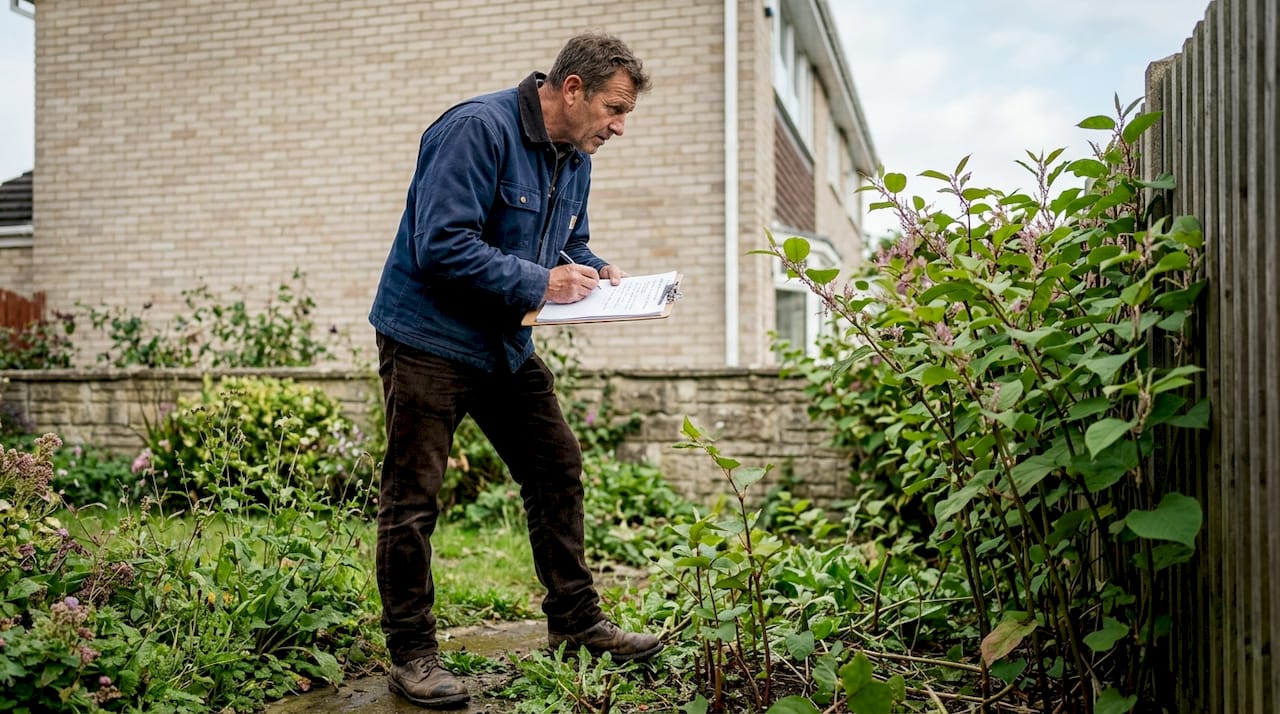
A professional survey does considerably more than confirm whether a plant is present. Trained surveyors identify the extent of root spread, the proximity of rhizomes to foundations and drainage infrastructure, and the likely impact on adjoining properties. Visual inspection at ground level gives only a partial picture. Underground spread, which is where invasives require professional intervention to identify accurately, often reveals a far greater problem than what is visible above ground.
| Survey element | Why it matters for property owners |
|---|---|
| Species identification | Confirms whether legal obligations apply |
| Rhizome mapping | Establishes the true extent of underground spread |
| Structural proximity assessment | Identifies risk to foundations, drains, and walls |
| Boundary assessment | Determines whether neighbouring properties are affected |
| Management plan recommendation | Guides compliant, proportionate removal strategy |
For homeowners considering selling or remortgaging, a documented management plan backed by a professional property survey for invasive weeds provides the evidence that mortgage lenders and solicitors require. Many sales have been delayed or derailed not by the presence of Knotweed itself, but by the absence of professional documentation and a credible treatment record.
Practical considerations vary depending on whether you rent or own the property. Renters have limited authority to authorise physical intervention beyond ordinary garden maintenance. Significant removal or barrier installation on a rented property requires landlord consent and, where invasive species are involved, professional oversight. Homeowners have greater latitude but bear full legal responsibility for correct management and disposal.
Surveyors serve as the first and most important line of defence in long-term weed management. Identifying an infestation early, understanding its boundaries, and establishing a compliant treatment plan before any physical work begins is the approach that protects both your property and your legal standing.
A closer look: what most guides miss about physical weed removal
Most guides on physical weed removal treat the subject as broadly accessible, implying that chemical-free means complication-free. This assumption, while understandable, is incorrect where invasive species are concerned, and it is one that experienced practitioners encounter the consequences of regularly.
The appeal of physical removal is genuine. It avoids chemical residues in soil and waterways, it aligns with ecological best practice, and it gives homeowners a sense of direct agency over their land. For common garden weeds, this approach is sound and effective. The problem arises when the same confidence is applied to species that operate by entirely different biological rules.
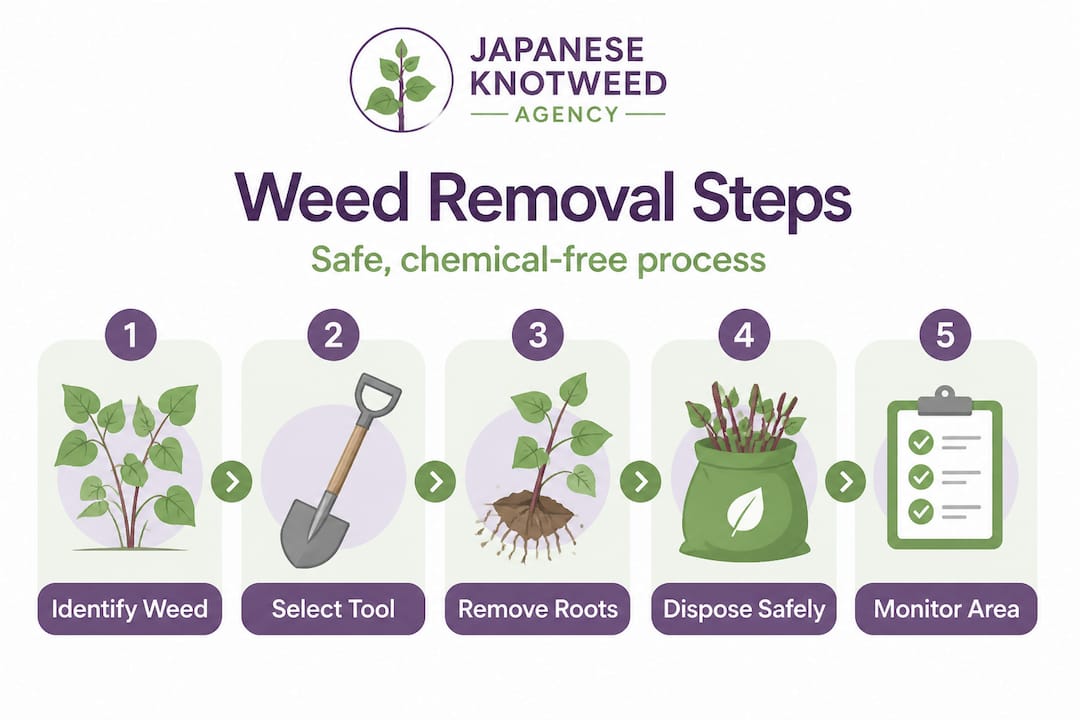
Knotweed does not behave like bindweed or couch grass. Its rhizome system is not simply deep. It is structurally integrated into the soil environment in a way that means physical disturbance without expert planning actively worsens the situation. The role of knotweed specialists is not to perform a service that homeowners could perform themselves with more effort. It is to apply knowledge, equipment, and legal authority that genuinely cannot be replicated without professional training and certification.
There is also a widely held misconception that chemical-free solutions are inherently slower or less effective than herbicide-based treatments. Innovative approaches such as thermo-electric treatment, which delivers targeted electrical energy directly into the rhizome network causing internal cell damage and progressive depletion of energy reserves, demonstrate that chemical-free does not mean ineffective. On the contrary, such methods address the root cause directly and without introducing any chemical agents into the surrounding environment.
The uncomfortable truth is that the homeowners most committed to responsible, chemical-free management sometimes place themselves at greatest legal and financial risk by attempting unsupported DIY removal of invasive species. True environmental responsibility in this context means recognising the limits of what physical intervention you can safely and legally undertake, and engaging certified professionals for the work that falls beyond those limits.
Expert support for weed removal and property safety
Deciding how to manage weeds on your property is a meaningful responsibility, and the guidance in this article is designed to help you approach that decision with clarity and confidence. For ordinary garden weeds, well-timed physical techniques are effective, environmentally sound, and entirely within reach for most homeowners. For invasive species, the legal and ecological stakes demand a different level of support.

Japanese Knotweed Agency provides professional property surveys for invasive weeds across England, Wales, and Ireland, alongside specialist removal services that are entirely chemical-free. Our thermo-electric treatment method delivers up to 5,000 volts directly into the rhizome network, causing progressive internal cell damage without chemical agents or environmental contamination. We also carry out root barrier installations and excavation works, all managed in full compliance with UK legal requirements. For detailed guidance on responsible management without herbicides, the chemical-free weed control guide covers the full range of approaches available. You can also find answers to the most common homeowner questions through our Japanese Knotweed FAQs.
Frequently asked questions
Can I remove Japanese Knotweed physically on my own?
DIY physical removal of Japanese Knotweed is not advisable in the UK due to strict legal, safety, and disposal requirements under the Environmental Protection Act 1990. Professional intervention is strongly recommended to ensure compliance and effective treatment.
What is the safest method to physically remove ordinary garden weeds?
Hand-pulling, hoeing on dry days, and mulching are considered safe and effective for most common garden weeds when applied at the right growth stage. Forking out perennial rootballs is also appropriate for established plants in accessible borders.
Is physical weed removal completely chemical-free?
Physical weed removal does not involve chemicals, but chemical-free does not mean risk-free. Invasive species in particular present legal, ecological, and structural risks that require professional management even when chemical treatments are not used.
What legal risks exist if I dispose of invasive weeds improperly?
Improper disposal of invasive species like Japanese Knotweed is a criminal offence under the Environmental Protection Act 1990. Fines and property complications can result from transporting or depositing controlled waste without proper licensing.
Why should I get a professional survey before removing weeds?
A professional survey provides accurate species identification, rhizome mapping, and a compliant management plan that satisfies mortgage lenders and legal requirements. Without it, physical removal may address only what is visible above ground while leaving the full extent of the problem untreated.