
Combatting Japanese Knotweed in Derbyshire: The Future of Weed Control with Thermo-Electric Treatment

Introduction: Derbyshire, with its stunning countryside and picturesque villages, is a county known for its rich natural beauty. However, like many areas across the UK, it faces the growing issue of invasive species, particularly Japanese Knotweed (Fallopia japonica). This aggressive plant not only threatens local ecosystems but can also cause significant damage to property and infrastructure. In recent years, there has been a shift towards more sustainable and effective ways of controlling Japanese Knotweed, and one such method is thermo-electric treatment.

As residents and landowners in Derbyshire seek environmentally friendly solutions to control this invasive species, thermo-electric treatment provided by the Japanese Knotweed Agency offers a revolutionary approach that’s gaining traction in the area.

The Problem with Japanese Knotweed in Derbyshire:

Japanese Knotweed is notorious for its ability to invade gardens, parks, and even construction sites, often creating costly problems for homeowners and businesses. In Derbyshire, the presence of Japanese Knotweed has been reported in areas such as the Peak District, along rivers, and in urban green spaces. The plant’s rapid growth and extensive root system can disrupt the landscape, damage infrastructure, and lower property values.

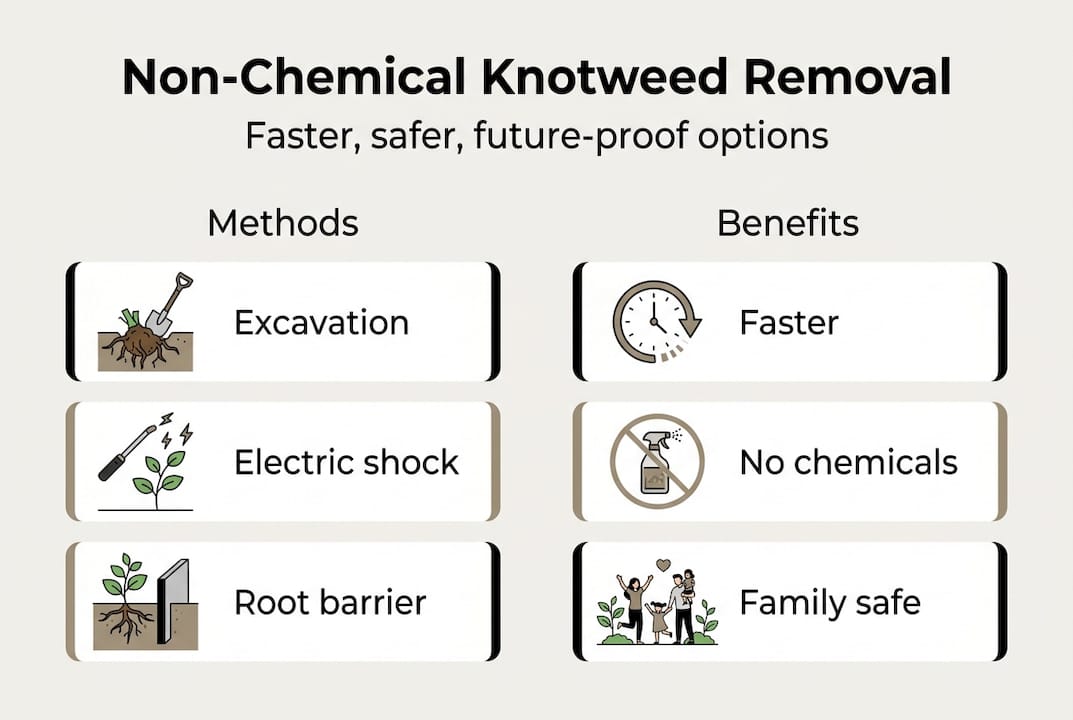
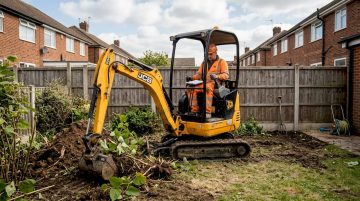
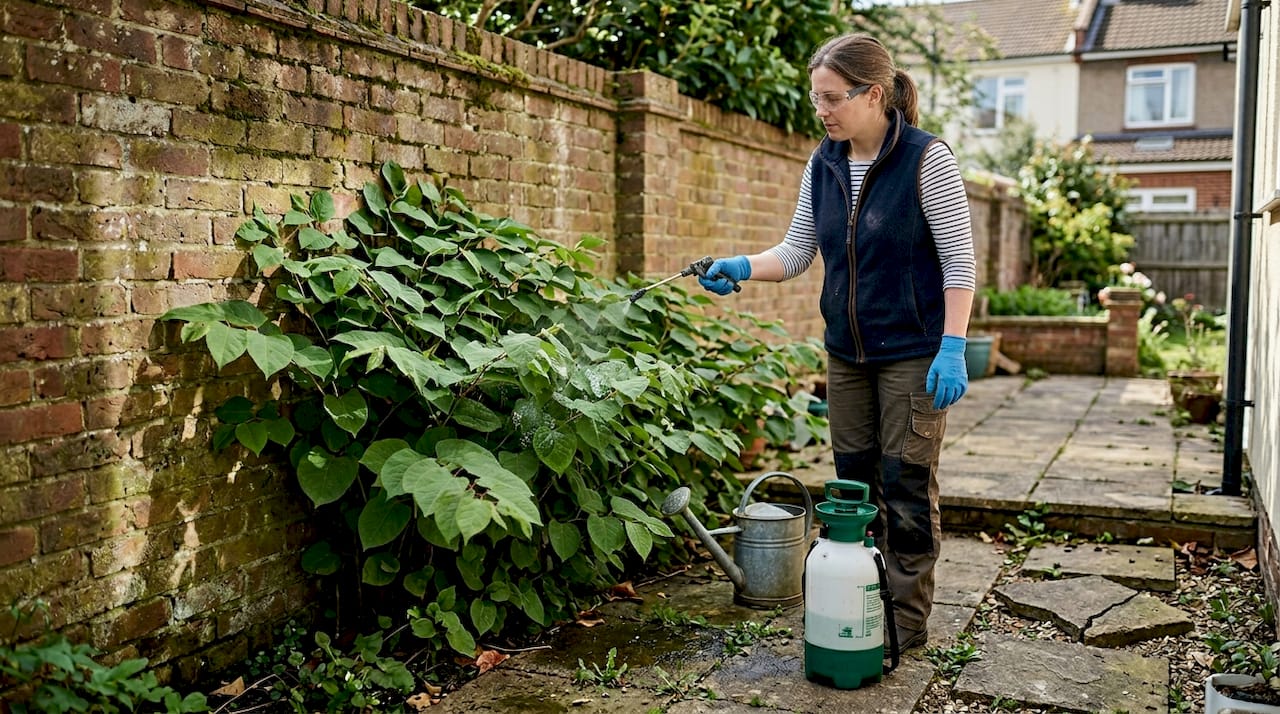
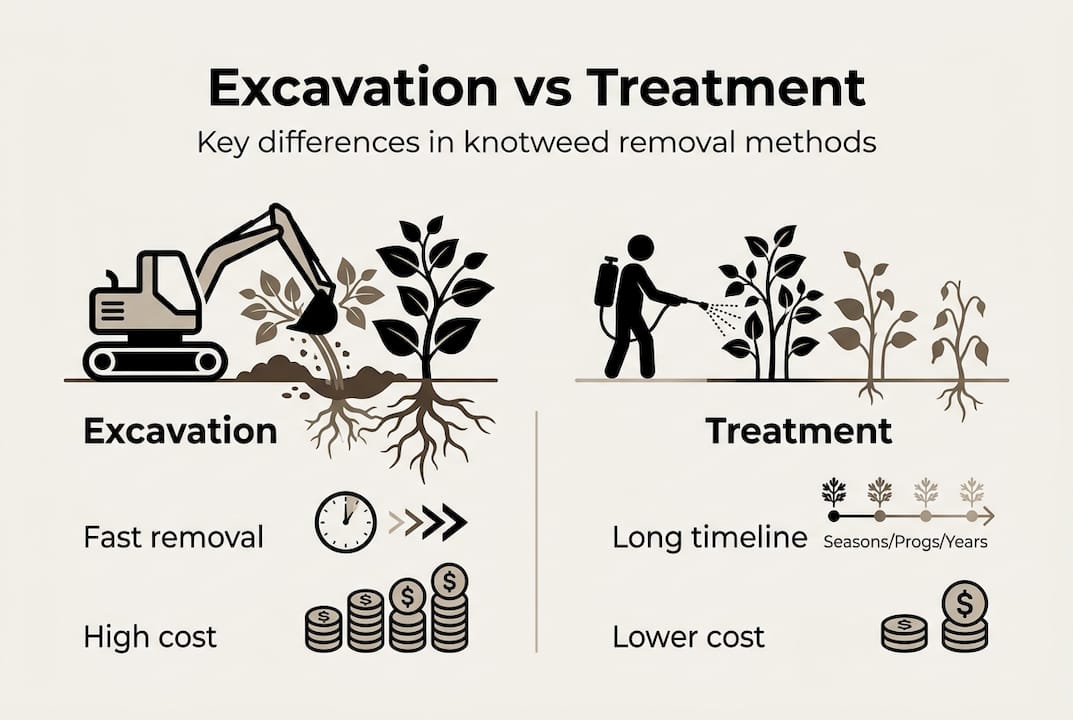
It’s clear that traditional methods of dealing with Japanese Knotweed, such as chemical treatments or excavation, can have limitations and may not always offer long-term results. As Derbyshire moves towards more eco-friendly practices, thermo-electric treatment has emerged as an effective alternative to combat this persistent problem.

What is Thermo-Electric Treatment?

Thermo-electric treatment is a highly effective, eco-friendly method used to tackle Japanese Knotweed without the need for harmful chemicals. The process involves applying controlled, high temperatures directly to the plant’s root system, which destroys the plant’s ability to regenerate. Here’s how it works:

  1. High-Temperature Application: Special equipment is used to deliver precise and controlled heat to the roots of Japanese Knotweed, ensuring that the plant’s most dangerous part—the roots—is destroyed.
  2. Root Destruction: The heat causes the plant’s root system to break down, which prevents regrowth, making it a more permanent solution compared to traditional herbicide methods.
  3. No Chemicals Involved: Unlike traditional methods that rely on pesticides, thermo-electric treatment uses only heat, which means there is no risk of contamination to surrounding soil, plants, or water.

By using this innovative approach, Derbyshire can control Japanese Knotweed while minimizing its impact on the environment and local wildlife.

The Benefits of Thermo-Electric Treatment for Derbyshire:

  1. Environmentally Friendly: With Derbyshire’s commitment to preserving its natural landscapes, thermo-electric treatment offers a non-toxic and environmentally responsible solution to managing Japanese Knotweed. This method doesn’t rely on harmful chemicals, which means there’s no risk of polluting the local ecosystem, rivers, or soil. In areas like the Peak District, where conservation is a priority, this chemical-free method ensures that natural habitats are protected.
  2. Long-Term Results: Unlike traditional methods that may require multiple treatments over several years, thermo-electric treatment provides a more lasting solution. The heat destroys the root system of Japanese Knotweed, significantly reducing the plant’s ability to regenerate. This results in more permanent control, meaning homeowners and landowners in Derbyshire don’t have to worry about the plant coming back year after year.
  3. Minimal Disruption: One of the key advantages of thermo-electric treatment is that it is minimally invasive. Unlike excavation or digging, which can cause major disruptions to the landscape, this treatment targets the roots without disturbing the surrounding area. This makes it ideal for residential gardens, public spaces, and even more sensitive areas like nature reserves or historic sites in Derbyshire.
  4. Safe for Wildlife and Local Flora: The method is designed to destroy only the Japanese Knotweed, leaving other plants, wildlife, and the surrounding environment completely unharmed. This makes it an ideal solution for Derbyshire, where biodiversity is a priority, and local wildlife such as birds, insects, and small mammals can continue to thrive without being exposed to chemicals or harmful side effects.

Why Derbyshire Should Choose Thermo-Electric Treatment:

Derbyshire is a county known for its commitment to sustainability, nature conservation, and preservation of local heritage. With the rise of invasive species like Japanese Knotweed, the use of sustainable, non-toxic control methods is more important than ever. Thermo-electric treatment aligns with the region’s eco-friendly values, offering an innovative solution that tackles Japanese Knotweed head-on without harming the environment.

  1. Protecting Local Ecosystems: By using thermo-electric treatment, Derbyshire can ensure that its rich natural environment remains intact. This method supports the preservation of local wildlife and plants, while also addressing the threat posed by Japanese Knotweed. With the Peak District and other areas of natural beauty being home to diverse ecosystems, it’s important to adopt strategies that prioritize ecological health.
  2. Increasing Property Value: As Japanese Knotweed is known to lower property values, especially when left untreated, homeowners in Derbyshire stand to benefit from the long-term effectiveness of thermo-electric treatment. By eliminating the invasive species from their properties, homeowners can protect their investment and maintain the value of their homes without having to worry about Knotweed damage.
  3. A Cost-Effective Solution: While some Knotweed control methods can be expensive and time-consuming, thermo-electric treatment offers a cost-effective alternative. It is a quicker and more efficient solution, which reduces the overall costs associated with multiple treatments or the extensive damage caused by Knotweed. This makes it an ideal choice for homeowners, businesses, and public spaces across Derbyshire.

How the Japanese Knotweed Agency Can Help:

If you’re in Derbyshire and struggling with Japanese Knotweed, the Japanese Knotweed Agency is here to provide an effective and sustainable solution. Our team of experts uses state-of-the-art thermo-electric treatment to tackle Japanese Knotweed efficiently and safely. We offer comprehensive surveys and customized treatment plans to suit your specific needs.

Conclusion:

In Derbyshire, where environmental sustainability and natural beauty are key priorities, adopting eco-friendly methods to control invasive species like Japanese Knotweed is essential. Thermo-electric treatment offers a non-toxic, efficient, and long-lasting solution to this growing problem. With the support of the Japanese Knotweed Agency, Derbyshire can stay ahead of the curve and keep its landscapes healthy and beautiful for generations to come.

Call to Action:

If you’re dealing with Japanese Knotweed in Derbyshire, don’t wait! Contact the Japanese Knotweed Agency today to schedule your free survey and learn how thermo-electric treatment can help you manage this invasive species safely and effectively.

This blog focuses on Derbyshire, highlighting the importance of using thermo-electric treatment for Japanese Knotweed control. Let me know if you’d like me to make any further adjustments or proceed with additional blogs!

Call to Action: Contact the Japanese Knotweed Agency today to learn more about our sustainable solutions for managing invasive plants and ensuring a healthier environment. We’re here to help you keep your garden and property safe from harmful species like Japanese Knotweed.

EMAIL US: contact@japaneseknotweedagency.co.uk

CALL US: Freephone 03335 777 888

EMAIL WEB FORM: https://japaneseknotweedagency.co.uk/contact-us/

Glyphosate Ban in Brighton and Hove: Leading the Way for Sustainable Weed Control

Introduction: Brighton and Hove, known for its vibrant cultural scene, picturesque coastline, and green spaces, is taking a bold step toward sustainability by banning the use of glyphosate. This decision is part of the city’s ongoing efforts to protect its residents and the environment. As the first city in the UK to make such a move, Brighton and Hove is leading the way in adopting safer, more sustainable practices for weed control. In this blog, we will explore the reasoning behind the ban, its benefits, and how thermo-electric treatment from the Japanese Knotweed Agency offers an eco-friendly solution for managing invasive species like Japanese Knotweed.

Why Brighton and Hove Banned Glyphosate:

Brighton and Hove’s decision to ban glyphosate reflects the growing concern over the health and environmental risks associated with this widely used herbicide. Here’s why the city has opted for a ban:

  1. Health and Safety Concerns: Glyphosate has been linked to potential health issues, including cancer, and is under increasing scrutiny from health organizations and the public. The ban aims to protect the health of Brighton and Hove residents, especially those who spend time in public parks, playgrounds, and other community spaces where glyphosate may have been used in the past.
  2. Environmental Protection: Glyphosate has been shown to have detrimental effects on local wildlife, including pollinators like bees. By banning this chemical, Brighton and Hove is working to preserve its natural environment and protect the biodiversity of its green spaces.
  3. Sustainability Goals: As a city with a strong commitment to sustainability, Brighton and Hove is aligning with broader national and global goals for reducing chemical usage and promoting environmental health. This ban reflects the city’s vision of becoming a greener, healthier place to live for future generations.

How the Ban Affects Brighton and Hove Residents:

The ban on glyphosate in Brighton and Hove brings both challenges and opportunities for local residents, businesses, and authorities. Let’s look at what the ban means for the community:

  1. Exploring Alternative Weed Control Methods: With glyphosate no longer an option, Brighton and Hove must turn to safer, chemical-free alternatives. This opens the door for innovative solutions like thermo-electric treatment from the Japanese Knotweed Agency, which uses heat to safely target invasive species like Japanese Knotweed without harming the surrounding environment.
  2. Healthier Public Spaces: By eliminating the use of glyphosate, Brighton and Hove’s public spaces, parks, and playgrounds will be free from harmful chemicals. This is especially important for families, children, and pet owners who frequent these areas.
  3. Educational Opportunities: The ban offers an opportunity for the city to educate its residents about the dangers of glyphosate and the benefits of eco-friendly alternatives. By working together, the community can adopt best practices for weed control that protect both public health and the environment.

How Thermo-Electric Treatment Offers an Effective Solution for Invasive Species:

With the glyphosate ban in place, managing invasive species like Japanese Knotweed becomes a top priority. Thermo-electric treatment, offered by the Japanese Knotweed Agency, provides an environmentally friendly solution for this challenge.

Here’s how thermo-electric treatment works and why it’s a great fit for Brighton and Hove:

  1. Chemical-Free and Eco-Friendly: Thermo-electric treatment uses heat to target and destroy the roots of invasive species, such as Japanese Knotweed, without the need for toxic chemicals. This ensures that the surrounding plants, wildlife, and soil remain unharmed.
  2. Highly Effective for Japanese Knotweed: Japanese Knotweed is one of the most problematic invasive plants in the UK, known for its rapid growth and ability to damage buildings and infrastructure. Thermo-electric treatment targets the plant at its root system, preventing regrowth and spread. This makes it a highly effective method for dealing with Knotweed in urban areas like Brighton and Hove.
  3. Preserving Biodiversity: Brighton and Hove is home to a diverse range of wildlife, and the city is committed to protecting this biodiversity. Unlike chemical herbicides, thermo-electric treatment doesn’t pose a threat to pollinators or other beneficial insects, making it a safer option for the city’s ecosystems.
  4. Long-Term Solutions: One of the key benefits of thermo-electric treatment is its long-lasting effects. By effectively eliminating the root system of invasive species, this method helps prevent the recurrence of the problem, ensuring that Brighton and Hove can enjoy healthy, thriving green spaces for years to come.

The Benefits of Thermo-Electric Treatment for Brighton and Hove:

As Brighton and Hove transitions to a more sustainable approach to weed control, thermo-electric treatment from the Japanese Knotweed Agency offers several key benefits:

  1. Protecting Property Values: Invasive species like Japanese Knotweed can drastically reduce property values. Thermo-electric treatment effectively removes Knotweed, helping to protect property values in the city. Homeowners and businesses can rest assured knowing that the city’s commitment to eco-friendly practices will also help preserve their investments.
  2. Sustainable Weed Control: The ban on glyphosate encourages Brighton and Hove residents to embrace sustainable practices for managing invasive species. Thermo-electric treatment aligns with these goals by providing a safe, long-term solution to weed control that doesn’t harm the environment.
  3. Creating a Safer, Healthier Environment: The removal of glyphosate and the adoption of alternative treatments like thermo-electric treatment contribute to a healthier, safer environment for all residents. Whether you’re visiting a local park, living in the city, or enjoying Brighton and Hove’s stunning coastline, the commitment to sustainable practices ensures that the community remains a great place to live and visit.

Conclusion:

Brighton and Hove’s decision to ban glyphosate is a major step toward creating a greener, healthier, and more sustainable city. By embracing innovative alternatives like thermo-electric treatment from the Japanese Knotweed Agency, the city is taking a proactive approach to managing invasive species such as Japanese Knotweed without relying on harmful chemicals.

If you’re in Brighton and Hove and dealing with invasive species like Japanese Knotweed, don’t wait for the problem to escalate. Contact the Japanese Knotweed Agency today for a free survey and to learn more about how our thermo-electric treatment can safely and effectively address your weed control needs.

Call to Action:

Ready to take control of your invasive species problem in Brighton and Hove? Contact the Japanese Knotweed Agency today to schedule your free survey and learn more about our thermo-electric treatment services. Let us help you keep your property safe and free from harmful weeds!

Stay tuned for more informative blog posts in this series!

Call to Action: Contact the Japanese Knotweed Agency today to learn more about our sustainable solutions for managing invasive plants and ensuring a healthier environment. We’re here to help you keep your garden and property safe from harmful species like Japanese Knotweed.

EMAIL US: contact@japaneseknotweedagency.co.uk

CALL US: Freephone 03335 777 888

EMAIL WEB FORM: https://japaneseknotweedagency.co.uk/contact-us/

Glyphosate Ban in Derry – Northern Ireland: Embracing Safer, Sustainable Weed Control

Introduction: Derry, located in Northern Ireland, has joined the growing list of UK and Irish cities banning the use of glyphosate. Known for its rich history and vibrant cultural heritage, Derry is now making strides in adopting environmentally conscious practices by eliminating harmful chemical herbicides. In this blog, we’ll explore why Derry has opted for a glyphosate ban, the benefits of this decision, and how thermo-electric treatment from the Japanese Knotweed Agency provides a chemical-free solution for managing invasive species like Japanese Knotweed.

Why Derry Has Banned Glyphosate:

Glyphosate, a widely used herbicide, has come under increased scrutiny due to its potential health and environmental risks. Derry, along with other progressive cities across Northern Ireland, is embracing the ban for several key reasons:

  1. Public Health Concerns: The potential link between glyphosate and cancer has led to a growing demand for alternatives. Derry’s glyphosate ban aims to protect public health by reducing exposure to harmful chemicals in public spaces, gardens, and recreational areas.
  2. Protecting the Environment: Glyphosate can harm local ecosystems by disrupting soil health and affecting pollinators such as bees. The decision to ban glyphosate in Derry is part of a broader initiative to protect the town’s natural beauty and biodiversity, making it a safer and more sustainable place to live.
  3. Aiming for Sustainability: By banning glyphosate, Derry is aligning itself with global sustainability goals. This forward-thinking approach demonstrates a commitment to preserving the environment for future generations by adopting safer and more responsible weed control practices.

What Does the Ban Mean for Derry Residents?

The glyphosate ban in Derry brings about significant changes for residents, businesses, and local authorities. Here’s what the ban means for the community:

  1. Alternative Weed Control Solutions: With the ban in place, chemical herbicides are no longer a viable option for weed control. This shift calls for the adoption of innovative and safe alternatives. Thermo-electric treatment by the Japanese Knotweed Agency is one such solution that provides an environmentally friendly way to manage invasive plants, including Japanese Knotweed, without using harmful chemicals.
  2. Supporting Biodiversity: The ban ensures that Derry’s ecosystems remain intact, with local wildlife and plants benefiting from the reduction of harmful chemicals. Thermo-electric treatment is an excellent choice for this, as it targets invasive species without affecting the surrounding environment, preserving biodiversity and allowing native species to thrive.
  3. Public Awareness and Education: Derry has also launched educational initiatives to inform the public about the dangers of glyphosate and promote safer alternatives. Thermo-electric treatment is one of the alternatives being advocated to help communities combat invasive species safely and effectively.

How Thermo-Electric Treatment Helps Derry’s Weed Control Efforts

The Japanese Knotweed Agency offers thermo-electric treatment as a cutting-edge solution to combat invasive plants without the use of chemicals. This method uses heat to target and kill the plant’s root system, preventing regrowth and spread.

Here’s why thermo-electric treatment is a fantastic option for Derry:

  1. Eco-Friendly and Chemical-Free: Thermo-electric treatment provides an environmentally safe solution for controlling invasive species. Unlike traditional herbicides, which can harm the soil and surrounding vegetation, this method only targets the plant being treated, leaving the rest of the environment unharmed.
  2. Effective for Invasive Species: Japanese Knotweed, an invasive plant that can cause severe damage to buildings and infrastructure, is particularly difficult to manage. Thermo-electric treatment effectively targets the plant’s deep roots and prevents regrowth, making it an ideal solution for controlling Knotweed in Derry’s public and private spaces.
  3. Long-Term Results: One of the key advantages of thermo-electric treatment is its long-term effectiveness. By using heat to kill the roots of invasive plants, this method prevents further spread, ensuring that the problem is addressed for good.
  4. Safe for Wildlife and Pollinators: Unlike chemical herbicides that can negatively impact local wildlife, thermo-electric treatment poses no threat to pollinators, such as bees, or other beneficial insects. This is crucial in areas like Derry, where maintaining a healthy ecosystem is a priority.

Why Derry Residents Should Embrace Thermo-Electric Treatment

For Derry residents, adopting thermo-electric treatment for invasive plant management offers several benefits:

  1. Protecting Property Value: Invasive plants like Japanese Knotweed can severely reduce property values. By using thermo-electric treatment, Derry residents can prevent the spread of Knotweed and protect their homes and properties from damage.
  2. Promoting a Greener Future: Derry’s commitment to sustainability is reflected in its decision to ban glyphosate. By choosing alternative methods like thermo-electric treatment, residents can continue to contribute to a greener, healthier environment.
  3. Maintaining Community Health: With the ban on glyphosate, the community benefits from reduced exposure to harmful chemicals. Thermo-electric treatment provides an effective, chemical-free way to manage invasive plants and promote public health.

What’s Next for Derry’s Weed Control?

Derry’s decision to ban glyphosate marks a significant step toward creating a safer, more sustainable community. As residents, businesses, and local authorities continue to explore safer alternatives, solutions like thermo-electric treatment will play a vital role in managing invasive species and maintaining a healthy environment.

In the coming years, Derry is poised to lead the way in chemical-free weed control, setting an example for other towns and cities across Northern Ireland and the UK.

Conclusion:

Derry’s glyphosate ban is a groundbreaking decision that aligns with the town’s commitment to environmental sustainability. By choosing eco-friendly alternatives like thermo-electric treatment from the Japanese Knotweed Agency, the town is taking proactive steps to protect its ecosystem, public health, and property values.

If you’re in Derry and dealing with invasive species like Japanese Knotweed, contact the Japanese Knotweed Agency today. We offer professional thermo-electric treatment services that are safe, effective, and environmentally friendly.

Call to Action:

If you’re facing an invasive plant problem in Derry, especially Japanese Knotweed, contact the Japanese Knotweed Agency today to schedule your free survey. Let us help you manage and treat invasive species safely and effectively with our thermo-electric service.

Stay tuned for more informative blog posts in this series!

Call to Action: Contact the Japanese Knotweed Agency today to learn more about our sustainable solutions for managing invasive plants and ensuring a healthier environment. We’re here to help you keep your garden and property safe from harmful species like Japanese Knotweed.

EMAIL US: contact@japaneseknotweedagency.co.uk

CALL US: Freephone 03335 777 888

EMAIL WEB FORM: https://japaneseknotweedagency.co.uk/contact-us/

Glyphosate Ban in Glastonbury: The Future of Weed Control in Somerset

Introduction: Glastonbury, a town famous for its rich history, mystical connections, and the globally renowned music festival, is also making waves in the environmental community with its recent decision to ban glyphosate. This forward-thinking initiative is in line with the town’s broader commitment to sustainability and ecological health. In this blog, we’ll take a closer look at why Glastonbury has introduced the glyphosate ban, what it means for local residents and businesses, and how thermo-electric treatment can help manage invasive plants like Japanese Knotweed in a safer, more eco-friendly way.

Why Glastonbury Has Banned Glyphosate:

The decision to ban glyphosate in Glastonbury comes as part of the growing movement across the UK to limit the use of harmful pesticides. This is particularly important in an area known for its unique cultural and environmental significance. Several factors have led to this decision:

  • Health and Safety Concerns: Glyphosate has faced increasing scrutiny due to its potential health risks, including its links to cancer and other diseases. Glastonbury, known for its community-led environmental efforts, is prioritising the health of its residents and visitors by moving away from glyphosate-based products.
  • Environmental Impact: Pesticides like glyphosate can have devastating effects on local ecosystems. From pollinators like bees to soil health, the use of chemical herbicides has long-lasting consequences. The ban in Glastonbury is an attempt to protect the town’s flora and fauna, particularly its native species.
  • A Sustainable Future: Glastonbury has always prided itself on being a hub for progressive thinking and environmental consciousness. This glyphosate ban reinforces the town’s commitment to sustainability, promoting organic practices and reducing the reliance on toxic chemicals in everyday life.

What Does the Ban Mean for Glastonbury Residents?

For Glastonbury’s residents and local businesses, the glyphosate ban means that the traditional methods of weed control, including chemical herbicides, will no longer be allowed. This shift will require a move toward alternative weed management solutions that are both effective and environmentally responsible.

  • Alternative Weed Control Solutions: As part of the transition away from glyphosate, Glastonbury residents and businesses will need to explore alternative methods for managing weeds. One such method is the thermo-electric treatment provided by Japanese Knotweed Agency. This cutting-edge technology uses heat to destroy the root systems of invasive plants, including Japanese Knotweed, without relying on chemicals.
  • Supporting Local Wildlife: Glastonbury is home to a variety of native species, and the glyphosate ban is an important step in protecting these organisms. Thermo-electric treatments do not harm surrounding plants, animals, or pollinators, making it a safe and effective way to manage weeds without disturbing the local ecosystem.
  • Fostering Public Awareness: As part of the ban, Glastonbury has also launched campaigns to raise awareness about the dangers of glyphosate and educate residents on safer alternatives. The thermo-electric service is one such method that the Japanese Knotweed Agency is introducing to local communities as part of the transition to more sustainable weed control.

What Is Thermo-Electric Treatment, and Why Is It a Great Solution for Glastonbury?

Thermo-electric treatment is an innovative solution for controlling invasive plant species like Japanese Knotweed. The method uses heat to target and kill the plant’s root system, preventing it from regrowing. This approach is incredibly effective and has several advantages over traditional chemical methods.

Here are some reasons why thermo-electric treatment is the perfect solution for Glastonbury’s glyphosate-free future:

  • Eco-Friendly: Thermo-electric treatment does not use any harmful chemicals, making it an environmentally safe option for controlling invasive plants.
  • Long-Term Effectiveness: The heat treatment targets the plant’s root system, ensuring long-term control over stubborn species like Japanese Knotweed.
  • Non-Toxic to Surrounding Plants: The treatment only affects the targeted plant, leaving surrounding flora and fauna unaffected. This is essential in areas with delicate ecosystems, such as Glastonbury.
  • Ideal for Sensitive Areas: For towns like Glastonbury, known for their cultural significance and natural beauty, maintaining a healthy ecosystem is crucial. Thermo-electric treatment provides a method that can help control invasive plants without compromising the environment.

The Benefits of Thermo-Electric Treatment for Glastonbury’s Gardens and Landscapes:

As more residents and businesses seek alternatives to glyphosate, the thermo-electric treatment provided by Japanese Knotweed Agency offers several benefits for the local community:

  • Preserving Natural Spaces: Glastonbury’s parks, gardens, and public spaces can benefit from thermo-electric treatments by eliminating invasive plants like Japanese Knotweed, allowing native species to thrive.
  • Protecting Property Value: Managing invasive plants such as Japanese Knotweed is crucial for maintaining property values in Glastonbury. The treatment helps prevent the spread of Knotweed, protecting homes and businesses from damage.
  • Sustainable Practices: As Glastonbury embraces a more sustainable future, thermo-electric treatment offers a solution that is both effective and eco-friendly, aligning with the town’s green initiatives.

What’s Next for Glastonbury’s Weed Control?

The glyphosate ban is just the beginning of Glastonbury’s commitment to a greener, more sustainable future. Over the coming years, we can expect more residents and businesses to adopt eco-friendly solutions like thermo-electric treatment to tackle invasive species. As Glastonbury becomes a leader in environmentally-conscious practices, innovative methods such as this will be key to achieving long-term success in managing invasive plants.

Conclusion:

The decision to ban glyphosate in Glastonbury is a vital step in the town’s mission to create a healthier, safer, and more sustainable environment. As residents and businesses make the transition away from harmful chemicals, alternatives like thermo-electric treatment offer a reliable and eco-friendly solution for managing invasive plants, such as Japanese Knotweed, without harming the local ecosystem.

With the Japanese Knotweed Agency leading the way in providing eco-friendly, effective treatment options, Glastonbury is well on its way to maintaining its natural beauty while embracing sustainable practices.

Call to Action:

If you’re in Glastonbury and looking for a safe, effective solution for Japanese Knotweed or other invasive plants, the Japanese Knotweed Agency offers professional thermo-electric treatment services. Contact us today to schedule a survey and learn more about how we can help protect your property and the local environment from the damaging effects of invasive plants!

Next Steps: Stay tuned for more blog posts where we will continue to explore the growing movement against glyphosate, alternative weed control methods, and the importance of preserving our local ecosystems!

Call to Action: Contact the Japanese Knotweed Agency today to learn more about our sustainable solutions for managing invasive plants and ensuring a healthier environment. We’re here to help you keep your garden and property safe from harmful species like Japanese Knotweed.

EMAIL US: contact@japaneseknotweedagency.co.uk

CALL US: Freephone 03335 777 888

EMAIL WEB FORM: https://japaneseknotweedagency.co.uk/contact-us/

Glyphosate Bans in Bath: What You Need to Know

Introduction: Bath, known for its Roman history and beautiful Georgian architecture, is also taking significant steps toward becoming a more environmentally-conscious city. In line with this, Bath has become one of the first cities in the UK to introduce a ban on glyphosate. This move reflects growing concerns about the environmental and health risks associated with the herbicide, especially its impact on biodiversity and human health. In this blog, we’ll explore the implications of the glyphosate ban in Bath and how residents and businesses can adapt, including alternative weed management solutions like the thermo-electric treatment offered by Japanese Knotweed Agency.

Why Bath Has Implemented a Glyphosate Ban:

Bath’s decision to implement a glyphosate ban is part of a larger trend in the UK, with various cities and regions opting to restrict or completely eliminate the use of this widely used herbicide. Several factors contribute to this shift:

  • Environmental Concerns: Glyphosate has been linked to a variety of environmental issues, particularly its impact on non-target plants, pollinators, and soil health. Bath, with its rich natural surroundings, is taking proactive measures to protect its local ecosystems.
  • Public Health: The growing body of evidence suggesting that glyphosate may have carcinogenic properties has led many to question its safety. Bath, along with other UK cities, is responding to public pressure and the concerns of environmental groups by adopting a glyphosate-free approach to gardening and landscaping.
  • A Commitment to Sustainability: As part of Bath’s wider sustainability goals, the ban aligns with the city’s commitment to reducing chemical usage in public spaces and promoting natural alternatives for weed control.

How the Ban Affects Bath Residents:

With the glyphosate ban in place, residents of Bath will need to adjust their gardening and landscaping practices. For homeowners and businesses, this means finding alternative methods to control weeds. For local authorities, it may require revisiting their landscaping practices and opting for more sustainable, eco-friendly solutions.

  • Alternative Weed Control Solutions: In response to the ban, Bath residents and businesses are seeking alternative weed control solutions. The thermo-electric treatment from Japanese Knotweed Agency offers an innovative way to tackle weeds without relying on harmful chemicals. This method involves applying heat to invasive plants like Japanese Knotweed, killing them at the root and preventing regrowth—without the use of glyphosate or other chemicals.
  • Preserving Local Ecosystems: Bath is known for its commitment to preserving local biodiversity. By embracing more eco-friendly alternatives like thermo-electric treatment, the city can maintain a healthy balance in its gardens, parks, and public spaces.
  • Educational Campaigns: The local council has also launched educational campaigns to inform the public about sustainable gardening practices and how to manage weeds without resorting to chemicals. This includes highlighting the benefits of natural weed control methods like the thermo-electric service.

What Is Thermo-Electric Treatment, and Why Should You Consider It?

Thermo-electric treatment is an advanced, eco-friendly method used to manage invasive species like Japanese Knotweed. By applying targeted heat to the plant, it destroys the root system, preventing regrowth. Unlike chemical herbicides, it doesn’t harm surrounding plants, soil, or wildlife, making it an ideal solution for sensitive environments like those found in Bath.

Here’s why you should consider using thermo-electric treatment for your weed control needs in Bath:

  • Eco-Friendly: The method uses only heat, with no harmful chemicals, ensuring that it is safe for the environment.
  • Effective: Thermo-electric treatment targets the plant’s root system, providing long-term control of invasive species like Japanese Knotweed.
  • Safe for Wildlife: The process is safe for pollinators, wildlife, and surrounding plants, making it a responsible choice for garden and property owners.
  • Compliance with Local Regulations: The shift toward glyphosate bans makes it even more important to adopt alternatives that comply with local regulations.

Looking Ahead: What’s Next for Bath’s Weed Management?

As the glyphosate ban continues to be enforced, Bath will likely see more residents, businesses, and local authorities exploring eco-friendly alternatives for weed management. The Japanese Knotweed Agency’s thermo-electric treatment could play a pivotal role in this transition, offering a sustainable solution that aligns with the city’s green initiatives.

The introduction of this ban is a sign of a growing commitment to environmental responsibility, and other cities and towns in the UK may follow Bath’s lead. With new, innovative techniques like the thermo-electric service, there’s no need to rely on harmful chemicals to manage weeds effectively.

Conclusion:

Bath’s decision to ban glyphosate is an important step toward creating a healthier, more sustainable city. As this change unfolds, residents and businesses will need to adapt by exploring alternative weed control methods. The thermo-electric treatment offered by Japanese Knotweed Agency presents a viable, eco-friendly solution for tackling invasive species like Japanese Knotweed, without the environmental and health risks associated with glyphosate.

As we continue to transition toward more sustainable practices, it’s clear that methods like thermo-electric treatment will play a key role in maintaining beautiful, healthy, and environmentally responsible spaces.

Call to Action: For those in Bath looking for effective, eco-friendly weed control solutions, the Japanese Knotweed Agency offers professional thermo-electric treatment for Japanese Knotweed and other invasive plants. Contact us today to schedule a survey and learn more about how we can help you manage invasive species safely and effectively!

Next Steps: Stay tuned for more blog posts where we’ll explore further glyphosate bans across the UK, the benefits of thermo-electric treatments, and other eco-friendly solutions for invasive plant management.

Call to Action: Contact the Japanese Knotweed Agency today to learn more about our sustainable solutions for managing invasive plants and ensuring a healthier environment. We’re here to help you keep your garden and property safe from harmful species like Japanese Knotweed.

EMAIL US: contact@japaneseknotweedagency.co.uk

CALL US: Freephone 03335 777 888

EMAIL WEB FORM: https://japaneseknotweedagency.co.uk/contact-us/

The Future of Glyphosate Bans: What to Expect in the UK

Introduction: The future of glyphosate in the UK is one of increasing uncertainty, as environmental concerns and health risks continue to spark debates about its use. Glyphosate, a widely used herbicide, has been under scrutiny due to its potential environmental and health impacts. This blog will explore the trajectory of glyphosate bans in the UK, what changes to expect, and how these changes could affect gardeners, farmers, and the general public. Additionally, we’ll touch on the innovative, eco-friendly alternatives to glyphosate—such as the thermo-electric treatment offered by Japanese Knotweed Agency—which are becoming increasingly important in the fight against invasive species like Japanese Knotweed.

The Current Status of Glyphosate Use in the UK:

Glyphosate has been a staple in the UK’s weed management strategy for decades. It is used widely by homeowners, farmers, and local authorities to control a variety of unwanted plants, including invasive species like Japanese Knotweed. However, increasing concerns about its environmental and health effects have led to a shift in public attitudes and policy decisions.

Several cities in the UK, such as Bath, Brighton, and Hove, have already implemented full or partial bans on glyphosate use. This is in response to growing evidence that glyphosate can harm non-target plants, pollinators, and soil quality. As local authorities grapple with the consequences of glyphosate use, it’s clear that further restrictions and bans are likely on the horizon, and ultimately a UK-wide ban will come into effect in December 2025.

Why Are Bans Being Introduced?

  1. Environmental Concerns: Glyphosate has been shown to harm biodiversity. It doesn’t just kill weeds; it can also adversely affect pollinators like bees, beneficial insects, and soil microbes. These negative impacts on ecosystems are causing more local councils and governments to reconsider its widespread use.
  2. Health Implications: Glyphosate’s potential carcinogenic properties have made headlines over the years, adding fuel to the fire of its ban in various countries. While not universally agreed upon, the growing body of research linking glyphosate exposure to health risks has pressured governments to act.
  3. Public Demand for Sustainability: There is increasing public pressure for more sustainable gardening and farming practices. People are looking for non-chemical solutions to weed management, especially in urban environments and public spaces.

What Does the Future Hold for Glyphosate in the UK?

As environmental awareness increases and the negative effects of glyphosate become clearer, we can expect several significant shifts:

  1. Wider Bans Across the Country: Following the example set by cities like Bath and Brighton, more local authorities across the UK will likely implement glyphosate bans. With more people aware of its risks, it will become more difficult to justify its continued widespread use, especially in public spaces like parks, playgrounds, and roadways.
  2. Stricter Regulations: The UK government may eventually impose stricter regulations surrounding glyphosate’s use, potentially limiting its availability and the areas in which it can be used. These changes will likely focus on limiting its application near watercourses, schools, and residential areas.
  3. A Shift Toward Eco-Friendly Alternatives: With glyphosate bans in place, gardeners, farmers, and property managers will need to find alternative methods for controlling weeds. One such eco-friendly solution is the thermo-electric treatment provided by Japanese Knotweed Agency. This method involves using heat to eliminate invasive plants, including Japanese Knotweed, without the need for chemicals. The thermo-electric process is highly effective, environmentally friendly, and safe for surrounding plants, soil, and wildlife.

Why choose thermo-electric treatment?

  • Eco-friendly: No chemicals are involved, making it safe for the environment and non-target species.
  • Highly effective: It targets the plant’s root system, which is essential for long-term eradication.
  • Safe for wildlife: Since it doesn’t involve harmful chemicals, it ensures that local wildlife, including pollinators, is protected.
    1. Increased Research and Development: As the demand for alternatives to glyphosate grows, there will be a greater push for research into non-chemical weed control solutions. Thermo-electric treatments, bio-based herbicides, and other innovative techniques are at the forefront of this movement.

The Role of Local Authorities in Managing Glyphosate Use:

Local authorities are playing a pivotal role in the shift away from glyphosate. With pressure from environmental groups and the public, many councils are adopting more sustainable weed control methods. For example, councils in places like Bath and Brighton are already using more natural alternatives to keep their public spaces safe and chemical-free.

The Japanese Knotweed Agency’s thermo-electric service can complement these efforts, particularly in areas where invasive species like Japanese Knotweed are a concern. The method is effective for tackling knotweed, and local authorities can use it to help manage infestations without resorting to chemical solutions.

Conclusion:

The future of glyphosate use in the UK is uncertain, but the trend towards bans and restrictions is clear. With environmental and health concerns continuing to mount, it’s likely that more regions will follow the lead of cities like Bath and Brighton. As glyphosate use declines, alternative methods such as the thermo-electric treatment provided by Japanese Knotweed Agency will become more vital. These eco-friendly solutions are crucial for ensuring that invasive species like Japanese Knotweed are managed effectively without compromising the environment or human health.

Next Steps: If you’re concerned about glyphosate, use or invasive plants like Japanese Knotweed on your property, consider scheduling a Japanese Knotweed survey with the Japanese Knotweed Agency. Our innovative thermo-electric service offers an eco-friendly and effective way to tackle knotweed and other invasive species without the use of harmful chemicals.

Call to Action: Contact the Japanese Knotweed Agency today to learn more about our sustainable solutions for managing invasive plants and ensuring a healthier environment. We’re here to help you keep your garden and property safe from harmful species like Japanese Knotweed.

EMAIL US: contact@japaneseknotweedagency.co.uk

CALL US: Freephone 03335 777 888

EMAIL WEB FORM: https://japaneseknotweedagency.co.uk/contact-us/ 

Glyphosate ban in Bath

Permanent ban on using glyphosate weedkiller approved by councillors

Liberal Democrat councillors have approved a permanent ban on the use of Glyphosate weedkiller to control weeds in streets across the area.

The controversial chemical will now only be used for dangerous, invasive weeds including Giant Hogweed and Japanese Knotweed. A major problem surrounding this decision is that these insidious weeds can be found everywhere including all public areas, schools & homes, posing a threat to locals. Typical treatment for Japanese Knotweed is carried out over a period of years (5/10 years), during this consistent treatment Glyphosate has been sprayed in an area, the soil is highly contaminated by the chemical & there has not been any research to prove the duration that the chemical will remain and pose a danger to health.

If Japanese Knotweed is taken to a dedicated waste site, it is controlled waste and must go to a site that accepts Japanese Knotweed. If the Knotweed has ever been treated with Glyphosate, it is then contaminated waste, and is a whole different process for waste.

The Council are looking into other alternatives to weedkiller and will prioritise for street weeds, and additional funding will be introduced for mechanical and manual weed removal from the next financial year.

Bath & North East Somerset Council says it will also research viable alternative methods of weed control and will look to work with communities to manage street weeds in some locations.

Cabinet member for Neighbourhood Services, Councillor Dave Wood, commented: “In April we will be trialling £950k of investment in frontline services from street cleaning to graffiti, from repairing roads to banning Glyphosate for street weeds with immediate effect.

This will contribute to our work in response to the ecological emergency, significantly reducing the use of chemicals in our operations and providing greater flexibility in how street weeds or pavement plants are managed.

We are all proud of our area and want it to look its best. Under the Liberal Democrats we are working hard to reverse the cuts, balance our books and give residents the services they deserve.

Councillor Jess David, the Council’s member advocate for biodiversity, welcomed the move and commented: The use of herbicides has a significant impact on the environment by indiscriminately destroying plants that are an important source of food and habitat for wildlife.

As well as having the support of organisations like the Soil Association, 3,500 people have signed a petition to this Council asking that we stop the use of glyphosate on our streets.

We have stated publicly that we are facing a climate and ecological emergency, and I believe that stopping the annual street-spray is an important step in changing the way we operate.

This is great news for local biodiversity, allowing more plants to flower and offer benefits. I know this will be welcomed by the many residents that have been in touch with us on this issue.

In my role as member advocate for biodiversity I welcome other actions that the Council is taking to support local biodiversity including altering our mowing regime, identifying sites with rare species, and planting new wildflower areas.

I am also delighted to see that our Local Plan Update includes the requirement for developers to deliver a 10% net gain in biodiversity and that developer contributions may be used for biodiversity projects.

The Lib Dems are committed to addressing the Climate and Nature Emergency and to responding to the growing calls from our communities who want to see action on biodiversity and habitat restoration.

Alternative non-chemical treatments are available.

Japanese Knotweed Agency is the first and currently only entity that offers a non-chemical Thermo-Electrical treatment against Japanese Knotweed. Delivering up to 5000 volts directly to the weed stalks and crowns, sends a massive destructive shock throughout the weed effectively boiling it in situ and it should decompose and leave no trace. It may take several treatments as would chemical treatment, but with thermo-electrical treatment, the ground is left 100% safe and chemical free. Treatment does not affect the ground or land or other foliage next to the treated weed.

Japanese Knotweed Agency will now offer this service across England and Wales throughout 2023 and beyond.

Treatment of weeds such as Japanese Knotweed can now be done safely, and without the use of Glyphosates, protecting our environments and the health of children and adults and wildlife, and is a massive step forwards that has been needed for decades in line with Europe.


Read more about the Japanese Knotweed Agency and their Thermo-Electric eradication on our website: https://japaneseknotweedagency.co.uk/rootwave/thermo-electrical-treatment/

Or call us freephone 03335 777 888

Glyphosate Ban in Glastonbury

In 2015 Glastonbury became the first UK Council to ban traditional, chemical herbicides such as glyphosate, following a resolution made by Green Councillors Alyson Black and Emma George. This film looks at the alternative weed-control method that Glastonbury Town Council has chosen.

Glastonbury Town Council’s resolution to ban chemical herbicides and use a plant-based alternative has been used as an example by both Bristol City Council and Shaftesbury Town Council in their moves to change from chemical herbicides to more environmentally friendly solutions; the Green Councillor’s initiative has been praised by literally thousands of people on social media and Glastonbury’s story has featured in articles and publications. Town hails weed control after banning chemicalfrom Horticulture Week (29 April 2016).

Alternative non-chemical treatments are available.

Japanese Knotweed Agency is the first and currently only entity that offers a non-chemical Thermo-Electrical treatment against Japanese Knotweed. Delivering up to 5000 volts directly to the weed stalks and crowns, sends a massive destructive shock throughout the weed effectively boiling it in situ and it should decompose and leave no trace. It may take several treatments as would chemical treatment, but with thermo-electrical treatment, the ground is left 100% safe and chemical free. Treatment does not affect the ground or land or other foliage next to the treated weed.

Japanese Knotweed Agency will now offer this service across England and Wales throughout 2023 and beyond.

Treatment of weeds such as Japanese Knotweed can now be done safely, and without the use of Glyphosates, protecting our environments and the health of children and adults and wildlife, and is a massive step forwards that has been needed for decades in line with Europe.


Read more about the Japanese Knotweed Agency and their Thermo-Electric eradication on our website: https://japaneseknotweedagency.co.uk/rootwave/thermo-electrical-treatment/

Or call us freephone 03335 777 888

FOLLOW US ON YOUTUBE