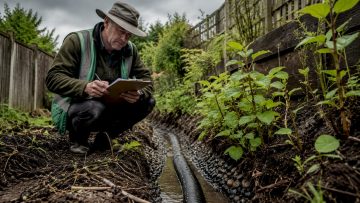
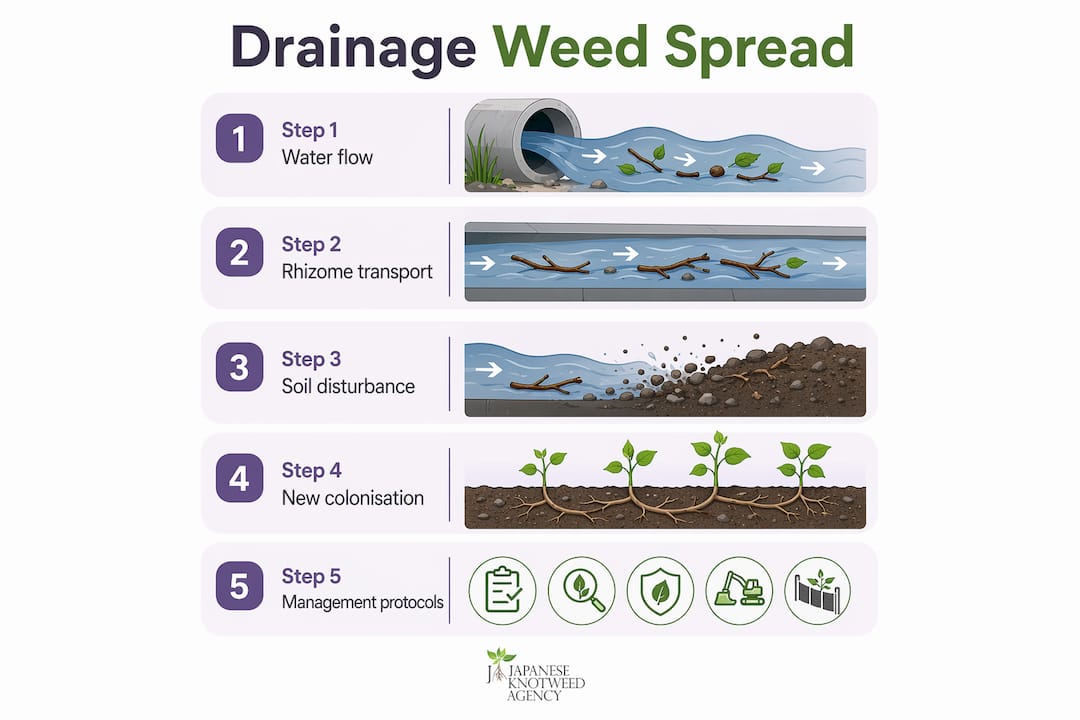
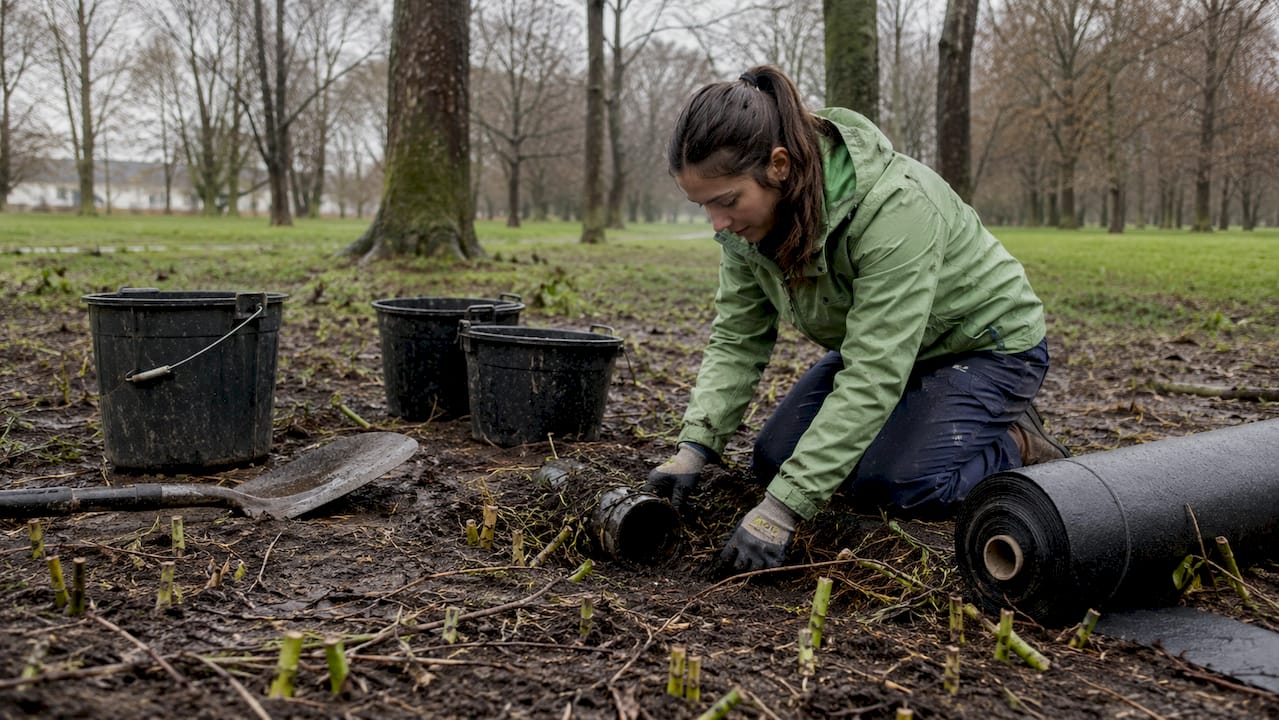
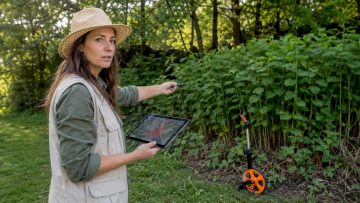
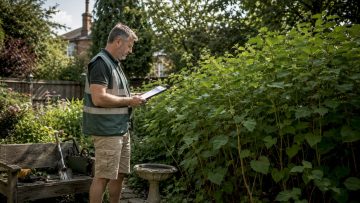
Glyphosate Ban UK

Glyphosate Ban UK?

Energy-based plant removal explained for homeowners


TL;DR:

  • Energy-based plant removal, also known as thermo-electric treatment, involves applying electrical or thermal energy directly to invasive plant tissue to damage roots and deplete energy reserves. This method requires multiple treatments over one to two years, targeting rhizome deep within the soil to ensure effective eradication. Proper professional management, documentation, and patience are essential for successful, environmentally friendly removal that satisfies legal and mortgage requirements.

If you have searched for “energy-based plant removal explained” and found yourself wading through articles about waste-to-energy facilities or biomass combustion, you are not alone. The term causes genuine confusion, and that confusion matters if you are a homeowner or property buyer dealing with Japanese knotweed or another invasive species. Energy-based plant removal, also called thermo-electric treatment in specialist practice, refers to the direct application of electrical or thermal energy to invasive plant tissue, targeting root systems and depleting the stored energy reserves that allow these plants to regenerate. This article explains precisely how it works, what it can realistically achieve, and how to use it responsibly.

Table of Contents

Key takeaways

Point Details
Terminology clarity Energy-based removal refers to thermo-electric treatment, not waste-to-energy or biomass processes.
Root depletion is the goal Effective treatment must reach and damage the rhizome network, not just scorch surface growth.
Repeated treatment is standard Most programmes require multiple visits across one to two seasons to exhaust root energy reserves.
Eco-friendly advantage Chemical-free energy methods suit homeowners concerned about soil health, water courses, and biodiversity.
Professional surveys matter Accurate identification and a documented management plan are both required for mortgage and lending purposes.

Why invasive plants are so hard to remove

Japanese knotweed is the most well-known invasive plant problem facing UK homeowners, but it is far from the only one. Giant hogweed, Himalayan balsam, and rhododendron all present serious challenges to property owners and land managers. What these species share is an extraordinary capacity to store energy in their root systems, which allows them to regenerate aggressively after surface removal.

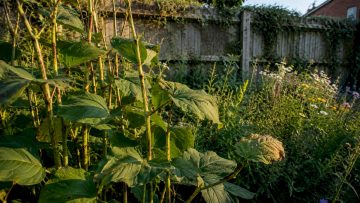
Japanese knotweed is a particularly striking example. Its rhizome network can extend three metres deep and seven metres laterally from the visible stem, and the plant can push through tarmac, concrete, and cavity walls. Even a fragment as small as a fingernail is capable of generating a new plant under the right conditions. This biological resilience is the core reason that standard cutting or pulling is ineffective as a standalone solution. Cutting and mowing requires multiple seasonal interventions to begin depleting root energy, and without professional management, regrowth is virtually guaranteed.

The consequences of leaving an infestation untreated extend well beyond the garden. Mortgage lenders frequently decline applications or withhold offers on properties where knotweed is present without a documented management plan. Solicitors are now routinely required to flag knotweed as part of property searches. There are also legal obligations around preventing spread to neighbouring land. The financial and legal exposure can be considerable, which is why understanding your removal options clearly matters so much.

Key challenges posed by Japanese knotweed and similar invasive plants include:

  • Rhizome networks that extend well beyond the visible above-ground growth
  • Rapid regrowth from the smallest root fragments if disturbed without containment
  • Potential structural damage to buildings, drainage systems, and hard surfaces
  • Mortgage and property sale complications without specialist documentation
  • Controlled waste regulations that govern how excavated rhizome material must be disposed of

How energy removes plants: the science in practice

The phrase “energy-based plant removal” covers two primary techniques in professional invasive species management: electrical treatment and thermal treatment. Both approaches work on the same biological principle. They deliver energy directly into plant tissue to cause internal cell damage and deplete the stored carbohydrate reserves that fuel regeneration.

Electrical treatment involves delivering high-voltage current through the plant stem and into the root system. Commercial agricultural devices such as the Weed Zapper deliver up to 15,000 volts to target plants, causing moisture within plant cells to expand rapidly and rupture cell walls. This kills the plant at a cellular level rather than simply removing visible growth. In controlled conditions, high-voltage electrical methods have demonstrated over 95% weed control and significantly reduced seed viability in subsequent seasons.

Technician using electrical removal for knotweed

Japaneseknotweedagency delivers direct electrical energy of up to 5,000 volts on site, applied to knotweed and other invasive species in a controlled, repeatable programme. Each treatment delivery causes progressive internal cell damage throughout the rhizome network, reducing the plant’s capacity to draw on stored energy reserves with every subsequent visit. This is not a one-off procedure. It is a measured, seasonal programme designed to exhaust the plant’s regenerative capability over time.

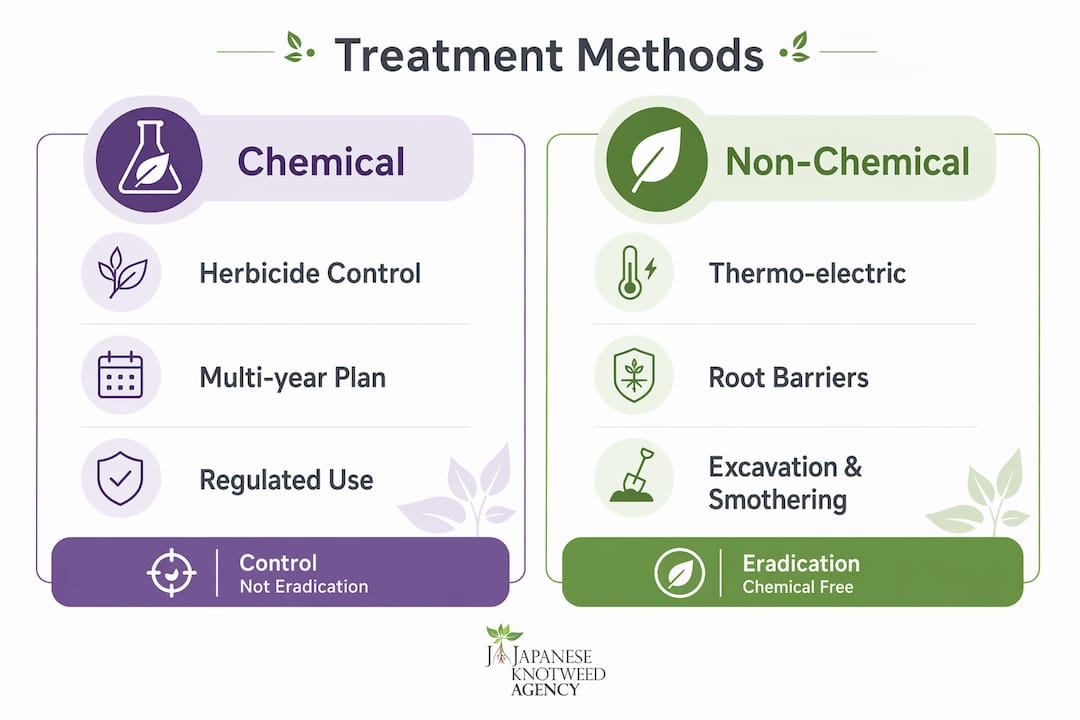
Thermal treatment operates through a different mechanism, using superheated steam or directed heat to penetrate soil and root tissue. Both electrical and thermal approaches are chemical-free solutions that appeal to homeowners concerned about herbicide residues in soil, contamination of nearby water courses, or harm to non-target species and pollinators.

Treatment method Mechanism Suitable for knotweed rhizomes Chemical use
Electrical (thermo-electric) Cell rupture via voltage Yes, with repeated application None
Thermal (steam/heat) Heat penetration of root tissue Partial, surface-focused None
Herbicide (e.g. glyphosate) Systemic absorption via leaves Yes, over 3 to 5 years Yes
Excavation Physical extraction Yes, immediate but costly None
Cutting or mowing Surface depletion over time Partial, slow process None

Pro Tip: Surface scorch or single-visit electrical treatment is not sufficient for established knotweed. Confirm with your contractor that energy delivery is calibrated to reach rhizome depth, not just the above-ground stem.

What to realistically expect from treatment

One of the most common misconceptions about energy-based vegetation control is that it delivers rapid, visible results after a single application. For surface annual weeds in agricultural settings, that may sometimes be true. For Japanese knotweed with a mature rhizome network, the reality is different and understanding that difference protects you from disappointment and from wasting money.

Effective eradication programmes using energy-based methods typically span one to two years, with documented results and scheduled follow-up visits. Each treatment visit progressively weakens the rhizome network, but the plant will often attempt to re-sprout between treatments as it draws on remaining stored energy. This is expected behaviour, not treatment failure.

Key considerations when managing expectations include:

  • Multiple treatment cycles across two or more growing seasons are standard practice
  • Re-sprouting between visits is a normal part of the depletion process, not a sign that treatment is failing
  • Monitoring for re-sprouts and containment of any disturbed material is required throughout the programme
  • Combining energy-based treatment with root barrier installation can prevent lateral spread during the programme
  • Final success should be confirmed by a specialist survey, not simply the absence of visible growth

“Depleting energy reserves in invasive plant roots is the fundamental biological principle underpinning removal success. Repeated mechanical or energy intervention is necessary to exhaust the root system, and there are no shortcuts to that process.”

The practical implication for homeowners is this: budget for a multi-season programme, not a single treatment day. Contractors who promise complete eradication after one visit are not providing an accurate assessment of what is involved.

Choosing the right service as a homeowner or buyer

Infographic comparing energy and chemical removal

If you are a property buyer or homeowner seeking energy plant removal techniques for knotweed or another invasive species, the quality of the contractor you choose directly determines whether your investment produces a result that satisfies mortgage lenders, protects your property value, and genuinely clears the infestation.

Here is a structured approach to making the right decision:

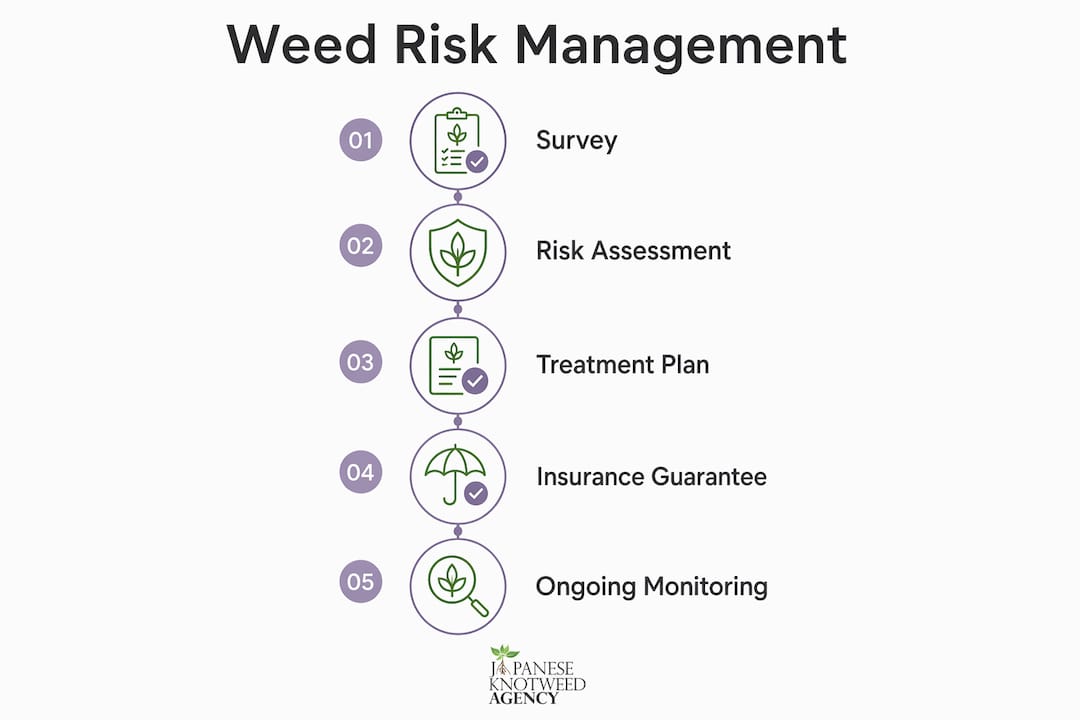
  1. Commission a professional survey first. Do not proceed to treatment without accurate identification and a mapped assessment of the affected area. A professional invasive species survey provides the baseline documentation that mortgage lenders require and allows treatment to be correctly scoped.

  2. Request a documented management plan. A credible contractor will provide a written plan covering treatment schedule, expected outcomes, monitoring protocols, and the number of visits included. A 3 to 5 year treatment commitment with monitoring and documentation is the standard for mortgage-related cases.

  3. Confirm the treatment is chemical-free if that is your priority. Ask specifically whether the energy delivery method is electrical, thermal, or a combination, and at what voltage or temperature it operates. Confirm that rhizome depth is addressed, not just surface growth.

  4. Check for insurance-backed guarantees. Lenders may require evidence that treatment is covered by an insurance-backed guarantee. Confirm this is available before signing any agreement.

  5. Ask about post-treatment management. Root barrier installation and appropriate replacement planting help prevent reinfestation and restore ecological balance once the invasive plant is under control.

Pro Tip: Avoid any contractor who is unable to provide a written management plan, cannot confirm their energy delivery specifications, or discourages you from booking a specialist survey before treatment begins. These are not signs of confidence. They are warning signs.

Understanding the advantages of energy plant removal also extends to the broader environmental picture. Chemical-free treatment eliminates the risk of glyphosate entering soil or nearby water courses, which matters particularly on plots adjacent to rivers, streams, or gardens with established native planting. For homeowners who value biodiversity and soil health, this is a significant consideration.

My perspective on energy-based removal

I have worked alongside property owners who arrived at us frustrated, often having already spent money on treatments that produced no lasting result. What I have observed consistently is that the expectation of a quick fix is the single biggest obstacle to successful knotweed management.

Energy-based thermo-electric treatment is genuinely effective. I have seen programmes that reached 95% success within two seasons, with properly documented outcomes that satisfied mortgage lenders and allowed property transactions to proceed. But those results came from programmes that were planned correctly, executed consistently, and monitored throughout. The combination of physical, energy-based, and containment methods produces the best long-term outcomes. No single approach works in isolation for an established infestation.

My honest view is that chemical-free energy methods represent the most responsible option available to most homeowners today. They protect the surrounding ecology, they do not introduce systemic herbicides to the soil, and they are documentable in a way that satisfies lenders. But they require patience and professional management. If you approach this as a long-term programme rather than a one-time fix, you will achieve results you can rely on.

— Alan

How Japaneseknotweedagency can help

Japaneseknotweedagency is a recognised pioneer in chemical-free invasive plant eradication, delivering thermo-electric treatment programmes across England, Wales, and Ireland. Their approach uses direct electrical energy of up to 5,000 volts to target knotweed rhizome networks, progressively depleting the plant’s stored energy reserves across a structured treatment programme.

https://japaneseknotweedagency.co.uk

Their services include professional invasive species surveys, energy-based treatment programmes, root barrier installation, and excavation works. Every programme is supported by documentation suitable for mortgage lenders, insurance-backed guarantees, and a monitoring plan covering the full treatment period. For homeowners and property buyers seeking chemical-free invasive plant solutions, Japaneseknotweedagency offers a transparent, specialist-led route from survey to confirmed eradication. The first step is always a professional assessment. Book a survey to receive an accurate diagnosis and a treatment plan you can act on with confidence.

FAQ

What does energy-based plant removal actually mean?

Energy-based plant removal, also called thermo-electric treatment, refers to the direct application of electrical or thermal energy to invasive plant tissue to cause cell damage and deplete the root system’s stored energy reserves. It is distinct from waste-to-energy or biomass processes, which are unrelated energy recovery methods.

How many treatments does Japanese knotweed require?

Effective eradication programmes typically require multiple treatment visits across one to two years, with monitoring between visits. A single application is rarely sufficient to exhaust the root energy reserves of an established infestation.

Will energy-based treatment satisfy my mortgage lender?

It can, provided the treatment is delivered by a specialist contractor who supplies a written management plan, documented outcomes, and an insurance-backed guarantee. A multi-year treatment and monitoring plan with professional survey documentation is what most lenders require.

Is energy-based removal safer than herbicide treatment?

For homeowners concerned about soil health, water courses, or biodiversity, chemical-free energy methods eliminate the risks associated with herbicide residues. Chemical-free treatment with a documented 95% success rate is now a credible and environmentally responsible alternative to glyphosate-based programmes.

Can I carry out energy-based knotweed treatment myself?

DIY removal of Japanese knotweed is strongly discouraged. Disturbing the rhizome network without professional containment risks fragmentation and spread, and DIY removal without licensed disposal of excavated material can breach controlled waste regulations. Professional management is both legally safer and more effective.

房主必看:杂草根除常见误区与高效除根实战指南


TL;DR:

  • 杂草根系差异巨大,正确识别后才能选择有效除根方法。误用偏方如盐水或醋只伤土壤,难以彻底根除。科学操作包括雨后拔草、保持根完整、及时填土,效果更佳持久。

很多房主在花园里反复与杂草"交手",却始终找不到真正有效的方法。问题往往不在于不够努力,而在于长期流传的杂草根除常见误区让人陷入无效循环。用盐水浇、拔掉地上部分、随意喷洒除草剂……这些看似合理的操作,实际上不是徒劳就是适得其反。本文将系统梳理这些误区背后的真正原因,并提供经过验证的科学除根方法,帮助你彻底告别杂草反复复发的困扰。

目录

关键要点

要点 详情
辨识杂草类型是第一步 不同类型杂草根系差异显著,只有先正确辨识才能选择对应的有效方法。
民间偏方往往有害无益 盐水和醋不能杀死根部,且会破坏土壤结构,导致后续更难除草。
雨后是拔草最佳时机 土壤松软时更易完整带出根球,大幅降低根断留土的概率。
除草剂需对症选用 选择性与非选择性除草剂适用场景不同,误用会伤害草坪中的有益植物。
除草后管理决定长效效果 填补土洞、维持草坪密度和定期检查,是防止杂草快速复发的核心措施。

杂草根除常见误区从认识根系开始

要避开根除杂草误区,首先必须理解你面对的对象是什么。杂草不是一类统一的植物,它们的根系结构差异极大,这直接决定了哪种除根方法能真正奏效。

专业园艺领域通常将常见杂草分为三大类型。闊叶杂草包括蒲公英、车前草等,它们往往拥有深入土壤的主根,有些可延伸超过30厘米。禾本科杂草如狗尾草,根系呈须根状,横向蔓延速度快。莎草类(如香附子)则以地下球茎和根状茎连接生长,单纯拔除地上部分几乎无效,因为地下网络完整保留着再生能力。

以下是三类杂草的核心特点:

  • 闊叶杂草:主根粗长,断根后仍可萌发,需要工具辅助完整挖出
  • 禾本科杂草:须根密集,适合配合土壤松动后整体铲除
  • 莎草类杂草:地下球茎是再生核心,化学药剂需多次施用才能见效

先辨识杂草类型,再对症下药是通用原则,跳过这一步是许多房主除草失败的根本原因。了解杂草种类不仅决定你使用什么工具,也直接影响你选择手动除根、覆盖抑制还是化学处理的策略方向。

流行偏方的真相与危害

在各类园艺论坛和社交媒体上,关于除草的"妙招"从不缺乏。但其中流传最广的几种方法,实际上属于典型的根除杂草误区,不仅无效,还可能造成持久的土壤和植物损害。

盐水除草是最常见的误解之一。盐水造成土壤盐化,长期使用会让土壤失去保水和养分保持能力,连正常种植都无法进行。即便杂草地上部分枯萎,根系依然存活,来年照样发芽。

醋喷杀效果同样有限。醋只能杀死杂草地上部分,对根系毫无作用,且酸性液体同样会伤害周边植物,造成"误伤"。

  • 仅拔除地上部分:对蒲公英这类深根杂草来说,留在土里的主根3到4周内即可重新萌发,等于完全没有根除
  • 不处理拔后土洞:未压实的土壤孔洞是杂草种子的天然温床,风吹雨打后种子迅速落入,复发速度极快
  • 随意施用非选择性除草剂:嘉磷塞类除草剂喷洒不当会杀死草坪中所有植物,造成大面积秃斑

专业提示: 除草前先用清水浇透土壤,等待30分钟再动手操作。湿润的土壤对根系的握持力下降,能显著提升整根带出的成功率,避免断根留土。

这些错误操作的共同点在于,它们只处理了肉眼可见的部分,而根系问题完全未被触及。真正有效的杂草防治常识,必须从地下根系着手。

高效除根的正确操作与工具

正确的除草时机和工具选择,对最终效果的影响远超大多数人的想象。以下是经过验证的实操步骤:

  1. 选择雨后作业:雨后土壤松软时拔草,根系更容易完整带出,干硬土壤拔草往往只拔到茎秆,根留土中继续生长。
  2. 使用V形除草器:这是处理深根闊叶杂草最有效的工具。V形除草器旋转撬起根球的设计,能在不切断根系的前提下完整取出,大幅提高根除成功率。
  3. 保持根球完整:挖掘时要以杂草为圆心,向下垂直切入,而不是向外斜拉。保持根球完整是减少复发的关键操作,一旦主根断裂,残留部分会从断点重新萌发。
  4. 清理后填补土洞:用周边土壤填入挖出的孔洞,用脚或手轻轻压实,再稍作浇水。这一步是多数人忽略的细节,却直接决定杂草是否快速复发。
  5. 集中处理顽固根系:对鱼腥草等强势杂草,至少挖掘30厘米深,切断所有带芽根段,并将挖出的根茎集中清理销毁,不可丢弃在花园内。

专业提示: 挖出的杂草根系不要直接堆放在花坛或草地上。即便是离地放置,潮湿天气下某些根系仍可重新扎入土壤。建议装入密封袋后统一处理。

除了V形除草器,宽刃小铲适合处理须根密集的禾本科杂草,窄刃除草刀则适合处理缝隙中的顽固杂草。选择合适工具并配合正确时机,杂草去除技巧的实际效果会有本质提升。

用手握着园艺工具,细心地将杂草拔除,保持花园整洁美观。

除草剂的科学选用指南

除草剂是处理大面积或顽固杂草时的有效手段,但选错药剂或用法不当,可能造成草坪损伤甚至环境污染。以下对比表格帮助你快速理清选择逻辑:

除草剂类型 作用原理 适用场景 注意事项
萌前除草剂 抑制种子发芽 春季预防一年生杂草 施用后不可翻土,否则效果失效
萌后除草剂 杀死已出苗杂草 杂草已生长后使用 避开高温天气,以免挥发伤及好草
选择性除草剂 针对特定植物种类 草坪中清除闊叶杂草 2,4-D成分对禾本科草皮安全
非选择性除草剂 杀死所有植物 整区清除或硬化地面清洁 需精准施用,避免飘移至好草区域

施药时机对效果影响显著。避开超过30°C的高温天气,风速过大时也不宜喷洒,以免药液飘散至不需要处理的区域。清晨或傍晚操作效果最稳定。

针对莎草类等顽固杂草,苄嘧磺隆类除草剂需多次施用,间隔三到四周为宜,一次施药很难彻底清除地下球茎网络。单次施用后看到叶片枯黄就以为成功是常见的杂草控制主要误区之一,球茎在土壤中依然存活,随时可以复发。

杂草清除全流程图解,教你一步步轻松搞定除草难题

了解安全无化学处理建议,也是在选用化学药剂之前值得考量的方向,特别是在有儿童或宠物活动的庭院区域。

除根后的生态管理与预防

彻底根除杂草只完成了一半的工作。如果后续管理跟不上,新一轮侵扰往往在数周内就会重新出现。真正有效的杂草防治常识,必须将预防放在与根除同等重要的位置。

以下是除根后的核心管理措施:

  • 维持草坪高密度:密集草坪阻碍杂草落地生根,减少空间供杂草种子萌发。定期补播裸露区域,是最天然的生物抑制手段
  • 合理使用覆盖物:木屑、树皮、稻草等有机覆盖材料铺设5至8厘米厚度,能有效遮挡阳光、抑制种子发芽,同时增加土壤有机质
  • 防草布的正确用法:防草布适合用于花坛和小径,但不适合大面积草坪。长期使用会影响土壤透气性,需定期检查覆盖效果
  • 定期巡查残根:除草后两到三周内应对原处进行复查,挑除任何细小残根,防止再生。残留根茎是杂草反复生长的主因,不可忽视
  • 控制种子传播源:周边邻地或绿化带若有大量开花杂草,应与邻居协商或在边界加装阻隔措施,减少种子随风传入

环保除草步骤的核心理念是减少干预频率,同时提高每次处理的精准度和持久性。科学的生态管理比反复除草更省时省力。

我从多年实践中学到的教训

在我从事杂草管理和入侵植物治理的这些年里,见过太多房主和园艺爱好者在同样的地方反复栽跟头。最让我感到遗憾的,不是他们没有付出努力,而是他们的努力方向从一开始就偏了。

我亲眼看到有人用整桶醋浇了三个夏天,莎草照样每年回来。我也见过有人挖了一下午的蒲公英,因为没有填好土洞,两周后那片区域反而比之前更密。这些失败案例告诉我一件事:方法比勤劳更重要

我认为,如何有效根除杂草这个问题,答案不在于找到一种"万能药",而在于建立一套识别、操作、管理的闭环流程。忽视杂草类型、跳过土洞处理、施药一次了事,这三个细节缺失,是我见过最普遍也最致命的操作漏洞。

在涉及入侵性植物时,我始终建议优先考虑无化学方法。不是因为化学药剂完全没有价值,而是因为在家庭庭院和公共绿地中,无化学技术避免了农药残留对土壤微生物群和周边生态的干扰,长期效果更稳定,对家庭成员和宠物也更安全。

除草这件事,科学识别和耐心操作缺一不可。急于求成,往往是让杂草年年卷土重来的真正原因。

— Alan

专业无化学除根解决方案

https://japaneseknotweedagency.co.uk

如果你面对的是日本虎杖、香附子或其他难以手动处理的入侵性杂草,Japaneseknotweedagency提供专业的无化学根除方案,采用热电处理技术,向根系网络直接输送高达5000伏特的能量,造成细胞内部损伤并耗尽根茎的能量储备,实现彻底根除而无需任何化学药剂。Japaneseknotweedagency同时提供防根屏障安装和挖掘清理服务,覆盖英格兰、威尔士和爱尔兰全境。你可以通过无化学根除流程了解完整处理方案,或访问入侵杂草常见问题获取专业解答,找到最适合你庭院情况的处理路径。

常见问题解答

盐水能彻底根除杂草吗?

不能。盐水只能使地上部分枯萎,无法杀死根系,且持续施用会导致土壤盐化,影响所有植物的生长。

拔草后不填补土洞有什么问题?

未压实的土洞是杂草种子落地发芽的理想条件,风雨会将周边种子带入其中,导致该区域杂草在短期内快速复发。

什么时候拔草效果最好?

雨后土壤松软时拔草效果最佳。干硬土壤容易造成根系断裂,断留在土中的根段仍会继续生长。

选择性除草剂和非选择性除草剂有何区别?

选择性除草剂针对特定植物类型,如2,4-D成分杀死闊叶杂草而不伤禾本科草皮。非选择性除草剂则对所有植物有效,仅适合整区清除场景。

莎草类杂草为什么特别难根除?

莎草类杂草通过地下球茎和根状茎网络传播,单次施药或拔除无法清除地下结构。苄嘧磺隆类除草剂需间隔三到四周多次施用才能有效控制其地下网络。

推荐

What is environmental weed risk for your property?


TL;DR:

  • Environmental weed risk assessment scores plants based on invasiveness, ecological impact, and potential distribution, guiding legal management actions. Accurate identification and professional surveys are essential to prevent ecological harm and property devaluation caused by invasive species like Japanese Knotweed. Integrated management combining cultural, mechanical, biological, and chemical controls provides the most sustainable long-term weed control outcomes.

Not every unwanted plant in your garden poses the same threat. Understanding what is environmental weed risk matters because the consequences of misidentifying a truly invasive species — or failing to act on one — can extend far beyond your boundary fence. Environmental weed risk affects native biodiversity, land usability, property values, and in some cases your legal obligations as a landowner. This article covers how risk is formally assessed, how to identify environmental weeds accurately, what the real ecological and economic impacts look like, and which management strategies actually work over the long term.

Table of Contents

Key takeaways

Point Details
Not all weeds are equal threats Environmental weed risk is formally scored across invasiveness, ecological impact, and potential spread before any designation is made.
Identification accuracy is critical Misidentifying plants leads to unnecessary removal of native species or, worse, leaving a genuinely harmful invader untreated.
Ecosystem disruption is measurable Invasive weeds displace native species, reduce biodiversity, lower land usability, and can affect property valuations.
Integrated management outperforms chemicals alone Combining cultural, mechanical, and targeted treatments delivers more sustainable results than reactive spraying.
Professional surveys save time and money A specialist survey confirms weed presence, legal status, and the most appropriate management pathway for your specific site.

Defining environmental weed risk

Environmental weed risk is not a simple yes-or-no judgement. It is a structured, multi-factor assessment that scores a plant species across three core criteria: invasiveness, ecological impact, and potential distribution. Each factor is weighted and scored, and the combined result determines how a species is classified and managed under legislation.

In formal assessment frameworks, weed risk is scored with each factor potentially reaching up to 10 points. A high combined score triggers a priority designation, which may result in a species being listed as restricted, noxious, or prohibited. Sicklebush (Dichrostachys cinerea), for example, receives a high-priority designation in northern Western Australia because of its capacity to colonise vast areas of native rangeland rapidly.

Infographic showing weed risk scoring hierarchy

These legal categories carry real obligations. A restricted weed may not be sold or traded. A noxious weed may require mandatory control on private land. Understanding where a plant sits within these classifications is not academic. It directly determines what a landowner is required to do.

Here is how the core assessment criteria typically break down:

  • Invasiveness: How readily does the species establish, spread, and persist in new environments?
  • Ecological impact: Does it displace native vegetation, alter soil chemistry, or outcompete food sources for native fauna?
  • Potential distribution: Could the species colonise a wide range of habitats beyond its current range given existing climate and soil conditions?

For UK landowners, the invasive weed risk assessment process mirrors this approach. Japanese Knotweed, for instance, scores highly across all three criteria, which is why it carries specific legal obligations under the Wildlife and Countryside Act 1981 and the Infrastructure Act 2015. Understanding the formal framework behind these designations helps you respond proportionately rather than reactively.

How to identify environmental weeds

Accurate identification is where environmental weed management either succeeds or fails. The most common mistake landowners make is acting on appearance alone. A plant that looks untidy or unfamiliar is not automatically an environmental threat, and removing it without proper identification can cause as much ecological harm as leaving a genuine invader in place.

Surveyor photographing invasive plant for identification

The look-alike problem is well documented. In New Zealand, pampas grass (Cortaderia selloana) is a regulated environmental weed, while native Toetoe (Austroderia spp.) is a protected species. They look remarkably similar to the untrained eye, yet removing Toetoe is environmentally harmful and potentially unlawful. The same principle applies throughout the UK and Ireland, where several invasive species closely resemble native or ornamental plants.

A reliable identification process involves these steps:

  1. Photograph clearly. Take images of leaves, stems, flowers, seed heads, and the root system if accessible.
  2. Cross-reference a verified database. Use regional government weed lists or tools such as iNaturalist to compare your findings against confirmed records.
  3. Check legal status. Verify whether the species appears on local authority or national invasive species registers before taking any action.
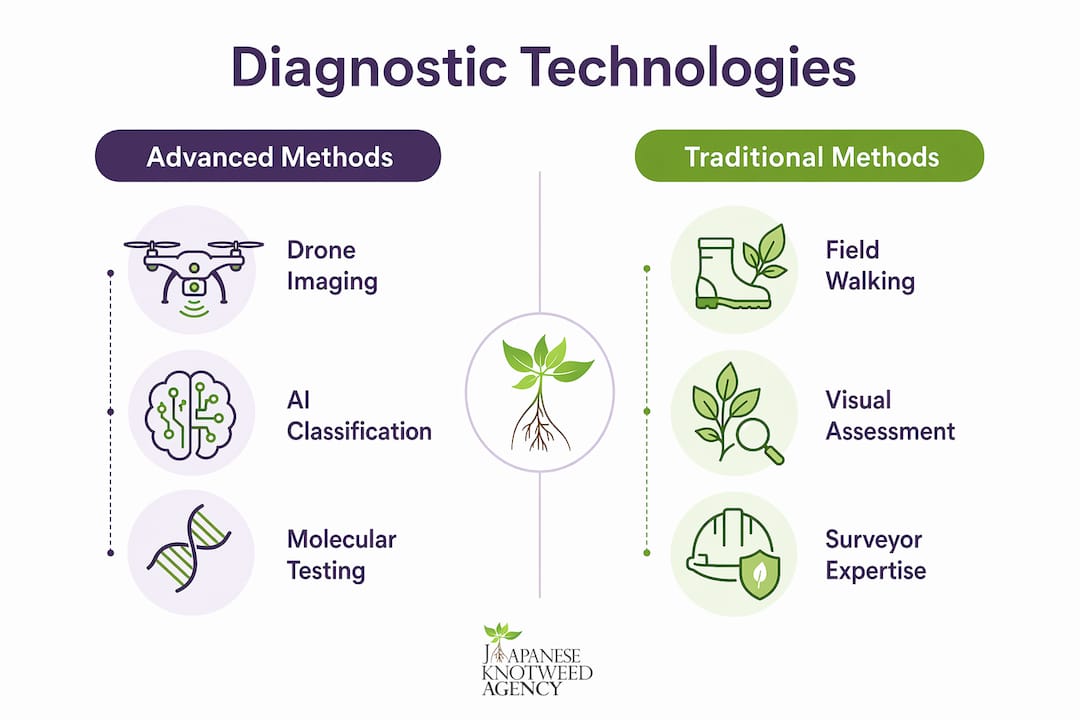
  4. Consult a specialist. When identification is uncertain, invasive weed monitoring by a qualified surveyor is the most reliable route to a correct diagnosis.
  5. Report sightings. Many local authorities and national agencies request that confirmed sightings of designated species are reported to help track spread.

Structured identification methods are not bureaucratic formalities. They protect you legally, protect native species ecologically, and give you a solid foundation for any management decisions that follow.

Pro Tip: Before using any identification app, cross-reference its output against your local authority’s confirmed weed register. Apps are excellent tools for narrowing down candidates, but local legal designations vary and are not always reflected in national databases.

Impacts on ecosystems and property

The environmental weed effects that concern specialists go far beyond what a plant looks like. Ecosystem disruption by weeds operates on several levels simultaneously, and each has tangible consequences for landowners.

Consider the following impacts:

  • Biodiversity loss: Invasive species compete aggressively for light, water, and nutrients. Dense stands of Japanese Knotweed or Himalayan Balsam can eliminate understory vegetation entirely, reducing habitat for insects, birds, and small mammals. Biodiversity and invasive species management are directly linked. Where one declines, the other increases in urgency.
  • Soil and waterway degradation: Certain invasive species alter soil structure and chemistry, making it harder for native plants to re-establish even after the weed is removed. Species along riverbanks can destabilise soil and increase erosion, widening flood risk.
  • Property value and mortgageability: The presence of Japanese Knotweed within seven metres of a habitable structure is a material consideration for mortgage lenders. Surveyors are required to report it. Left unmanaged, it can render a property unmortgageable and directly affect sale prospects.
  • Human health risks: Some invasive species present direct physical or toxic hazards. Giant Hogweed (Heracleum mantegazzianum) produces sap that causes severe phototoxic burns on skin contact. Himalayan Balsam seeds can cause irritation. These are not theoretical risks.

“The economic cost of invasive non-native species to Great Britain has been estimated at over £1.8 billion per year, with environmental weeds accounting for a substantial proportion of that figure.” — GB Non-native Species Secretariat

Why weeds are harmful is rarely reducible to a single factor. The cumulative effect of ecosystem disruption, reduced land usability, property devaluation, and health risk makes proactive management a sound investment rather than an optional extra.

Environmental weed management strategies

The most effective approach to environmental weed management is not reaching immediately for a herbicide. Integrated Weed Management (IWM) combines multiple control methods in sequence, reducing herbicide dependence and producing better long-term results.

IWM works by layering four types of control:

  1. Cultural controls: Establishing and maintaining healthy native plant communities that outcompete invasive species naturally. Dense, diverse planting leaves fewer gaps for opportunistic weeds to exploit. This is the foundation of sustainable weed control and should always be the starting point.
  2. Mechanical controls: Physical removal through cutting, digging, or excavation. Timing matters considerably here. Cutting Himalayan Balsam before it sets seed prevents the next generation entirely.
  3. Biological controls: Using natural predators, pathogens, or competing plant communities to suppress weed populations. This approach is slow but produces durable results without chemical inputs.
  4. Chemical controls: Targeted herbicide application used as a final measure for species that cannot be adequately controlled by other means. Chemical control alone often fosters herbicide resistance when used without the other layers, reducing its effectiveness over time.

Monitoring is not a supplementary task. It is central to IWM success. Effective weed management requires monitoring at every stage, timed to each plant’s phenological cycle. Applying a herbicide after a plant has already set seed is expensive and largely ineffective, regardless of the product used. The timing of intervention determines its outcome.

Pro Tip: Record every treatment, observation, and plant response in a simple site log. This record is invaluable if you need to demonstrate compliance to a local authority, mortgage lender, or prospective buyer.

Preventing weed invasions is considerably easier than controlling an established population. Monitoring boundary areas, checking incoming soil or plant material, and acting promptly on early sightings are all measures that pay dividends over time. More invasive weeds are coming under regulation in the UK, which means the list of plants requiring active management is expanding.

My perspective on weed risk

In my experience working with invasive species across England, Wales, and Ireland, the most persistent problem is not the weeds themselves. It is the tendency to underestimate the time commitment that genuine environmental weed management requires.

I’ve seen properties where a single treatment of Japanese Knotweed was assumed to be the end of the matter. It rarely is. The rhizome network extends far deeper than surface growth suggests, and climate-driven changes in weed physiology mean that management plans written five years ago may no longer reflect current conditions. Elevated CO2 levels and warmer winters are enabling some species to establish in regions where they previously could not survive, which means risk assessments need to be revisited periodically, not treated as a one-off exercise.

What I’ve learned is that patience and sustained monitoring produce outcomes that no single treatment can. The landowners who achieve lasting control are those who document their observations, adjust their approach based on what the plant is actually doing, and seek professional guidance at the point where the work exceeds their expertise.

Quick chemical fixes are appealing precisely because they feel decisive. In practice, misidentification and reactive spraying frequently result in the destruction of native plants and the survival of the target species. Taking the time to understand what you are managing before you act is not caution. It is competence.

— Alan

How Japaneseknotweedagency can help

If you suspect an invasive species on your property or have recently received a weed-related concern from a surveyor or solicitor, the most productive first step is a professional survey. Japaneseknotweedagency carries out property weed surveys across England, Wales, and Ireland, providing accurate identification, risk assessment, and a clear management pathway tailored to your site.

https://japaneseknotweedagency.co.uk

Where Japanese Knotweed is confirmed, Japaneseknotweedagency’s thermo-electric treatment delivers up to 5,000 volts directly into the plant, causing internal cell damage and depleting the rhizome network without the use of chemicals. Root barrier installation and excavation services are also available where the situation demands a more immediate structural response. For straightforward guidance on your specific circumstances, you can also browse the invasive species FAQs or book a survey directly.

FAQ

What is environmental weed risk in simple terms?

Environmental weed risk is a formal assessment of how likely a plant species is to spread, damage native ecosystems, and colonise new areas. It combines scores for invasiveness, ecological impact, and potential distribution to determine whether a species requires legal control.

How do I identify environmental weeds on my property?

Photograph the plant clearly, cross-reference it against a verified regional database or tool such as iNaturalist, and confirm its legal designation with your local authority or a professional surveyor before taking any action.

Why are invasive weeds harmful to ecosystems?

Invasive weeds displace native species, reduce biodiversity, degrade soil and waterways, and can alter entire habitat structures. The roles of weeds in ecosystems, when those weeds are non-native invaders, are almost universally destructive to native ecological balance.

Does Japanese Knotweed affect my ability to sell or mortgage a property?

Yes. Mortgage lenders treat Japanese Knotweed within seven metres of a habitable structure as a material risk. An unmanaged infestation can affect mortgageability and sale prospects directly, making professional management and documented treatment records critically important.

Can I manage environmental weeds without using chemicals?

Yes, and for many species it is the preferred approach. Japaneseknotweedagency’s thermo-electric treatment is a documented chemical-free method for Japanese Knotweed. For other species, cultural and mechanical controls within an integrated management plan often deliver effective, lasting results without herbicide use.

无化学处理原理:家庭园艺与生态除草全解析


TL;DR:

  • 无化学处理利用物理能量和生物提取物实现对入侵植物的安全根除。该方法保护土壤和水源,成本长期更具优势,受到生态保护意识提升的青睐。专业技术结合实践操作,可高效、安全地清除深根性植物,助力家庭园艺绿色升级。

许多人认为,不使用化学农药就无法彻底消灭入侵植物,这种观点在园艺领域根深蒂固,却与事实相去甚远。无化学处理原理正是针对这一误区而诞生的科学体系,它借助物理能量、植物提取物和生物技术,实现真正意义上的无毒、无害植物控制。近年来,随着生态保护意识的提升,越来越多的家庭和园艺爱好者开始寻求既高效又不伤害土壤与水源的处理方式。本文将系统梳理这一领域的核心原理、环保优势与实际操作方法。

目录

关键要点

要点 详情
物理能量是核心驱动力 高压电能可直接破坏植物根系细胞,实现无化学原料的根本性根除。
植物提取物具有实证效果 黄酮类等植物活性成分经科学验证,可有效抑制目标植物而不污染环境。
无毒技术保护土壤与水体 无化学处理方式避免农药渗入地下水,维持土壤微生物生态平衡。
与传统方法相比成本可控 无化学处理在长期维护成本和环境修复费用上明显优于传统化学除草。
家庭用户可参与实际操作 掌握正确工具和步骤,普通家庭完全可以实施有效的无化学处理方案。

无化学处理原理的核心技术与方法

理解无化学处理原理,首先需要认识到"无化学"并非意味着处理效果弱化,而是通过更精准的物理、生物机制实现同等乃至更强的控制效果。这一原理覆盖多个技术层面,每种方式都有其适用场景和作用机制。

物理法:热能与电能的直接作用

物理处理技术以能量为核心手段,直接作用于植物细胞层面。热处理通过高温破坏植物组织中的蛋白质结构,使细胞失去功能;而电能处理则更为精准,通过向植物根系输送高压电流,造成内部细胞不可逆损伤。Japaneseknotweedagency采用的热电处理技术,可向现场输送高达5000伏的直流电能,直接耗竭日本虎杖等入侵植物地下根茎网络中储存的能量,这是目前业内最具技术深度的无化学处理方式之一。

膜过滤技术同样属于物理范畴。超滤膜技术通过分子筛分,在常温下不添加任何化学物质,即可精准分离目标分子,这一原理在植物处理领域同样具有参考价值。

植物提取物:天然活性成分的定向作用

植物自然处理是另一条重要技术路线,其核心在于利用植物本身的生物活性成分。富含黄酮类物质的植物提取液,黄酮含量达到80%以上时,能对目标有机物产生显著抑制效果,且不产生有害残留。这种无化学原料的处理方式,特别适合对土壤生态敏感的家庭园艺场景。

家用厨房自制植物除草剂

天然植物提取物还能发挥渗透分解的作用,将有害分子转化为水和二氧化碳,而非仅仅掩盖表面问题。这与传统化学处理中"毒杀"目标的逻辑截然不同,是真正意义上的根本性治理。

微生物与光催化技术

微生物处理利用特定菌种分解植物根系或抑制其生长,是无毒处理技术的前沿方向。纳米矿物材料与光催化技术通过晶体结构持续释放催化作用,实现对目标物质的主动捕捉与分解,避免二次污染,在空气净化和植物控制领域均有应用。

以下是三类主要技术的优缺点对比:

  • 热电处理:根除彻底,适合大面积入侵植物,设备要求较高,需要专业操作
  • 植物提取物法:安全性极高,适合家庭小面积应用,大规模根除需多次处理
  • 微生物法:生态友好,但起效周期较长,受环境温湿度影响显著

专业提示: 对于日本虎杖等根系深度超过3米的入侵植物,单纯依赖植物提取物效果有限。热电处理结合根系清除才是最可靠的无化学处理方案组合。

环保优势与无化学安全性分析

如何无化学处理同时保障生态安全,是许多家庭用户最关心的问题。无化学安全性不仅体现在人体健康层面,更体现在整个生态系统的保护上。

环保处理原理的核心逻辑是"无负担输入",即处理过程中不向环境输入任何外来有毒物质。这与传统草甘膦等化学除草剂的作用方式形成鲜明对比。具体优势体现在以下几个方面:

  • 土壤微生物保护:化学农药会大规模破坏土壤中的有益微生物群落,而无化学处理对微生物无干扰,土壤肥力得以持续维持
  • 水体安全:化学除草剂随雨水渗入地下水的风险长期存在,无化学处理方式从源头消除了这一风险
  • 非目标物种安全:传统化学方法会伤害周边植物、昆虫和小型动物,无化学技术的作用范围更为精准
  • 处理后无需隔离期:化学处理后通常需要等待数天乃至数周才能安全进入处理区域,无化学处理完成后即可正常使用场地

使用玉米淀粉和小苏打交替浸泡,可去除94%以上的农药残留,这一日常生活中的实例直观说明了无化学辅助原理的实际效力,其背后的吸附与分解机制与大规模无化学处理的核心逻辑完全一致。

无排放处理剂在生产与使用过程中不产生有害气体或化学排放,这一特性在城市住宅区和敏感生态区域的植物控制中尤为重要。对于有儿童或宠物的家庭,无化学安全性不是加分项,而是基本要求。

无化学处理与传统化学方法比较

将无化学处理与传统化学除草方法进行直接对比,有助于读者在实际决策中做出更明智的选择。以下表格从五个关键维度进行系统比较:

环保除草方式与传统化学除草方法对比图解

比较维度 无化学处理 传统化学处理
根除彻底性 热电技术可实现永久根除,不依赖毒素积累 依赖药效持续,抗性风险随使用频次增加
环境影响 无残留,不污染土壤与水体 存在土壤和地下水污染风险
人体安全性 处理后即可安全使用场地 需严格遵守隔离期,操作人员需防护装备
长期成本 初期设备投入较高,后续维护成本低 化学品采购持续产生成本,土壤修复费用高
法规合规性 符合日益严格的环保法规要求 部分化学品在英国及欧盟正面临使用限制

传统化学处理的一个隐性代价是抗性问题。长期使用同类除草剂会导致目标植物产生耐药性,迫使用户不断提高剂量或更换药物,形成恶性循环。无化学处理从机制上彻底规避了这一问题,因为物理能量或生物活性成分的作用模式不依赖特定化学靶点,植物不存在进化出"抗性"的路径。

免化学处理技术在计算机制版领域已实现物理或无化学显影,这一跨领域案例说明,无化学原理在不同行业中均已验证其技术可行性,并非仅限于园艺除草。

专业提示: 在选择处理方案前,建议委托专业机构进行现场勘察,明确入侵植物的根系深度和扩散范围。这一步骤直接决定无化学处理方案的选择和处理频次,避免资源浪费。

家庭与园艺中的实际应用步骤

掌握了无化学处理原理之后,如何将其转化为家庭园艺中的实际行动是关键所在。以下流程适用于大多数家庭花园中的入侵植物处理场景。

实施步骤如下:

  1. 现场评估:识别目标植物种类,记录生长范围和密度,判断根系可能的深度。日本虎杖等顽固性植物的根系可穿透地面3米以上,单纯地面处理效果有限。
  2. 工具准备:根据处理方式准备相应工具,热电处理需要专业设备,植物提取物法则需要高浓度黄酮类提取液和喷雾装置。
  3. 首次处理:在植物生长旺季(春末至夏季)实施首次处理,此时植物代谢活跃,能量传导最为高效,处理效果最为显著。
  4. 效果跟踪:处理后4至6周进行效果评估,记录植物状态变化,判断是否需要补充处理。
  5. 根系屏障安装:对于已根除区域,安装根系屏障防止周边根系重新侵入,这是防止复发的关键物理措施。
  6. 后续监测:在接下来的两个生长季节保持定期检查,一旦发现新芽立即处理,防止根系重新建立能量储备。

预防复发的有效方法包括:

  • 在清除区域种植竞争性植被,通过生态竞争抑制入侵植物重新定植
  • 保持土壤覆盖物厚度不低于10厘米,抑制光照到达地表
  • 定期检查边界区域,特别是与邻近地块接壤的位置

了解无化学除草的具体步骤根系清除注意事项,能帮助家庭用户在专业指导下安全完成整个处理流程,避免常见操作失误。

我对无化学处理技术未来的看法

从我在这一行业多年的实际经验来看,无化学处理原理正处于一个关键的转折点。技术已经成熟,但认知还没有跟上。我见过太多房主因为相信"不用农药就无法根除日本虎杖"这一说法,而一再推迟处理,最终让根系扩散到更难控制的程度。

我认为,目前最被低估的趋势是热电技术的精准化。当我们能够将5000伏的电能准确输送到根茎网络的核心位置时,我们实际上做到了传统化学方法从未真正做到的事情:从根本上耗竭植物的能量储备,而不是简单地毒杀地面可见部分。这种处理方式不留化学残留,不伤害周边土壤,完成后场地立即可以安全使用。

我也想纠正一个常见误区:有人认为无化学处理成本更高,因此只适合预算宽裕的用户。事实上,如果将传统化学处理的长期复发成本、土壤修复费用以及潜在的法律责任一并计算,无化学方案的总体经济账其实更为合算。家庭用户参与生态保护,不是一种奢侈的选择,而是一种越来越现实和必要的决定。对于从事这一领域的专业人士,我建议将技术教育列为服务的核心组成部分,因为客户理解原理,才能做出真正有效的长期决策。

— Alan

Japaneseknotweedagency 的无化学处理专业方案

https://japaneseknotweedagency.co.uk

Japaneseknotweedagency 是英国无化学处理入侵植物领域的先驱机构,专注于日本虎杖及其他入侵物种的无毒根除。我们的热电处理技术每次可输送高达5000伏电能,直接破坏根茎网络的细胞结构,实现持久根除而不对周边生态造成任何化学负担。除技术处理外,我们还提供根系屏障安装、挖掘作业以及覆盖英格兰、威尔士和爱尔兰的专业现场勘察服务。如果你正在寻找经过验证的无化学侵入植物方案,或希望详细了解我们服务的技术细节,请访问我们的常见问题解答页面获取完整信息和专业建议。

常见问题解答

无化学处理真的能彻底根除日本虎杖吗?

可以。Japaneseknotweedagency采用的热电处理技术成功率达95%,通过持续耗竭根茎能量储备实现永久根除,无需依赖任何化学物质。

无化学处理方式对儿童和宠物安全吗?

完全安全。无化学处理完成后场地无需隔离,不留任何有毒残留,与传统化学除草剂需要严格隔离期的特性形成根本区别。

植物提取物能单独用于大面积入侵植物控制吗?

对于浅根性杂草效果显著,但对于日本虎杖等深根性入侵植物,植物提取物建议作为辅助手段配合物理处理使用,单独使用难以触及3米以下的根茎网络。

无化学处理需要多少次才能见效?

取决于入侵植物的种类和根系深度,一般需要2至4次热电处理周期,每次间隔4至6周。处理期间配合根系屏障可显著提升最终效果并防止复发。

如何判断家中是否需要专业无化学处理服务?

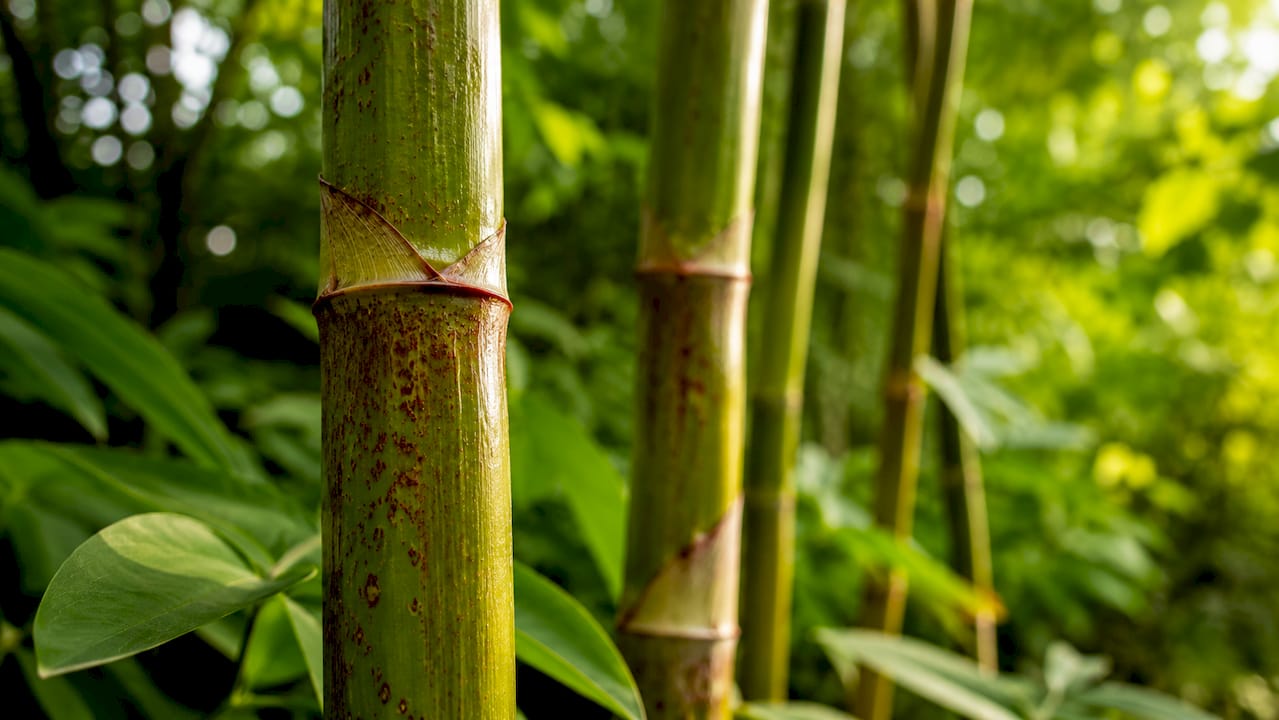
如果在花园中发现竹节状茎干、宽大心形叶片或大规模地下根系,建议立即委托专业机构进行现场勘察,因为自行处理不当可能导致根系进一步扩散,增加后续处理难度和成本。

推荐

Understanding energy-based weed removal: a 2026 guide


TL;DR:

  • Energy-based weed removal employs high-voltage electrical pulses that target plant vascular systems, destroying roots without soil disturbance. It uses significantly less energy than thermal methods and preserves soil health, making it an environmentally friendly alternative. Proper application involves dry conditions, pre-treatment mowing, and multiple passes for invasive species, with advanced AI technology improving targeting precision.

When chemical herbicides carry increasing regulatory scrutiny and thermal flaming struggles with fuel costs, understanding energy-based weed removal becomes a genuinely useful skill for homeowners and landscapers alike. Electrical weed control works by driving high-voltage current through a plant’s vascular system, causing internal cell damage that kills both foliage and root structures without disturbing a single gram of soil. This guide covers how energy pulses affect plant physiology, why this method outperforms traditional approaches on several measurable fronts, how to apply it correctly, and what the latest technology advances mean for invasive species management.

Table of Contents

Key takeaways

Point Details
Energy efficiency advantage Electrical weed control uses 10 to 20 times less energy than thermal methods such as flaming or steaming.
Soil biology is preserved Unlike mechanical or chemical control, electrical treatment leaves soil microbiology intact, protecting nematodes, fungi, and beneficial bacteria.
Dry conditions are non-negotiable Surface moisture causes current to short-circuit across the plant exterior, so weeds must be dry for electrical treatment to be lethal.
Pre-treatment mowing matters Mowing before treatment improves weed kill efficacy by approximately 72% by improving electrode contact and energy penetration.
AI is reshaping precision AI-driven pulsed power systems now achieve up to 95% targeting accuracy, making energy weed control viable for high-value and sensitive sites.

Understanding energy-based weed removal: how pulses affect plants

The core principle is straightforward. When a high-voltage electrical current is applied to a weed through direct electrode contact, it travels down through the plant’s stem and into the vascular system, following the path of least resistance toward the root network. The current disrupts cellular membranes, causes protein denaturation, and collapses internal fluid pressure at a cellular level. The result is systemic damage that kills both above-ground growth and the root structure beneath.

This is what separates energy-based weed control from surface treatments. Most thermal and chemical methods address the canopy but leave root systems largely intact, which is precisely why perennial weeds and invasive species like Japanese Knotweed regenerate so aggressively. Electrical treatment aims to deplete the energy reserves held within the root and rhizome network, not merely scorch what is visible above ground.

Several factors govern how effectively energy pulses affect weeds:

  • Voltage and pulse frequency: Higher voltages increase the depth of current penetration. Pulse frequency determines how rapidly cell damage accumulates across successive treatment passes.
  • Electrode contact quality: The current must enter the plant through physical contact. Poor contact reduces efficacy significantly, which is why mowing dense or tall weed growth prior to treatment is so beneficial.
  • Moisture conditions: Surface moisture reduces lethality by causing current to travel over the plant exterior rather than through its vascular tissue. Weeds must be dry to allow internal current flow.
  • Travel speed: Slower speeds of 0.3 to 0.6 mph allow sufficient electrode contact time to transfer lethal energy into the root zone.

Pro Tip: Treat weeds during a dry spell of at least 24 hours, ideally in the morning before dew has had chance to settle on foliage. This single preparation step can be the difference between superficial damage and genuine root kill.

Compared to thermal methods, electrical control offers a far more targeted pathway into the plant. Flaming heats surface cells but rarely penetrates deep enough to kill established roots. Steaming requires substantial water and energy input, and mechanical removal risks both soil disturbance and rhizome fragmentation, which can spread invasive species further.

Hands adjusting weed control equipment outdoors

Energy use and environmental impact compared

One of the most striking findings in recent research is the sheer difference in energy consumption between electrical and thermal weed control. Electrical methods use 10 to 20 times less energy than flaming or steaming to achieve comparable weed mortality. For a landscaper treating a large site repeatedly across a growing season, that difference is not marginal. It translates directly into operating costs, carbon output, and fuel logistics.

The table below places the main weed control approaches side by side across three dimensions that matter most to environmentally aware practitioners:

Method Energy consumption Soil impact Chemical residue risk
Electrical treatment Very low None. No soil disturbance None
Thermal flaming High (10 to 20x electrical) Low. Minor surface heating None
Steam treatment Very high Low to moderate None
Mechanical removal Moderate High. Tillage and compaction None
Chemical herbicide Very low Low directly, but cumulative High. Leaching and residue risk

Electrical treatment preserves the soil ecosystem in a way that no other method fully replicates. Research confirms that soil biology including nematodes, bacteria, and fungi remains undisturbed because the current targets only the weed without chemical leaching or physical ground disruption. For homeowners focused on garden biodiversity or landscapers working on organic certification, this is a genuinely significant distinction.

Infographic comparing electrical and thermal weed removal methods

It is worth acknowledging one limitation. Electrical weed control is non-selective by nature, meaning it will damage any plant the electrode contacts. Proper equipment configuration, including booms, shields, and appropriate electrode spacing, is the standard approach to protecting desirable plants on mixed sites.

Best practices for effective application

Getting the most from energy weed control techniques depends on preparation, conditions, and operational discipline. The method is effective when applied correctly and markedly less so when shortcuts are taken. Follow this sequence for consistent results:

  1. Assess weed density and height. Dense or tall weed growth requires pre-treatment mowing. Mowing prior to electrical treatment reduces above-ground biomass and dramatically improves electrode-to-stem contact, producing approximately 72% greater weed kill than treating unmowed growth.
  2. Confirm dry conditions. Check that weeds and soil surface are genuinely dry. Waterlogged or saturated soil diverts current laterally rather than into the plant. Avoid treatment within 24 hours of significant rainfall.
  3. Set electrode height and spacing correctly. Electrodes should make firm, consistent contact with weed stems. Incorrect height creates missed contact points and partial energy delivery, leaving roots viable.
  4. Operate at the correct speed. Forward speed critically affects mortality. Work at 0.3 to 0.6 mph to pass sufficient electrical energy through the plant. Faster operation is tempting on large sites but produces poor root-level results.
  5. Plan for multiple passes on perennial species. Two passes at moderate speed can match the efficacy of a single slow pass and are often more practical on larger areas. Perennial and invasive species with deep rhizome networks benefit from repeated treatment cycles to deplete stored energy reserves.
  6. Configure equipment for site-specific protection. Where desirable plants are nearby, use equipment shields and spacing settings to minimise off-target contact.

Pro Tip: Treat young, actively growing weeds where possible. Younger plants have higher water content within their vascular tissue, which supports better electrical conductance and deeper root penetration. Treating mature, woody-stemmed weeds with thicker bark requires higher voltage settings to achieve the same internal effect.

For a detailed operational walkthrough, Japaneseknotweedagency has published practical guidance on chemical-free invasive weed management that covers both field preparation and treatment sequencing.

Advanced technology: AI, pulsed power, and what is next

The most significant recent development in energy weed control techniques is the integration of artificial intelligence with high-voltage pulsed power delivery. In early 2026, I-Pulse launched the iTerra system, which uses AI-driven camera detection to identify individual weed plants and deliver precisely timed electrical pulses of approximately five milliseconds to each target. The system achieves up to 95% targeting accuracy without disturbing soil or leaving herbicide residues.

This matters beyond the headline figure. The integration of AI with pulsed power addresses several persistent limitations of earlier electrical systems:

  • Herbicide-resistant species: AI-targeted pulsing sidesteps resistance entirely, as electrical damage is a physical process not susceptible to biological adaptation.
  • Energy waste reduction: Rather than energising a full boom continuously, the system fires only when a weed is detected, cutting unnecessary energy expenditure on clear ground.
  • Precision in mixed plantings: AI detection allows treatment within crop rows or alongside desirable garden plants where a continuous electrical boom would cause collateral damage.
  • Data and mapping: Detection systems log weed location and density across passes, supporting longer-term management planning and treatment scheduling.

The challenge for widespread commercial adoption remains cost and the operational training required to maintain sophisticated pulsed power equipment. For professional invasive species contractors and larger landscaping operations, the technology is already commercially viable. For individual homeowners, the more immediate relevance lies in the chemical-free knotweed eradication services now offered by specialist contractors equipped with high-voltage delivery systems.

My perspective on energy-based weed control

I have worked in invasive species management long enough to recognise the pattern. A new control method generates genuine interest, and the first question is always whether it will hold up in practice on difficult species. With energy-based electrical treatment, the honest answer is: yes, when applied correctly, and with clear-eyed expectations about what repeated treatment means for deep rhizome networks.

What I find compelling about this approach is not only the environmental credentials, though the absence of chemical residue and the preservation of soil biology are genuinely significant. It is the fact that electrical treatment attacks the energy reserves within the rhizome directly. Japanese Knotweed’s ability to push through tarmac and concrete reflects the extraordinary energy reserves stored underground. Depleting those reserves systematically, treatment by treatment, is a fundamentally sound strategy.

Where I see homeowners and landscapers underestimate the method is in expecting single-treatment results on established invasive species. This is not a reflection of the technology’s limits. It reflects the biology of the target. Multiple treatment cycles across growing seasons are standard, not exceptional. In my view, the best practices for chemical-free eradication all share one characteristic: they work with the plant’s biology rather than expecting a one-time solution to override years of root establishment.

The regulatory and mortgage context also matters increasingly. Lenders and surveyors now scrutinise invasive weed management plans closely, and a documented, repeatable, chemical-free treatment programme carries real weight in property transactions across England, Wales, and Ireland.

— Alan

How Japaneseknotweedagency can help

If you have identified invasive weeds on your property or surrounding land, the first step is always a professional survey to assess extent, risk, and the most appropriate management route.

https://japaneseknotweedagency.co.uk

Japaneseknotweedagency delivers direct energy of up to 5,000 volts on site, targeting the rhizome network of Japanese Knotweed and other invasive species without chemicals or soil disruption. Their chemical-free knotweed removal service achieves a 95% success rate and is designed to meet the documentation requirements of lenders and surveyors. Root barrier installation and excavation services are also available for complex or high-risk sites. To explore your options, book a property survey and receive a professional assessment of your invasive weed risk. For common homeowner questions, the Japaneseknotweedagency FAQ page covers treatment options, timescales, and mortgage considerations in plain terms.

FAQ

What is energy-based weed removal?

Energy-based weed removal uses high-voltage electrical current delivered through direct electrode contact to cause internal cell damage within a plant’s vascular system, killing both foliage and root structures without soil disturbance or chemical application.

Why do energy pulses affect weeds differently from surface treatments?

Electrical pulses travel through the plant’s vascular tissue into the root and rhizome network, depleting stored energy reserves. Surface methods such as flaming treat only above-ground growth, leaving roots intact and allowing regrowth.

Does electrical weed control damage soil?

No. Research confirms that soil microbiology including nematodes, bacteria, and fungi remains undisturbed because electrical treatment does not involve soil tillage or chemical leaching.

How many treatments does Japanese Knotweed require?

Japanese Knotweed typically requires multiple treatment cycles across consecutive growing seasons. Each electrical treatment depletes rhizome energy reserves progressively, and the number of treatments needed depends on the extent and maturity of the root network.

Is electrical weed control safe near garden plants?

Electrical weed control is non-selective, meaning any plant the electrode contacts may be affected. Using equipment shields, correct electrode spacing, and targeted application protects desirable plants when the system is properly configured.

房产买卖杂草检测指南:购房者必读


TL;DR:

  • 杂草问题在房产交易中风险巨大,尤其是入侵性植物可能导致房产价值下降和法律纠纷。完整的检测应涵盖范围划定、时间选择、样本采集和详细记录,以确保风险掌控。制定科学治理方案并签订明确合同,是保障购房安全和法律权益的关键措施。

在房产交易中,杂草问题往往是最容易被忽视却代价最高的风险之一。许多购房者直到入住后才发现地块上存在入侵性植物,届时已面临结构损坏、法律纠纷或巨额清除费用。本文将为您提供一份完整的房产买卖杂草检测指南,从检测前准备、现场操作流程,到处理计划制定与法律合规审查,帮助您在签订合同前全面掌握风险,保障房产价值与交易安全。

目录

关键要点

要点 详情
检测先于交易 在签订购房合同前完成专业杂草检测,可有效规避后期纠纷与额外费用。
书面记录至关重要 要求卖方提供书面杂草检测报告,口头承诺不具有法律约束力。
入侵杂草影响房产价值 日本结缕草等入侵植物可导致房产市值下降15%以上。
非化学治理效果持久 科学的无化学方案可在5年内将根茎活性降低90%以上,长期效果显著。
合规保障权益 合同中明确杂草处理责任与时间节点,是保障买卖双方权益的法律基础。

房产买卖杂草检测的准备工作

在开展任何现场检测之前,充分的准备工作决定了检测结果的准确性与可靠性。许多购房者在这一阶段投入不足,导致关键区域遗漏或检测报告缺乏法律效力。

确定检测范围与重点区域

您需要首先获取完整的地块平面图,标注花园边界、围墙、车道及排水系统等区域。入侵性杂草往往沿围墙、铁路边界或河道附近生长,这些位置是检测的高风险地带。如果相邻地块存在已知杂草问题,您的检测范围还应延伸至边界线两侧各数米。

以下是检测前需要了解的常见入侵性杂草种类:

  • 日本结缕草(Japanese Knotweed):茎中空、节间明显,叶片呈心形,春季茎干呈紫红色
  • 虎杖:外形与日本结缕草相似,常见于河岸地带
  • 大猪草(Giant Hogweed):伞形花序,茎秆高大,接触皮肤可引发严重灼伤
  • 喜马拉雅香脂花(Himalayan Balsam):粉紫色花朵,种子可弹射传播,常见于湿地边缘

选择最佳检测时间

杂草的季节性特征对检测效果影响显著。日本结缕草在每年4月至10月地上部分最为明显,是视觉识别的最佳窗口期。冬季茎干枯萎后,识别难度大幅上升。如果您在冬季购房,务必要求卖方提供上一个生长季节拍摄的历史照片或专业检测记录。

专业提示: 如果您正在办理房屋抵押贷款,部分贷款机构要求提供经认可机构出具的杂草检测报告。在提交贷款申请前,提前确认银行的具体要求可以为您节省大量时间。

检测准备项目 说明
地块平面图 标注所有边界、建筑物及水系位置
历史航拍图像 通过公开卫星图查看地块历史植被变化
邻居情况了解 询问周边地块是否有已记录的入侵杂草问题
检测工具清单 手套、标记桩、相机及土壤探针

现场检测的具体步骤

掌握系统的检测流程是提升准确率的核心。根据专业检测标准,高标准杂草检测的准确率可达95%以上,关键在于步骤的完整执行。

  1. 外围目视扫描:从地块外围开始,观察边界线两侧是否存在异常植被密集区。日本结缕草常以"丛"的形态出现,单株极为罕见。
  2. 系统性网格行走:将地块划分为若干网格区域,逐一步行检查,确保无遗漏。每个网格不超过5米乘5米,可借助绳索或标记桩辅助划分。
  3. 地面及地下检查:挖取少量土壤样本,检查是否存在根茎(rhizome)碎片。日本结缕草的根茎呈橙黄色,截面清晰可辨,即便是直径不足1厘米的碎片也具有再生能力。
  4. 记录地理坐标:使用手机GPS或专业设备记录每处疑似杂草的精确位置,便于后续复查与报告撰写。
  5. 拍摄多角度照片:每处发现点至少拍摄近景、中景与全景三张照片,记录植株形态、茎干颜色和叶片特征。
  6. 采集植物样本:如现场无法确认植物种类,可采集茎叶样本带回,提交给专业机构进行实验室鉴定。

识别日本结缕草的关键特征

日本结缕草是房产交易中最常见也最具破坏性的入侵植物之一。成株高度可达3米,茎节呈竹节状,夏末开白色细小花簇。更重要的是,其根茎网络可向地下延伸超过3米,向地表外延伸超过7米,混凝土地基和排水管道均无法阻挡其生长。了解日本结缕草的识别特征对购房者来说是基础中的基础。

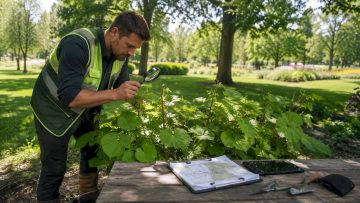
园林工作人员正在拍照记录日本结缕草的生长特点。

专业提示: 不要仅凭外形判断植物种类。多种常见园艺植物与日本结缕草高度相似,误判会导致不必要的处理费用或真实风险被遗漏。如有疑问,请务必联系专业机构进行鉴定。


制定科学的杂草处理方案

检测只是第一步。一旦确认地块存在入侵性杂草,制定有效的处理计划是保障房产交易顺利推进的前提。处理方案的选择直接影响治理成本、时间周期和法律合规性。

非化学治理与化学治理的比较

治理模式对比一目了然信息图

治理方式 优势 局限性
热电处理(无化学) 对周边生态系统无影响,可持续作业 需要多次处理,周期较长
化学除草剂 单次作业覆盖面广 可能影响土壤健康,部分地区有使用限制
根障安装 有效阻隔根茎横向扩散 需专业施工,成本较高
挖掘清除 物理清除彻底 土方量大,弃土需专项处理

Japaneseknotweedagency 在无化学治理领域处于行业前沿。其专有的热电处理技术可向植株根茎网络输送高达5000伏的直流电,直接破坏细胞结构并耗尽根茎储存的能量,实现深层杀灭而不污染土壤或地下水。根据专业防治数据,科学的5年防治方案可将根茎活性降低90%以上。

防止扩散的长期维护策略

处理完成后,防止杂草二次扩散同样至关重要。以下措施需在合同或物业管理协议中明确约定:

  • 定期季度复查,确认杂草未重新萌发
  • 对挖掘或施工区域进行土壤监测,防止根茎碎片再生
  • 安装物理根障,阻隔来自相邻地块的地下根茎侵入
  • 保留每次处理记录和复查报告,形成完整的处理档案

检测结果验证与法律合规审查

在房产买卖中,杂草问题不仅是生态问题,更是具有明确法律后果的合同事项。杂草检测是房产交易安全的必要环节,忽视这一点可能导致严重的产权纠纷。

法律合规中的关键要求

购房者在签订合同前,需重点审查以下几项内容:

  • 披露义务:卖方有义务在合同签订前披露已知的杂草问题。草害披露的法律地位与房屋结构安全评估同等重要,口头说明不具备法律约束力。
  • 合同补充条款:在购房合同中明确写明杂草检测结果、处理责任方、完成时间节点及违约赔偿条款。合同书面约定是日后维权的核心依据。
  • 律师审核介入:专业律师审核杂草相关条款,可有效防范因隐瞒杂草信息引发的产权纠纷与合同违约。
  • 独立检测报告:主动要求卖方提供由认可机构出具的书面检测报告,而非依赖中介或卖方的口头说明。

“购房者应主动要求提供书面杂草检测报告,避免仅凭口头说明导致产权风险。合同中含糊不清的条款是引发纠纷的重要因素。”

后续复查与确认程序

完成初步处理后,正式交房前需进行至少一次独立的后续复查,以书面形式确认杂草已达到约定的清除标准。复查报告应包含检测日期、检测人员资质、检查范围及结论,并由买卖双方签字存档。这份文件在任何后续法律纠纷中都将发挥关键证明作用。


我在这一行的真实看法

多年来,我见过太多购房者在入住数月后才发现花园地下存在大面积根茎网络,处理费用远超他们预期的购房预算。这类案例有一个共同点:买方在签约前从未要求进行独立的杂草检测。

人们往往低估了合同模糊条款带来的法律风险。"地块状况良好"这样的表述在法律上几乎毫无约束力,卖方完全可以辩称自己并不知情。我见过的纠纷中,有相当一部分就是因为这类措辞引起的。真正有效的保护只有一种形式:独立检测加书面报告加具体合同条款。

我还想指出一个常被忽视的风险点。相邻地块的杂草同样可以通过地下根茎侵入您的产权范围,而此时法律责任的归属往往模糊。提前在边界安装根障,并在购房合同中约定邻地杂草责任条款,是目前最有效的预防手段。

买房是大多数人一生中最大的一笔支出。花几百英镑委托专业机构进行一次系统性杂草调查,相比于日后数万英镑的清除与修复费用,这笔钱花得非常值得。

— Alan


专业检测服务助力安心置业

https://japaneseknotweedagency.co.uk

如果您正在购房或办理房屋抵押,Japaneseknotweedagency 提供覆盖英格兰、威尔士及爱尔兰的专业入侵杂草房产调查服务。调查报告符合贷款机构要求,可直接用于合同谈判与法律备案。除调查外,Japaneseknotweedagency 还提供热电无化学治理、根障安装及挖掘清除等全套处理方案,并附持续跟踪保障,确保专业治理效果长期稳定。如需了解日本结缕草及其他入侵植物的详细解答,请访问我们的常见问题页面获取更多支持。


常见问题

日本结缕草真的会影响房产价值吗?

是的。入侵性杂草可使房产市值下降15%以上,且部分贷款机构在确认存在日本结缕草前会拒绝批准抵押贷款。

购房前必须做杂草检测吗?

法律上并无强制要求,但强烈建议这样做。主动进行买房前杂草检测可以保护您的投资,并为合同谈判提供重要依据。

杂草检测报告需要多长时间出具?

标准检测通常在现场勘察后3至5个工作日内出具书面报告,紧急情况下部分机构可提供24至48小时加急服务。

卖方隐瞒杂草问题是否违法?

是的。法律要求卖方披露已知的重大房产缺陷,包括杂草问题。故意隐瞒可能构成合同欺诈,买方有权追偿。

无化学治理方法与传统除草剂相比效果如何?

科学数据显示,采用专业非化学根茎治理方案在5年周期内可将根茎活性降低90%以上,且对土壤生态和周边植被无负面影响。

推荐

Step by step excavation process for home projects


TL;DR:

  • Proper site assessment, utility marking, and soil analysis are vital for safe, stable residential excavation projects. Skipping these steps can lead to utility strikes, foundation failure, and legal liabilities, costing much more than the initial savings. Investing in expert surveys, drainage planning, and thorough testing ensures long-term stability and safety of the constructed foundation.

Residential excavation goes wrong more often than most homeowners expect. Skipping a single stage of the step by step excavation process can result in collapsed trenches, utility strikes, waterlogged foundations, or costly structural remediation that dwarfs the original project budget. The consequences are not merely inconvenient. They can delay planning sign-off, void insurance cover, and create long-term instability beneath your property. This guide walks you through every stage of a properly managed excavation project, from initial site assessment through to final inspection, so you can approach the work with confidence and avoid the pitfalls that catch unprepared homeowners out.

Table of Contents

Key takeaways

Point Details
Assess before you dig Commission a registered surveyor and arrange soil testing before any ground is broken.
Utility marking is non-negotiable Mechanical equipment must never be used within 18–24 inches of marked utility lines.
Compaction must meet specification Fill material compacted in lifts no greater than 200 mm achieves the density required for safe foundation work.
Drainage planning protects foundations Improper drainage is one of the leading causes of long-term foundation failure and erosion.
Professional sign-off prevents problems Structural and geotechnical engineers must verify formation levels before any concrete is placed.

Site assessment and preparation before excavation begins

No responsible excavation steps guide begins at the machine. It begins weeks earlier, with a thorough site assessment that establishes what lies beneath your land, where your boundaries sit, and what consents you need before a single bucket of soil is moved.

Commissioning a registered surveyor is the logical starting point. A topographic survey establishes accurate ground levels and boundary positions, both of which directly influence excavation design. Without this, contractors are working to assumptions rather than data, and assumptions in excavation are expensive.

Vertical flow infographic of excavation process steps

Geotechnical and soil analysis should follow. Soil type governs everything from excavation technique to shoring requirements to compaction method. Clay-rich soils retain water and are prone to heave. Loose granular soils may require sheet piling at depth. A ground investigation report provides the data your structural engineer needs to design a safe excavation.

Key preparation steps before work begins include:

  • Locating all underground utilities by contacting your local authority and using a professional cable and pipe detection service
  • Obtaining the relevant council approvals, including planning permission where required and, in England, Building Regulations approval for foundations
  • Securing environmental consents where the site is near watercourses or contains invasive species such as Japanese Knotweed
  • Installing site hoarding, welfare facilities, and temporary erosion controls such as silt fencing along site boundaries
  • Briefing the full contractor team on site-specific hazards, including the location of all utility corridors

Pro Tip: Before submitting any planning application, arrange an invasive plant survey for your site. Knotweed or other invasive species discovered mid-excavation can halt works entirely and trigger regulatory obligations that add significant cost.

Skipping comprehensive site assessments leads directly to improper foundation stability and unforeseen utility conflicts. The assessment stage is not an administrative formality. It is the foundation upon which every subsequent excavation decision rests.

Clearing the site and stripping topsoil

With assessments complete and consents in place, the physical work of preparing the ground can begin. Site clearance and topsoil stripping are the first active stages of the excavation process overview, and they must be carried out methodically.

  1. Remove all above-ground vegetation, including grass, scrub, and garden planting, using appropriate machinery scaled to site size and access constraints.
  2. Treat any confirmed invasive species, such as Japanese Knotweed, in accordance with current legislation before disturbing the ground. Moving contaminated soil without treatment can spread rhizome material and carries legal risk.
  3. Carry out stump removal for all trees scheduled for clearance, maintaining buffer zones where tree root systems may affect adjacent structures or boundary walls.
  4. Demolish any existing surface structures, including sheds, driveways, or concrete slabs, and remove all rubble from site before excavation machinery is positioned.
  5. Strip topsoil to a minimum depth of 150 to 300 mm, depending on organic content, across the entire excavation footprint. Organic-rich topsoil has no place in a foundation subgrade. It compresses under load and promotes biological decay.
  6. Stockpile stripped topsoil in a designated, clearly marked area away from the excavation zone. Where topsoil is clean and uncontaminated, it can be retained for later landscaping use rather than removed from site at cost.

The discipline in this stage lies in not rushing. Contractors who strip too quickly or inconsistently leave organic pockets in the subgrade that compromise compaction results later. A clean, homogeneous stripped surface is the correct starting point for bulk excavation.

Bulk excavation and trench excavation

This is the stage most people associate with excavation: the machinery, the soil displacement, and the shaping of the ground to meet structural drawings. A sound stepwise excavation method here requires both the right equipment and strict adherence to safety protocol.

Equipment selection is determined by site access, excavation volume, and soil conditions. A 360-degree tracked excavator suits most residential bulk digs. Where access is restricted, a 13-tonne midi excavator or even a tracked dumper arrangement may be required. Choosing machinery that is too large for site conditions causes unnecessary ground disturbance and access damage.

Key principles governing the bulk and trench excavation phase include:

  • Maintaining correct batter slopes on open-faced excavations, typically 1:1 or as specified by the geotechnical engineer, to prevent slope failure
  • Installing shoring, trench boxes, or sheet piling for any trench exceeding 1.5 metres in depth, in line with Health and Safety Executive guidance
  • Leaving a hand-trim allowance of 50 to 100 mm above the specified formation level to prevent over-excavation. Loose backfill cannot replicate undisturbed native soil density and creates a weak point beneath the slab or foundation
  • Cutting utility trenches to the exact widths and depths specified on structural and services drawings, with appropriate bedding allowances for pipe diameter
  • Maintaining a mandatory hand-dig buffer zone of 450 to 600 mm either side of all marked utility lines. Mechanical equipment must not enter this zone under any circumstances

Safety note: Trench collapses are among the most serious hazards in construction. Trenches deeper than 5 feet require engineered protection as a legal obligation, not a recommendation. Never allow operatives to enter an unshored trench of this depth.

Collaborative planning among surveyors, engineers, and contractors is what keeps this stage safe and on programme. Ground movement monitoring, particularly for deeper residential basements, should be active throughout.

Dewatering, compaction, and subgrade preparation

Once bulk excavation reaches formation level, attention turns to water management and ground preparation. These stages are frequently underestimated by homeowners managing their own excavation project planning, yet they are what separates a durable foundation from one that will move and crack within a decade.

Worker inspecting sump pit and pump in backyard

Standing or seeping groundwater must be removed before compaction begins. Submersible pumps positioned in a sump pit at the lowest point of the excavation are the standard approach. Where groundwater ingress is continuous, a wellpoint dewatering system around the excavation perimeter may be necessary. Attempting to compact saturated soil produces no meaningful improvement in bearing capacity.

Stage Method Acceptance standard
Dewatering Sump pumping or wellpoint system Formation level free-draining before compaction
Compaction Vibrating roller or plate compactor in 200 mm lifts 95 to 98% Proctor dry density
Testing Nuclear density gauge or dynamic cone penetrometer Test results recorded and passed to engineer
Sub-base Granular type 1 MOT stone laid and compacted Minimum 150 mm depth, tested and approved
Blinding 50 mm lean mix concrete Level, continuous, and cured before reinforcement

Fill material must be compacted in lifts no greater than 200 mm, with compaction testing carried out at each lift before the next is placed. This is not optional. It is the only way to verify that your subgrade is performing to specification.

Pro Tip: Request a copy of every compaction test result from your contractor. These records are part of your building file and may be required by your structural engineer, building inspector, or future mortgage lender when assessing the property.

Final inspection and verifying readiness

The final stage of the excavation steps guide is verification. Before any concrete, reinforcement, or pipe bedding is placed, a structured inspection must confirm that the excavation meets the dimensions, levels, and compaction standards specified in the design.

The roles involved in this sign-off typically include:

  • The structural engineer, who checks formation levels, trench widths, and bearing capacity against design assumptions
  • The geotechnical engineer or specialist, where ground conditions were complex or varied from the original investigation
  • The building control inspector, who must formally approve the excavation before foundations are poured under Building Regulations

Common problems identified at this stage include over-excavation of trench bases, inadequate compaction results, and standing water that was not fully removed before testing. Each of these has a remediation route, but catching them at inspection costs far less than discovering them after concrete has been placed.

Water damage from improper drainage is described by structural engineers as a slow and silent threat. Drainage must be actively designed to divert surface and groundwater away from the foundation zone, not managed reactively once problems appear. Effective grading during excavation is one of the most frequently overlooked details, yet it is what keeps water away from your foundations for the life of the structure.

The inspection stage also provides the opportunity to confirm that all utility trenches have been backfilled in 200 to 300 mm lifts with compaction at every stage. Failure here leads to settlement, pipe separation, and surface cracking that can take years to manifest but is costly to remedy.

My perspective on residential excavation

What I have observed, working alongside surveyors and contractors on residential excavation projects across England and Wales, is that the vast majority of problems are entirely preventable. They are not caused by bad contractors or poor ground conditions. They are caused by homeowners and developers who underestimate the importance of the preparation stages and move too quickly toward the visible, tangible work.

In my experience, the utility survey and the soil investigation are the two stages most commonly skipped or reduced in scope when budgets are under pressure. This is precisely backwards. These are the stages that determine everything downstream. Discovering an uncharted gas main at 1.2 metres depth during bulk excavation is not a minor inconvenience. It can halt the project for weeks.

I have also seen drainage planning treated as an afterthought. Grading is designed on paper and then not verified on site as excavation progresses. Water finds its way into every unintended void, and a foundation sitting in intermittently saturated ground will move. The cost of correcting that movement, whether through underpinning or remedial drainage, is always far greater than the cost of getting it right during excavation.

What I tell every homeowner I work with is this: invest in the survey, follow the process, and do not make concessions on compaction testing or drainage design. The savings from cutting those corners are illusory.

— Alan

How Japaneseknotweedagency supports your excavation project

Excavation on residential land in England and Wales carries one risk that a standard structural survey will not identify: the presence of Japanese Knotweed or other invasive species within the excavation zone. Moving contaminated soil without specialist assessment and treatment is a legal and financial liability that can affect your ability to sell or mortgage the property.

https://japaneseknotweedagency.co.uk

Japaneseknotweedagency provides professional property surveys for invasive weeds across England, Wales, and Ireland, carried out before excavation begins to identify and manage any contamination risk. Where knotweed is present, Japaneseknotweedagency’s chemical-free knotweed solutions achieve a 95% success rate using thermo-electric treatment, root barrier installation, and controlled excavation, without the environmental risks associated with herbicide-based approaches. You can also book a survey to protect your project before groundworks commence.

FAQ

What is the first step in a residential excavation project?

The first step is a thorough site assessment, including a topographic survey, geotechnical soil investigation, and underground utility mapping. Starting without this information significantly increases the risk of utility strikes and foundation instability.

How deep must a trench be before shoring is legally required?

Any trench exceeding 1.5 metres in depth in the UK requires protective measures such as shoring, sloping, or a trench box. Under Health and Safety Executive guidance, this is a legal obligation for all construction sites.

What compaction standard should excavated fill meet?

Fill material should achieve 95 to 98% Proctor dry density, compacted in lifts no greater than 200 mm and verified by a nuclear density gauge or dynamic cone penetrometer before each subsequent lift is placed.

Can I excavate near utility lines with machinery?

No. Mechanical excavation equipment must not be used within 18 to 24 inches of any marked utility line. This zone must be excavated by hand to prevent accidental damage to gas, water, or electrical services.

Does Japanese Knotweed affect residential excavation projects?

Yes. Knotweed rhizomes can extend up to 3 metres in depth and 7 metres horizontally from the visible plant. Disturbing the root system without specialist management spreads the plant and can create legal liability. A professional invasive species survey should be carried out before any knotweed excavation works begin.

What is eco-safe weed management for homeowners


TL;DR:

  • Eco-safe weed management emphasizes sustainable, non-toxic techniques that avoid synthetic herbicides and prioritize soil health. It involves methods like hand weeding, mulching, soil solarisation, and natural contact herbicides, all working together over time to control weeds effectively. Understanding specific weed species and soil conditions helps gardeners achieve lasting results through integrated practices rather than quick chemical reactions.

Most homeowners reach for a chemical spray the moment weeds appear in their garden. It is understandable. Synthetic herbicides offer speed and convenience, but they carry costs that go well beyond the price on the label. What is eco-safe weed management, then, and why does it matter to you as a gardener? It is an approach that prioritises sustainable, non-toxic methods to control weeds without polluting soil, water, or harming the wildlife and people sharing your outdoor space. This article explains what it involves, how it works in practice, and what to expect from the process.

Table of Contents

Key takeaways

Point Details
Eco-safe means non-toxic and sustainable These methods avoid synthetic herbicides and rely on mechanical, cultural, and natural alternatives instead.
Natural herbicides act fast but are non-selective Products like pelargonic acid and acetic acid can knock down annual weeds quickly but will damage any plant they contact.
Soil health drives long-term results Correcting nutrient imbalances and supporting microbial life reduces weed pressure over months, not days.
Persistent perennials need integrated management Mulch and natural sprays alone will not control established perennial weeds; mechanical removal is also required.
Professional surveys add precision An invasive weed survey helps you understand what you are dealing with before committing to a management plan.

What is eco-safe weed management?

Eco-safe weed management is a structured approach to controlling unwanted plants by combining mechanical, cultural, and naturally derived methods, while minimising reliance on synthetic chemicals. Weed competition accounts for nearly 45% of agricultural yield losses globally, and weed management represents roughly one-third of production costs in many growing systems. That scale of impact explains why the search for safer alternatives has gathered such momentum in recent years.

The core principles of eco-safe weed management are straightforward:

  • Sustainability. Methods should not degrade soil structure, poison waterways, or persist harmfully in the environment.
  • Low toxicity. Products and techniques should be safe for children, pets, pollinators, and soil organisms.
  • Integration. No single method works in isolation. Effective management combines physical removal, soil improvement, timing, and where needed, naturally derived herbicides.
  • Resistance prevention. Unlike synthetic herbicides, which contribute to weed resistance through repeated use, varied eco-safe methods reduce the risk of resistant weed populations developing.

The contrast with conventional synthetic herbicide use is significant. Broad-spectrum chemicals like glyphosate are effective, but their long-term effects on soil biology and non-target species remain a subject of ongoing scientific and regulatory scrutiny. Eco-friendly weed control seeks to manage weeds as part of a living system rather than as a problem to be chemically eliminated.

Pro Tip: Before selecting any eco-safe method, identify the specific weed species in your garden. Annual weeds and perennial weeds respond very differently to the same treatments, and confusing the two wastes time and effort.

Practical eco-friendly weed control methods

There is no shortage of organic weed management options available to homeowners. The most effective approach layers several methods together rather than relying on one alone. Here is how to manage weeds organically using techniques suited to home gardens:

  1. Hand weeding and hoeing. The most reliable method for annual weeds. Hoe on warm, dry days so uprooted weeds desiccate quickly rather than re-rooting in moist soil.
  2. Mulching. A thick layer of organic mulch, bark, wood chip, or compost suppresses light and inhibits germination of weed seeds near the surface. Apply at a depth of at least 7 centimetres for meaningful suppression.
  3. Soil solarisation. Covering bare soil with clear plastic sheeting in summer traps solar heat. Solarisation targets the top 12 inches of soil and significantly reduces annual weed seed banks before planting. It is less effective on established perennial weeds.
  4. Natural contact herbicides. Products containing pelargonic acid or acetic acid (concentrated horticultural vinegar) offer rapid knockdown. Pelargonic acid shows results within 3 to 24 hours and breaks down quickly in the environment without leaving persistent residues.
  5. Thermal and steam methods. Advanced thermal weed control, including steam-foam technology, kills weeds down to the root using heat. Government trials confirm effective weed destruction combined with environmental safety, making this a credible professional-grade option.
  6. Ground cover planting. Dense, low-growing plants that colonise bare soil remove the conditions weeds need to establish. This is a long-term but highly durable form of eco-conscious weed suppression.

Pro Tip: Apply natural contact herbicides on hot, sunny days above 20°C. UV radiation and heat significantly enhance the efficacy of pelargonic acid and acetic acid-based products, reducing the number of repeat applications required.

For a more detailed step-by-step approach, the chemical-free weed eradication guide at Japaneseknotweedagency covers the process in depth for residential properties.

Soil health and garden ecology

The most commonly overlooked dimension of eco-safe weed management is soil health. Most homeowners focus on what is growing above the surface, but the real leverage lies below it. Soil nutrient imbalances, particularly disrupted calcium-to-magnesium ratios and poor bacterial-to-fungal balance, create conditions that actively favour weed proliferation.

Understanding this changes your entire approach. Consider the following connections:

  • Compacted, poorly aerated soil favours dock, plantain, and creeping buttercup. Improving drainage and aeration through aeration, organic matter addition, and reduced foot traffic removes their competitive advantage.
  • Nutrient-depleted soil encourages fast-growing annual weeds that thrive where perennial plants struggle to compete. Composting and organic amendments gradually shift this balance.
  • Disturbed soil exposed by digging or excavation is an open invitation for opportunistic weed species. Minimising bare soil periods with cover crops or mulch closes that window.
  • Microbial diversity plays a direct role in suppressing certain weed seed germination through competitive exclusion and allelopathic interactions in the soil matrix.

“The biggest misconception is expecting immediate weed control like chemical spraying. Sustainable control requires addressing soil imbalances and takes time to restore ecosystem balance, with benefits developing over 2 to 18 months.” — Agronomist Shané Steffen

Organic amendments such as well-rotted compost, green manures, and biochar gradually shift the soil’s microbial ecology. This is not a rapid process, but it is a durable one. Homeowners who invest in soil health typically find their weed burden reduces noticeably across two to three growing seasons, with less intervention required each year.

Common misconceptions about organic weed management

Hands spreading compost in garden soil

The benefits of eco-safe weed control are real, but so are its limitations. Misunderstanding what these methods can and cannot achieve is one of the main reasons homeowners become frustrated and return to synthetic herbicides.

The table below compares common assumptions with the reality of organic weed management:

Assumption Reality
Natural herbicides are selective Most organic herbicides are non-selective and will damage or kill any plant they contact, including desirable ones.
One application is sufficient Annual weeds often need repeat treatments; perennial weeds require multiple seasons of integrated management.
Mulch controls all weeds Mulch cannot control established perennials like bindweed or quackgrass, which can grow through even thick layers.
Results are immediate Eco-safe methods work on different timescales to chemicals. Soil-based improvements take months; contact herbicides act in hours but may need repeating.
Any natural product is safe near water Some concentrated organic acids can still affect aquatic organisms. Always check product guidance before applying near ponds or drainage channels.

Perennial invasive species present the greatest challenge within any eco-safe programme. Plants like Japanese Knotweed cannot be resolved by mulching, vinegar applications, or hand weeding. They require professional, integrated chemical-free solutions that address the extensive root system, not just the visible growth above ground. Understanding this distinction protects you from wasted effort and prevents weeds from re-establishing season after season.

Infographic showing eco-safe weed steps

My perspective on eco-safe weed management

I have worked in invasive weed management for many years, and the most consistent pattern I observe is this: homeowners who expect eco-safe methods to perform like synthetic herbicides will always be disappointed. That is not a failure of the methods. It is a failure of expectation.

What I have found is that success depends entirely on shifting your frame of reference. Chemical sprays suppress symptoms. Eco-safe management addresses causes. When you start improving soil structure, reducing bare ground, and timing your interventions to the weed’s most vulnerable growth stage, you are no longer reacting to a problem. You are modifying the conditions that create it.

The homeowners I see achieving lasting results are those who understand that successful weed management integrates cultural practices across multiple seasons rather than relying on any single product. They are patient, observant, and willing to treat their garden as an ecology rather than a problem to be chemically corrected.

The one piece of advice I return to most often: start with a proper survey. Knowing precisely what species you are managing, where the root systems extend, and how the weed interacts with your soil and surrounding planting transforms your management plan from guesswork into something genuinely purposeful.

— Alan

How Japaneseknotweedagency can help

Eco-safe weed management at home becomes significantly more effective when you understand precisely what you are dealing with from the outset. For homeowners managing persistent or invasive weed species, a professional survey is the logical starting point.

https://japaneseknotweedagency.co.uk

Japaneseknotweedagency are pioneers of chemical-free treatment for Japanese Knotweed and other invasive plant species across England, Wales, and Ireland. Their thermo-electric treatment method delivers up to 5,000 volts directly to the rhizome network, causing internal cell damage without the use of herbicides. With 95% success rates documented for chemical-free knotweed treatment, and additional services including root barrier installation and excavation, they offer a genuinely sustainable alternative to chemical management programmes. To understand your property’s weed risk in full, book a survey and receive expert guidance tailored to your situation.

FAQ

What does eco-safe weed management involve?

Eco-safe weed management uses mechanical, cultural, and naturally derived methods to control weeds without synthetic herbicides. Methods include hand weeding, mulching, soil solarisation, and natural contact herbicides such as pelargonic acid.

Are natural herbicides safe around children and pets?

Most natural contact herbicides break down rapidly in the environment and carry significantly lower toxicity than synthetic alternatives. Always read product labels and allow treated areas to dry fully before allowing children or pets back onto the garden.

How long does eco-safe weed control take to work?

Contact herbicides like pelargonic acid show results within 3 to 24 hours for annual weeds. Soil health improvements that reduce weed pressure over time take between 2 and 18 months to deliver measurable benefits.

Can I manage Japanese Knotweed with organic methods at home?

Japanese Knotweed cannot be effectively controlled through standard organic methods such as mulching or vinegar application. Its extensive rhizome network requires professional treatment, such as the thermo-electric approach used by Japaneseknotweedagency.

When should I call a professional for weed management?

If you are dealing with invasive species, persistent perennial weeds that have not responded to multiple seasons of organic management, or weeds encroaching from a neighbouring property, a professional survey will give you the clarity needed to act effectively.