
2026年最佳日式防结缕草产品 – 专业比较与评测

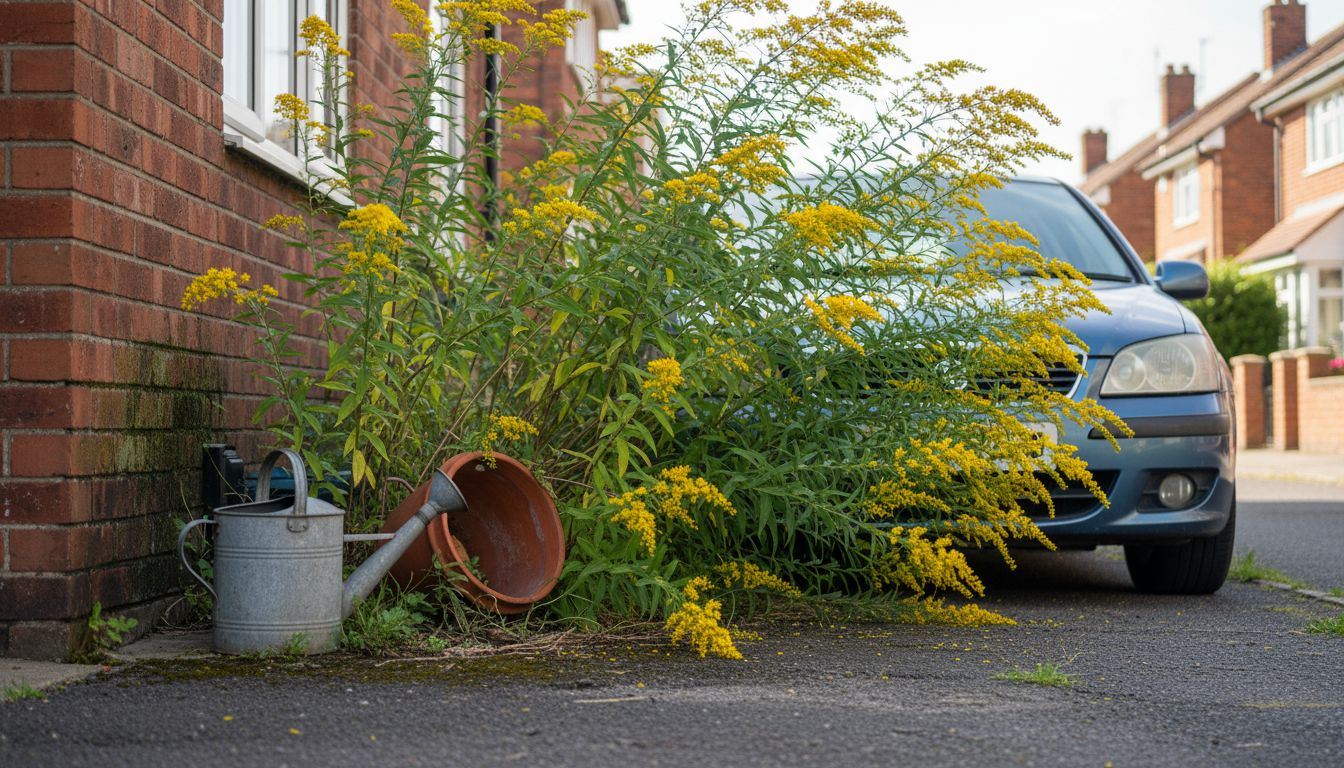
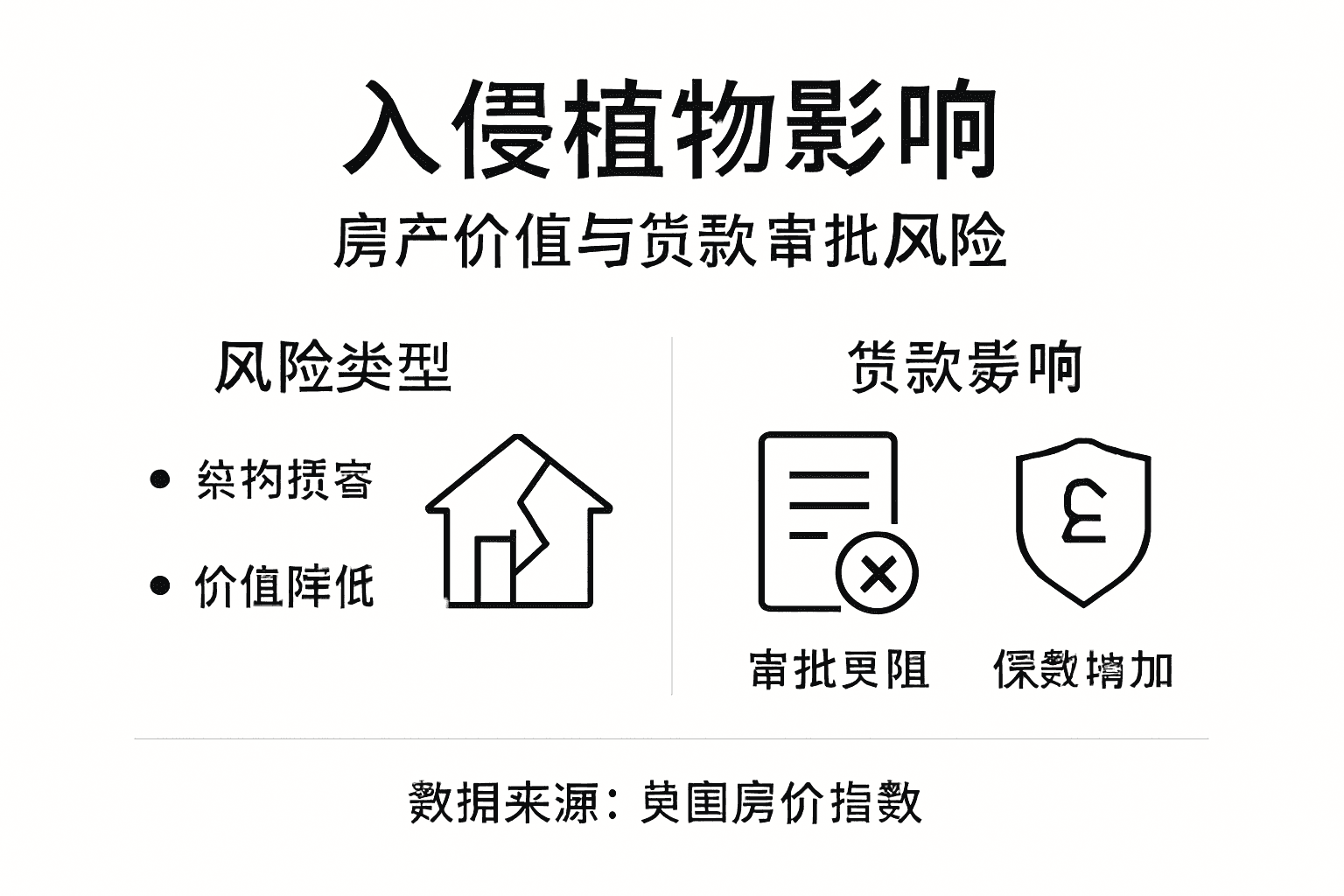
很多人在英国买房或再融资时,会遇到一种叫Japanese Knotweed的特别植物。它不仅让花园看起来杂乱,还可能影响房产的估值和贷款审批。面对这些麻烦,你或许会想知道现在有哪些专业方法能帮助彻底解决。不同公司各有理念和技术,用的方式、提供的保障、处理速度也有区别。究竟哪些方案适合你的需求,是否真的能保持房产价值,下面这些选择会让人变得更有信心。

目录

Japanese Knotweed Agency

Product Screenshot

一目概览

Japanese Knotweed Agency 是我们在英国市场上首推的顶级选择,专注于日式防结缕草(Japanese Knotweed)的无化学治理与彻底根治。简言之:它把生态安全、法律支持和可量化的现场技术结合在一起,专为保护房产价值与贷款合规性而设计。对正在英国购房或再融资的您,这是一项可以立刻信赖的专业方案。

核心功能

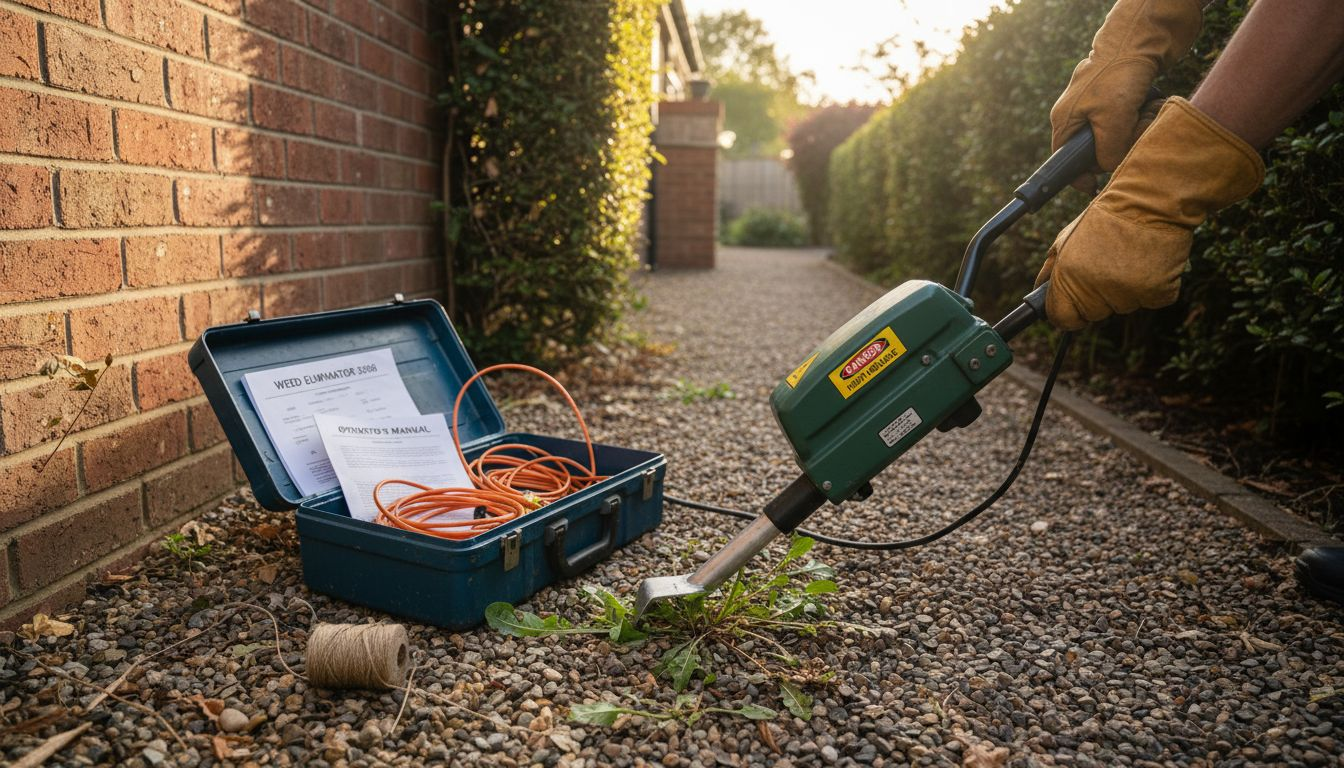
该机构提供从识别、现场评估、免费勘察报告到实际治理的一体化服务。技术上采用非化学的热电(thermo-electric)处理,现场可达高达5000伏的定向能量输入,用以破坏芦荟状根茎(rhizome)内部细胞并消耗其能量储备;此外提供25年保证的根障安装、带10年保证的挖除服务、全国性侵染登记与法律支持,覆盖England、Wales与Ireland。

优点

  • 经验丰富的专业团队: 团队有经验证的案例记录,在复杂根茎网络处理上具备实践经验并熟悉房地产相关流程。
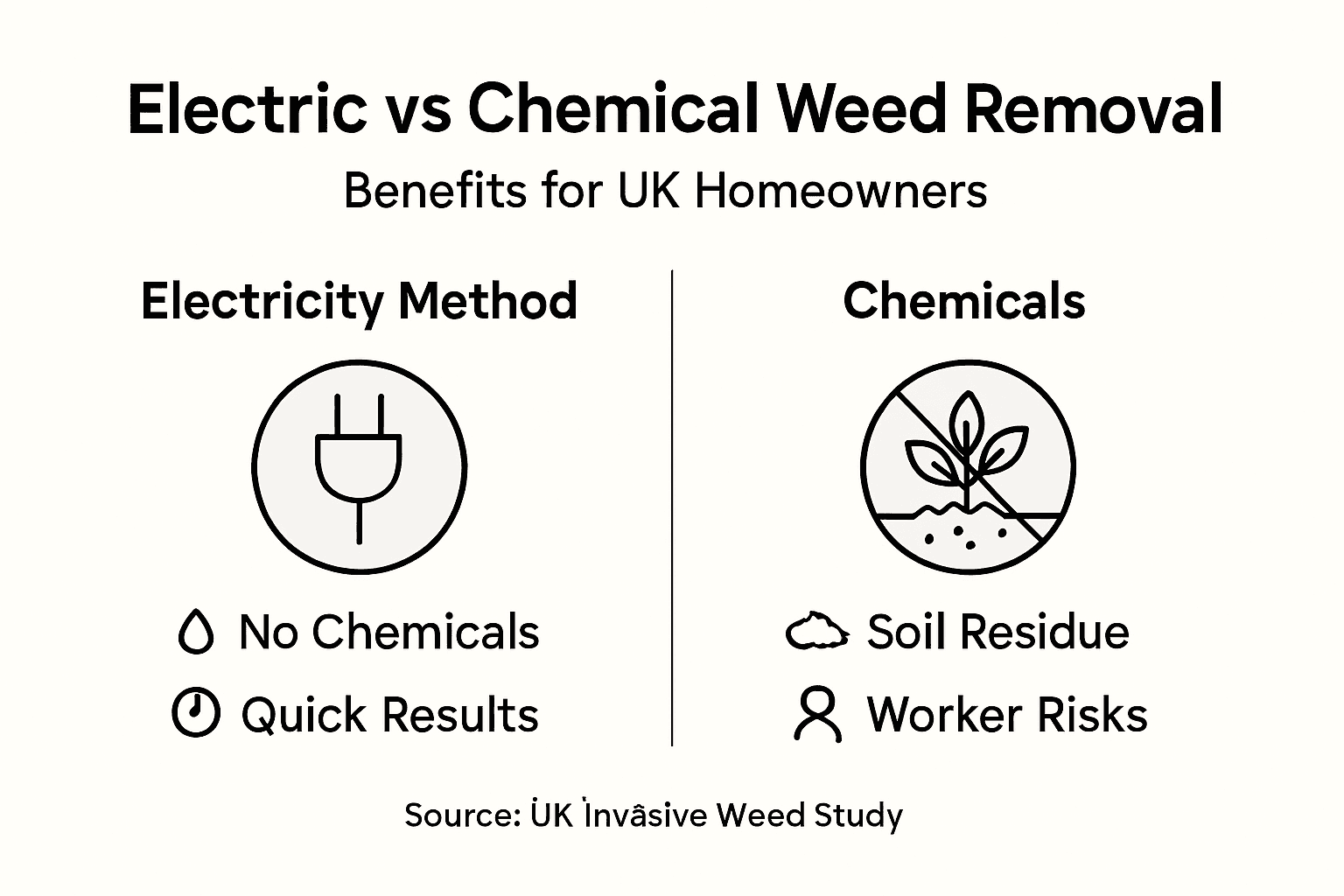
  • 环保且创新的根治技术: 使用热电非化学方法,减少对土壤和周边环境的长期化学残留风险。
  • 完整的法律与房产支持: 提供针对索赔与抵押贷款影响的专业建议,帮助保护房产交易与估值。
  • 覆盖范围广: 在England、Wales和Ireland提供服务,便于需要跨区域评估的房主或律师使用。
  • 公开登记与意识提升: 维护国家级别的侵染登记,提升透明度,利于后续尽职调查。

适合人群

如果您是准备在英国买房、再融资或出售房产的屋主;或者您是房产经纪、抵押贷款顾问或法律顾问,担心Japanese Knotweed对估值和贷款批准的影响,这项服务正中要害。它同样适合需要生态友好治理且重视长期保证的商业地块持有者。

独特价值主张

Japanese Knotweed Agency 的独到之处在于把“无化学”治理与“有担保”的工程结合为一个可量化的解决方案。高达5000伏的定向热电能量,目标直指根茎内部细胞,原厂承诺的25年根障和10年挖除保修,意味着您不是在买一次性清除,而是在买长期的风险移除和法律合规保障。再加上免费现场勘察与国家级侵染登记支持,整体方案显著降低了未来因Japanese Knotweed引发的估值折让和再融资阻力——这正是精明买家和法律人士选择它的原因。

真实场景应用

一位房主在庭院发现异常植株后,联系了Agency进行免费勘察并获取书面评估报告;随后采用热电处理并安装根障,最终在出售或再融资时向买方和贷款方出示了具备保证的治理记录,顺利保住了房价与贷款审批。

定价

定价信息未公开列出,服务通常基于现场检查与治理需求定制化报价;建议先申请免费勘察以获得书面方案与费用估算。

网站: https://japaneseknotweedagency.co.uk

Japanese Knotweed Solutions Ltd (JKS Ltd)

Product Screenshot

概览

Japanese Knotweed Solutions Limited (JKS Ltd) 成立于 2002 年,是英国历史最久的日式结缕草(Japanese Knotweed)治理公司之一。它面向住宅、施工方和地方管理机构,提供从现场勘察到治疗与售后的一站式服务,并以十年保险担保作为背书。简而言之,若你在英国的房产正面临结缕草威胁,JKS Ltd 提供经验丰富且保证明确的解决方案。成本可能高一些,但这是为担保和专业性买单。

核心功能

JKS Ltd 的核心在于专门化的除草与管理服务:针对日式结缕草及其他入侵性非本地植物的现场评估、定制化处理方案、MeshTech 等更环保的移除技术、以及端到端的售后管理。公司拥有 ISO 9001 与 ISO 14001 认证,并隶属 INNSA 与 PCA,此外提供名为 Jk Connect 的管理系统以便实时报告与数据追踪,所有治疗均由保险覆盖并附带 10 年保证。

注意这一点。

优势

  • 长期经验支持决策: 自 2002 年起的实战经验意味着他们在复杂场景下能快速识别风险并制定可执行方案。
  • 保险背书与十年保证: 所有治疗均有保险支持,并承诺 10 年的保证,能显著降低因结缕草导致的房产贬值风险。
  • 明确的高成功率承诺: 公司资料宣称 100% 成功保证,这对须通过按揭调查或再融资审查的房主尤其重要。
  • 行业认证与环保方法: ISO 认证与 INNSA、PCA 会员资格加上 MeshTech 等低环境影响方法,符合对化学无害治理有高要求的业主期待。

别掉以轻心。

劣势

  • 费用可能偏高: 专家级服务、保证与保险会抬高成本,短期预算有限的业主可能感到压力。
  • 服务地域局限: 服务仅覆盖 UK 范围,如果你在海外持有物业或搬迁后仍需处理,JKS Ltd 无法提供国际支持。
  • 服务范围较窄: 专注入侵植物治理,若你需要综合景观或土建改造等其他服务,可能需另聘承包商。

适合谁

如果你是准备购房或再融资的英国房主、开发商、施工单位或地方管理机构,且需要一个可出示保险与长期保证的专业队伍来排除结缕草风险,JKS Ltd 是合适的选择。尤其当抵押贷款评估或开发许可要求清晰的治理记录时,他们的方案能直接响应审查需求。

独特价值主张

JKS Ltd 的独特之处在于结合多年实战、行业认证与保险保障,将环保的技术手段与可追溯的数据管理(Jk Connect)结合,提供可证明、可保赔的长期根治策略——这对于需要通过调查的房产交易方来说,价值非常直接。

真实使用场景

想象你在伦敦准备卖房,调查发现结缕草。你聘请 JKS Ltd 进行勘察、制定并执行 MeshTech 移除与持续监控,拿到十年保证后,买家贷款申请顺利通过,交易按期完成。问题被切断,交易风险被转移。

定价

定价采用竞争性套餐模式;具体费用将基于现场评估与治理需求确定。建议在现场调查后索取书面报价与保险凭证,以便用于按揭或法律文件证明。

Website: https://jksl.com

Environet UK

Product Screenshot

一目了然

Environet UK 是一家专注于 Japanese Knotweed(日本结缕草)及其他入侵植物的专业公司,拥有超过 25 年的行业经验,并以环保、零填埋废弃为核心承诺。对正在英国购房或再融资的房主而言,它提供可信赖的鉴定、定制治理方案与保险保障,能显著降低未来交易风险。直白一点:专业、稳妥,但价格需另询。

核心特征

Environet UK 的核心在于从鉴定到治理的全流程服务:专业识别入侵植物、为每块土地制定量身管理计划、提供成本效益导向的清除与处理方法,以及面向开发与销售的咨询评估。公司的研发导向强调生态创新,承诺“零填埋”,并由员工持股以维持服务质量与长期责任感。

优点

  • 经验丰富的团队: 拥有超过 25 年的行业积累,能够快速判断植物种类并制定可执行方案。
  • 客户满意度高: 超过 90% 的评价为“优秀”,反映出现场执行与沟通环节的可靠性。
  • 有保证与保险支持: 所有工程有保证,并由 AA- 评级的保险公司承保,降低业主交易与责任风险。
  • 服务全面: 从免费鉴定、方案制定到清除与咨询,省去你在购房尽调时四处分散联络的麻烦。
  • 环保创新: 推行零废弃填埋的处理流程,符合越来越被关注的可持续评估标准。

缺点

  • 服务范围专一: 限于入侵植物管理,未覆盖花园景观或一般园艺维护,若你需要园林整治仍需另找供应商。
  • 面向专业服务为主: 网站信息偏服务端,缺少面向普通房主的 DIY 指南或廉价短期处理产品选择。
  • 无明确定价: 网站未列出具体价格,必须请求现场报价,这对预算紧张或需要快速比价的购房者不够友好。

适用人群

如果你是正在英国买房、卖房或为再融资做尽职调查的房主、地产中介或开发商,Environet UK 非常适合。尤其是在土地上出现可疑根茎或你需要证据支持的风险评估时,他们能提供专业报告与保险支持,直接影响交易能否顺利进行。

独特价值主张

Environet UK 的独特之处在于把长期的专业咨询、保险背书与环保处理结合起来:你得到的不只是一次清除,而是一份可用于房产交易、贷款审核与土地开发的专业档案。对注重合规与长期价值的房主,这一点尤为重要。

真实使用场景

想象你在看房时发现院落有疑似入侵竹类,担心影响地基与未来买卖。你联系 Environet UK,得到免费鉴定、书面管理计划与保险支持的清除方案;最终在过户时出示报告,顺利通过贷款与买卖双方的尽调。这是典型且常见的应用场景。

定价

网站未提供具体定价信息;所有价格均需通过现场评估后报价。建议在购房尽调阶段把询价作为合同条件之一,以避免未来预算意外。

网站: https://environetuk.com

Knotweed Help

Product Screenshot

一目了然

Knotweed Help 在 UK 专注于 Japanese Knotweed 的识别、清除与法律索赔,提供从现场处理到法律追责的一体化支持。其无胜诉无费用(No-win-no-fee)模型降低了客户的金钱风险,但依赖法律程序意味着周期可能较长。总体底线:如果你在英国买房、再融资或持有受侵害物业,需要既要技术治理又要法律维权,Knotweed Help 是一项有力的替代方案。

核心功能

Knotweed Help 把识别与移除、法律咨询和受信承包商推荐捆绑在一起,形成端到端服务流程。团队能判定是否属于 Japanese Knotweed,安排可信的承包商实施治理,并在必要时启动对邻居、卖家或测量师的法律索赔。其法律服务以成功为前提收费,客户若胜诉则按获赔金额支付一定比例的费用,从而把风险转移到服务方。

停。想一想你的抵押贷款评估报告上那句“含有结缕草风险”。

优点

  • 法律与治理双重专业性: Knotweed Help 同时覆盖现场处理与法律索赔,避免你在两者之间反复沟通而浪费时间。
  • 无胜诉无费用模式降低前期成本: 你无需预付高额法律费用,这对正在进行房屋买卖或再融资的 Homeowners 特别重要。
  • 从识别到索赔的一站式支持: 服务流程连贯,能减少第三方协调误差和时间延误。
  • 在英国媒体有较高知名度: 公开案例和报道增加了可信度,有利于在复杂交易中建立谈判筹码。
  • 推动法律责任追究: 有助于在邻里、卖家或测量师失职时获得赔偿与责任认定。

缺点

  • 服务范围仅限于 Japanese Knotweed: 如果你的物业面临其他入侵植物问题,Knotweed Help 无法提供全面覆盖。
  • 依赖法律程序,周期不确定: 法律追索可能耗时数月甚至更久,这对急需解决问题以完成买卖或抵押的用户是个挑战。
  • 服务可用性因地区而异: 在英国不同地区的服务覆盖与承包商资源可能影响响应速度与价格。

适用人群

如果你是正在 UK 购房或再融资的 Homeowner、买家、房东,或需要在交易过程中排查并追责 Japanese Knotweed 的法律专业人士,Knotweed Help 适合你。尤其当你无法承担前期法律费用,但又需要通过赔偿弥补结构或财产减值时,这项服务很有吸引力。

独特价值主张

Knotweed Help 的独到之处在于把技术治理与法律维权合并为一条路径:你不用再在除草公司、测量师和律师之间来回奔波。无胜诉无费用的定价策略把经济风险转给服务方,这在高风险的房产交易环境中具有实用价值。

真实案例

一位 Homeowner 雇佣 Knotweed Help,先由团队确认为 Japanese Knotweed,再推荐承包商进行清除处理,随后对邻居提起索赔并在胜诉后获得赔偿。整个过程中,客户无需先行支付律师费,只在获赔后按照约定比例支付服务费。

定价

无胜诉无费用;若索赔成功,则收取获赔金额的 25%。

Website: https://knotweedhelp.com

Phlorum

Product Screenshot

一目了然

Phlorum 是一家在 UK 具有多年经验的多学科环境与生态咨询公司,PCA-accredited,并专注于 Japanese Knotweed 的识别、调查与清除。对于在英国购房或再融资的房主来说,Phlorum 提供覆盖全国的技术支持与免费咨询,能在合同链中快速给出合规建议和现场评估。总体底线:专业且可信,但部分服务信息在网站上不够透明。

核心功能

Phlorum 的核心是多项环境服务的整合:Japanese Knotweed 识别与治理、竹子与 Himalayan Balsam 等入侵物种的管理、空气质量监测,以及为建设项目提供生态调查和受保护物种的栖息地管理方案。公司擅长在开发前期介入,提供调查报告、风险评估和治理计划,便于你在购房或再融资时满足贷方与当地政府的法规要求。

优点

  • 经验与资质并重: Phlorum 团队经验丰富且具有 PCA 认证,能提供权威性的调查与报告,增加银行和律师的信任度。
  • 服务范围广: 从入侵物种治理到空气质量监测,能在同一供应商处得到一体化解决方案,减少沟通成本。
  • 英国全国覆盖: 提供全国服务,这对在不同地区买房或评估多处资产的房主非常有利。
  • 客户评价良好: 口碑和客户反馈普遍积极,这对需要可靠第三方证据的购房流程很重要。
  • 提供免费咨询: 免费初步咨询能帮助你快速判断问题的严重性,节省不必要的支出。

缺点

  • 定价信息不透明: 网站上未列明具体服务价格,这让需要预算的房主在初期无法准确估算成本。
  • 部分服务区域集中: 虽然宣称全国覆盖,但部分服务(如空气质量监测)主要集中在 Southern England,可能影响偏远地区的可用性。
  • 团队资质细节缺失: 网站未提供详细的个人资格或证书清单,若你需提交给贷方或法院,可能需额外索取证明文件。

适合人群

Phlorum 最适合需要全面环境咨询支持的业务、开发商、地方政府与房产所有者;尤其是那些在购房或再融资过程中需要合规生态调查、Japanese Knotweed 报告或空气质量评估的英国房主。若你希望把调查、治理与监测集中交给一家经验供应商,Phlorum 是可优先考虑的选项。

独特价值主张

Phlorum 将多学科服务打包并提供现场到报告的一条龙流程,PCA-accredited 背书与免费咨询使其在合规性与可操作性上具备优势。对于需要快速出具可交付报告以满足贷款或规划条件的房主,这是极具吸引力的卖点。

真实场景应用

在一个建筑项目中,开发商聘请 Phlorum 进行生态调查、Japanese Knotweed 清除和空气质量评估,以确保在施工前满足规划条件并向银行提交合规证明,从而避免因入侵植物问题延迟贷款或工程开工。

定价

网站未明确列出服务价格,所有定价需通过免费咨询或报价流程获得。

网站: https://phlorum.com

TP Knotweed Solutions

Product Screenshot

一目概览

TP Knotweed Solutions 专注于英国范围内的日式防结缕草(Japanese Knotweed)识别与清除,提供快速 24 小时内调查和行业认可的 10 年保险担保。总体而言,它适合需要快速响应、担保支持且重视口碑的房主与房地产专业人士。信任度高,但在价格透明度和线上自助功能方面存在不足。是的,这点很关键。

核心功能

TP Knotweed Solutions 的核心在于全国服务覆盖与快速调查反应:他们在 UK 提供上门评估,承诺在 24 小时内完成初步调查,并以 Property Care Association (PCA) 会员身份和 10 年 insurance-backed guarantee 支持治理方案。高 Trustpilot 评分(5.0)反映出在客户服务与施工质量上的稳定表现。

优点

  • 响应速度快: 他们承诺 24 小时内完成调查,这对需要尽快处理房产交易或再融资的房主非常重要。
  • 有保障的清除服务: 提供行业标准的 10 年保险担保,能在未来交易或抵押评估时减少买卖双方的顾虑。
  • 全国覆盖: 无论您在伦敦郊区还是偏远地区,均可获得服务,适合跨区域房产组合所有者。
  • 专业资质背景: PCA 会员资质与高评分证明了专业性与客户满意度,降低了业主验收风险。

缺点

  • 缺乏价格透明性: 网站未披露具体定价,令预算有限或需尽快决策的房主难以快速评估成本。
  • 方法细节不足: 网站对所采用的具体治理技术和替代方案介绍有限,无法让技术敏感型客户完全放心。
  • 无在线预约系统: 不能直接在线下单或预约,增加了联系和安排的时间成本,尤其在紧急交易情形下不便。

适合人群

如果您是需要在短时间内完成房屋交易、再融资或担心 Japanese Knotweed 影响房产价值的 Homeowner、Property Developer 或 Real Estate Professional,TP Knotweed Solutions 是值得优先联系的选项。它特别适合重视担保和第三方资质背书的用户。

独特价值主张

TP Knotweed Solutions 的独特之处在于将快速响应(24 小时)与行业保险担保(10 年)结合,再加上 PCA 会员背景与优秀的 Trustpilot 评分,为想要减少交易风险和长期责任的房主提供了“速度+保障”的解决路径。

实际应用场景

想象一下:您准备出售房屋,查出疑似结缕草;联系 TP Knotweed Solutions 后在 24 小时内收到调查报告,并在确认后安排清除,最终凭借 10 年保险担保顺利通过买家尽职调查并完成交易——这是典型且现实的使用流程。

价格

网站未提供具体价格信息,建议在初次联系时明确询问分项报价与保险担保的适用条件,以便在房产评估或再融资时形成可比的成本估算。

Website: https://tpknotweed.com

Knotweed Services (UK) Ltd

Product Screenshot

一目了然

Knotweed Services (UK) Ltd 专注于英国范围内的日式结缕草控制与清除,提供量身定制的治理方案和行业标准的保障。公司为住宅与商业客户提供免费鉴定、详尽的现场报告,以及由经认证的 PCA 人员实施的持证服务;如果你正为房产交易、抵押或再融资做准备,这是一家值得优先联系的供应商。简洁结论:可靠且合规,但价格须经现场评估后确认。

核心功能

公司提供从免费初次鉴定到详细现场调查、定制治理方案与移除管理的一整套服务流程,核心还包括保险支持的 10 年保修及后续定期巡检。团队由 PCA 认证的调查员与技术人员组成,强调合规性和可追溯的文件报告,适用于需要法律与贷款合规证明的房产交易场景。

优点

  • PCA 认可的公司背景: PCA 批准证明其执行标准和流程具备行业公信力。
  • 免费初次鉴定与详尽报告: 你可以先免费确认疑似植株,再决定是否继续付费调查。
  • 定制化治理方案: 每个项目都有专属处理方案,避免一刀切的低效治理。
  • 保险支持的 10 年保修: 提供长期保障并包含后续检查,减少未来交易中的法律与贷款风险。
  • 住宅与商业经验兼具: 无论你是自住业主还是开发商,都能得到相对成熟的处理流程。

缺点

  • 缺少公开定价细节: 网站上对具体费用披露有限,需要现场评估后才能获知确切报价。
  • 费用可能按项目变化: 治理成本随侵染程度与方案不同而波动,预算难以在首次咨询时精准锁定。
  • 法律与程序信息繁杂: 对非专业人士来说,关于合规、保修与后续巡检的程序描述可能显得复杂并需要额外解释。

适合谁使用

如果你是准备出售、购买或再融资房产的 Homeowner 或 Property Buyer,或是需要在规划与开发中排除法律责任的 Property Developer,Knotweed Services 提供的可证实合规流程与长期保修能满足你对安全性与可交易性的核心需求。

独特价值主张

该公司以合规与保障为核心卖点:免费鉴定+现场报告+PCA 认证执行团队+保险支持的 10 年保修,构成一条从鉴定到长期管理的闭环服务链,专门回应房产交易中对核验与风险转移的刚性需求。

真实使用场景

一个 Homeowner 在准备出售房屋时发现可疑植株,先申请免费鉴定并获得现场报告;若确认为结缕草,双方通过定制治理计划与 10 年保修档案,确保买卖双方能在交易与抵押流程中顺利通过评估与放款。

定价

定价在完成初次现场调查与评估后提供具体方案与分期选项,网站上不公开固定费用,费用结构会根据侵染程度与治理方法个别制定。

网站: https://knotweedservices.co.uk

日式结缕草治理方案对比表

以下是几家提供日式结缕草治理及相关服务的专业机构的详细对比,旨在帮助您选择最适合的方案。

品牌 主要特点 优点 劣势 目标客户
Japanese Knotweed Agency 专注生态无化学治理,提供全面现场服务,如识别、评估和治理;使用热电处理技术。 团队经验丰富,技术环保创新,提供长达25年的根障和10年的保修,覆盖多国地区服务范围广泛。 价格信息未公开;服务需预约后报价。 英国范围内购房、出售及再融资用户,重视生态安全和长期保护的客户。
Japanese Knotweed Solutions Ltd (JKS Ltd) 提供10年保险担保,设有MeshTech环保移除技术,ISO认证并具备行业声誉,将生态安全与合规支持结合。 长期经验丰富,具有保险背书,承诺100%的成功率,替换技术环保友好。 相较价格较高,仅限英国国内服务范围。 房屋买卖、再融资及需按揭调查的客户与机构。
Environet UK 专注环境创新治理,承诺零填埋与定制管理计划,提供AA-评级保险保障与全面清理方案。 拥有25年以上经验,客户满意度高,提供保障服务及全面支持。 部分信息不透明,需报价后了解具体成本;主要针对专业客户。 英国购房、销售等风险评估及治理的业主和专业人士。
Knotweed Help 结合法律、治理与索赔服务的一站式方案,采用无胜诉无费模式。 法律诉讼与技术支持一体化,无胜诉无费用,提供介入高效的法律助劝。 服务仅限 UK,周期可能较长。 面临法律问题或索赔需求的房主。
Phlorum 环境与生态综合服务,PCA认证,拓展至生态与空气质量调查,治理入侵植物。 产品服务范围广泛,覆盖英国全国,提供权威现场报告与长期保修。 网站定价不透明,服务主要集中在南英地区,部分资质信息缺失。 需要生态咨询与治理的开发商、地方政府与房产业主。
TP Knotweed Solutions 快速响应24小时检测,全国服务范围,PCA认证与10年保险担保。 适合时间紧迫的用户,行业认证与保障支撑,良好的客户评价。 定价信息无披露,治理技术及流程细节少。 有临时需求的买卖双方与地产专业人士。
Knotweed Services (UK) Ltd 提供免费鉴定、现场评估与定制治理方案;由PCA认证团队提供全面服务。 强调合规性,与保险支持的长期保修保障买卖与抵押合规。 故障可能产生变动,信息较为技术化需另行解读。 房产交易及需要合规支持的房地产专业人士与房主。

2026年最佳日式防结缕草产品评测后,该如何选择科学高效的治理方案

在阅读《2026年最佳日式防结缕草产品 – 专业比较与评测》时,相信您已经意识到Japanese Knotweed侵扰带来的严峻挑战。文章中提及的根茎网络复杂、传统化学治理存在环境风险以及治理保证不足等痛点正是许多房主和地产专业人士的心头大患。面对这种多层次风险,选择一套既环保又具备长期保障的治理方案显得尤为重要。

作为引领无化学处理技术的先锋,Japanese Knotweed Agency凭借高达5000伏的定向热电能量处理技术,精准击破根茎内部细胞,确保每次处理均能有效消耗侵染根系能量储备,实现彻底根治。我们不仅提供根障安装与挖除服务,更覆盖England、Wales及Ireland的现场物业评估,保障您的房产价值与贷款合规性。

立即通过我们的首页申请专业的免费现场勘察,掌握您的物业状况

https://japaneseknotweedagency.co.uk

不让Japanese Knotweed成为您房产交易的隐形风险 现在行动,利用领先技术与25年根障保证,守护您的投资安全 访问Japanese Knotweed Agency了解详情,并预约免费评估,迈出消灭入侵植物的第一步!

常见问题解答

如何判断我的花园是否受到日式防结缕草侵扰?

可以通过观察植物的外观与生长环境来判断日式防结缕草是否侵扰。例如,这种植物的茎直立且呈现竹状,叶片心形。建议在发现可疑植株后尽快进行现场评估,并选择适当的治理措施。

日式防结缕草的治理产品一般需要多长时间才能见效?

治理产品的见效时间因品牌和使用方法而异,通常在使用后的30到60天内开始显现效果。务必按照说明书上的指导进行施用,以达到最佳效果。

基于2026年最佳产品评测,选择日式防结缕草治理产品时应考虑哪些因素?

选择治理产品时,应考虑其成分、适用的植物阶段和对环境的影响等因素。例如,选择无化学残留的产品可以在治理的同时保护周围生态。

如何确保我选择的日式防结缕草治理产品具有长期效果?

确保选择的治理产品提供长期保证,或在产品说明书中具备处理效果的明确承诺。可以要求具体的保修期,如不低于10年,以增强信心。

我应多久对受到日式防结缕草影响的区域进行检查与维护?

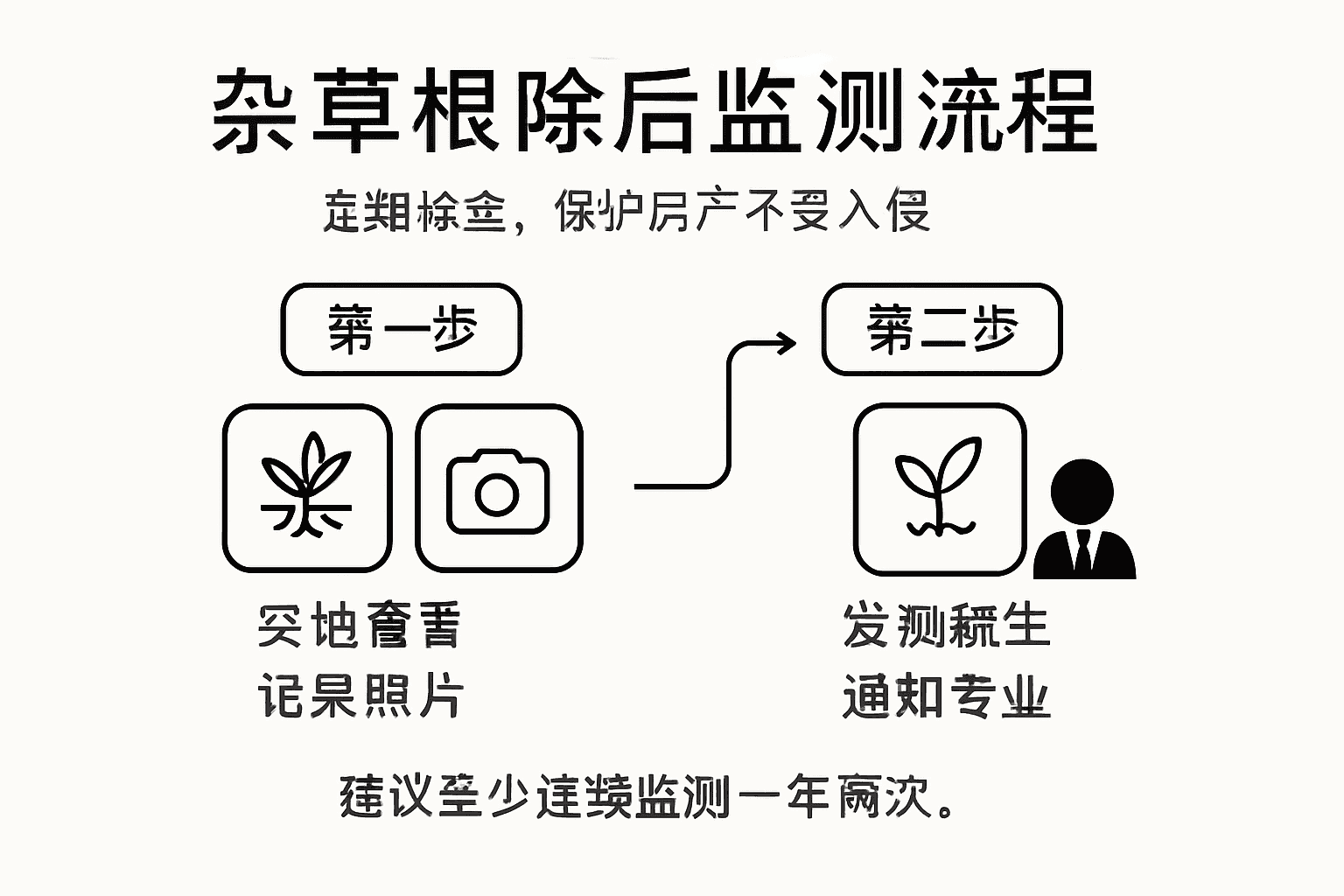
建议每年进行一次全面检查,尤其是在生长季节。定期维护可以帮助早期识别并处理潜在的再次侵扰问题,降低重新治理的成本。

使用日式防结缕草治理产品时,有哪些安全注意事项需要遵循?

在使用治理产品时,确保佩戴适当的防护装备,比如手套和口罩。此外,在施用期间避免与儿童和宠物接触,确保用药区域的安全性。

推荐

Read more

Invasive Species Management – Protecting Your Property

Most British homeowners never expect a persistent plant to threaten their property’s value before a major sale or remortgage. Japanese Knotweed is responsible for nearly £2 billion in annual economic losses across the United Kingdom, making chemical-free eradication a growing priority for those navigating the property market in England and Wales. This guide breaks through the confusion around invasive species myths and reveals how smart management protects both your home and future financial decisions.

Table of Contents

Key Takeaways

Point Details
Invasive Species Definition Invasive species are non-native organisms introduced into new ecosystems, posing significant environmental and economic risks in the UK. Their rapid reproduction and aggressive spread disrupt local biodiversity and cost the economy nearly £2 billion annually.
Legal Responsibilities Homeowners are required by the Wildlife and Countryside Act 1981 to actively manage and prevent the spread of invasive species on their properties to avoid legal consequences and potential fines.
Property and Health Risks Invasive species can cause extensive structural damage to buildings and pose direct health risks, such as severe skin burns from Giant Hogweed, making vigilance essential for property owners.
Financial Implications The presence of invasive species can reduce property values significantly, complicating sales and leading to higher insurance costs, which reinforces the need for professional surveys and management strategies.

What Are Invasive Species And Myths

Invasive non-native species represent a significant ecological challenge in the United Kingdom, presenting complex environmental risks that extend far beyond simple plant or animal migration. Invasive species are non-native organisms deliberately or accidentally introduced into new ecosystems, capable of causing substantial economic and environmental damage.

These organisms typically share several critical characteristics that distinguish them from standard non-native species. They reproduce rapidly, spread aggressively across landscapes, and demonstrate remarkable adaptability in new environments. In the United Kingdom, approximately 10-15% of introduced species transform into invasive threats, costing the national economy nearly £2 billion annually. Their impact ranges from disrupting native biodiversity to damaging agricultural infrastructure and threatening local ecological balance.

Common myths about invasive species often misrepresent their true nature and potential consequences. Many people mistakenly believe that invasive species are merely foreign plants or animals that naturally migrate. However, UK legislation clearly defines these organisms as non-native species with significant potential to cause environmental harm. The Wildlife and Countryside Act 1981 provides strict guidelines about managing, transporting, and controlling such species, emphasising legal compliance and proactive prevention strategies.

Expert Tip: Always consult local ecological authorities before attempting to manage or remove suspected invasive species to ensure proper handling and legal compliance.

Major UK Invasive Plants Affecting Homes

The United Kingdom faces significant challenges from several highly destructive invasive plant species that pose serious risks to residential properties and local ecosystems. Invasive plant species in the UK represent a critical environmental concern, with certain plants demonstrating extraordinary ability to damage building structures, undermine foundations, and disrupt native wildlife habitats.

Four primary invasive plant species stand out as particularly problematic for homeowners across England and Wales. Japanese Knotweed leads this list, notorious for its extraordinary capacity to penetrate concrete, compromise building foundations, and spread rapidly through underground rhizome networks. Giant Hogweed presents additional dangers, with its toxic sap capable of causing severe skin burns and potential long-term health complications. Himalayan Balsam aggressively colonises riverbanks and woodland areas, outcompeting native plant species and destabilising local ecological balances. Floating Pennywort represents another significant threat, particularly in aquatic environments, where it can quickly choke water systems and destroy native aquatic vegetation.

These invasive plants share remarkable characteristics that make them particularly challenging to manage. Destructive plant species typically reproduce extraordinarily quickly, possess extensive root systems, and demonstrate remarkable resilience against traditional removal methods. Their ability to spread through minute root fragments means that even small sections of plant material can regenerate entire populations, making comprehensive removal strategies essential for effective management.

Here is a summary of the most destructive invasive plants affecting UK homes:

Plant Name Unique Threat Typical Habitat Most Notable Impact
Japanese Knotweed Penetrates concrete Gardens, building sites Undermines property foundations
Giant Hogweed Toxic sap, severe burns Riverbanks, wasteland Serious health hazards
Himalayan Balsam Rapid riverbank spread Waterways, woodlands Displaces native flora
Floating Pennywort Chokes water systems Ponds, streams Increases flood risk

Expert Tip: Conduct annual property inspections focusing on potential invasive plant growth, and immediately contact professional ecological management services if you suspect any unusual plant species on your property.

How Invasive Species Damage Property And Health

Invasive species pose significant risks to both property infrastructure and human health, creating complex challenges for homeowners across the United Kingdom. These non-native organisms can cause extensive damage through multiple mechanisms, attacking buildings, landscapes, and human wellbeing simultaneously.

Structural damage represents the most immediate threat to property owners. Japanese Knotweed, in particular, demonstrates extraordinary capacity to penetrate concrete foundations, undermine building structures, and destabilise ground integrity. Its aggressive underground rhizome network can expand rapidly, creating micro-fractures in building foundations, drainage systems, and underground infrastructure. Similarly, invasive water plants like Floating Pennywort can choke waterways, increasing flood risks and compromising drainage systems, which ultimately threatens residential property foundations and landscape stability.

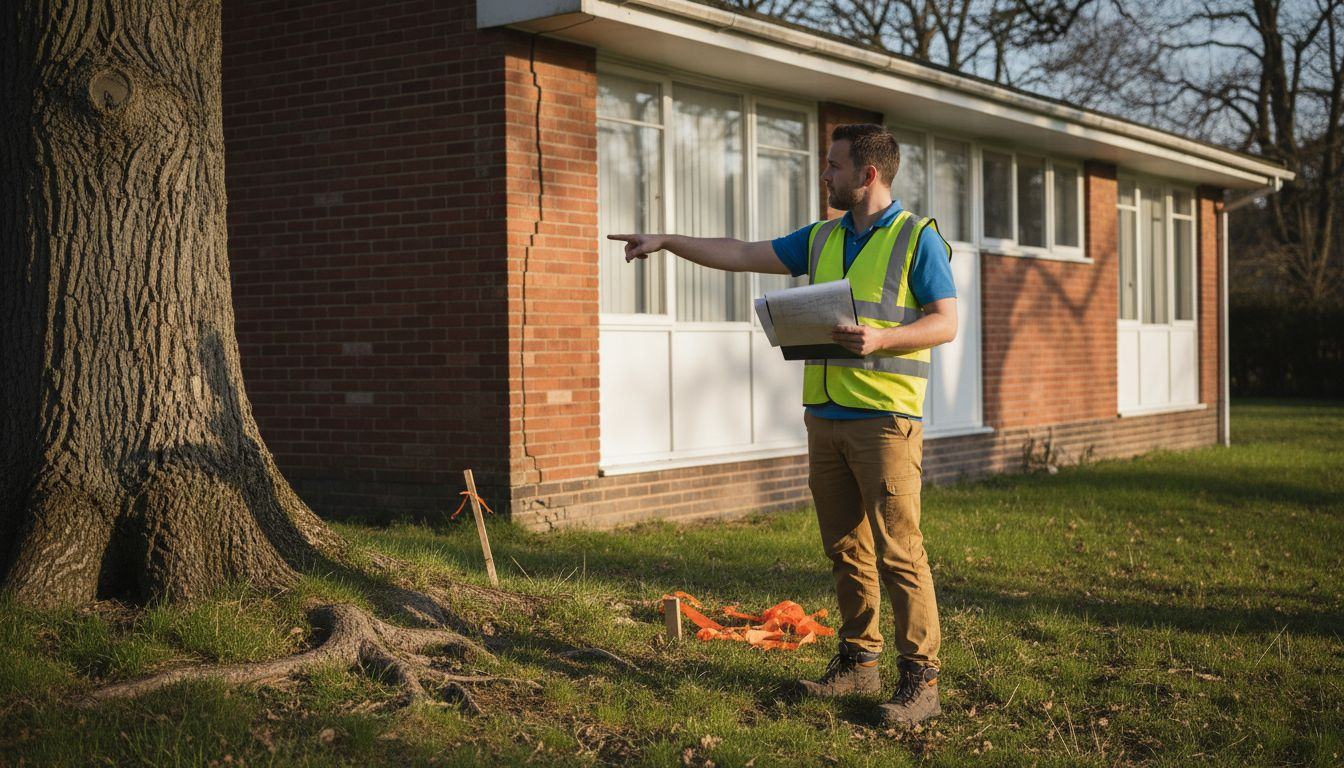
Surveyor examining Japanese Knotweed damage

Non-native species threaten human health through direct and indirect mechanisms. Giant Hogweed exemplifies direct health risks, with its toxic sap capable of causing severe skin burns and potentially long-lasting allergic reactions. Beyond physical harm, these invasive species create secondary health challenges by attracting vermin, disrupting local ecosystems, and reducing overall environmental quality. The complex interactions between invasive plants and local biodiversity can increase respiratory risks, provoke allergic responses, and compromise natural habitat balances that traditionally protect human health.

Expert Tip: Conduct comprehensive property surveys annually and maintain a vigilant approach to identifying unusual plant growth, consulting professional ecological management services at the first sign of potential invasive species.

Legal responsibilities for managing invasive species are comprehensive and stringent, placing significant obligations on homeowners across England and Wales. The Wildlife and Countryside Act 1981 establishes clear legal frameworks that require property owners to actively prevent the spread and proliferation of non-native invasive plant and animal species.

Homeowners must understand their specific legal obligations, which include preventing listed invasive species from growing, spreading, or being deliberately released into natural environments. Prohibited Actions encompass planting, cultivating, or allowing invasive species to establish themselves on private property. This means proactively identifying and managing species like Japanese Knotweed, Himalayan Balsam, and Giant Hogweed. Failure to control these species can result in substantial legal consequences, including potential prosecution, significant fines, and mandatory remediation costs.

Homeowner compliance requirements extend beyond simple plant management. Property owners are legally responsible for preventing listed species from escaping their property, breeding, or causing environmental damage. This includes strict regulations about transporting, selling, or keeping certain invasive species. Professional ecological surveys and expert management may be necessary to demonstrate due diligence and avoid potential legal challenges, particularly when selling or transferring property where invasive species have been identified.

Expert Tip: Maintain comprehensive documentation of any invasive species management efforts, including professional survey reports and treatment records, to protect yourself from potential legal complications.

Chemical-Free Eradication And Best Practice

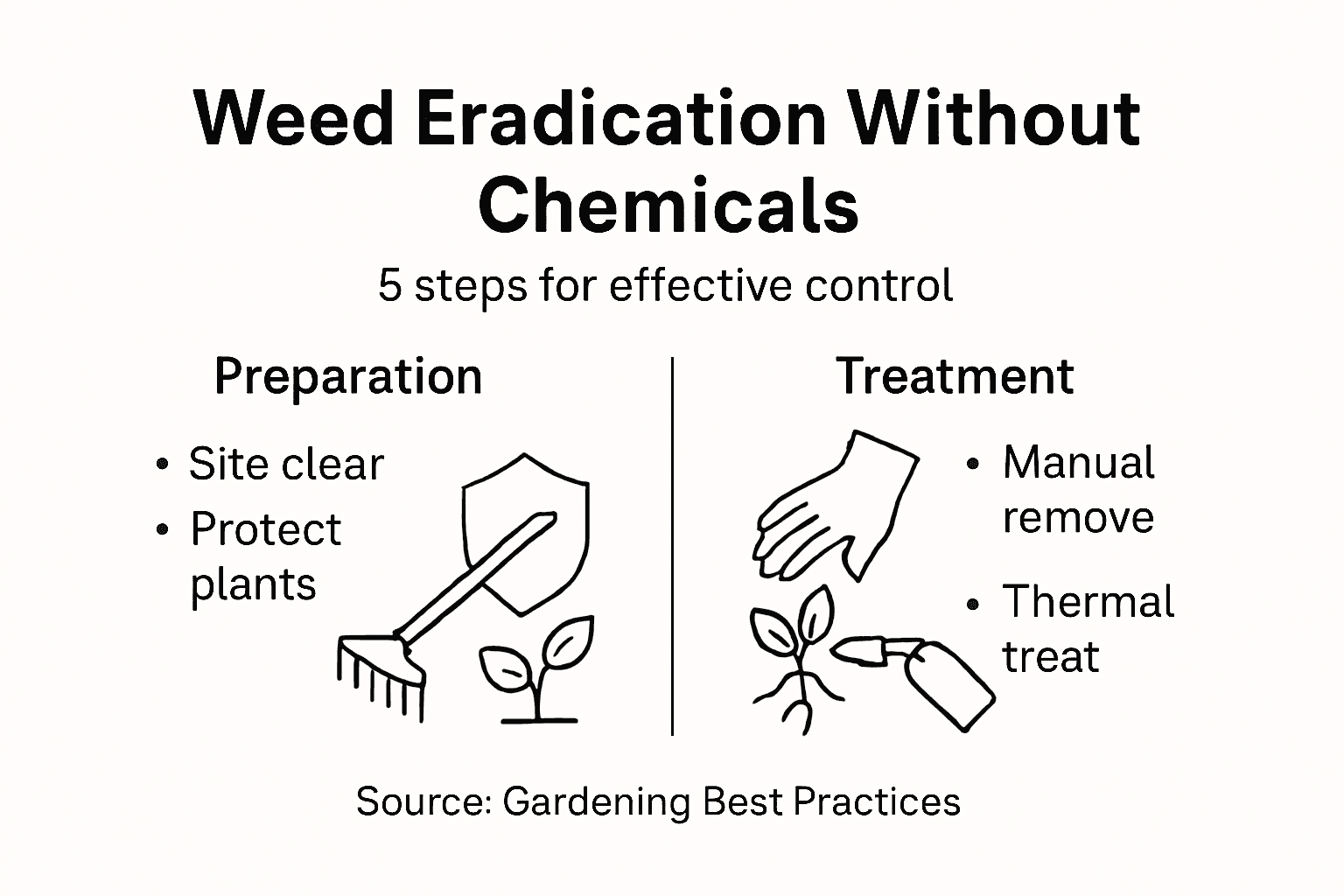
Biosecurity protocols for invasive species management represent a sophisticated approach to controlling non-native plant populations without relying on chemical interventions. These strategies focus on prevention, early detection, and targeted physical removal techniques that minimise environmental disruption and long-term ecological impact.

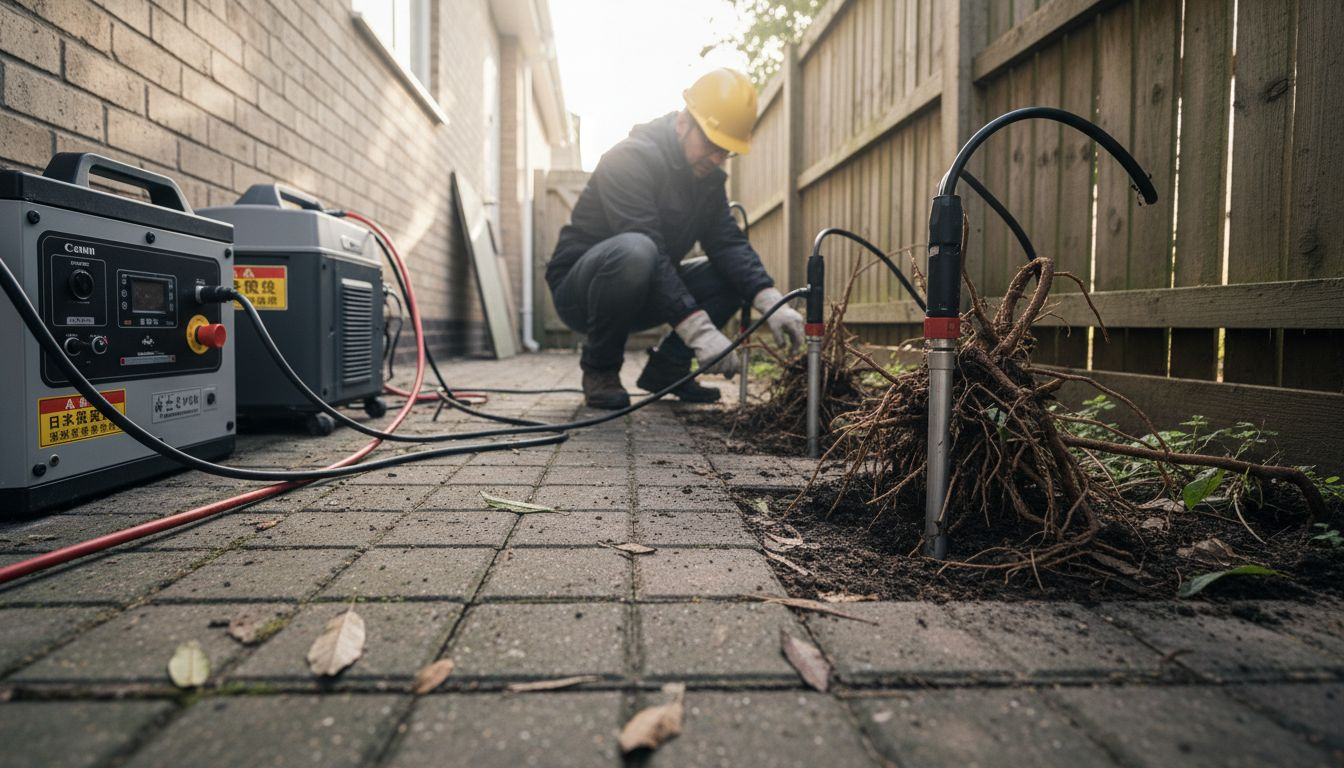
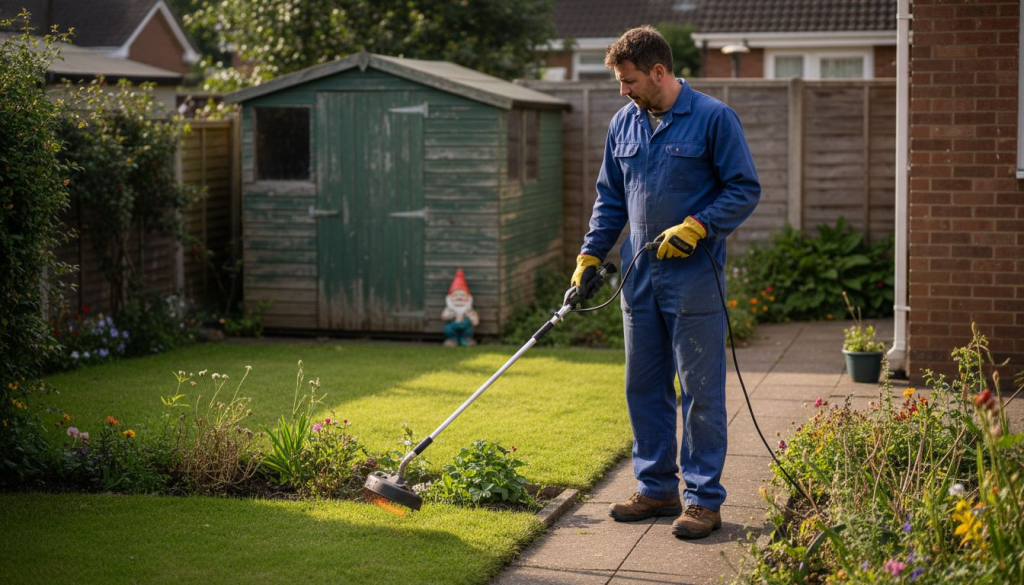
The most effective chemical-free eradication methods involve comprehensive habitat management and precise mechanical interventions. This approach requires systematic monitoring, understanding plant growth patterns, and implementing targeted removal strategies. Physical removal techniques must be meticulously executed to prevent root fragment regeneration, particularly with aggressive species like Japanese Knotweed. Professionals often employ specialised equipment and technical approaches that deliver targeted energy directly to plant systems, disrupting their internal cellular structures without chemical agents.

Non-chemical control methods demand careful consideration of disposal regulations and long-term ecosystem management. Successful eradication involves not just removing existing plant populations but creating environmental conditions that prevent future reinvasion. This requires understanding local biodiversity, soil conditions, and potential recolonisation pathways. Integrated pest management strategies prioritise ecological balance, using mechanical interventions supplemented by continuous monitoring and adaptive management techniques.

Expert Tip: Document every stage of your invasive species management process, including initial survey, removal method, and follow-up monitoring, to ensure comprehensive and legally compliant eradication.

Financial Risks And Property Value Impacts

Invasive species create significant financial challenges for property owners, extending far beyond simple removal costs. The economic consequences can be devastating, potentially reducing property values by substantial margins and creating complex legal and financial complications that persist long after initial discovery.

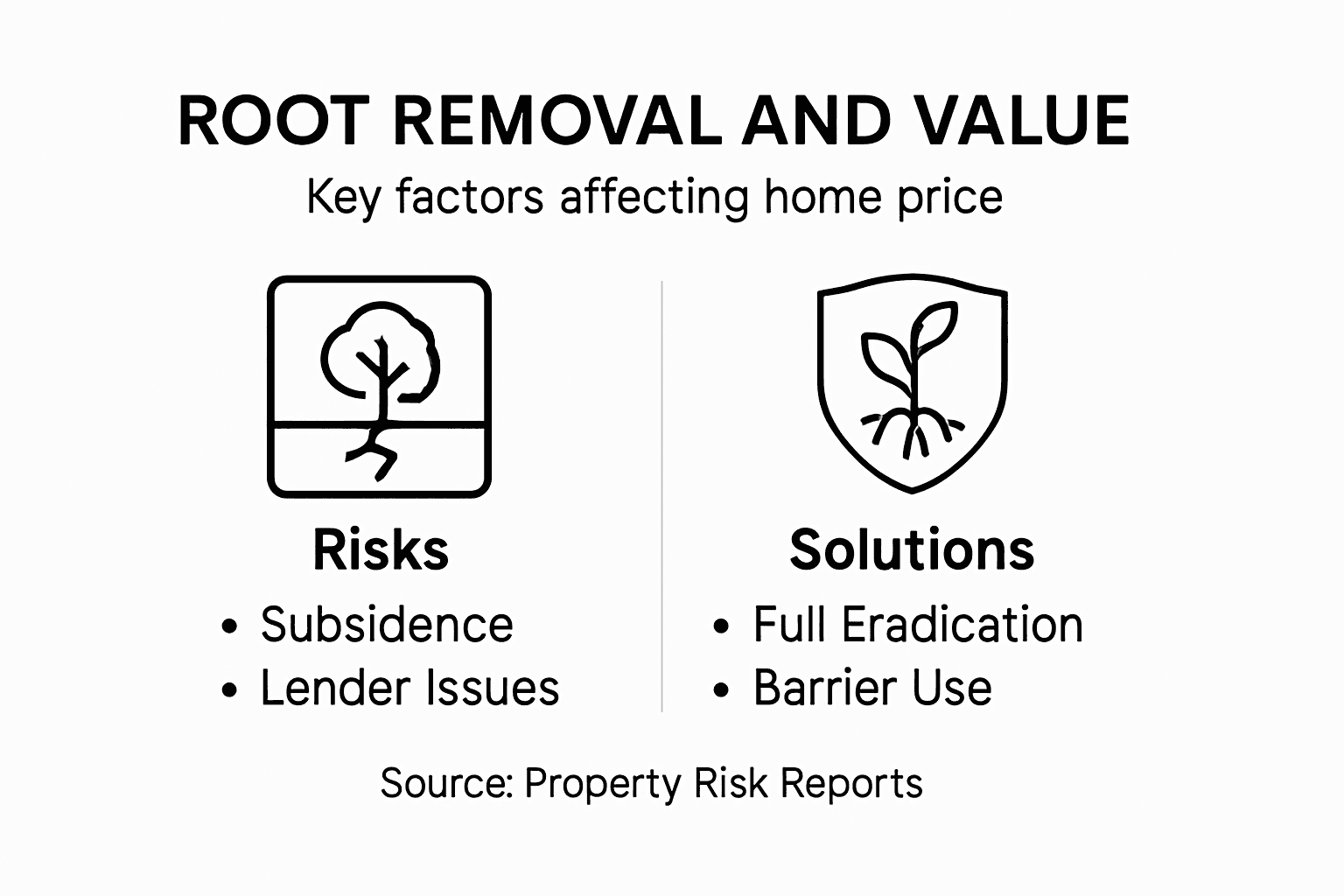
Infographic shows property and financial risks

The most critical financial risks emerge from multiple interconnected factors. Property Valuation Impacts can be dramatic, with invasive species like Japanese Knotweed potentially reducing market value by up to 10-20%. Mortgage lenders frequently refuse lending on affected properties, creating additional barriers for potential sellers. Insurance companies may impose higher premiums or completely exclude coverage, leaving homeowners financially vulnerable to potential structural damage and remediation expenses.

Economic implications of invasive plant infestations extend beyond immediate property devaluation. Comprehensive removal and management can cost thousands of pounds, with specialised treatment programmes potentially running into tens of thousands. Professional surveys, legal compliance, and long-term monitoring contribute to these escalating expenses. Potential buyers will likely demand significant price reductions or completely withdraw from property transactions upon discovering invasive species, further compounding financial risks for current property owners.

To clarify legal and financial consequences, consider the following comparison:

Risk Type Legal Consequence Financial Impact
Non-compliance Prosecution, fines, mandatory remediation Increased management costs
Plant Spread Liability for neighbouring property damage Property value reduction, mortgage refusal
Lack of Documentation Difficulty proving due diligence Higher survey and insurance costs

Expert Tip: Obtain a professional invasive species survey before selling or purchasing a property to understand potential financial risks and negotiate effectively.

Take Control of Invasive Species Before They Ruin Your Property

Invasive species like Japanese Knotweed and Giant Hogweed not only threaten your property’s structural integrity but also pose serious health risks and legal challenges. The aggressive spread of these plants can lead to costly remediation and property devaluation. Act now to protect your home and investment with proven chemical-free solutions designed to eliminate these persistent threats.

https://japaneseknotweedagency.co.uk

Discover how Japanese Knotweed Agency pioneers advanced treatment using high voltage energy targeting the invasive plant root systems without harmful chemicals. Avoid repeated damage and comply with legal obligations by scheduling a comprehensive property survey with experts who understand local regulations and ecological nuances. Don’t wait until the problem spreads further, visit Japanese Knotweed Agency today and secure your property’s future.

Frequently Asked Questions

What are invasive species and why are they a concern for property owners?

Invasive species are non-native organisms introduced to new ecosystems that can cause significant ecological and economic damage. They reproduce rapidly and can disrupt local biodiversity, impacting property structures and human health.

How can invasive plants damage my property?

Invasive plants like Japanese Knotweed can penetrate concrete foundations, undermine building structures, and destabilise landscapes. They can also clog drainage systems, leading to increased flood risks on properties.

Homeowners are legally required to manage and prevent the spread of invasive species, such as Japanese Knotweed and Giant Hogweed. Non-compliance can lead to legal action, fines, and mandatory remediation costs.

How can I effectively manage invasive species without using chemicals?

Chemical-free management can involve habitat management and targeted physical removal techniques. It’s essential to monitor invasive plant growth and employ professional services to ensure effective and environmentally safe eradication.

Read more

Invasive Weed Risk Assessment for Homebuyers

More than 800,000 British homeowners each year grapple with the financial and legal headaches of invasive weeds like Japanese Knotweed. For those buying or remortgaging in England and Wales, even a hint of infestation can delay property deals or halt them altogether. Understanding the risks and exploring chemical-free eradication options can help you protect your investment, safeguard your home’s value, and move forward with confidence.

Table of Contents

Key Takeaways

Point Details
Invasive Weed Risk Assessments are Essential Conducting a professional assessment helps identify potential ecological and structural risks, enabling informed property management decisions.
Know the Legal Responsibilities Homeowners must adhere to regulations regarding the management of invasive species to avoid significant legal and financial consequences.
Utilise Chemical-Free Solutions Explore environmentally responsible treatment methods, as they offer effective alternatives to manage invasive plants sustainably.
Be Aware of Hidden Costs Invasive plant infestations can lead to substantial property devaluation and expensive remediation efforts if not addressed promptly.

Defining Invasive Weed Risk Assessment

An invasive weed risk assessment represents a systematic evaluation process designed to identify and analyse potential threats posed by non-native plant species to properties, landscapes, and ecosystems. This comprehensive approach helps homebuyers, landowners, and property managers understand the potential risks and spread mechanisms of invasive plants across the United Kingdom.

Risk assessments are critical because they provide a structured method for evaluating species entry pathways and potential ecological impacts. These assessments typically involve expert analysis that considers multiple factors:

  • Potential for plant establishment in new environments
  • Rate of spread and reproduction capabilities
  • Potential damage to infrastructure and native ecosystems
  • Economic and environmental consequences

The process involves detailed scientific evaluation, with experts examining historical spread patterns, biological characteristics, and potential mitigation strategies. By conducting thorough risk assessments, property stakeholders can make informed decisions about land management, property purchases, and preventative measures against invasive plant species.

Pro tip: When purchasing a property, always request a professional invasive weed risk assessment to understand potential hidden ecological and structural risks before finalising your investment.

Key Invasive Plant Species in the UK

The United Kingdom hosts several highly problematic invasive plant species that pose significant risks to property, infrastructure, and native ecosystems. Invasive species regulations identify 36 plant species of particular concern, with some being especially destructive to residential and commercial properties.

Among the most notorious invasive plants in the UK are:

  • Japanese Knotweed: Capable of pushing through concrete and causing extensive structural damage
  • Himalayan Balsam: Rapidly spreads along riverbanks, outcompeting native vegetation
  • Giant Hogweed: Produces harmful sap that can cause severe skin burns and inflammation
  • Floating Pennywort: Aggressively colonises water systems, disrupting aquatic ecosystems
  • Australian Swamp Stonecrop: Quickly spreads in wet environments, overwhelming native plant populations

These invasive species can cause substantial economic and ecological damage. Japanese Knotweed, for instance, can dramatically reduce property values and require expensive professional removal. The rapid spread and resilience of these plants make early identification and professional intervention crucial for property owners and land managers.

Surveyor inspects Japanese Knotweed near foundation

Below is a summary comparing key invasive plant species in the UK and their unique impacts:

Plant Species Main Structural Threat Ecological Impact Typical Removal Challenge
Japanese Knotweed Cracks concrete, invades homes Outcompetes natives Deep root persistence
Himalayan Balsam Erodes riverbanks Reduces native diversity Rapid annual regrowth
Giant Hogweed Damages human skin on contact Disrupts recreational use Hazardous sap handling
Floating Pennywort Blocks waterways Oxygen depletion in ponds Spreads via fragments
Australian Swamp Stonecrop Floods wetlands Smothers native species Difficult to eradicate fully

Landowners and homebuyers must understand the potential risks and legal implications of these invasive species. Many of these plants are subject to strict control measures, with potential legal consequences for improper management or unintentional spread.

Pro tip: Always conduct a professional invasive plant survey before purchasing a property to identify potential ecological risks and avoid costly future remediation efforts.

Homeowners and property buyers in the United Kingdom face significant legal obligations when it comes to managing invasive plant species. Wildlife and Countryside Act regulations outline specific legal responsibilities that can have substantial financial and legal implications for property owners.

Key legal responsibilities include:

  • Preventing the deliberate spread of invasive plant species
  • Not allowing invasive plants to grow beyond property boundaries
  • Ensuring proper management of known invasive plant infestations
  • Disclosing the presence of invasive species during property transactions
  • Complying with local and national regulations regarding plant control

The legal framework is particularly stringent regarding species like Japanese Knotweed. Property owners can be held liable for allowing these plants to spread, which can result in significant financial penalties and potential legal action from neighbours or local authorities. Mortgage lenders may also refuse to provide financing for properties with unmanaged invasive plant infestations.

Moreover, while there is no explicit legal requirement to remove all invasive plants, property owners must take reasonable steps to prevent their spread. This means conducting regular surveys, implementing control measures, and working with professional eradication services when necessary.

Pro tip: Obtain a professional invasive plant survey and management plan before purchasing a property to protect yourself from potential legal and financial liabilities.

Understanding Survey and Assessment Processes

Invasive plant surveys represent a critical professional service designed to identify and evaluate potential ecological and structural risks on properties. Professional survey standards provide comprehensive approaches for detailed property assessments, helping homeowners and buyers understand potential invasive plant threats.

A typical invasive plant survey involves several key components:

  • Comprehensive site inspection and mapping
  • Species identification and population assessment
  • Evaluation of potential infrastructure damage
  • Risk categorisation for specific invasive plants
  • Detailed documentation and photographic evidence
  • Recommendations for treatment and management

The survey process goes beyond simple plant identification. Accredited specialists use advanced techniques to assess not just the current situation, but potential future risks. They examine factors such as plant spread patterns, proximity to structures, and environmental conditions that might facilitate invasive plant growth.

Here is a reference table outlining typical survey findings and their business implications for property stakeholders:

Survey Finding Stakeholder Impact Typical Recommendation
Presence near buildings Potential devaluation risk Immediate containment plan
Soil infestation Threat to future development Root barrier installation
Dormant plant growth Hidden structural hazard Ongoing monitoring required
Invasive water plants Reduced utility of water areas Mechanical removal advised
Legal non-disclosure Risk of legal disputes Full documentation needed

Most professional surveys follow a structured approach that includes biosecurity protocols. This means systematically examining potential entry routes, assessing establishment likelihood, and developing targeted management strategies. Homebuyers and property owners receive a comprehensive report that outlines risks, potential financial implications, and recommended actions to mitigate invasive plant challenges.

Infographic showing key invasive weed risks for homebuyers

Pro tip: Request a comprehensive written report from your invasive plant surveyor, ensuring it includes detailed mapping, risk assessment, and specific treatment recommendations.

Chemical-Free Treatment and Eradication Options

Chemical-free treatment approaches have become increasingly sophisticated in managing invasive plant species, offering environmentally responsible alternatives to traditional herbicide methods. Integrated weed management strategies provide comprehensive solutions that focus on ecological balance and sustainable plant control.

Key chemical-free treatment methods include:

  • Physical Removal: Complete excavation of invasive plant root systems
  • Mechanical Cutting: Repeated cutting to deplete plant energy reserves
  • Root Barrier Installation: Preventing underground plant spread
  • Thermal Treatment: Using targeted heat application to destroy plant cells
  • Biological Competition: Introducing native plant species to suppress invasive growth

The most effective chemical-free approaches combine multiple techniques, creating an integrated management strategy. For instance, mechanical removal might be followed by root barrier installation and ongoing monitoring to prevent regrowth. These methods require precision and expertise, particularly with challenging species like Japanese Knotweed that have extensive underground networks.

Professional eradication services now employ advanced techniques such as targeted thermo-electric treatments that deliver direct energy to plant cells, causing internal damage without environmental contamination. These innovative approaches demonstrate how technology can provide sustainable solutions for invasive plant management.

Pro tip: Always consult professional invasive plant specialists who can design a tailored, multi-strategy approach specific to your property’s unique environmental conditions.

Hidden Risks, Costs, and Common Pitfalls

Invasive plant infestations represent significant financial and structural threats that often remain undetected until substantial damage occurs. Invasive weed economic risks can dramatically impact property values, with potential consequences extending far beyond initial remediation costs.

Key hidden risks and potential financial impacts include:

  • Property Devaluation: Up to 10-15% reduction in market value
  • Structural Damage: Potential repair costs ranging from £5,000 to £50,000
  • Legal Liability: Potential litigation expenses from neighbouring properties
  • Mortgage Restrictions: Potential lending complications
  • Ongoing Treatment Expenses: Continuous management and eradication costs

Common pitfalls homebuyers encounter involve underestimating the complexity of invasive plant management. Many individuals mistakenly believe that surface-level treatments are sufficient, failing to recognise the extensive underground root networks of species like Japanese Knotweed. These plants can regenerate from tiny root fragments, making incomplete removal strategies potentially catastrophic and financially devastating.

Professional assessments are crucial because invasive plant infestations can remain dormant or undetected during initial property inspections. The long-term economic implications can far exceed the cost of comprehensive initial surveys and targeted eradication strategies. Mortgage lenders increasingly require detailed invasive plant reports, understanding the substantial risks these organisms pose to property infrastructure.

Pro tip: Always budget an additional 15-20% above initial property purchase costs for potential invasive plant remediation and structural repair.

Protect Your Property with Expert Invasive Weed Risk Assessment and Chemical-Free Solutions

Understanding the hidden threats posed by invasive plants such as Japanese Knotweed is essential for all homebuyers and landowners across England, Wales, and Ireland. The risks outlined in this article including legal liabilities, structural damage, and property devaluation demand professional attention. At Japanese Knotweed Agency we specialise in detailed property surveys that identify these invasive risks before they impact your investment.

https://japaneseknotweedagency.co.uk

Take control of your property’s future today by choosing proven chemical-free treatment methods including our pioneering direct energy eradication technology delivering up to 5000 volts onsite. We also offer root barrier installations and full excavation works to ensure comprehensive containment. Visit our main site to schedule your property survey and explore how trusted invasive weed risk assessment can protect you from costly surprises. Act now to safeguard your home with a professional approach tailored to your property’s unique needs.

Frequently Asked Questions

What is an invasive weed risk assessment?

An invasive weed risk assessment is a systematic evaluation process that identifies and analyses potential threats posed by non-native plant species to properties, landscapes, and ecosystems. It helps homeowners and land managers understand the risks and spread mechanisms of invasive plants.

Why is it important to conduct an invasive weed risk assessment before purchasing a property?

Conducting an invasive weed risk assessment before purchasing a property is crucial to identify hidden ecological and structural risks that could affect property value and integrity. It can help avoid costly remediation efforts in the future.

What are some common invasive plant species that can be a risk to properties?

Common invasive plant species include Japanese Knotweed, Himalayan Balsam, Giant Hogweed, Floating Pennywort, and Australian Swamp Stonecrop. These plants can cause substantial structural damage and ecological disruption.

Homeowners are legally obligated to prevent the spread of invasive plant species, manage known infestations, and disclose the presence of invasive species during property transactions. Failure to comply with these regulations can lead to financial and legal consequences.

Read more

英国入侵植物政策对房产交易的影响

当日本葛入侵土地后,房产价值可能直线下跌,高达20%。越来越多英国房主在购房或再融资时,开始重视入侵植物带来的法律和经济风险。选择无化学药剂处理方案,不仅能保护环境,还能避免房产因治理不当而贬值。本文将系统解析英国入侵植物误区,正确鉴别方法与合规移除技巧,帮助房主安全守护资产。

目录

主要要点

要点 细节
入侵植物定义 入侵植物是指在非原生地区迅速传播并危害本地生态的植物物种,并非所有外来植物都是入侵植物。
房主责任 房主需对土地上入侵植物进行监测和控制,否则将面临法律责任及经济处罚。
购房风险 入侵植物可能直接影响房产交易和贷款审批,降低房产价值。
处理建议 应采用环保的无化学手段处理入侵植物,优先考虑物理和热能技术。

英国入侵植物的定义与常见误区

入侵植物是指在非原生地区迅速传播并对本地生态系统造成严重威胁的植物物种。在英国,这个概念远比人们想象的更为复杂。英国政府的植物检疫战略明确指出,入侵植物不仅仅是外来物种,更是对本土生态平衡构成重大风险的潜在生态入侵者。

入侵植物的定义核心在于其快速繁殖和扩散能力,以及对本地生态系统造成的负面影响。与普遍认知不同,并非所有外来植物都属于入侵植物。只有具备显著竞争优势、能够迅速占据生态位并抑制本地植物生长的物种,才会被归类为入侵植物。比如日本葛(Japanese Knotweed)就是典型代表,其根系极其强大,能穿透建筑地基,对房产造成严重威胁。

常见的入侵植物误区包括:

  • 认为所有外来植物都是有害的
  • 忽视入侵植物对房产价值的潜在影响
  • 低估入侵植物的繁殖速度和破坏力

专业建议在购买房产前,务必进行专业的入侵植物调查,特别是检查土地上是否存在日本葛等高风险入侵物种。

主要入侵植物种类及鉴别方法

英国存在大量危害生态系统的入侵植物,非本地物种信息门户已经记录了超过3000种潜在威胁物种。这些入侵植物不仅危害本地生态平衡,还可能对房产造成严重的财产损失。

最常见的入侵植物种类包括:

  • 日本葛:根系极其强大,能穿透建筑地基
  • 杜鹃花:迅速占据woodland区域,抑制本地植物生长
  • 喜马拉雅凤仙花:快速蔓延,competitive性极强
  • 加拿大一枝梅:生长迅速,扩散范围广

鉴别入侵植物需要专业的观察技巧。自然历史博物馆研究提供了详细的形态特征识别方法,包括叶片形状、花色、生长习性等关键特征。专业鉴别通常需要综合考虑植物的生长环境、繁殖速度和生态影响。

对于房产购买者来说,识别入侵植物至关重要。建议在房产交易前请专业生态调查团队进行详细勘察,尤其要关注可能影响建筑结构安全的物种。

关于外来入侵植物对住房安全隐患的可视化图解

下表总结了英国常见入侵植物的生态威胁与房产影响:

入侵植物名称 生态破坏特点 房产风险 管控难度
日本葛 根系深广,迅速蔓延 损毁建筑结构,降房价 非常高
杜鹃花 抑制土生植物,影响森林 影响绿地质量 较高
喜马拉雅凤仙花 快速占领河岸地带 导致土地侵蚀
加拿大一枝梅 爆发性扩散,占据草地 降低景观价值 中等

专业建议购买房产前,务必委托专业机构进行入侵植物全面调查,避免未来可能的生态和经济风险。

相关法律法规与房主责任解析

生物安全战略明确规定,房主对入侵植物的管控负有直接法律责任。这意味着房主必须积极预防、监测和控制其土地上的入侵植物,否则可能面临严重的法律后果和经济处罚。

房主的主要法律责任包括:

  • 主动识别和清除土地上的入侵植物
  • 防止入侵植物向邻近土地蔓延
  • 遵守环境保护和生物安全相关法规
  • 在房产销售时如实披露入侵植物情况

对于入侵植物,英国法律规定了明确的处罚机制。如果房主未能有效控制入侵植物,可能面临:

  1. 高额罚款(最高可达5万英镑)
  2. 强制清理和生态修复费用
  3. 房产价值显著下降
  4. 潜在的民事诉讼

土地管理指导文件强调,房主不仅要控制已知的入侵植物,还需建立长期的生物安全管理机制,定期检查和预防入侵植物传播。

专业建议在购买或出售房产前,请专业机构进行入侵植物全面评估,并获取书面检测报告,为自身权益提供法律保护。

入侵植物对房产交易和贷款的影响

不动产研究中心的研究表明,入侵植物已成为影响房产交易和贷款审批的关键风险因素。尤其是日本葛等具有破坏性的入侵植物,可能导致房产价值直接下跌15-20%,严重影响房地产市场交易。

对于房产贷款,入侵植物可能带来的具体影响包括:

  • 贷款机构可能拒绝提供抵押贷款
  • 要求额外的环境风险评估
  • 提高贷款利率
  • 要求业主先行清除入侵植物

政府生物安全战略强调,房产买卖双方必须全面披露入侵植物情况。这意味着卖方需提供详细的环境检测报告,买方则需仔细评估潜在生态风险,这已成为房产交易的标准流程。

对于买家而言,购房前进行专业的入侵植物调查已成为刚性需求。一份全面的环境评估报告不仅能帮助争取更有利的贷款条件,还能避免未来可能面临的巨额修复成本。

专业建议在房产交易前,务必委托专业机构进行全面的入侵植物风险评估,并获取书面检测报告,为自身利益提供坚实保障。

无化学处理手段与合规移除措施

政府生物安全战略明确推荐采用环保、无化学的入侵植物处理方法。传统化学药剂不仅会对环境造成额外污染,还可能破坏周边生态系统的平衡,因此专业机构正逐步转向更加生态友好的处理技术。

无化学处理的主要方法包括:

  • 热能处理:通过高温电流直接破坏植物根系
  • 机械挖掘:精准移除植物根系,减少再生风险
  • 生物控制:引入特定天敌生物抑制入侵植物生长
  • 遮蔽封锁:通过特殊阻隔材料阻断植物生长空间

土地管理指导文件强调,合规移除不仅需要技术手段,还要遵守严格的生态修复程序。专业团队在移除过程中需要:

  1. 全面评估入侵植物分布范围
  2. 制定详细的清除计划
  3. 采取最小侵入性的处理方式
  4. 确保后续生态恢复

对于房主而言,选择专业的无化学处理团队至关重要。这些团队能提供可追溯、可验证的生态修复方案,确保入侵植物得到彻底、合规的清除。

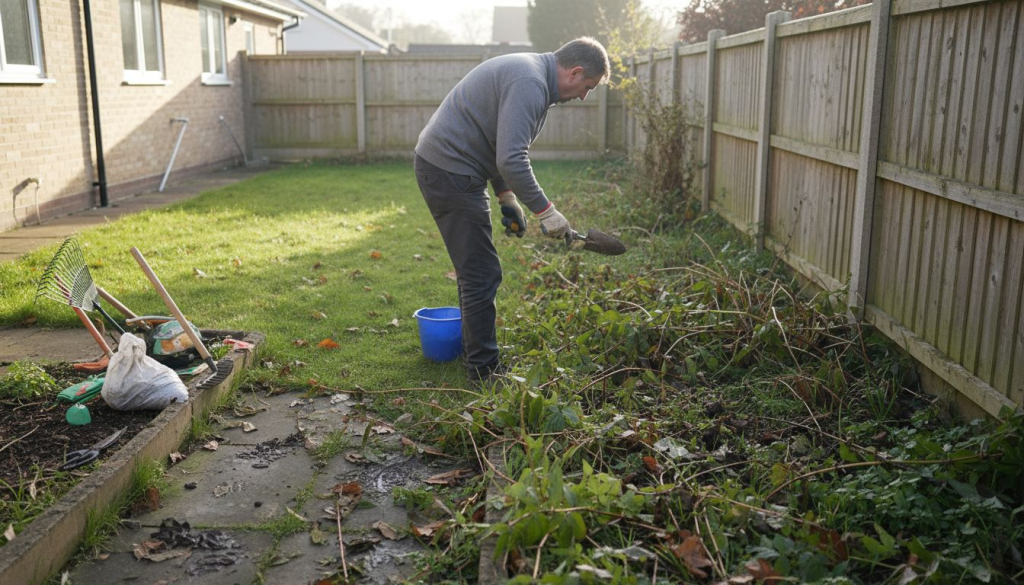
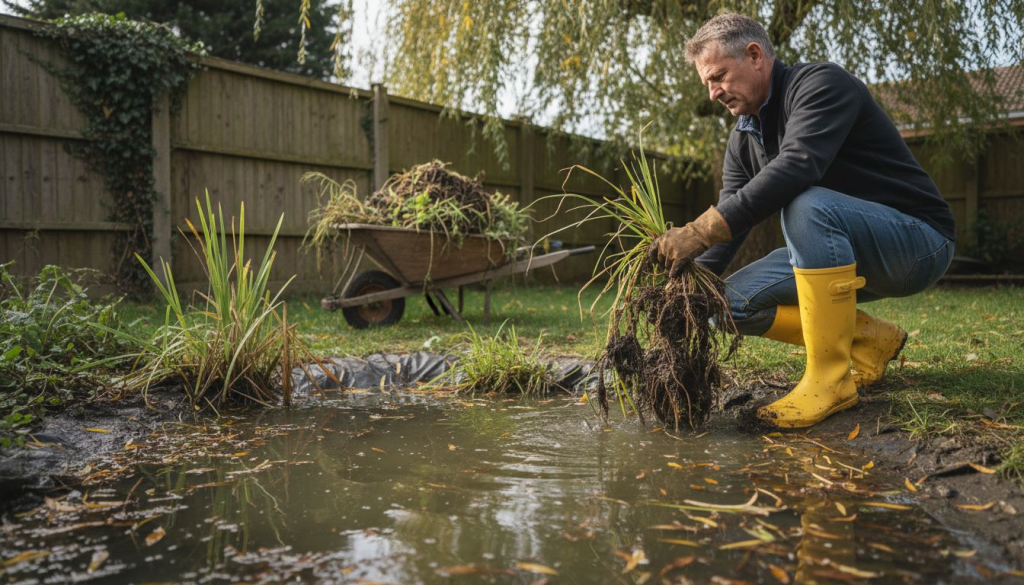
工人们正在用手工工具清理地里的虎杖杂草。

以下表格简要对比入侵植物移除的主流方法与生态影响:

移除方法 适用场景 环境影响 成本水平
热能处理 建筑近邻根系 环保无残留 较高
机械挖掘 大面积地块 土壤扰动明显 中等
生物控制 林地与湿地 有生态协同作用 较低
遮蔽封锁 居住区和小花园 基本无害

专业建议选择处理入侵植物时,优先考虑采用物理和热能技术,并确保服务团队具备官方资质和环境保护认证。

英国入侵植物政策对房产交易的关键应对方案

面对英国日益严格的入侵植物政策,尤其是日本葛对房产交易和贷款带来的巨大影响,买卖双方如何确保资产安全成为最迫切的问题。文章中提到的法律责任和经济风险无疑让人忧心忡忡。您的目标是实现合规管理、彻底清除高风险物种并保障房产价值,这正是我们专业服务的核心所在。

Japanese Knotweed Agency 率先采用无化学、物理热能处理技术,直接释放高达5000伏的能量,精准破坏日本葛等入侵植物的根系网络。我们不仅提供高效的入侵植物清除方案,还承接根系屏障安装和专业开挖工作,帮助您从根源阻断植物入侵,守护您的房产安全。同时,我们在英格兰、威尔士以及爱尔兰提供专业的入侵植物调查服务,为房产交易提供权威检测报告,助您顺利完成贷款审批和产权转让。

立即了解我们的无化学高效处理方案

https://japaneseknotweedagency.co.uk

不要让入侵植物成为您房产交易路上的绊脚石。现在就访问 Japanese Knotweed Agency 官方网站 安排专业调查与定制清除计划。守护您的房产价值,从科学合规的入侵植物治理开始。

常见问题

入侵植物会如何影响房产交易?

入侵植物可能导致房产价值下跌15-20%,影响买卖和贷款审批。

房主在出售房产时需要披露哪些关于入侵植物的信息?

房主需如实披露土地上的入侵植物情况,包括已识别的种类及其影响。

为什么进行入侵植物调查在房产购买中如此重要?

专业的入侵植物调查可以帮助买家了解潜在的生态风险与未来的修复成本。

若房主未能有效控制入侵植物,会面临什么后果?

未能控制入侵植物的房主可能面临高额罚款、强制清理费用以及房产价值的显著下降。

推荐

Read more

How to Manage Invasive Plants Naturally for Homeowners

Most British homeowners are surprised to learn that invasive plants can reduce property value by up to 20 percent. With Japanese Knotweed spreading across England, Wales, and Ireland, protecting your investment from this persistent threat is more urgent than ever. This guide highlights practical, chemical-free strategies to tackle infestations and safeguard property during sales or remortgaging, focusing on real steps every homeowner can take starting today.

Table of Contents

Quick Summary

Key Point Explanation
1. Identify invasive plants promptly Regularly survey your property to spot non-native species that could threaten local wildlife and landscapes.
2. Implement strict biosecurity measures Clean all tools and equipment thoroughly to prevent the spread of invasive species across different areas.
3. Use thermal energy for eradication Apply targeted heat to damage invasive plants’ roots, ensuring surrounding native vegetation is not harmed.
4. Install root barriers effectively Create underground barriers to prevent the spread of invasive roots into desired areas within your property.
5. Monitor treated areas consistently Regularly check for new growth and document changes to confirm the success of your invasive plant management strategy.

Step 1: Assess and Identify Invasive Plants

Identifying invasive plants accurately is crucial for protecting your property and local ecosystem. This section will guide you through recognising potentially harmful non native species that could threaten your garden and surrounding landscape.

Begin by conducting a systematic visual survey of your property. Look for plants with unusually aggressive growth patterns or those spreading rapidly beyond their original planting area. The GB Non native Species Information Portal provides comprehensive resources for tracking over 3000 non native species in Britain, helping homeowners understand potential ecological risks.

Specific characteristics to watch for include plants with rapid spreading capabilities, unusual root systems that penetrate structures, and species not native to the United Kingdom. Invasive plants often demonstrate competitive behaviours that disrupt local biodiversity, such as outcompeting native vegetation or altering habitat structures. Recognising these invasive species characteristics requires careful observation and potentially professional consultation.

Here is a summary of common indicators and impacts of invasive plants:

Indicator Description Typical Impact
Rapid spreading Expands quickly across garden areas Reduces native plant diversity
Aggressive root system Roots penetrate deeply and widely Damages underground structures
Not native to Britain Species introduced from outside UK Alters local habitat balance
Competitive behaviour Outcompetes local vegetation for resources Leads to biodiversity loss

Infographic of invasive plant indicators

Handy Tip: Take clear photographs of suspicious plants and compare them against reputable online identification guides or consult local ecological experts for precise species identification.

Step 2: Prepare Site for Chemical Free Treatment

Preparing your site correctly is essential for successful chemical free invasive plant management. This stage sets the foundation for effective treatment by creating optimal conditions that minimise plant resilience and spread.

Begin by implementing rigorous biosecurity measures to prevent species movement. This involves thoroughly cleaning all equipment and tools that might contact the invasive plants to prevent unintentional spreading. Remove any soil or plant debris from shoes, gardening tools, and machinery before moving between different areas of your property. Create designated clean zones and dirty zones to maintain strict control over potential contamination.

Carefully assess the site conditions and develop a strategic approach to weaken the invasive plants naturally. Urban grassland management guidelines recommend reducing habitat disturbance and modifying environmental conditions to discourage aggressive plant growth. This might include adjusting soil composition, managing moisture levels, and creating competitive conditions for native plant species that can naturally suppress invasive growth.

Preparing garden site for natural treatment

Handy Tip: Document your site preparation process with photographs and notes to track progress and help ecological experts provide more targeted advice during follow up consultations.

Step 3: Apply Direct Energy Eradication Safely

Direct energy eradication represents an advanced chemical free approach to managing invasive plant species on your property. This method involves precisely targeting invasive plants using controlled thermal energy to disrupt their cellular structures and prevent regrowth.

Understand the principles of invasive species thermal treatment before beginning. The technique requires careful application to ensure you eliminate the invasive plants while protecting surrounding native vegetation. Heat treatment works by delivering targeted energy directly into the plant’s root system creating internal cellular damage that prevents future regeneration. Carefully monitor the temperature and duration of application to maximise effectiveness without causing unnecessary environmental disruption.

Precision is key when applying direct energy. Plant stress response mechanisms suggest that different plant species respond uniquely to thermal treatments. Conduct small test areas first to understand how the specific invasive species in your garden react to the energy application. Wear appropriate protective equipment such as heat resistant gloves and safety glasses to prevent personal injury during the treatment process.

Handy Tip: Keep a detailed log of treatment areas temperature settings and plant responses to help refine your approach in future eradication efforts.

Step 4: Install Root Barriers for Long-Term Protection

Root barriers provide a strategic defence against invasive plant spread by creating an underground boundary that prevents root systems from expanding into undesired areas. This method offers a proactive chemical free approach to managing aggressive plant species on your property.

Understand the principles of root system control techniques before installation. Carefully map out the area where you want to prevent root growth and select a high quality root barrier material designed to withstand underground pressures. Barriers should extend deep enough to block horizontal root expansion typically at least 1 metre into the ground. Create a vertical barrier that forms a complete seal around the target area ensuring no potential gaps for roots to penetrate.

Consider the long-term vegetation management strategies when installing your root barrier. Proper installation involves careful ground preparation including removing existing roots creating a clean trench and ensuring the barrier material is correctly positioned and sealed. Use specialized root barrier materials that are resistant to root penetration and designed for underground environments. Monitor the barrier periodically to check for any signs of root breakthrough or material degradation.

The following table compares chemical free eradication methods covered in this guide:

Method Primary Action Ideal Use Case Safety Measures Needed
Manual removal Uproots invasive plants Small infestations, early detection Gloves, avoid soil disturbance
Thermal energy Destroys plant tissues Targeted treatment of stubborn roots Heat resistant protection gear
Physical barriers Blocks root expansion Long-term prevention, heavy spread Careful trenching, periodic checks

Handy Tip: Photograph the installation process and mark barrier locations on your property plan to maintain a clear record of your invasive plant management strategy.

Step 5: Verify Results and Monitor Future Growth

Verifying the success of your invasive plant management strategy is crucial for ensuring long term protection of your property and local ecosystem. This final stage involves systematic observation and documentation to confirm the effectiveness of your treatment approach.

Utilise the plant biosecurity monitoring techniques to track your invasive plant management progress. Regularly inspect the treated areas looking for signs of new growth regrowth or potential breakthrough. Create a detailed photographic record comparing the site before and after treatment noting specific changes in plant density root system spread and overall vegetation health. Take measurements of any remaining plant clusters and document their size location and growth patterns.

Engage with citizen science reporting systems to contribute your observations and gain additional insights. These platforms allow homeowners to track invasive species distribution and share valuable data with ecological researchers. Regular monitoring should occur seasonally at minimum with more frequent checks during peak growing periods. Look for subtle changes in soil composition plant density and root system behaviour that might indicate incomplete eradication or potential future spread.

Handy Tip: Create a dedicated monitoring journal with dated photographs measurements and observations to build a comprehensive record of your invasive plant management journey.

Take Control of Invasive Plants with Expert Chemical Free Solutions

Managing invasive plants naturally is a challenging task that requires precision, persistence, and the right expertise. If you are concerned about rapid spreading species like Japanese Knotweed damaging your property or local biodiversity, it is essential to use proven methods such as direct energy eradication and root barrier installation. These techniques, highlighted in the article, align perfectly with the advanced services offered by Japanese Knotweed Agency to protect your home and the environment without harmful chemicals.

https://japaneseknotweedagency.co.uk

Dont let invasive plants take over your garden or risk structural damage. Benefit from professional property surveys and expert treatments covering England, Wales, and Ireland. Visit Japanese Knotweed Agency today to secure a chemical free eradication plan tailored to your needs. Explore how our direct energy technology and root barrier installs can deliver lasting peace of mind and safeguard your property now.

Frequently Asked Questions

How can I identify invasive plants on my property?

Identifying invasive plants involves conducting a visual survey of your garden to look for aggressive growth patterns or species not native to your area. Document the characteristics of suspicious plants, including their growth habits and root systems, to help pinpoint invasive species and take action.

What steps should I take to prepare my site for chemical free treatment of invasive plants?

To prepare your site, implement biosecurity measures by cleaning all tools and equipment to prevent spreading invasive plants. Create separate clean and dirty zones in your garden and assess soil and moisture conditions to weaken invasives naturally.

How can I safely apply direct energy eradication to invasive plants?

To safely apply direct energy eradication, target the invasive plant’s root system with controlled thermal energy and carefully monitor the temperature applied. Conduct small test treatments first to assess how the specific invasive species react and wear appropriate protective gear.

What should I consider when installing root barriers to prevent invasive plant spread?

When installing root barriers, ensure the material extends at least 1 metre deep to block root expansion. Prepare the ground by removing existing roots and sealing the barrier properly to prevent gaps, enhancing long-term protection from invasive plants.

How can I monitor the effectiveness of my invasive plant management efforts?

To monitor effectiveness, regularly check treated areas for signs of new growth or breakthroughs and document any changes with photographs. Maintain a dedicated journal to track measurements and observations, assessing progress at least seasonally or during peak growth periods.

What are common indicators of invasive plants I should be aware of?

Common indicators include rapid spreading, aggressive root systems, and competitive behaviour that outcompetes local vegetation. Make note of any plant species displaying these traits and take necessary action to manage their spread effectively.

Read more

如何识别侵入性杂草—英国房产安全须知

英国每年因侵入性杂草导致房产价值下跌的案例不断增加,部分物业贬值甚至高达50%。对于计划在英国置业或再融资的房主来说,忽视这些杂草可能带来无法预料的经济损失。不仅如此,侵入性杂草还可能破坏居住环境,增加维护成本。本篇内容将帮助您了解如何识别常见侵入性杂草,从而在购房和持有过程中有效规避风险,保障房产长期安全和增值。

目录

主要要点

要点 详情
侵入性杂草严重影响生态 侵入性杂草快速蔓延,破坏本地植物群并导致生态失衡。
房产交易需注意法律风险 卖方须披露杂草情况,否则可能面临法律诉讼和赔偿责任。
专业调查是关键 购房前进行侵入性杂草调查,可以有效降低未来的财产损失。
识别杂草特征至关重要 了解侵入性杂草的生长特征,有助于及时采取防控措施。

侵入性杂草定义及常见误区

侵入性杂草是指在英国环境中能够快速蔓延并破坏本地生态系统的非原生植物。这些植物具有极强的繁殖能力,能够迅速占据新的生长区域,对本地植物和环境造成严重威胁。非本地植物入侵已经成为英国生态系统面临的重大挑战。

根据英国政府环境法规,侵入性杂草具有以下关键特征:

  • 非英国本地植物
  • 具有快速扩散能力
  • 能够抑制本地植物生长
  • 可能传播植物疾病
  • 对生态平衡构成严重威胁

许多房主对侵入性杂草存在严重误解。普遍的误区包括认为这些植物只是普通的野草,或者它们不会对房产造成实质性损害。然而,事实恰恰相反。某些侵入性杂草可以穿透建筑地基,导致房屋结构性损坏,严重影响房产价值。

专业提示在购买房产时,请务必委托专业机构进行侵入性杂草调查,这可以帮助您提前识别潜在的生态风险和财产损害。

英国常见侵入性杂草类型

英国存在多种具有高度破坏性的侵入性杂草,它们对本地生态系统构成严重威胁。英国常见的侵入性植物主要包括日本结缕草、大王杜鹃、巨型大蓟和喜马拉雅凤仙花等几种高风险物种。这些植物不仅生长迅速,还能快速蔓延并压制本地植物的生存空间。

这些侵入性杂草的特点各不相同:

  • 日本结缕草:能穿透混凝土和建筑地基,对房产构成极大威胁
  • 大王杜鹃:常绿灌木,毒性强,抑制其他植物生长
  • 巨型大蓟:体型庞大,汁液具有光敏性,可引起人体严重皮肤损伤
  • 喜马拉雅凤仙花:沿河岸快速蔓延,破坏水生生态系统

每种侵入性杂草都具有独特的生存策略和扩散机制。例如,大王杜鹃不仅能通过种子繁殖,还能通过根部萌发和茎部生长迅速占领新区域。这些植物往往来自于人为引入,最初可能是作为观赏植物或园艺装饰,但现已成为生态系统的严重威胁。

下表总结了英国常见侵入性杂草的来源、生态影响及房产损害类型,帮助读者更直观理解不同杂草的危害:

杂草名称 来源途径 对生态系统影响 房产损害类型
日本结缕草 园艺引入 快速破坏本地植物群 地基裂缝,结构损坏
大王杜鹃 观赏植物引入 毒性抑制其他植被 增加土地清理难度
巨型大蓟 景观植物引入 侵蚀河岸、水体污染 土地不易开发利用
喜马拉雅凤仙花 外来观赏引入 水生生态退化 河岸企业价值下降

专业提示在购买或租赁房产时,请聘请专业的生态调查团队,全面检查土地是否存在这些破坏性杂草,以避免未来可能的财产损失。

英国家庭常见入侵杂草及其危害一览

如何准确辨别杂草特征与迹象

准确识别侵入性杂草需要专业的观察和详细的特征分析。入侵性植物特征识别涉及多个关键方面,包括植物形态、生长模式和环境适应性。每种侵入性杂草都有其独特的生物学特征,需要仔细辨别。

识别侵入性杂草的主要特征包括:

  • 生长速度:比普通植物生长更快、更具侵略性
  • 繁殖能力:能通过多种方式快速传播,如种子、根茎或茎段
  • 生长环境:能在多种环境中迅速建立和扩散
  • 形态特征:具有独特的叶片、茎杆或花序结构
  • 季节变化:不同季节呈现显著的生长和形态变化

专业调查人员通常会从多个角度综合判断。例如,日本结缕草春季会出现红色新芽,夏季迅速生长成高大的竹状茎;巨型大蓟则具有明显的紫色斑点茎和刺状大型叶片。这些独特的形态特征是识别的关键依据。不同杂草在生长周期的不同阶段会呈现出不同的特征,需要全面和系统的观察。

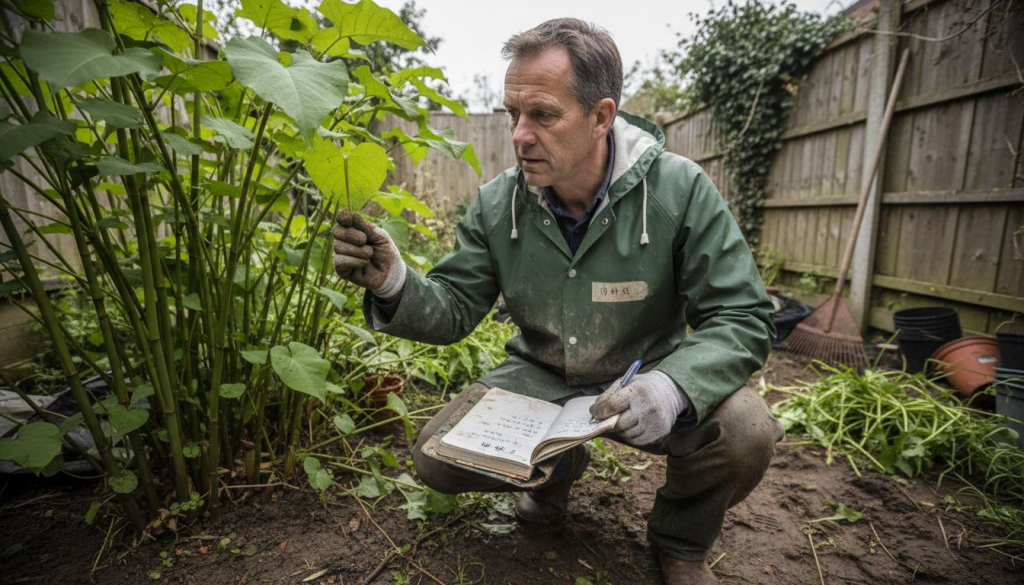
工作人员正在细致观察日本虎杖的茎部,仔细检查其生长情况。

专业提示建议使用专业植物识别应用或咨询生态专家,通过多角度、多时期的观察来准确判断可疑植物是否为侵入性杂草。

侵入性杂草对房产价值的影响

侵入性杂草对房产价值的破坏是全面且深远的。入侵性植物对房地产的影响不仅限于表面损害,更可能导致房产价值显著下跌。这些植物尤其会对建筑结构、土地使用价值和法律风险产生严重影响。

侵入性杂草对房产价值的具体负面影响主要体现在以下几个方面:

  • 结构性破坏:根系可能穿透建筑地基,造成严重结构损坏
  • 法律风险:可能引发邻里纠纷和潜在诉讼
  • 融资障碍:银行和保险公司可能拒绝为存在侵入性杂草的房产提供贷款
  • 维护成本:清理和根治这些杂草需要大量资金投入
  • 市场竞争力:显著降低房产在市场上的吸引力和转售价值

对于房主来说,侵入性杂草不仅是一个生态问题,更是一个严重的经济威胁。专业评估表明,某些严重的侵入性杂草(如日本结缕草)可能导致房产价值下跌高达20%-50%。这种影响不仅在现有房产估值上体现,还会严重影响未来的房产交易和投资回报。

专业提示在购买房产前,务必进行专业的生态调查,及时识别和处理潜在的侵入性杂草,以保护您的房产投资。

房产交易中的法律责任与合规风险

房产交易中的侵入性杂草风险已成为一个严峻的法律合规问题。非本地植物法律规定明确要求房产持有者对土地上的侵入性植物承担严格的法律责任。这不仅关乎生态环境,更涉及复杂的法律和经济风险。

在房产交易过程中,买卖双方需要特别关注以下法律风险:

  • 责任转移:卖方有义务披露土地上的侵入性杂草情况
  • 赔偿风险:未披露可能导致后续法律诉讼和经济赔偿
  • 监管合规:违反相关环境法规可能面临重大罚款
  • 强制清理:可能被要求承担高昂的植被清理和修复成本
  • 交易障碍:侵入性杂草可能导致房产交易中止

英国法律对侵入性杂草的管控极其严格。房主不仅要防止这些植物在自己的土地上蔓延,还必须阻止其扩散到邻近区域。一旦发现侵入性杂草,房主有法律义务采取即时有效的控制措施。未能履行这一义务可能导致严重的法律后果,包括巨额罚款和潜在的刑事责任。

以下对房产交易受侵入性杂草影响的法律责任和经济后果进行对比,便于买卖双方提前预防风险:

风险类型 卖方责任 买方风险 经济影响
信息披露 必须写明杂草现状 需调查并确认现有问题 若隐瞒可致诉讼和赔偿
管理合规 有控制义务 接手后需持续管理 不合规可能被罚款
交易融资 可受杂草影响陷入困境 贷款审批更严苛 资产估值直接下跌

专业提示在房产交易前,请委托专业的生态调查机构进行全面检查,并在买卖合同中明确侵入性杂草的责任条款,以最大程度降低法律风险。

识别侵入性杂草,保护您的房产免受隐藏威胁

文章中提到的侵入性杂草如日本结缕草不仅生长迅速且破坏力极强,它们能深入建筑地基,严重影响房产安全和价值。面对这种复杂且持续扩散的生态风险,单靠肉眼难以准确识别和根治。房主和买家急需专业的解决方案来排查和处理这些隐形威胁,避免未来法律纠纷和经济损失。

作为英国领先的专业机构,Japanese Knotweed Agency专注于无化学药剂处理日本结缕草和其他侵入性植物。我们采用高达5000伏的直流能量技术,精准破坏植物细胞和根茎系统,确保彻底清除。除此之外,我们还提供根障安装和专业挖掘作业,保障您的土地长期安全稳定。

https://japaneseknotweedagency.co.uk

立即行动,委托我们进行全面的侵入性杂草物业调查和专业治理,预防无法估量的环境和财产风险。了解详情请访问 Japanese Knotweed Agency官网,让您的房产远离侵入性杂草困扰,守护产权价值。

常见问题

如何判断我的花园是否受到侵入性杂草的侵扰?

您可以检查植物的生长模式和健康状况,特别是生长快、数量多的非本地植物,并观察其对本地植物的影响。

侵入性杂草会对我的房产造成哪些具体损害?

侵入性杂草可能穿透建筑地基,造成结构损坏,增加清理难度,并可能导致房产价值显著下降。

如何识别日本结缕草等常见的侵入性杂草?

日本结缕草通常具有红色新芽,并在夏季迅速生长成高达3米的竹状茎,具有很强的繁殖能力。

清除侵入性杂草的最佳方法是什么?

最佳方法包括物理清除、化学处理和生态管理。建议咨询专业人员以获取针对性建议。

推荐

Read more

How to Comply with Knotweed Laws 2025: A Step-by-Step Guide

Most British properties face a real threat from Japanese Knotweed, which can devalue homes by up to 15 percent if left unchecked. With 2025 regulations on the horizon, acting early is crucial for both buyers and developers across England and Wales. This guide uncovers practical, chemical-free strategies to safeguard your investment, helping you meet legal requirements and protect property value without harming the local environment.

Table of Contents

Quick Summary

Key Point Explanation
1. Conduct regular property inspections Regular checks for Japanese knotweed help to identify infestations early and prevent potential structural damage.
2. Obtain a professional survey report A certified knotweed survey provides essential documentation for treatment plans and legal compliance during property transactions.
3. Use environmentally-friendly eradication Non-chemical methods, like thermo-electric treatment, effectively eliminate knotweed while preserving soil health.
4. Install effective root barriers Root barriers can prevent rhizome spread, protecting foundations and gardens from invasive plant damage.
5. Ensure compliance with regulations Understanding and adhering to the latest knotweed regulations is vital to avoid legal complications and ensure proper management practices.

Step 1: Assess property for Japanese knotweed presence

Spotting Japanese knotweed early requires strategic visual inspection and professional assessment. Understanding the key characteristics and potential growth areas will help protect your property from potential damage and legal complications.

Begin by thoroughly examining your property for distinctive signs of Japanese knotweed. The plant has bamboo-like stems with alternating leaves, typically growing in dense clusters with bright green foliage during spring and summer. Look carefully around property boundaries, near foundations, and in garden areas where rhizome spread can impact structures. Professional surveyors recommend checking within three metres of your property boundary, as the underground rhizome network can extend far beyond visible plant growth.

Here is a summary of key Japanese knotweed identification characteristics:

Physical Trait Description Season Most Noticeable
Stem Appearance Bamboo-like, hollow, segmented Spring to Autumn
Leaf Shape Shield or heart-shaped with pointed tip Late Spring to Summer
Growth Pattern Dense clusters, upright stems Spring to Autumn
Foliage Colour Bright green in active growth Spring to Summer

While initial visual assessments help, a professional property survey specifically targeting knotweed provides comprehensive identification and risk evaluation. Trained experts use specialised techniques to detect even subtle knotweed presence, assessing potential structural risks and recommending appropriate management strategies.

Top tip: Take clear photographs of any suspicious plant growth to assist professional surveyors in accurate identification and documentation.

Step 2: Obtain a professional knotweed survey report

Securing a comprehensive professional survey is crucial for understanding the extent of Japanese knotweed on your property and determining appropriate legal and remedial actions. A thorough survey provides critical documentation that protects your property investment and supports future transaction processes.

Surveyor recording knotweed findings outdoors

To obtain a professional survey, seek out specialists certified in Japanese knotweed site survey reporting. Qualified surveyors with Property Care Association credentials will conduct a detailed site inspection, documenting precise plant locations, growth patterns, potential structural impacts, and recommended management strategies. These reports serve multiple purposes including legal disclosure, property valuation, and treatment planning.

When selecting a survey provider, request comprehensive documentation that includes client instructions, specific site observations, risk assessments, and clear recommendations for treatment or management. Ensure the report provides a formal contract basis that can be used for potential property transactions or legal requirements.

Top tip: Request digital and physical copies of your survey report and keep them securely filed for future reference and potential property transactions.

Step 3: Choose a compliant eradication method without chemicals

Addressing Japanese knotweed requires selecting an environmentally responsible and legally compliant treatment method that effectively eliminates the invasive plant without causing additional environmental damage. Understanding alternative approaches is crucial as traditional chemical treatments become increasingly restricted.

One highly effective modern solution is thermo-electric eradication technology, which uses controlled electrical currents to destroy knotweed at its cellular level. This innovative approach precisely targets the plant while preserving surrounding soil ecosystems and avoiding the use of harmful chemical herbicides. The method works by delivering targeted electrical energy directly into the plant and its extensive underground rhizome network, ensuring complete destruction without environmental contamination.

When evaluating non-chemical eradication methods, consider factors such as long-term effectiveness, environmental impact, cost, and compliance with emerging 2025 environmental regulations. Professional consultation can help you determine the most suitable approach for your specific property and knotweed infestation, ensuring both legal compliance and comprehensive plant removal.

The following table compares non-chemical knotweed eradication options:

Method Key Benefit Environmental Impact
Thermo-electric Treatment Targets rhizomes precisely Preserves soil integrity
Physical Excavation Immediate plant removal Disturbs soil structure
Root Barrier Installation Blocks regrowth at boundaries Minimal disruption

Top tip: Always request comprehensive documentation and treatment guarantees from your chosen eradication specialist to protect your property investment.

Step 4: Install protective root barriers where necessary

Protecting your property from potential Japanese knotweed invasion requires strategic root barrier installation to prevent rhizome spread and potential structural damage. Root barriers serve as a critical defensive mechanism against the aggressive underground growth of this invasive plant species.

Installing a root barrier involves creating a physical underground membrane that blocks knotweed rhizomes from penetrating into critical areas around foundations, property boundaries, and infrastructure. Professional installation of root barrier systems requires precise excavation techniques and specialised materials designed to withstand the plant’s extensive underground network. The barrier should extend to a minimum depth of one metre and be constructed from robust materials such as high density polyethylene or specially engineered root barrier membranes that prevent root penetration.

When planning root barrier installation, consider comprehensive site mapping to identify potential vulnerable areas and ensure complete protection. Professional specialists can conduct detailed assessments to determine the most effective barrier placement, taking into account soil conditions, property layout, and specific knotweed growth patterns unique to your property.

Infographic outlining knotweed compliance steps

Top tip: Ensure your root barrier installation includes a comprehensive warranty and documented professional assessment to validate the protection mechanism.

Step 5: Verify compliance with 2025 knotweed regulations

Navigating the evolving landscape of Japanese knotweed management requires a comprehensive understanding of the latest regulatory requirements. Ensuring full legal compliance protects your property investment and prevents potential legal complications associated with invasive plant management.

Carefully review the Environment Agency’s Regulatory Position Statement which outlines specific conditions for treating and disposing of Japanese knotweed. This guidance provides critical insights into management protocols including precise requirements for burial depths, on-site reuse, disposal methods, and necessary record-keeping practices. Key areas to scrutinise include permissible treatment techniques, storage time limits, and documentation standards that demonstrate responsible environmental management.

Consult with professional knotweed specialists who can provide an up-to-date compliance assessment tailored to your specific property situation. These experts can help you interpret the nuanced regulatory landscape, ensuring your treatment approach meets all legal requirements and environmental protection standards set forth in the 2025 regulations.

Top tip: Maintain a comprehensive documentation portfolio of all knotweed management activities to demonstrate proactive compliance with regulatory standards.

Take Control of Your Property’s Future with Expert Knotweed Solutions

Complying with the 2025 Japanese knotweed regulations can feel overwhelming. You need proven methods that deliver chemical-free eradication while safeguarding your property and the environment. At Japanese Knotweed Agency, we understand the urgency to use cutting-edge treatments like our direct energy system which attacks the invasive plant down to its rhizome network, all without harmful chemicals. We also provide professional root barrier installation and expert property surveys across England, Wales and Ireland to protect your investment long-term.

https://japaneseknotweedagency.co.uk

Don’t wait until compliance issues threaten your property’s value. Discover how our pioneering approach aligns perfectly with the detailed steps in the guide including non-chemical treatment and regulatory compliance by visiting Japanese Knotweed Agency. For personalised advice and reliable service, explore our root barrier installation and secure your property’s future today with a comprehensive property survey. Act now to stay ahead of the 2025 legal requirements and protect what matters most.

Frequently Asked Questions

How can I effectively assess my property for Japanese knotweed presence?

To effectively assess your property, conduct a thorough visual inspection, focusing on areas like boundaries and foundations where Japanese knotweed is likely to grow. Look for bamboo-like stems and bright green foliage from spring to summer, as early detection is key in preventing damage.

What should I expect from a professional knotweed survey report?

A professional knotweed survey report provides detailed documentation of knotweed locations, growth patterns, and potential structural impacts. Ensure your report includes specific observations and management recommendations to guide your next steps in dealing with the infestation.

What are the non-chemical eradication methods for Japanese knotweed?

Non-chemical eradication methods include thermo-electric treatment, which destroys the plant at a cellular level while preserving surrounding ecosystems. Consider this method as a sustainable option to eliminate knotweed without using harmful chemicals.

How do I install root barriers to protect against Japanese knotweed?

To install root barriers, create an underground membrane that blocks knotweed rhizomes from entering vulnerable areas around your property. Ensure the barrier is at least one metre deep and made from robust materials to effectively prevent regrowth.

What new regulations should I be aware of regarding Japanese knotweed in 2025?

Review the new regulations regarding Japanese knotweed management that outline specific treatment and disposal conditions. Familiarise yourself with burial depths and necessary documentation to guarantee compliance and avoid future legal issues.

How can I verify compliance with the latest knotweed regulations?

To verify compliance, maintain a comprehensive record of all knotweed management activities, including treatment methods and disposal techniques. Consult with professionals to ensure your approach aligns with current regulations and complete necessary documentation to demonstrate adherence.

Read more

7大入侵植物管理技巧,帮助英国家庭有效无害治理

日本虎杖已成为影响英格兰和威尔士住宅价值的重要风险因素,英国房产报告显示高达40%的房主担心入侵植物可能导致房价下跌。对于购房者和房主来说,这不仅关乎房屋安全,还直接影响投资回报。本文将聚焦无害化学方案,权威解析如何识别和安全处理日本虎杖,并为房产保护提供专业调研与管理建议。

目录

快速总结

收获 解释
1. 定期检查入侵植物 定期检查花园及周边有助于及早发现和控制入侵植物,减少对生态环境的破坏。
2. 采用非化学处理方法 使用机械移除、生物防治等非化学方法,可以安全有效地管理入侵植物,保护环境。
3. 安装根系防护屏障 根系防护屏障能有效阻止入侵植物扩散,保护建筑和花园环境,减少长期损失。
4. 进行专业调查报告 房地产交易中,专业的入侵植物调查报告能够揭示潜在风险,对市场价值有直接影响。
5. 制定长期管理计划 持续关注入侵植物的管理策略,结合定期监测和社区协作,能有效预防植物复发。

1. 了解常见入侵植物及其危害

入侵植物正在悄然改变英国的生态环境,对本地生态系统构成严重威胁。英国的自然环境面临着非本地植物种类的持续入侵,这些植物能够迅速扩散并破坏原生生态平衡。

根据英国环境评估报告,入侵植物主要通过三种方式危害本地生态系统:资源竞争、传播疾病和直接破坏原生植被。这些外来植物往往具有极强的生存和繁殖能力,能够快速占据生态位置,挤压原生植物的生存空间。

常见的入侵植物类型包括

  • 美国臭莲
  • 智利大黄
  • 卷曲水草
  • 巨型豚草
  • 喜马拉雅凤仙花

这些植物通过多种方式影响本地生态。例如,喜马拉雅凤仙花在冬季枯萎后会导致河岸侵蚀,严重威胁水土保持。入侵植物对本地环境的影响已经成为生态保护的重大挑战。

对于英国家庭来说,识别和控制这些入侵植物至关重要。它们不仅会破坏花园生态,还可能降低房产价值。某些入侵植物甚至会导致本地植物杂交,进一步破坏生物多样性。

实用建议定期检查您的花园和房产周边,及早发现并控制可能的入侵植物,可以有效降低其对生态环境的破坏。

2. 无化学药剂的安全处理方式

对于入侵植物的管理,越来越多的英国家庭正在寻求不依赖化学农药的安全处理方式。传统的化学除草方法可能会对环境和生态系统造成长期损害,因此选择环保且有效的替代方案变得尤为重要。

安全处理入侵植物的非化学方法主要包括

  • 机械移除
  • 根系物理隔离
  • 生物防治
  • 环境条件调整

农业与园艺发展委员会推荐的非化学预防措施强调了通过合理的农艺操作和抗病品种选择来控制植物生长。这些方法不仅安全环保,还能有效减少入侵植物的蔓延。

对于家庭园艺爱好者来说,机械移除是最直接的处理方式。具体操作包括手动拔除入侵植物、使用专业工具彻底清除根系,并确保所有植物碎片得到妥善处理,防止再次生长。

根系隔离是另一种有效的非化学控制方法。通过安装物理屏障,可以阻止入侵植物的横向扩散。这种方法特别适用于像竹子和日本虎杖等根系发达的入侵植物。

生物防治则是利用天敌生物来控制入侵植物的蔓延。通过引入特定昆虫或微生物,可以自然抑制某些入侵植物的生长。不过,这种方法需要专业的生态评估和谨慎实施。

实用建议在处理入侵植物时,始终遵循"检查、清洁、干燥"原则,防止意外传播植物碎片或种子。

3. 高电压能量直接破坏法的原理

高电压能量破坏技术正在成为入侵植物管理的革命性方法。这种创新技术通过精准的电流直接作用于植物组织,实现无化学污染的生态除草。

高电压能量破坏的基本原理

  • 定向电流精准作用于植物细胞
  • 破坏植物内部细胞结构
  • 阻断植物生长和代谢系统
  • 防止植物再生和扩散

电气除草技术研究表明,这种方法能够有效控制入侵植物,特别是对根系发达的顽固植物。电流通过破坏细胞膜和细胞内部结构,阻断植物的营养传输和生长机制。

该技术的显著优势在于其环保性。与传统化学除草剂不同,高电压能量破坏法不会向土壤和水体引入有害化学物质。电流的作用是瞬时且精准的,能够最大限度地减少对周围环境的影响。

在实际应用中,这种技术特别适合处理日本虎杖等根系复杂的入侵植物。通过定向高压电流,可以直接攻击植物的根系网络,显著降低植物再生的可能性。

技术操作需要专业设备和精准控制。电流强度、作用时间和植物形态都会影响处理效果。因此,建议由专业团队进行操作,以确保最佳除草效果。

实用建议选择专业的高电压能量破坏服务时,务必询问其对环境的影响评估和具体处理方案。

4. 如何正确安装根系防护屏障

根系防护屏障是阻止入侵植物蔓延的有效物理屏障,对于保护房产和花园环境至关重要。这种技术能够精准控制植物根系扩散,防止其破坏建筑基础和地下设施。

根系防护屏障安装的关键步骤

  • 精确测量待保护区域
  • 选择合适的防护材料
  • 挖掘适当深度的沟槽
  • 垂直安装屏障
  • 密封接缝处
  • 回填并压实土壤

花园防护屏障安装指南建议在安装过程中注意以下细节。屏障材料应选择坚固耐用且具有防根穿透性能的专业级材料,如高密度聚乙烯或特制复合材料。

安装深度非常关键。对于大多数入侵植物,建议将屏障埋设至少0.5米深,并确保屏障顶端高出地面10厘米。这样可以阻止根系从上方或侧面绕过屏障。

在安装过程中,需要仔细处理屏障的接缝部分。专业人士建议在接缝处重叠至少10厘米,并使用专用密封胶带进行加固,防止根系从缝隙处渗透。

回填土壤时要均匀用力,确保屏障两侧土壤紧密接触,消除可能的空隙。安装完成后,建议定期检查屏障完整性,及时发现并修复任何潜在的破损。

实用建议安装根系防护屏障前,务必详细了解周边植物的根系生长特性和蔓延范围,以制定最有效的防护策略。

5. 入侵植物现场精准检测方法

现代入侵植物检测技术已经远远超越了传统的目视检查方法。随着科技的进步,我们现在可以利用高科技手段精准地识别和追踪入侵植物的分布。

入侵植物检测的现代技术方法包括

  • 无人机航测
  • 环境DNA检测
  • 计算机图像识别
  • 光谱分析技术
  • 现场实地踏查

无人机航测技术已经成为现代生态监测的重要工具。通过搭载高精度摄像设备和先进的图像处理算法,科研人员可以快速绘制入侵植物分布图,特别是在地形复杂的河岸和被遮挡的区域。

环境DNA检测是另一种创新性方法。这项技术通过采集环境样本中的遗传物质,可以检测出目标入侵植物的存在,即使植物本身并不完全可见。这种方法尤其适合生态敏感区域的调查。

计算机图像识别技术利用机器学习算法,能够快速识别不同植物种类。通过对比植物的叶片形状、颜色和生长模式,可以准确定位入侵植物的具体位置和分布范围。

对于英国家庭和地产管理者来说,综合运用这些技术可以帮助及早发现和控制入侵植物。专业环境顾问会根据具体情况制定个性化的检测方案,确保最精准的调查结果。

实用建议进行入侵植物调查时,建议聘请专业团队,综合运用多种检测技术,以获得最全面和准确的评估结果。

6. 房产调查与专业报告的重要性

在房地产交易中,专业的入侵植物调查报告已经成为不可或缺的法律文件。这份报告不仅能揭示潜在的生态风险,还直接影响房产的市场价值和交易进程。

专业房产调查报告的关键内容

  • 入侵植物种类鉴定
  • 分布范围精确测量
  • 潜在风险评估
  • 控制建议
  • 法律合规性说明

生态调查专业服务提供全面的入侵植物评估。这类专业报告对房地产交易具有关键意义。银行和保险机构通常会要求这类报告,以评估房产的实际价值和潜在风险。

对于购房者而言,获得专业调查报告可以帮助预估后续修复成本。报告通常包括详细的植物分布图、生长状况分析以及针对性的控制建议。这些信息能够帮助买家做出明智的购买决策。

对于房主来说,及时进行专业调查可以防止入侵植物造成的长期财产损失。日本虎杖等入侵植物可能会严重影响建筑地基和房产结构,及早发现和处理至关重要。

调查报告还具有重要的法律价值。在房产交易过程中,卖方有义务披露入侵植物的存在。专业报告可以降低潜在的法律纠纷风险,保护交易双方的权益。

实用建议在进行房产交易前,务必委托专业的生态调查机构进行全面的入侵植物调查,并仔细审阅调查报告中的每一个细节。

7. 长期跟进与预防复发措施

入侵植物的管理绝非一蹴而就的工作,而是需要持续关注和系统性的长期策略。成功控制入侵植物不仅依赖于初期处理,更在于建立有效的跟进和预防机制。

长期管理入侵植物的关键策略

  • 定期监测和检查
  • 建立预警机制
  • 及时物理控制
  • 生态修复
  • 社区协作

英国植物生物安全战略强调了综合性管理方法的重要性。这意味着单纯的清除并不足够,还需要持续关注和积极预防。

定期监测是预防入侵植物复发的关键。建议每季度至少进行一次全面检查,特别关注先前发现入侵植物的区域。及时发现新的生长迹象能够防止植物大规模蔓延。

物理控制方法需要与生态修复相结合。仅仅清除植物是不够的,还要改善土壤环境,提高本地植被的竞争力。可以种植本地原生植物,逐步恢复生态平衡。

社区层面的合作也极其重要。邻近地区的协同管理能够显著降低入侵植物再次传播的风险。通过分享信息、联合行动,可以构建更有效的防控网络。

对于房主来说,建立长期的管理档案和记录十分必要。详细记录每次处理的方法、范围和效果,为未来的管理提供重要参考。

实用建议制定年度入侵植物管理计划,并保持灵活性,随时根据新情况调整策略。

此表总结文章中对入侵植物及其管理措施的关键内容。

主题 内容摘要
入侵植物及其危害 入侵植物如美国臭莲、巨型豚草等会对原生生态系统产生破坏,约束资源并传播疾病。
入侵植物的管理方法 包括机械移除、根系隔离、生物防治及调整环境条件,以减少对化学药剂的依赖和环境影响。
创新技术:高电压能量除草法 通过电流破坏植物细胞和代谢系统,环保且有效地管理顽固性入侵植物如日本虎杖。
安装根系防护屏障的步骤 精确测量保护区域并选择合适材料,需注意埋设深度、防护屏障接缝处理和土壤压实。
检测入侵植物的现代技术 技术包括无人机航测、环境DNA检测等,提升植物分布检测的准确性和效率。
房产专业调查的重要性 准确识别和报告入侵植物种类与风险,保护房产价值与合规性。
长期管理和协作措施 持续监测与物理处理相结合,增强社区合作以预防植物复发,推动生态修复。

本文提供了详细的管理步骤和策略,为读者提供了应对入侵植物的指导和解决方案。

专业无害治理方案助您从根源解决入侵植物难题

文章详细阐述了入侵植物对英国家庭花园和房产的严重威胁 包括根系破坏和长期复发风险 您可能正在寻找安全环保且高效的治理方法 以避免化学药剂的环境污染 文章中提及的高电压能量破坏技术和根系防护屏障正是解决此类问题的创新手段

日本虎杖等入侵植物的复杂根系给传统治理带来巨大挑战 这是我们 Japanese Knotweed Agency 的专长所在 我们利用高达5000伏的无化学处理技术 直接破坏植物细胞 彻底切断其能量供应 从而根除顽固植物 同时 我们提供专业的根系防护屏障安装和挖掘服务 有效防止其扩散破坏您的房产结构

选择我们的专业服务 即可获得精准的入侵植物现场检测和全面的房产调查报告 让您清楚掌握生态风险 采取科学合理的防控措施 保障家庭环境安全和房产价值

https://japaneseknotweedagency.co.uk

立即行动 防止入侵植物对您的家园造成不可逆转的损害 访问我们的官网了解更多详情 并预约专业现场评估 让Japanese Knotweed Agency帮助您实现安全高效的无害治理方案

常见问题解答

如何识别我的花园中是否有入侵植物?

可以通过定期检查花园,寻找异常的植物生长模式和不熟悉的植物种类来识别入侵植物。了解常见的入侵植物类型,例如美国臭莲和喜马拉雅凤仙花,进行逐一比对。

无化学药剂处理入侵植物的方法有哪些?

无化学药剂处理入侵植物的方法包括机械移除、根系物理隔离以及生物防治等。建议手动拔除入侵植物,并使用专业工具清除根系,以有效防止其再生。

如何安装根系防护屏障以防止入侵植物蔓延?

安装根系防护屏障时,首先需要精确测量待保护区域,然后选择合适材料并挖掘必要的深度沟槽。确保屏障垂直安装,且经过密封,以有效阻止根系的扩散。

高电压能量破坏法如何帮助治理入侵植物?

高电压能量破坏法通过定向电流精准作用于植物,破坏其内部细胞结构,阻断植物生长。这种方法环保无污染,适合处理根系复杂的入侵植物,用专业工具进行操作,以确保最佳效果。

如何制定长期管理入侵植物的策略?

制定长期管理入侵植物的策略应包括定期监测、物理控制和生态修复等环节。建议每季度进行一次全面检查,及时发现新生长迹象,必要时采取措施进行清除。

房产调查中入侵植物报告的重要性是什么?

专业的入侵植物调查报告可以揭示潜在生态风险,影响房产的市场价值和交易。因此,建议在房地产交易之前,委托专业机构进行全面调查,以降低潜在的法律风险。

推荐

Read more

Invasive Weed Treatments – Chemical Vs. Eco Methods

Japanese Knotweed affects thousands of British homes every year, creating major stress for property transactions. The impact goes far beyond simple nuisance, with invasive plants causing legal headaches and adding unexpected costs. Japanese Knotweed costs the United Kingdom around £247 million annually. This guide breaks down common myths about invasive weed treatments and explains how chemical-free approaches and formal treatment plans can help homeowners in England, Wales, and Ireland protect their investments with confidence.

Table of Contents

Key Takeaways

Point Details
Invasive Weeds Are A Major Challenge Invasive species like Japanese Knotweed damage properties and ecosystems, necessitating expert management strategies.
Professional Help Is Crucial Always consult specialists for treatment to avoid further spreading and legal issues associated with invasives.
Consider Eco-Friendly Methods Chemical-free treatments minimise environmental impact and can effectively manage invasive species while preserving ecosystems.
Understand Legal Responsibilities Property owners must follow strict regulations surrounding invasive plant management to avoid financial penalties and legal disputes.

Defining invasive weed treatments and common myths

Invasive weeds represent a complex environmental challenge across the United Kingdom, with Japanese Knotweed being particularly notorious. These aggressive plant species spread rapidly, causing significant damage to properties, landscapes, and ecosystems. Invasive plants like Japanese Knotweed can penetrate concrete foundations, disrupt building structures, and create substantial legal complications during property transactions.

Contrary to popular belief, invasive plant myths persist about treatment methods. Many property owners mistakenly assume simple home remedies like boiling water, bleach, or fire can eliminate these resilient plants. However, these approaches rarely succeed and often risk further spreading the invasive species. Hemlock water dropwort and Japanese Knotweed demonstrate remarkable survival capabilities, with rhizome networks capable of regenerating from tiny root fragments.

Understanding invasive weed treatments requires recognising their unique biological characteristics. Professional treatment methods range from targeted chemical interventions to advanced ecological approaches like thermo-electric eradication. Homeowners must recognise that successful management demands specialist knowledge, precise identification, and strategic intervention techniques that address the entire root network.

Expert Recommendation: Always consult professional invasive plant specialists before attempting any treatment, as improper management can potentially spread the infestation and incur significant legal and property damage risks.

Chemical-based vs chemical-free eradication approaches

Invasive weed management presents property owners with two primary approaches: traditional chemical treatments and innovative chemical-free solutions. Chemical methods have long been the standard approach, involving synthetic herbicides designed to eliminate unwanted vegetation. However, alternative weed control techniques are gaining significant traction due to environmental and health concerns associated with chemical interventions.

Traditional chemical treatments typically involve systemic herbicides like glyphosate, which penetrate plant tissues and disrupt critical growth mechanisms. These methods can be rapid and seemingly effective, but they pose substantial risks to surrounding ecosystems, non-target plant species, and potentially human health. In contrast, chemical-free approaches focus on sustainable, environmentally conscious techniques such as mechanical removal, thermal treatments, and targeted biological interventions.

Non-chemical eradication methods offer several compelling advantages. Non-chemical weed management strategies like repeated cutting, physical barriers, and targeted thermal treatments provide environmentally responsible alternatives. These techniques minimise ecological disruption, protect biodiversity, and reduce potential long-term health risks associated with chemical herbicides. Specialised approaches like thermo-electric treatment can effectively target invasive species while maintaining environmental integrity.

Pro Tip: Consult professional invasive species specialists who can assess your specific situation and recommend the most appropriate and environmentally responsible eradication strategy.

Here is a comparison of the main invasive weed eradication approaches:

Approach Type Key Technique Environmental Impact Suitability
Chemical-based Systemic herbicides Can harm non-target species and ecosystems Rapid, often for severe infestations
Chemical-free Thermal/mechanical removal Minimal adverse impact, eco-friendly Sensitive environments, long-term control
Biological Targeted natural predators Supports natural balance, selective Early-stage or localised infestations

How eco-friendly treatments work on Japanese Knotweed

Japanese Knotweed represents one of the most challenging invasive plant species in the United Kingdom, requiring innovative and sustainable management techniques. Chemical-free control methods have emerged as groundbreaking solutions that address the complex biological resilience of this persistent plant. These advanced techniques focus on penetrating the extensive rhizome network without introducing harmful chemical substances into the environment.

Thermo-electric treatment stands out as a particularly promising eco-friendly approach. This method involves delivering precise electrical energy directly into the plant’s root system, causing internal cell damage and systematically depleting the plant’s energy resources. Unlike traditional herbicide treatments, this technique can target the plant’s entire underground network, significantly reducing the potential for regrowth and minimising environmental contamination.

Specialist using eco treatment device

Pioneering chemical-free eradication strategies demonstrate remarkable potential for managing invasive species in ecologically sensitive areas. These methods typically combine multiple approaches such as targeted thermal treatments, mechanical removal, and biological interventions. The key advantage lies in their ability to address Japanese Knotweed comprehensively while preserving surrounding ecosystem integrity, making them increasingly attractive to environmental conservation professionals and property managers.

Pro Tip: Always engage professional invasive species specialists who can design a tailored, scientifically-backed treatment plan specific to your property’s unique Japanese Knotweed infestation.

Invasive plant management in the United Kingdom involves complex legal frameworks designed to protect native ecosystems and prevent environmental damage. Invasive non-native species regulations impose strict controls on activities involving problematic plant species, including Japanese Knotweed. These legal provisions fundamentally restrict landowners and occupiers from actions that could potentially spread invasive vegetation across different properties.

The Wildlife and Countryside Act 1981 serves as the cornerstone of legislative protection, establishing comprehensive guidelines for managing non-native species. Property owners face significant legal obligations, including preventing the spread of invasive plants and ensuring responsible management of known infestations. Failure to address invasive species like Japanese Knotweed can result in substantial financial penalties, potential legal disputes with neighbouring properties, and complications during property transactions.

Legal requirements extend beyond simple removal, encompassing documentation, treatment plans, and comprehensive risk management. Mortgage lenders and property surveyors increasingly demand professional assessments and documented treatment strategies for properties with invasive plant presence. This regulatory approach aims to protect property values, maintain ecological balance, and prevent uncontrolled spread of potentially destructive plant species across urban and rural landscapes in the United Kingdom and Ireland.

Pro Tip: Always obtain professional documentation and comprehensive treatment plans when dealing with invasive species to ensure legal compliance and protect your property investment.

Risks, costs, and mistakes in choosing a treatment plan

Managing invasive plant species like Japanese Knotweed demands strategic planning and expert understanding, as incorrect treatment approaches can lead to substantial economic and environmental consequences. The financial implications are significant, with Japanese Knotweed costing the United Kingdom approximately £247 million annually through property damage, reduced land values, and complex eradication processes.

Common mistakes in treatment selection include underestimating the complex biological characteristics of invasive plants, implementing generic solutions instead of tailored approaches, and neglecting comprehensive long-term monitoring strategies. Property owners frequently make critical errors such as attempting DIY removal methods, failing to document treatment processes, or choosing inexperienced contractors who lack specialised knowledge in invasive species management.

Infographic comparing weed treatment methods

The risks extend beyond immediate financial considerations, encompassing potential legal disputes, mortgage complications, and significant environmental disruption. Ineffective treatment plans can accelerate plant spread, cause irreparable ecosystem damage, and potentially trigger substantial penalties under environmental protection regulations. Professional assessment becomes crucial, requiring detailed surveys, scientifically validated treatment methodologies, and ongoing management plans that address the specific characteristics of the invasive species present.

This summary outlines common risks in choosing invasive plant treatment plans:

Risk Factor Example Consequence Prevention
DIY or unqualified removal Accelerated plant spread, legal penalties Use certified specialists
Inadequate documentation Mortgage refusal, disputes Maintain thorough treatment records
Short-term focus Recurrence of weeds, increased costs Implement ongoing monitoring

Pro Tip: Invest in professional, comprehensive surveys and treatment plans that provide documented evidence of effective management to protect your property’s value and legal standing.

Discover Effective Chemical-Free Solutions for Invasive Weed Challenges

The article highlights the ongoing battle between chemical-based and eco-friendly invasive weed treatments, focusing on the difficulties of managing resilient species such as Japanese Knotweed. If you are concerned about environmental impact, long-term control, or legal compliance when addressing invasive plants, trust expert methods that prioritise precision and sustainability. Avoid common pitfalls like ineffective DIY treatments that can worsen infestations or complicate property matters.

Japanese Knotweed Agency leads the way in chemical-free eradication by delivering targeted energy treatments of up to 5000 volts that disrupt the underground rhizome network with each application. Alongside root barrier installations and professional excavation, they offer comprehensive property surveys across England, Wales and Ireland to ensure your property’s invasive weed issues are fully understood and responsibly managed.

Explore our innovative treatment solutions and see how eco-friendly approaches can protect your investment and the environment.

https://japaneseknotweedagency.co.uk

Take control of your invasive weed problem now. Visit Japanese Knotweed Agency to book a survey or consultation and secure a tailored, legally compliant treatment plan designed for lasting success.

Frequently Asked Questions

What are the differences between chemical-based and eco-friendly invasive weed treatments?

Chemical-based treatments typically involve synthetic herbicides that can rapidly eliminate weeds but may harm non-target species and ecosystems. Eco-friendly methods focus on sustainable techniques, such as mechanical removal and thermal treatments, which have minimal environmental impact and promote long-term control.

How effective are eco-friendly treatments for Japanese Knotweed?

Eco-friendly treatments like thermo-electric eradication are highly effective against Japanese Knotweed, targeting the extensive root systems without chemicals. These methods can significantly reduce regrowth potential while preserving the surrounding ecosystem.

Property owners are legally obligated to manage invasive weeds responsibly, which includes preventing the spread of plants like Japanese Knotweed and documenting treatment strategies. Failure to comply may lead to financial penalties and complications during property transactions.

What common mistakes should be avoided when treating invasive weeds?

Common mistakes include underestimating the complexity of invasive plants, opting for generic solutions rather than tailored plans, and neglecting proper documentation. Using unqualified contractors can also lead to ineffective treatment, increased costs, and legal repercussions.

Read more

Invasive Plants on Council Land: Effective Control

Over £1.9 billion is spent every year tackling invasive species across Great Britain, yet many council teams still struggle to manage disruptive plants like Japanese Knotweed without chemicals. For British local authority environmental officers, the challenge is finding solutions that protect public spaces and biodiversity while avoiding harmful treatments. This guide explores practical definitions, identification tips, legal obligations, and proven chemical-free methods so you can take eco-friendly action on council land.

Table of Contents

Key Takeaways

Point Details
Recognition of Invasive Species Councils must identify invasive plant species early to implement effective management strategies and prevent their spread.
Legal Responsibilities Local authorities are legally obligated to manage invasive plants, including preventing their reproduction and spread.
Non-Chemical Control Methods Implementing non-chemical eradication strategies, like mechanical removal and Integrated Pest Management, reduces environmental disruption.
Consequences of Inaction Failing to manage invasive plants can lead to significant biodiversity loss and economic costs, highlighting the need for proactive measures.

Defining Invasive Plants on Council Land

Invasive plants represent a significant ecological challenge for local authorities, particularly those managing public spaces and council land. These are non-native plant species that have been introduced outside their natural habitat and demonstrate aggressive spreading characteristics that can fundamentally disrupt local ecosystems. Invasive non-native plants are specifically defined as species that naturalise rapidly, outcompeting native vegetation through extraordinary reproductive capabilities.

The critical distinguishing features of invasive plants include their ability to propagate quickly, lack natural predators or control mechanisms in the new environment, and potential to cause substantial environmental damage. These plants can fundamentally alter habitat structures, reduce biodiversity, and create significant management challenges for council environmental teams. Some invasive species can modify soil conditions, alter water flow patterns, and compromise the survival of indigenous plant populations.

Council land managers must understand that invasiveness is not solely determined by a plant’s origin, but by its behavioural characteristics in a specific ecosystem. Injurious plant management requires comprehensive recognition of how these species interact with local environments. Plants become problematic when they demonstrate rapid spread, aggressive root systems, and capabilities to colonise areas rapidly, effectively displacing native species and disrupting established ecological balance.

Pro tip: Conduct regular site surveys to identify potential invasive plant species early, enabling more cost-effective and environmentally sensitive management strategies before extensive spread occurs.

Common Species and Key Identification Features

Local councils encounter several highly problematic invasive plant species that require immediate recognition and management. Invasive plant species in the United Kingdom predominantly include Japanese Knotweed, Himalayan Balsam, Giant Hogweed, and Floating Pennywort, each presenting unique identification challenges for environmental management teams.

Japanese Knotweed stands out as particularly notorious, characterised by distinctive purple-speckled bamboo-like stems and heart-shaped leaves. This aggressive species can grow up to 10 centimetres per day, penetrating concrete foundations and causing substantial structural damage. Himalayan Balsam features delicate pink, slipper-shaped flowers and can rapidly colonise riverbanks and damp locations, outcompeting native riverside vegetation through its explosive seed dispersal mechanism.

Japanese Knotweed stems on urban council land

Gardener identification efforts have also highlighted additional problematic species like Mexican fleabane and Himalayan honeysuckle. These plants often possess rapid growth patterns, extensive root systems, and remarkable reproductive capabilities that enable them to spread quickly across council landscapes. Giant Hogweed presents significant risks, with its substantial height reaching up to 5 metres and phototoxic sap that can cause severe skin burns, making professional identification crucial for public safety.

Pro tip: Photograph suspected invasive plant specimens and consult local botanical experts or council environmental teams for precise identification before attempting any removal strategies.

Here is a summary of high-impact invasive plant species and their primary threats:

Species Key Threats Common Locations
Japanese Knotweed Structural damage, rapid spread Roadsides, urban spaces
Himalayan Balsam Biodiversity loss, riverbank erosion Waterways, damp areas
Giant Hogweed Skin burns, outcompetes natives Woodland edges, riverbanks
Floating Pennywort Water flow obstruction, habitat change Ponds, slow rivers
Mexican fleabane Space competition, fast growth Parks, council gardens
Himalayan honeysuckle Displaces shrubs, dense thickets Hedgerows, parkland

Local authorities face significant legal responsibilities when managing invasive plant species on public and council-owned land. Invasive non-native plant regulations in the United Kingdom impose strict legal frameworks that councils must navigate carefully. The Wildlife and Countryside Act 1981 establishes comprehensive guidelines preventing the deliberate or negligent spread of invasive plant species, making council environmental teams directly accountable for comprehensive management strategies.

Under current legislation, councils are legally obligated to prevent invasive plants from reproducing or spreading to neighbouring properties or wild environments. This includes implementing proactive control measures, documenting invasive plant occurrences, and developing strategic removal plans. While there is no explicit statutory duty requiring immediate eradication, councils can face potential legal challenges if they fail to demonstrate responsible management and containment of known invasive plant populations.

Municipal invasive plant management typically involves a combination of chemical treatments, mechanical removal, and coordinated approaches with adjacent landowners. Councils must maintain detailed records of identification, treatment methods, and ongoing monitoring efforts. Special attention must be given to high-risk species like Japanese Knotweed, which can cause substantial environmental and structural damage if left uncontrolled. Potential legal consequences include enforcement actions, substantial remediation costs, and potential liability for damage caused by unchecked invasive plant spread.

Pro tip: Develop a comprehensive invasive plant management protocol that includes regular site surveys, documented treatment plans, and clear communication strategies with neighbouring landowners to ensure legal compliance.

Non-Chemical Eradication Methods and Innovations

Council environmental teams are increasingly adopting sophisticated non-chemical weed control techniques that minimise environmental disruption while effectively managing invasive plant populations. Mechanical removal strategies represent a cornerstone of these innovative approaches, encompassing methods such as precise hand-pulling, systematic cutting, targeted smothering, and strategic repeated trimming to progressively reduce plant biomass and reproductive capabilities.

Integrated Pest Management (IPM) provides a comprehensive framework for sustainable invasive plant control, emphasising proactive prevention and minimal chemical intervention. Sustainable invasive plant management involves implementing resistant plant varieties, practising careful crop rotation, maintaining strict site sanitation protocols, and conducting regular comprehensive monitoring. These approaches enable councils to develop nuanced, environmentally sensitive strategies that address invasive species without relying on potentially harmful chemical treatments.

Advanced non-chemical techniques now include thermal treatment methods, physical root barrier installations, and targeted energy intervention strategies. These innovative approaches focus on disrupting plant energy systems, preventing regeneration, and comprehensively eliminating invasive plant networks without introducing potentially harmful chemical agents. Successful implementation requires precise timing, typically targeting early spring and summer periods when plant metabolic activities are most vulnerable, and maintaining persistent, systematic removal efforts across multiple growing seasons.

Infographic showing non-chemical control methods

Pro tip: Document each non-chemical intervention meticulously, recording treatment dates, methods used, and observable plant response to develop increasingly refined management strategies over time.

The following table compares non-chemical and chemical eradication strategies for council land:

Control Approach Environmental Impact Management Complexity Typical Cost
Mechanical Removal Low impact, preserves diversity Labour-intensive, needs repeat action Moderate
Chemical Treatments Risk of soil/water contamination Fast, needs trained operatives High
Integrated Pest Management (IPM) Balances prevention and minimal disruption Requires planning and regular monitoring Variable
Thermal Methods No chemicals, energy usage Specialist equipment needed Moderate to high

Risks of Inaction and Best Practice Compliance

Invasive species management represents a critical environmental protection strategy with substantial ecological and economic implications. Councils failing to address invasive plant populations risk exponential biodiversity loss, with economic costs that have quadrupled since 1970. These non-native species systematically outcompete indigenous flora, disrupt natural ecosystems, and create cascading environmental challenges that extend far beyond initial site contamination.

Great Britain’s Invasive Non-Native Species Strategy highlights the staggering national economic impact, estimating that unchecked invasive plant spread costs nearly £1.9 billion annually. Beyond financial considerations, inaction undermines critical environmental targets and compromises climate emergency response capabilities. Invasive plants threaten native wildlife by spreading diseases, degrading habitat structures, and fundamentally altering ecosystem dynamics through aggressive colonisation strategies.

Comprehensive best practice compliance requires a multifaceted approach involving coordinated prevention, early detection, systematic control, continuous monitoring, and proactive public awareness initiatives. Council environmental teams must develop robust intervention protocols that prioritise rapid identification, implement targeted removal strategies, and maintain meticulous documentation of invasive plant management efforts. This approach not only mitigates immediate ecological risks but also establishes long-term sustainable management frameworks that protect native biodiversity and preserve ecosystem integrity.

Pro tip: Develop a standardised invasive plant tracking system that records species distribution, treatment interventions, and ecological recovery metrics to enable data-driven management strategies.

Take Control of Invasive Plants on Council Land Today

Managing invasive species like Japanese Knotweed and Giant Hogweed on council land demands expertise, persistence, and environmentally sensitive solutions. If you are struggling with rapid spread, difficult removal, or legal compliance challenges discussed in the article, you are not alone. These species threaten biodiversity and cause costly damage, requiring an approach that goes beyond traditional chemical treatments.

https://japaneseknotweedagency.co.uk

Japanese Knotweed Agency specialises in pioneering chemical free treatments that deliver targeted high-voltage energy directly into the rhizome network. This proven method weakens invasive plants internally without harming surrounding ecosystems. We also provide property surveys, root barrier installations, and excavation works across England, Wales, and Ireland — addressing key concerns raised in the article about early detection and integrated management strategies. Act now to protect your council land with a service built on innovation and compliance. Find out how our expert team can support your invasive plant challenges by visiting Japanese Knotweed Agency. For detailed information on eradication methods see Non-chemical eradication methods, and to schedule a survey or treatment, contact us today.

Frequently Asked Questions

What are invasive plants, and why are they a problem on council land?

Invasive plants are non-native species that spread aggressively, disrupting local ecosystems. They can outcompete native plants, reduce biodiversity, and cause significant environmental damage, creating management challenges for councils.

How can councils identify invasive plant species?

Councils can identify invasive species by their unique characteristics, such as rapid growth, extensive root systems, and distinctive features like flowers or leaves. Consulting local botanical experts and conducting regular site surveys can aid in precise identification.

What non-chemical methods exist for controlling invasive plants?

Non-chemical methods include mechanical removal, targeted smothering, and Integrated Pest Management (IPM). These strategies emphasise minimal disruption to the environment while effectively managing invasive populations through proactive prevention and monitoring.

Councils are legally obligated to prevent the spread of invasive plants on public land. This includes implementing control measures, documenting occurrences, and developing management strategies to avoid potential legal challenges and environmental damage.

Read more