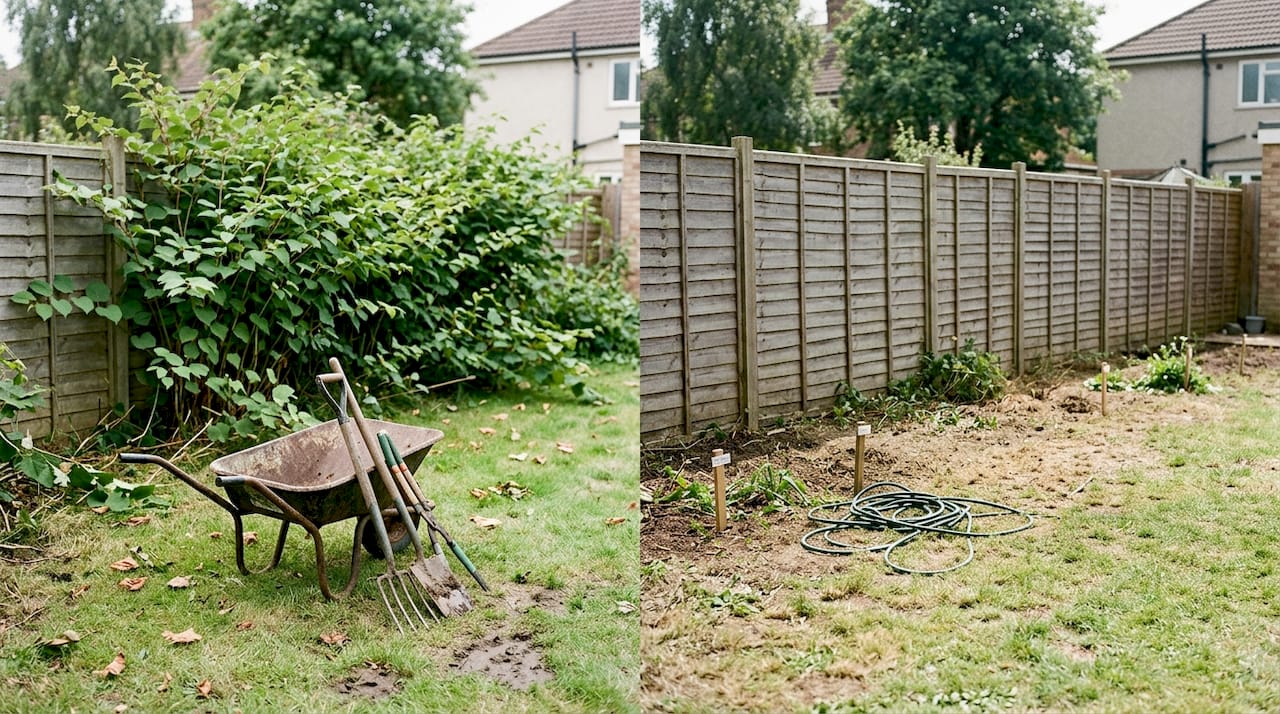
Nutrient Depletion in Knotweed – Impact on Eradication

Over two thousand properties in the United Kingdom are affected by Japanese knotweed each year, frustrating British homeowners and land managers. This invasive plant’s relentless ability to regenerate through its underground rhizome network creates major hurdles for property values, mortgage approvals, and ecological restoration efforts. Discover how nutrient depletion plays a central role in the survival and control of Japanese knotweed, and learn which strategies can actually make a difference for British residents facing this botanical threat.

Table of Contents

Key Takeaways

Point Details
Nutrient Depletion Mechanism Japanese Knotweed efficiently stores and redistributes nutrients through its rhizome network, allowing rapid regrowth and making eradication difficult.
Targeted Eradication Strategies Effective management requires comprehensive treatments focused on nutrient depletion within the rhizome system, rather than surface-level plant removal.
Non-Chemical Approaches Innovative methods like thermal and electrical treatments offer chemical-free options to disrupt nutrient storage and prevent regrowth.
Legal and Environmental Implications Strict regulations on Japanese Knotweed management necessitate thorough documentation and strategies to protect property values and native biodiversity.

What Is Nutrient Depletion In Knotweed?

Nutrient depletion in Japanese knotweed represents a complex biological mechanism wherein the plant systematically exhausts and redistributes essential minerals and organic compounds throughout its extensive underground rhizome network. This robust regenerative capability enables the invasive plant to survive and propagate under challenging environmental conditions, making traditional eradication methods significantly more difficult.

The rhizome system acts as a sophisticated nutrient storage infrastructure, allowing Japanese knotweed to maintain remarkable resilience. When above-ground sections are damaged or removed, the plant can rapidly redirect stored nutrients from its underground network to generate new growth. This strategic nutrient management means that fragmented root sections can quickly regenerate, presenting a formidable challenge for property owners and ecological management professionals.

Understanding nutrient depletion mechanisms becomes crucial in developing targeted eradication strategies. Scientific research demonstrates that disrupting the plant’s ability to store and redistribute nutrients can significantly reduce its regenerative potential. By comprehensively targeting the rhizome network and preventing nutrient accumulation, specialists can develop more effective approaches to controlling this invasive species.

Pro Tip – Strategic Nutrient Management: When dealing with Japanese knotweed, focus on comprehensive root zone treatments that systematically deplete nutrient reserves, rather than merely removing visible plant matter. Consistent, targeted interventions are key to successful long-term eradication.

How Knotweed Rhizomes Store And Use Nutrients

Rhizome nutrient storage represents a sophisticated survival mechanism in Japanese knotweed, enabling the plant to maintain extraordinary resilience and regenerative capabilities. Advanced nutrient sequestration strategies allow the plant to accumulate and strategically redistribute essential carbohydrates and minerals throughout its extensive underground network, creating a robust infrastructure for survival and rapid regrowth.

The rhizome system functions as a complex biological reservoir, storing substantial quantities of carbohydrates and nutrients that fuel the plant’s remarkable regenerative processes. When above-ground vegetation is damaged or removed, these stored resources enable Japanese knotweed to quickly generate new shoots and expansive root systems. Scientific research demonstrates that this nutrient storage mechanism is so efficient that even small root fragments can produce entirely new plant colonies, making traditional eradication methods remarkably challenging.

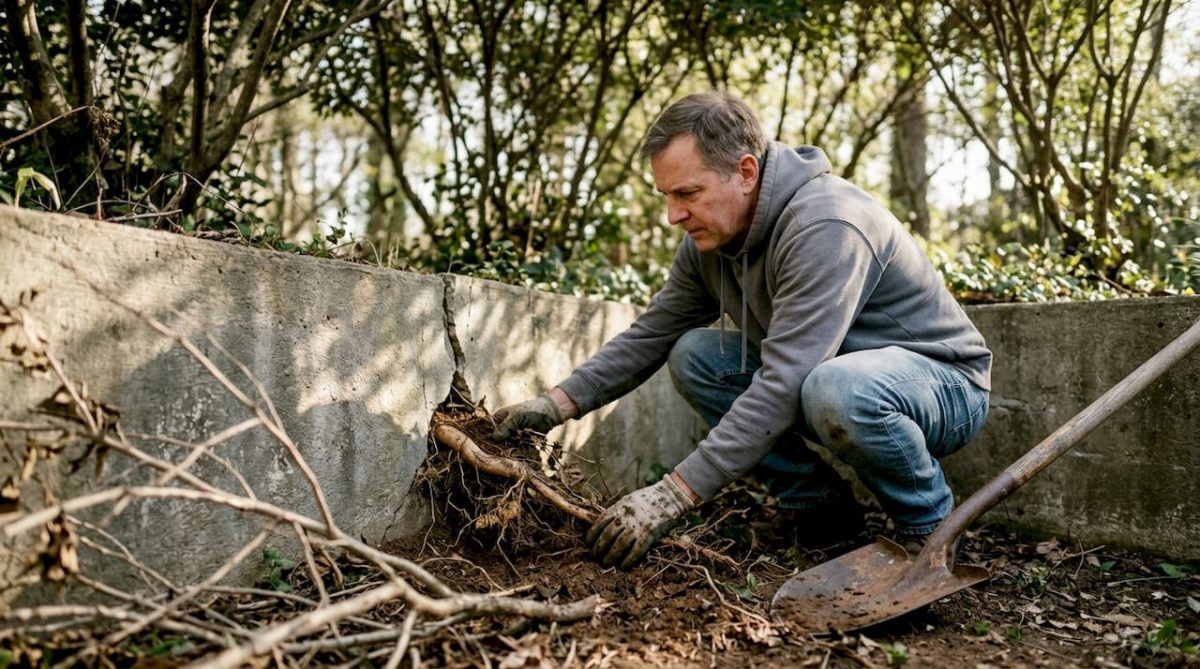
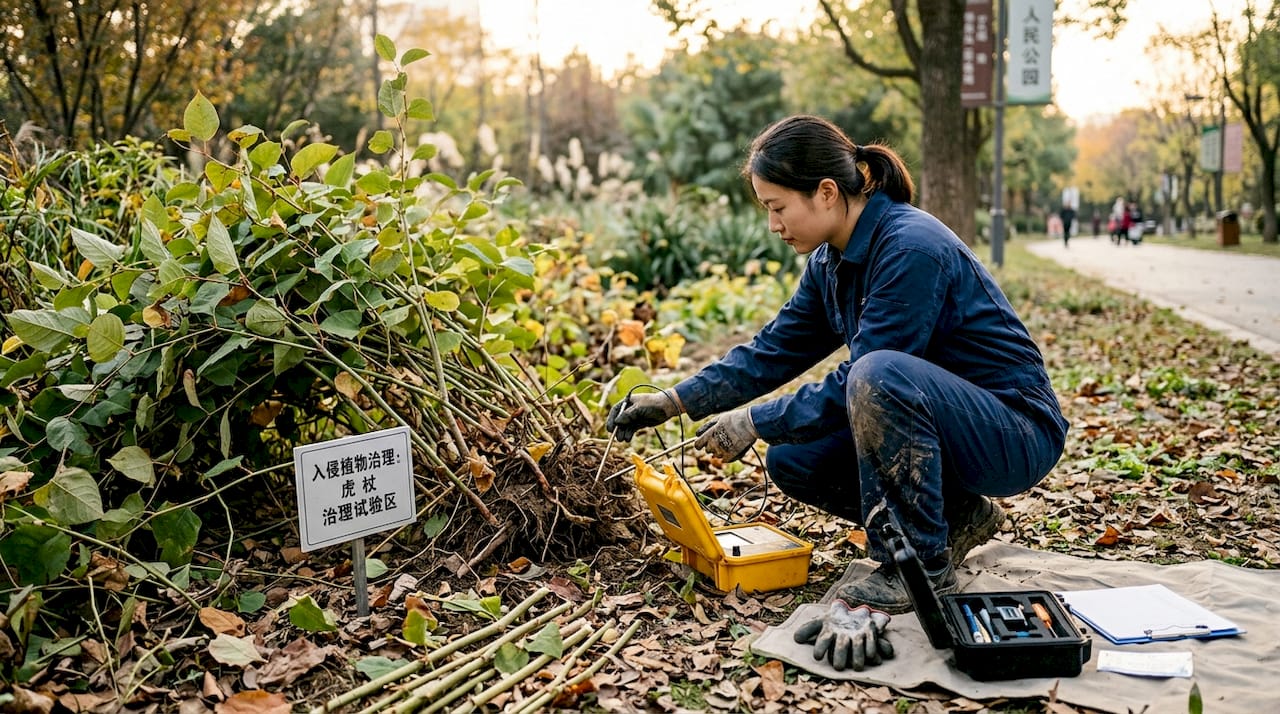
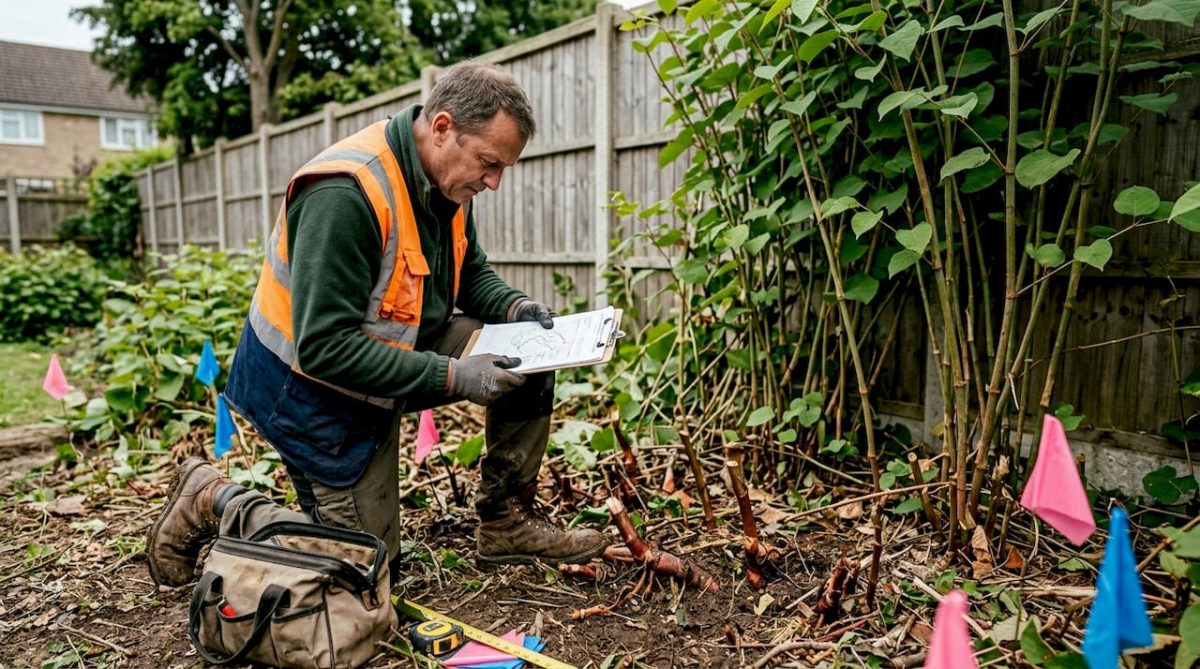
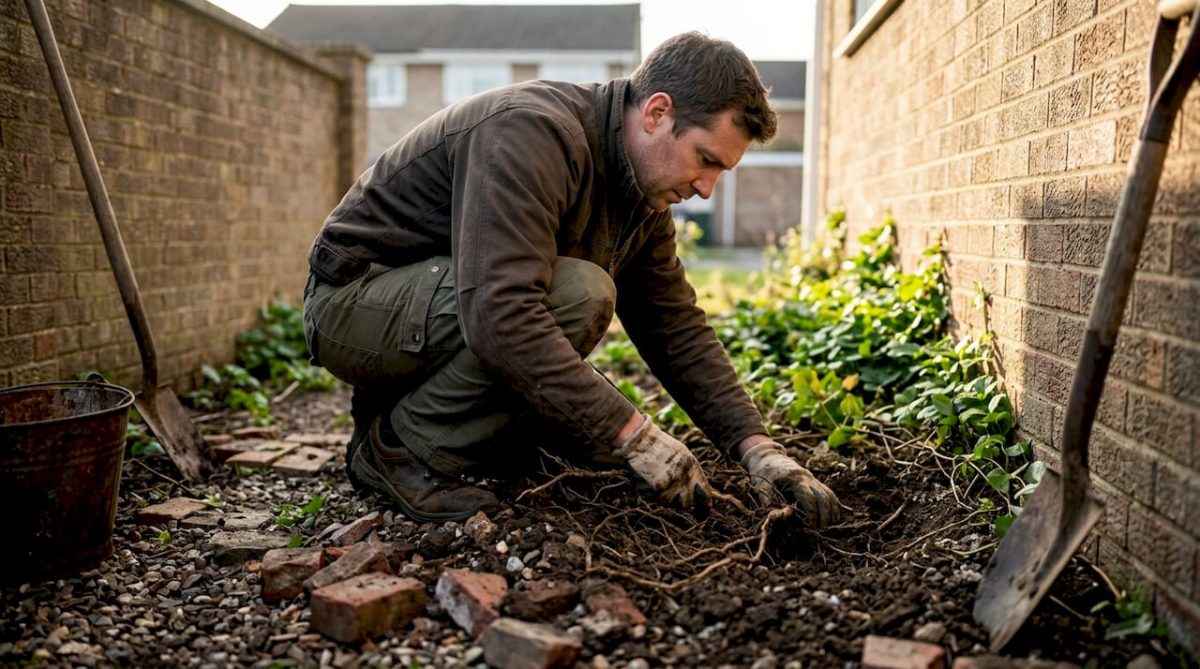
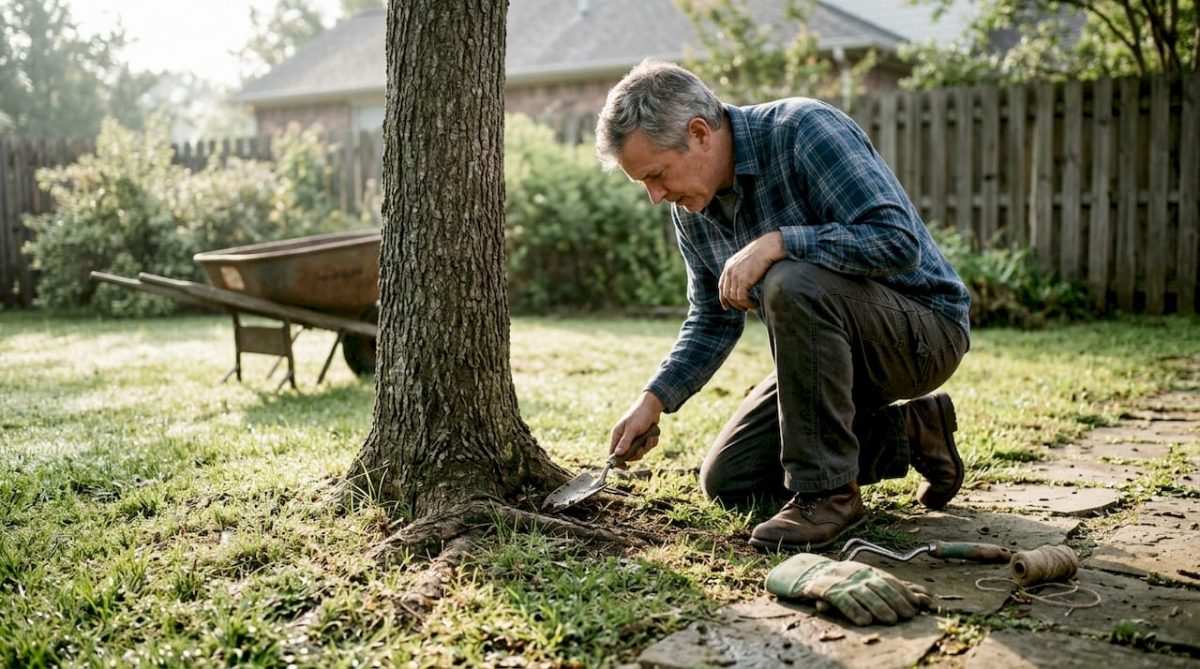
Exposed knotweed roots showing nutrient storage

The intricate nutrient management within knotweed rhizomes involves multiple physiological processes. The plant continuously transfers and stores energy reserves, creating a dynamic system that prioritises survival and expansion. This adaptive mechanism allows Japanese knotweed to thrive in diverse environmental conditions, redirecting nutrients from less critical areas to support new growth and maintain the plant’s overall vitality.

Pro Tip – Strategic Nutrient Disruption: Target the rhizome network with treatments designed to systematically deplete and interrupt nutrient storage mechanisms, recognising that successful eradication requires a comprehensive approach that goes beyond surface-level interventions.

Chemical-Free Methods For Depleting Knotweed Nutrients

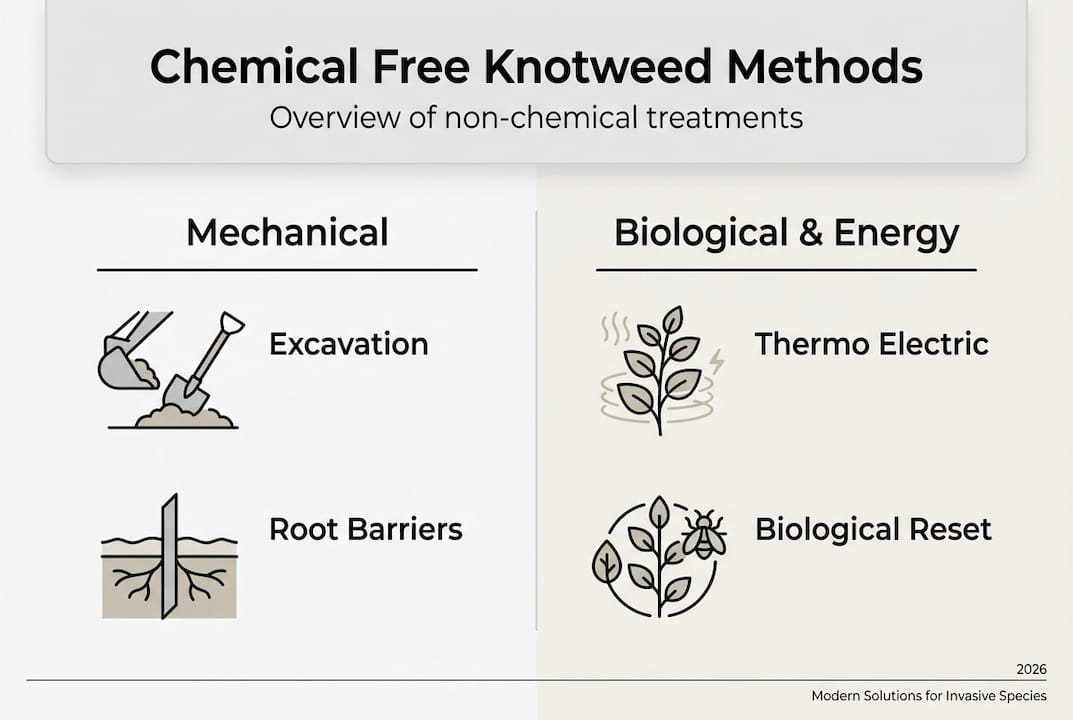
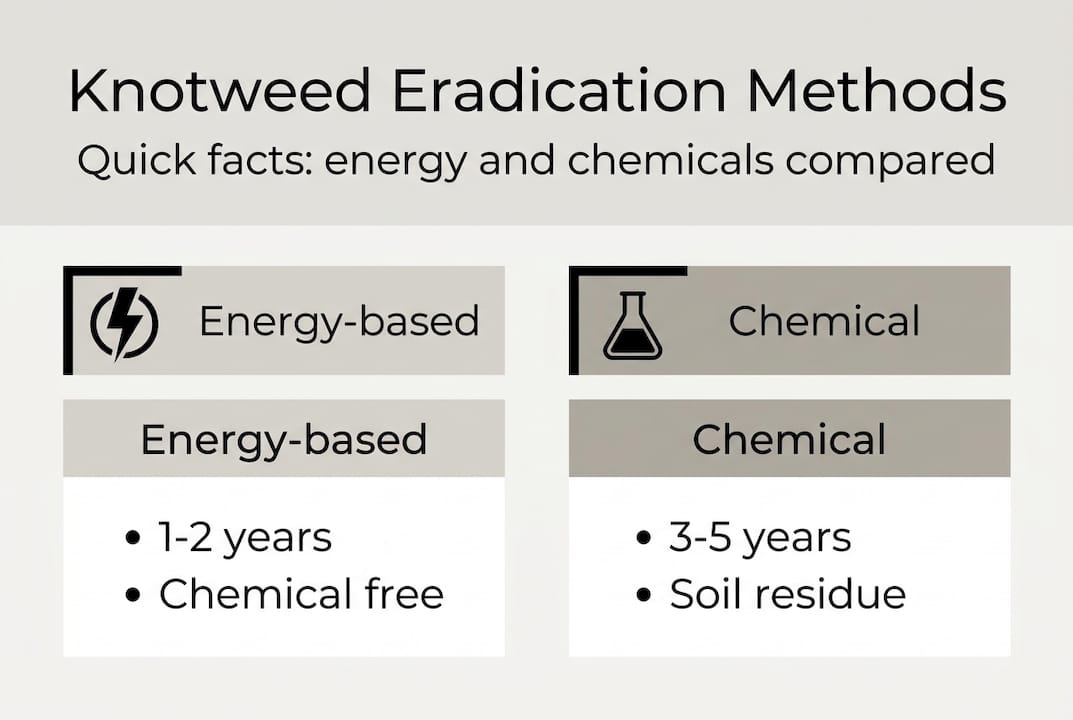
Electronic and thermal intervention techniques have emerged as promising non-chemical eradication strategies for addressing Japanese knotweed’s persistent nutrient storage capabilities. Innovative trials by conservation organisations are demonstrating that targeted physical interventions can effectively disrupt the plant’s complex nutrient preservation mechanisms without relying on traditional herbicidal approaches.

One particularly groundbreaking approach involves precision thermo-electric treatments that directly target the knotweed’s cellular infrastructure. Advanced electrical intervention techniques enable specialists to deliver controlled electrical currents that systematically destroy the plant’s internal energy storage systems. By penetrating the rhizome network and causing cellular damage, these methods prevent nutrient redistribution and inhibit the plant’s regenerative capabilities.

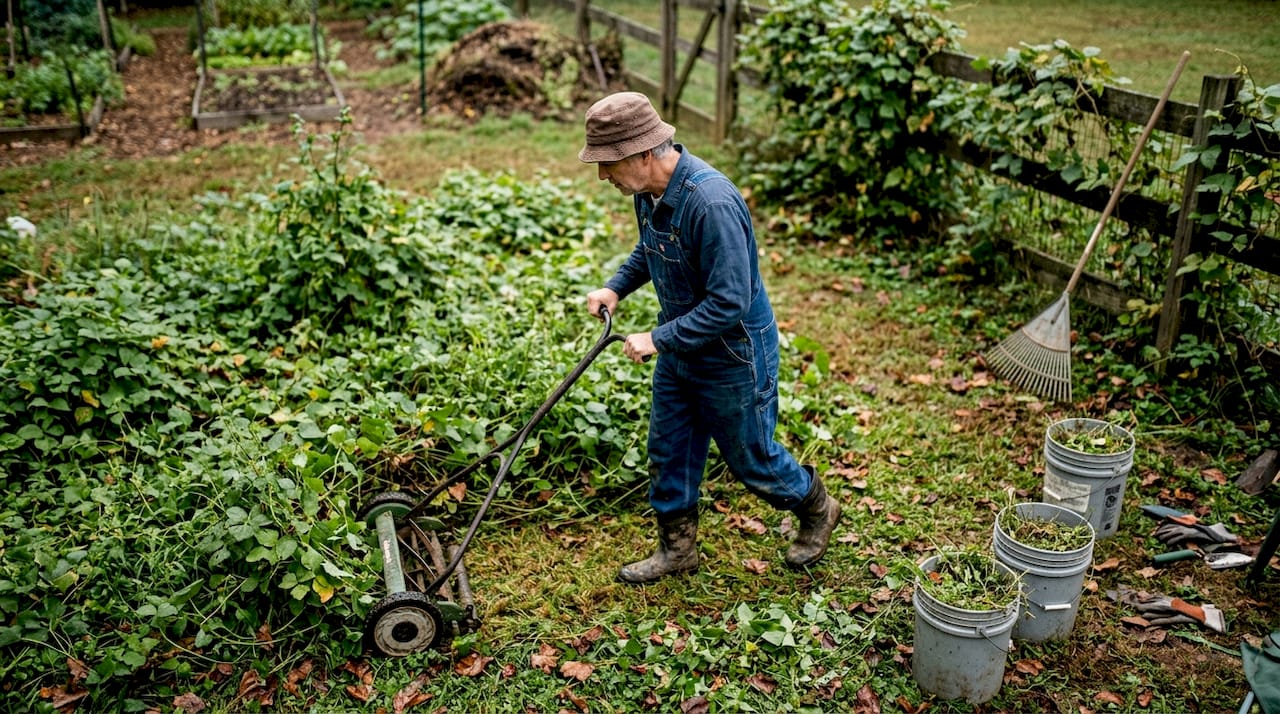
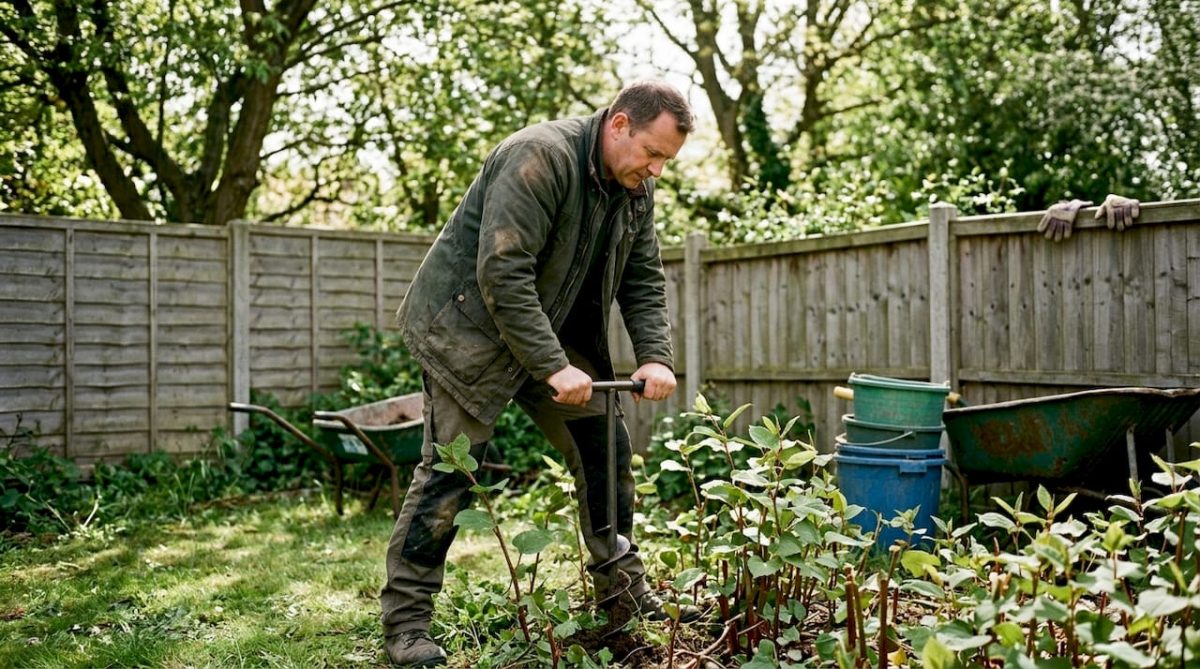
Physical extraction methods also play a critical role in chemical-free nutrient depletion strategies. Comprehensive root zone excavation, combined with careful screening and removal of root fragments, can significantly reduce the plant’s ability to store and redistribute nutrients. These mechanical interventions require precision and expertise to ensure that even the smallest rhizome segments are completely removed, preventing potential regrowth and subsequent nutrient reaccumulation.

Pro Tip – Holistic Nutrient Disruption: Combine multiple chemical-free intervention techniques, such as electrical treatment and comprehensive root extraction, to create a multi-layered approach that comprehensively targets the knotweed’s nutrient storage and regeneration mechanisms.

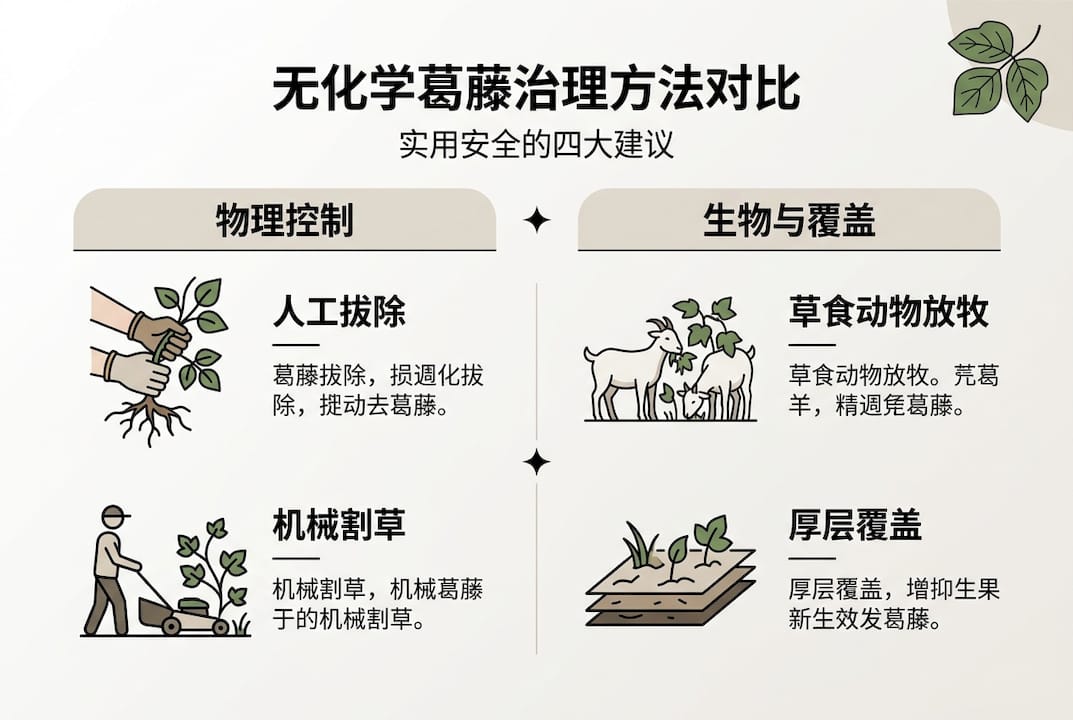
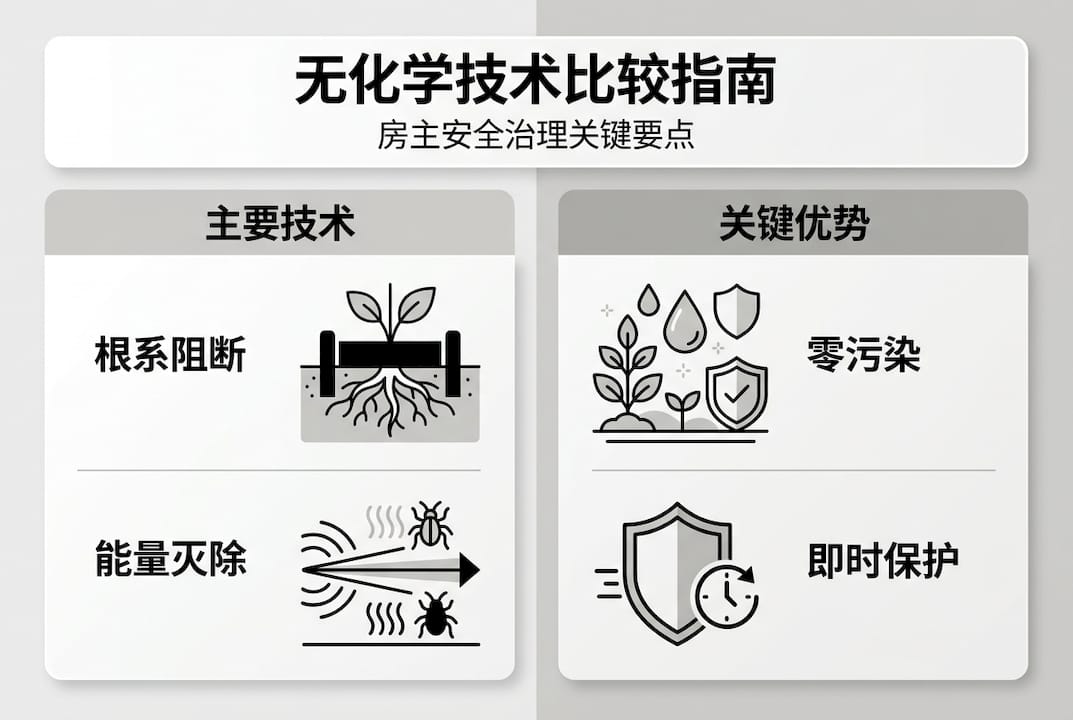
Here is a concise comparison of common chemical-free methods for Japanese knotweed nutrient depletion:

Method How It Works Strengths Limitations
Thermal Treatment Uses heat to damage rhizomes and impede regrowth Avoids chemicals, targets roots May require specialist equipment
Electrical Treatment Passes electricity through rhizomes to disrupt cells Immediate cellular damage Skilled operation and monitoring
Physical Excavation Manually removes rhizomes and soil fragments Removes most plant material Labour-intensive, risk of fragments

Risks And Benefits Of Nutrient Depletion Approaches

Nutrient depletion strategies for Japanese knotweed present a complex landscape of potential benefits and inherent challenges. Innovative conservation trials demonstrate that alternative eradication methods can offer significant environmental advantages over traditional chemical treatments, particularly in sensitive ecological contexts where preserving native biodiversity is paramount.

Infographic showing knotweed rhizome nutrient flow

The primary benefits of targeted nutrient depletion include minimal environmental contamination and reduced ecological disruption. Advanced intervention techniques enable specialists to address knotweed infestations without introducing harmful chemical agents into the surrounding ecosystem. These methods provide a more nuanced approach to plant management, focusing on systematically disrupting the plant’s internal energy systems rather than employing broad-spectrum destructive interventions.

However, chemical-free nutrient depletion approaches are not without significant challenges. These methods often require multiple treatment cycles, extensive specialist expertise, and substantially more time compared to traditional herbicide applications. The complexity of completely eradicating an extensive rhizome network means that property owners and ecological management professionals must commit to prolonged, meticulous intervention strategies that demand considerable technical skill and persistent monitoring.

Pro Tip – Strategic Risk Management: Develop a comprehensive, multi-phase nutrient depletion strategy that combines different intervention techniques, anticipates potential regrowth scenarios, and includes rigorous follow-up assessments to ensure complete eradication.

Japanese knotweed legislation in the United Kingdom represents a complex regulatory landscape that addresses both environmental protection and property management challenges. Research from academic institutions highlights the significant implications of this invasive species, particularly its potential to impact property values, mortgage approvals, and ecological biodiversity across urban and rural environments.

The legal framework surrounding Japanese knotweed management involves multiple stakeholders, including property owners, mortgage lenders, and environmental regulatory bodies. Strict control measures are mandated to prevent the plant’s spread, with potential legal consequences for negligent management. Specialist guidance emphasises that simple cutting or surface-level removal is insufficient, requiring comprehensive eradication strategies that address the plant’s extensive underground rhizome network.

Environmental considerations extend beyond immediate property concerns, encompassing broader ecological impact assessments. The invasive nature of Japanese knotweed threatens native plant biodiversity, disrupts soil ecosystems, and can cause substantial infrastructural damage. Regulatory bodies increasingly require detailed management plans that demonstrate a systematic approach to complete plant removal, with potential legal ramifications for property owners who fail to implement appropriate control measures.

This table summarises the primary legal and environmental considerations for Japanese knotweed management in the UK:

Aspect Key Point Impact on Management
Legislation Strict controls, legal obligations Requires documented eradication
Property Implications Affects mortgage approval and property value Can delay or prohibit transactions
Environmental Impact Threatens native species, damages soil ecology Demands detailed management plans

Pro Tip – Legal Compliance Strategy: Obtain professional documentation of knotweed treatment and maintain a comprehensive record of eradication efforts to protect yourself from potential legal disputes and demonstrate responsible environmental management.

Take Control of Knotweed Nutrient Depletion with Proven Chemical-Free Solutions

The article highlights how Japanese knotweed’s extensive rhizome network stores and redistributes vital nutrients, making eradication a complex challenge. If you are facing frustration with persistent regrowth caused by nutrient reserves within underground roots then targeted energy disruption is key. At Japanese Knotweed Agency, we focus on delivering up to 5000 volts of direct energy onsite to cause internal cell damage that systematically depletes those stubborn nutrient stores. This chemical-free approach directly addresses the root of the problem rather than surface growth alone.

https://japaneseknotweedagency.co.uk

Don’t let knotweed’s resilience put your property at risk. Explore how our expert chemical free treatments and root barrier installations provide long-lasting solutions that interrupt root nutrient cycles effectively. Whether you need a thorough property survey for invasive weeds, or advanced nutrient depletion interventions, acting now with specialists prevents costly future damage and legal complications. Visit Japanese Knotweed Agency today to secure your site with proven eradication expertise.

Frequently Asked Questions

What is nutrient depletion in knotweed, and why is it significant for eradication?

Nutrient depletion in knotweed refers to the plant’s ability to exhaust and redistribute essential nutrients through its underground rhizome network. This characteristic is significant for eradication efforts, as it allows knotweed to quickly regenerate after above-ground parts are removed, making traditional eradication methods less effective.

How do knotweed rhizomes store nutrients?

Knotweed rhizomes act as a storage system for carbohydrates and essential minerals, enabling the plant to maintain resilience. When above-ground vegetation is damaged, the rhizomes release stored nutrients to promote rapid regrowth, complicating eradication efforts.

What are some effective chemical-free methods for depleting nutrients in knotweed?

Effective chemical-free methods include thermal treatments, which use heat to damage rhizomes, and electrical treatments that disrupt the plant’s cellular systems. Physical excavation to remove rhizomes can also help deplete nutrient storage, although these methods require precision and expertise.

Legal considerations include strict regulations on managing knotweed to prevent its spread, as failure to address it properly can have legal ramifications and affect property values. Accurate documentation of eradication efforts is essential for compliance and to protect against potential disputes.

Read more

Knotweed and Property Value – What Homeowners Must Know

Every year, countless British homeowners encounter the daunting sight of Japanese knotweed in their gardens. This invasive plant is more than a nuisance, threatening property values and peace of mind. With nearly 5 percent of residential properties in the United Kingdom potentially affected, confusion and outdated myths run rampant. Clearing up the facts about Japanese knotweed helps protect not just homes but also legal and financial interests for those living in British communities.

Table of Contents

Key Takeaways

Point Details
Identification of Japanese Knotweed Homeowners should recognise distinctive features such as zigzag stems, shield-shaped leaves, and creamy-white flowers to identify Japanese knotweed effectively.
Legal Responsibilities Property owners must prevent knotweed from spreading, disclose its presence during sales, and manage it according to legal obligations to avoid penalties.
Impact on Property Value The presence of Japanese knotweed can significantly reduce property value by up to 15-20%, complicating sales and mortgage approvals.
Effective Treatment Options Professional treatment methods are essential as DIY approaches often fail; strategies may include chemical herbicides, excavation, and root barriers, with long-term monitoring required.

Japanese Knotweed: Definition and Common Myths

Japanese knotweed represents a significant environmental challenge for property owners across the United Kingdom. Introduced originally as an ornamental garden plant, this persistent herbaceous perennial has since become one of the most invasive plant species in the region, causing substantial concern for homeowners and property professionals.

At its core, Japanese knotweed is a highly aggressive plant species characterised by rapid growth and extraordinary resilience. Its distinctive bamboo-like stems can grow up to 3 metres in height during a single growing season, with underground rhizome networks spreading extensively beneath the surface. These underground root systems can penetrate concrete foundations, damage infrastructure, and compromise structural integrity, making it a potential nightmare for property owners.

Common misconceptions about Japanese knotweed often lead to unnecessary panic. Many individuals mistakenly identify harmless plants like bindweed or dogwood as Japanese knotweed, creating unwarranted anxiety during property transactions. Accurate identification requires understanding its unique characteristics:

  • Zigzag stem pattern
  • Distinctive shield-shaped leaves
  • Creamy-white flower clusters in late summer
  • Rapid, aggressive growth pattern

Pro Tip – Plant Identification: If you suspect Japanese knotweed on your property, consult a professional invasive species specialist who can provide definitive identification and recommended treatment strategies before the problem escalates.
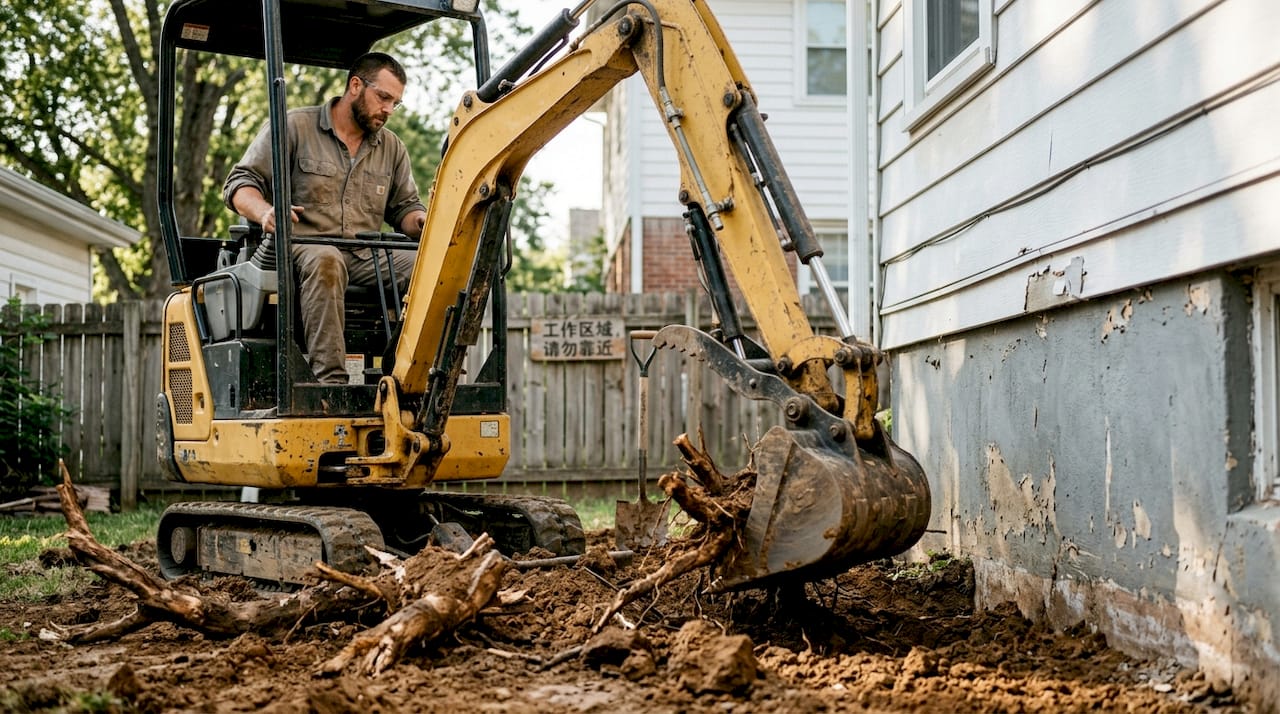
Identifying Knotweed on Residential Property

Japanese knotweed presents a unique challenge for homeowners seeking to identify this invasive plant species. Its distinctive physical characteristics make it relatively easy to recognise once you understand its key features. Unlike typical garden plants, Japanese knotweed stands out with its remarkable growth patterns and structural appearance.

The plant’s most prominent identifying features include distinctive bamboo-like hollow stems with a striking reddish-brown colour, which emerge in early spring and quickly develop into a dense cluster. These stems can grow at an astonishing rate of up to 10 centimetres per day, creating substantial vegetation in a remarkably short time. Homeowners should pay close attention to several key visual indicators:

  • Triangular, shield-shaped leaves arranged alternately along the stem
  • Hollow stems with distinct nodes, resembling bamboo
  • Reddish-brown colour with distinctive zigzag growth pattern
  • Small, creamy-white flower clusters appearing in late summer
  • Rapid, aggressive growth that can penetrate through concrete and tarmac

Warning Signs for property owners include:

  • Unexplained cracks in foundations or driveways
  • Sudden emergence of tall, bamboo-like vegetation
  • Patches of dense, fast-growing plants near building structures
  • Persistent plant growth despite repeated removal attempts

Pro Tip – Early Detection: Conduct a thorough property perimeter inspection during spring and early summer when Japanese knotweed’s distinctive red shoots first emerge, allowing for immediate professional intervention if suspected.

Property owners face significant legal responsibilities when Japanese knotweed is discovered on their land. Landowners have a crucial legal duty to prevent the plant from spreading beyond their property boundaries, which can result in serious legal consequences if not managed appropriately.

Infographic on knotweed legal steps for homeowners

Under the Wildlife and Countryside Act 1981, property owners can be prosecuted for intentionally or carelessly allowing Japanese knotweed to spread into wild areas. This legislation places substantial responsibility on homeowners, potentially leading to criminal charges and significant financial penalties. The legal implications extend beyond simple property maintenance and into environmental protection.

Key legal obligations for homeowners include:

  • Preventing knotweed from spreading to neighbouring properties
  • Ensuring proper containment and management of the plant
  • Disclosing knotweed presence during property sales
  • Using licensed professionals for removal and disposal
  • Maintaining comprehensive documentation of treatment efforts

Buyers must exercise due diligence during property transactions by:

  • Requesting comprehensive property surveys
  • Checking historical records for previous knotweed infestations
  • Understanding potential remediation costs
  • Negotiating property prices to account for potential knotweed risks
  • Obtaining specialist insurance or guarantees for treatment

Pro Tip – Legal Protection: Always obtain a professional knotweed survey and treatment plan before purchasing a property, and ensure all documentation is formally recorded to protect your legal interests.

Impact of Knotweed on House Value and Sales

Japanese knotweed can dramatically impact property values, creating significant challenges for homeowners looking to sell their property. Recent research suggests that the historical blanket rejection of properties with knotweed may be disproportionate to the actual risk, indicating a more nuanced approach is necessary when assessing property value.

Typically, the presence of Japanese knotweed can reduce a property’s market value by up to 10-15%, with some extreme cases seeing reductions of 20-25%. This substantial devaluation stems from several critical factors:

The following table summarises the key risks knotweed poses to property value:

Risk Factor Impact on Value Buyer/Seller Challenge
Structural Damage Threat Reduces buyer trust May require costly surveys
Mortgage Difficulties Lower saleability Can delay transactions
Removal Costs Value reductions Affects price negotiation
Disclosure Obligations Legal compliance Complicates sales process
  • Potential structural damage to foundations
  • Expensive professional removal costs
  • Difficulty obtaining mortgage approvals
  • Lengthy treatment and eradication processes
  • Ongoing maintenance requirements

Mortgage Implications for properties with knotweed include:

  • Potential outright rejection of mortgage applications
  • Required professional treatment plans before loan approval
  • Additional surveying and assessment costs
  • Potential need for specialist insurance
  • Extended property transaction timelines

Sellers must be proactive in addressing knotweed presence, which involves:

  • Obtaining professional treatment certification
  • Providing comprehensive documentation of eradication efforts
  • Securing guarantees from certified removal specialists
  • Being transparent during property sales negotiations
  • Demonstrating active management of the infestation

Pro Tip – Property Protection: Always commission a professional knotweed survey before listing your property and secure a comprehensive treatment guarantee to mitigate potential value reductions and improve buyer confidence.

Effective Knotweed Treatment and Eradication Options

Professional intervention remains the most reliable approach for comprehensive Japanese knotweed treatment, as successful eradication requires sophisticated, multi-year strategies that address both surface vegetation and extensive underground rhizome networks. Homeowners should understand that quick fix solutions or DIY approaches often prove ineffective against this resilient invasive species.

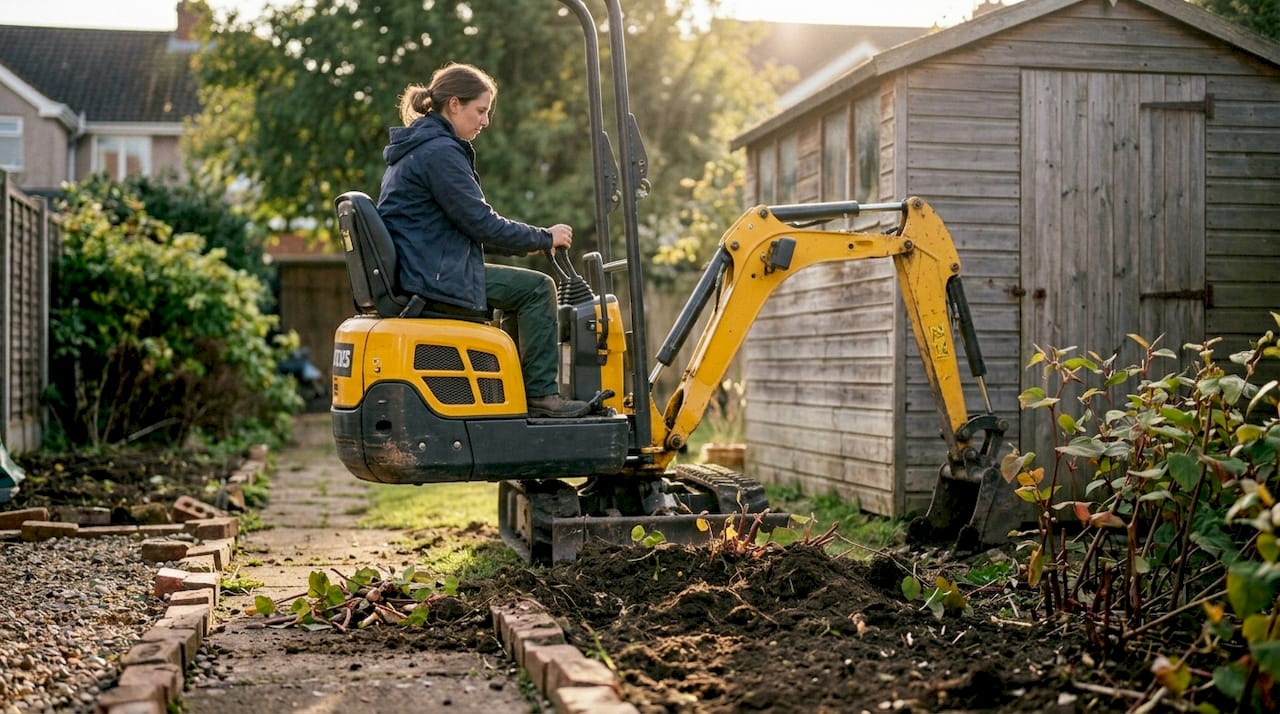
Worker removing knotweed in home garden

The treatment landscape offers several strategic approaches, each with unique advantages:

Here is a comparison of main Japanese knotweed treatment methods:

Treatment Method Effectiveness Duration Typical Cost Range
Chemical Herbicide Highly effective after several cycles 2-3 years £1,000–£2,500
Excavation & Removal Immediate eradication Immediate £5,000–£15,000
Root Barrier Installation Prevents future spread 1-3 days £2,000–£5,000
Thermal Treatment Effective for small areas Seasonal cycles £1,500–£3,500
  • Thermal Treatment: Delivering targeted energy directly into plant tissues
  • Chemical-Free Interventions: Preventing regrowth through precision techniques
  • Root Barrier Installations: Containing potential spread
  • Excavation and Removal: Complete site clearance methods

Waste Management Considerations:

  • All contaminated soil and plant material must be disposed of at licensed landfill sites
  • Strict regulatory protocols govern knotweed waste removal
  • Inappropriate disposal can lead to significant legal penalties
  • Professional documentation of disposal is essential

Key Factors in Successful Knotweed Eradication:

  • Comprehensive site assessment
  • Detailed treatment documentation
  • Multiple treatment cycles
  • Long-term monitoring
  • Professional certification of completed works

Buyers and property owners should prioritise:

  • Obtaining verified treatment guarantees
  • Selecting specialist invasive plant management firms
  • Understanding complete eradication timelines
  • Maintaining comprehensive treatment records
  • Ensuring ongoing site monitoring

Pro Tip – Treatment Strategy: Always select treatment providers offering insurance-backed guarantees and comprehensive multi-year management plans to ensure complete knotweed elimination and protect your property investment.

Protect Your Property Value with Expert Japanese Knotweed Solutions

Japanese Knotweed poses a serious threat to property values due to its aggressive growth and the costly treatment it demands. If you face challenges like diminished buyer confidence, potential mortgage difficulties, or expensive eradication processes, you are not alone. Understanding the importance of early detection and professional management is crucial to safeguarding your investment and avoiding prolonged legal and financial headaches.

At Japanese Knotweed Agency, we specialise in innovative, chemical-free treatment that targets the extensive rhizome network damaging your foundations and property integrity. Our advanced energy delivery system weakens the plant from within, offering a highly effective multi-year eradication strategy. We also provide property surveys for invasive weeds across England, Wales, and Ireland to give you the clarity and confidence required when buying or selling.

https://japaneseknotweedagency.co.uk

Do not let Japanese Knotweed reduce your property value or complicate your sale. Take control now with proven, insured treatment plans and expert advice that help you regain market trust and legal compliance. Visit Japanese Knotweed Agency for a professional survey or customised treatment solution and secure your home’s future today.

Frequently Asked Questions

How does Japanese knotweed affect property value?

Japanese knotweed can reduce a property’s market value by up to 10-15%. In some cases, it may lead to devaluations of 20-25%, primarily due to risks of structural damage, mortgage difficulties, and high removal costs.

Homeowners are legally required to prevent Japanese knotweed from spreading beyond their property. This includes proper management, containment, and disclosure of its presence during property sales.

What should I do if I discover Japanese knotweed on my property?

If you suspect Japanese knotweed, it is essential to consult a professional invasive species specialist for definitive identification and management strategies. Early detection can help prevent severe complications.

How can I increase my property’s value if it has been affected by knotweed?

To improve your property’s value after a knotweed presence, obtain professional treatment certification, maintain comprehensive documentation of eradication efforts, and secure guarantees from certified removal specialists.

Read more

Knotweed Legislation – How It Affects Property Owners

Nearly one in ten British homeowners have confused Japanese knotweed with completely harmless plants, leading to costly mistakes and unnecessary stress. Understanding the difference goes far beyond simple gardening knowledge. The persistent spread of this invasive species not only threatens local ecosystems but also creates serious property and legal difficulties. Uncovering the real facts and dispelling common myths about Japanese knotweed can help every British property owner protect their investment and avoid unexpected penalties.

Table of Contents

Key Takeaways

Point Details
Identification is Crucial Misidentification of Japanese knotweed can lead to unnecessary panic and complications in property transactions; professional verification is recommended.
Legal Responsibilities Homeowners and sellers must disclose known knotweed infestations to avoid legal repercussions, including fines and mortgage complications.
Effective Management Chemical-free eradication methods and proper waste disposal are crucial to comply with legal requirements and prevent the spread of knotweed.
Documentation is Key Maintaining thorough records of management efforts and disposal can protect property owners from legal risks and complications in transactions.

Japanese Knotweed: Definition And Misconceptions

Japanese knotweed (Fallopia japonica) is an aggressive non-native invasive plant species originally introduced to the United Kingdom in the 19th century. Classified by the Royal Horticultural Society as a significant ecological threat, this perennial plant is renowned for its extraordinary capacity to grow rapidly and outcompete native vegetation.

Contrary to widespread misconceptions, Japanese knotweed is not simply another garden weed but a complex ecological challenge. Many homeowners mistakenly identify harmless plants like bindweed or dogwood as Japanese knotweed, creating unnecessary panic. Property professionals consistently report widespread misidentification issues, which can significantly complicate property transactions and valuations.

The plant’s distinctive characteristics include bamboo-like hollow stems, distinctive zigzag growth patterns, and heart-shaped leaves. Its underground rhizome network can extend several metres, enabling remarkable regenerative capabilities. A single fragment as small as 0.7 grams can potentially regenerate into an entirely new plant, making mechanical removal exceptionally challenging without professional intervention.

To clarify identification, here is a comparison of Japanese knotweed and commonly confused plants:

Feature Japanese Knotweed Bindweed Dogwood
Stem Structure Hollow, bamboo-like Thin, climbing vine Solid, woody stems
Leaf Shape Heart-shaped, flat base Arrow-shaped, pointed tip Rounded or oval
Growth Pattern Zigzag pattern, upright Twining, sprawling Upright, bushy
Rhizomes Extensive network underground Few, shallow roots Woody roots, not rhizomatous

Pro Tip: Verification is Key: Always consult a professional invasive plant specialist for definitive identification before making assumptions about potential Japanese knotweed infestations.

The legal framework surrounding Japanese knotweed in the United Kingdom is comprehensive and stringent. Under the Wildlife and Countryside Act 1981, deliberately planting or causing Japanese knotweed to grow in the wild constitutes a criminal offence, reflecting the serious environmental implications of this invasive species. The Environmental Protection Act 1990 further classifies Japanese knotweed as ‘controlled waste’, mandating specialised disposal protocols that prevent potential ecological contamination.

Local authorities have been empowered with significant legal mechanisms to address knotweed infestations. The Anti-social Behaviour, Crime and Policing Act 2014 enables councils to issue Community Protection Notices against property owners who fail to manage invasive plant species. These notices can compel individuals or organisations to control Japanese knotweed when its presence negatively impacts neighbouring properties or public spaces, with potential legal consequences for non-compliance.

Property transactions are particularly sensitive to Japanese knotweed’s legal status. Sellers are legally obligated to disclose the presence of knotweed during property searches, and mortgage lenders frequently require detailed management plans before approving loans. Failure to declare known knotweed infestations can result in potential legal proceedings, significant financial penalties, and potential property devaluation.

Pro Tip: Legal Documentation: Maintain comprehensive records of any knotweed treatment, removal, or management plans, as these documents can be crucial evidence in potential legal disputes or property transactions.

Below is a summary of how major UK legislation affects property owners dealing with Japanese knotweed:

Legislation Main Focus Property Owner Obligation Consequences of Breach
Wildlife and Countryside Act 1981 Prohibits spread in the wild Prevent knotweed escaping property Up to £3,000 fine or two years’ imprisonment
Environmental Protection Act 1990 Waste classification Dispose of material via licensed facility Fines and criminal prosecution
Anti-social Behaviour, Crime and Policing Act 2014 Local authority intervention Control infestations upon notice Legal notices, court action, remediation costs

Infographic comparing knotweed laws and penalties

Responsibilities For Homebuyers And Sellers

Property transactions involving land potentially impacted by Japanese knotweed require meticulous due diligence. Homeowners are not legally mandated to remove Japanese knotweed, but allowing its spread can trigger significant legal consequences, including potential private nuisance actions or Community Protection Notices under the Anti-social Behaviour, Crime and Policing Act 2014.

Mortgage lenders frequently demand specialist assessments when Japanese knotweed is suspected, which can substantially complicate property sales. Sellers are legally obligated to disclose known knotweed infestations during property searches, with potential financial and legal repercussions for non-disclosure. This requirement extends beyond mere presence, encompassing historical evidence of knotweed within the property’s boundaries.

Buyers must conduct comprehensive environmental searches and potentially commission specialist surveys to identify potential knotweed risks. Professional investigations can reveal historical infestations, underground rhizome networks, and potential future growth patterns that might not be immediately visible. These assessments are critical, as undetected knotweed can lead to substantial remediation costs, property devaluation, and potential legal disputes.

Pro Tip: Pre-Purchase Precautions: Always commission a professional invasive plant survey before finalising any property purchase, ensuring comprehensive understanding of potential Japanese knotweed risks and associated mitigation strategies.

Chemical-Free Eradication And Environmental Laws

Chemical-free eradication of Japanese knotweed represents a complex environmental challenge that intersects with stringent legal frameworks. Traditional methods like cutting and digging are explicitly discouraged, as they can potentially increase the plant’s spread and constitute a legal offence under the Wildlife and Countryside Act 1981. Property owners must exercise extreme caution to prevent inadvertent proliferation of this invasive species.

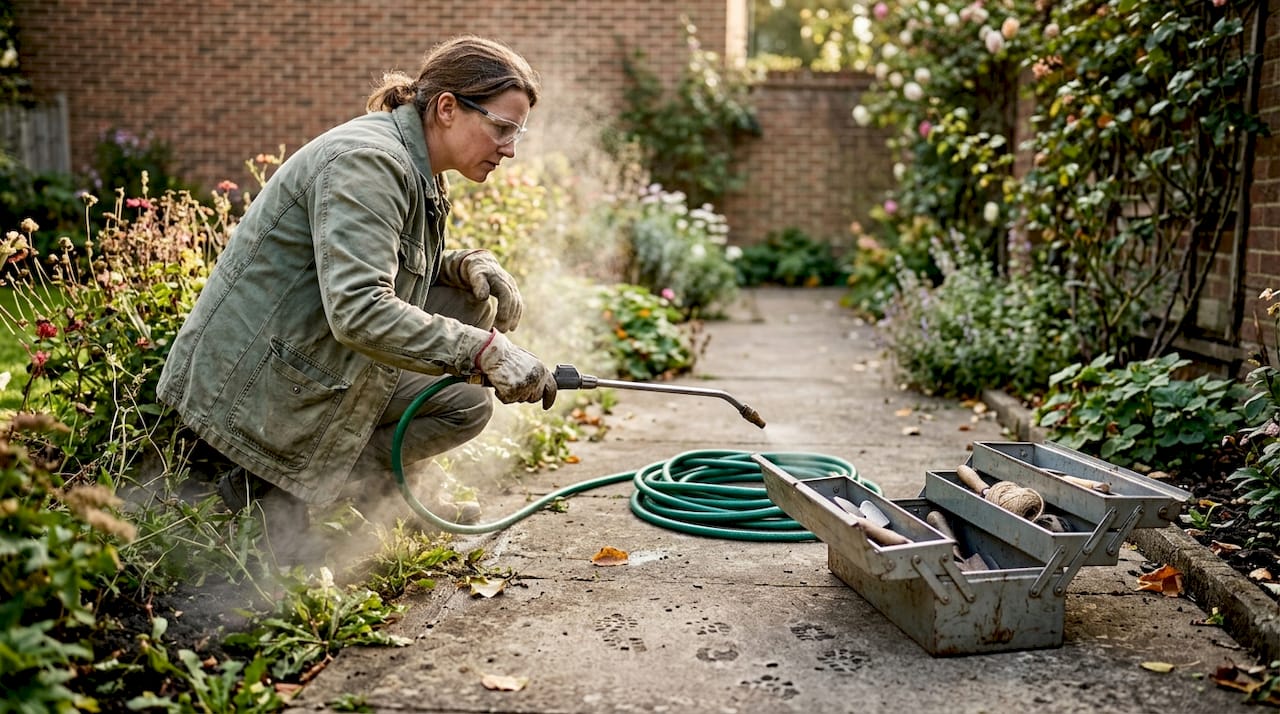
Gardener handling knotweed root disposal

Disposal of Japanese knotweed material is strictly regulated under the Environmental Protection Act 1990, which classifies contaminated soil and plant material as controlled waste. This legislative requirement mandates that all knotweed-related waste must be transported and disposed of exclusively at licensed waste management facilities. Failure to comply can result in substantial financial penalties and potential legal prosecution.

Emergent chemical-free eradication technologies offer promising alternatives to traditional chemical treatments. Innovative approaches such as thermal treatment, targeted electrical intervention, and biological control methods are gaining recognition as environmentally responsible solutions. These techniques aim to systematically deplete the plant’s underground rhizome network without introducing harmful chemical agents, addressing both ecological concerns and legal compliance requirements.

Pro Tip: Waste Management Strategy: Always document and retain receipts from licensed waste disposal facilities when removing Japanese knotweed, as these records can serve as crucial evidence of legal compliance during property transactions.

Property owners face significant legal consequences for mismanaging Japanese knotweed. Failing to prevent the plant’s spread can result in prosecution, with potential fines reaching up to £3,000 or imprisonment for two years under the Wildlife and Countryside Act 1981. These stringent penalties underscore the serious environmental and legal implications of Japanese knotweed proliferation.

Improper disposal of Japanese knotweed waste carries substantial legal risks, as the material is classified as controlled waste under the Environmental Protection Act 1990. Individuals found illegally disposing of knotweed materials can face significant financial penalties, potential criminal prosecution, and extensive legal proceedings that may impact property values and future transactions.

Beyond direct legal penalties, property owners may encounter additional financial repercussions. Mortgage lenders frequently refuse lending on properties with unmanaged knotweed infestations, effectively rendering properties unmortgageable. Neighbours can also initiate civil nuisance claims, potentially resulting in court-mandated remediation and substantial compensation payments for damages caused by uncontrolled knotweed spread.

Pro Tip: Legal Protection Strategy: Maintain comprehensive documentation of all knotweed management efforts, including professional survey reports, treatment plans, and disposal receipts to demonstrate proactive compliance and mitigate potential legal risks.

Take Control of Japanese Knotweed and Protect Your Property

The challenge of navigating knotweed legislation can be daunting for any property owner faced with this invasive species. The article highlights serious legal obligations and the risks of non-compliance that can lead to costly penalties or mortgage complications. If you are worried about managing knotweed responsibly and ensuring full compliance with UK laws such as the Wildlife and Countryside Act 1981 and the Environmental Protection Act 1990 then expert support is essential.

At Japanese Knotweed Agency we specialise in chemical-free treatment designed to penetrate the extensive rhizome network using advanced direct energy technology. We also provide thorough property surveys and environmentally sound options like root barrier installations and excavation works to prevent further spread and legally protect your asset.

https://japaneseknotweedagency.co.uk

Do not let Japanese knotweed put your property or peace of mind at risk. Act now to secure a professional assessment and tailored eradication plan to comply fully with legislation and avoid penalties. Discover more about our proven services and how we can help you stay ahead of invasive plant legislation by visiting Japanese Knotweed Agency. For peace of mind on property transfers and to safeguard your investment explore our property surveys today.

Frequently Asked Questions

Property owners are obligated to prevent Japanese knotweed from spreading beyond their property boundaries to avoid potential legal penalties under the Wildlife and Countryside Act 1981.

What are the consequences of failing to disclose a Japanese knotweed infestation during a property sale?

Failing to disclose a known Japanese knotweed infestation can lead to legal repercussions, financial penalties, and potential property devaluation, as mortgage lenders may refuse loans on affected properties.

How does Japanese knotweed legislation impact property transactions?

Japanese knotweed legislation requires sellers to disclose its presence, which can complicate property sales and lead buyers to conduct specialist surveys, causing additional costs and delays in the transaction process.

What actions can local authorities take against property owners who fail to manage Japanese knotweed?

Local authorities can issue Community Protection Notices that compel property owners to manage Japanese knotweed infestations when they negatively affect neighbours or public spaces, potentially leading to legal action if compliance is not met.

Read more

Invasive Plants: Impact on UK Homes and Land

Most advice about invasive plants misses a crucial point: over 2,000 non-native species now thrive within British borders, yet only a few actually threaten local ecosystems. For homeowners and gardeners alike, understanding which invaders pose real risks can make the difference between a healthy garden and costly property damage. Sorting fact from fiction can arm you with the knowledge to protect your British landscape, uncovering the true dangers and common misconceptions about these troublesome plants.

Table of Contents

Key Takeaways

Point Details
Invasive Species Characteristics Invasive plants grow rapidly, outcompete native species, and often lack natural predators, posing significant ecological and economic threats.
Legal Responsibilities Homeowners must manage invasive species on their properties to avoid legal repercussions, including potential prosecution and financial penalties.
Transmission Mechanisms Invasive plants spread through various means, including accidental human transportation and natural dispersal methods, making prevention challenging.
Chemical-Free Eradication Non-chemical removal strategies offer sustainable alternatives for managing invasive plants while protecting ecosystems and public health.

Invasive Plants Defined and Common Myths

Invasive species represent a complex ecological challenge with significant implications for UK landscapes and property owners. According to the Natural History Museum’s definition, invasive species are non-native organisms capable of spreading rapidly and causing substantial environmental, economic, or human health disruptions. These plants are not simply foreign botanical visitors, but aggressive colonisers that can dramatically transform ecosystems.

Contrary to popular misconceptions, not all non-native plants qualify as invasive. Many introduced species coexist harmoniously within existing ecosystems, while a small subset demonstrates extraordinary adaptability and destructive potential. Research from Cherwell District Council highlights that invasive plants are not limited to wilderness areas but can significantly impact urban environments, causing infrastructure damage and reducing local biodiversity.

Key characteristics of invasive plants include:

  • Rapid, uncontrolled growth patterns
  • Ability to outcompete native species
  • Limited natural predators or control mechanisms
  • Potential to cause substantial economic damage
  • Capacity to spread through multiple reproduction strategies

Understanding these plants requires dispelling several persistent myths. While some assume invasive species are always deliberately introduced, many arrive accidentally through international trade, shipping, or human movement. The ecological impact of these plants can be profound, transforming landscapes, disrupting native species interactions, and creating long-term environmental challenges for UK homeowners and local authorities.

Major Invasive Species Threatening the UK

According to the UK government’s official guidelines, several invasive plant species pose significant threats to the United Kingdom’s ecological balance and infrastructure. These botanical invaders include Japanese knotweed, giant hogweed, Himalayan balsam, rhododendron ponticum, and New Zealand pygmyweed, each presenting unique challenges to native ecosystems and property owners.

Close-up of invasive plant species in UK garden

Japanese Knotweed stands out as particularly problematic. The Natural History Museum highlights its extraordinary capacity to proliferate, having been originally introduced as an ornamental plant but now causing extensive damage across British landscapes. This invasive species can grow through concrete, compromise building foundations, and rapidly outcompete native vegetation, making it a significant concern for homeowners and property developers.

The most destructive invasive species in the UK include:

  • Japanese Knotweed: Capable of causing structural damage
  • Giant Hogweed: Produces toxic sap that can cause skin burns
  • Himalayan Balsam: Rapidly spreads and reduces biodiversity
  • Rhododendron Ponticum: Blocks light and carries plant diseases
  • New Zealand Pygmyweed: Chokes water systems and native aquatic life

These invasive plants share common characteristics that make them particularly challenging: rapid reproduction, limited natural predators, aggressive growth patterns, and the ability to survive in diverse environmental conditions. Property owners, landscapers, and environmental management professionals must remain vigilant in identifying and controlling these botanical invaders to protect both natural habitats and built environments.

How Invasive Plants Spread and Cause Harm

The UK Centre for Ecology & Hydrology reveals the complex mechanisms of invasive plant dispersal, highlighting how these botanical intruders can spread through seemingly innocuous means. Hitchhiking on clothing, tools, vehicles, and even animal fur, these plants possess remarkable adaptability that allows them to colonise new environments with alarming efficiency. Their ability to establish themselves quickly enables them to outcompete native species and transform entire ecological landscapes.

Transmission Mechanisms play a critical role in invasive plant propagation. Some species spread through root fragments, while others disperse through wind-borne seeds or underground rhizome networks. Bridgend County Borough Council emphasises the potential infrastructure and health risks associated with these plants, noting how species like giant hogweed can cause severe skin burns and compromise riverbank stability.

Key transmission pathways for invasive plants include:

  • Accidental human transportation
  • Animal fur and feather dispersal
  • Water and wind-based seed distribution
  • Root and rhizome fragment migration
  • Soil contamination through gardening activities

The ecological and economic consequences of invasive plant spread are profound. These botanical invaders can dramatically alter habitat structures, reduce biodiversity, increase flood risks, and cause significant damage to buildings, roads, and agricultural lands. Property owners, landscapers, and environmental managers must remain vigilant, implementing robust prevention and management strategies to mitigate the potentially devastating impacts of these resilient plant species.

Infographic showing invasive plant spread and property impact

The UK government mandates strict legal obligations regarding the management of invasive non-native plants, establishing clear responsibilities for landowners and authorities. These regulations are designed to prevent the uncontrolled spread of harmful botanical species that can cause significant environmental and infrastructural damage. Homeowners and property managers must proactively identify, control, and prevent the proliferation of invasive plant species on their land.

Under current legal frameworks, landowners face potential prosecution for failing to manage invasive plants effectively. Specific Legal Obligations include preventing non-native plants from growing in the wild, stopping their spread to neighbouring properties, and taking immediate action when invasive species are identified. Staffordshire Moorlands District Council emphasises the critical importance of correct identification and control measures to avoid potential legal repercussions and environmental damage.

Key legal responsibilities for property owners include:

  • Identifying invasive plant species on their property
  • Preventing plants from spreading to neighbouring lands
  • Implementing appropriate control and eradication methods
  • Maintaining accurate records of management efforts
  • Reporting significant infestations to local authorities

The consequences of non-compliance can be severe, ranging from substantial financial penalties to potential legal action. Local authorities have the power to serve enforcement notices, require specific remediation actions, and even pursue criminal prosecution in cases of persistent negligence. Property owners must therefore adopt a proactive approach, seeking professional advice and implementing comprehensive management strategies to mitigate the risks associated with invasive plant species.

Chemical-Free Eradication and Survey Options

The UK government provides comprehensive guidance on treating invasive non-native plants without chemical interventions, emphasising environmentally sensitive approaches that protect both human health and ecological systems. Chemical-free eradication strategies have emerged as a critical alternative to traditional herbicide treatments, offering property owners and environmental managers sustainable methods for managing invasive plant species. These techniques require careful planning, consistent implementation, and a deep understanding of plant biology and growth patterns.

Non-Chemical Removal Techniques encompass a range of sophisticated approaches designed to systematically eliminate invasive plants. West Lindsey District Council confirms that manual removal methods can be highly effective, though they often demand more time and persistent effort compared to chemical treatments. These strategies include:

  • Repeated cutting and mowing
  • Manual extraction of root systems
  • Systematic excavation of contaminated soil
  • Targeted thermal treatment techniques
  • Biological control through competitive native species

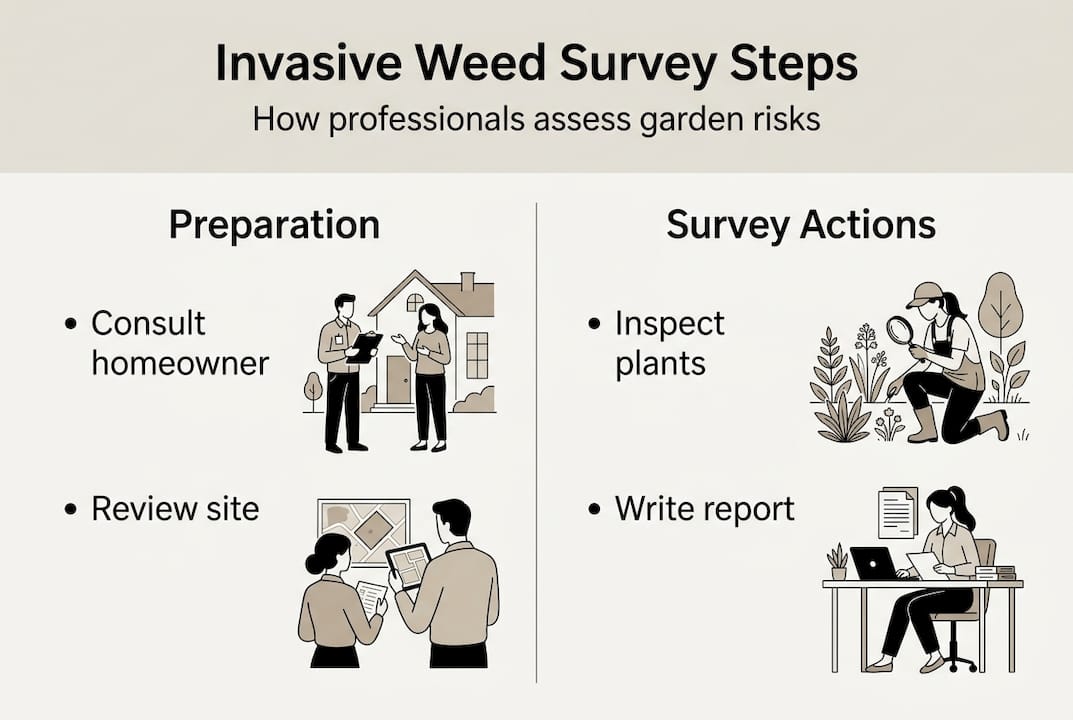
Successful chemical-free eradication requires a comprehensive survey and strategic approach. Property owners must conduct thorough initial assessments, documenting the extent of plant invasion, identifying specific species, and developing a tailored removal plan. Professional invasive plant specialists can provide detailed surveys that map out infestations, assess potential risks, and recommend the most appropriate non-chemical intervention strategies. By adopting a methodical, patient approach, landowners can effectively manage and ultimately eliminate invasive plant populations while preserving the surrounding ecosystem’s delicate balance.

Take Control of Invasive Plants Threatening Your Property Today

Invasive plants such as Japanese Knotweed are not only damaging to the environment but can also threaten the value and safety of your home. This article highlights the challenges invasive species present, including rapid growth that invades foundations and legal duties homeowners must face. If you are concerned about aggressive plants undermining your property or health risks like those posed by giant hogweed, it is vital to act before the problem worsens.

Japanese Knotweed Agency specialises in chemical-free eradication using advanced direct energy treatment designed to target invasive species at their root system. Our property surveys identify infestations early so you can meet your legal responsibilities and avoid costly damage.

Discover more about our eradication methods and book a comprehensive invasive weed survey with trusted experts who work across England, Wales, and Ireland.

https://japaneseknotweedagency.co.uk

Don’t let invasive plants continue to threaten your home and land. Contact Japanese Knotweed Agency now to get precise surveys and proven, environmentally safe treatment. Protect your property’s future today by taking the first step with a professional assessment and tailored removal plan.

Frequently Asked Questions

What are invasive plants and how do they affect homes?

Invasive plants are non-native species that spread rapidly, often outcompeting local flora. They can cause structural damage to homes, harm local ecosystems, and result in costly property repairs.

How can I identify invasive plant species on my property?

Look for rapid growth patterns, aggressive behaviour, and difficulty in controlling these plants. Common invasive species include Japanese knotweed and giant hogweed. Consulting local resources or experts can help with proper identification.

Homeowners must manage invasive plants on their property, preventing their spread to neighbouring lands and controlling their growth. Failure to do so can result in legal action and significant penalties.

What are some effective chemical-free methods to eradicate invasive plants?

Chemical-free methods include manual removal of roots, repeated cutting, thermal treatment, and using competitive native species to outgrow invasives. A thorough initial survey is necessary to implement a successful eradication plan.

Read more

Knotweed Monitoring: Protecting Properties Without Chemicals

Most British homeowners are surprised to learn that Japanese Knotweed causes over £170 million worth of damage every year in the United Kingdom. The relentless spread of this invasive plant not only threatens building foundations but also complicates home sales and legal responsibilities. Understanding knotweed monitoring matters more than ever for anyone impacted by property value and long-term stability. This guide uncovers what every British resident needs to know to protect their home and investments from this persistent threat.

Table of Contents

Key Takeaways

Point Details
Knotweed Monitoring is Essential Regular monitoring helps mitigate structural damage caused by Japanese Knotweed and supports the recovery of native vegetation.
Various Survey Methods Available A combination of visual inspections and advanced technology, such as AI, enhances the effectiveness of knotweed surveys and mapping.
Legal Obligations Exist for Owners Property owners must understand their legal responsibilities regarding Japanese Knotweed to avoid significant liabilities and protect property value.
Untreated Infestations Pose Risks Left unmanaged, Japanese Knotweed can severely compromise property integrity, lead to costly repairs, and threaten local biodiversity.

What Is Knotweed Monitoring and Why It Matters

Knotweed monitoring represents a comprehensive strategy designed to track, assess, and manage the potentially destructive spread of Japanese Knotweed across properties and landscapes. This systematic approach is crucial because Japanese Knotweed can cause significant structural damage if left unchecked, with its aggressive rhizome system capable of penetrating foundations, concrete, and building infrastructure.

The monitoring process involves carefully tracking plant distribution and density to understand the extent of potential infestation. Specialists conduct regular site assessments, examining both visible plant growth and underground rhizome networks. These assessments help determine the most effective intervention strategies, which might include non-chemical treatments like targeted thermal energy applications or precise root barrier installations.

Effective knotweed monitoring is essential because the plant’s regenerative capabilities are extraordinary. Even minute rhizome fragments can potentially regrow, making continuous observation critical. Professional monitoring programmes aim to permanently reduce knotweed abundance and enable recovery of native vegetation. By implementing a robust, long-term monitoring approach, property owners can mitigate potential structural risks and prevent extensive ecological disruption caused by this invasive species.

Types of Knotweed Surveys and Methods Used

Knotweed surveys are specialised investigations designed to identify, map, and assess the presence and extent of Japanese Knotweed across various landscapes. These comprehensive assessments involve multiple methodological approaches, ranging from visual inspections to advanced technological solutions that enable precise detection and monitoring of this invasive plant species.

Traditional survey methods include ground-level visual inspections, where trained specialists systematically examine properties for characteristic knotweed growth patterns. More recently, cutting-edge technologies have emerged, such as AI-powered surveying systems that can rapidly identify invasive species across large areas. These innovative approaches utilise high-speed cameras mounted on vehicles, capturing geo-tagged images that are instantly analysed to detect potential knotweed infestations.

Geographic mapping has also become a crucial component of modern knotweed surveys. Interactive mapping tools now allow property owners and researchers to track knotweed distribution with unprecedented precision. These advanced systems compile data from multiple environmental authorities, creating comprehensive databases that show live cases and potential risk zones. By combining ground-level expertise with technological innovation, knotweed surveys have evolved into sophisticated monitoring strategies that enable more effective management and containment of this challenging invasive species.

Consultant mapping knotweed locations outdoors

Chemical-Free Detection Techniques Explained

Chemical-free detection represents an innovative approach to identifying Japanese Knotweed without relying on harmful chemical interventions. This method focuses on non-invasive techniques that provide accurate assessment while preserving the environmental integrity of the surveyed landscape. Specialists use a combination of visual inspection, technological solutions, and advanced monitoring strategies to pinpoint knotweed presence with remarkable precision.

One of the most promising developments in chemical-free detection involves advanced artificial intelligence systems capable of rapidly surveying large areas for invasive plant species. These cutting-edge technologies employ high-speed cameras mounted on vehicles, capturing geo-tagged images that can be instantly analysed to detect potential knotweed infestations. Such techniques eliminate the need for ground-disturbing chemical treatments, offering a more environmentally sensitive approach to plant identification.

Geographic mapping and digital tracking have also emerged as powerful chemical-free detection methods. Interactive mapping tools now enable property owners and researchers to track knotweed distribution with unprecedented accuracy. These sophisticated systems compile data from multiple environmental authorities, creating comprehensive databases that showcase live cases and potential risk zones. By leveraging technology and expert visual assessment, chemical-free detection techniques provide a holistic, sustainable approach to identifying and managing Japanese Knotweed without compromising environmental health.

Legal obligations surrounding Japanese Knotweed represent a critical consideration for property owners and potential buyers. The presence of this invasive plant species carries significant legal implications that can dramatically impact property value, insurance, and potential liability. Homeowners must understand their responsibilities to prevent the spread of this destructive plant and comply with existing environmental regulations.

Japanese Knotweed is legally classified as a controlled plant under specific legislative frameworks, with strict regulations governing its management. The Wildlife and Countryside Act 1981 specifically prohibits allowing the plant to cross property boundaries or spread into wild areas. Property owners can face substantial legal consequences for negligence, including potential criminal charges for improper disposal or intentional spread of knotweed plant material.

The potential for structural damage makes knotweed a significant legal concern for homeowners and property buyers. The plant’s ability to penetrate concrete, tarmac, and infrastructure means that undisclosed knotweed presence can lead to complex legal disputes. Buyers are advised to conduct thorough property surveys, request comprehensive knotweed disclosure statements, and potentially seek legal guidance to understand the full implications of knotweed presence on a potential property purchase. Mortgage lenders may also impose additional requirements or restrictions when knotweed is identified, making early detection and professional management crucial for property transactions.

Risks of Untreated Knotweed Infestations

Untreated knotweed represents a significant threat to property integrity, environmental balance, and financial stability. This invasive plant species poses multifaceted risks that extend far beyond simple aesthetic concerns, potentially causing extensive structural damage and ecological disruption if left unchecked. Property owners must understand the profound consequences of neglecting knotweed management.

Infographic knotweed risk versus monitoring

Japanese Knotweed can seriously damage houses, buildings, and infrastructure by aggressively growing through concrete, tarmac, and other hard surfaces. The plant’s remarkable ability to exploit existing structural weaknesses means it can compromise foundations, drainage systems, and building structures with alarming efficiency. Its invasive root system can penetrate seemingly impenetrable surfaces, creating costly repair challenges that can dramatically reduce property value and potentially render buildings structurally unsound.

The persistent nature of knotweed rhizomes makes eradication an extended, complex process requiring long-term monitoring and strategic intervention. Beyond structural risks, untreated knotweed threatens local biodiversity by forming dense vegetative clusters that suppress native plant growth and disrupt ecological balance. The plant’s allelopathic properties allow it to release chemical substances that prevent other vegetation from establishing, creating monoculture zones that decimate local plant diversity and potentially impact wildlife habitats.

Secure Your Property with Expert Chemical-Free Knotweed Monitoring and Treatment

Japanese Knotweed monitoring requires vigilance, precision, and effective action to prevent costly structural damage and ecological harm. If you are facing the challenge of invasive knotweed spread, professional, non-chemical solutions can protect your property while safeguarding the environment. With advanced techniques like direct energy treatment delivering up to 5000 volts onsite, the Japanese Knotweed Agency targets and depletes the rhizome network, ensuring long-term eradication without harmful chemicals. We also provide root barrier installations and excavation works to contain and eliminate this persistent threat.

https://japaneseknotweedagency.co.uk

Don’t let untreated knotweed compromise your property and peace of mind. Discover how our chemical-free treatment and expert property surveys can offer you a safer, proven approach to invasive weed management. Act now to protect your home or land from escalating damage and legal risks with the Japanese Knotweed Agency’s specialised services.

Frequently Asked Questions

What is knotweed monitoring?

Knotweed monitoring is a systematic strategy to track, assess, and manage the spread of Japanese Knotweed. It involves regular site assessments to understand plant distribution and density, ensuring effective intervention strategies are employed to mitigate damage.

Why is knotweed monitoring important for property owners?

Knotweed monitoring is crucial for property owners as Japanese Knotweed can cause significant structural damage. Its extensive root system can penetrate foundations and infrastructures, leading to costly repairs and potential legal issues if left unmanaged.

How does chemical-free detection work for Japanese Knotweed?

Chemical-free detection uses non-invasive methods, including visual inspections and advanced AI technologies, to identify Japanese Knotweed without harmful chemicals. This approach ensures environmental integrity while accurately assessing knotweed presence.

Homeowners have legal obligations concerning the management of Japanese Knotweed. Failure to prevent its spread can lead to substantial legal consequences, including potential criminal charges and significant property value reduction.

Read more

Why Treat Knotweed Early – Impact on Property Value

Over £170 million is spent annually in the United Kingdom managing Japanese Knotweed, a problem that continues to frustrate British homeowners and environmental authorities. As this invasive species outcompetes native plants and spreads relentlessly, property values and biodiversity suffer real consequences. Understanding what makes Japanese Knotweed such a formidable threat provides vital insights for anyone facing its presence, from property buyers to conservationists.

Table of Contents

Key Takeaways

Point Details
Invasive Nature Japanese Knotweed is a highly aggressive species that disrupts native ecosystems and poses significant legal responsibilities for property owners.
Importance of Early Intervention Prompt professional treatment is crucial to prevent extensive ecological damage and ensure effective eradication of the plant.
Environmental Impact The plant significantly compromises biodiversity, riverbank stability, and water quality, necessitating comprehensive management strategies.
Management Techniques A balanced approach, combining traditional herbicide use and innovative chemical-free methods, is required for effective control of Japanese Knotweed.

Japanese Knotweed: Invasive Species Explained

Japanese Knotweed represents a significant ecological threat that has dramatically transformed landscapes across the United Kingdom since its introduction in the 19th century. Originally brought to Britain as an ornamental garden plant, this highly aggressive perennial has since become one of the most problematic invasive species in the country. Wildlife experts confirm it now extensively colonises riverbanks, waste grounds, and roadside verges, systematically preventing native plant species from establishing and thriving.

The plant’s extraordinary resilience stems from its complex root system, known as rhizomes, which can extend several metres underground and regenerate from tiny root fragments. These underground networks make Japanese Knotweed exceptionally challenging to eradicate, with even minuscule sections capable of producing entirely new plant colonies. Royal Horticultural Society researchers categorise it as a persistent, clump-forming herbaceous perennial subject to stringent legal control measures due to its invasive characteristics.

Key characteristics that distinguish Japanese Knotweed from native plant species include:

  • Rapid growth rates of up to 10 centimetres per day
  • Bamboo-like hollow stems with distinctive purple speckles
  • Large, heart-shaped green leaves arranged in a zigzag pattern
  • Ability to penetrate concrete, tarmac, and building foundations

Professional management and early intervention remain critical in preventing widespread ecological and structural damage caused by this formidable invasive species.

How Early Treatment Prevents Major Spread

Early intervention is the cornerstone of effective Japanese Knotweed management, preventing catastrophic ecological and structural damage that can emerge from unchecked plant growth. Government guidance emphasises the critical importance of immediate action, warning that improper handling like strimming or mowing can dramatically exacerbate the plant’s spread by enabling regeneration from even tiny root fragments.

The complex root system of Japanese Knotweed makes eradication particularly challenging, with underground rhizome networks capable of producing new plant colonies from minuscule sections. Professional treatment strategies typically involve systematic herbicide application designed to progressively weaken the plant’s extensive root network. Natural Resources Wales recommends targeted glyphosate-based herbicide treatments during late summer or autumn, with repeated applications over two to three years to ensure complete eradication.

Key strategies for early intervention include:

  • Immediate professional identification
  • Comprehensive root system mapping
  • Targeted herbicide treatment programmes
  • Strict monitoring and follow-up assessments
  • Preventing soil movement or disturbance

Property owners who delay treatment risk exponential spread, potential structural damage, and significant financial consequences from uncontrolled Japanese Knotweed proliferation.

Property owners face significant legal obligations regarding Japanese Knotweed management, with potential consequences extending far beyond ecological concerns. Government regulations clearly state that landowners are legally responsible for preventing the spread of this invasive species from their property, and failure to control it can trigger substantial legal actions and critically impact property transactions.

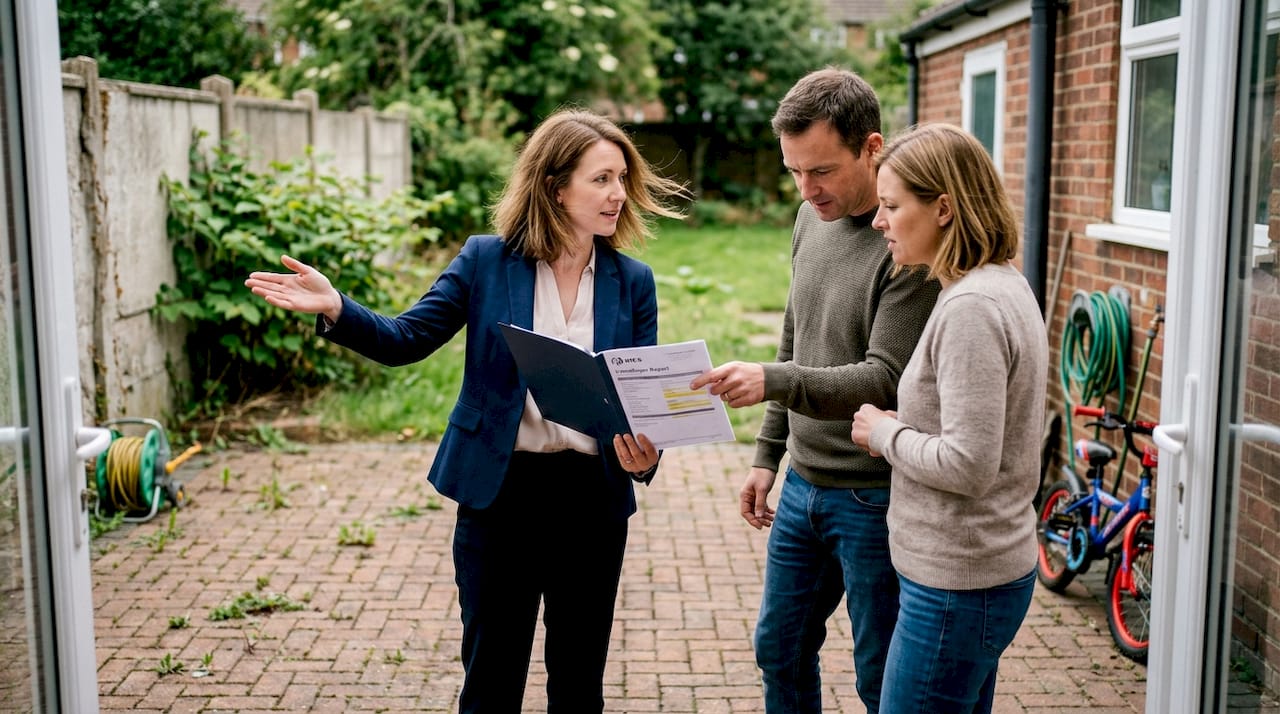
Solicitor discusses knotweed legal issues with couple

Recent academic research from Leeds University suggests that while the plant presents challenges, the structural damage risk might be somewhat overestimated compared to traditional perceptions. However, this does not diminish the legal and financial implications for property owners, as mortgage providers and insurers remain cautious about properties with confirmed Japanese Knotweed infestations.

Key legal and market impact considerations include:

  • Potential mortgage application rejections
  • Reduced property market value
  • Legal liability for spread to neighbouring properties
  • Mandatory disclosure requirements during property sales
  • Potential court-mandated treatment and compensation

Navigating these complex legal landscapes requires proactive management, professional assessment, and comprehensive documentation to mitigate potential financial and legal risks associated with Japanese Knotweed presence.

Environmental Concerns: Health and Water Quality

Japanese Knotweed poses significant ecological risks beyond its immediate visual impact, with profound implications for regional water systems and biodiversity. Broads Authority research highlights the plant’s destructive potential, demonstrating how its aggressive growth can contribute to riverbank erosion and substantially increase flood risks, directly compromising water quality and aquatic ecosystem stability.

The invasive nature of Japanese Knotweed creates a complex environmental challenge that extends far beyond surface-level concerns. Invasive species experts note that its dense growth patterns systematically smother native vegetation, dramatically reducing local biodiversity and fundamentally altering habitat structures. These transformations can create cascading environmental consequences, potentially disrupting delicate ecological balances and water management systems.

Key environmental impact considerations include:

  • Accelerated riverbank destabilisation
  • Reduction of native plant biodiversity
  • Disruption of aquatic ecosystem habitats
  • Increased soil erosion potential
  • Compromised water filtration mechanisms

Comprehensive environmental management requires understanding these intricate ecological interactions and implementing strategic interventions to mitigate Japanese Knotweed’s widespread environmental consequences.

Comparing Chemical-Free and Traditional Methods

Treatment strategies for Japanese Knotweed present complex challenges that demand sophisticated approaches balancing effectiveness and environmental responsibility. Natural Resources Wales research indicates that mechanical methods like cutting and digging are frequently ineffective due to the plant’s extraordinarily resilient underground rhizome network, which can regenerate from minuscule root fragments.

Infographic: early vs late knotweed treatment impact

Ecological management experts from Colne Valley Park highlight the nuanced landscape of control methods, emphasising that while traditional approaches such as herbicide treatments remain widely used, emerging chemical-free techniques are gaining prominence. These innovative methods focus on disrupting the plant’s energy systems without introducing potentially harmful chemical interventions.

Key comparative method considerations include:

  • Traditional chemical herbicide treatments
  • Mechanical extraction techniques
  • Thermal energy disruption
  • Biological control approaches
  • Root barrier installation strategies

Successful Japanese Knotweed management requires a comprehensive, scientifically informed approach that carefully evaluates the specific site conditions, ecological context, and long-term eradication objectives.

Secure Your Property Value With Early Japanese Knotweed Treatment

The article “Why Treat Knotweed Early – Impact on Property Value” highlights the urgent need for early intervention to avoid the financial and legal burdens caused by Japanese Knotweed infestations. Key concerns such as property market devaluation, mortgage complications, and costly structural damage are risks no homeowner or property investor should face. Tackling the invasive species before it spreads uncontrollably means protecting your investment and preventing further ecological harm.

At Japanese Knotweed Agency, we specialise in pioneering chemical-free treatments that target the plant’s extensive rhizome network with direct energy up to 5000 volts. This approach causes internal cell damage at the root to effectively weaken and eradicate the plant. Combined with our root barrier installations and thorough property surveys across England, Wales and Ireland, our solutions are tailored to safeguard your property and its value.

https://japaneseknotweedagency.co.uk

Act now to avoid the escalating legal and financial consequences of ignoring Japanese Knotweed. Discover how our innovative, non-chemical treatments can help you regain control. Start with a comprehensive property survey for invasive weeds or explore our full range of treatment services today and protect your investment for the future.

Frequently Asked Questions

What are the consequences of not treating Japanese Knotweed early?

Delaying treatment of Japanese Knotweed can lead to exponential spread, potential structural damage to properties, and significant financial consequences due to the plant’s aggressive growth and extensive root system.

How does Japanese Knotweed affect property value?

Japanese Knotweed can reduce property market value significantly, as mortgage providers and insurers view active infestations as a liability, potentially resulting in mortgage application rejections and mandatory disclosures during property sales.

Property owners are legally required to prevent the spread of Japanese Knotweed from their land. Failure to manage it can lead to legal actions and responsibilities for controlling its spread to neighbouring properties.

Early treatment typically involves professional identification, comprehensive root system mapping, and targeted herbicide treatments to weaken the plant, which should be administered during late summer or autumn, with repeated applications over two to three years.

Read more

Step-by-Step Process for Chemical Free Knotweed Treatment

Over half of British property buyers say invasive plants influence their decisions, with Japanese knotweed posing a unique threat to homes and gardens. Managing this aggressive species is more than a nuisance for British homeowners—it can directly affect property value, legal standing, and ecosystem health. Understanding every step from early detection to eradication delivers the lasting protection and peace of mind British property owners need.

Table of Contents

Quick Summary

Key Insight Explanation
1. Assess Site for Knotweed Presence Conduct a thorough site assessment to identify Japanese knotweed presence and its potential environmental impacts, ensuring effective management plans.
2. Implement Safety Protocols Establish strict exclusion zones and utilise protective equipment during treatment to prevent environmental contamination and accidental spreading of knotweed.
3. Use Precision Energy Treatment Apply specialized thermo-electric treatments directly to the rhizomes to effectively disrupt their growth and prevent regeneration without soil disruption.
4. Schedule Regular Monitoring Continuously monitor the site for up to three years post-treatment, conducting multiple inspections to identify any regrowth of knotweed.
5. Verify Eradication Scientifically Confirm complete eradication through detailed assessments, including soil sampling and root analysis, to ensure no viable remnants remain.

Stage 1: Assess Knotweed Presence and Site Conditions

Successfully managing Japanese knotweed begins with a thorough site assessment that identifies the plant’s presence, extent, and potential environmental impact. This critical first step determines the most effective treatment strategy for your specific landscape.

Starting your assessment requires careful visual inspection and understanding key identification markers. Japanese knotweed has distinctive characteristics including bamboo like stems, alternating leaf patterns, and aggressive rhizome networks that can spread rapidly. Government guidance recommends examining the entire property for potential infestations, paying special attention to areas near buildings, boundaries, and landscaped zones.

Professional surveyors use systematic approaches to evaluate knotweed presence. They map the plant’s growth, measure its spread, and assess potential structural damage risks. Forest Research emphasises the importance of comprehensive site surveys to develop targeted management strategies. Key evaluation factors include rhizome depth, proximity to structures, soil composition, and potential underground utility interactions.

Warning: Never attempt to remove Japanese knotweed without professional guidance. Improper handling can cause further spread and potentially breach legal regulations regarding invasive species management.

Stage 2: Prepare Area and Implement Safety Measures

Preparing the site for Japanese knotweed treatment requires meticulous planning and strategic safety protocols to prevent environmental contamination and ensure effective eradication. This stage focuses on creating a controlled environment that minimises potential spread and protects surrounding ecosystems.

Begin by establishing clear boundary zones around the identified knotweed infestation. Government safety guidelines recommend creating strict exclusion areas to prevent accidental plant dispersal during treatment. Personal protective equipment is essential, including waterproof gloves, protective clothing, and specialised footwear that can be thoroughly cleaned or disposed of after site work. Ensure all equipment and tools are thoroughly sanitised before and after use to prevent unintentional propagation of plant fragments.

Natural Resources Wales emphasises obtaining proper permissions before commencing any treatment, particularly when working near watercourses or environmentally sensitive areas. This includes consulting local environmental authorities, checking utility line locations, and understanding potential restrictions on chemical treatments. Professional surveyors should map underground services, assess soil conditions, and develop a comprehensive treatment strategy that minimises environmental disruption.

Warning: Contaminated soil and plant materials must be handled as controlled waste. Never transport knotweed materials without following strict biosecurity protocols, as even tiny root fragments can generate new infestations.

Stage 3: Deliver Direct Energy to Target Knotweed Rhizomes

Targeting Japanese knotweed requires precision and strategic energy delivery to permanently disable its extensive underground rhizome network. This stage involves applying specialised thermo-electric treatment that penetrates deep into the plant’s root system, disrupting its ability to regenerate and spread.

Technician applying thermo-electric knotweed treatment

Government guidance highlights the importance of comprehensive treatment approaches that systematically target the entire rhizome network. The process involves delivering controlled electrical energy directly into the ground, creating internal cell damage that prevents future growth. Technicians use specialised equipment to map the rhizome spread and calculate precise energy delivery points, ensuring maximum penetration and minimal environmental disturbance.

Natural Resources Wales emphasises the critical nature of thorough root network treatment to prevent potential regrowth. The thermo-electric method works by introducing high voltage electrical currents that disrupt the plant’s cellular structure, effectively destroying its capacity to regenerate. Unlike chemical treatments, this approach provides a non-invasive solution that minimises soil disruption and eliminates the risk of chemical contamination.

Warning: Precise targeting is crucial. Incomplete treatment can result in partial rhizome survival and potential future reinfestation, making professional expertise essential for successful eradication.

Stage 4: Monitor Site and Schedule Repeat Treatments

Successful Japanese knotweed eradication requires persistent monitoring and strategic follow-up treatments to ensure complete elimination of this resilient invasive species. This stage focuses on systematic site surveillance and developing a comprehensive long-term management plan that prevents potential regrowth.

Government guidance emphasises the critical nature of ongoing site monitoring to track treatment effectiveness and identify any potential resurgence. Professional surveyors recommend scheduling multiple site inspections at regular intervals typically spanning two to three years after initial treatment. These inspections involve detailed visual assessments, mapping any potential new growth, and comparing current site conditions against the original baseline survey to detect even minor signs of knotweed regeneration.

Natural Resources Wales highlights the importance of structured repeat treatment protocols to ensure complete eradication. The monitoring process involves precise documentation of treatment zones, tracking soil conditions, and maintaining a comprehensive log of interventions. Technicians will analyse growth patterns, assess the effectiveness of previous treatments, and adjust the strategy accordingly to prevent any potential rhizome survival.

Warning: Even microscopic root fragments can potentially regenerate into a full infestation. Consistent professional monitoring is essential to guarantee long term site clearance and prevent unexpected knotweed reemergence.

Stage 5: Verify Eradication and Implement Long-Term Prevention

Confirming the complete eradication of Japanese knotweed requires a comprehensive verification process that goes beyond visual inspection. This final stage focuses on scientifically validating treatment success and establishing robust preventative measures to protect the site from potential future infestations.

Five-step knotweed treatment process infographic

Government guidance recommends a systematic approach to verifying knotweed elimination that involves multiple layers of assessment. Professional surveyors conduct detailed soil sampling, root network analysis, and extended site monitoring to confirm the total destruction of the plant’s underground rhizome system. This verification process typically involves precise mapping of treatment zones, advanced root tissue testing, and comprehensive documentation that demonstrates the absence of viable plant material.

Natural Resources Wales emphasises the critical nature of long-term prevention strategies beyond initial treatment. Implementing preventative measures includes developing a site management plan that includes regular ecological assessments, soil health monitoring, and creating barriers to potential future invasive plant introduction. Landowners should maintain detailed records of treatment history, implement strict biosecurity protocols, and remain vigilant about potential reintroduction from neighbouring properties or environmental sources.

Warning: Certification of complete eradication requires professional verification. Never assume treatment success without comprehensive scientific assessment and expert validation.

Take Control with Chemical Free Japanese Knotweed Treatment

Dealing with Japanese Knotweed is challenging and the article clearly highlights the need for precise, chemical free methods that target the invasive rhizome network without harming the environment. The pain points of improper removal, risk of regrowth from tiny root fragments and the need for specialised expertise are exactly why you must choose a proven treatment solution. Our direct energy approach delivers up to 5000 volts on site to cause irreversible cell damage in the rhizomes, providing a safe and effective alternative to chemicals.

https://japaneseknotweedagency.co.uk

Ready to protect your property with a pioneering, environmentally friendly solution from trusted experts? Visit Japanese Knotweed Agency to explore our full range of services including root barrier installs and expert property surveys across England, Wales and Ireland. Take the first step toward permanent eradication with our chemical free treatment – discover how we can help your site today.

Frequently Asked Questions

What is the first step in the chemical-free knotweed treatment process?

Successfully managing Japanese knotweed begins with a thorough site assessment to identify its presence and extent. Conduct a detailed visual inspection of your property, focusing on key identification markers to inform the treatment strategy.

How can I prepare the area for chemical-free knotweed treatment?

Preparing the site involves establishing clear boundary zones around the knotweed infestation to prevent its spread. Implement safety protocols, including wearing protective equipment and sanitising tools, to minimise environmental impact during treatment.

What methods are used for targeting knotweed rhizomes without chemicals?

The chemical-free approach primarily utilises thermo-electric treatment to disrupt the rhizome network. This method delivers controlled electrical energy into the ground, damaging the plant’s ability to regenerate while minimising soil disturbance.

How often should I monitor the site after treatment?

Regular monitoring is essential to ensure the complete elimination of Japanese knotweed and should occur at intervals of six months to two years after treatment. Conduct detailed visual assessments and document any signs of regrowth to inform future intervention strategies.

What steps can I take for long-term prevention of knotweed?

Implement a site management plan that includes regular ecological assessments and soil health monitoring to prevent future infestations. Maintain detailed treatment records and remain vigilant for potential reintroduction from neighbouring areas.

How can I verify the complete eradication of knotweed?

Verification involves a comprehensive assessment, including soil sampling and root network analysis, to confirm the absence of viable plant material. Engage a professional to conduct thorough monitoring and ensure scientific validation of the treatment success.

Read more

How to Protect Property from Knotweed Naturally

Over 60 percent of British homeowners are unaware that Japanese Knotweed can reduce property values and even complicate sales. This invasive plant has become a serious concern across the United Kingdom, threatening everything from garden borders to building foundations. Learning how to assess and address knotweed early not only safeguards your investment but also helps you avoid expensive repair bills and legal headaches.

Table of Contents

Quick Summary

Key Point Explanation
1. Identify Japanese Knotweed Early Conduct a visual inspection during the growing season to spot distinctive shoots and leaves, preventing extensive damage.
2. Engage Qualified Professionals Select accredited surveyors for definitive identification and management strategy, ensuring accurate mapping and recommendations for treatment.
3. Opt for Chemical-Free Eradication Use innovative methods like thermo-electric treatment to eliminate knotweed sustainably while protecting the surrounding ecosystem.
4. Implement Root Barriers Effectively Install professional root barriers to prevent knotweed’s spread while maintaining soil integrity and preventing structural damage.
5. Monitor the Treatment Results Conduct thorough inspections over two to three years to confirm eradication, documenting any changes and ensuring ongoing vigilance.

Stage 1: Assess property for knotweed presence

Identifying Japanese Knotweed early is crucial for preventing extensive property damage. This initial assessment stage will help you spot potential signs of this invasive plant before it becomes a costly problem.

To effectively assess your property, start with a comprehensive visual inspection during the growing season. Look for distinctive characteristics such as fleshy red-tinged shoots emerging from the ground. These distinctive shoots typically appear in spring and can grow incredibly quickly. Japanese Knotweed has large heart or spade-shaped green leaves and produces clusters of cream flowers in late summer, making it relatively easy to identify with careful observation.

Property owners should pay special attention to areas near foundations, driveways, and garden borders where knotweed tends to emerge. The plant’s extensive root system can cause significant structural damage, so early detection is paramount. Professional surveys can provide definitive identification, but learning to recognize the telltale signs yourself offers an important first line of defence. When in doubt about a potential knotweed presence, photograph the suspected plant and consult a professional knotweed survey service for expert confirmation.

Warning: Never attempt to remove Japanese Knotweed without professional guidance, as improper removal can cause the plant to spread more aggressively.

If you suspect knotweed on your property, the next stage involves documenting its location and extent to prepare for targeted treatment.

Stage 2: Engage a professional knotweed survey

Engaging a professional knotweed survey represents a critical step in understanding and managing potential invasive plant risks on your property. This expert assessment will provide definitive evidence of knotweed presence and help you develop an appropriate management strategy.

When selecting a survey professional, look for experts who are qualified and accredited by recognised industry associations. Specifically, seek surveyors who are members of the Property Care Association (PCA), as they bring specialised expertise in identifying and assessing Japanese Knotweed. During the survey, these professionals will conduct a thorough site inspection, documenting the extent of knotweed growth, potential damage, and recommending targeted treatment approaches.

A comprehensive knotweed survey typically involves detailed visual examination, precise mapping of affected areas, and potential soil and root system analysis. The surveyor will provide a comprehensive report that not only confirms knotweed presence but also offers insights into potential spread and recommended mitigation strategies. Detailed survey reports can be crucial for property transactions, insurance claims, and developing an effective eradication plan.
Pro Tip: Always request a written survey report with photographic evidence and professional recommendations.

Once you have completed the professional survey, you will be equipped with expert insights to proceed with targeted knotweed management and treatment strategies.

Stage 3: Select a chemical free eradication method

Selecting a chemical-free eradication method for Japanese Knotweed is crucial for environmentally responsible and sustainable property management. Your goal is to eliminate the invasive plant while protecting the surrounding ecosystem and native plant life.

Woman digging knotweed roots garden

One innovative approach gaining recognition is thermo-electric treatment that destroys the plant’s cellular structure without using harmful chemicals. This method uses targeted electrical energy to disrupt the knotweed’s internal systems, effectively killing the plant while preserving soil health and surrounding vegetation. Another promising technique is the Roots Reset method, which offers a chemical-free approach allowing rapid natural regeneration and enables replanting within just five days of treatment.

When choosing a chemical-free eradication method, consider factors such as the extent of knotweed infestation, property size, proximity to other plants, and long-term environmental impact. Consult with professional knotweed specialists who can assess your specific situation and recommend the most suitable non-chemical approach tailored to your property’s unique characteristics.

Warning: Improper eradication techniques can cause knotweed to spread more aggressively, so always seek professional guidance.

After selecting and implementing your chosen chemical-free method, you will be ready to monitor and confirm the complete removal of Japanese Knotweed from your property.

Stage 4: Implement root barrier and control measures

Implementing robust root barrier and control measures is essential to prevent Japanese Knotweed from spreading and causing potential structural damage to your property. This strategic approach helps contain the invasive plant and protect your landscape from further contamination.

Root barriers provide a critical line of defence against knotweed’s aggressive underground network. Professional root barrier installations create physical obstacles that prevent rhizome migration and limit the plant’s potential to spread across your property. These barriers are typically constructed from high-density polyethylene materials designed to withstand root penetration and can be installed vertically or horizontally depending on the specific landscape requirements and extent of knotweed infestation.

When implementing root control measures, precision is key. The barrier must extend sufficiently deep into the ground to intercept the extensive root system, typically ranging from 2 to 3 metres. Professional installation ensures a seamless barrier that prevents root growth while maintaining proper drainage and soil integrity. Combining root barriers with targeted eradication methods creates a comprehensive approach to managing Japanese Knotweed and minimising potential property damage.

Warning: Incorrect installation can compromise the barrier’s effectiveness, potentially allowing knotweed to circumvent your control measures.

After implementing root barriers, continue monitoring the area to ensure long-term containment and prevent any potential regrowth of this persistent invasive species.

Stage 5: Monitor effectiveness and verify eradication

Monitoring the effectiveness of your Japanese Knotweed treatment is crucial to ensure complete eradication and prevent potential regrowth. This final stage requires consistent vigilance and systematic assessment of the treated area.

Knotweed monitoring verification infographic

Property owners must conduct thorough inspections over two to three years to confirm successful knotweed elimination. During this monitoring period, carefully examine the entire treated area for any signs of new shoots, unusual plant growth, or potential rhizome resurgence. Keep detailed photographic records of the site, documenting any changes or potential regrowth. Fenland District Council emphasises that property owners bear full responsibility for controlling and preventing knotweed spread, which means maintaining vigilant observation even after initial treatment.

Create a structured monitoring plan that includes seasonal inspections during the growing season from spring through autumn. Look for characteristic knotweed indicators such as red tinged shoots, distinctive heart-shaped leaves, or any unusual ground disturbance that might suggest underground root activity. Professional follow-up surveys can provide additional expertise and confirm complete eradication, giving you peace of mind about your property’s treatment.

Warning: Never dispose of knotweed materials through composting or regular garden waste, as even small fragments can potentially regenerate.

Successful monitoring ensures your property remains knotweed-free and protects your landscape from future invasive plant challenges.

Protect Your Property with Proven Chemical-Free Solutions

Japanese Knotweed poses a serious threat to your property, causing structural damage and relentless regrowth if not managed carefully. If you are concerned about early detection and natural eradication methods like thermo-electric treatment or need expert assistance installing robust root barriers, do not let knotweed take control of your land. Japanese Knotweed Agency specialises in safe, chemical-free treatments that deliver direct energy to destroy invasive plants without harming your soil or native vegetation.

https://japaneseknotweedagency.co.uk

Take control of your property today with professional surveys and eco-friendly eradication methods designed specifically for long-term success. Visit Japanese Knotweed Agency to book a thorough property survey and explore sustainable root barrier installations that prevent future spread. Safeguard your home and garden with expert help now before the knotweed problem grows out of control.

Frequently Asked Questions

How can I identify Japanese Knotweed on my property?

Identifying Japanese Knotweed involves a visual inspection for distinct features such as fleshy red-tinged shoots that emerge in spring, large heart or spade-shaped leaves, and cream flower clusters in late summer. Conduct a thorough inspection of areas near foundations, driveways, and garden borders to spot these signs early.

What steps should I take if I suspect Knotweed is present?

If you suspect Knotweed on your property, document its location and extent before seeking professional help. Take clear photographs of the suspected plant, and consult a knotweed survey service to confirm its presence and plan the next steps.

What natural eradication methods can I use for Knotweed?

Chemical-free eradication methods include thermo-electric treatment, which disrupts the plant’s cellular structure, and the Roots Reset method, allowing for rapid natural regeneration. Research these methods and consult a professional before selecting the best approach for your property’s specific needs.

How do I implement root barrier measures against Knotweed?

To implement root barriers, engage professionals to install high-density polyethylene materials designed to block Knotweed’s rhizomes from spreading. Ensure the barrier extends 2 to 3 metres deep into the ground for effectiveness, helping to contain the invasive plant.

How often should I monitor for Knotweed regrowth?

Monitoring for Knotweed regrowth should occur regularly over a period of two to three years after treatment. Conduct thorough seasonal inspections during the growing season and maintain detailed photographic records to track any changes and confirm eradication.

What are the risks of improper Knotweed removal?

Improper removal of Knotweed can lead to its aggressive spread across your property, complicating future management efforts. Always seek professional guidance to ensure removal techniques are effective and do not exacerbate the problem.

Read more

Environmental Impact of Knotweed in the UK

More than 80 percent of American homeowners are unaware of the hidden dangers lurking in their gardens from invasive species like Japanese knotweed. While it may look harmless, Japanese knotweed rapidly overruns landscapes and devastates native ecosystems, posing challenges far beyond basic weed control. Learning how this aggressive plant disrupts American biodiversity and property is essential for anyone seeking practical ways to protect their environment and community.

Table of Contents

Key Takeaways

Point Details
Environmental Threat Japanese Knotweed aggressively disrupts local ecosystems by overwhelming native plant populations and degrading biodiversity.
Legal Responsibilities Homeowners and local authorities must actively manage Knotweed to avoid legal penalties and maintain property values.
Chemical-Free Removal Sustainable, non-chemical methods for removing Knotweed focus on disrupting its root system without harming the environment.

What Makes Knotweed Environmentally Harmful

Japanese knotweed represents an extraordinary environmental threat that extends far beyond simple plant invasion. This aggressive non-native species disrupts entire ecological systems through its remarkable capacity to outcompete and overwhelm indigenous plant populations. Extensive research from Natural Resources Wales reveals that knotweed forms dense vegetation stands which systematically eliminate native plant diversity.

The environmental harm stems from knotweed’s extraordinary biological characteristics. Its underground rhizome network can extend up to 10 feet deep and spread laterally across 65 feet, enabling rapid colonization of landscapes. These extensive root systems create significant disruption by destroying soil structure, preventing native plant germination, and reducing biodiversity. Moreover, the plant’s aggressive growth pattern means it can penetrate concrete foundations, disrupt riverbank ecosystems, and cause substantial infrastructure damage.

Ecological Disruption Mechanisms:

  • Rapid horizontal and vertical root expansion
  • Complete suppression of native plant species
  • Alteration of soil chemical composition
  • Destruction of natural habitat structures
  • Reduction in local wildlife food sources

Reports from The Guardian highlight that this invasive species costs the United Kingdom approximately 4 billion pounds annually through environmental and infrastructural damage. The economic and ecological consequences underscore why comprehensive management strategies are crucial for mitigating knotweed’s widespread environmental impact.

Effects on Native Plants and Wildlife

The impact of Japanese knotweed on native ecosystems represents a catastrophic disruption to biological diversity and habitat integrity. Research from Natural Resources Wales demonstrates that this invasive species creates dense vegetation stands capable of completely overwhelming indigenous plant communities, effectively eliminating their ability to survive and reproduce.

Knotweed overwhelming native park plants

Native wildlife suffers profound consequences from knotweed’s aggressive expansion. The plant’s rapid growth and extensive root network systematically destroy habitat structures, reducing food sources and shelter for local animal populations. Insects, small mammals, and ground-dwelling species experience significant habitat compression, as knotweed’s dense foliage blocks sunlight and prevents understory vegetation from establishing. This ecological suffocation means native species lose critical microhabitats that support their survival and reproductive cycles.

Ecological Disruption Consequences:

  • Elimination of native plant biodiversity
  • Destruction of ground-level wildlife habitats
  • Reduction of food sources for native insects and animals
  • Blocking of natural sunlight penetration
  • Soil nutrient depletion and chemical composition alteration

Invasive species research from The Guardian highlights the broader implications of such biological invasion, demonstrating how knotweed represents more than a localized environmental challenge. The systematic suppression of native ecosystems creates long-term ripple effects that can fundamentally transform landscape ecology, threatening the delicate balance of indigenous biological systems across entire regions.

Ecosystem Disruption and Waterways

Japanese knotweed’s invasive spread along riverbanks presents a profound threat to aquatic and riparian ecosystems. The plant’s extraordinary ability to propagate through microscopic fragments creates a uniquely destructive mechanism for ecological disruption, particularly within sensitive water corridor environments. Its rhizome network can rapidly colonize riverbanks, destabilizing soil structures and fundamentally altering natural water system dynamics.

The plant’s reproduction strategy represents an ecological nightmare for waterway management. Research from Natural Resources Wales reveals that even tiny stem or root fragments measuring less than a centimeter can generate entirely new plant colonies. This means that river erosion, flooding, or human intervention can inadvertently spread knotweed across extensive geographical areas, creating cascading ecological disruption.

Waterway Ecosystem Impacts:

  • Destabilization of riverbank structural integrity
  • Displacement of native riparian vegetation
  • Reduction of aquatic habitat biodiversity
  • Interruption of natural water flow patterns
  • Increased soil erosion potential
  • Compromised water quality through aggressive root systems

The complex root network of Japanese knotweed fundamentally transforms aquatic environments. By outcompeting native vegetation and creating dense monocultural stands, the plant eliminates critical microhabitats that support fish spawning, insect populations, and diverse riverine ecosystems. The long-term consequences extend beyond immediate visual changes, potentially triggering systemic ecological transformations that can persist for decades.

Infographic showing knotweed spread and ecosystem impact

Government guidelines mandate strict legal responsibilities for property owners and local authorities regarding Japanese knotweed management. The legal framework surrounding this invasive species creates comprehensive obligations that extend beyond simple property maintenance, transforming knotweed control into a critical environmental and legal imperative. Homeowners must proactively prevent the plant’s spread, understanding that any negligence can result in significant financial and legal consequences.

Key Legal Obligations:

  • Preventing knotweed from spreading beyond property boundaries
  • Properly disposing of contaminated soil and plant material
  • Reporting confirmed knotweed infestations
  • Implementing approved treatment strategies
  • Maintaining detailed documentation of management efforts

Under the Wildlife and Countryside Act 1981, property owners face potential criminal prosecution for intentionally or negligently allowing knotweed to spread. The legal framework classifies knotweed-contaminated soil as controlled waste, requiring specialized disposal methods that can incur substantial expenses. Local authorities bear additional responsibilities, including monitoring public spaces, implementing community awareness programs, and coordinating comprehensive eradication strategies.

The financial and legal risks associated with knotweed management are substantial. Property owners can face significant fines, potential litigation from neighboring properties, and dramatic reductions in property values if knotweed infestations are not professionally managed. Authorities must balance enforcement with supportive guidance, recognizing that effective knotweed control requires a collaborative approach between government entities, property owners, and environmental specialists.

Chemical-Free Removal: Methods and Benefits

Chemical-free Japanese knotweed removal represents a sophisticated approach to invasive species management that prioritizes ecological preservation and long-term sustainability. By targeting the plant’s complex root system through non-chemical interventions, property owners can effectively combat knotweed without introducing potentially harmful environmental contaminants. These methods require strategic planning, consistent effort, and a deep understanding of the plant’s biological characteristics.

Core Chemical-Free Removal Techniques:

  • Repeated manual excavation
  • Systematic root network disruption
  • Targeted energy treatment
  • Controlled root zone depletion
  • Comprehensive monitoring and intervention

Research indicates that regular pulling can eventually exhaust the rhizome network, though this method demands persistent and calculated intervention. Successful chemical-free removal requires a multifaceted approach that combines mechanical disruption with precise energy application techniques. By systematically depleting the plant’s underground energy reserves, specialists can interrupt its reproductive cycle and prevent further spread.

The benefits of chemical-free removal extend far beyond immediate knotweed eradication. This approach minimizes environmental contamination, preserves soil ecosystem integrity, and eliminates potential health risks associated with chemical treatments. Property owners gain a sustainable solution that addresses the root cause of knotweed proliferation while maintaining ecological balance, ultimately providing a more responsible and comprehensive strategy for invasive species management.

Take Control of Japanese Knotweed’s Environmental Threat Today

Japanese Knotweed’s invasive growth and destructive root networks pose serious risks to native plants, wildlife, and property integrity across the UK. Its ability to disrupt ecosystems and damage infrastructure demands a reliable, chemical-free solution that targets the problem at its source. At Japanese Knotweed Agency, we specialize in exactly that with pioneering treatments that deliver direct energy up to 5000 volts onsite. This unique method causes internal cell damage and depletes the plant’s energy reserves within its extensive rhizome network, preventing regrowth and safeguarding your land without harmful chemicals.

https://japaneseknotweedagency.co.uk

Don’t wait until knotweed spreads beyond control causing costly damage and legal complexities. Benefit from our expert property surveys and proven eradication techniques including precision energy treatments, root barrier installation, and excavation works. Explore how our chemical-free approach preserves soil health and protects native ecosystems. Take action now by visiting Japanese Knotweed Agency to schedule your survey and reclaim your property from this persistent invader.

Frequently Asked Questions

What is Japanese knotweed and why is it considered environmentally harmful?

Japanese knotweed is an aggressive non-native plant species known for its exceptional ability to outcompete native flora, leading to ecological disruption. Its extensive rhizome network damages soil structure and reduces biodiversity, causing significant harm to local ecosystems.

How does Japanese knotweed affect native plants and wildlife?

Japanese knotweed creates dense vegetation that overwhelms indigenous plant communities, resulting in habitat destruction for local wildlife. This negatively impacts food sources for insects and animals while blocking sunlight necessary for other plants to thrive.

What impact does Japanese knotweed have on waterways and riverbank ecosystems?

Knotweed destabilizes riverbanks and alters natural water flow patterns, which can lead to increased soil erosion and displacement of native riparian vegetation. Its aggressive spread can compromise aquatic habitats, affecting fish and other wildlife.

Homeowners must prevent the spread of Japanese knotweed beyond their property boundaries, dispose of contaminated materials properly, and report infestations. Failure to comply can result in significant financial penalties and legal repercussions.

Read more

How to Prevent Knotweed Regrowth Naturally: Step-by-Step

Most American homeowners are surprised to learn that Japanese knotweed can grow through concrete and cost thousands in property damage. Tackling this invasive plant is more than just a nuisance—it can impact your home’s value, safety, and even legal standing. Practical strategies that stop knotweed at its source give you real power to protect your property for the long term.

Table of Contents

Quick Summary

Key Insight Explanation
1. Thoroughly assess knotweed infestations Conduct detailed visual inspections to identify Japanese knotweed and its spread across your property. Focus on areas with prior disturbances.
2. Safely remove visible shoots and rhizomes Cut and collect all visible plant material, using disinfected tools, and dispose of it properly to prevent regrowth.
3. Install effective root barriers Excavate a trench and install high-density polyethylene membranes to block knotweed roots from spreading into new areas.
4. Apply direct energy treatments Use electrical currents to disrupt knotweed’s cellular structure, ensuring multiple treatment sessions for comprehensive coverage.
5. Monitor treated areas regularly Inspect treated zones every three to six months for signs of regrowth, documenting findings to confirm effective eradication.

Step 1: Assess existing knotweed infestations thoroughly

Thoroughly assessing a Japanese knotweed infestation requires careful visual inspection and systematic evaluation of your property. The first step involves identifying the distinctive characteristics of this invasive plant species and understanding its potential spread across your landscape.

Begin by examining the areas most likely to harbor knotweed growth, such as property boundaries, garden edges, and areas with previous ground disturbance. Japanese knotweed typically presents with bamboo like stems, reddish purple shoots in spring, and large heart shaped green leaves that can grow up to 10 centimeters wide. Pay special attention to patches where the ground seems unusually dense or where previous landscaping work might have occurred. The UK government guidelines emphasize that knotweed can spread rapidly through underground rhizome networks, making a comprehensive visual survey critical.

Warning: Even small patches of knotweed can indicate a much larger underground root system. Professionals recommend mapping out the entire potential infestation area and noting the specific locations of visible plant growth. Your next step will involve determining the extent of the spread and preparing for targeted removal strategies.

Step 2: Remove visible shoots and invasive rhizomes safely

Removing Japanese knotweed requires a strategic and careful approach to prevent further spread of this aggressive invasive plant. Your primary goal is to eliminate both visible plant material and the extensive underground root system without risking additional contamination.

Begin by carefully cutting and removing all visible shoots at ground level, ensuring you use clean cutting tools that can be thoroughly disinfected between uses. Invasive plant management requires precision to minimize the risk of spreading rhizome fragments. Government guidelines emphasize the critical importance of collecting all plant material in sealed plastic bags for proper disposal at licensed waste facilities. Never attempt to compost knotweed material or dispose of it in standard green waste collections, as even tiny root fragments can regenerate into new plants.

Warning: Mechanical removal is complex and potentially ineffective if not done comprehensively. Small root fragments as tiny as 0.7 grams can regenerate into entirely new plants, making complete extraction challenging. Professional treatment methods often involve specialized techniques that target the entire underground rhizome network to prevent regrowth. Your next step will involve carefully documenting the removal process and preparing for potential follow up treatments to ensure complete eradication.

Step 3: Install root barriers to stop underground spread

Installing root barriers is a critical strategy for preventing Japanese knotweed from spreading across your property. These specialized barriers create a physical blockade that stops the aggressive underground rhizome network from expanding into unaffected areas.

To install an effective root barrier, you will need to excavate a trench around the infected area that is deep enough to intercept the knotweed’s extensive root system. Root barrier installation requires precision and careful material selection. Government guidelines recommend using high density polyethylene membranes that are at least 1 millimeter thick and can withstand root penetration. The trench should extend approximately 3 meters deep and be lined completely with the impermeable membrane, ensuring that all potential underground pathways are sealed.

Landscapers installing root barrier against knotweed

Warning: Improper installation can render the root barrier ineffective. Professional installation is often recommended because even small gaps or punctures can allow knotweed roots to escape and continue spreading. Your next step will involve monitoring the barrier and surrounding areas to confirm the containment of the invasive plant species.

Step 4: Apply direct energy treatments for internal cell damage

Direct energy treatments represent an innovative approach to permanently eradicating Japanese knotweed by targeting its internal cellular structure. This method goes beyond traditional removal techniques by delivering precise electrical energy directly into the plant’s root system.

Thermo-electric eradication involves applying high voltage electrical currents that penetrate deep into the knotweed’s rhizome network. Government guidelines suggest using specialized equipment capable of delivering controlled electrical pulses that disrupt the plant’s cellular metabolism. The treatment works by causing internal cell damage that prevents photosynthesis and gradually depletes the plant’s energy reserves, effectively stopping its ability to regenerate or spread.

Warning: Professional application is crucial because improper energy treatment can lead to incomplete eradication. The electrical current must be precisely calibrated to penetrate the entire root system without causing environmental damage. Experts recommend multiple treatment sessions to ensure comprehensive coverage and complete elimination of the invasive plant species. Your next step will involve monitoring the treated area for any signs of regrowth and preparing for potential follow up treatments.

Step 5: Monitor treated areas and verify regrowth prevention

Monitoring treated areas is a critical final step in permanently eliminating Japanese knotweed from your property. This ongoing surveillance ensures that your previous eradication efforts have been successful and prevents potential reemergence of this persistent invasive species.

Infographic shows knotweed regrowth prevention cycle

Japanese knotweed management requires systematic inspection of the treated zones at regular intervals. Government guidelines recommend conducting thorough visual examinations every three to six months, looking for any signs of new shoot growth or emerging rhizome activity. Pay special attention to previously infected areas and surrounding zones, checking for distinctive reddish purple shoots, bamboo like stems, or unusual ground disturbances that might indicate underground root regeneration.

Warning: Even after comprehensive treatment, Japanese knotweed can remain dormant and suddenly reappear years later. Professional monitoring is strongly recommended, as tiny root fragments can potentially restart the entire infestation. Create a detailed documentation log tracking each inspection, including dates, observations, and any suspicious plant growth. Your diligence during this monitoring phase will be crucial in confirming the complete eradication of this resilient invasive plant.

Stop Japanese Knotweed Regrowth with Proven Natural Solutions

Preventing knotweed regrowth is a tough challenge that demands effective strategies beyond simple removal. The article highlights key pain points like thorough assessment, safe extraction of rhizomes, and innovative treatments like direct energy to cause internal cell damage. For anyone struggling to control this invasive plant naturally without harmful chemicals, understanding and accessing professional help is vital.

Japanese Knotweed Agency offers groundbreaking chemical-free treatment using direct energy up to 5000 volts. This technology targets the extensive underground rhizome network, depleting its energy and stopping regrowth at the source. Plus, with expert root barrier installation and comprehensive property surveys, our team helps secure your entire property against new infestations.

https://japaneseknotweedagency.co.uk

Take control of Japanese knotweed today by partnering with specialists who understand the complex biology and persistent nature of this invasive species. Visit Japanese Knotweed Agency now to schedule a professional survey or learn more about our direct energy eradication and root barrier installation services. Act quickly before dormant roots reemerge — your property deserves lasting relief.

Frequently Asked Questions

How can I assess my property for Japanese knotweed infestations?

To assess your property for Japanese knotweed, conduct a thorough visual inspection, focusing on areas like property boundaries and previous ground disturbances. Look for distinctive features such as bamboo-like stems and large heart-shaped leaves to identify infestations.

What steps should I take to safely remove visible knotweed shoots?

Begin by carefully cutting down all visible knotweed shoots at ground level, using clean tools to prevent spreading. Collect all plant material in sealed plastic bags and dispose of them properly to avoid regeneration.

How can root barriers be effectively installed to prevent knotweed spread?

To install a root barrier, excavate a trench around the infected area that is at least 3 meters deep. Line the trench with high-density polyethylene membranes that are at least 1 millimeter thick, ensuring no gaps for roots to escape.

What is the procedure for applying direct energy treatments to knotweed?

Apply direct energy treatments by delivering electrical currents into the knotweed’s root system to damage its cells. Use specialized equipment to ensure the current penetrates effectively, often requiring multiple sessions for complete eradication.

How often should I monitor treated areas for signs of knotweed regrowth?

Monitor treated areas every three to six months for any signs of new growth or rhizome activity. Conduct thorough visual examinations to ensure that no new shoots or disturbances are present, and maintain detailed documentation of your findings.

Read more